
Advertisement

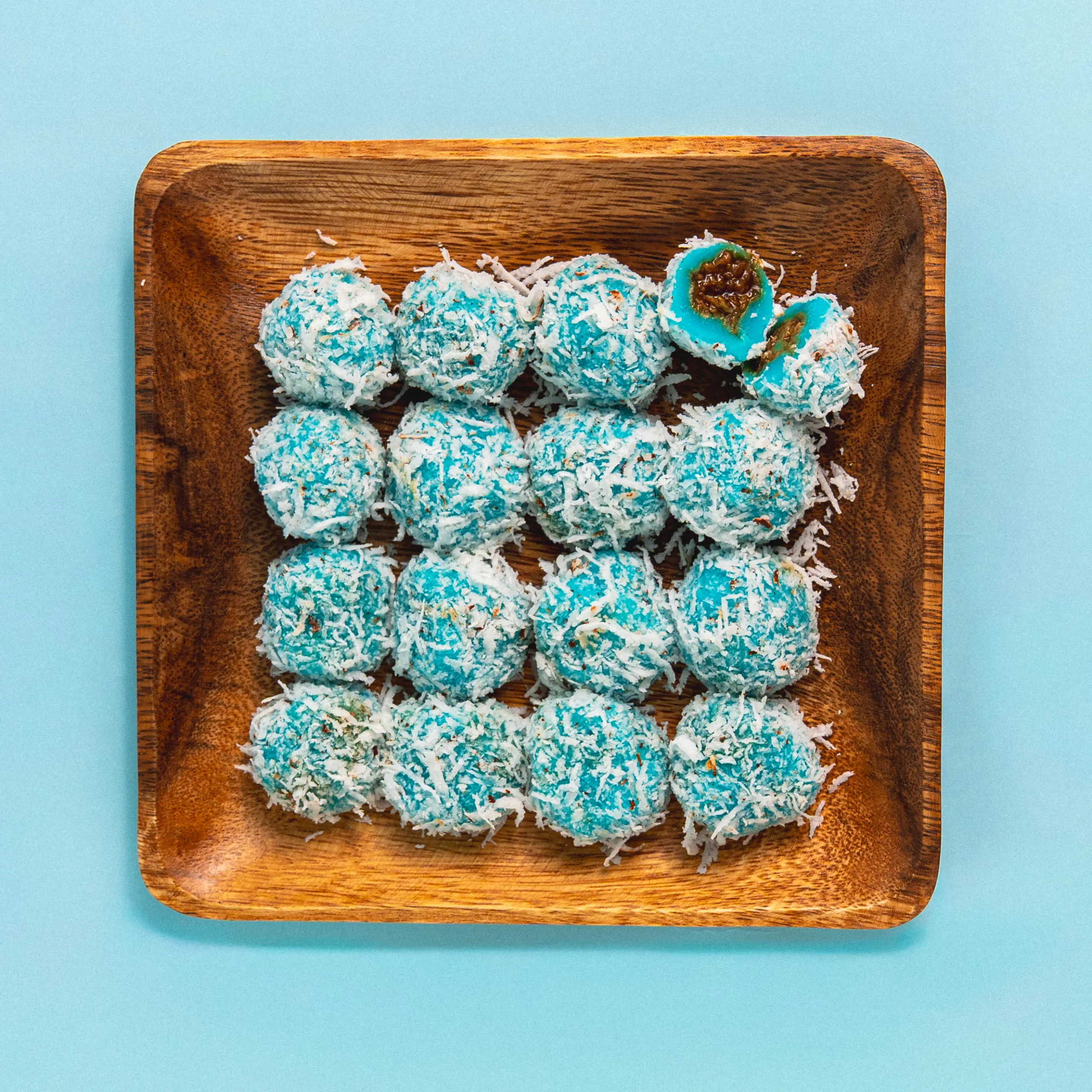
Putli Mandi Recipe (Jolo Sulu Province)

PHOTO: ZOE TAPALGO
YIELDS:
4 SERVING(S)
Prep Time:
40 MINS
Total Time:
55 MINS
Cal/Serv:
223

Nutritional Information

Calories 893 kcal
Fat 29 g
Saturated fat 24 g
Trans fat 0 g
Cholesterol 0 mg
Sodium 64 mg
Carbohydrates 152 g
Fiber 10 g
Sugar 47 g
Protein 10 g
Vitamin D 0 µg
Calcium 55 mg
Iron 3 mg
Potassium 426 mg

Note: The information shown is Edamam's estimate based on available ingredients and preparation. It should not be considered a substitute for a professional nutritionist's advice.

Introduction

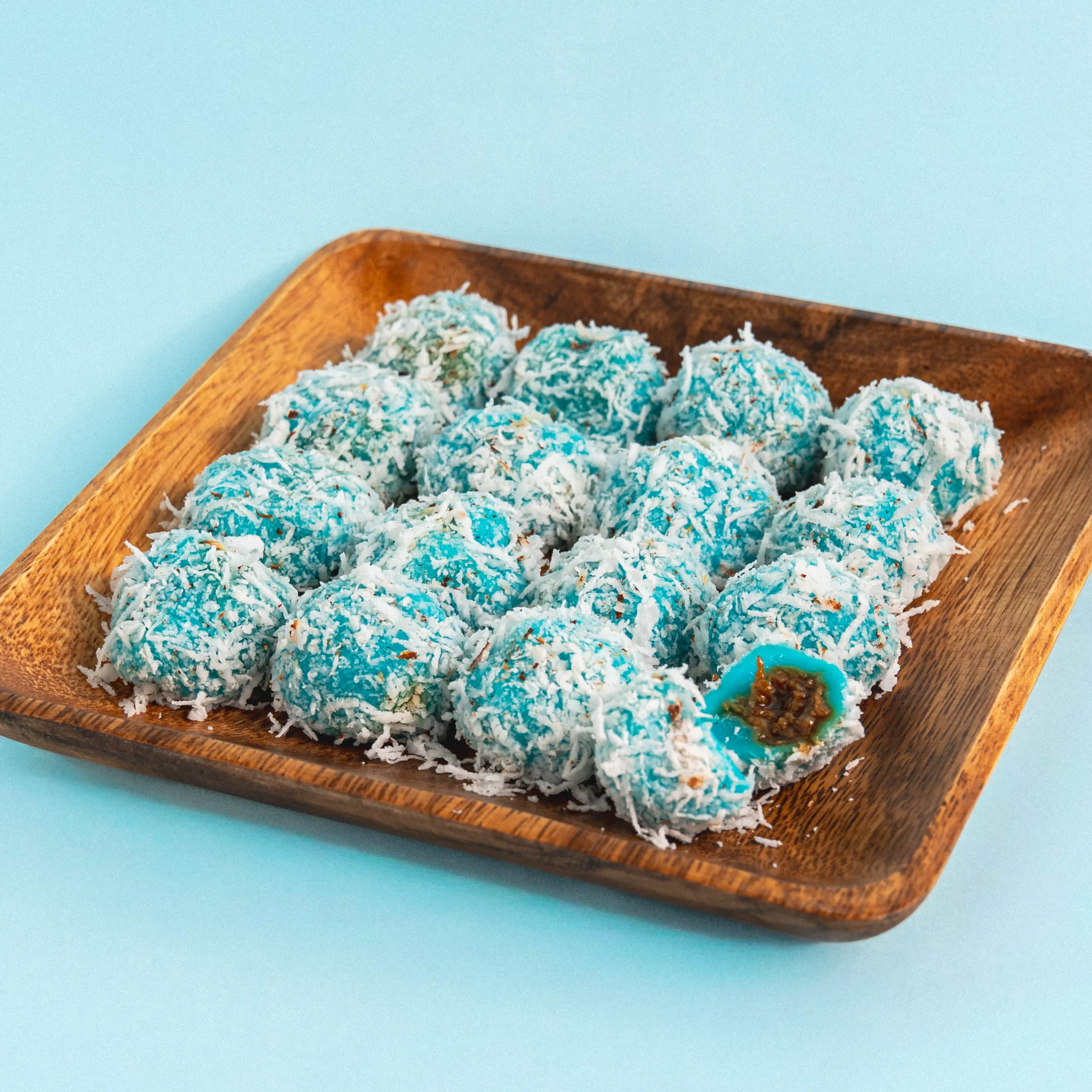
Putli Mandi is one of the most beloved traditional delicacies from Jolo, Sulu Province in the southern Philippines. Often served during celebrations, family gatherings, and special occasions, this colorful rice cake is known for its soft, chewy glutinous rice dough that surrounds a rich, sweet coconut filling. Each piece is then generously coated with freshly grated coconut, creating a dessert that’s simple in appearance but wonderfully satisfying in both flavor and texture.

The name Putli Mandi is commonly associated with the Tausug people, whose rich culinary traditions have been passed down through generations. Although the recipe uses only a handful of pantry ingredients, every bite reflects the careful preparation and patience that make many traditional Filipino delicacies so special. The contrast between the tender rice dough, the gooey caramelized coconut filling, and the light coating of fresh coconut makes this dessert both comforting and memorable.

While ube food coloring gives the dough its signature purple hue, the color is completely optional and doesn’t affect the flavor. The beauty of Putli Mandi lies in its soft, chewy texture and sweet coconut center, making it a favorite among both children and adults. Whether you’re preparing it for a festive occasion or simply exploring regional Filipino cuisine, this homemade version brings the authentic flavors of Sulu right into your kitchen.

Recipe Tips

  • Use freshly grated coconut whenever possible for the best flavor and texture.
  • Stir the coconut filling frequently while cooking to prevent burning.
  • Allow the filling to cool completely before shaping to make assembling much easier.
  • Keep the dough covered whenever you’re not using it to prevent it from drying out.
  • Seal each rice ball carefully to prevent the filling from leaking during boiling.
  • Avoid adding too much food coloring—a few drops are enough to achieve the traditional light purple color.
  • Cook the rice balls in batches so they have enough room to float freely.
  • Coat the rice balls with grated coconut while they’re still warm for better coverage.
  • If using frozen grated coconut, thaw and drain any excess moisture before coating.
  • Putli Mandi is best enjoyed on the day it’s made, when the dough is at its softest and the coconut is at its freshest.

Ingredient Substitutions

Muscovado Sugar

Brown sugar is the closest substitute and creates a similar caramel flavor. Coconut sugar or panocha sugar can also be used for a deeper, more traditional sweetness.

Fresh Grated Coconut

If fresh coconut isn’t available, frozen grated coconut can be used after thawing and draining well. Unsweetened desiccated coconut may also work, although it has a drier texture and won’t provide the same freshness.

Glutinous Rice Flour

For the authentic chewy texture, glutinous rice flour is highly recommended and should not be substituted with regular rice flour, as the texture will be very different.

Vanilla Extract

Vanilla is optional and simply enhances the aroma. You can omit it or replace it with a small amount of pandan extract for a different but equally delicious fragrance.

Ube Food Coloring

The food coloring is purely for appearance. You can omit it entirely for a traditional white version or use natural purple yam extract if available for both color and a subtle flavor. In fact you can play with colors you desire.

Sugar

The tablespoon of sugar in the dough is optional but adds a hint of sweetness. It can be omitted if you prefer the filling to be the main source of sweetness.

Ingredients

For Sweet Coconut Filling

  • 1 Cup muscovado or brown sugar
  • 0.5 Cup water or coconut juice
  • 1.5 Cup freshly grated coconut
  • 1.5 Tablespoon glutinous rice flour (add little water to make a paste)
  • Pinch salt
  • 0.25 Teaspoon vanilla extract

For the Rice Dough

  • 3 Cup glutinous rice flour
  • 2 Tablespoon white sugar
  • 0.125 Teaspoon ube (taro) food coloring (i used blue coloring)

Coating

  • 2.5 Cup fresh grated coconut
Keep screen awake

Directions

Prepare the Sweet Coconut Filling

Step 1

In a medium saucepan, combine the muscovado or brown sugar with the water. Place the pan over medium heat and stir until the sugar has completely dissolved.

Allow the mixture to come to a gentle simmer for about 3 to 5 minutes. As it cooks, the syrup will begin to develop a deeper caramel flavor that gives the filling its rich sweetness.

Step 2

Stir the grated coconut into the simmering syrup until it is evenly coated. Continue cooking over low to medium heat while stirring frequently to prevent the mixture from sticking to the bottom of the pan.

As the coconut absorbs the syrup, the mixture will gradually become thicker and more cohesive.

Step 3

In a small bowl, combine the glutinous rice flour with a little water to form a smooth paste without lumps.

Slowly pour the paste into the coconut mixture while stirring continuously. This helps bind the filling together so it stays neatly inside the rice dough after cooking.

Add a pinch of salt and a few drops of vanilla extract. Continue cooking for another 2 to 4 minutes until the filling becomes thick, sticky, and easy to scoop.

Step 4

Transfer the cooked coconut filling to a plate or shallow bowl and allow it to cool completely.

Once cooled, scoop small portions and roll them into marble-sized balls. Arrange them on a plate and set aside while preparing the dough.

Prepare the Rice Dough

Step 1

In a large mixing bowl, combine the glutinous rice flour and sugar.

Gradually pour in the water while mixing with your hands or a sturdy spoon. Add a few drops of ube food coloring and continue mixing until the color is evenly distributed throughout the dough.

Step 2

Continue kneading until the dough becomes smooth, soft, and pliable. It should feel similar to soft modeling clay—easy to shape without being sticky.

If the dough feels too dry and cracks when pressed, add water one teaspoon at a time.

If it becomes too sticky, sprinkle in a little more glutinous rice flour until the texture is easy to handle.

Cover the dough with a clean kitchen towel or plastic wrap while working to prevent it from drying out.

Shape the Putli Mandi

Step 1

Pinch off small portions of dough, about the size of a golf ball.

Roll each portion into a smooth ball using the palms of your hands.

Step 2

Flatten one dough ball into a small disc using your fingers.

Place one coconut filling ball in the center.

Carefully bring the edges of the dough up around the filling and pinch the seams together tightly to completely seal the filling inside.

Roll the filled dough gently between your palms until smooth and round again.

Repeat until all the dough and filling have been used.

Cook the Putli Mandi

Step 1

Bring a large pot of water to a gentle boil over medium heat.

Avoid a vigorous rolling boil, as strong bubbling can cause the delicate rice balls to break apart.

Step 2

Carefully lower several Putli Mandi into the boiling water, leaving enough space between them.

Cook for about 5 to 8 minutes, or until they float to the surface. Floating usually indicates that the rice dough is fully cooked.

Allow them to cook for another minute after floating to ensure the centers are completely done.

Step 3

Using a slotted spoon, carefully remove the cooked rice balls and allow the excess water to drain for a few seconds.

Coat and Serve

Step 1

While the Putli Mandi is still warm, gently roll each piece in the freshly grated coconut until completely coated.

The warmth helps the coconut stick naturally to the surface.

Step 2

Arrange the Putli Mandi on a serving platter.

They can be enjoyed slightly warm, at room temperature, or lightly chilled. Their soft, chewy texture and sweet coconut filling make them perfect as a snack, dessert, or festive delicacy.

Putli Mandi end
PHOTO: ZOE TAPALGO

Alexander Villarante

Recipe Developer

Alexander Villarante is a passionate culinary professional with more than 15 years of experience in the hospitality industry, having built his career in prestigious five-star luxury hotels abroad. He studied Culinary Arts at the Singapore Boston Business School, where he developed a strong foundation in both classical and modern culinary techniques. Throughout his career, he has worked alongside talented chefs from diverse cultural backgrounds, refining his skills and gaining extensive experience in creating exceptional dining experiences. His dedication to excellence has earned him recognition in the competitive culinary scene. Alexander participated in the Philippine Culinary Cup, where he received several citations for his creativity, technical expertise, and commitment to his craft. These achievements reflect his passion for continuous learning and his pursuit of culinary excellence.


Frequently Asked Questions

Putli Mandi is a traditional delicacy from Jolo, Sulu Province, made of soft glutinous rice dough filled with sweet coconut and coated in freshly grated coconut. It is a well-loved Tausug dessert often served during celebrations and special occasions.

A cracking dough usually means it is too dry. Add a small amount of water, one teaspoon at a time, and knead until the dough becomes smooth and pliable.

If the dough sticks to your hands, gradually knead in a little more glutinous rice flour until it reaches a soft, workable consistency. Avoid adding too much flour, as it can make the finished rice cakes dense.

If the dough sticks to your hands, gradually knead in a little more glutinous rice flour until it reaches a soft, workable consistency. Avoid adding too much flour, as it can make the finished rice cakes dense.

The rice balls will float to the surface of the boiling water once they are cooked. Let them cook for about one additional minute after floating to ensure the centers are fully done.

Absolutely. While sweet coconut is the traditional filling, you can also use sweetened ube halaya, mung bean paste, sweetened jackfruit, or even a small cube of chocolate for a modern twist while still keeping the chewy glutinous rice dough.

This usually happens if too much flour was added to the dough or if the rice balls were overcooked. Using the correct flour-to-water ratio and cooking only until the balls float will help keep them soft and pleasantly chewy.

0 0 votes
Total of Ratings
guest
Rating
Ratings for Article
0 Comments
Oldest
Newest Most Voted

To provide a customized ad experience, we need to know if you are of legal age in your region.

By making a selection, you agree to our Terms & Conditions.