

Pili trees are indigenous to the Philippines, and it’s only here that pili nuts are produced in commercial quantities.
The world has been gradually taking notice of humble pili nuts, and they’re certainly paying attention. In a few years, we may be seeing pili reign over the international nut market with its taste, versatility, and impressive health benefits.
The Secret Behind Bicol’s World-Class Pili Nuts
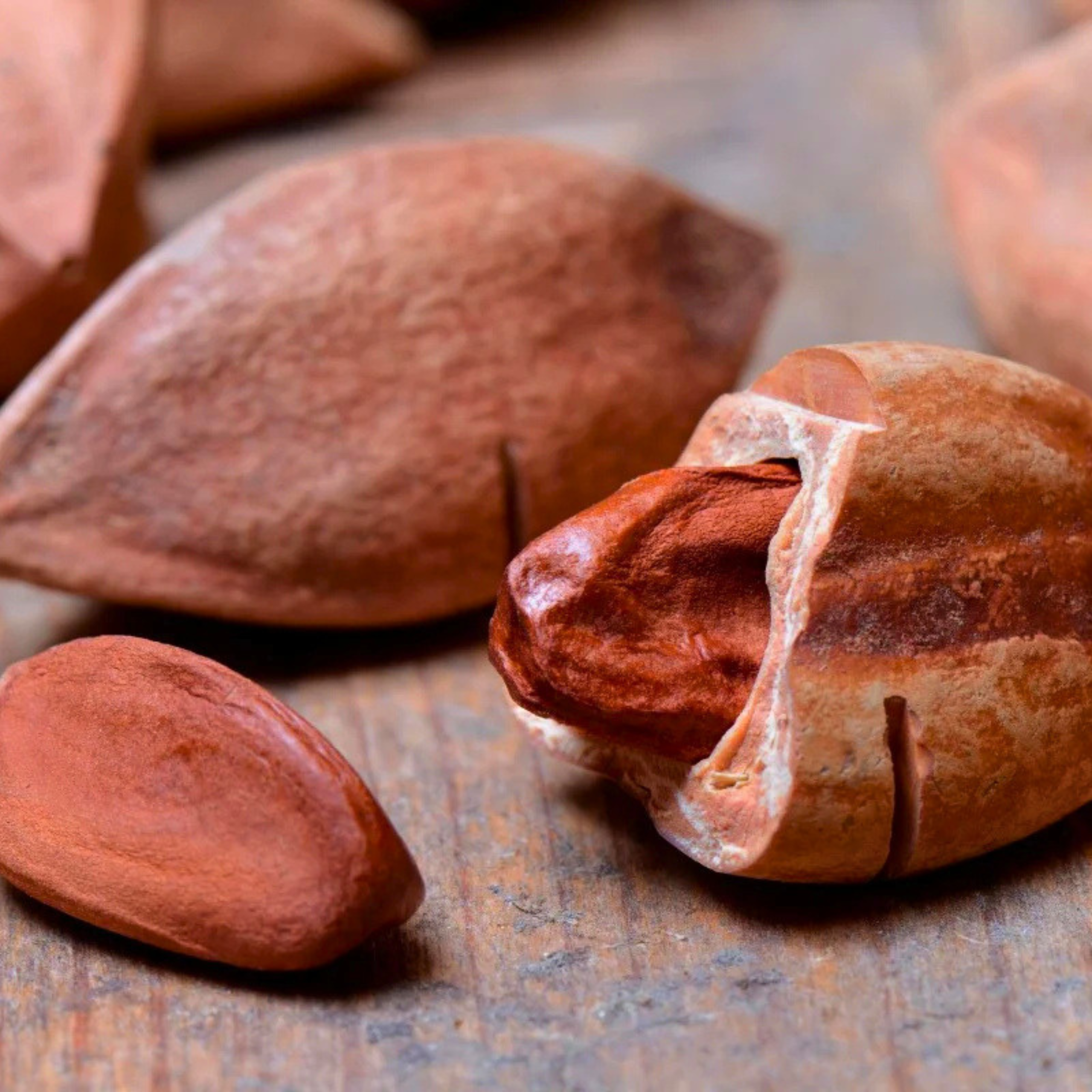
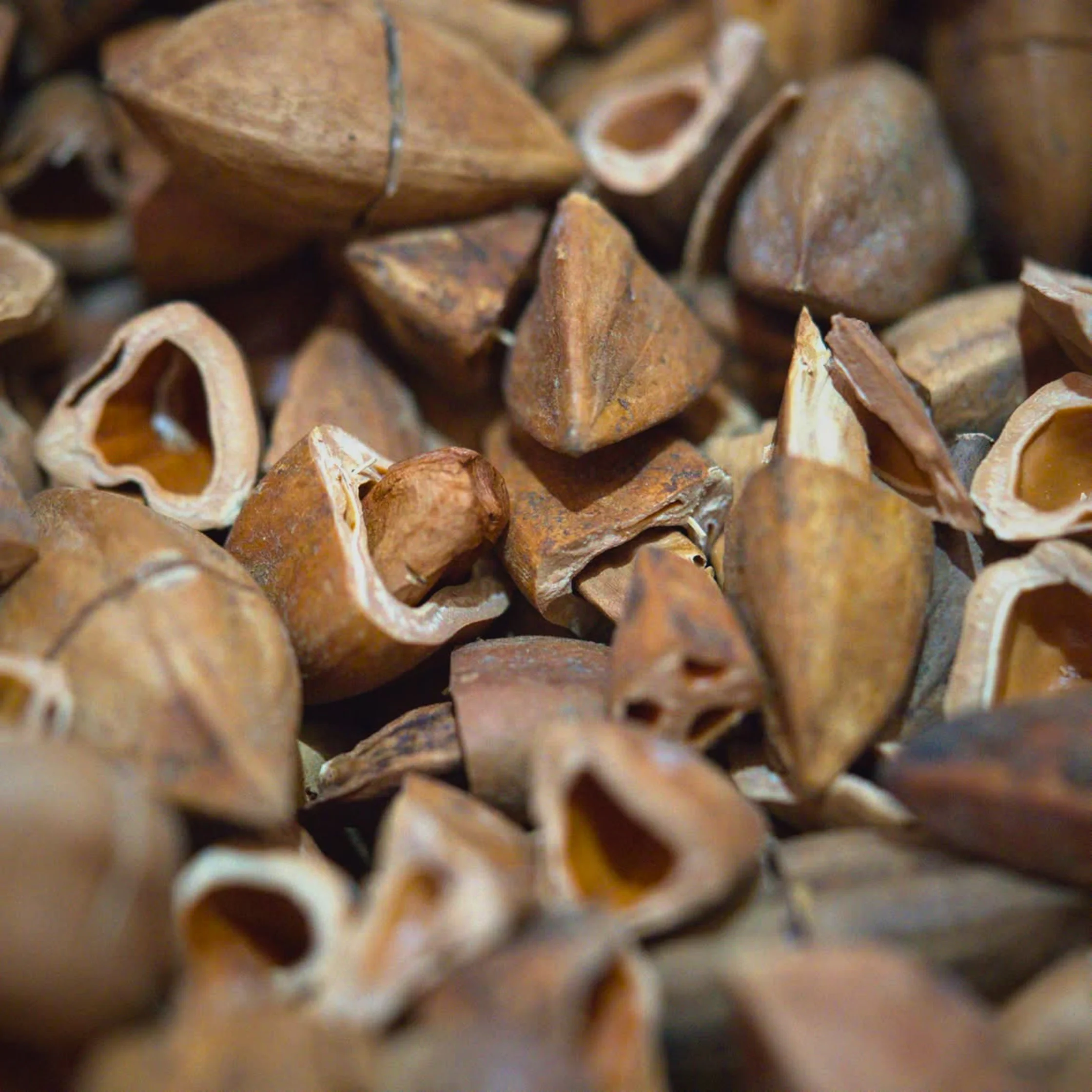
Around 90% of pili production takes place in Bicol—a region that experiences ample rainfall and enjoys rich volcanic soil, and thus well-suited for growing pili trees that bear pili fruits (listed on Slow Food’s Ark of Taste). As such, thousands of farmers in the region rely on pili cultivation for their livelihood. The pili nut as we know it is essentially the kernel, concealed within an infamously tough brown shell. Locals crack it open using a bolo—a meticulous process dubbed pagtilad. The cracking must be done powerfully enough that the hard shell breaks, but carefully so as to not crush the nut within.
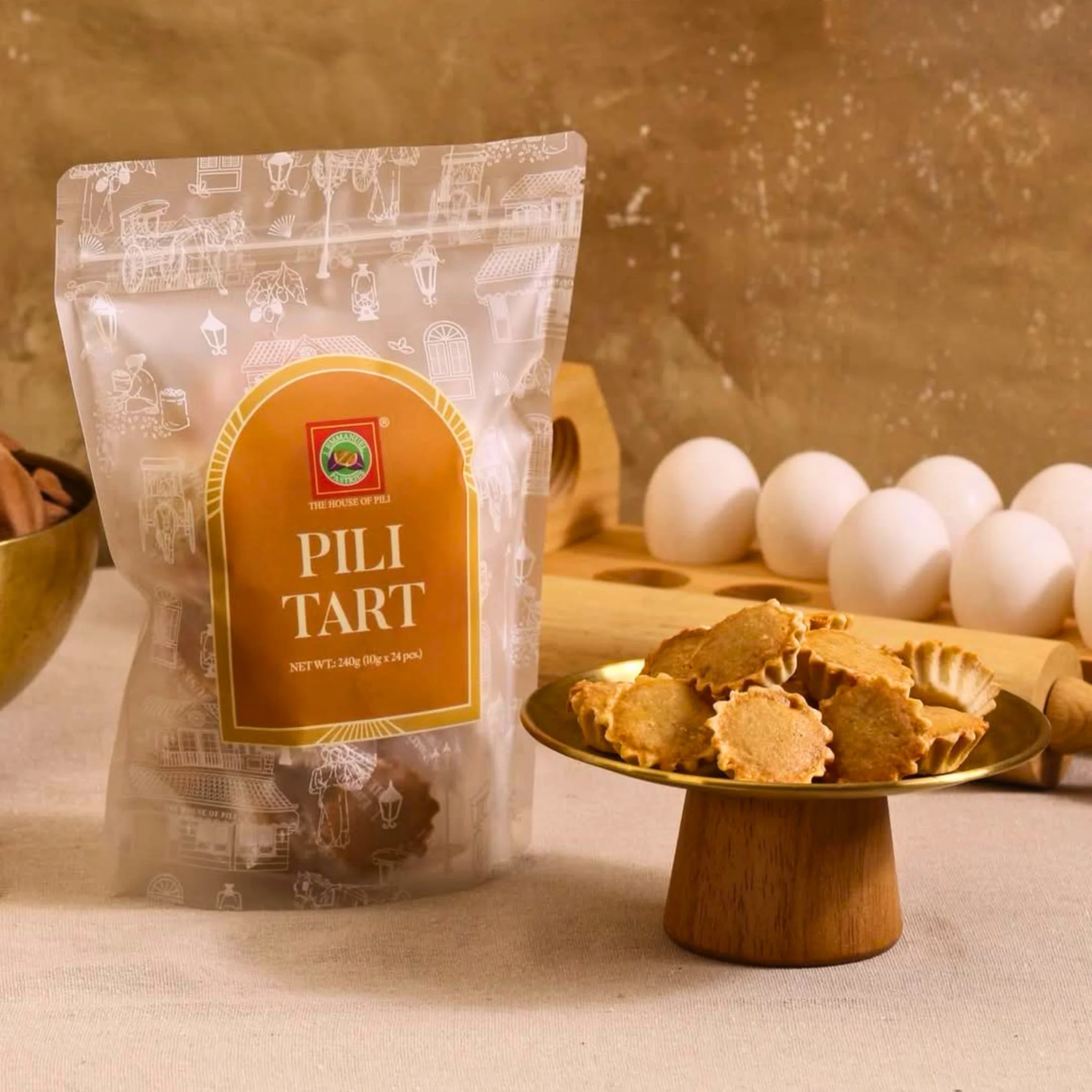
Popular as pasalubong fare, pili nut is sold in a number of ways in the Philippines. At its most basic it’s simply roasted (salted or unsalted)—arguably the best way to savor its buttery texture and mild but rich taste. Popular variations include pili that’s caramelized or coated in sugar or cacao powder. The nut is also used to make spinoff treats like mazapan, a fudge-like confection with ground pili as well as tarts, layered bars, and more.
Locally and abroad, a large part of pili’s appeal is its excellent nutritional profile. It’s got fans among the health-savvy, including those following paleo or ketogenic diets, and those looking for plant-based or alternative ingredients,which is right in line with the rise of wellness and eco-conscious values among diners today.
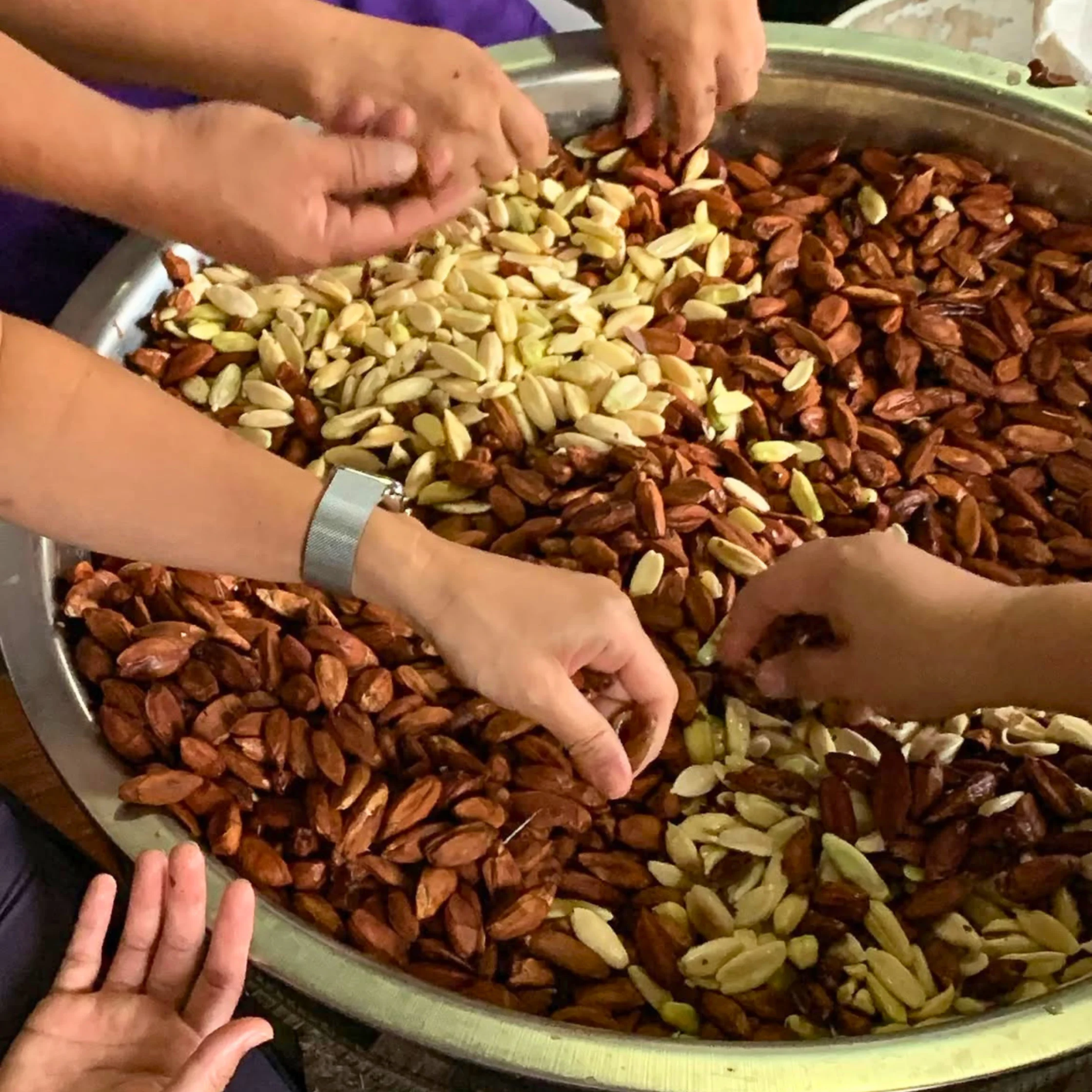
The nuts are rich in omega-3s, a.k.a. the “healthy fats” that help regulate cholesterol and keep heart disease at bay. They’re also a complete protein source as they contain all the essential amino acids. Compared to other nuts, pili’s got high amounts of vitamin E, thiamin, phosphorous, manganese, and magnesium. They’re also rich in antioxidants that help reduceReduceA cooking technique in which a liquid is simmered until some of the water evaporates, thickening its texture and concentrating its flavor. Home cooks reduce sauces, stocks, and glazes, andGo to Reduce Glossary inflammation.
How the Philippine Pili Nut Is Winning Fans Around the World
Of course, it also gets plenty of global praise for its taste. The South China Morning Post says it’s “as tasty as pumpkin or sunflower seeds”; Vogue describes it to have a “melting, buttery texture [when roasted], evocative of plant-based foie gras.” The nut also earned high praise from Robert Herjavec, one of the investors of Shark Tank season 11, in an episode featuring U.S.-based purveyor Pili Hunters.
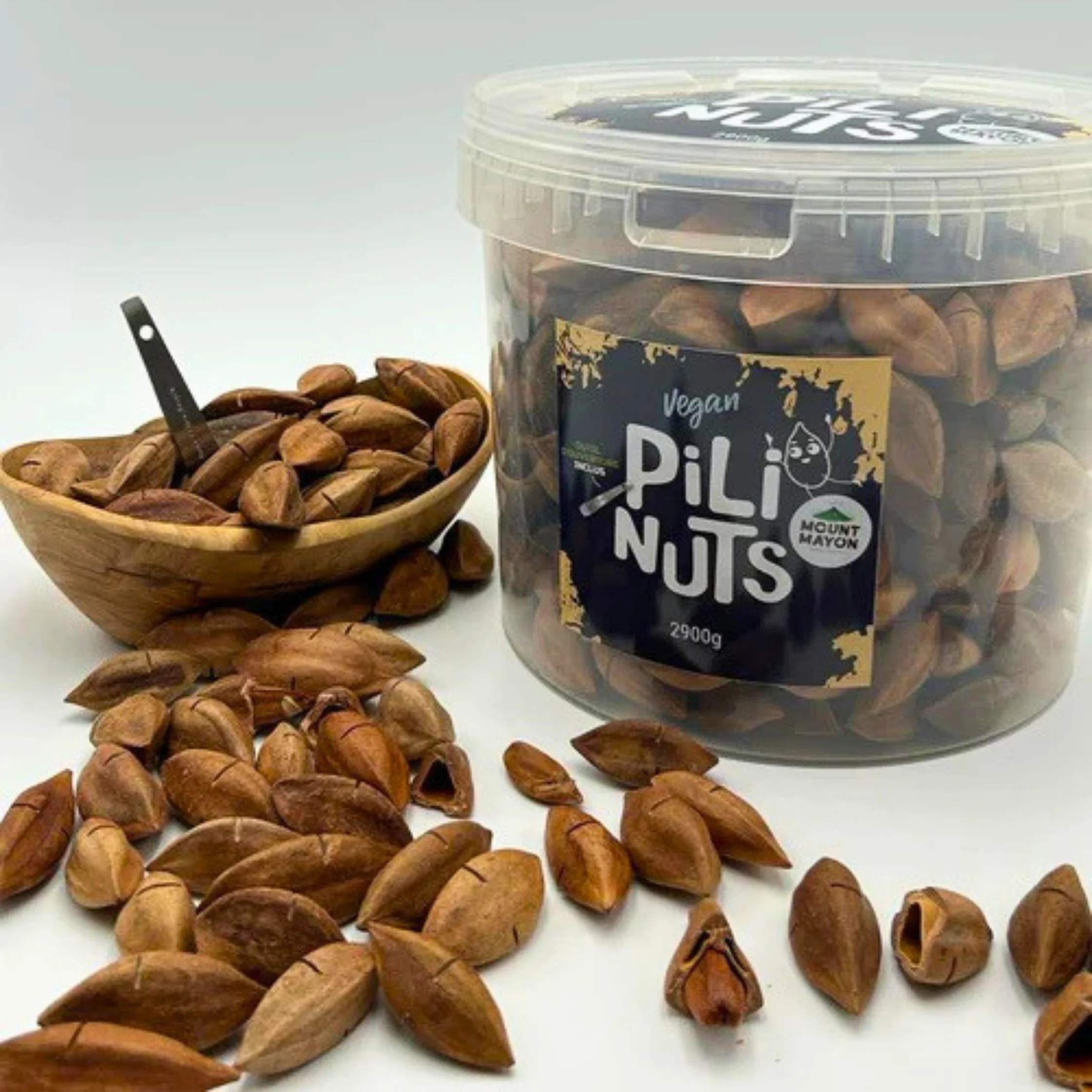
Today, there are PH-based brands bringing the pili nut abroad: Mount Mayon, for example, sells their products in different parts of Asia, the U.S., and Europe; it even won the top spot in a French snack foods competition in 2018. J. Emmanuel Pastries has been exporting pili products to the U.S. and Japan since 2005. Querica has reached trade fairs around Europe—including the coveted SIAL Paris in 2024 and Anuga in Cologne in 2025.
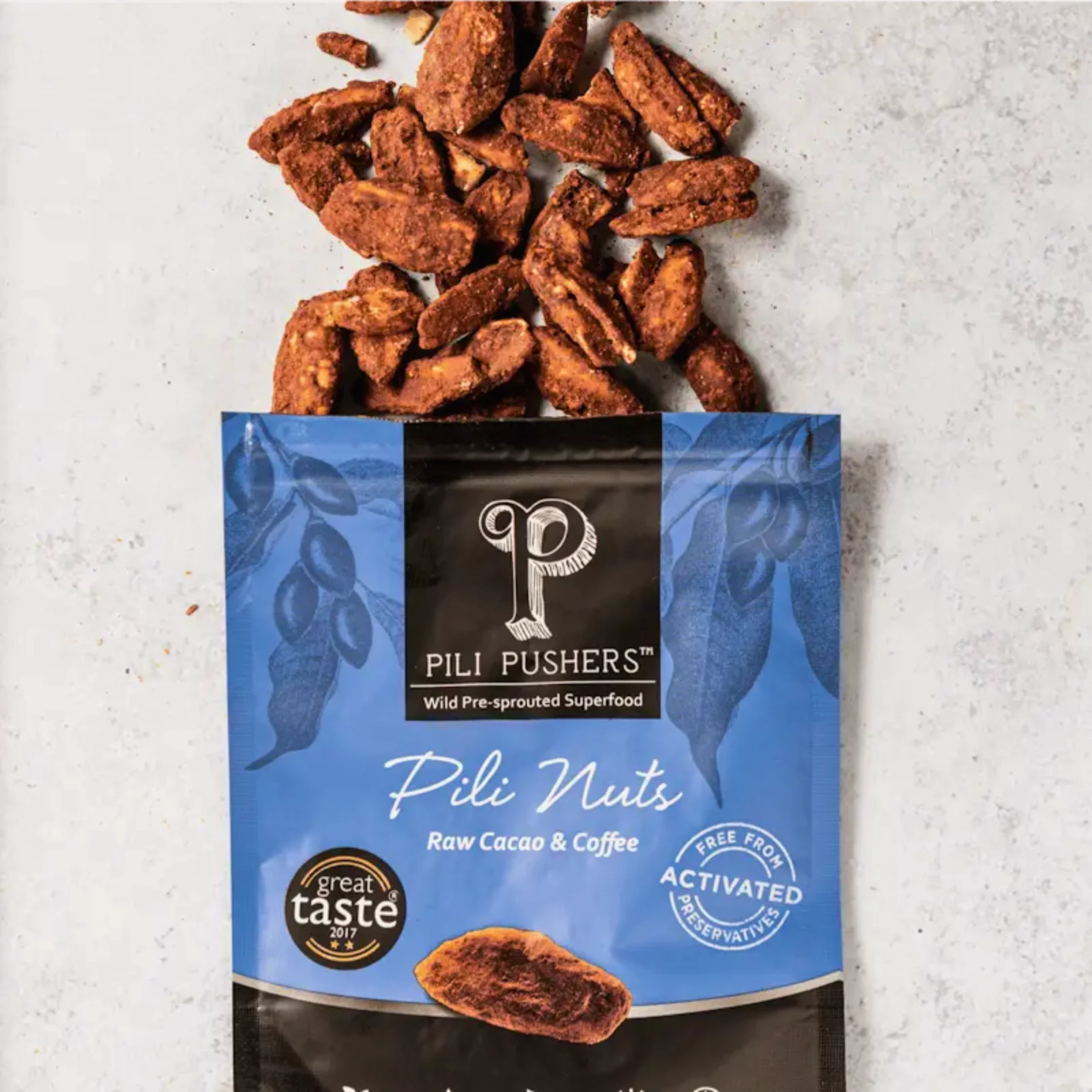
There’s also a growing number of international pili purveyors, like Pili Pushers in Singapore; and the aforementioned Pili Hunters in the U.S., which supplies to specialty retailers like Erewhon. Elsewhere, there are brands like Lavva in the U.S. using pili nuts to make dairy-free milk and yogurt.
With pili being granted renewed market access to the European Union in 2023, plus continued efforts from local and global players to bring pili to trade shows and specialty store shelves around the globe, it’s safe to say this is only the beginning for the beloved, buttery nut.

Frequently Asked Questions
Pili nuts are rich in omega-3 fatty acids, antioxidants, vitamin E, magnesium, manganese, phosphorus, and complete protein, making them one of the most nutrient-dense tree nuts available.
Pili trees are native to the Philippines, with around 90% of commercial production taking place in the Bicol Region.
Roasted pili nuts have a rich, buttery flavor with a soft, creamy texture that’s often compared to macadamia nuts.
The edible kernel is enclosed in an extremely hard shell that is traditionally cracked open by hand using a careful process known as pagtilad.
Their unique flavor, nutritional profile, and versatility have made them popular among wellness consumers, plant-based brands, and specialty food retailers worldwide.
Beyond roasted snacks, pili nuts are used in mazapan, pastries, dairy-free milk and yogurt, spreads, chocolates, and other specialty food products.