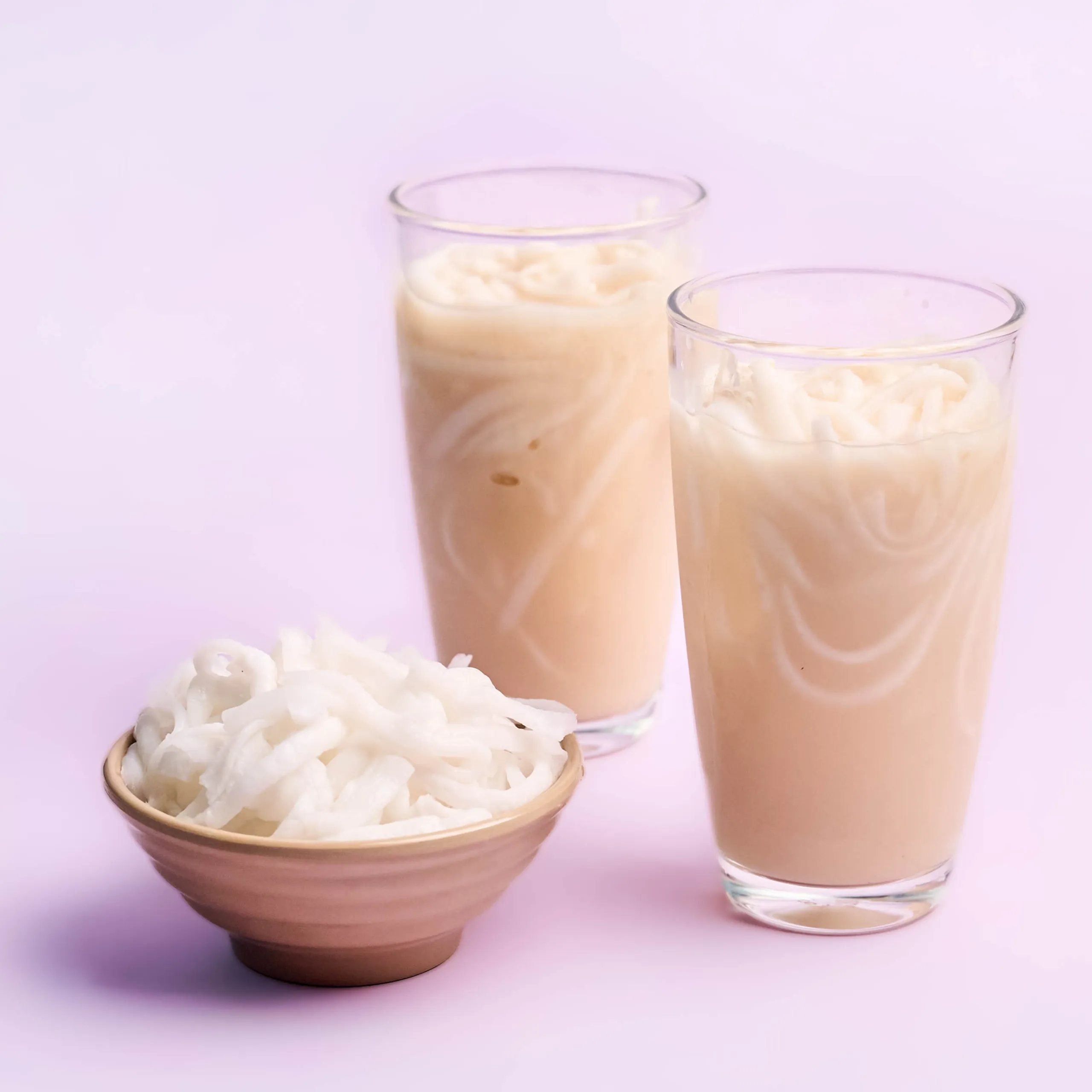


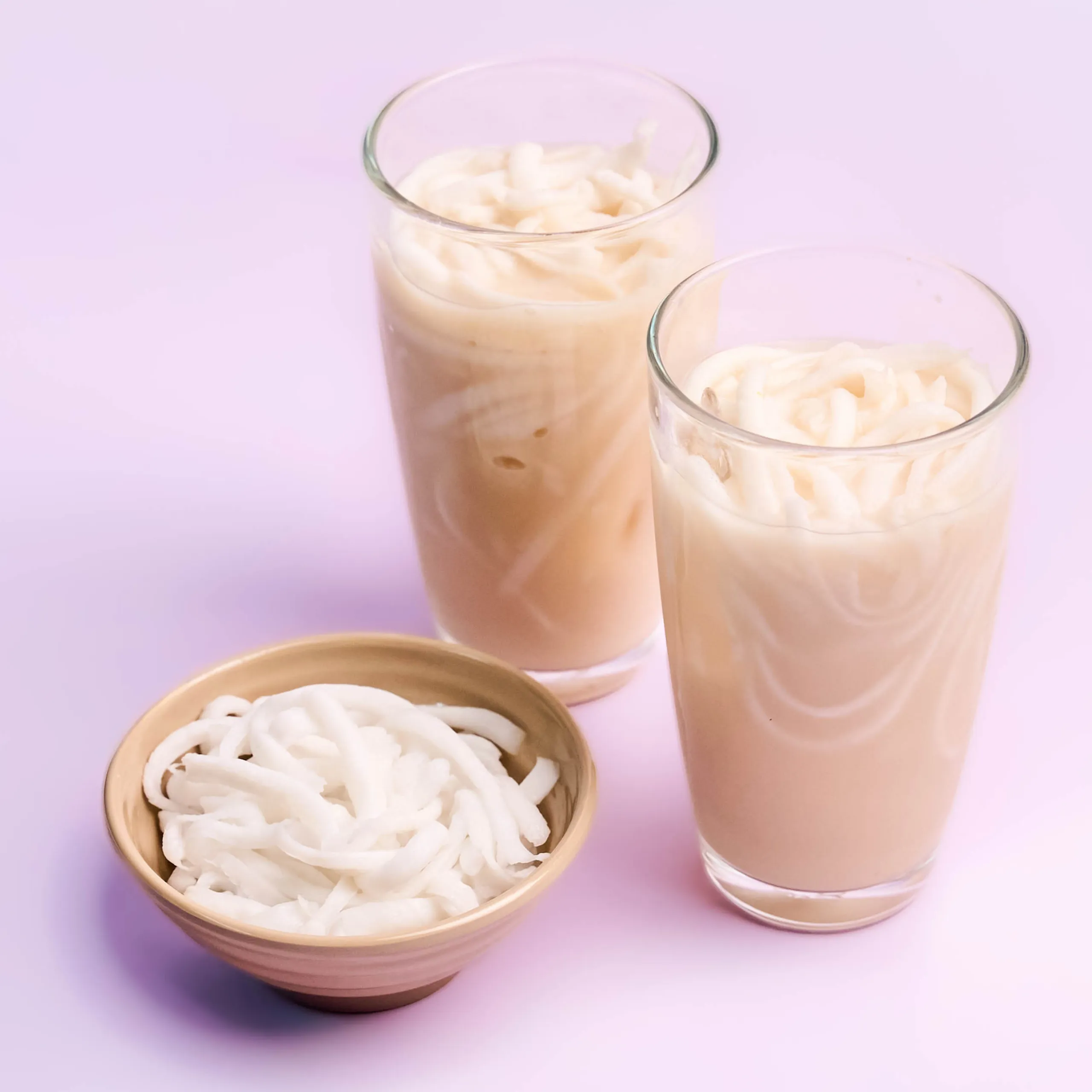
When the tropical heat becomes almost unbearable, few drinks are as satisfying and naturally refreshing as a cold glass of Samalamig na Buko, also known as Buko Cooler. Made with tender young coconut meat, naturally sweet coconut water, and plenty of ice, this classic Filipino beverage is a simple yet delicious way to cool down while enjoying the fresh taste of one of the Philippines’ most treasured fruits.
For many Filipinos, buko is more than just an ingredient—it’s part of everyday life. Fresh coconuts are commonly sold along highways, in local markets, at beach resorts, and by roadside vendors who skillfully open each coconut within seconds. Whether enjoyed straight from the shell or transformed into refreshing drinks and desserts, young coconut has long been appreciated for its naturally sweet flavor, delicate texture, and hydrating properties.
Samalamig na Buko takes these fresh ingredients and turns them into a delightful cooler that is light, creamy, and incredibly refreshing. The combination of shredded young coconut, fresh coconut water, lightly sweetened syrup, and optional evaporated milk creates a drink that’s both nourishing and satisfying. Every sip offers soft strands of tender coconut, making it feel almost like enjoying both a beverage and a dessert at the same time.
One of the best things about this recipe is its simplicity. It requires only a few ingredients, takes very little time to prepare, and can easily be customized to suit your taste. Whether you prefer the traditional version made with just coconut water and sugar or a creamier version enriched with evaporated milk and vanilla, Samalamig na Buko is always a welcome treat.
Perfect for family lunches, summer gatherings, backyard celebrations, beach picnics, or simply relaxing after a long day, this homemade Buko Cooler brings the refreshing taste of the tropics right into your own kitchen.
History of Samalamig na Buko
The coconut tree has been an essential part of Filipino life for thousands of years. Often called the “Tree of Life,” every part of the coconut tree has traditionally been used by Filipino communities—from its fruit and leaves to its husk and wood. Because coconuts grow abundantly throughout the country, they naturally became one of the most important ingredients in Filipino cooking.
The tradition of drinking fresh young coconut water dates back centuries. Long before commercial soft drinks became widely available, Filipinos enjoyed freshly harvested coconuts as a natural source of hydration, especially during the country’s long, hot summers. Vendors would often sell freshly opened coconuts along roadsides, allowing travelers to enjoy cool coconut water directly from the shell.
As Filipino street food culture evolved, creative vendors began incorporating shredded young coconut into sweet beverages known as samalamig, a Filipino term referring to cold refreshments commonly sold during warm weather. The naturally sweet coconut water was combined with additional sweeteners, ice, and sometimes evaporated milk to create a richer, more indulgent drink.
The creamy version gained popularity during the mid-20th century when canned evaporated milk became a common household pantry staple. Families discovered that adding milk created a smoother texture that complemented the delicate sweetness of young coconut without overpowering its natural flavor.
Today, Samalamig na Buko continues to be enjoyed throughout the Philippines. It remains a favorite at fiestas, birthdays, family reunions, beach outings, Christmas celebrations, and ordinary afternoons when a cool drink is all that’s needed to brighten the day. While modern cafés may offer elaborate coconut beverages, this traditional cooler remains beloved because of its freshness, simplicity, and unmistakable tropical character.
Why You’ll Love This Recipe
- Naturally refreshing and perfect for hot weather.
- Made with simple, fresh ingredients.
- Quick and easy to prepare.
- Light, creamy, and delicious.
- Family-friendly and suitable for all ages.
- Easily customizable to your preferred sweetness.
- Can be served as both a refreshing drink and a light dessert.
- A wonderful way to enjoy fresh young coconut at home.
Recipe Tips
- Always use fresh young coconut whenever possible for the best flavor and texture.
- Chill the coconut water before making the drink to keep it naturally refreshing.
- Taste the coconut water before adding sugar since some young coconuts are naturally sweeter than others.
- Add the ice just before serving to avoid watering down the drink.
- Use freshly scraped coconut meat instead of frozen varieties for a softer texture.
- If making the creamy version, stir gently to keep the coconut strips from breaking apart.
- Refrigerating the drink for a short time before serving helps the flavors blend beautifully.
- Garnish with additional coconut strips or a small mint sprig for an attractive presentation.
- For parties, prepare the liquid base ahead of time and add the shredded coconut and ice shortly before serving.
Ingredient Substitutions
Although fresh ingredients provide the best flavor, these substitutions work well when needed:
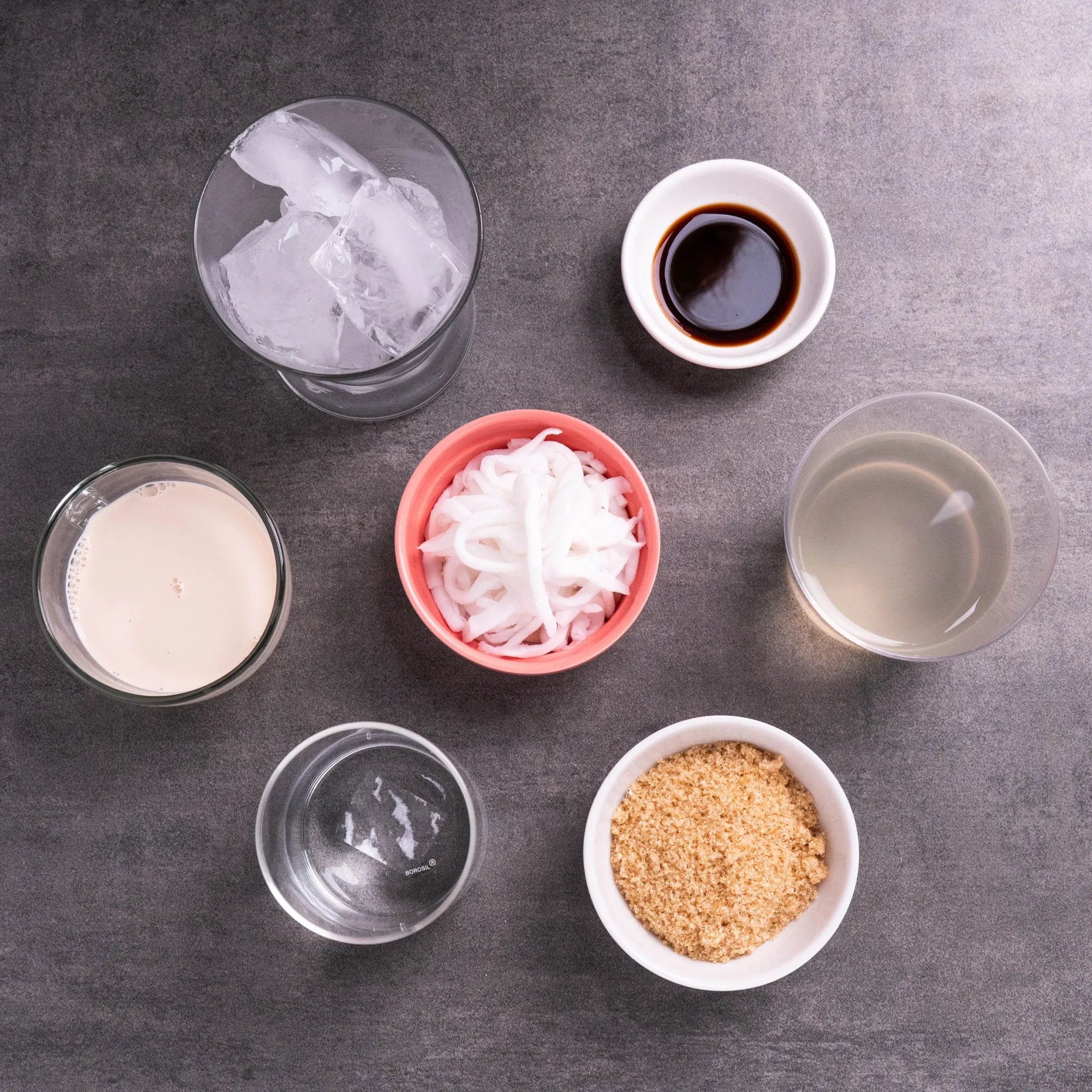
- Fresh young coconut meat: Frozen young coconut meat (thawed) or bottled shredded coconut specifically labeled for beverages.
- Fresh coconut water: Unsweetened packaged coconut water with no added flavors or sweeteners.
- Brown sugar: White sugar, coconut sugar, muscovado, or simple syrup.
- Evaporated milk: Fresh milk, almond milk, oat milk, soy milk, or coconut milk for a dairy-free alternative.
- Vanilla extract: Coconut extract for enhanced coconut flavor or simply omit it.
- Ice cubes: Crushed ice for a traditional Filipino street-vendor presentation.
- Cold water: Chilled filtered water or additional coconut water for an even richer coconut taste.
Knowledge About Samalamig na Buko
The coconut tree plays a remarkable role in Filipino culture and is often called the “Tree of Life” because nearly every part of it has a practical use. The fruit provides refreshing water, tender meat, cooking milk, oil, and many dessert ingredients, while the husk, shell, leaves, and trunk are used for crafts, fuel, roofing, and construction.
Samalamig na Buko showcases the natural flavor of young coconut without requiring complicated preparation. Unlike heavily processed beverages, this drink allows the subtle sweetness of fresh coconut water to remain the star of the recipe.
The soft strands of young coconut add a unique texture that sets this drink apart from ordinary fruit juices. Rather than simply drinking flavored liquid, you enjoy delicate bites of tender coconut with every sip.
Many Filipino families also prepare variations by adding pandan leaves for fragrance, nata de coco for extra texture, or small pieces of fruit such as melon or lychee. Despite these creative additions, the traditional version remains popular because of its clean, refreshing taste and minimal ingredients.
Whether served during summer afternoons, family reunions, beach vacations, or festive celebrations, Samalamig na Buko continues to symbolize hospitality, relaxation, and the refreshing flavors of the Philippine tropics.
Health Benefits of the Ingredients
Samalamig na Buko is more than just a refreshing beverage. Thanks to its fresh ingredients, it also provides several nutrients that can contribute to a balanced diet when enjoyed as part of an overall healthy lifestyle.
Young Coconut Meat (Buko)
Young coconut meat provides dietary fiber, which supports healthy digestion and promotes fullness. It also contains small amounts of healthy fats, potassium, manganese, and other minerals that contribute to normal body functions. Its soft texture makes it enjoyable for people of all ages.
Coconut Water
Coconut water is naturally rich in electrolytes such as potassium and contains magnesium, calcium, and sodium in modest amounts. These minerals help support normal muscle function and hydration, making coconut water a refreshing choice after spending time in hot weather or engaging in light physical activity.
Water
Adding cold water helps maintain hydration while balancing the natural sweetness of the coconut water. Staying hydrated supports healthy circulation, temperature regulation, and many essential body functions.
Brown Sugar
Brown sugar contributes sweetness and a subtle caramel flavor that enhances the drink. While it contains trace amounts of minerals from molasses, it is still an added sugar and is best enjoyed in moderation.
Evaporated Milk
When included, evaporated milk adds protein, calcium, and vitamin D (if fortified), contributing to stronger bones and teeth while creating a creamier, more satisfying beverage.
Vanilla Extract
Vanilla extract enhances the aroma and flavor of the drink, making it taste richer without requiring large amounts of additional sweeteners.
Final Thoughts
Samalamig na Buko is a beautiful reminder that some of the most refreshing recipes are also the simplest. By combining tender young coconut, naturally sweet coconut water, and a handful of everyday ingredients, you can create a drink that is both comforting and incredibly satisfying. Its delicate flavor, soft coconut strands, and icy freshness make every glass feel like a small taste of the tropics.
Beyond its delicious flavor, Buko Cooler reflects the abundance of the coconut in Filipino life and the creativity of home cooks who transform simple, fresh ingredients into something memorable. It is a drink often associated with warm family gatherings, seaside vacations, festive celebrations, and quiet afternoons when a refreshing treat is all that’s needed to brighten the day.
Whether you choose the traditional version that highlights the pure taste of fresh coconut or the creamy variation enriched with evaporated milk and vanilla, this homemade Buko Cooler is sure to become a favorite. Serve it well chilled, share it with family and friends, and enjoy a timeless Filipino refreshment that celebrates freshness, simplicity, and the warm hospitality at the heart of Filipino cuisine.