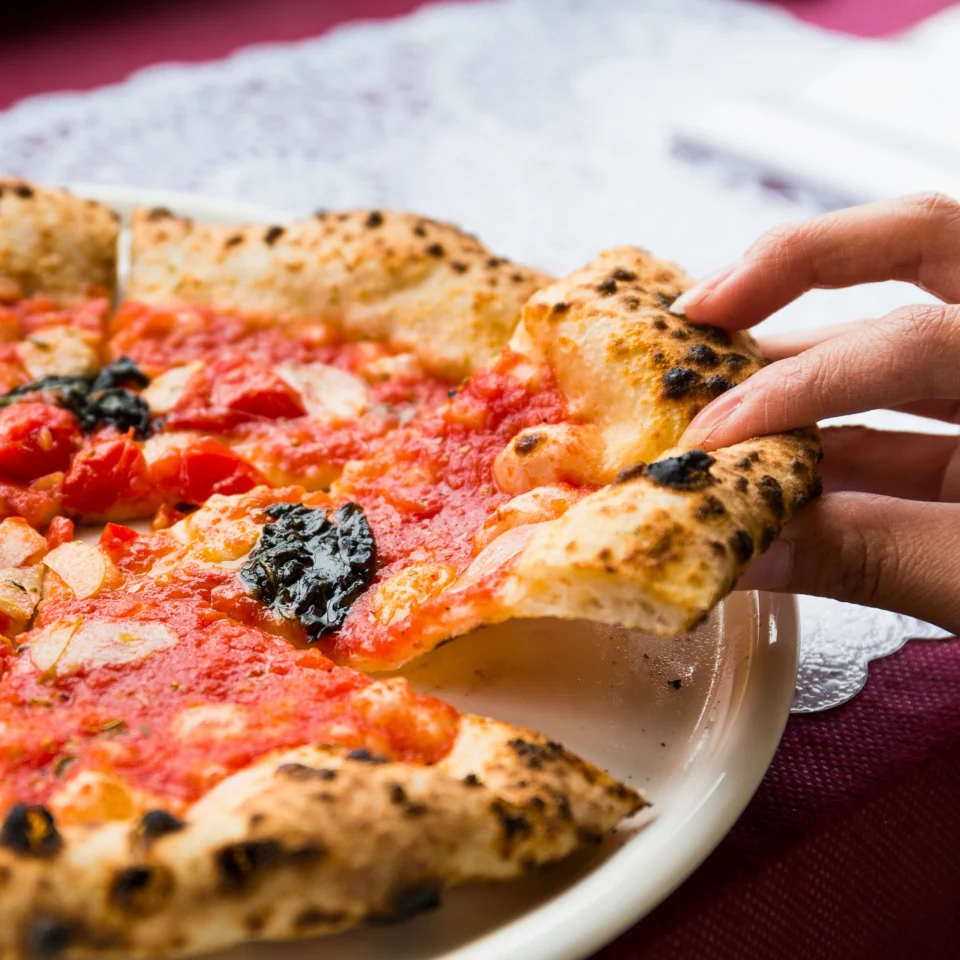


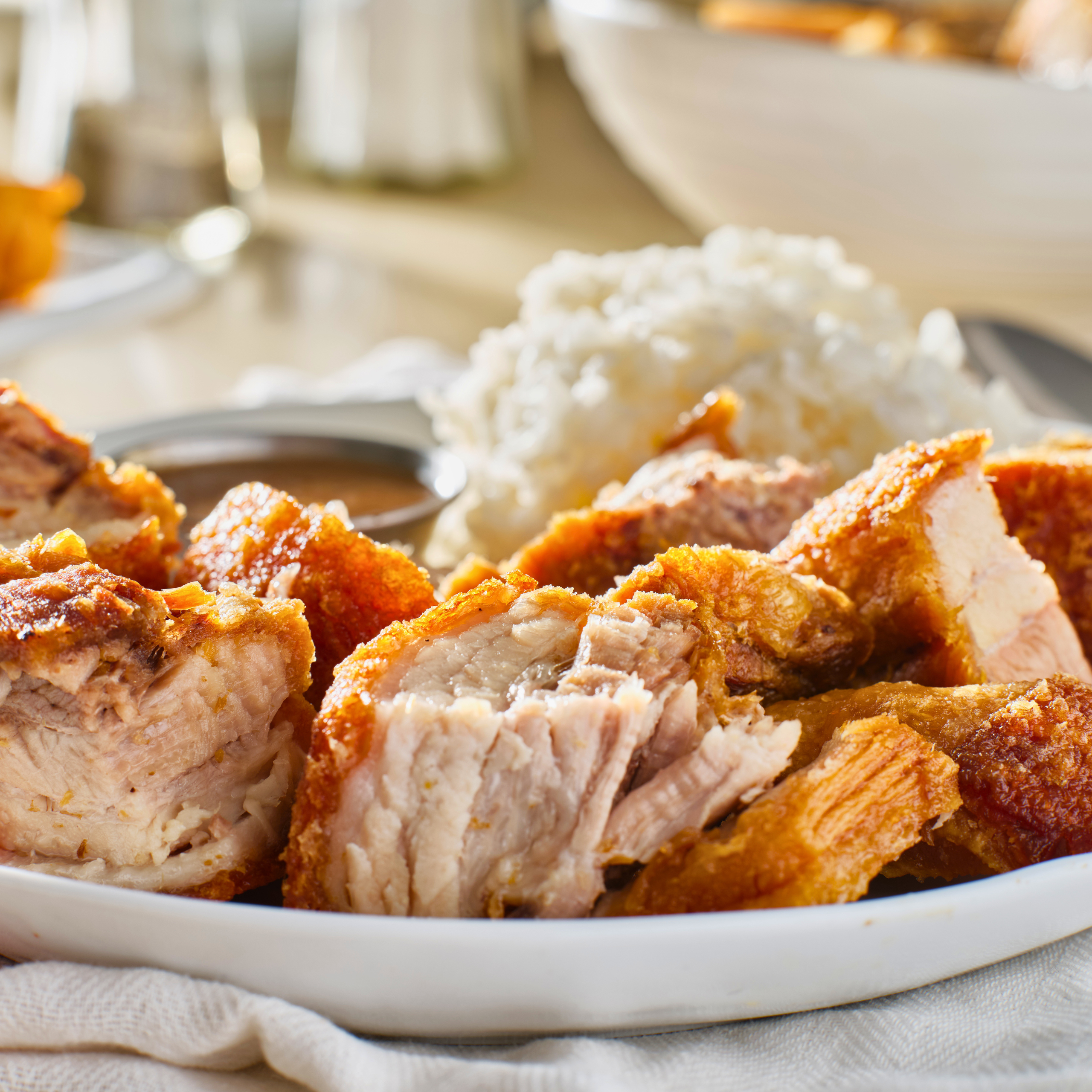
It’s in the audible crunch as your teeth sink into a roll of fried lumpia. The browned surface of lechon kawali that makes way to a succulent interior. The soft crackle as you chomp down on chicharon. The toasted edges of okoy begging to be soaked in suka.
Crispiness is one of the most glorious sensations to be encountered, and it features heavily in Filipino cuisine for good reason.
Why Humans Are Naturally Drawn to Crispy Foods
It’s not just us Filipinos who welcome a good, crunchy bite. As Digamo’s chef Francis Lacson explains, the preference for crispy foods is rooted in human psychology: “Crispiness triggers acoustic signals that are naturally associated with freshness and high quality.”
It also makes food more “exciting to eat,” says Hapag’s chef Thirdy Dolatre. “It’s not just about flavor anymore. It becomes about texture, sound, contrast, and that satisfaction you get when something has a proper bite.”
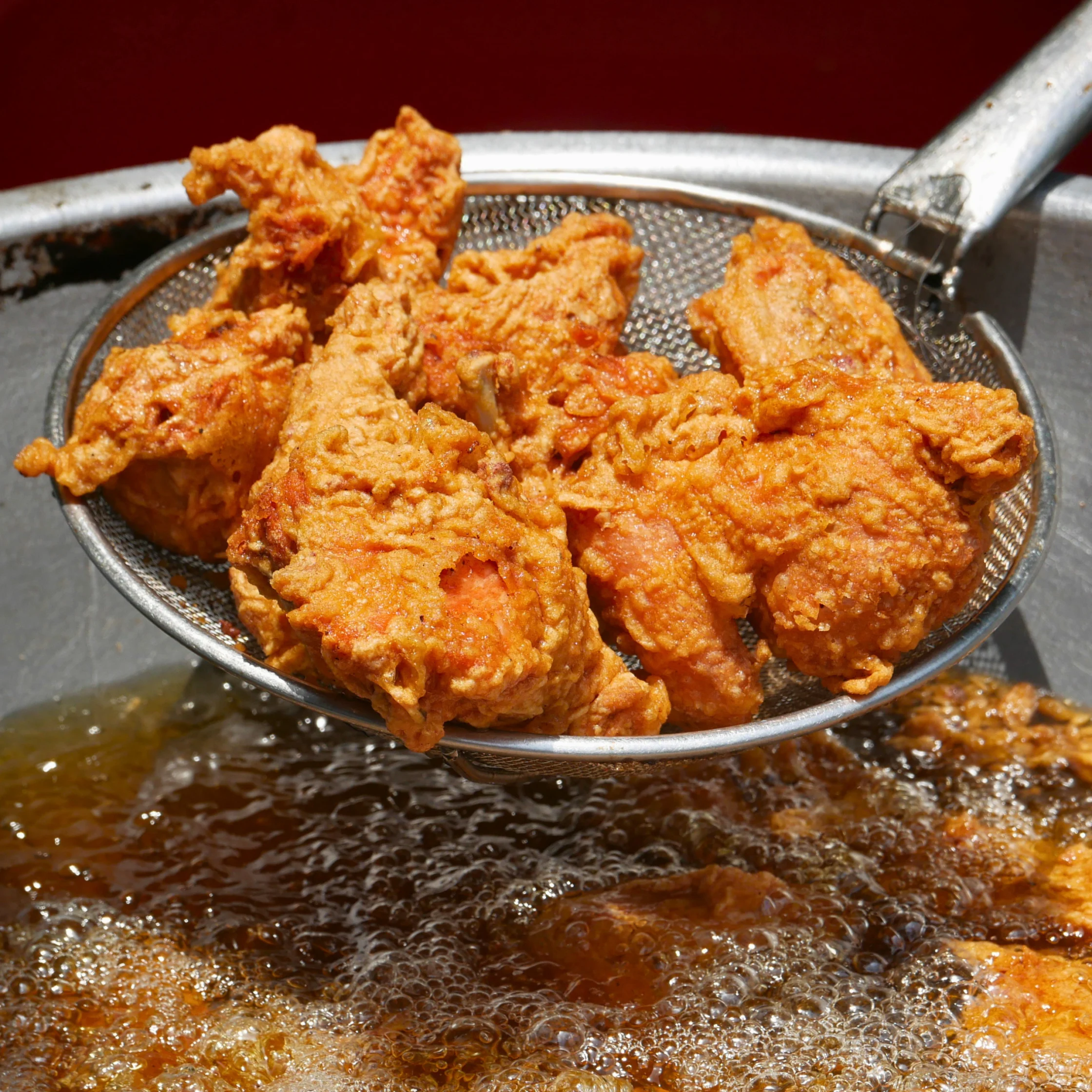
“Imagine eating a steak without a good sear or crust, or tapaTapaThinly sliced cured beef, marinated in soy sauce, garlic, sugar, and vinegar, then pan-fried until tender and browned at the edges. Served with garlic rice, fried egg, and spiced vinegarGo to Tapa Glossary, tocino, and longganisa without that ‘tusta.’ Parang may kulang,” Thirdy muses. “That little bit of char, caramelization, or crisp edge, what we often associate with browning and the Maillard reaction, makes food feel more complete.”
Why Crispiness Is So Deeply Embedded in Filipino Food Culture
But there is also a distinctly Filipino love of lutong. Francis calls the Filipino affinity for crispy foods one that’s “deeply embedded in the local culinary culture”: “We often equate crispiness with high quality. Fried chicken with a delicate, shattering skin is considered superior. Lumpia, turon, and okoyOkoyCrispy Filipino fritters made from small shrimp and shredded vegetables such as sweet potato or bean sprouts, bound in a light batter and deep-fried until golden. Best enjoyed hot withGo to Okoy Glossary are best when served hot and crunchy. Meanwhile, chicharon is judged based on the soft crackling sound it makes immediately after being dipped in a sawsawan—a fleeting moment of perfection before it becomes soggy. In Western Visayas, we even add Boy Bawang to kinilaw to provide a distinct textural contrast.”
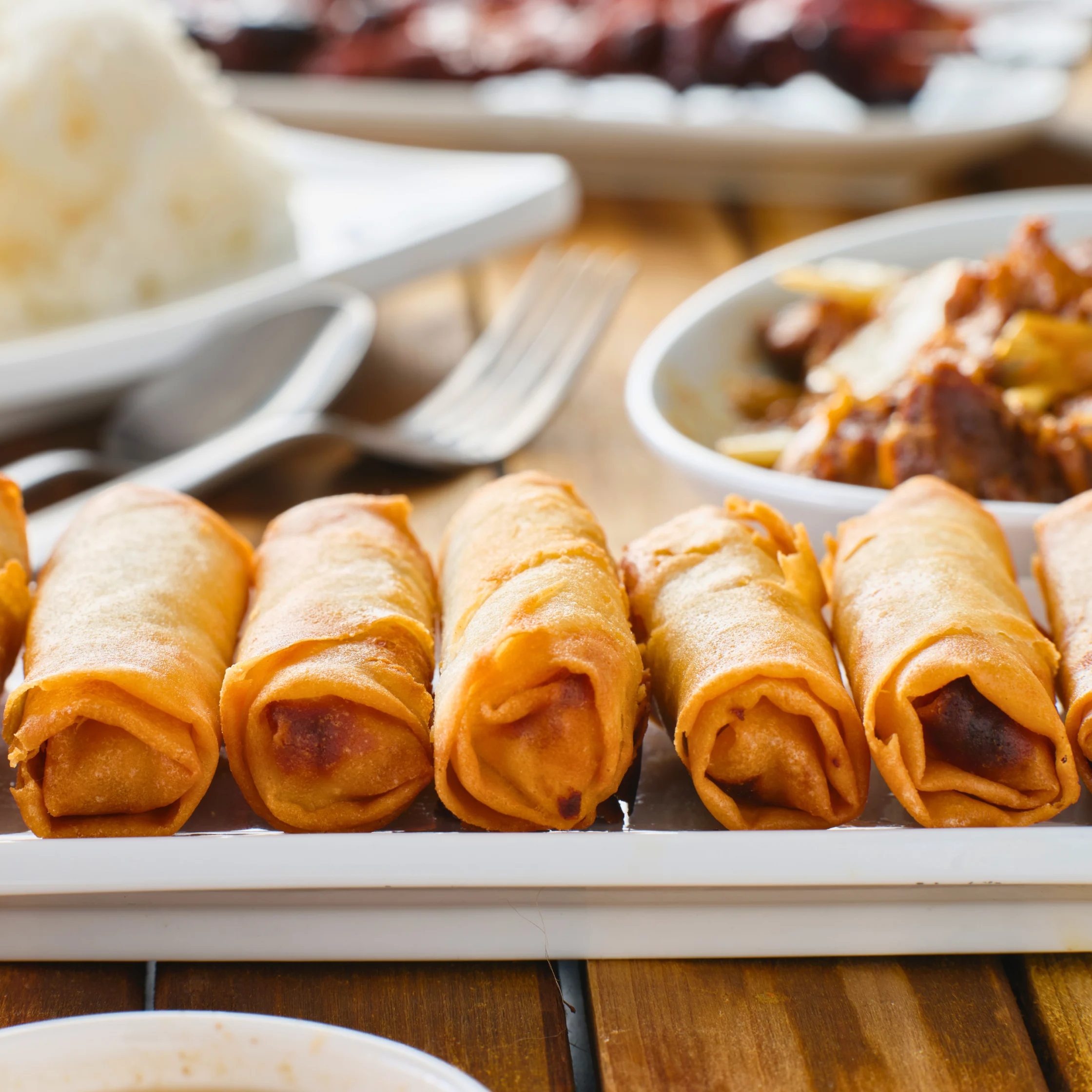
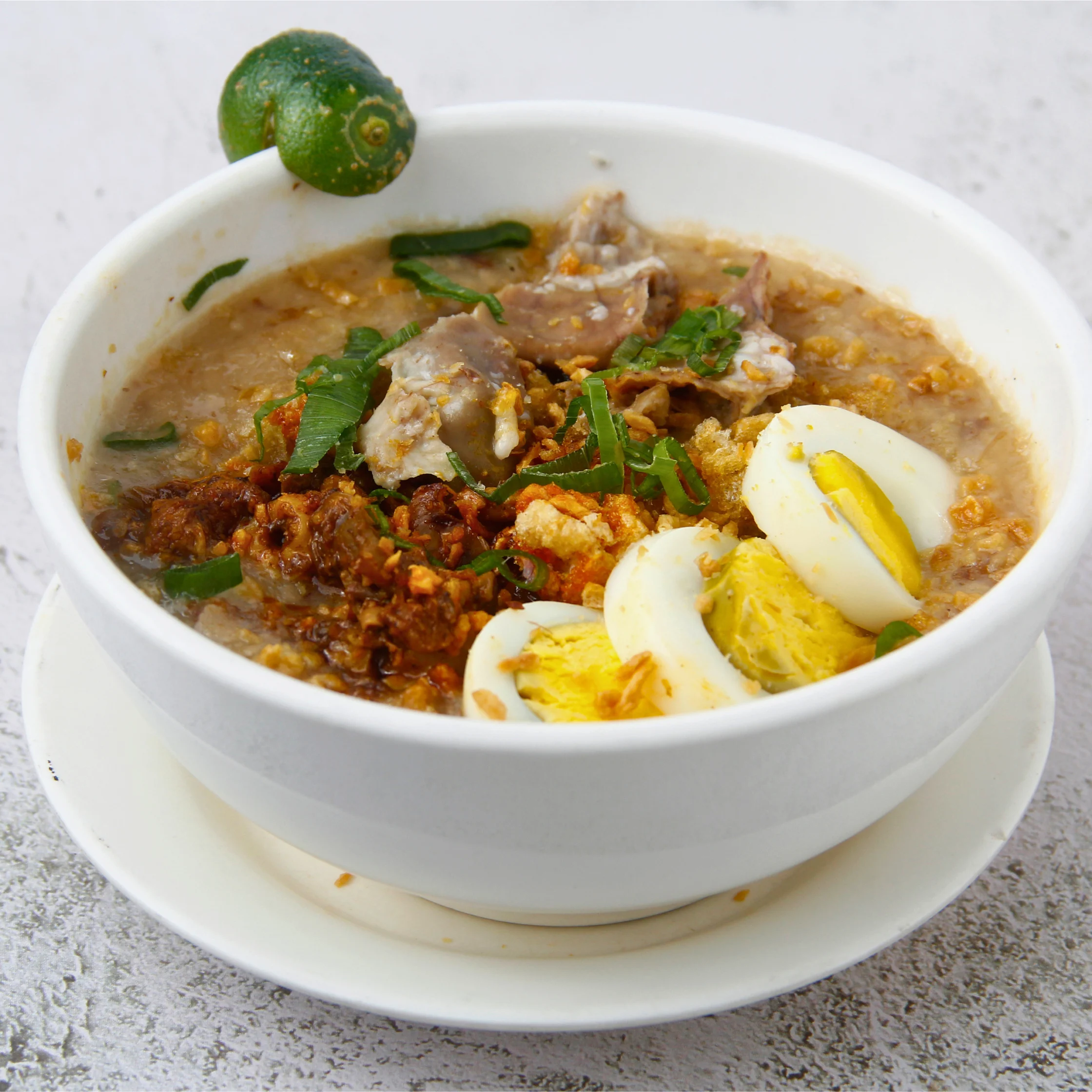
This comes down, in large part, to our love of contrasts. “We love adding something crisp to something soft, rich, saucy, or comforting,” says Thirdy. “[Think] lugaw with crispy garlic, monggo with chicharon, adobo na nagmamantika with crispy edges, crispy pata, salty and crisp lechonLechonWhole pig roasted over charcoal until the meat is tender and the skin turns shatteringly crisp. The star of any fiesta or celebration, lechon has regional variations across the Philippines,Go to Lechon Glossary skin [with the meat], sisig [with a crispy topping], and turon [with its crisp lumpia wrapper].”
Add to that the fact that we eat most of our meals with rice. Consider the way fried foods, with their saltiness, richness, fattiness, and robust taste can help take a serving of plain rice to far more flavorful heights, says chef Sau del Rosario. “These elements serve to complement and enhance plain steamed rice effectively. The inclusion of a modest portion of crispy, flavorful meat can transform several servings of rice into a highly satisfying meal.”
The Joy of Crunch: Understanding the Filipino Love for Crispy Food
The Filipino love of crispiness may also be a more modern preference. Before the age of refrigerators, Thirdy explains, Filipinos relied on preservation techniques like inasinan, dinaing, tuyo, tinapa, and so on. “These methods were originally about survival and preservation, but over time, the next natural step was to cook, fry, or crisp them up again, whether in oil or in their own rendered fat, to bring back texture, aroma, and pleasure.”
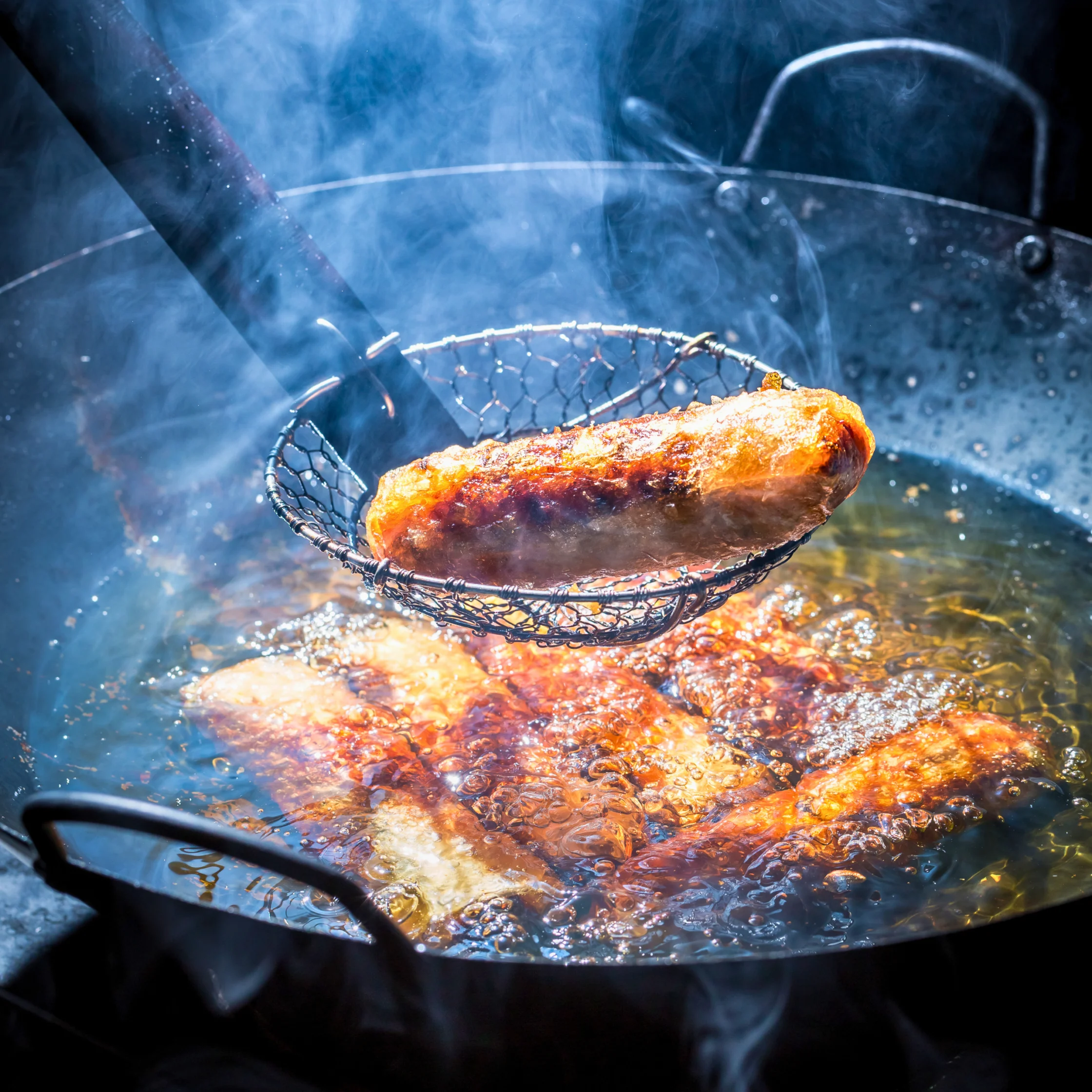
Foreign influences play a part too, Francis adds—consider the foreign influences in our cuisine brought about by the country’s long history of colonization. From the Chinese came woks and high-heat flash-frying; from the Spaniards came the art of roasting meat; from the Americans came deep-frying techniques.
And maybe there’s just the fact that we Filipinos are joyful people. Big, bold sensations are where it’s at—the act of devouring the crisp and crunchy no doubt included.

Frequently Asked Questions
Lutong refers to the desirable browned, toasted, crispy, or caramelized qualities that add flavor and texture to food.
Crispy foods provide sensory satisfaction through texture, sound, and flavor, often signaling freshness and quality.
It creates contrast, enhances flavor, and complements rice-based meals.
Lechon kawali, chicharon, lumpia, turon, okoy, crispy pata, and sisig are popular examples.
Many Filipinos see crisp textures as a sign of proper cooking, freshness, and craftsmanship.
Chinese frying techniques, Spanish roasting methods, and American deep-frying traditions all played a role.