

In a Filipino’s highs or lows in life, there’s nothing like inuman that ties bonds and shares experiences in every chug or shot.
It’s no surprise that a table can either have beer, cocktails, wine, or even some lambanog in a drinking session. For us, there’s always a reason to drink; and here’s one more. You’ve got to try the oldest drink human history made in our very own country—mead.
From Beekeeping to Mead-Making: The Story of La Mesa Mead
Tucked in the corner of a car wash area in Lagro, Quezon City, La Mesa Mead is fermenting honey, yeast, water, and spices into one bottle after the other. Born out of the need to adapt and innovate, siblings King and Vanessa del Rosario began the business in 2023. “We started that year with a coffee shop during the pandemic, then we also did some beekeeping here and in Zambales. That’s why we’re called La Mesa Mead because malapit kami sa watershed.
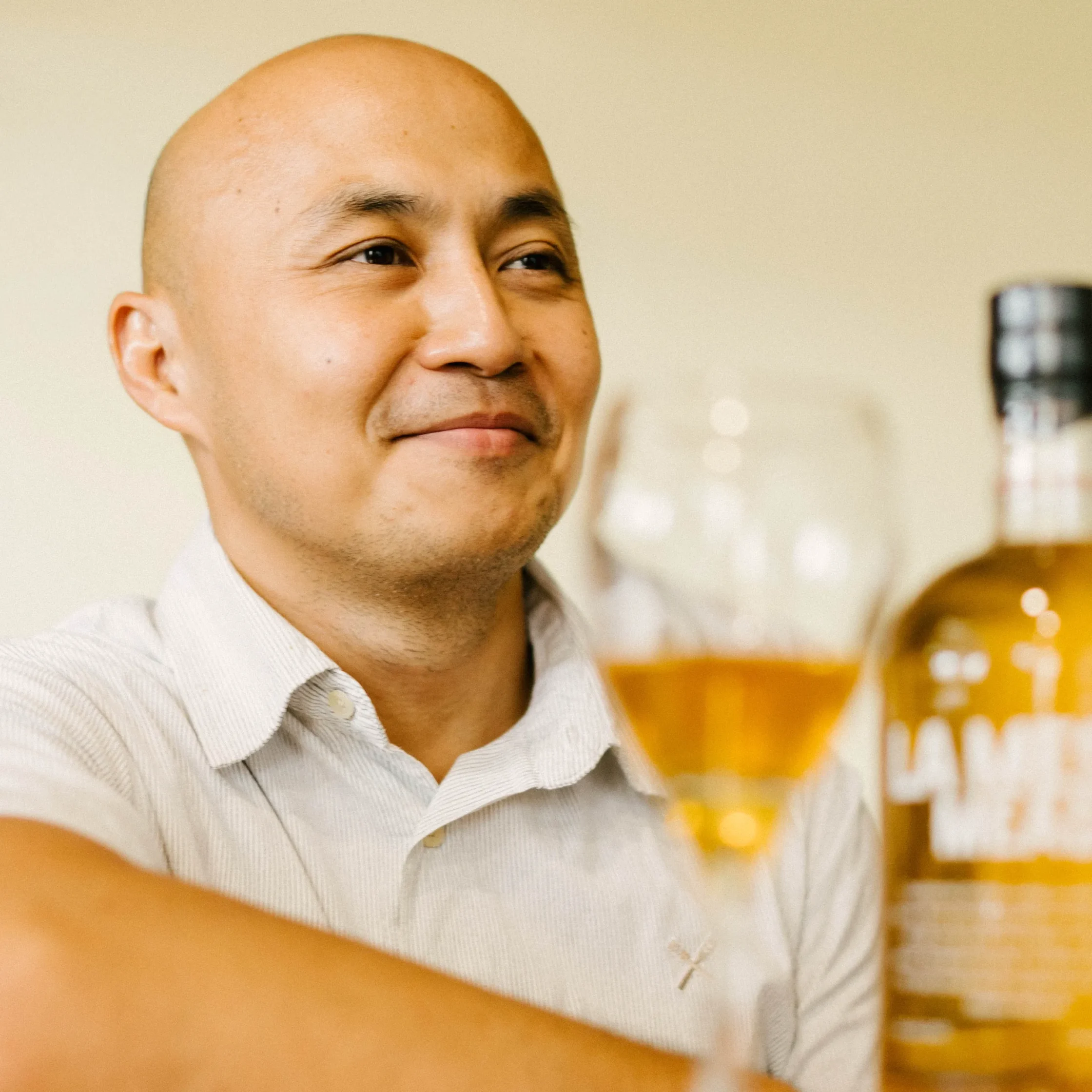
“We decided to make mead because some of the local honey buyers thought that our products were too expensive. If we’re going to pursue beekeeping as a business, mahirap kung honey kasi the finished product is not always the same. So we said, ‘Gawa na lang tayo ng new product.’ And personally, I like to drink as well,” King shared. After tasting a farmer’s homemade mead, del Rosario looked for certain flavors. This birthed his idea of adding floral and fruity notes to their line of meads.
From a small batch tasting in a cocktail bar of sorts, La Mesa Mead slowly expanded as they participated in a local government initiative back in 2024. “We did not really plan to become a manufacturing company, pero sinuportahan kami, we had classes with DOST, DFA, and DTI. So, eventually we converted our business from a coffee shop to a manufacturer.”
From Traditional to Tagumpay: Exploring La Mesa Mead’s Signature Honey Wines
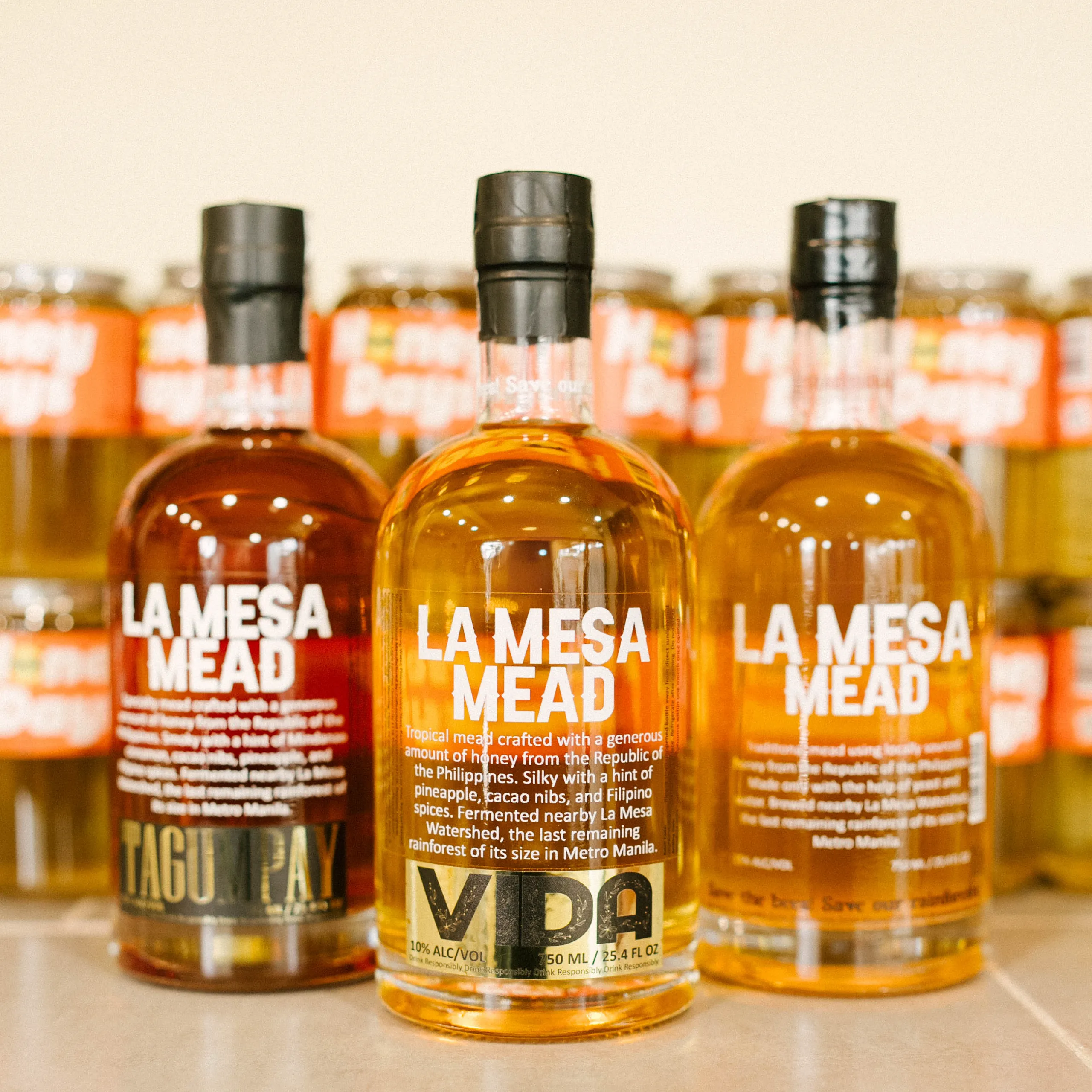
At present, La Mesa Mead offers four different types of mead. The Traditional, which contains 15% alcohol, is what King considers their “unflavored” but original variant. Combining their past and present products together, their currently-on-hiatus Coffee variant mixes the caffeinated drink with fermented honey. The coffee flavors are infused in the third week of fermentation. “May coffee notes siya, but not very strong,” del Rosario noted.
Last year, they introduced two more variants that use three times more honey than the first two flavors—Vida and Tagumpay. “We did that because whenever we meet people from Scandinavian countries, they would tell us that our Traditional was watered down. It has to be more viscous and silky kapag umiinom ka ng honey, e. Sweet na siya, but according to them, it shouldn’t be like that.”
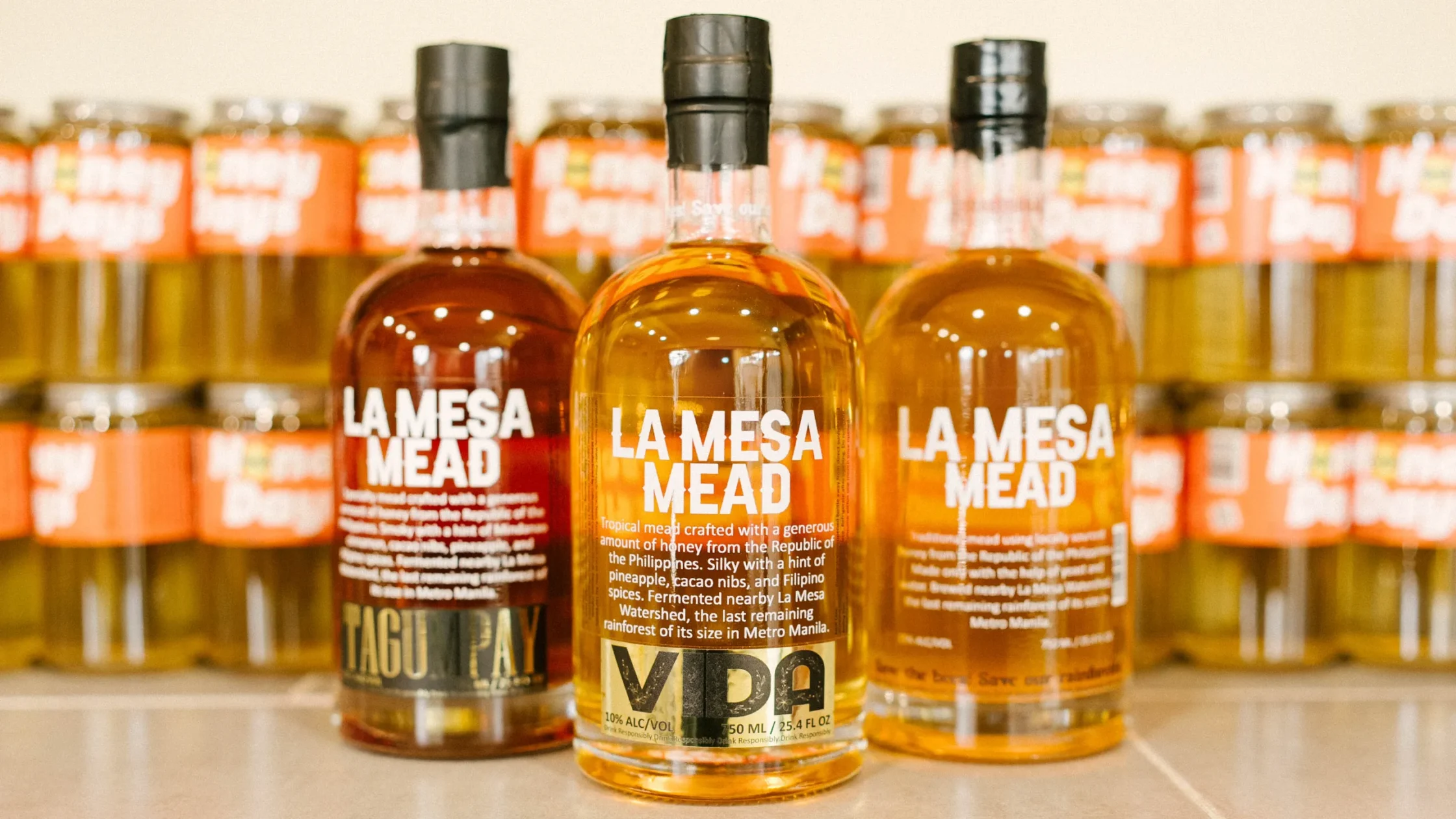
“So, gumawa kami ng Vida with more honey, but the yeast can only convert it to 10% of alcohol. This is for people who think the Traditional is too strong,” King mentioned. Meanwhile, Tagumpay was for those who are made for stronger drinkers with 25% alcohol content and with heavier notes of Mindanao cinnamon and cacao. This had a smokier flavor that’s meant to surprise you at first gulp.
Out of all the variants, the Vida was the sweetest and the most balanced that would certainly be enjoyed by new drinkers and seasoned manginginom during an inuman session. The notes of pineapple with some floral hints were more pronounced in Vida than the others. “Our last two drinks got the approval of people from Finland and Denmark,” King shared.
La Mesa Mead Is Giving an Ancient Drink a Distinctly Filipino Identity
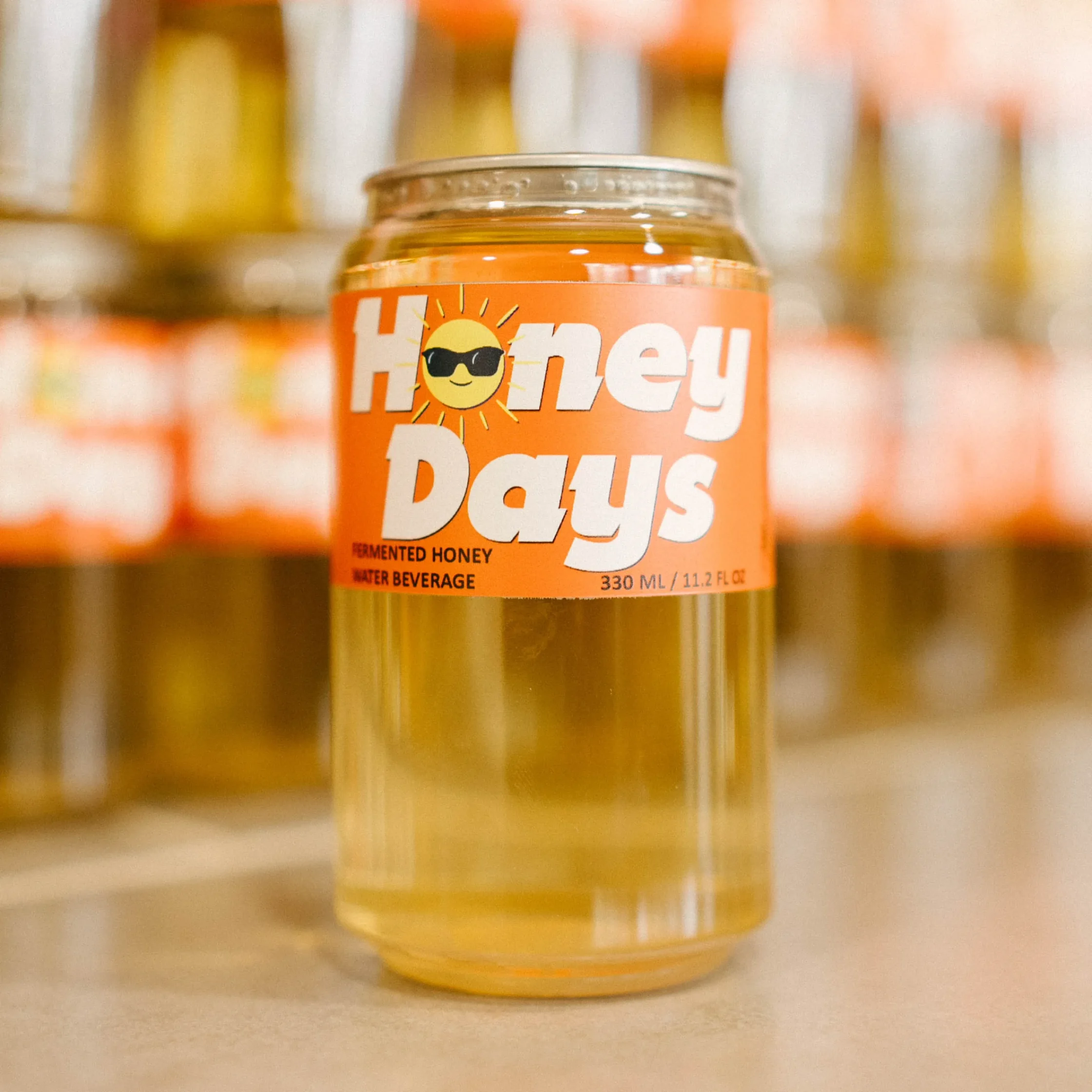
Innovation is indeed the core of La Mesa Mead as they continue to transform their mead into other iterations. There’s their Honey Days, made from fermented honey plus water for those who want to take a break from the alcohol. At bazaars, they also served bingsu with mead. As of writing, they also stock six restaurants of their mead. Digamo, Chef Francis Lacson’s Marikina-based tasting menu restaurant, is one of them. They serve Langka Trade Cooler, a sweet, fruity beverage with the La Mesa Mead as the base with a nutty touch courtesy of the sesame oil on top.
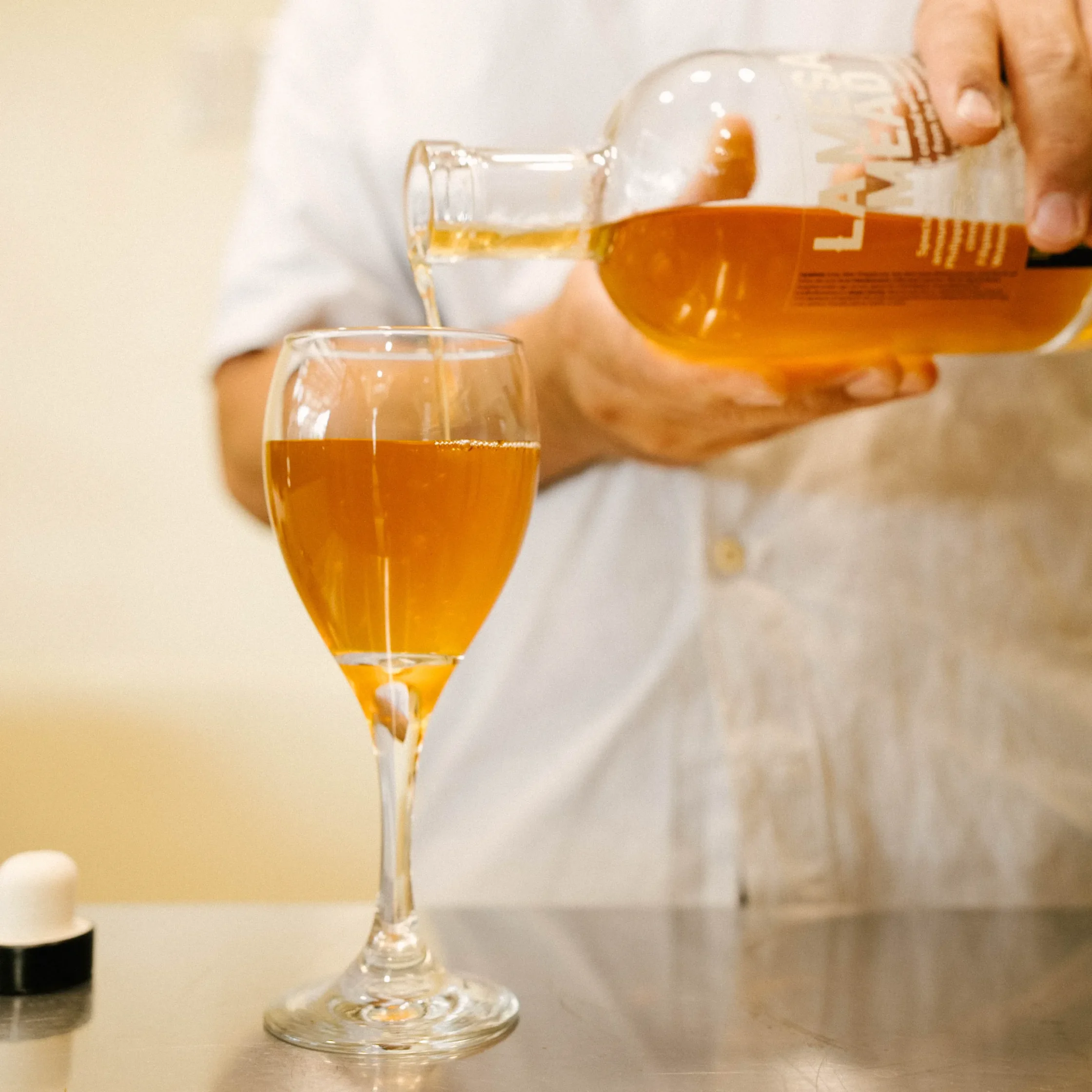
In the production of mead, King acknowledges that they preserve the organic unpredictability of bees and the diversity of their production sites. “We don’t use single origin honey,” he clarified. “We can’t have too many bees collecting pollen from the same area. But right now, we are expanding our source of honey from Baguio, Batangas, Caloocan, and Naga. Honey varies based on the source, whether it’s highland or lowland. Kung highland, mga wild sunflower. In the lowland, acacia, narra, and coconut. Darker ang color ng lowland, lighter naman sa highland.”
Debunking another take on alcohol made from honey, the La Mesa Mead proponent explained that the pre-colonial kabawaran and bais are different from the Nordic drink. “We would like to explore that, too, but it’s not easy to find the plant needed for that drink,” King mentioned.
In Viking culture, mead is usually associated with feasts. Greek mythology describes it as the “nectar of the gods.” But in the Philippines, mead is a drink that celebrates our rich biodiversity—one that we can pull from our shelves and share to our guests, or drink for ourselves whether in grand celebrations or quiet nights. And as the interest in the drink grows, King del Rosario hopes that the mead gets the spotlight, the study, and sweet space in your meals and shelves that it deserves.

Frequently Asked Questions
Mead is an alcoholic beverage made by fermenting honey, water, and yeast. It is considered one of the oldest alcoholic drinks in human history.
Mead can range from dry to sweet, often featuring floral, fruity, herbal, or spiced notes depending on the honey and ingredients used.
La Mesa Mead is based in Lagro, Quezon City, Philippines.
La Mesa Mead currently offers Traditional, Vida, and Tagumpay variants, with a Coffee Mead variant occasionally available.
La Mesa Mead uses locally sourced Philippine honey and incorporates Filipino flavors while supporting local beekeepers and promoting biodiversity.