


food
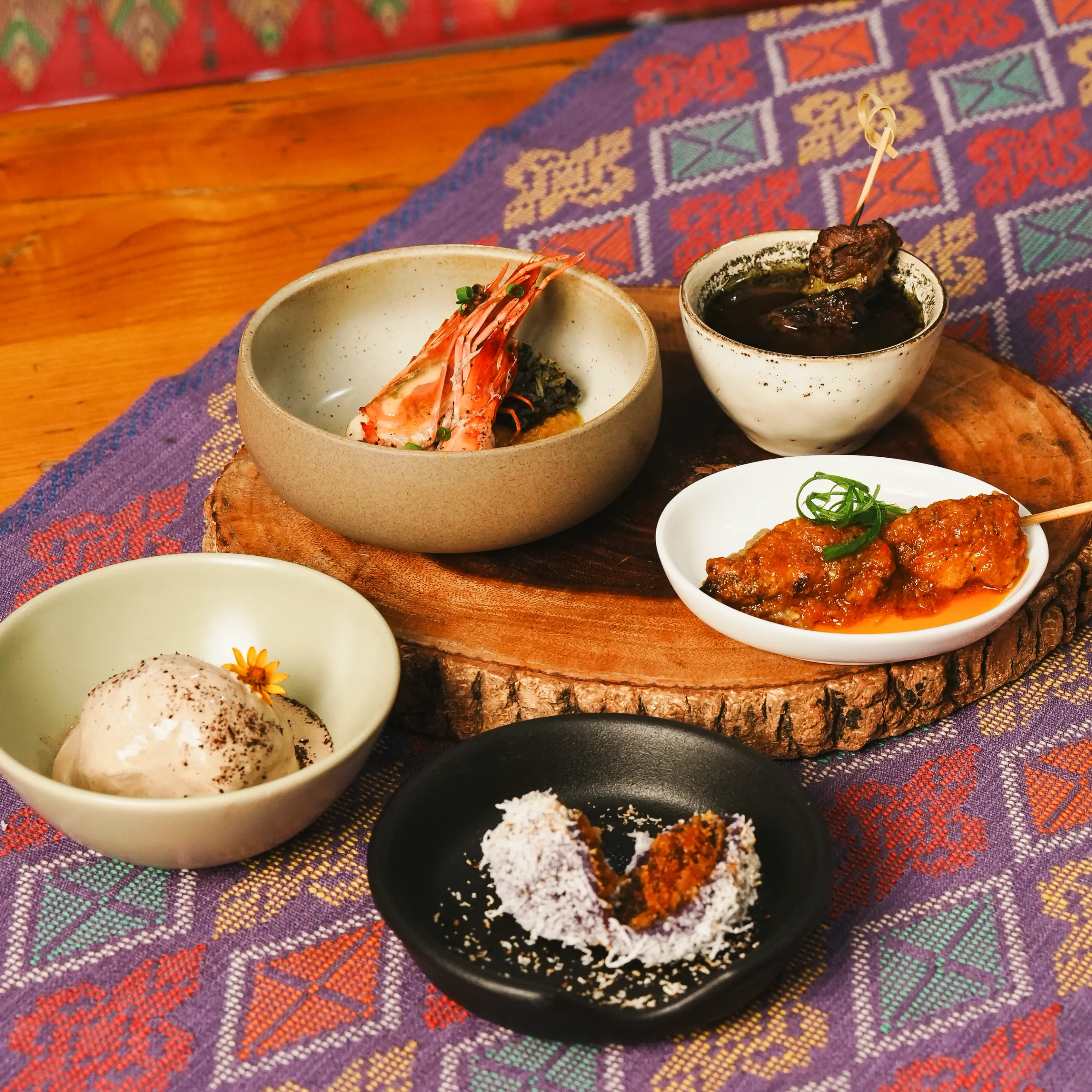
Guests embarked on a flavorful journey across Luzon, Visayas, and Mindanao through a menu crafted by three celebrated chefs.
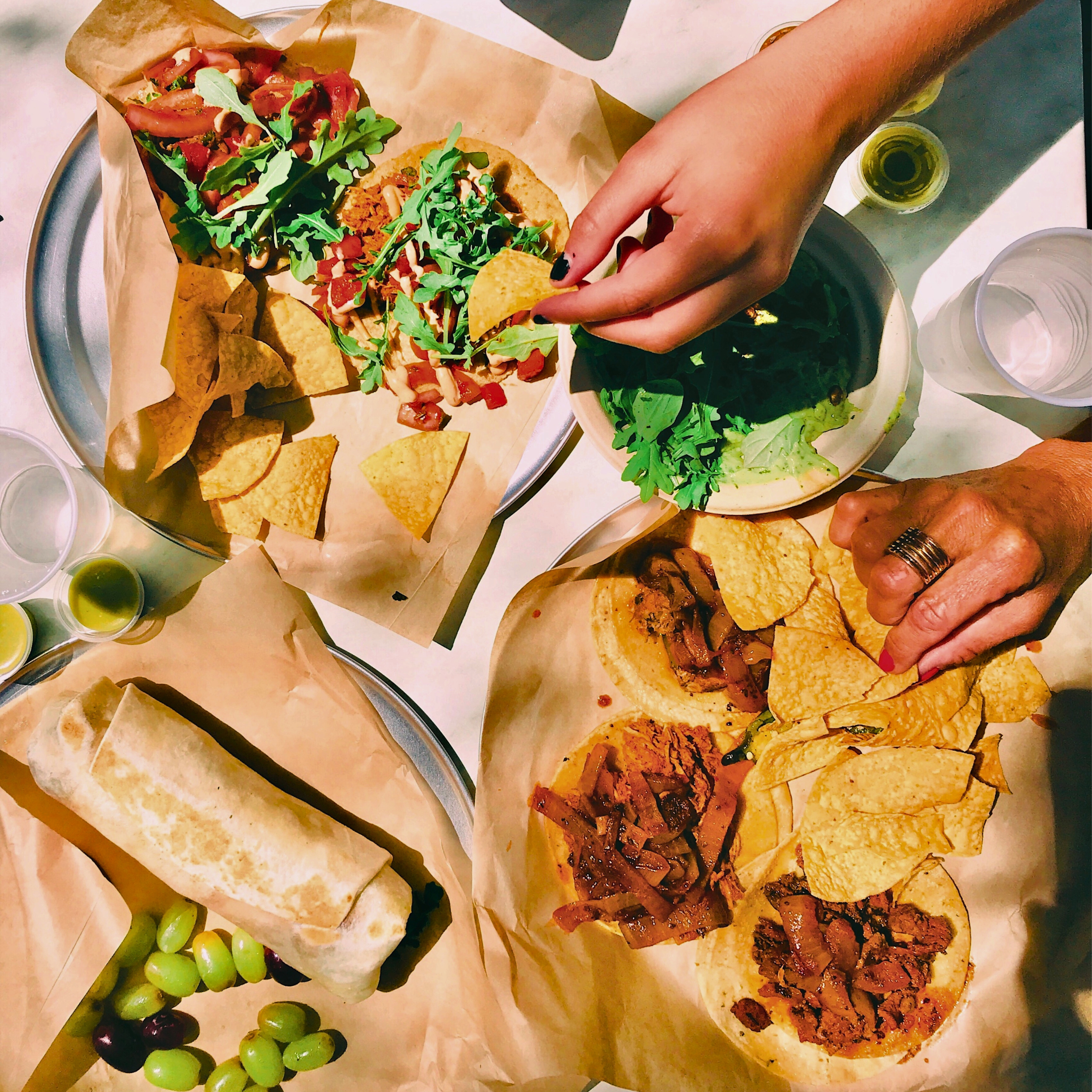
Whether prompted by social media, pop culture, or the lockdown, these viral food trends left a lasting mark on the way Filipinos eat.
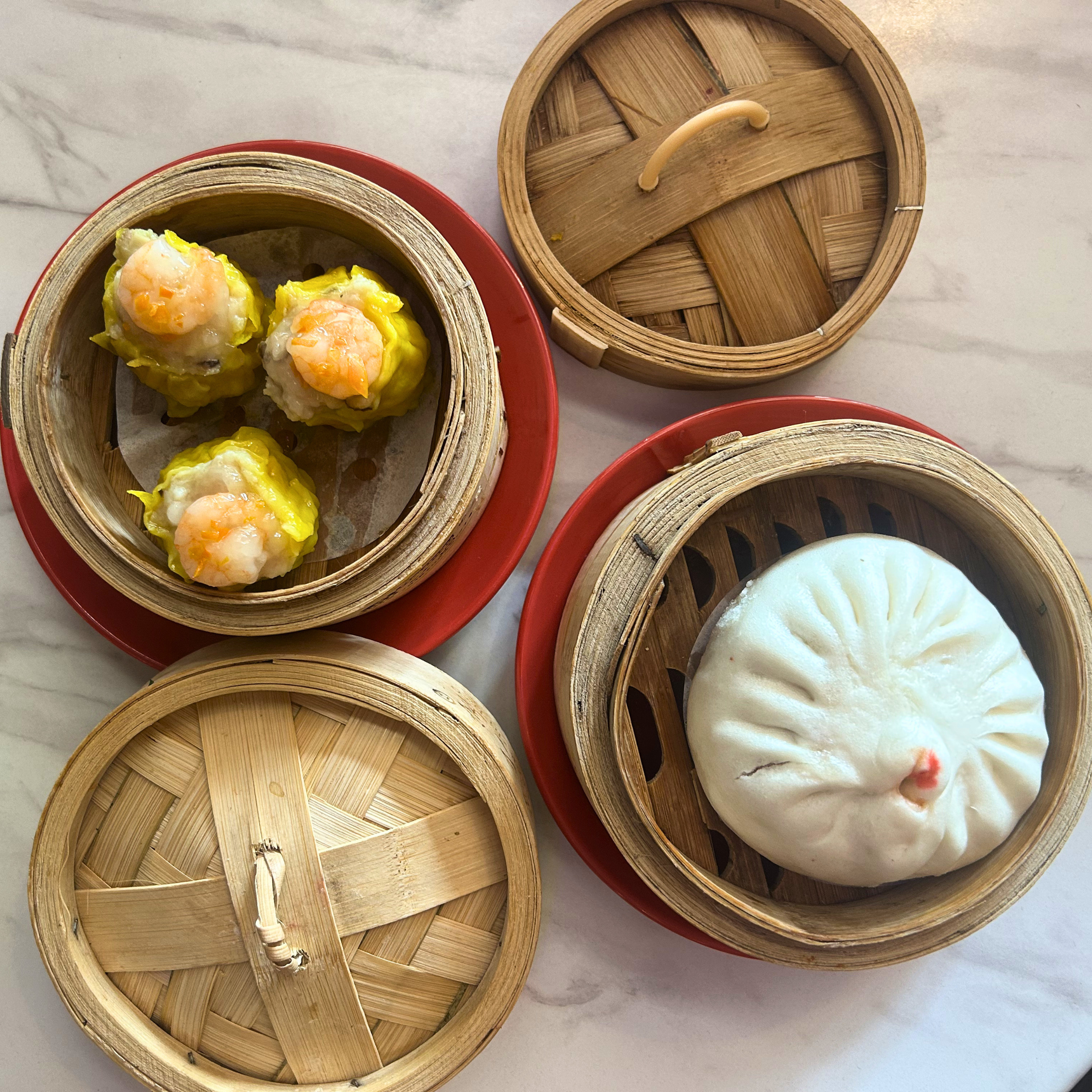
Originally envisioned as a Hong Kong roast concept, FHF spent three years finding its identity before homemade noodles and dim sum transformed it into one of Manila's newest dining destinations.
For the follow-up of Sapnay, Kumba’s Tina Legarda gathers three of the country's most admired chefs for a collaborative dinner that explores the deeply personal ways Filipinos cook.
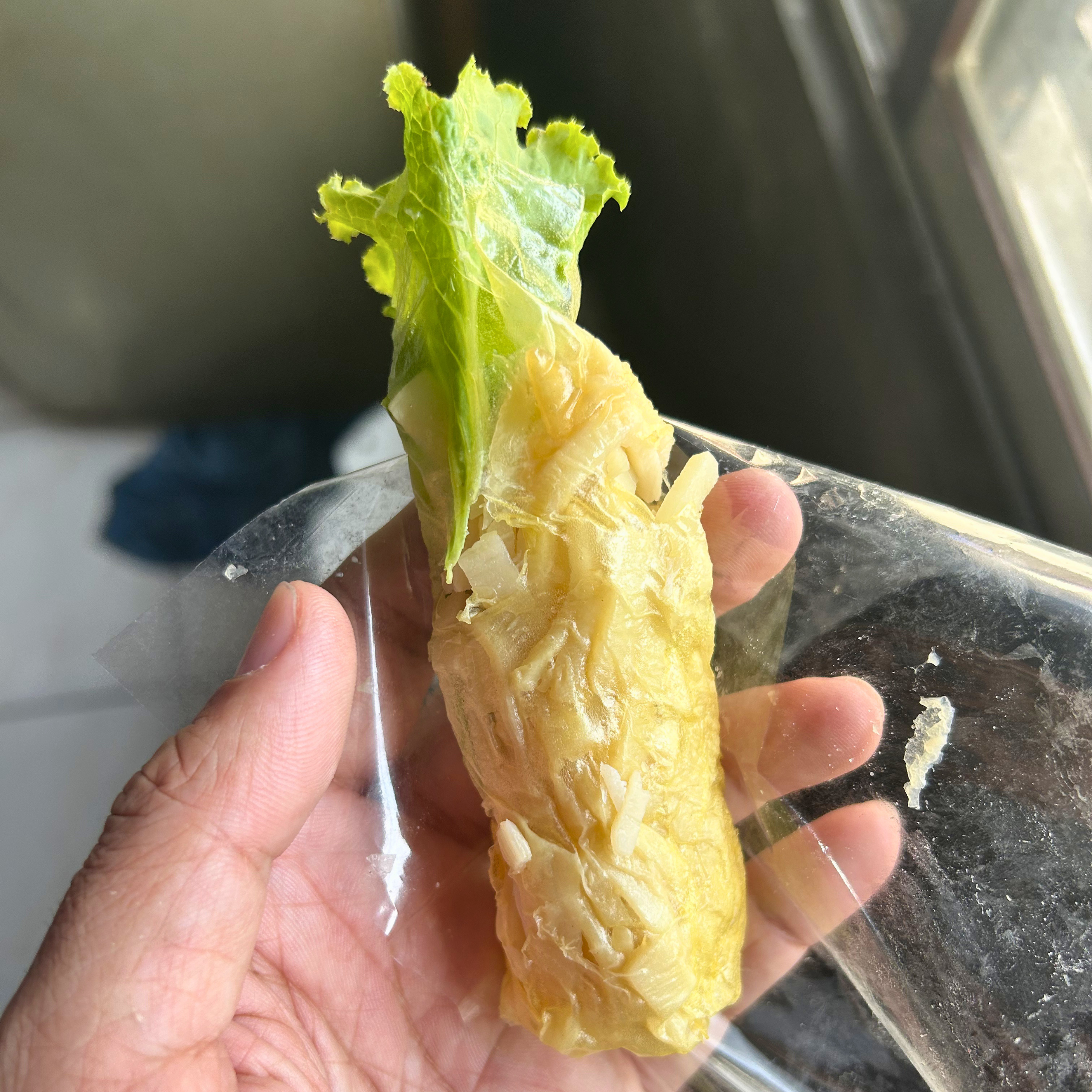
What began as a small home-based operation in 1995 has grown into a thriving family business.
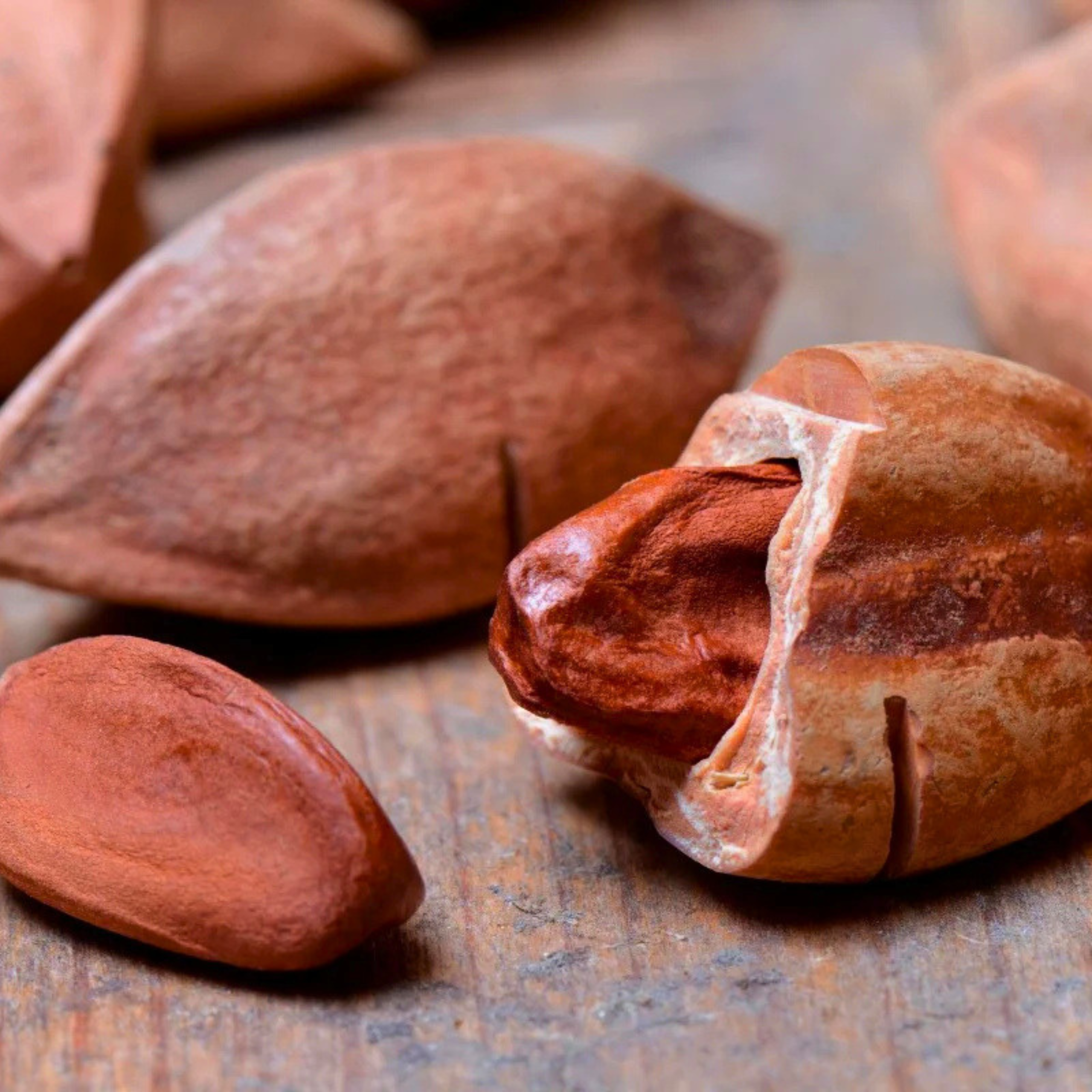
Once considered a simple pasalubong from Bicol, the pili nut is steadily gaining global recognition thanks to its rich flavor, impressive nutrition, and remarkable versatility.
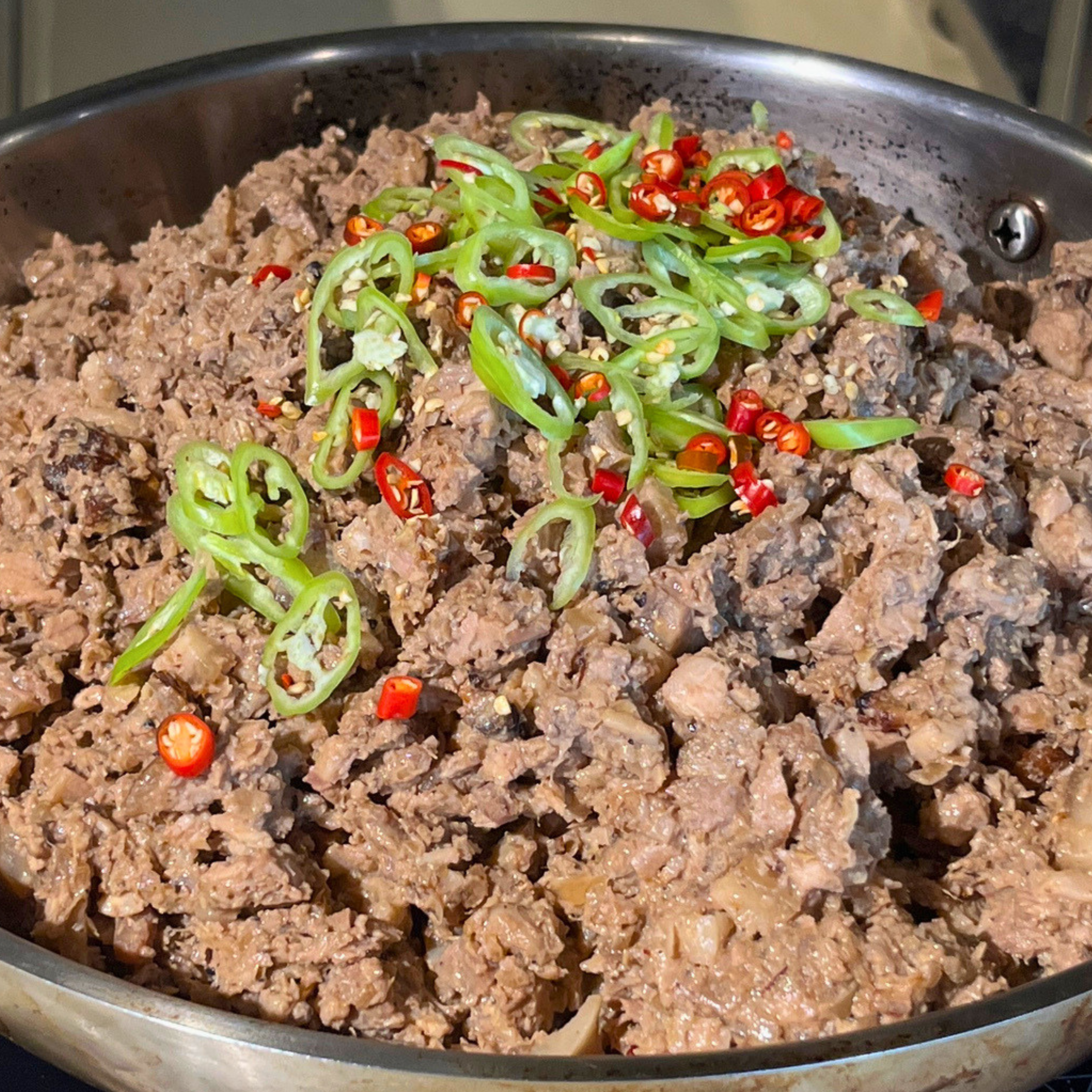
At the Philippine Heritage Kitchen's Sisig Festival, Kapampangan scholar Ruston Banal explains how the beloved dish became more than just comfort food—it became a symbol of Filipino creativity, culture, and community.
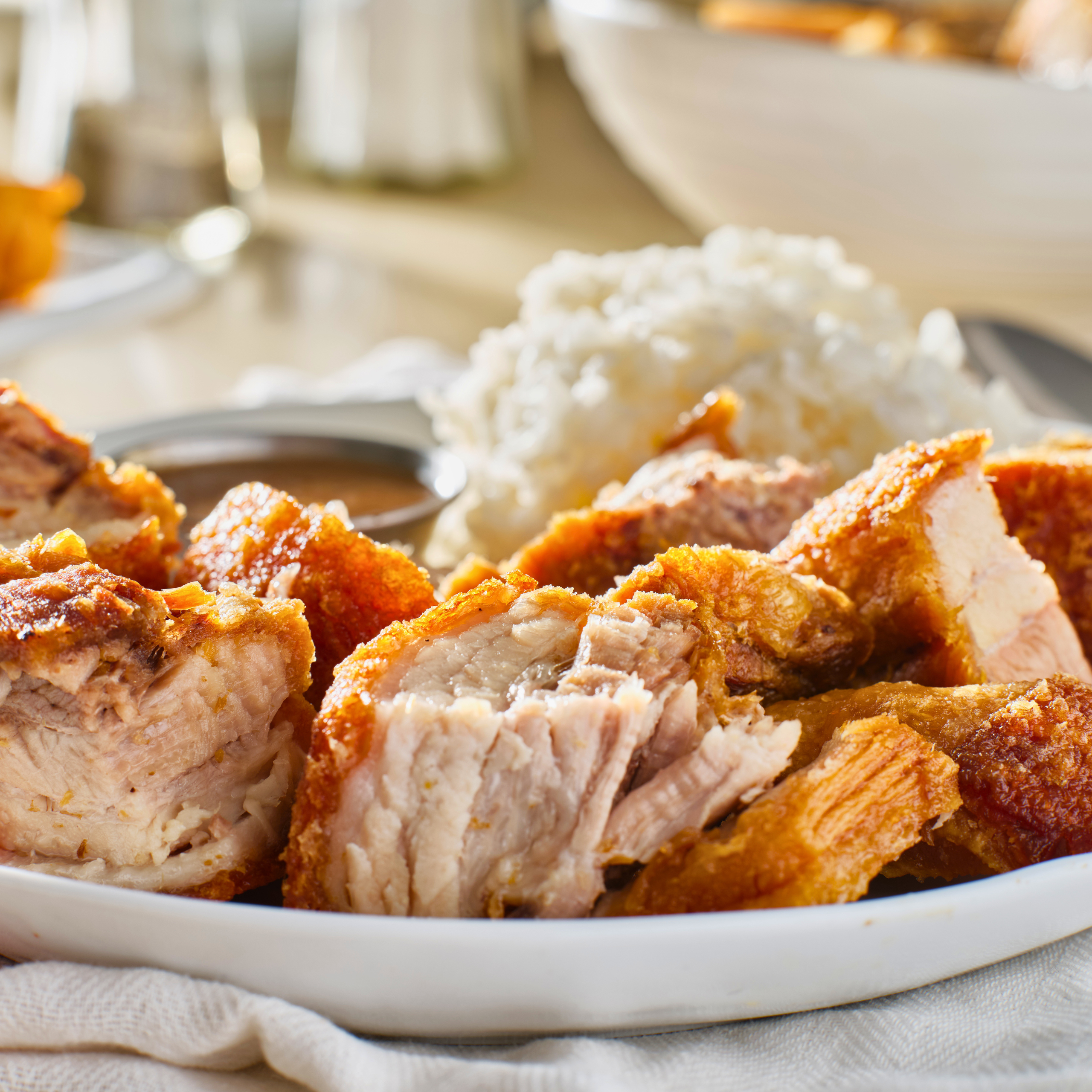
A crispy bite delivers more than texture—it signals freshness, amplifies flavor, and adds an irresistible layer of excitement to every meal.

In celebration of Independence Day, we pay tribute to five dishes that double as historical documents and edible records of how Filipinos lived.