
Advertisement

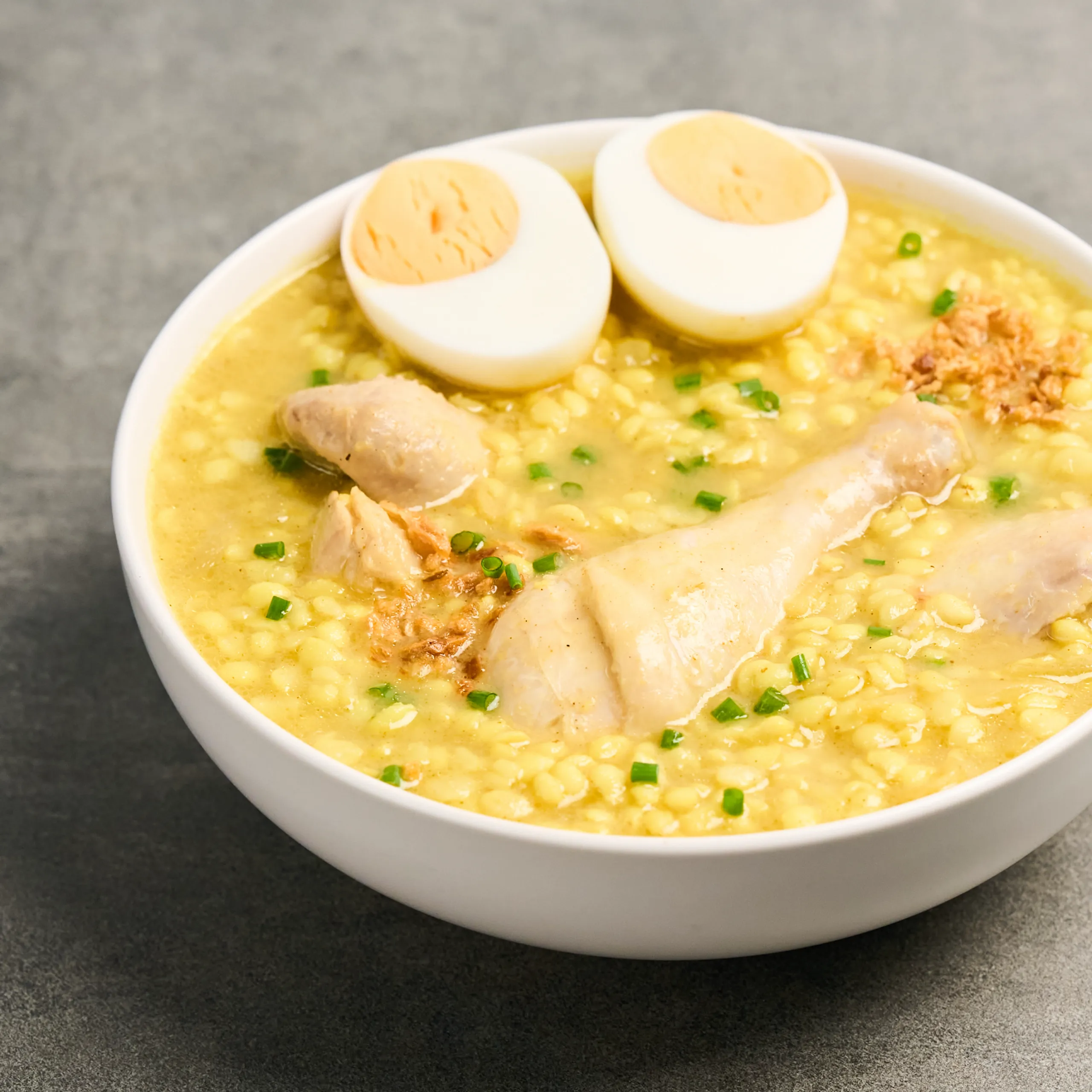
Adlai Arroz Caldo Recipe

PHOTO: KIERAN PUNAY
YIELDS:
4 SERVING(S)
Prep Time:
15 MINS
Total Time:
1 HR 15 MINS
Cal/Serv:
85

Nutritional Information

Calories 343 kcal
Fat 23 g
Saturated fat 6 g
Trans fat 0 g
Cholesterol 224 mg
Sodium 843 mg
Carbohydrates 8 g
Fiber 1 g
Sugar 3 g
Protein 25 g
Vitamin D 1 µg
Calcium 73 mg
Iron 2 mg
Potassium 397 mg

Note: The information shown is Edamam's estimate based on available ingredients and preparation. It should not be considered a substitute for a professional nutritionist's advice.

Introduction

If you’re looking for a healthier take on a beloved Filipino comfort food, Adlai Arroz Caldo is a recipe worth trying. Instead of the usual white rice, this version uses adlai (Job’s tears), an ancient grain that’s naturally high in fiber and has a pleasantly chewy texture. It absorbs the rich flavors of the broth beautifully while giving the porridge a heartier bite, making it just as comforting as the traditional version.

This nourishing one-pot meal is made with tender chicken simmered alongside garlic, onions, fresh ginger, fish sauce, and a touch of turmeric, creating a fragrant golden broth that’s both flavorful and satisfying. As the adlai slowly cooks, it thickens the soup while still maintaining its signature chewy texture, making every spoonful filling without feeling heavy.

Adlai Arroz Caldo is the perfect meal for chilly mornings, rainy afternoons, or whenever you’re craving something warm and comforting. It’s also a popular dish to prepare when someone in the family is feeling under the weather because it’s gentle on the stomach while still being nourishing enough to satisfy your appetite.

To finish, each bowl is topped with hard-boiled eggs, crispy fried garlic, chopped spring onions, and a generous squeeze of fresh calamansi. These simple toppings add brightness, crunch, and freshness that perfectly complement the rich, savory porridge. Whether you’re introducing adlai into your everyday meals or simply looking for a wholesome twist on a Filipino classic, this recipe is one you’ll want to make again and again.

Recipe Tips

  • Rinse the adlai thoroughly before cooking to improve both texture and flavor.
  • If you have extra time, soak the adlai for several hours or overnight to help reduce the cooking time.
  • Stir the porridge regularly while simmering to prevent sticking.
  • Use bone-in chicken pieces if possible, as they create a richer and more flavorful broth.
  • Fresh ginger is essential to the classic taste, so don’t reduce the amount unless you prefer a milder flavor.
  • Add hot water instead of cold water whenever adjusting the consistency to maintain even cooking.
  • Taste before adding salt because fish sauce already provides plenty of seasoning.
  • Add fried garlic just before serving so it stays crisp.
  • Spring onions are best added at the end to keep their fresh flavor and vibrant green color.
  • Leftover porridge thickens naturally overnight, so simply add water or broth while reheating.

Ingredient Substitutions

Adlai

Brown rice, white rice, barley, farro, quinoa, or steel-cut oats can all be substituted, although each will produce a different texture and cooking time.

Chicken

Chicken thighs, drumsticks, wings, breast meat, or leftover shredded rotisserie chicken all work well. Turkey also makes a delicious substitute.

Fish Sauce

Soy sauce can replace fish sauce if necessary, although the flavor will be different. For a vegetarian version, use mushroom seasoning or vegetable broth with a pinch of salt.

Turmeric Powder

Fresh grated turmeric root may be substituted for turmeric powder. If unavailable, simply omit it—the broth will still be delicious, though less golden in color.

Water

Chicken broth or homemade stock creates an even richer and more flavorful porridge than plain water.

Calamansi

Fresh lemon or lime wedges are excellent alternatives and provide a similar citrus brightness.

Spring Onion

Chives, scallions, or finely chopped leeks can be used instead.

Fried Garlic

Homemade fried garlic provides the best flavor, but high-quality store-bought fried garlic works just as well for convenience.

Ingredients

  • 1 Tablespoon cooking oil
  • 5 Clove garlic, chopped
  • 1 Medium onion, chopped
  • 2 Piece thumb-sized pieces ginger, julienne
  • 400 Gram chicken pieces (small cuts)
  • 2 Tablespoon fish sauce
  • 2 Cup job's tears (adlai)
  • 5 Cup water (adjust if needed)
  • 1 Gram turmeric powder
  • salt and pepper to taste

For toppings

  • 8 Piece calamansi
  • 4 Piece hard-boiled eggs, halved
  • 0.33 Cup spring onion, chopped (for garnish)
  • 2 Teaspoon fried garlic
Keep screen awake

Directions

Step 1

Heat the cooking oil in a large pot over medium heat. Add the chopped garlic and sauté until it becomes lightly golden and fragrant. Stir in the chopped onions and cook until they soften and turn translucent. Add the julienned ginger and continue sautéing for another 2 to 3 minutes to release its aroma and natural flavor.

Step 2

Add the chicken pieces to the pot and cook for about 5 to 7 minutes, stirring occasionally, until the outside is lightly browned. Pour in the fish sauce and allow it to cook for another minute so the chicken absorbs its rich, savory flavor.

Step 3

Add the adlai to the pot and stir well, allowing it to toast slightly with the aromatics and chicken for about 2 minutes. This simple step enhances the grain’s nutty flavor and helps it absorb the broth more effectively during cooking.

Step 4

Pour in the water and stir in the turmeric powder until fully combined. Bring the mixture to a gentle boil over medium-high heat.

Step 5

Once boiling, reduce the heat to low and let the arroz caldo simmer uncovered for 40 to 50 minutes, stirring every few minutes to prevent the adlai from sticking to the bottom of the pot. As the grains cook, they will gradually soften while maintaining a pleasantly chewy texture.

Step 6

If the mixture becomes too thick before the adlai is fully cooked, simply add a little more hot water, about ½ cup at a time, until you reach your preferred consistency. Some people enjoy a thicker arroz caldo, while others prefer it slightly soupier.

Step 7

Taste the broth and season with salt and freshly ground black pepper as needed. If you’d like a richer savory flavor, you can also add a little more fish sauce.

Step 8

Once the adlai is tender and the chicken is fully cooked, remove the pot from the heat. Let it rest for about 5 minutes before serving to allow the flavors to come together.

Step 9

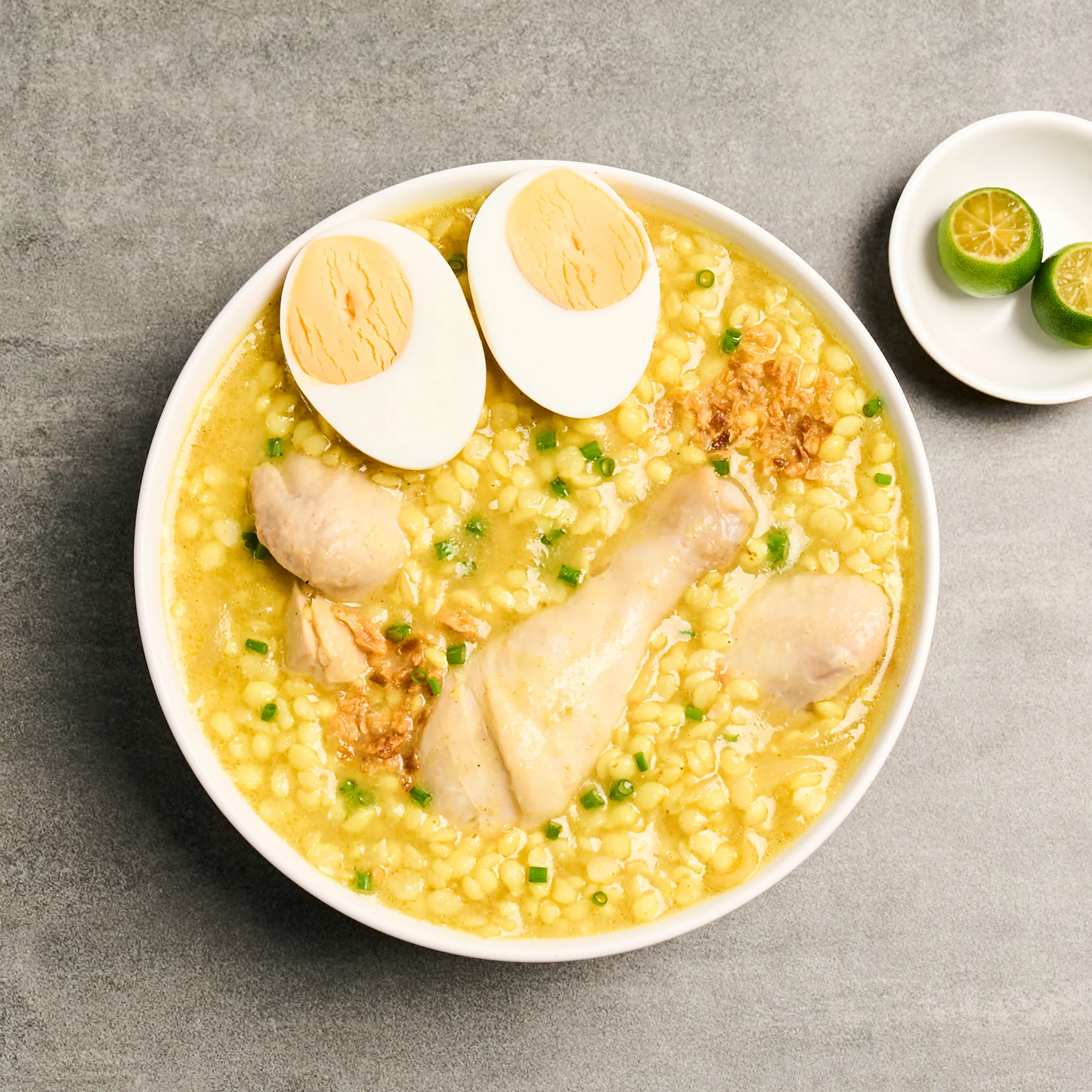
Ladle the hot Adlai Arroz Caldo into serving bowls. Top each bowl generously with fried garlic, chopped spring onions, hard-boiled eggs, and serve with fresh calamansi on the side for squeezing over the porridge just before eating.


PHOTO: KIERAN PUNAY

Alexander Villarante

Recipe Developer

Alexander Villarante is a passionate culinary professional with more than 15 years of experience in the hospitality industry, having built his career in prestigious five-star luxury hotels abroad. He studied Culinary Arts at the Singapore Boston Business School, where he developed a strong foundation in both classical and modern culinary techniques. Throughout his career, he has worked alongside talented chefs from diverse cultural backgrounds, refining his skills and gaining extensive experience in creating exceptional dining experiences. His dedication to excellence has earned him recognition in the competitive culinary scene. Alexander participated in the Philippine Culinary Cup, where he received several citations for his creativity, technical expertise, and commitment to his craft. These achievements reflect his passion for continuous learning and his pursuit of culinary excellence.


Frequently Asked Questions

Adlai, also known as Job’s tears, is an ancient grain grown in the Philippines and other parts of Asia. It has a mild, nutty flavor and a pleasantly chewy texture, making it an excellent alternative to white rice in soups, porridge, salads, and grain bowls.

Yes. Adlai generally requires more water and a longer cooking time than regular white rice. Depending on the variety, it usually takes about 45 to 60 minutes to become tender.

Absolutely. Soaking the grains for 6 to 8 hours or overnight helps shorten the cooking time and allows them to cook more evenly.

Yes. A pressure cooker or electric multicooker significantly reduces the cooking time, while a slow cooker allows the flavors to develop gradually. Follow your appliance’s instructions for cooking whole grains and chicken.

Yes. Freeze individual portions in airtight containers for up to 2 months. Thaw overnight in the refrigerator and reheat gently while stirring in extra liquid to restore the original consistency.

This comforting porridge is delicious on its own, but it also pairs wonderfully with tokwa’t baboy, lumpia, grilled chicken, fried fish, toasted pandesal, or homemade pickled vegetables. For extra flavor, serve additional fried garlic, chopped spring onions, fish sauce, and fresh calamansi on the side so everyone can customize their bowl.

0 0 votes
Total of Ratings
guest
Rating
Ratings for Article
0 Comments
Oldest
Newest Most Voted

To provide a customized ad experience, we need to know if you are of legal age in your region.

By making a selection, you agree to our Terms & Conditions.