
Advertisement

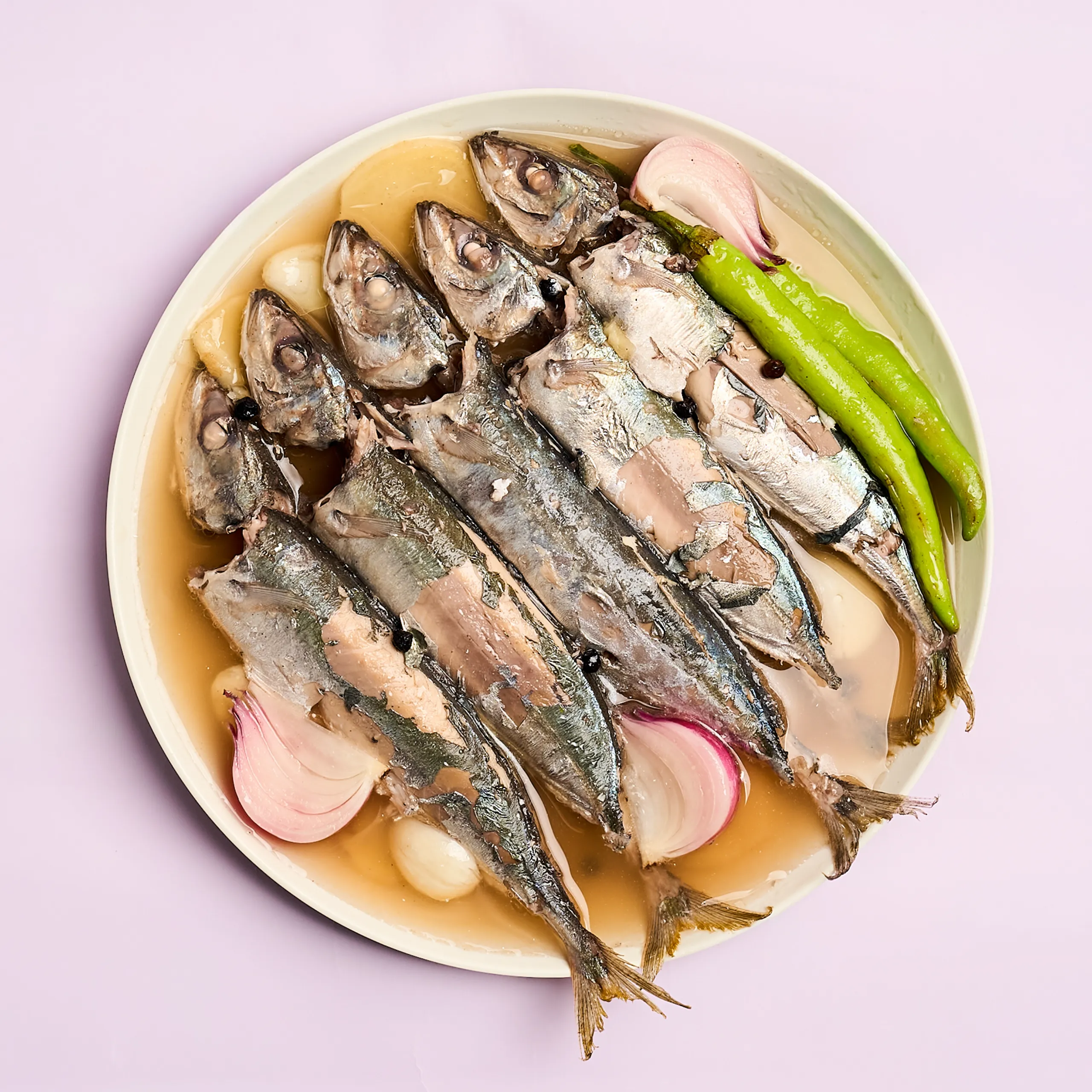
Paksiw na Galunggong with Kaong Vinegar Recipe

PHOTO: KIERAN PUNAY
YIELDS:
4 SERVING(S)
Prep Time:
10 MINS
Total Time:
25 MINS
Cal/Serv:
28

Nutritional Information

Calories 112 kcal
Fat 7 g
Saturated fat 1 g
Trans fat 0 g
Cholesterol 0 mg
Sodium 45 mg
Carbohydrates 9 g
Fiber 2 g
Sugar 3 g
Protein 1 g
Vitamin D 0 µg
Calcium 35 mg
Iron 1 mg
Potassium 218 mg

Note: The information shown is Edamam's estimate based on available ingredients and preparation. It should not be considered a substitute for a professional nutritionist's advice.

Introduction

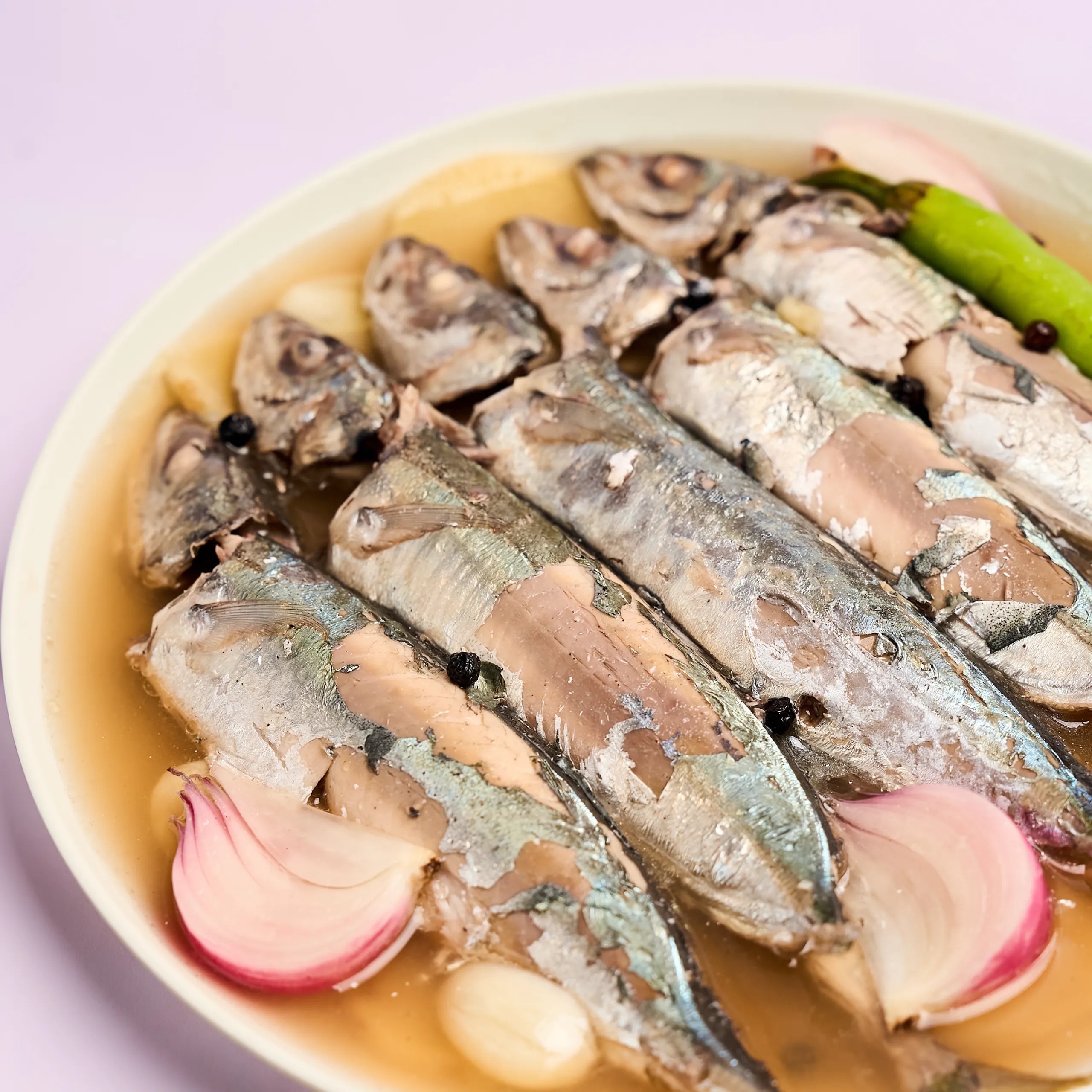
Paksiw na Galunggong is one of the most comforting and budget-friendly Filipino dishes that has been a staple in countless households for generations. Made with fresh galunggong (round scad), vinegar, garlic, ginger, onions, and aromatic spices, this classic recipe transforms simple ingredients into a flavorful meal with a perfect balance of tangy, savory, and mildly spicy flavors.

One of the reasons why Paksiw na Galunggong remains a family favorite is its simplicity. It requires very little preparation, uses pantry staples, and comes together in less than an hour. The vinegar (kaong vinegar) not only gives the dish its signature sour taste but also helps preserve the fish, making it taste even better the next day as the flavors continue to develop.

Whether you’re looking for an easy Filipino fish recipe for busy weeknights or craving a nostalgic home-cooked meal, this authentic Paksiw na Galunggong recipe is guaranteed to satisfy. Serve it with steaming hot rice and enjoy every flavorful bite.

Recipe Tips

  • Choose fresh galunggong with bright eyes, shiny skin, and a clean ocean smell for the best flavor.
  • Avoid stirring the fish while simmering. Instead, gently swirl or shake the pan to keep the fish whole.
  • Using cane vinegar provides a more authentic Filipino taste, although white vinegar also works well.
  • Fresh ginger helps balance the tanginess of the vinegar and reduces any fishy odor.
  • Simmer over low heat rather than boiling rapidly to keep the fish tender.
  • Long green chilies add mild heat without overpowering the dish. You can add more if you enjoy a spicier paksiw.
  • Paksiw tastes even better after resting for several hours because the fish absorbs more of the flavorful sauce.

Ingredient Substitutions

Galunggong:
You can substitute with bangus (milkfish), tilapia, tamban (sardines), maya-maya (red snapper), or any firm white fish.

Cane Vinegar:
White vinegar, coconut vinegar, or apple cider vinegar can be used. Each gives a slightly different flavor profile.

Long Green Chili:
Replace with finger chilies for extra spice or simply omit if serving children.

Calamansi:
Fresh lemon or lime juice works well if calamansi is unavailable.

Bay Leaves:
If you don’t have dried bay leaves, you may leave them out, though they add subtle aroma to the sauce.

Cooking Oil:
Any neutral cooking oil such as canola, vegetable, or corn oil is suitable.
Ingredients

  • 500 Gram round scad (galunggong), cleaned
  • 1 Tablespoon whole peppercorn
  • 1 Piece thumb-sized ginger, sliced
  • 4 Clove garlic, smashed
  • 1 Medium onion, cut into wedges
  • 2 Piece dried bay leaves (laurel)
  • 2 Tablespoon cooking oil
  • 1 Cup kaong vinegar
  • 1 Cup water
  • 3 Piece long green chili
  • 1 Tablespoon lemon juice or calamansi
  • Pinch salt
Keep screen awake

Directions

Step 1

Rinse the cleaned galunggong thoroughly under cold running water. Pat the fish dry using paper towels to remove excess moisture. Squeeze fresh lemon or calamansi juice over the fish and lightly season it with a pinch of salt. Let it sit for about 10–15 minutes while preparing the remaining ingredients. This simple step helps freshen the fish and adds a subtle layer of flavor.

Step 2

Heat the cooking oil in a wide pan over medium heat. Add the whole garlic cloves and cook until lightly golden and fragrant. Stir in the sliced ginger and onion wedges, allowing them to soften for about 2–3 minutes. The aroma of garlic and ginger creates the flavorful foundation of the dish while helping reduce any fishy smell.

Step 3

Carefully place the galunggong into the pan in a single layer. Avoid stacking the fish to prevent them from breaking apart while cooking. Scatter the whole peppercorns and bay leaves over the fish.

Step 4

Pour the vinegar and water gently around the fish instead of directly over it. This helps keep the fish intact. Resist the temptation to stir immediately after adding the vinegar. Allow the mixture to come to a gentle boil undisturbed for about 5 minutes. This important technique cooks off the sharp acidity of the vinegar and creates a smoother, richer flavor.

Step 5

After the vinegar has boiled undisturbed, add the long green chilies. Lower the heat to a gentle simmer and cover the pan. Cook for about 15–20 minutes, or until the fish is fully cooked and the sauce has slightly reduced. If needed, gently shake the pan instead of stirring to avoid breaking the delicate fish.

Step 6

Taste the sauce and adjust the seasoning if necessary. Add another small squeeze of calamansi or lemon for extra brightness if desired. If you prefer a stronger sour flavor, you can also drizzle in a little more vinegar and simmer for another 2–3 minutes.

Step 7

Transfer the Paksiw na Galunggong to a serving plate with plenty of its flavorful sauce. Serve immediately with freshly steamed rice. Leftovers can be refrigerated and reheated the next day, when the flavors become even richer and more delicious.

PHOTO: KIERAN PUNAY

Alexander Villarante

Recipe Developer

Alexander Villarante is a passionate culinary professional with more than 15 years of experience in the hospitality industry, having built his career in prestigious five-star luxury hotels abroad. He studied Culinary Arts at the Singapore Boston Business School, where he developed a strong foundation in both classical and modern culinary techniques. Throughout his career, he has worked alongside talented chefs from diverse cultural backgrounds, refining his skills and gaining extensive experience in creating exceptional dining experiences. His dedication to excellence has earned him recognition in the competitive culinary scene. Alexander participated in the Philippine Culinary Cup, where he received several citations for his creativity, technical expertise, and commitment to his craft. These achievements reflect his passion for continuous learning and his pursuit of culinary excellence.


Frequently Asked Questions

Allowing the vinegar to boil undisturbed helps mellow its raw acidity. Stirring too early can result in a harsher vinegar taste.

Stored in an airtight container in the refrigerator, it stays fresh for up to 3 days. Reheat gently over low heat before serving.

Traditional Filipino cane vinegar offers the most authentic flavor, but coconut vinegar and white vinegar are also excellent choices.

Yes. Galunggong is rich in protein and omega-3 fatty acids. This recipe uses minimal oil and relies on natural seasonings, making it a nutritious option for everyday meals.

Absolutely. Eggplant, okra, ampalaya (bitter melon), and pechay are popular additions that make the dish more filling and nutritious.

Fish can become fragile if overcooked or stirred frequently. Simmer gently and avoid excessive handling during cooking.

0 0 votes
Total of Ratings
guest
Rating
Ratings for Article
0 Comments
Oldest
Newest Most Voted

To provide a customized ad experience, we need to know if you are of legal age in your region.

By making a selection, you agree to our Terms & Conditions.