


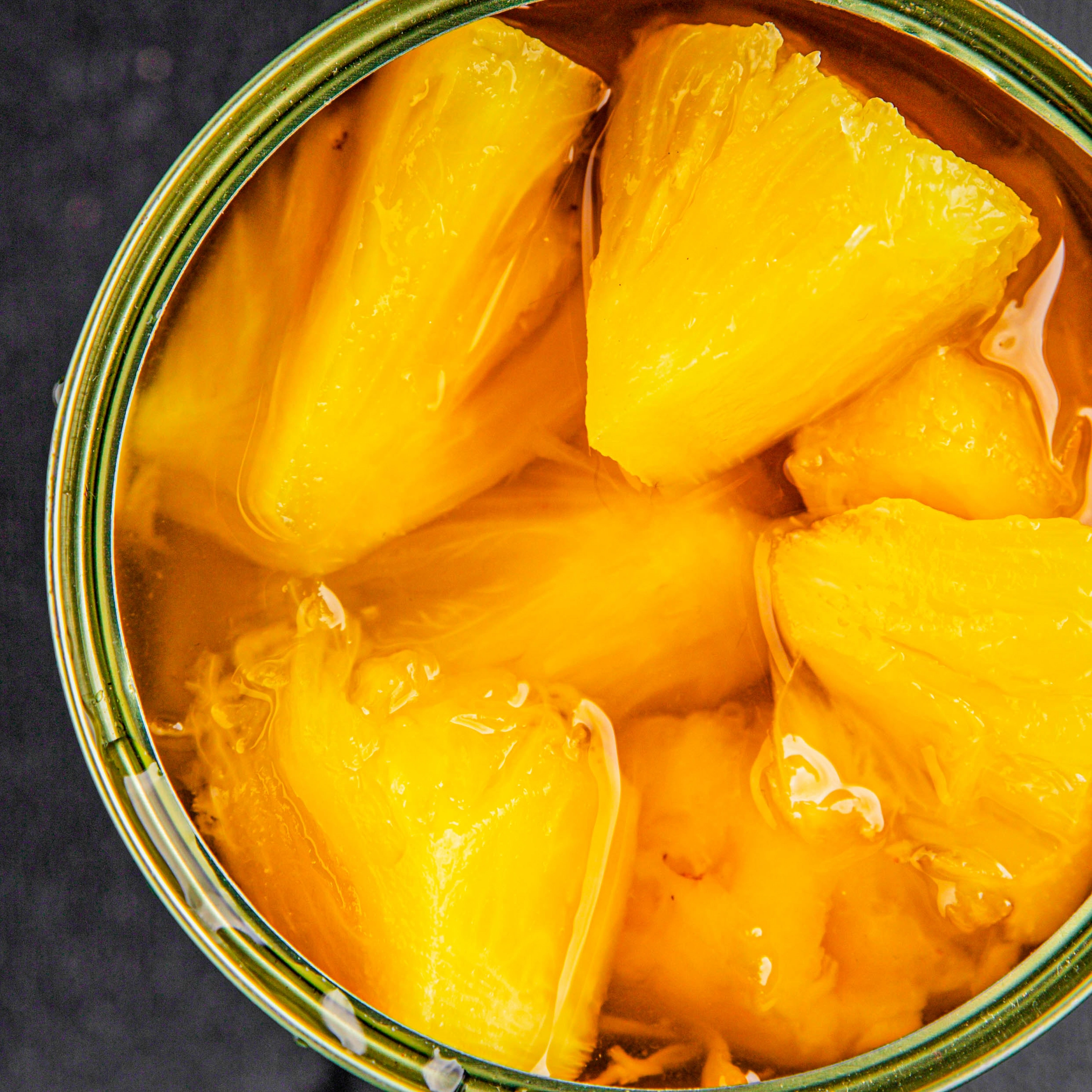
The country has long been a rich source of globally loved ingredients. From tropical fruits to heritage staples, our top food exports showcase our diverse landscapes, deep culinary traditions, and growing influence on the world’s food inventory.
The Philippines has always had a way with flavor. With its tropical climate, fertile land, and biodiverse seas, the country produces ingredients that are loved far beyond its 7,641 islands. In 2025, Filipino food exports continued to make their mark globally, from sweet tropical fruits to coconut products and seafood staples.
Here are five of the Philippines’ biggest food exports right now, and why the world can’t seem to get enough of them.
Why Coconut Products Lead PH Food Exports
If there’s one ingredient that defines Philippine agriculture, it’s probably the coconut. Known locally as the “tree of life,” every part of the coconut can be used. And global markets have begun to take notice.
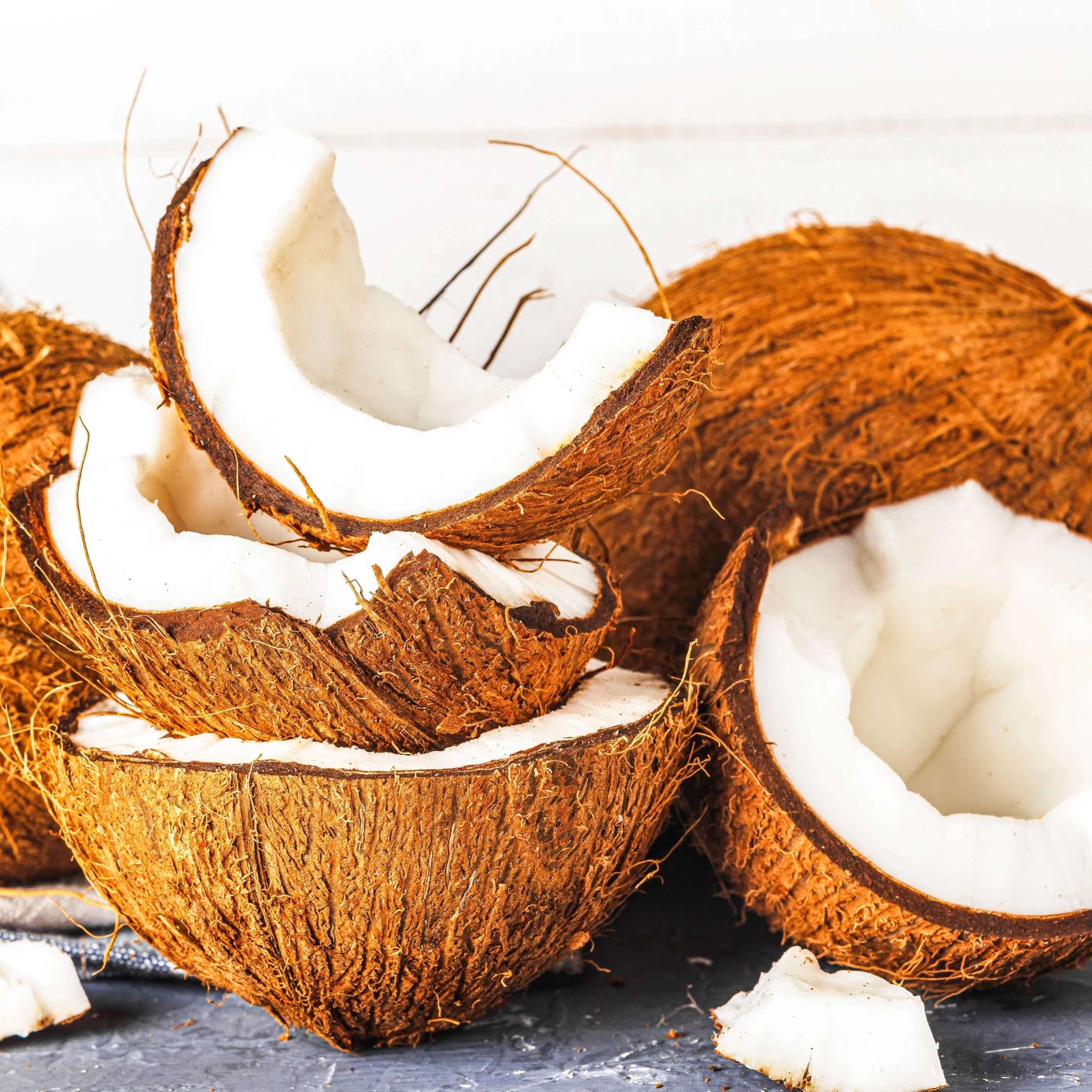
Coconut-based oils and products are currently the Philippines’ top food export category, earning around $1.26 billion in early 2025. Coconut oil remains popular for cooking, baking, and even wellness products. But Filipino producers are also expanding into higher-value coconut goods, including specialty oils and premium ingredients for international food products.
Simply put, the world’s coconut craze still has the Philippines at its center.
The Philippines’ Global Rise in Banana Exports
Few fruits travel as far as the Philippine banana. Sweet, reliable, and widely available, it’s one of the country’s most recognizable exports.
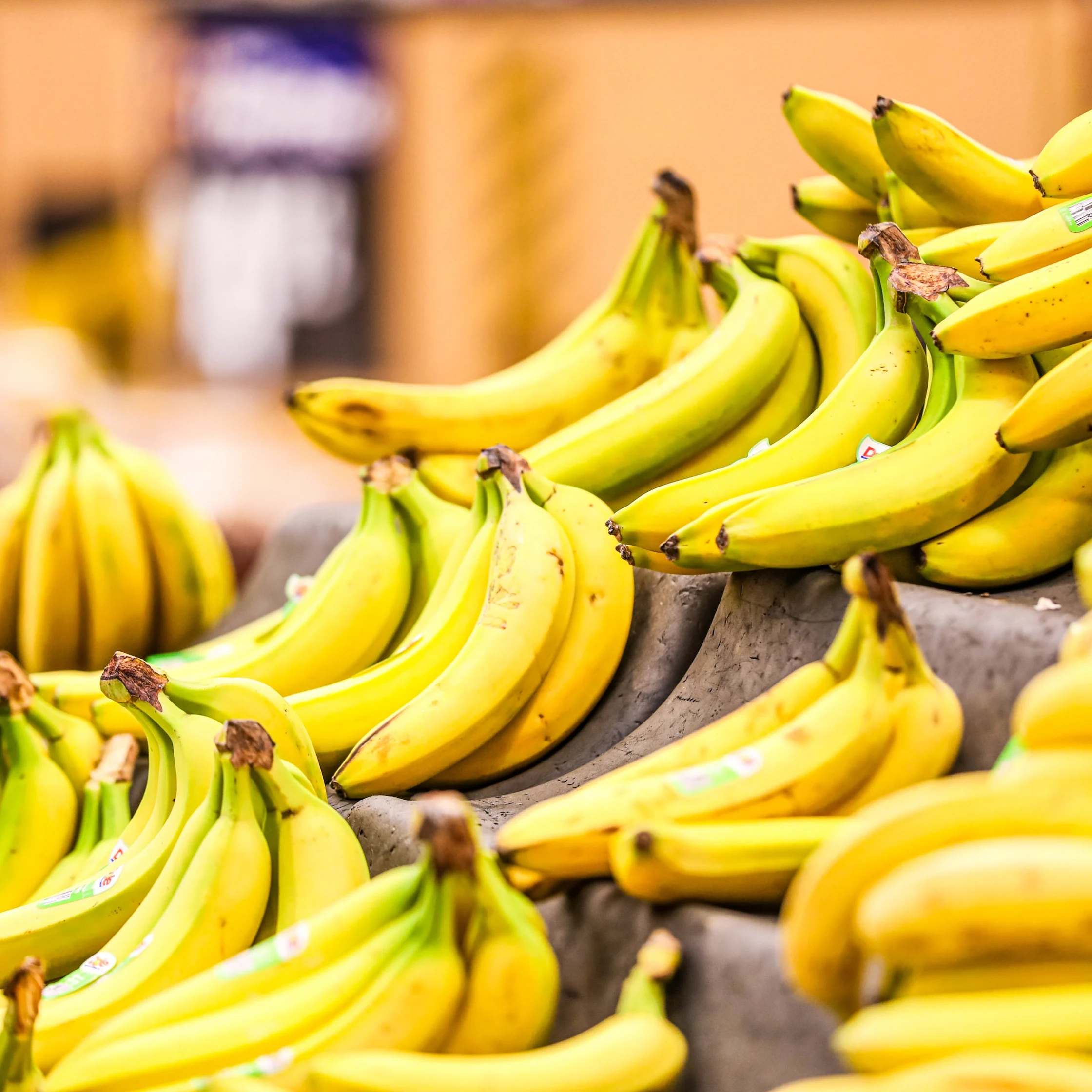
And in 2025 the country reclaimed its past title as the world’s second-largest banana exporter. After several difficult seasons plagued by both pests and unfortunate weather, the Philippines staged a strong comeback shipping 2.925 million metric tons to countries all over the world.
From grocery stores in Japan to fruit markets in China, it’s clear that the world is going bananas for our bananas.
Top Tropical Fruit Exports: Pineapple & Avocado
The Philippines is also a huge exporter of pineapples and other tropical fruits, helping the broader fruit category reach over $1 billion in exports in early 2025.
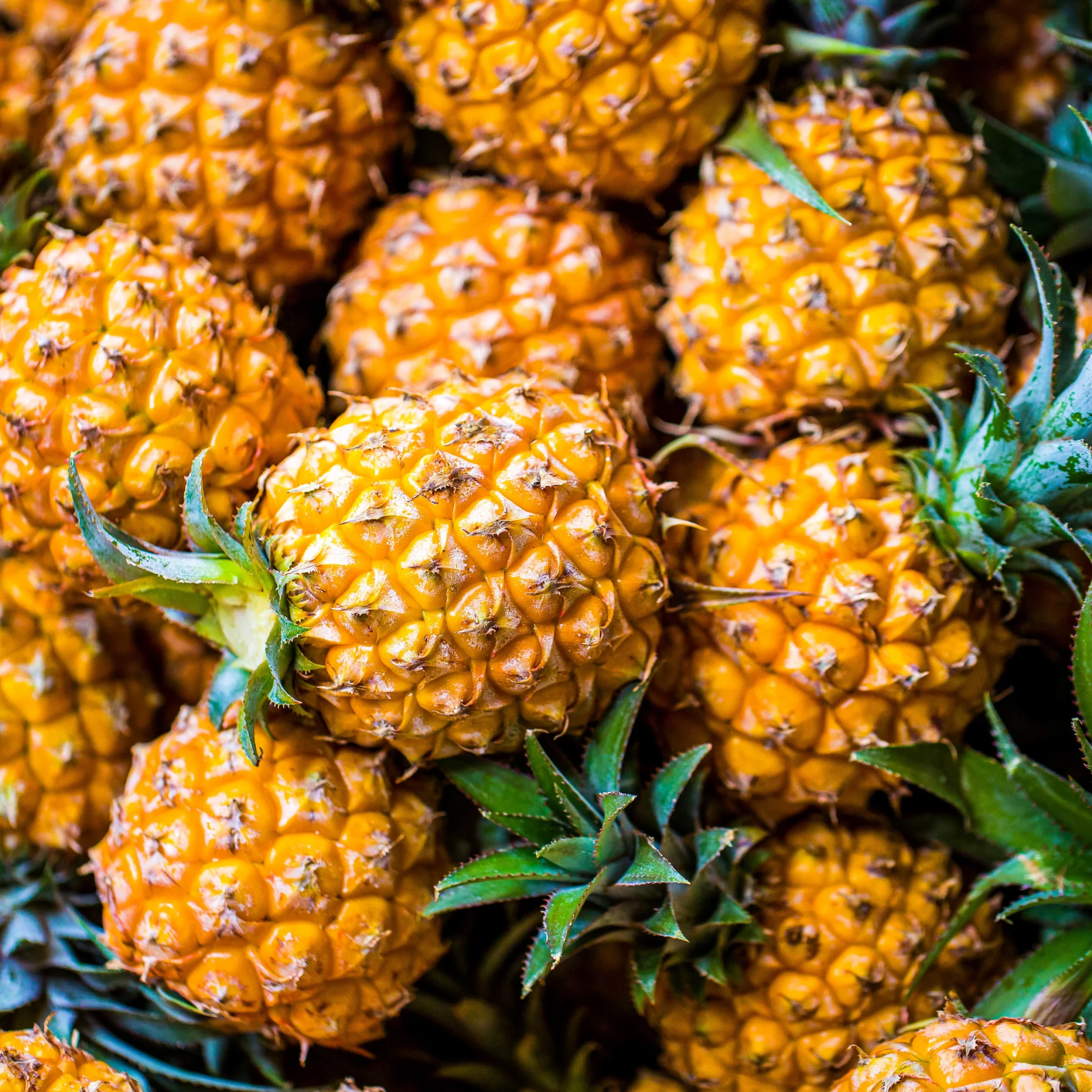
In fact, the country is also the world’s second-largest exporter of pineapples, with large plantations supplying the sweet and juicy Philippine pineapple to markets and homes everywhere to be used for juices, desserts, and even in savory dishes.
But there’s also a fruity rising star as Philippine avocados officially entered the Japanese market in late 2024, opening the door for even more of our tropical fruits to reach international tables.
Growth of Processed Fruits and Dried Mangoes
If you’ve ever snacked on a bag of dried mangoes, there’s a very good chance that they came from the Philippines.
Processed fruit products, like dried mangoes, canned pineapples, and fruit preserves, generated over $340 million in exports during the first half of 2025.

With projections predicting market value to reach $1.2 billion by the end of 2030, dried mangoes are a clear favorite thanks to their chewy texture and natural sweetness.
Major Seafood Exports: Tuna and Prepared Fish
With more than 7,000 islands and a vast ocean overflowing with biodiversity, seafood is another major export of the Philippines.
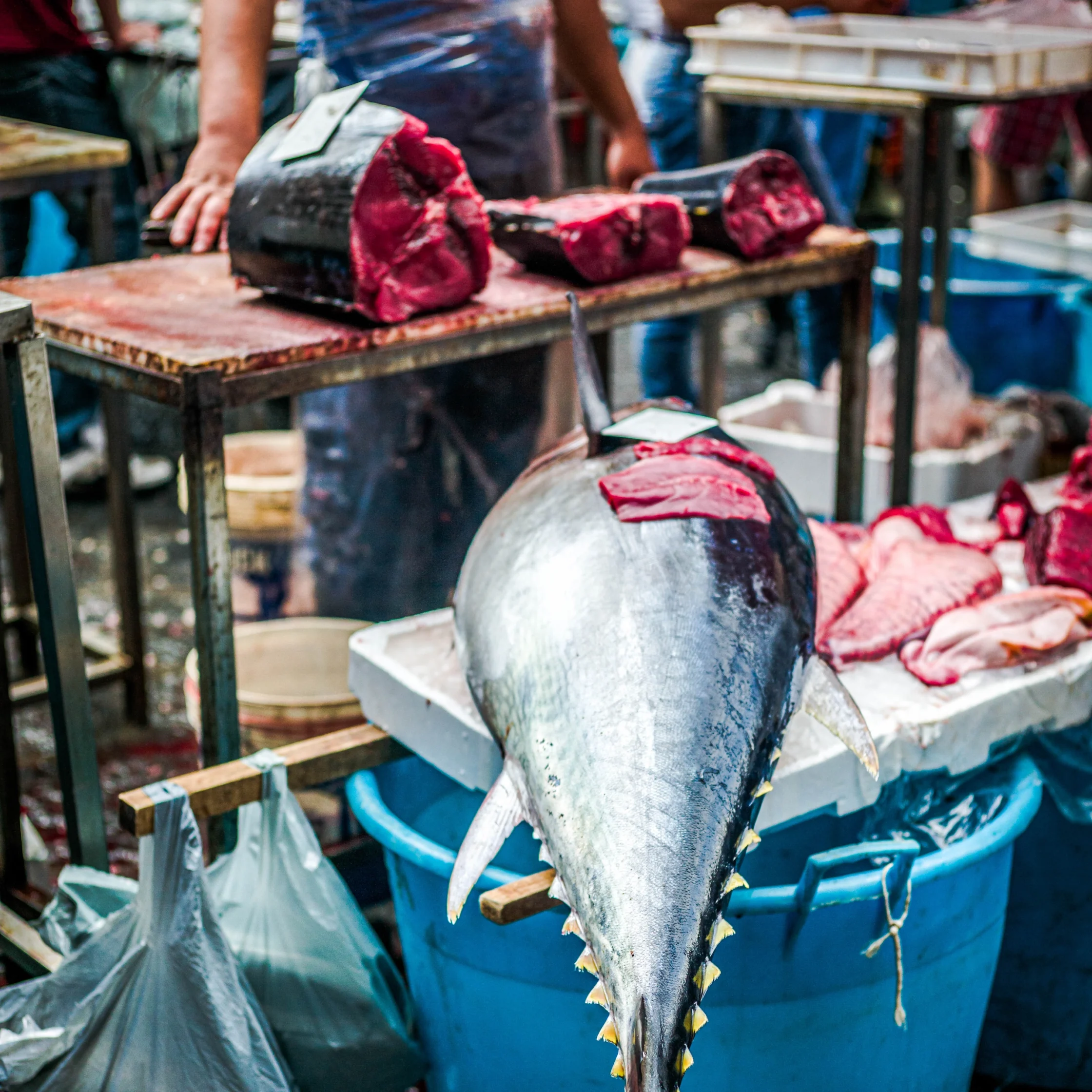
Prepared fish and seafood products, including tuna, brought in about $194 million in early 2025. And the country has been at the top for a while now, exporting $500 million worth of tuna products in 2024.
Top Global Markets for Philippine Food Exports
Much of the Philippines’ food exports head to neighboring markets such as Japan, Hong Kong, China, and Singapore, where tropical fruits and seafood are staples on both dining tables and grocery shelves. At the same time, demand is expanding farther out west, with countries like the Netherlands also emerging as important buyers of Philippine produce.
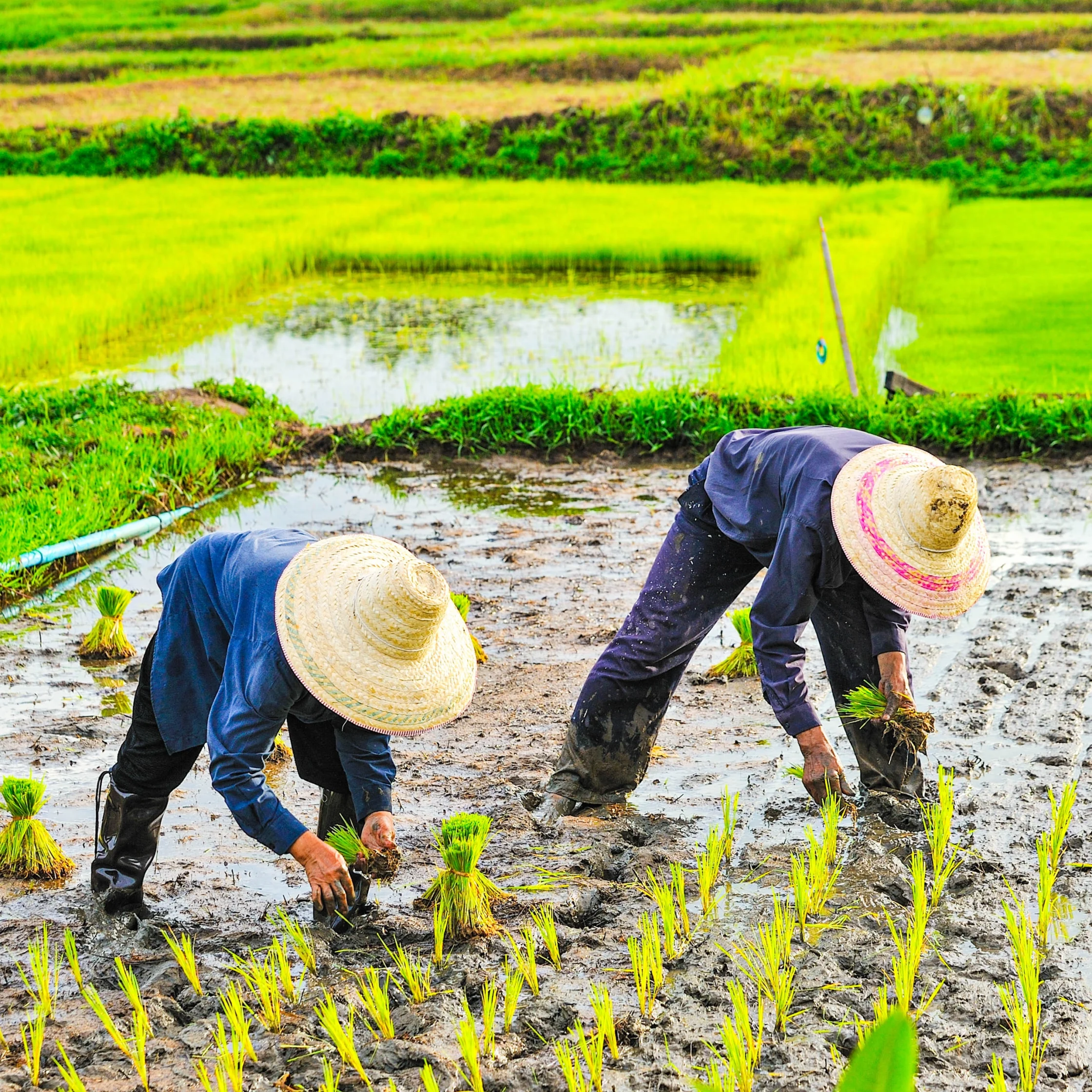
As global appetites shift toward fresh, tropical, and naturally grown ingredients, the Philippines is perfectly positioned to deliver. With fertile land, rich fishing grounds, and generations of farming expertise, the country continues to strengthen its reputation as one of the world’s most important sources of food. And if 2025 is any sign, the world’s appetite for Filipino-grown ingredients is only going to get bigger.

Frequently Asked Questions
Coconut-based products, specifically coconut oil, lead the pack. In early 2025, this category earned approximately $1.26 billion, driven by global demand for cooking, baking, and wellness products.
The Philippines reclaimed its title as the world’s second-largest banana exporter in 2025. Despite previous challenges with pests and weather, the country successfully shipped 2.925 million metric tons to global markets.
Philippine avocados officially entered the Japanese market in late 2024, marking a significant milestone for the country’s fruit export expansion beyond traditional staples like pineapples and mangoes.
Processed fruits generated over $340 million in the first half of 2025 alone. The market for these products is projected to grow to a value of $1.2 billion by 2030, with dried mangoes remaining a global favorite.
While much of the seafood goes to neighboring hubs like Japan, Hong Kong, China, and Singapore, Western demand is rising, with the Netherlands emerging as a key buyer. In 2024, the Philippines exported $500 million worth of tuna products.