

When you’re still a beginner in the kitchen, it’s easy to confuse one tool for another. Take the microplane and box grater, for example. Both have sharp holes and both are used to grate food so it’s easy to think that they do the exact same thing.
But while they may look similar, they actually serve different purposes. The difference mostly comes down to texture because a microplane creates very fine, delicate shavings, while a box grater produces larger, thicker shreds. And that small difference can change how your ingredients mix, melt, or stand out in a dish.
When to Use a Microplane for Fine Grating
A microplane is a long, narrow tool with very tiny, razor-sharp teeth. When you grate something with it, you get very fine and delicate shavings. Since the pieces are incredibly small, they easily blend into your dish so you usually don’t see the ingredient; you mostly just taste its flavor.
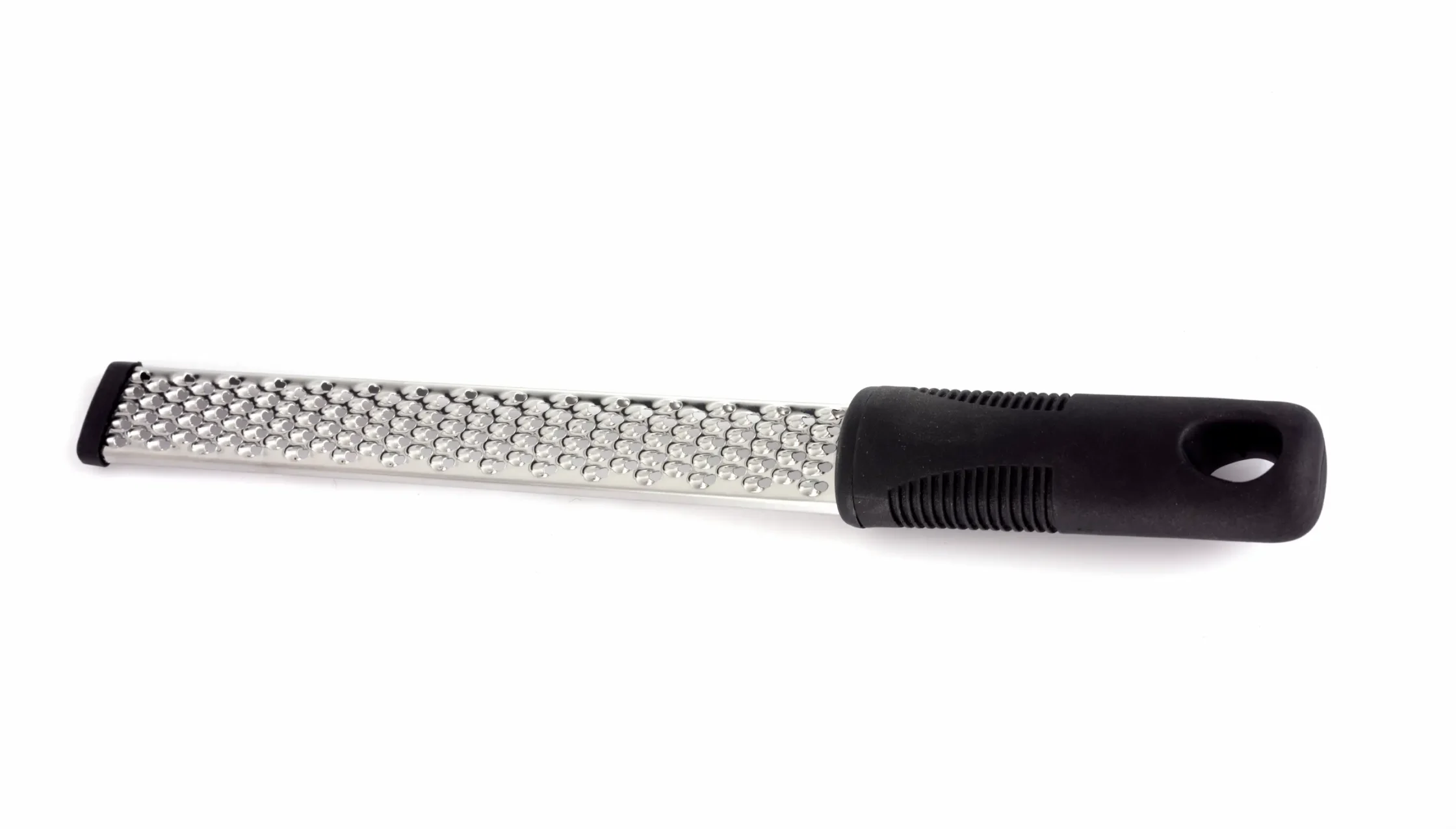
A microplane grater works best for garlic, ginger, citrus zest, chocolate, and hard cheeses like Parmesan because its teeth are very fine, turning these ingredients into tiny shavings that pack a punch of flavor without adding unnecessary texture. In Filipino cooking, you might use it to grate ginger and garlic for soups, stir-fries, or sawsawan.
Benefits of Using a Box Grater for Texture
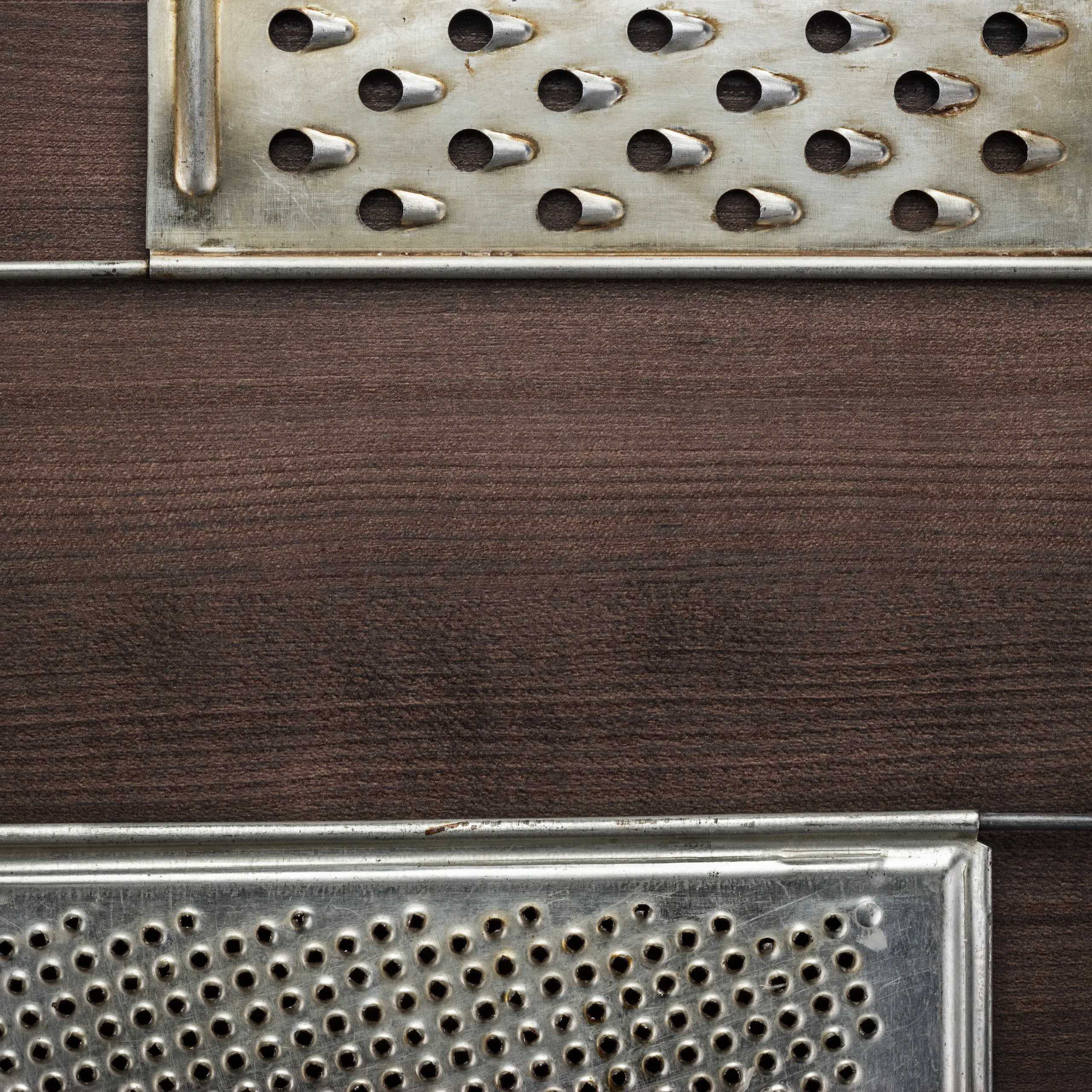
A box grater (also typically referred to as just “a grater”) is a larger tool you’ve probably seen upright on kitchen counters. It is literally a box with its four sides having differently sized holes, each designed for specific types of grating. Unlike the microplane, a box grater produces thicker, longer shreds instead of fine, dainty flakes. These bigger pieces don’t just add flavor, they also add texture.
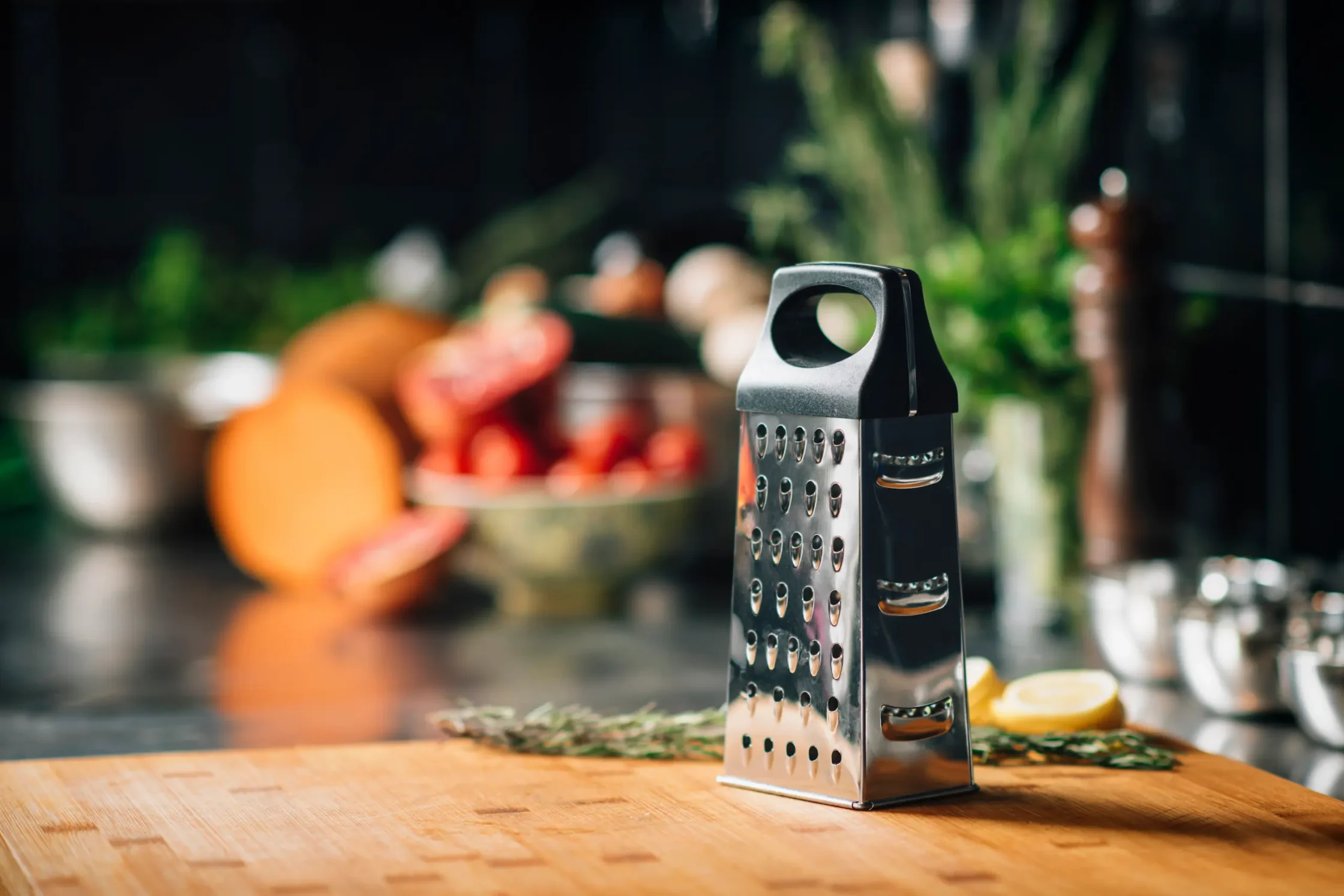
A grater like this works best for ingredients like cheese, carrots, cabbage, potatoes, and chocolate, where you want noticeable shreds that stand out in the food. In Filipino cooking, you might use it to grate carrots and cabbage, or to shred cheese for baked macaroni or sweet-style Pinoy spaghetti.
Microplane vs. Box Grater: Key Differences
If you’re still unsure about their differences, here’s a quick and easy guide to keep in mind:
- Use a microplane for fine grating and strong flavor (garlic, ginger, citrus zest).
- Use a grater for bigger shreds and more texture (cheese, carrots, vegetables).
Many beginner cooks start with a box grater because it’s versatile. Later on, they add a microplane once they realize how helpful it is for smaller, more delicate ingredients.
The great thing about both is that they’re simple, affordable, and easy to use. Once you have them in your kitchen, you’ll start to notice how a quick grate of garlic, ginger, or cheese can instantly add more flavor and texture to your food. It’s a small and simple step but one that can take your cooking from “beginner” to “home cook” in a pinch.

Frequently Asked Questions
The primary difference is the resulting texture and size of the food. A microplane produces very fine, delicate shavings that blend into dishes for intense flavor, while a box grater creates larger, thicker shreds that add both flavor and noticeable texture to a meal.
The primary difference is the resulting texture and size of the food. A microplane produces very fine, delicate shavings that blend into dishes for intense flavor, while a box grater creates larger, thicker shreds that add both flavor and noticeable texture to a meal.
A box grater typically has four sides with differently sized holes. These are designed for versatile tasks such as shredding carrots and cabbage for salads, grating potatoes for hash browns, or creating thick ribbons of cheese for baked macaroni or sweet-style Pinoy spaghetti.
The microplane is generally better for ginger and garlic. Because its razor-sharp teeth turn these aromatics into tiny shavings, they distribute more evenly through stir-fries and sauces, ensuring you get the flavor in every bite without encountering a large, spicy chunk of raw ginger.
Beginners often start with a box grater because of its versatility. Since it offers multiple hole sizes in one tool, it can handle everything from shredding vegetables to grating blocks of cheese, making it a highly practical first purchase for a new kitchen.