


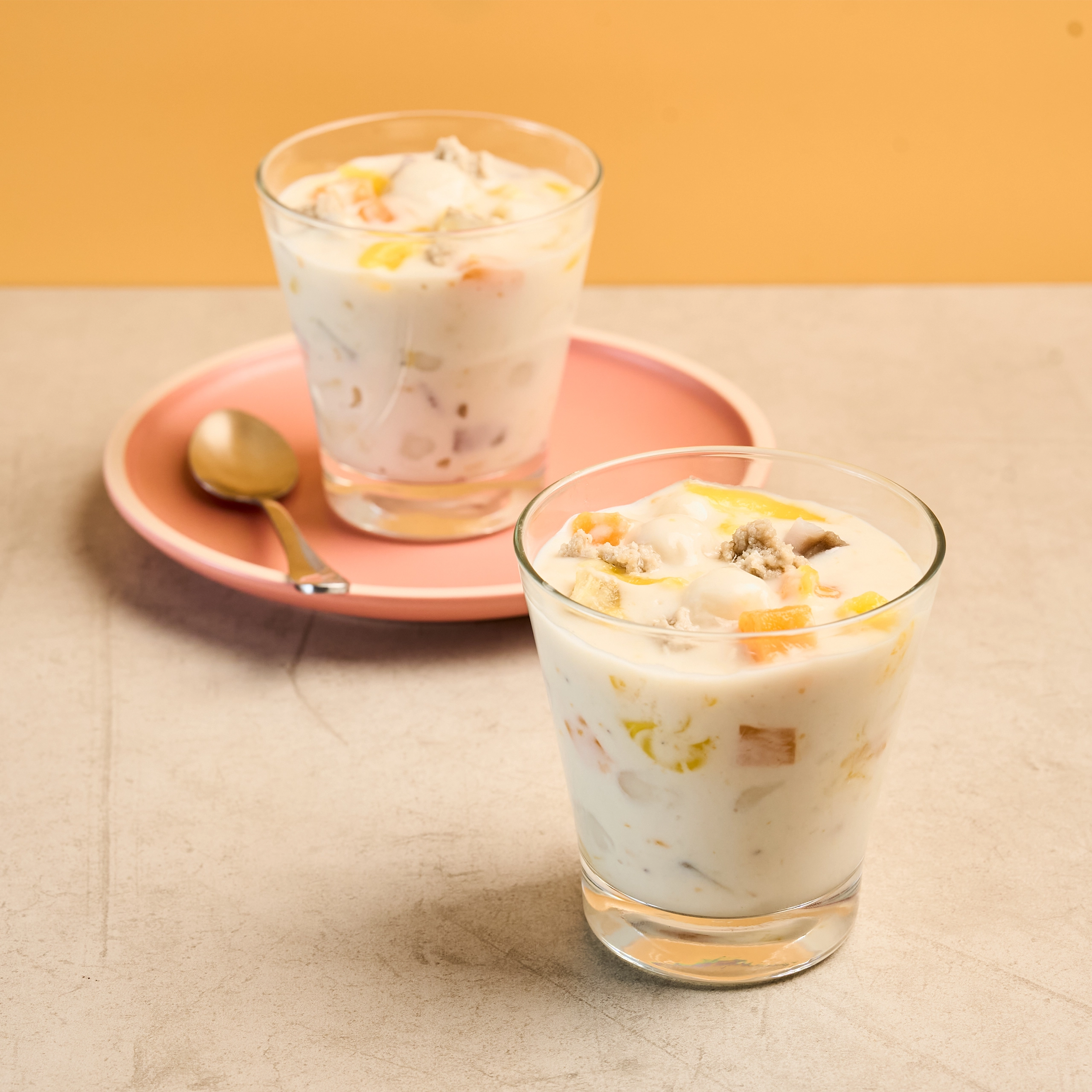
There are Filipino dishes that immediately feel like home. They may not be the most elaborate dishes on the table, but they have a way of bringing back memories of family kitchens, afternoon merienda, rainy days, and gatherings where everyone takes a little more than they intended. Paralosdos is one of those comforting dishes.
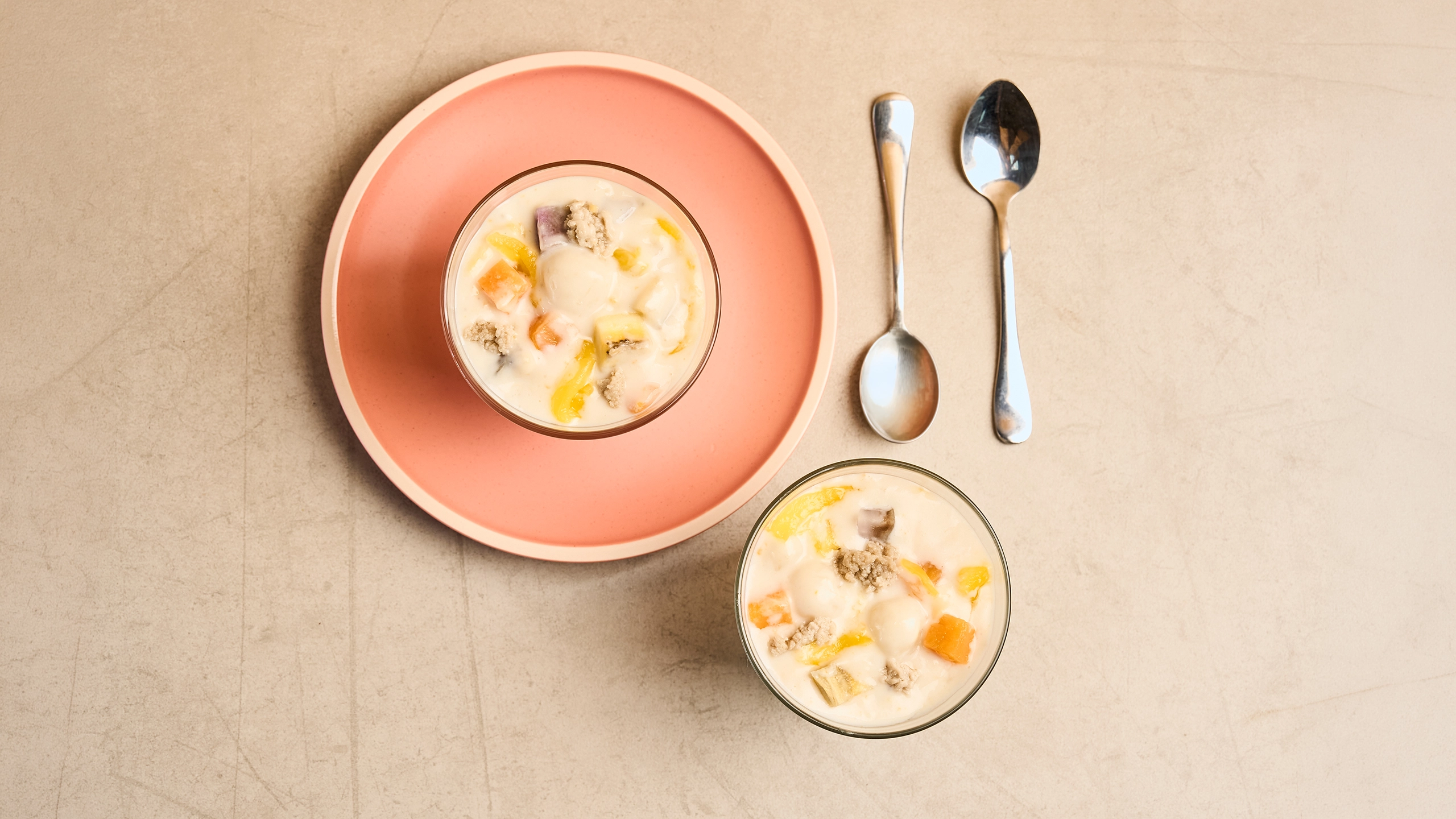
Made with soft, chewy glutinous rice balls simmered in creamy coconut milk and combined with sweet saba banana, tender sweet potato, and fragrant ripe jackfruit, Paralosdos is simple but wonderfully satisfying. The coconut milk gives it a rich, creamy base, while the fruits and root crop add different textures and natural sweetness. A little pandan makes the whole pot smell distinctly Filipino.
This Bulacan-style preparation is closely related to the family of Filipino coconut-milk desserts known as ginataang bilo-bilo or ginataang halo-halo. Similar versions appear under different regional names, and recipes can vary considerably depending on the household and province.
What makes this version especially enjoyable is its relatively small list of ingredients. You don’t need a long collection of tropical fruits or specialty ingredients. With malagkit, gata, saba, kamote, langka, and a little sugar, you can create a warm and nostalgic Filipino merienda.
A Little History and Food Background
The exact history and origin of the name Paralosdos are not consistently documented in major culinary references, so it is better to understand it as part of the broader tradition of Filipino ginataan rather than assign it a single definitive origin.
In Filipino cooking, ginataan refers broadly to food cooked with coconut milk or coconut cream. Coconut has long been an important ingredient in Philippine cuisine, particularly in areas where coconut trees are abundant. It appears in both savory dishes and sweets, and it provides the characteristic richness that makes many Filipino merienda dishes so comforting.
Glutinous rice is another important part of Filipino culinary tradition. In the Philippines it is commonly called malagkit, meaning sticky, and glutinous rice flour is widely used for making chewy rice-based delicacies.
Paralosdos belongs naturally to this tradition. The little balls made from glutinous rice flour provide the chewy component, while coconut milk creates the creamy broth. Saba, kamote, and langka contribute sweetness and contrasting textures.
Similar ginataang preparations are often enjoyed as merienda, dessert, or even breakfast. Some families prefer them steaming hot, while others enjoy them chilled.
Understanding the Ingredients
Glutinous rice flour is responsible for the characteristic chewy, sticky texture of the rice balls. Despite its name, glutinous rice does not contain gluten; “glutinous” describes its sticky texture when cooked.
Coconut milk forms the main liquid base. It provides the creamy mouthfeel and rich coconut flavor associated with ginataan.
Coconut cream is thicker and richer than ordinary coconut milk, so adding it toward the end gives the dessert a more luxurious finish.
Pandan contributes an unmistakably Filipino aroma. Knotting the leaf before adding it to the pot helps release its fragrance.
Jackfruit adds a floral, fruity sweetness that pairs particularly well with coconut.
Saba banana is ideal because it is firmer and starchier than many dessert bananas, so it holds its shape relatively well during cooking.
Sweet potato provides body, color, mild sweetness, and a soft texture.
Latik is the finishing touch. The toasted coconut curds provide a slightly nutty, caramelized coconut flavor that contrasts beautifully with the creamy dessert.
Recipe Tips for Better Paralosdos
Keep the rice balls small
Large rice balls can become too chewy and can dominate the dessert. Small, bite-sized balls give you a better balance of rice, coconut milk, fruit, and kamote in every spoonful.
Add water gradually
This is one of the most important steps.
Glutinous rice flour doesn’t always absorb water in exactly the same way. If your dough becomes too wet, add a small amount more flour. If it is dry and cracking, add water a few drops at a time. Recipe sources for similar dishes specifically recommend adjusting the water according to the flour’s absorption.
Don’t boil the coconut milk aggressively
A gentle simmer is preferable. High heat can make coconut-based sauces separate and can also cause the ingredients to break apart.
Don’t overcook the saba
Saba should be tender but recognizable. Add it toward the later part of cooking rather than treating it like a root vegetable that needs a long cooking time.
Use ripe but firm jackfruit
Very ripe langka gives excellent fragrance, but if it is extremely soft, it can disintegrate during cooking. Chopping it into slightly larger pieces helps preserve its texture.
Taste before serving
The sweetness of saba and jackfruit can vary significantly. Taste your Paralosdos toward the end and adjust the sugar if necessary.
Remember that it thickens
Coconut milk desserts containing glutinous rice naturally become thicker as they cool. Similar ginataang recipes recommend adding a little coconut milk when reheating if the consistency becomes too thick.
Ingredient Substitutions
You can adapt Paralosdos without losing its basic character.
Coconut milk
Best substitute: Full-fat canned or carton coconut milk.
Fresh coconut milk is wonderful when available, but packaged full-fat coconut milk is practical and consistent.
Avoid using a very thin coconut beverage intended as a dairy substitute; it may make the dish watery and less creamy.
Coconut cream
If coconut cream isn’t available, use full-fat coconut milk and simmer the dessert slightly longer. It won’t be quite as rich, but it will still work.
Saba banana
If saba is unavailable, firm plantain is the closest practical substitute. A regular banana can work in an emergency, but it tends to soften much faster.
Sweet potato
You can substitute:
- Purple sweet potato
- White-fleshed sweet potato
- Ube
- Taro/gabi
- Cassava
These types of root crops are common additions to related Filipino ginataan preparations.
Jackfruit
If fresh ripe jackfruit isn’t available, canned sweetened jackfruit can be used. Drain it well and reduce the added sugar because the canned fruit may already be sweetened.
Pandan
Fresh pandan is best, but pandan extract can provide some of the characteristic aroma. Use only a small amount because extracts are much more concentrated.
Latik
If you don’t have latik, you can simply leave it out. The dessert will still be delicious. However, latik adds a wonderful toasted coconut character, so it’s worth making when you have time.
What Makes This Dish Special?
Paralosdos is interesting because it brings together several textures in one bowl.
The malagkit balls are chewy.
The kamote is soft and starchy.
The saba is tender and fruity.
The jackfruit is fragrant and slightly fibrous.
The coconut milk is smooth and creamy.
And the latik adds a toasted, slightly crisp contrast.
This mixture of textures is one reason Filipino coconut-milk desserts are so satisfying. Similar ginataang halo-halo preparations deliberately combine glutinous rice balls with fruits and root crops.
It is also a good example of how Filipino cooking doesn’t always depend on complicated techniques. Much of the character comes from familiar local ingredients cooked gently and combined thoughtfully.
Health Benefits of the Ingredients
Paralosdos is best thought of as a dessert or merienda, rather than a health food. It contains sugar, glutinous rice, and coconut products, so it can be energy-dense. Still, several of its individual ingredients provide useful nutrients.
Sweet potato
Sweet potato provides carbohydrates for energy and contains dietary fiber, potassium, and various vitamins and antioxidants. The exact nutritional value varies according to the variety and preparation.
Because your sweet potato is boiled before being added, it also contributes a soft, naturally sweet component without requiring additional sugar.
Saba banana
Saba provides carbohydrates and potassium, along with some fiber and vitamin B6. Because it is a starchy cooking banana, it contributes more body and substance than a very soft dessert banana.
Jackfruit
Jackfruit provides carbohydrates, fiber, vitamin C, and various plant compounds. Its natural sweetness also allows you to get plenty of fruity flavor without relying entirely on added sugar.
Coconut
Coconut milk and cream provide fat and energy and contribute small amounts of minerals. However, coconut milk is also relatively high in saturated fat, so moderation is sensible.
Glutinous rice flour
Glutinous rice flour provides carbohydrates and energy. Its main culinary contribution, however, is texture rather than a significant source of vitamins or minerals.
Pandan
Pandan is primarily used as an aromatic ingredient. Because only a leaf is used to flavor the entire pot, it shouldn’t be considered a major nutritional source.
A practical note about sweetness
The original recipe contains only 1/4 cup of added sugar, while the saba and jackfruit contribute their own sweetness. If you’re trying to reduce added sugar, you can start with less sugar and adjust after tasting.
The result may actually taste more balanced because the coconut, fruit, and pandan become more noticeable.
How to Store Paralosdos Properly
Because Paralosdos contains coconut milk, coconut cream, and cooked fruit, it should not be left at room temperature for extended periods.
After serving, allow the dish to stop steaming, then transfer leftovers into a clean, shallow, airtight container and refrigerate promptly.
For best quality:
- Keep it refrigerated at 4°C / 40°F or below.
- Don’t repeatedly leave the entire container out on the table and return it to the refrigerator.
- Use a clean spoon whenever serving.
- Store the latik separately if possible so it remains flavorful and doesn’t become soggy.
- If you’re preparing it ahead for a gathering, refrigerate it and reheat only the amount you plan to serve.
Shelf Life
For homemade Paralosdos, a conservative recommendation is up to 3 days in the refrigerator for best quality and safety. Similar coconut-milk ginataang desserts commonly recommend refrigeration for up to three days.
The texture will change as it sits. The glutinous rice balls absorb some of the coconut milk, so the dessert becomes noticeably thicker.
If it smells sour, develops an unusual appearance, shows mold, or otherwise seems questionable, discard it rather than tasting it to determine whether it is safe.
Can You Freeze It?
Technically, you can freeze coconut-based desserts, but I wouldn’t recommend freezing Paralosdos if texture is important.
The saba, sweet potato, and especially the glutinous rice balls may become softer or change texture after thawing. Coconut milk can also separate.
For the best experience, make a batch small enough to enjoy within a few days.
How to Reheat Paralosdos
Refrigerated Paralosdos will probably be much thicker than when freshly cooked.
Place the desired amount in a saucepan and reheat over low heat.
Add a small splash of coconut milk or water and stir gently until it reaches your preferred consistency.
Don’t use very high heat.
You can also microwave an individual serving in short intervals, stirring between each interval. Similar ginataang preparations recommend adding a little coconut milk when reheating because the dessert thickens after refrigeration.
Add fresh latik after reheating for the best texture.
Serving Suggestions
Paralosdos is wonderful served:
- Warm, especially on a rainy afternoon
- As a traditional-style merienda
- As a simple Filipino dessert after lunch or dinner
- Chilled for a thicker, pudding-like consistency
- With additional toasted latik on top
- In small bowls for family gatherings and celebrations
Some related ginataang desserts are traditionally enjoyed both hot and cold, so the choice is largely a matter of personal preference.
Final Words About Paralosdos
Paralosdos may look humble, but that is part of its charm.
It takes inexpensive and familiar ingredients—malagkit, gata, kamote, saba, and langka—and turns them into something warm, creamy, chewy, fragrant, and deeply comforting. It is the kind of Filipino food that doesn’t need elaborate presentation to feel special.
For a Bulacan kitchen, a pot of Paralosdos can be more than just a recipe. It can be merienda shared with family, a comforting bowl on a rainy afternoon, or a reminder of the simple dishes prepared at home.
Its beauty is also in its flexibility. One household may prefer more langka; another may add extra kamote. Someone might make the rice balls smaller, while another family may prefer a thicker coconut sauce. These little differences are part of what makes Filipino regional cooking so interesting.
And perhaps that’s the best way to enjoy Paralosdos: not as a dish that has to be perfectly identical every time, but as a traditional comfort food that can carry the personality of the family making it.
A spoonful brings together the chewiness of malagkit, the richness of coconut, the sweetness of saba and langka, the earthiness of kamote, the fragrance of pandan, and the toasted character of latik.
Simple ingredients, lovingly cooked—that is what makes Paralosdos worth keeping on the Filipino table.
So good!!