

There is a very specific kind of heartbreak that comes with finding out you forgot about the bread in your pantry and by then it’s been a week since you bought it. And when you do remember, it’s as soft as a piece of plywood.
Good news: stale bread is not necessarily dead bread.
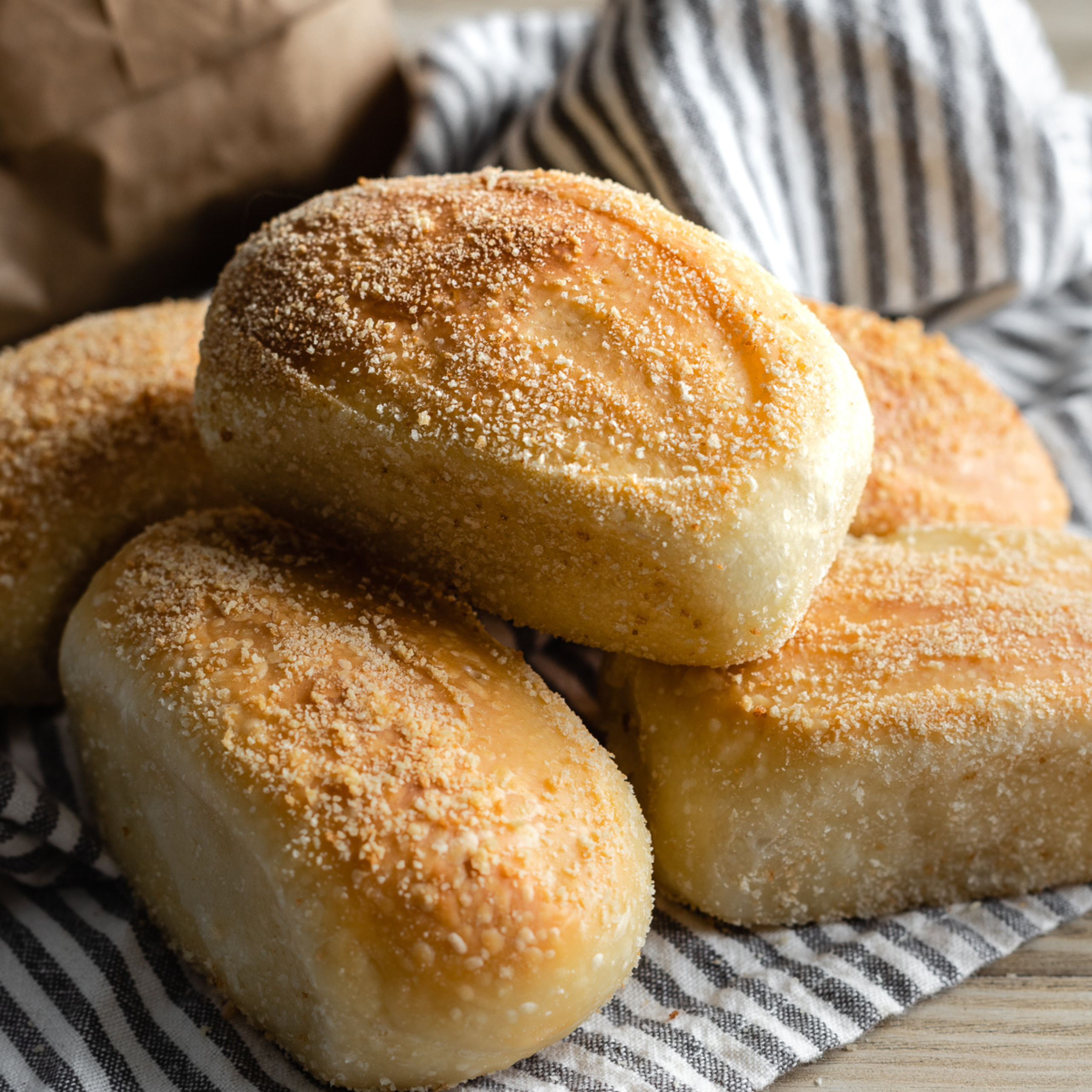
If there’s no mold, your loaf can usually be brought back to a surprisingly respectable state with a little heat and, in some cases, a little water. The trick is knowing what kind of bread you have and how far gone it is. But on principle, this should also work for your days-old pandesal.
And yes, one of these methods involves putting your bread directly under the faucet, and it’s gonna feel wrong. But trust.
Water-and-Oven For a Whole Loaf or Baguette
This is the one I’d try first if you have a whole loaf, baguette, sourdough, or any crusty bread that has gone hard on the outside but still has some life left in it. Heat your oven to 350°F (175°C). While it heats, run the loaf briefly under the tap. You want the outside just damp, but you don’t want it to become a waterlogged sponge. If the loaf has a cut end that exposes the inside, keep that part from getting soaked.
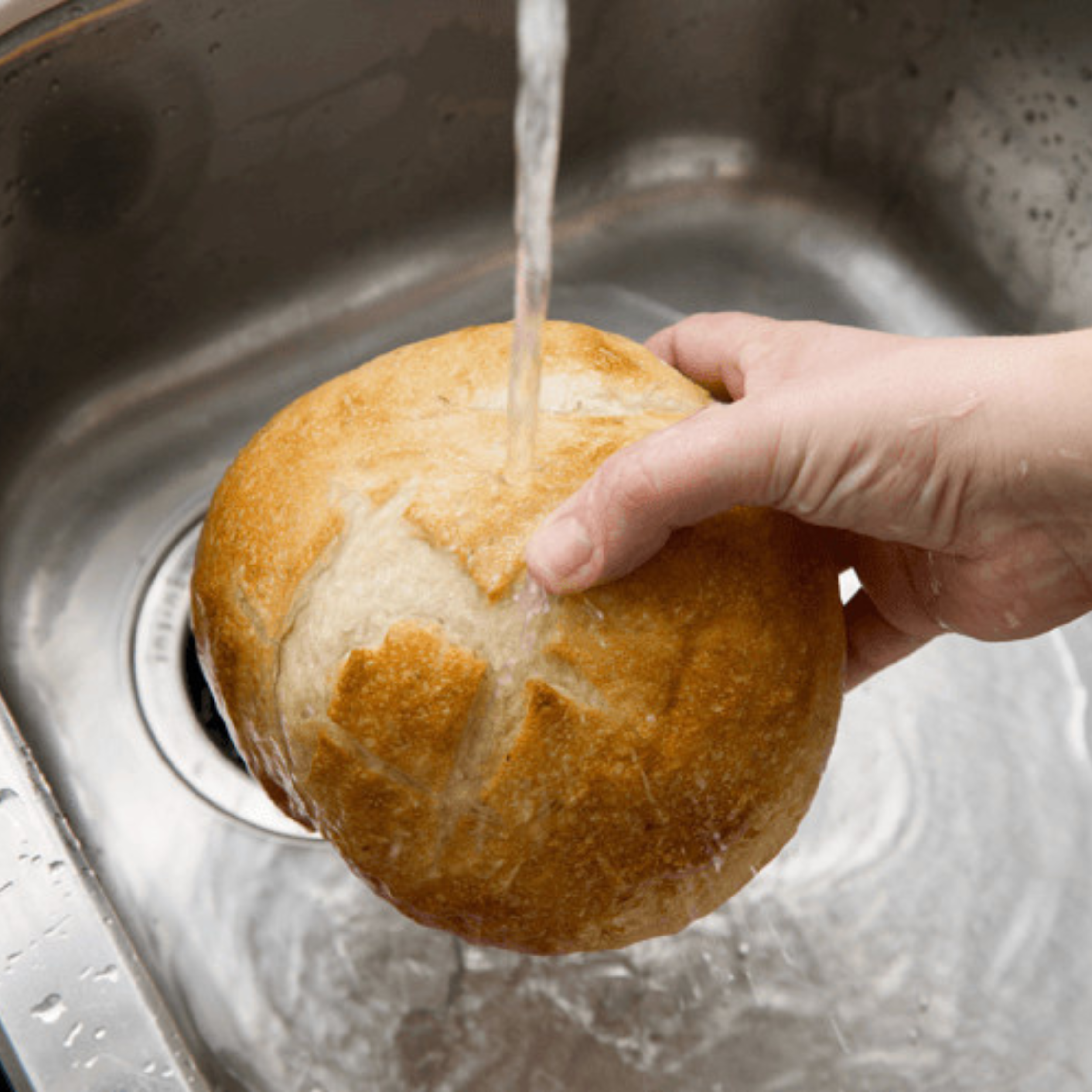
Put the loaf directly on a baking sheet and bake for about 8 to 12 minutes, depending on its size. A smaller baguette will need less time; a hefty boule will need more.
What’s happening here is basically a tiny bread resurrection. The water turns to steam as the loaf heats, helping soften the interior, while the oven dries and crisps the crust back up. The result won’t literally turn back time, but it can get remarkably close to fresh-baked texture.
The important part: eat it soon after reviving. The process doesn’t permanently reverse staling, so don’t expect your revived bread to stay fresh for another week.
The Toaster Trick: For One or Two Slices
If you’re only trying to save a your stale bread for a light breakfast, no need to turn on the entire oven.
Just run your fingers under the tap and flick a little water over the surface. Put it in the toaster or toaster oven for 1-2 minutes and you’re good to go.
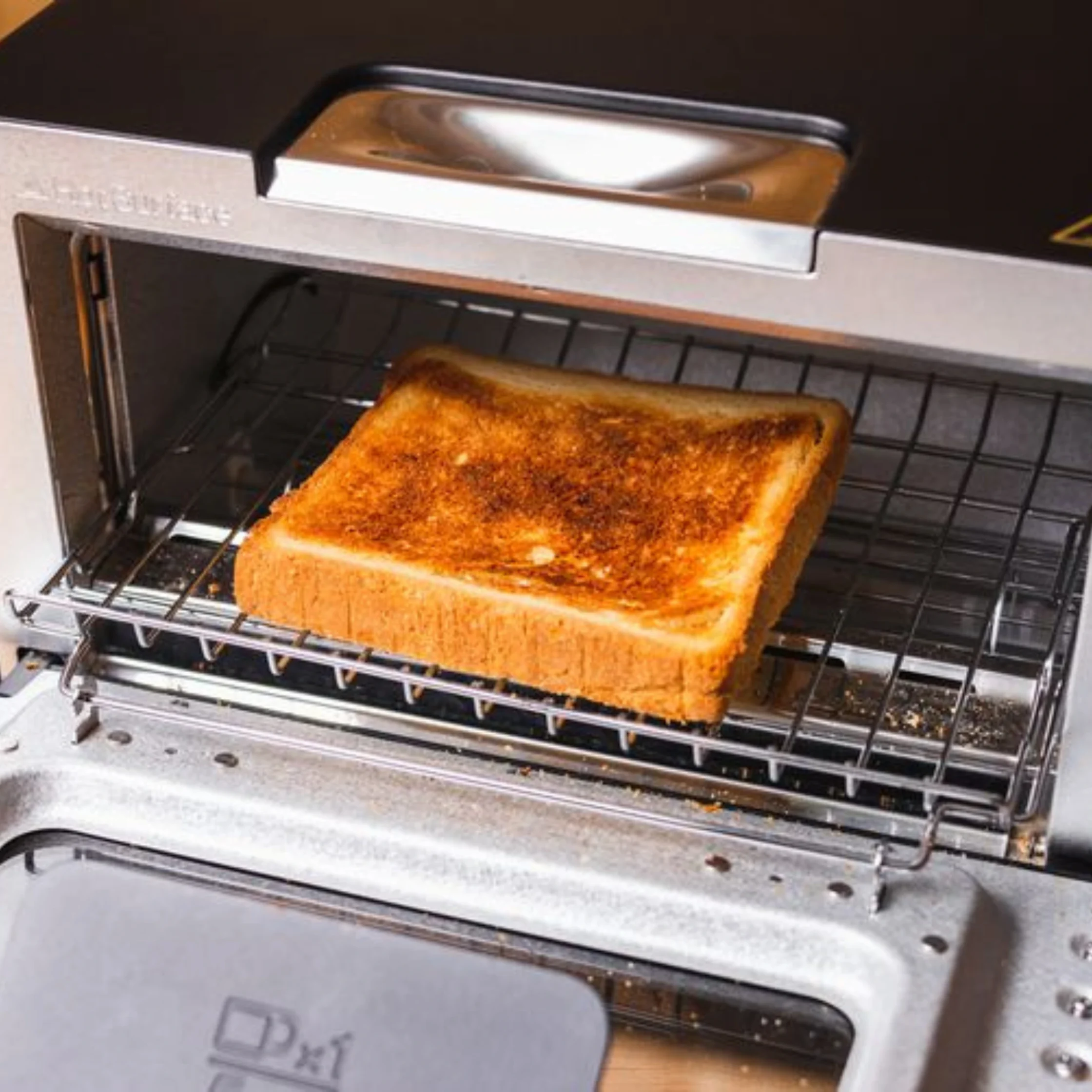
This works especially well for bread that’s only slightly stale. You’re giving the crumb a little moisture while the toaster brings back some of the crispness.
I like this for sandwich bread, anything you’re planning to put butter on anyway, or for ones with fillings like spanish bread or pan de coco. This method will help heat up the inside a little so it comes out soft and chewy again. It’s much less dramatic than dunking an entire loaf under the faucet. Just don’t overdo the water.
For When You Need Bread Now
This is the emergency method. It’s not what I’d do for a dinner party baguette. It’s probably more for when I’m standing in the kitchen at 11:02 p.m. thinking, “I really want some bread.”
If you have a big piece, cut it into single servings before reviving. Wrap in a slightly damp paper towel and microwave it for about 10 seconds. Check it, then give it another few seconds if necessary. The microwave heats the water in and around the bread, creating steam that temporarily softens the crumb.
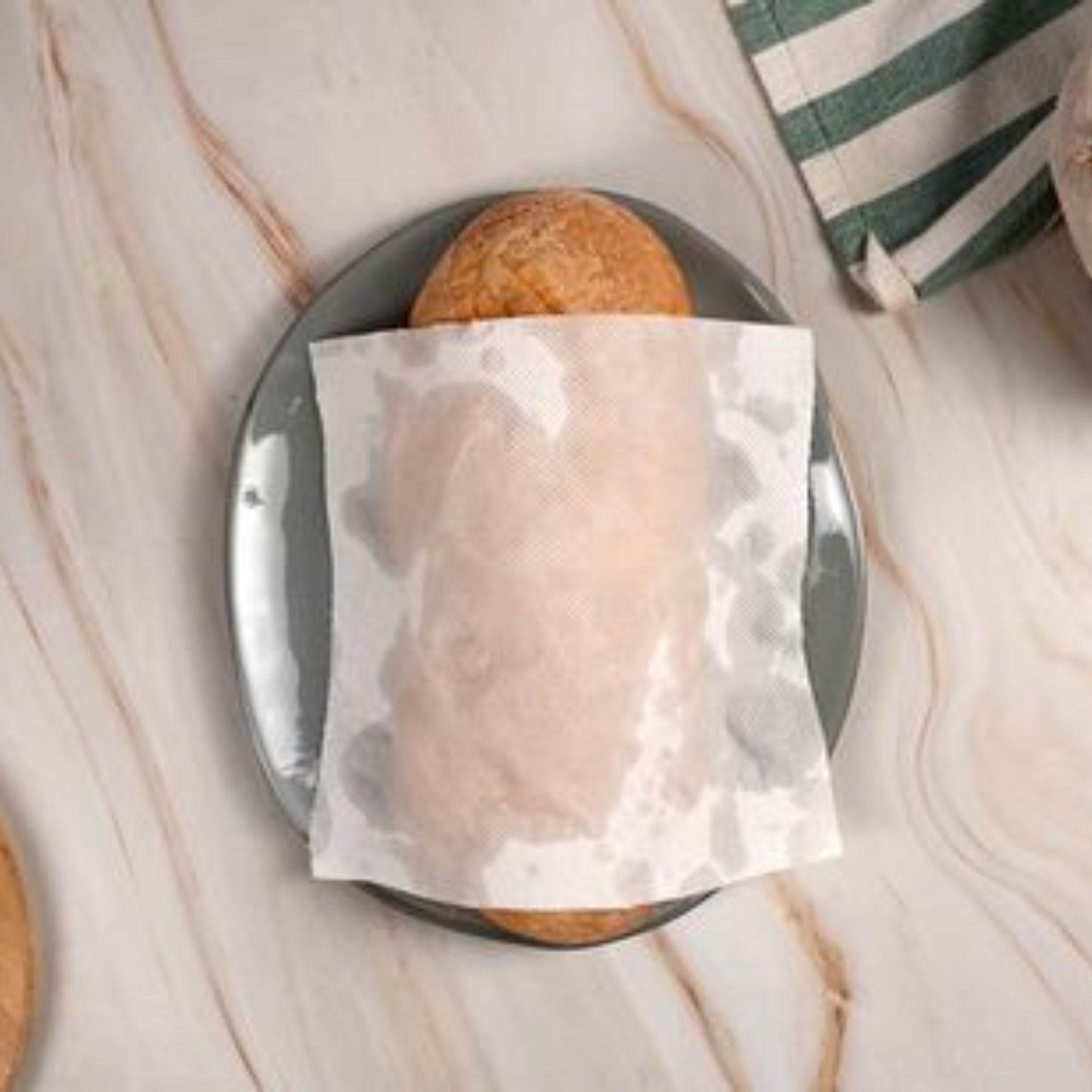
But there is a catch: eat it immediately. Microwaved bread has a very short window of being soft before it starts getting rubbery, or just super tough. And also, go even a second over time and it’s rock hard.
So this is really only for when you want bread ASAP and you don’t have other options.
You Need Foil For Extra-Dry Bread
If you need it in one piece but it’s really really struggling—hard, dry, and a little beyond what you’d trust with the just oven, try wrapping it loosely in foil after lightly wetting the outside.
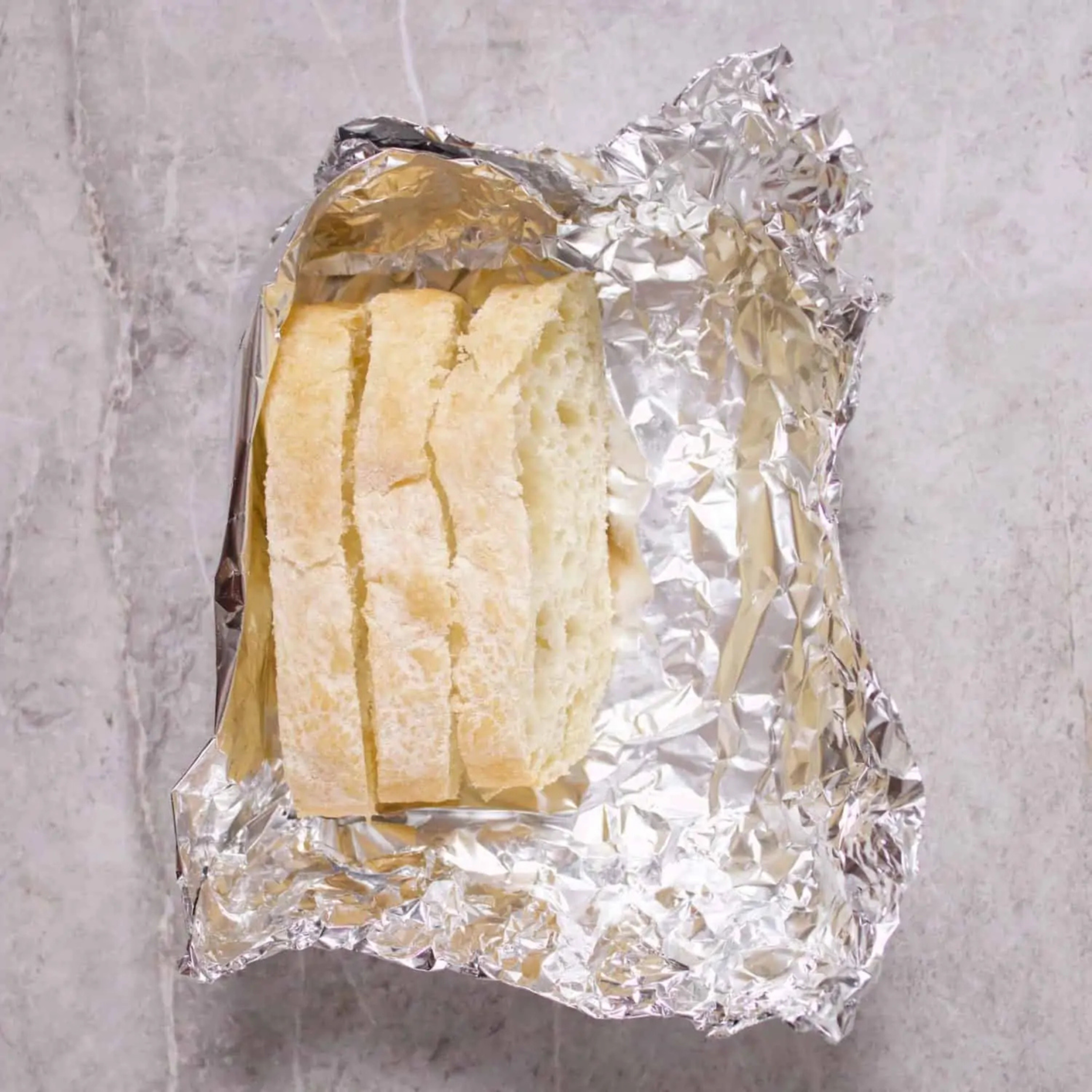
Heat the oven to around 300–350°F (150–175°C) and warm the wrapped loaf for roughly 10 to 15 minutes, depending on its size.
The foil traps steam around the bread instead of letting all that moisture immediately escape. Once the inside has softened towards the end of 10 to 15 minutes, you can unwrap it to let the crust crisp again.
Just don’t expect miracles from bread that’s been sitting around for ages: at a certain point, you’re better off turning it into something else.
When It’s Too Far Gone: Don’t Revive It
I will say, when life gives you stale bread, stale is exactly what you want.
If your bread is dry all the way through and you’re not 100% sure that it can be saved, you can work with it instead. Turn it into croutons. Blitz it into breadcrumbs. Make French toast. Toss it into your salad. Use it to thicken a soup or sauce. Or just toast it in a pan and let it soak up butter, olive oil, stock, dressings, and all the other delicious things fresh bread sometimes isn’t solid enough to carry.
Although if we’re talking about one-week-old, hard-as-rock pan de regla, then the tears can come. In the trash it goes.
Just One More Thing
Stale and moldy are not the same thing.
If you see mold, don’t try to salvage the loaf by cutting off the affected part. Bread is porous, so mold can spread below the surface even when you can’t see it, so into the trash it goes.
Otherwise, don’t be so quick to throw out yesterday’s bread. A little water and heat can do a lot. And if they can’t? Well, congratulations. You now have the perfect excuse to make something crispy, buttery, and possibly more interesting than toast!

Frequently Asked Questions
Yes. For individual slices, a toaster or microwave works well. Lightly dampen the bread before heating it—the moisture creates steam and helps soften the crumb.
Stale bread is generally fine to eat as long as there’s no visible mold and it doesn’t have an unusual smell. If you see mold anywhere on a loaf, it’s safest to throw out the entire thing rather than cutting around the affected spot.
You can, but be gentler than you would with a crusty loaf. A lightly dampened paper towel and a few seconds in the microwave can soften individual slices, or you can toast them directly. The effect is temporary, so eat the bread soon after reviving it.
Staling isn’t just about losing moisture. As bread sits, the starches in its crumb gradually reorganize and crystallize, which makes the bread feel firmer and less fresh. That’s why adding a little moisture and heat can temporarily improve the texture—but it doesn’t permanently reverse the staling process.
Very stale bread is often better used than revived — turn it into croutons, blitz it into breadcrumbs, make French toast, toss it into salad, or use it to thicken a soup or sauce rather than trying to restore its original texture.