

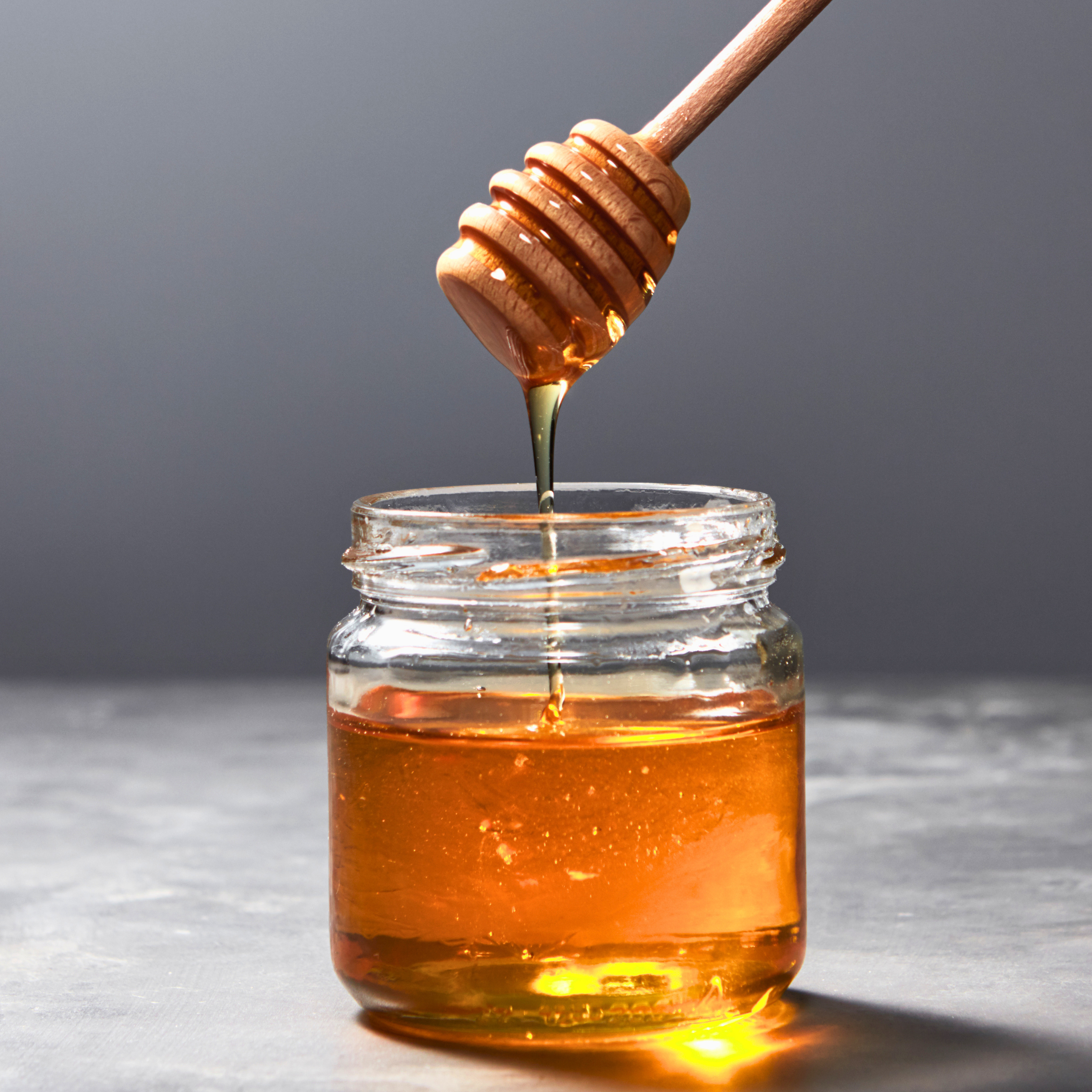
If you’ve ever wondered whether the honey sitting in your fridge or pantry is the real deal, then you’ve probably come across a few “easy” ways to find out.
Maybe you’ve heard that real honey sinks straight to the bottom of a glass of water, or that rubbing a drop between your fingers can tell you that it’s pure. There’s also the more daring match test, which involves trying to light the honey on fire.
While these hacks make for fun kitchen experiments, they aren’t really reliable ways for confirming whether what you have is actually genuine. For that, it might help to look at the Codex Alimentarius’ standard for what liquid gold actually is.
What Counts as Real Honey?
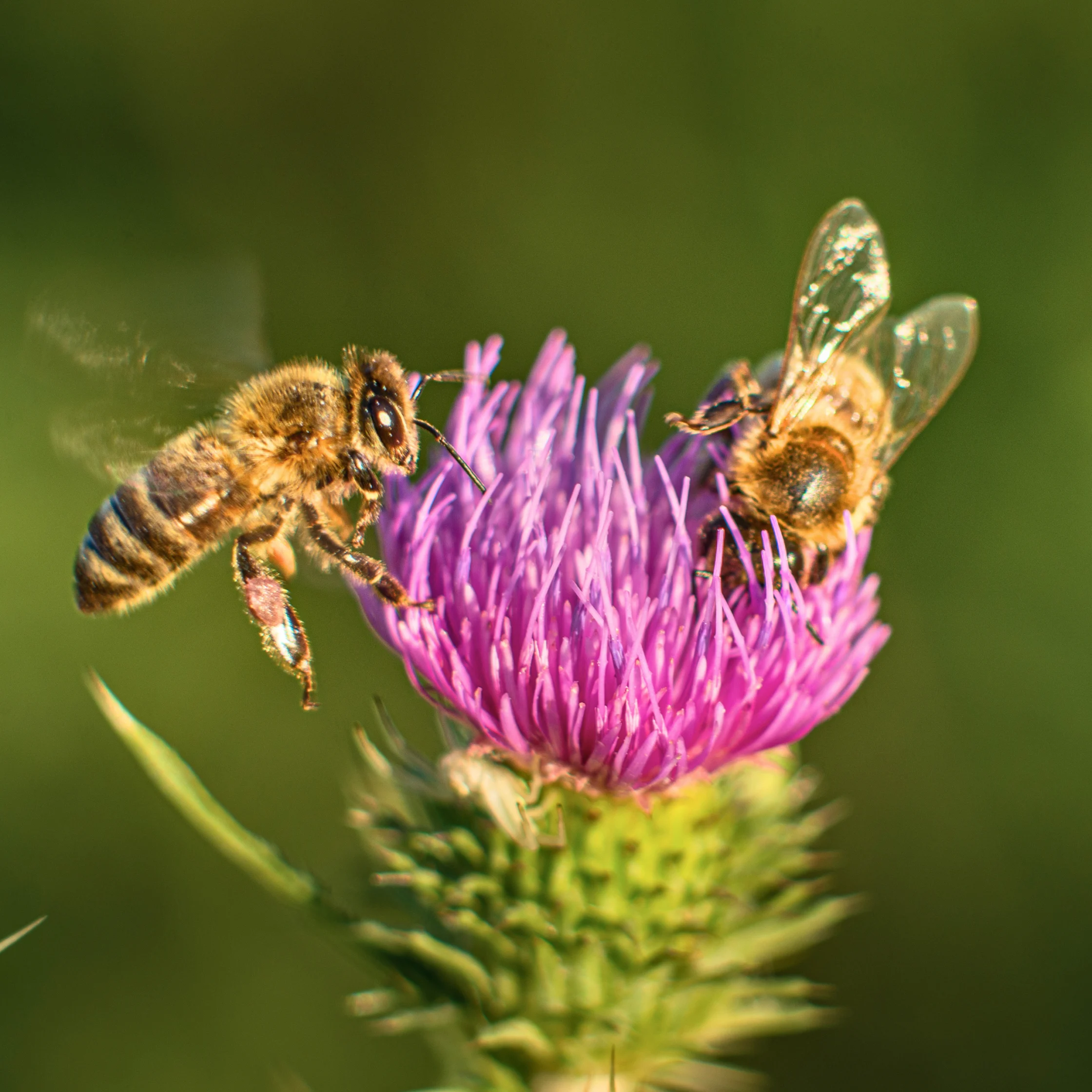
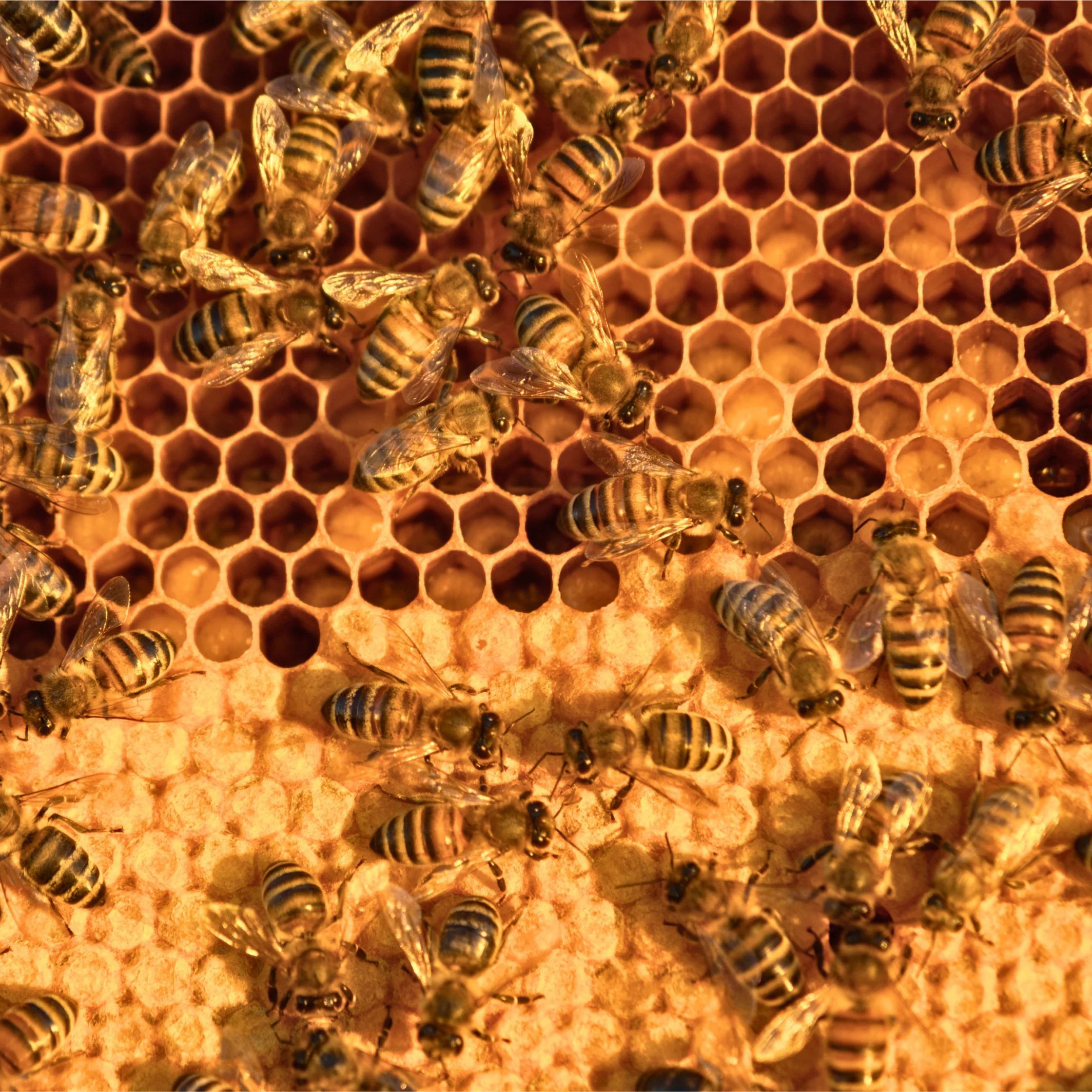
According to the Codex, honey is the naturally sweet substance produced by honey bees from collected nectar that’s processed and stored in a honeycomb for ripening. When something is labeled as just “honey,” there shouldn’t be anything else added to it—no sweeteners, additives, or any other ingredients.
The standard is also strict about honey not having any objectionable flavors, aromas, or other matter picked up during processing and storage. So if you’re looking for the real deal, the basic idea is pretty simple: honey should actually be honey.
Another common misconception is that if honey turns cloudy, thick, or grainy, then it must be fake. Nope, because crystallization is normal! The Codex actually recognizes that honey can come as either a liquid, a crystalline, or something in-between. Honey also comes in a wide variety of colors that range from almost-translucent to a deep brown, with both flavor and aroma often changing based on the plant that it comes from.
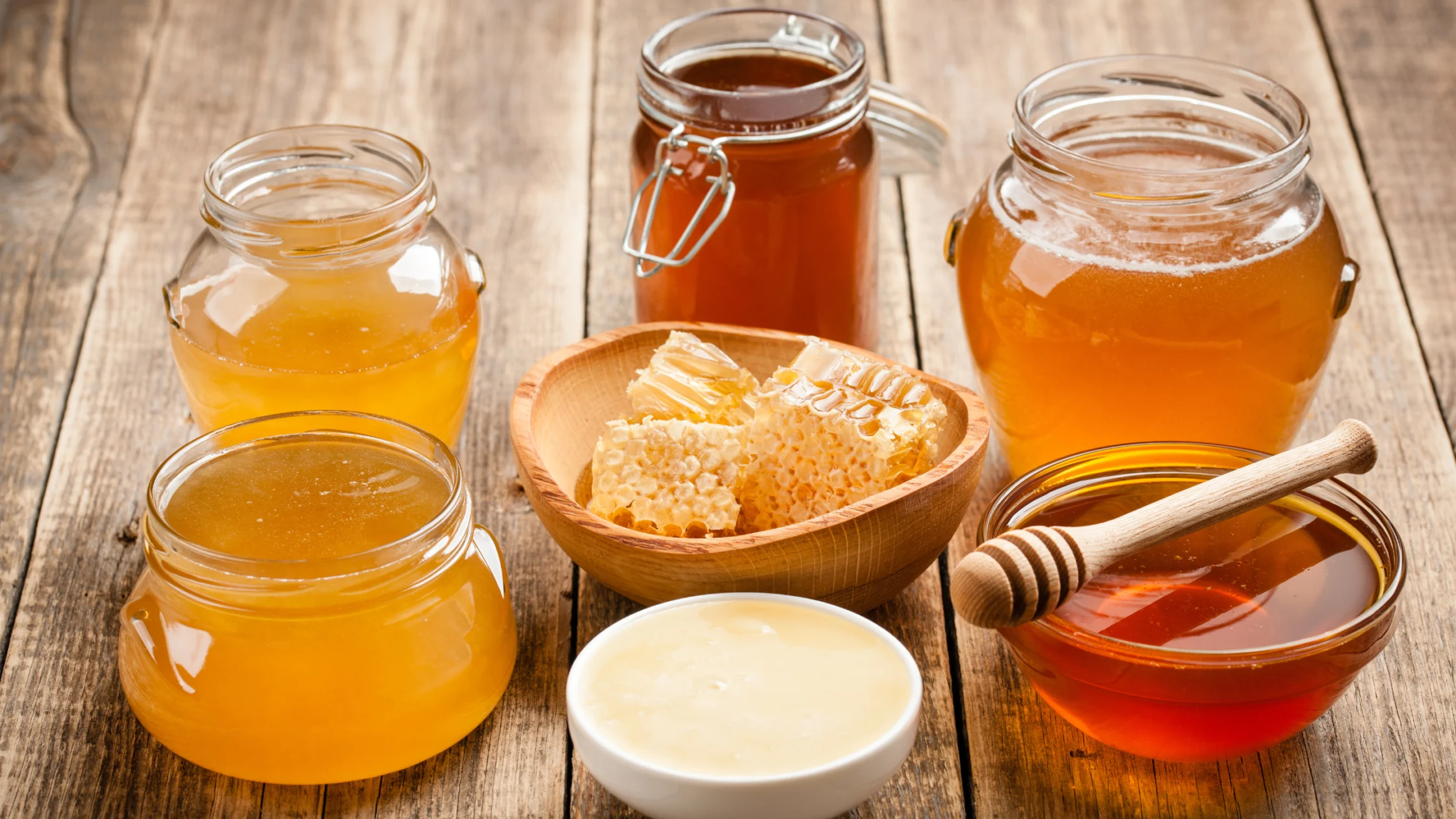
In other words, real honey doesn’t have a single look to it.
Do Those Honey Hacks Actually Work?
That’s why the internet tests mentioned previously fall short.
The honey-and-water test, for example, might show you how a particular honey behaves in water, but it doesn’t tell you exactly what’s in it. The same is unfortunately true for both the finger and match test. They might shine a bit of light on things like moisture content and storage practices, but they’re by no means official tests for authenticity.
The Codex, on the other hand, chooses to actually measure these things. And according to their standards, most honey’s moisture content should be no more than 20%, the combined amount of fructose and glucose should generally be at least 60 grams per 100 grams, and sucrose is usually no more than 5 grams per 100 grams.
These are the kinds of measurements that require proper analysis—not a glass of water and a few minutes scrolling on TikTok.
What Can You Check at Home?
While you can’t prove authenticity with just a few viral hacks, you can still pay attention to what’s on the label.
The Codex allows honey to be identified as blossom or nectar honey, honeydew honey, or according to its floral, plant, geographical, or topographical source when the honey meets the requirements for that description.
You might also see terms such as “extracted,” “pressed,” or “drained,” which describe how the honey was harvested from its comb. And if the label says “filtered honey,” that usually just means that it went through a filter to remove excess pollen.
So, can you actually tell if honey is fake by dropping it in water or trying to light it with a match? Not really. Those hacks might make for satisfying internet content that’ll probably go viral, but they don’t replace proper testing.
If the Codex is any indication, the more meaningful questions to ask are what’s actually in the honey, whether anything has been added, and whether it meets established quality requirements.
So the next time someone tells you crystallized honey is fake, you can save that jar. And if they pull out a glass of water or a fresh set of matches to prove their point, take the test with a grain of salt. Or, in this case, a little honey.
Interested in learning about “fake” honey? Check out this story on Kiwot Honey!

Frequently Asked Questions
The Codex Alimentarius defines honey as the naturally sweet substance produced by honey bees from nectar or other plant-derived sources that bees collect, transform, and store in honeycombs to ripen or mature.
When a product is labeled simply as “honey,” the Codex Alimentarius standard says it shouldn’t have other food ingredients or additives added to it.
Start with the label. Look at how the honey is described and check whether other ingredients have been added. Terms such as blossom, extracted, pressed, drained, and filtered describe different types or processing methods.
Reliable authentication requires appropriate laboratory analysis rather than simple home tests.
Filtered honey has passed through a filter to remove excess pollen, unlike raw or unfiltered varieties. The Codex Alimentarius also allows labels like extracted, pressed, or drained honey, describing how it was removed from the comb.