

Tomato, tomahto. Red sauce is red sauce—until it isn’t.
Filipino cooking has a knack for taking familiar ingredients and turning them into something distinctly different. Case in point: kaldereta, mechado, menudo, afritada, and pochero, five hearty tomato-based stews that may look alike but each tells a different story.
So, how do you tell them apart? Look beyond the red sauce. Here’s what makes each of these Filipino comfort-food staples its own dish.
1. Mechado
Mechado may look like its other tomato sauced-based cousins, but take a big bite and its signature tang gives it away. Usually made with sizeable chunks of beef, it gets its savory, slightly sour kick from a marinade made with soy sauce and citrus (usually calamansi, but can sometimes also be lemon). And while already filling just like that, no mechado would be complete without potatoes, carrots, and the occasional bell pepper.
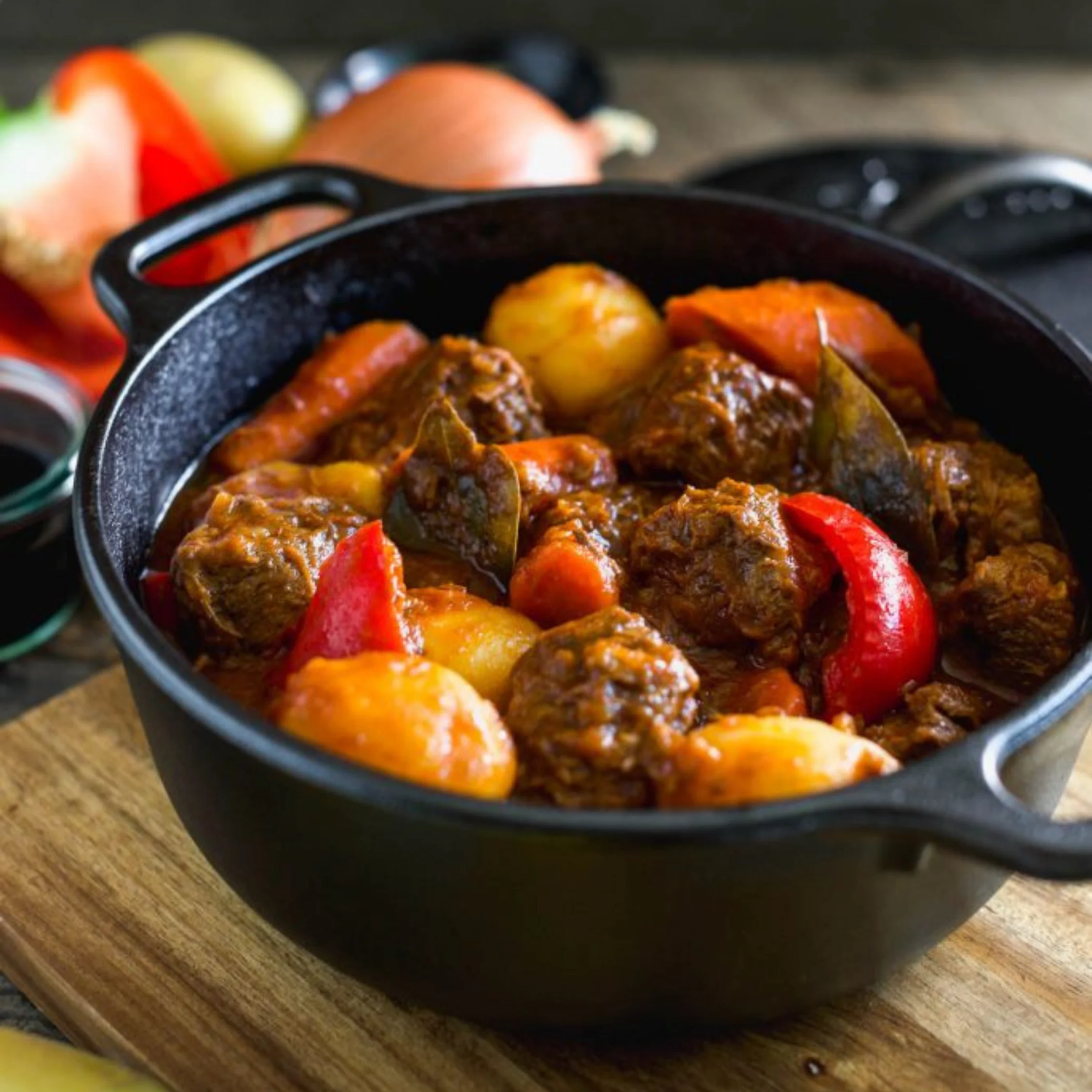
Sources online say that its name may come from mechar, meaning to lard, or mecha, meaning “wick,” because traditionally, strips of lard were threaded through beef to make it richer and more flavorful. These days, though, most home cooks skip that fussy part and simply use well-marbled cubes of beef.
2. Menudo
Menudo’s name comes from the Spanish word for “small pieces,” which explains its preference for diced pork, potatoes, and carrots. But with pork or chicken liver, bell peppers, peas, hotdogs, and even raisins in the mix, this classic Filipino dish proves that size doesn’t always matter when it comes to flavor.
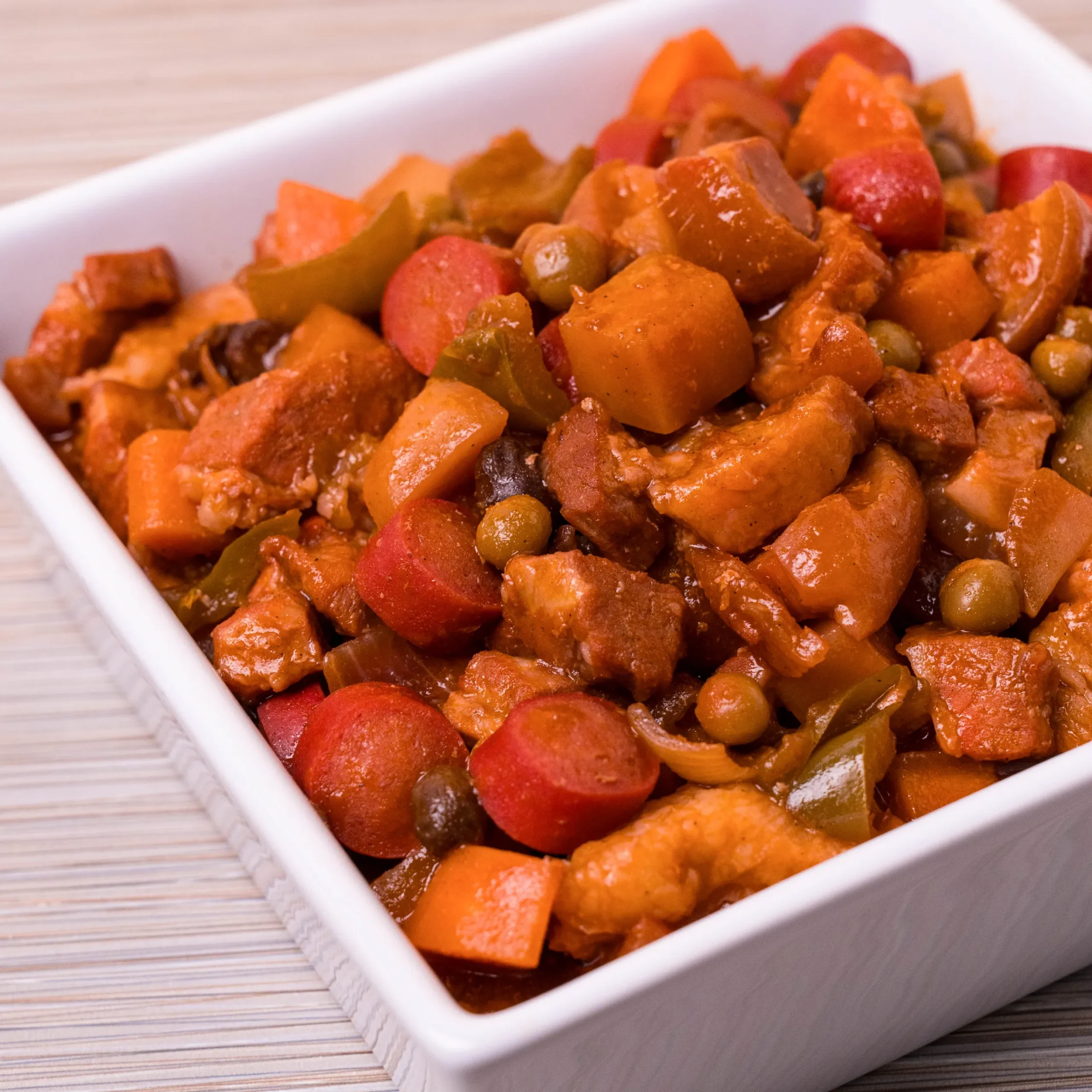
Some households go bigger with their cuts, but the spirit remains the same. Sweet and savory with a hearty tomato sauce, menudo may look like its stew cousins, but those little cubes are a dead giveaway. Small pieces or slightly bigger chunks, it’s still the same comforting menudo.
3. Afritada
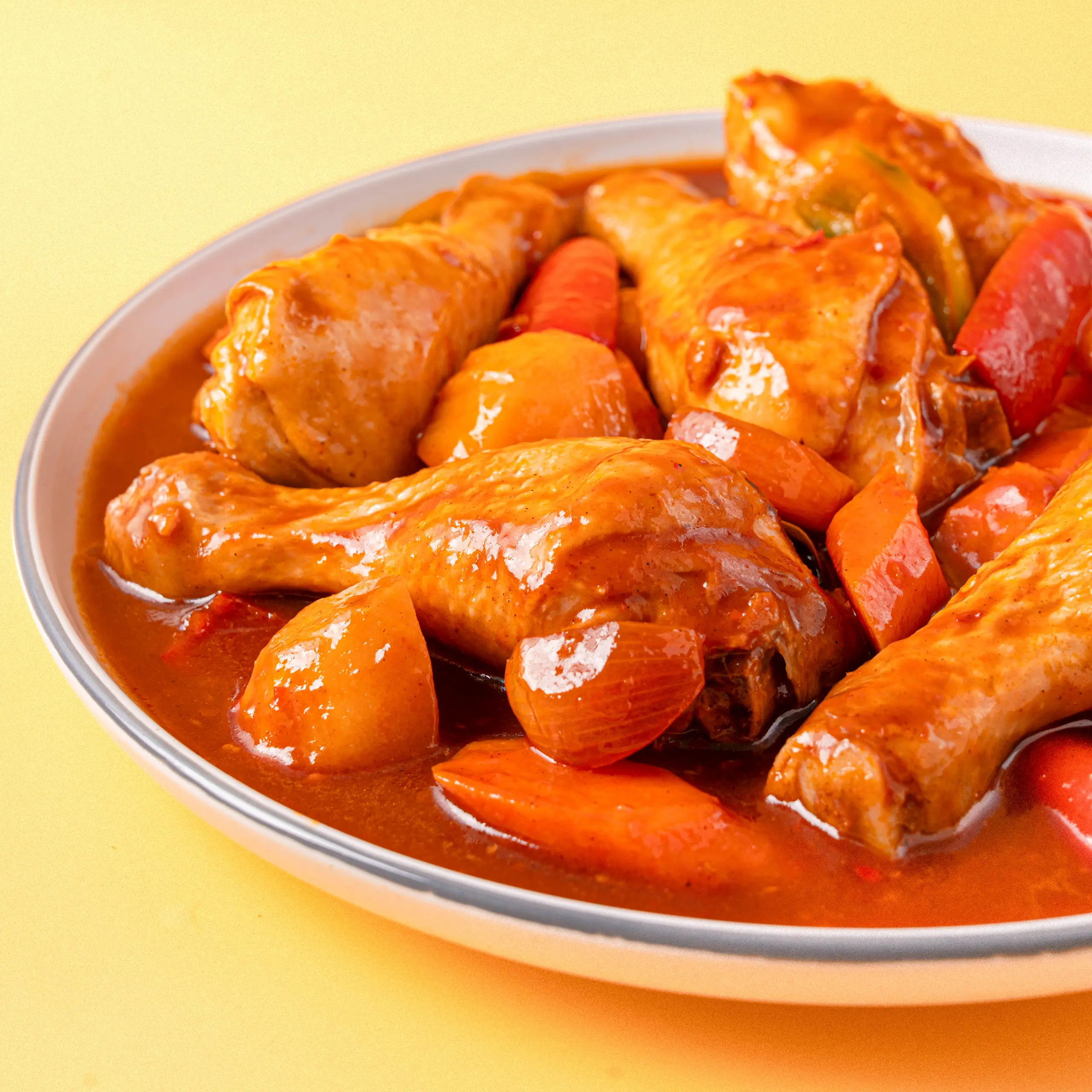
Sometimes less is more, and there’s no better example than afritada. Usually made with tender chicken or pork, the dish starts with browned meat before it’s simmered in tomato sauce and water with potatoes, carrots, and bell peppers.
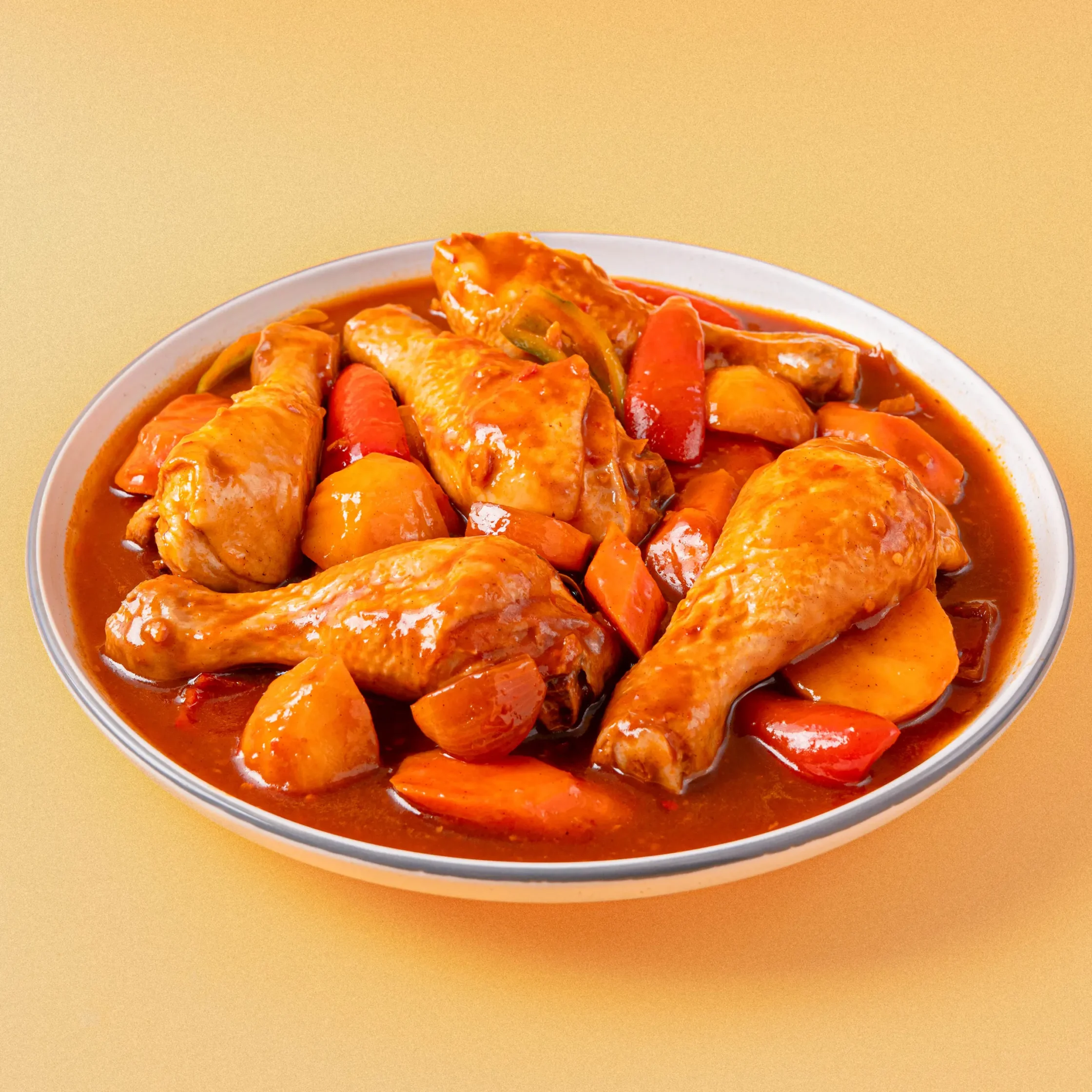
While it’s more complex cousins bring unmistakable tang and richness, afritada keeps its flavor relatively straightforward with a a mild tomato base that lets the meat and vegetables shine. No soy sauce, no liver—just a comforting stew that knows exactly what it’s doing.
4. Kaldereta
Kaldereta is the GOAT—and we mean that literally. Traditionally made with goat, or kambing, this rich and hearty dish uses liver spread to pack a flavorful punch. Beef may be the more familiar version today, but kalderetang kambing remains an important part of its story.
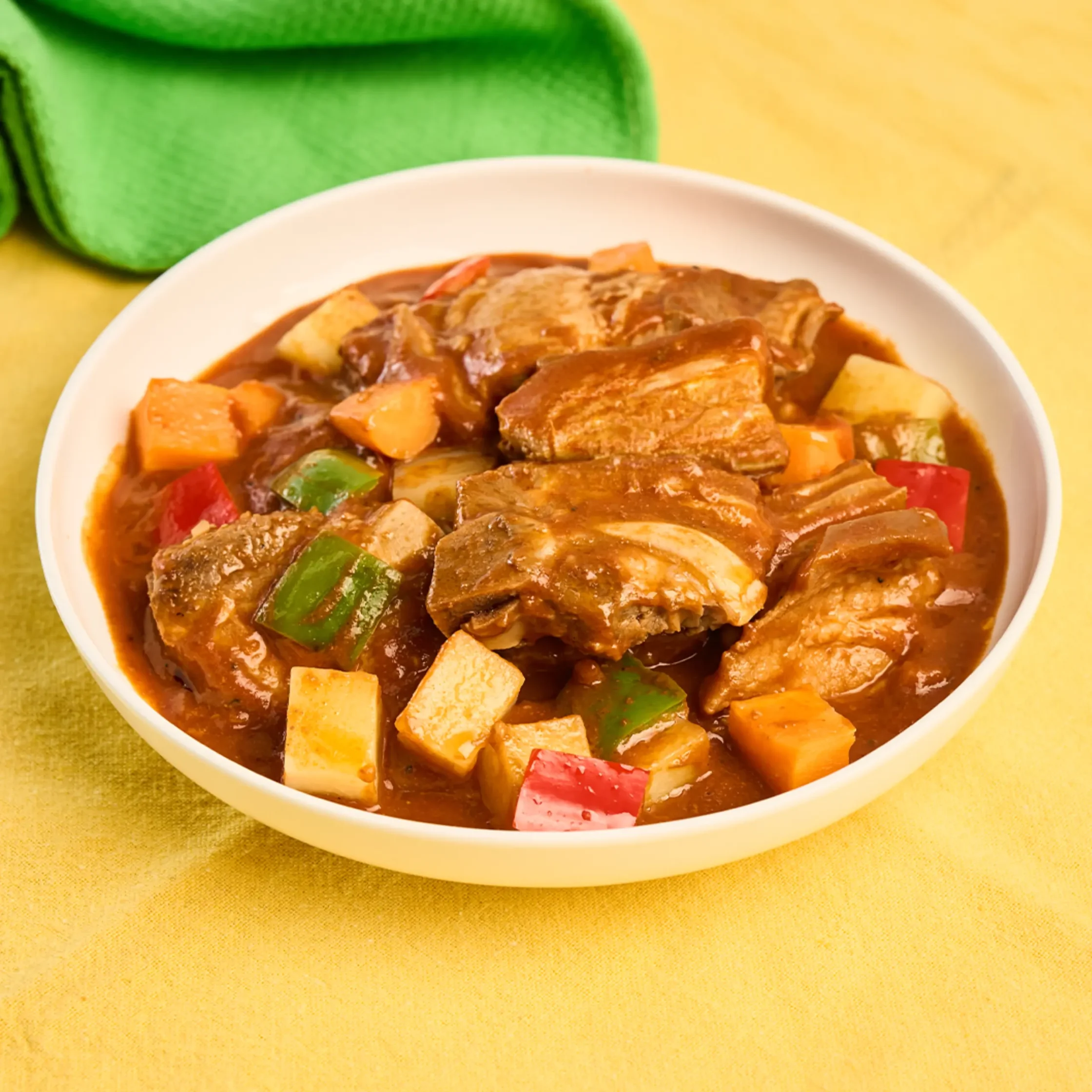
While it’s the liver spread that gives the sauce its signature richness, potatoes, carrots, and bell peppers add plenty of texture and flavor. Some recipes go even further with green olives, cheese, peanut butter, or coconut milk. Needless to say, kaldereta likes its tomato sauce with a little extra oomph.
5. Pochero
When it comes to tomato-based stews, pochero is the only one going bananas. Made with pork, chicken, or beef, the well-known Tagalog version brings saba bananas into the mix, along with pechay, potatoes, chickpeas or garbanzos, and sometimes chorizo.
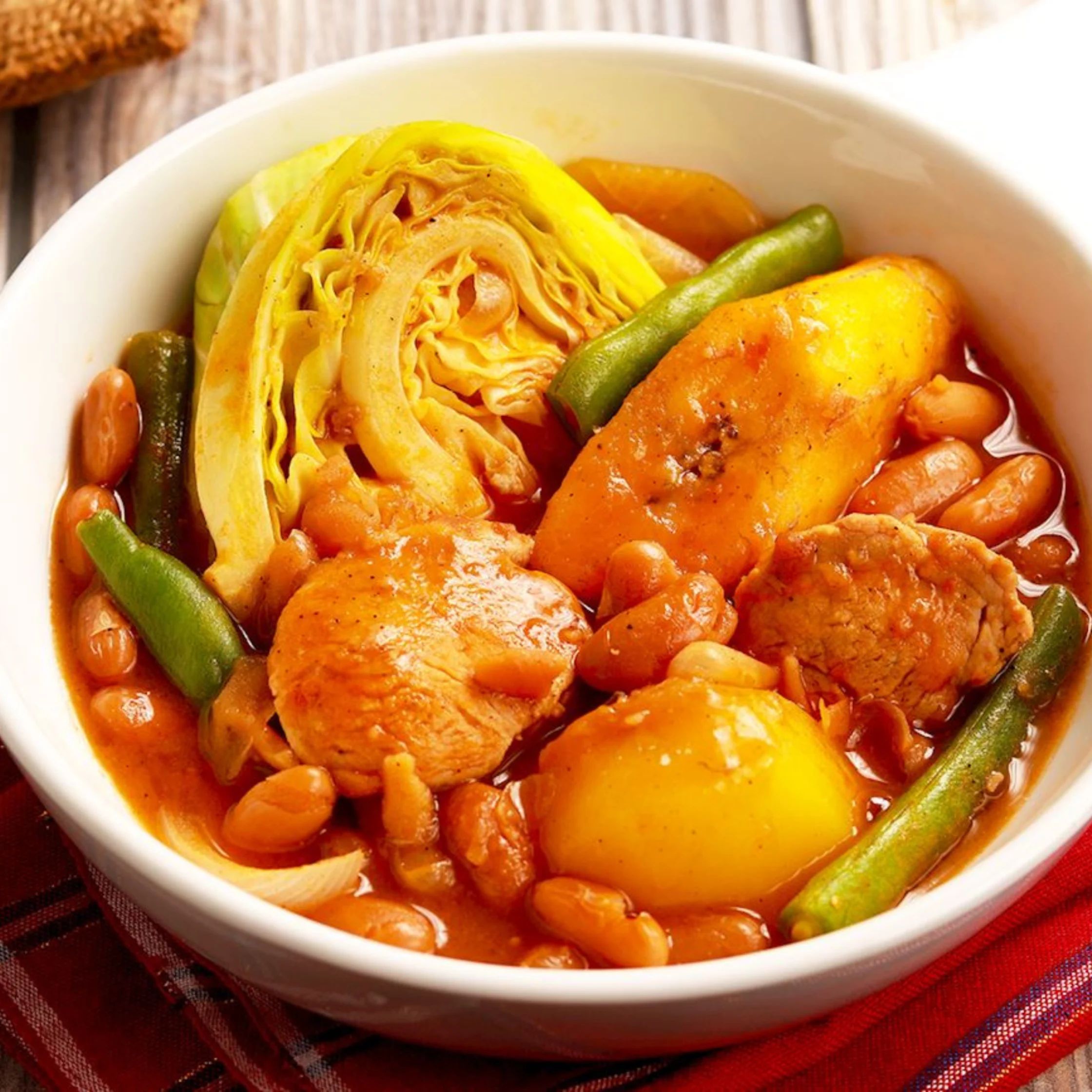
The saba brings a touch of sweetness to balance the savory meat and tomato sauce. So while it may look like another red-sauced Filipino stew, one glimpse of those bananas and you know pochero is in the pot.
Stop Seeing Red
What makes one Filipino tomato-based stew different from another? Sometimes it’s a splash of citrus, a spoonful of liver spread, a handful of diced vegetables, or even a few slices of saba. Mechado, menudo, afritada, kaldereta, and pochero each have their own signature ingredients and flavors, even when they look almost identical at first glance.
So the next time you find yourself staring at a bowl of red-sauced stew, take a closer look. Because when it comes to these Filipino favorites, the difference isn’t just in the color—it’s in the details.

Frequently Asked Questions
Mechado is typically made with larger pieces of beef and is known for its savory, slightly sour flavor from a soy sauce and citrus marinade. Menudo uses smaller pieces of pork, along with liver and vegetables such as potatoes and carrots.
Menudo is characterized by diced pork and commonly includes liver, while afritada is generally simpler, using browned chicken or pork simmered in tomato sauce with potatoes, carrots, and bell peppers.
Kaldereta is known for its rich sauce, traditionally made with goat but commonly prepared with beef today. Liver spread is a characteristic ingredient, while some versions also include cheese, olives, peanut butter, or coconut milk.
Pochero is particularly recognizable for its use of saba bananas, which add sweetness to the savory meat and tomato sauce. It can also include pechay, potatoes, garbanzos, and sometimes chorizo.
Tomato sauce provides a versatile savory and slightly sweet base for Filipino stews. Different ingredients, seasonings, meats, and cooking techniques allow dishes such as mechado, menudo, afritada, kaldereta, and pochero to develop distinct flavors despite their similar appearance.