

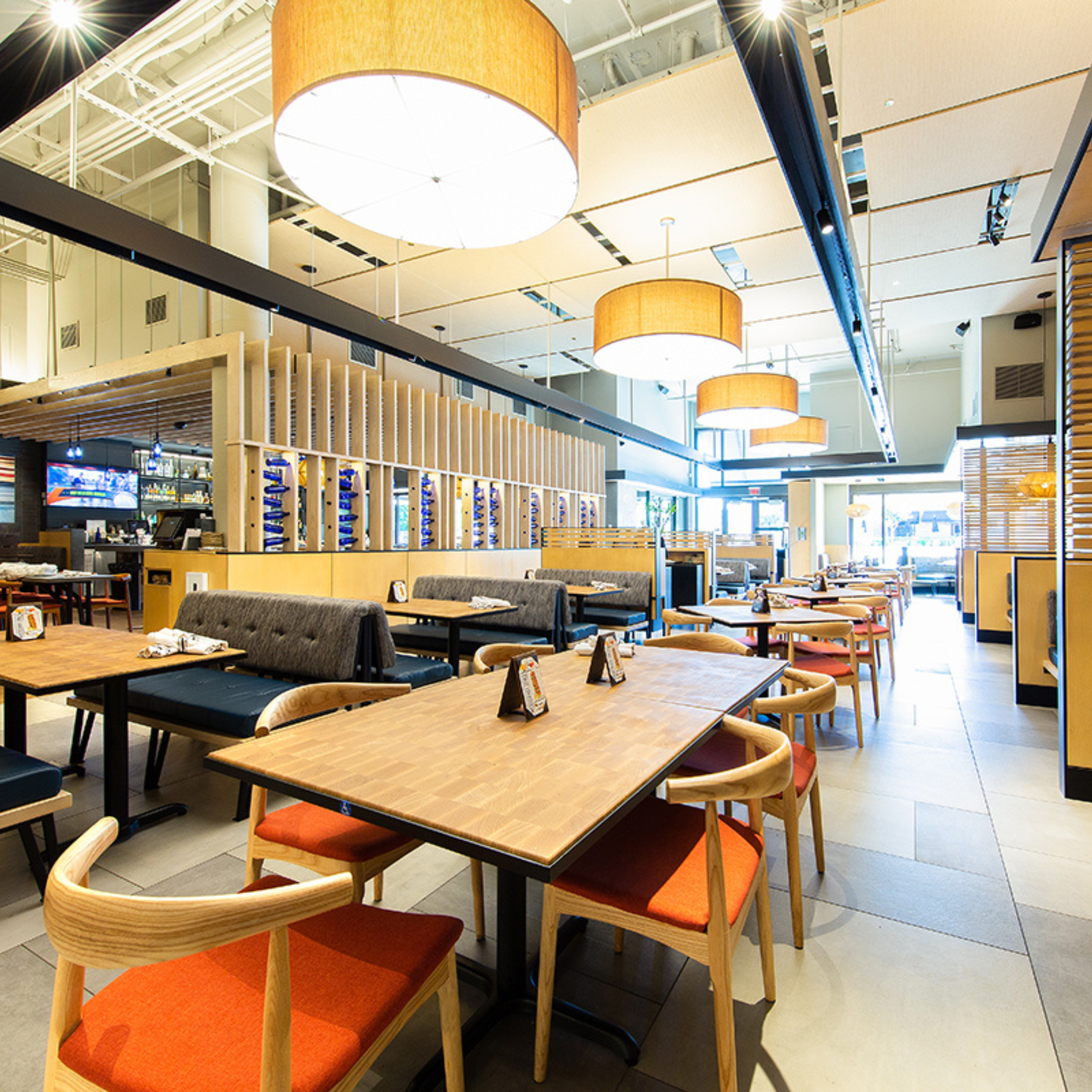
Would the same plate of chicken taste the same if it were consumed in a brightly lit, casual joint versus a dim, candle-lit establishment complete with white tablecloths?
The big difference between the two setups, aside from the restaurant’s own personality, is lighting—one of those aspects in restaurant and interior design that makes a dent in direct as well as subconscious ways.
Think of the way the low lighting makes for an intimate, romantic vibe at a steak house—or how bright lights illuminate colorful interiors at a fast-casual dining spot frequented by families.
How Lighting Shapes the Dining Experience
Much of the way we experience things comes down to the look and feel of the surroundings in that particular moment. This is especially true when it comes to restaurants—the whole dining experience is a multi-sensorial one after all, recruiting sight, smell, sound, touch, and of course, taste.
“Lighting plays an important role in restaurant design because it helps establish the mood, highlight architectural details and emphasize key design features which define the space, and guide the guest’s attention,” says Lara Fernandez Barrios, Founding Architect and Design Principal of Larawan Ink—the architecture design firm behind some of the country’s best-known establishments, including Café Bob’s in Bacolod, Gordon Ramsay Fish & Chips in Mactan, and the different restaurants under the Wildflour group.
By modifying brightness, color temperature, and placement, restaurants can feel warm, intimate, harsh, glaring, casual, or upscale, Lara continues. “Good lighting helps create a more comfortable and memorable dining experience.”
Isabel Lozano, CEO of Decorum by MIL (which has worked with the restaurants under the Antonio’s Group, plus some aspects of the design and service training at Hapag and Ayà), even calls it a “make-or-break” as far as restaurant design goes. “You can have the most expensive couch, the most expensive furniture, the most expensive plateware and all of that—but with the wrong lighting, its value could be downplayed, it’s not enhanced, it’s not giving it life.”
Isabel describes herself as a “sensorial experience designer” and approaches design in a holistic manner, taking into account all facets of the dining experience (the visual design, service, even the way people feel). She geeks out about the concept of cross-modal perception—essentially the way the brain unites and simultaneously processes signals from different senses; in this case, between visuals and taste. And as far as restaurant lighting specifically goes, there are different dimensions that can be modulated to different ends.
Though Lara clarifies that she doesn’t think lighting directly changes the actual taste of food, she notes that it can “influence how guests experience it.” “Lighting affects mood, comfort, and focus, which can make diners more receptive to the food and the overall dining experience.”
After all, the sensation of taste doesn’t happen in a vacuum. Rather, it’s shaped by a number of factors—in the immediate environment (including the color of the serving ware and the amount of background noise), the culture we inhabit, and on the individual level (e.g. personality and even your mood). Likewise, lighting influences taste in how it can change the way we perceive the food—as well as the way we perceive the experience as a whole.
For chef Francis Tolentino of Taupe Dining, Cerulean, and the newly minted Analog, lighting sets the mood of the restaurant—even before the food comes out. “It can make a space feel more intimate, relaxed, energetic, or luxurious.”
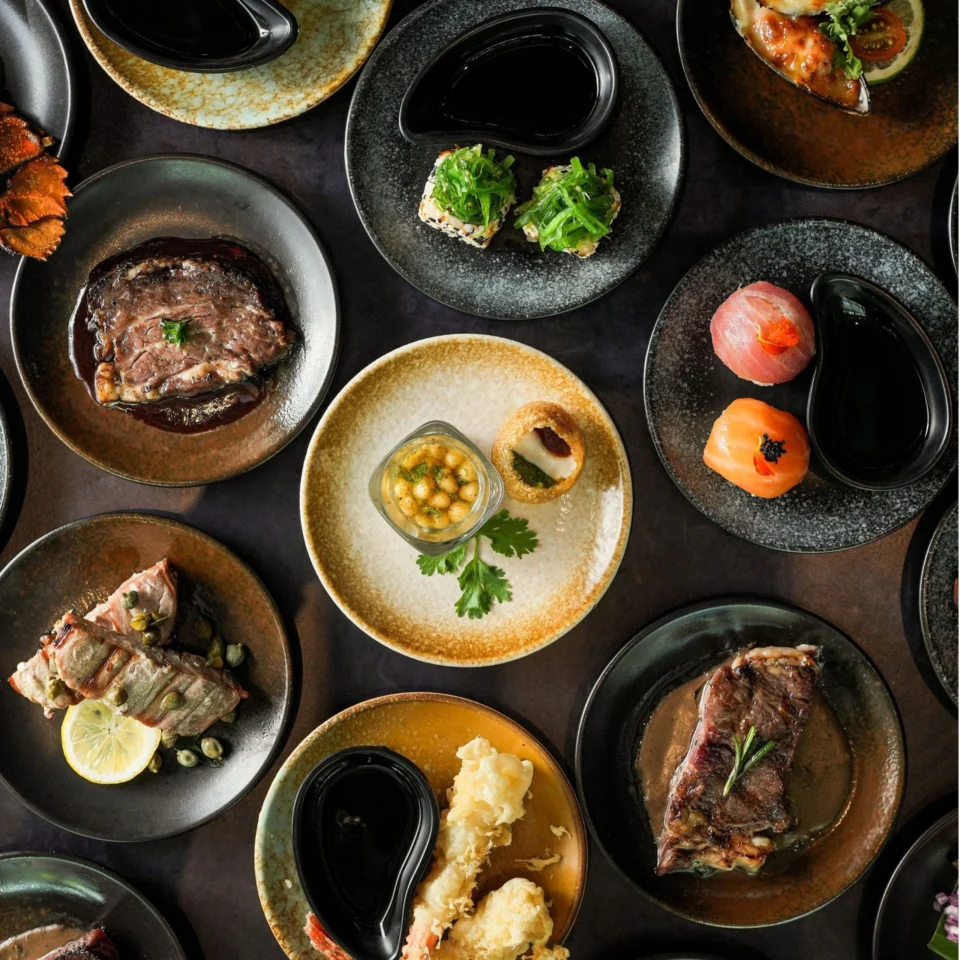
Of course, it also has an inimitable role in showcasing the food. “We spend a lot of time thinking about colors, textures, and presentation, so the lighting should help highlight those details and not work against them.”
“If the lighting makes the food look fresh, vibrant, and appetizing, it can influence how we experience the dish,” he continues. “If the lighting is too dark, too blue, or too harsh, it can also make the food look less appealing.”
Brightness, Taste, and Other Sensations
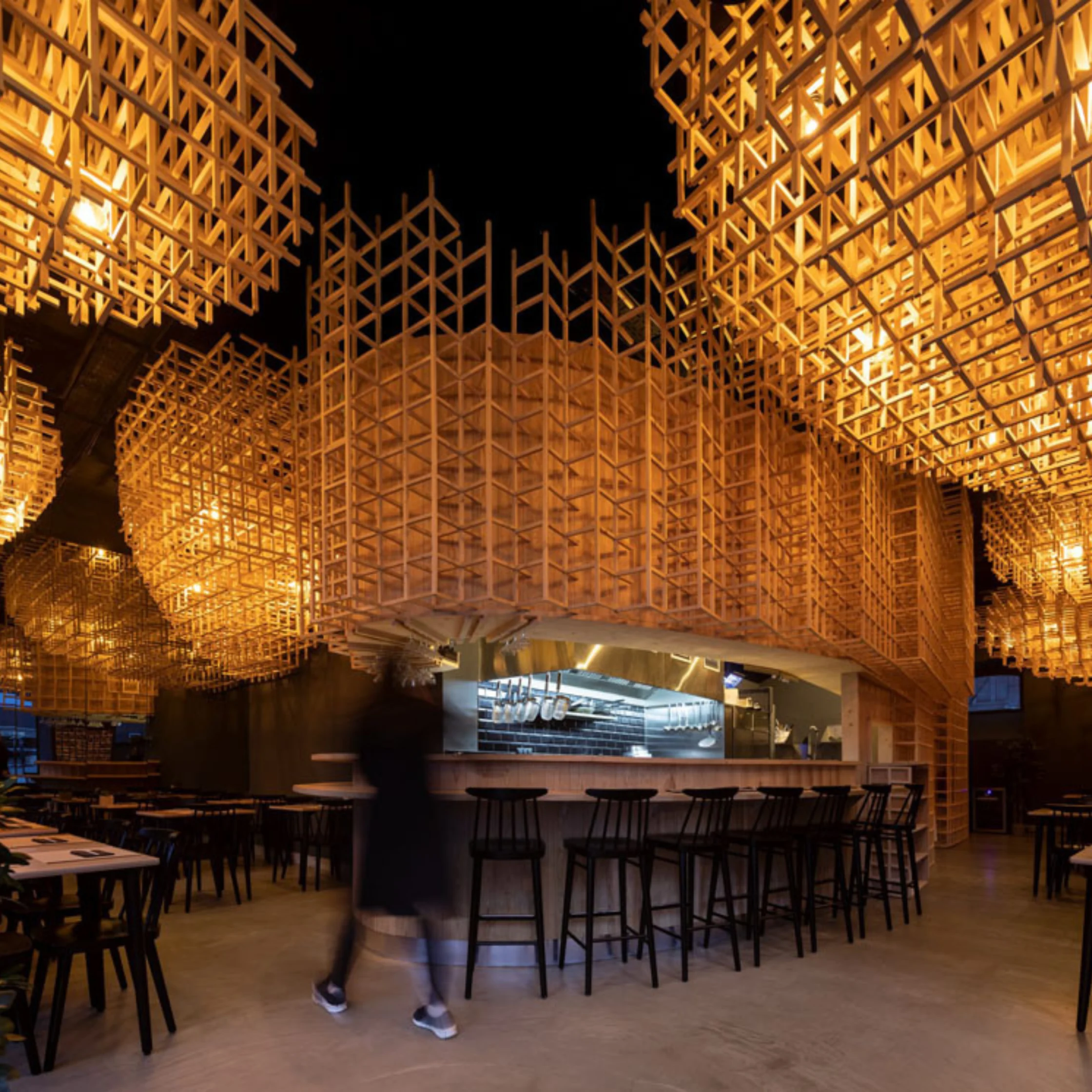
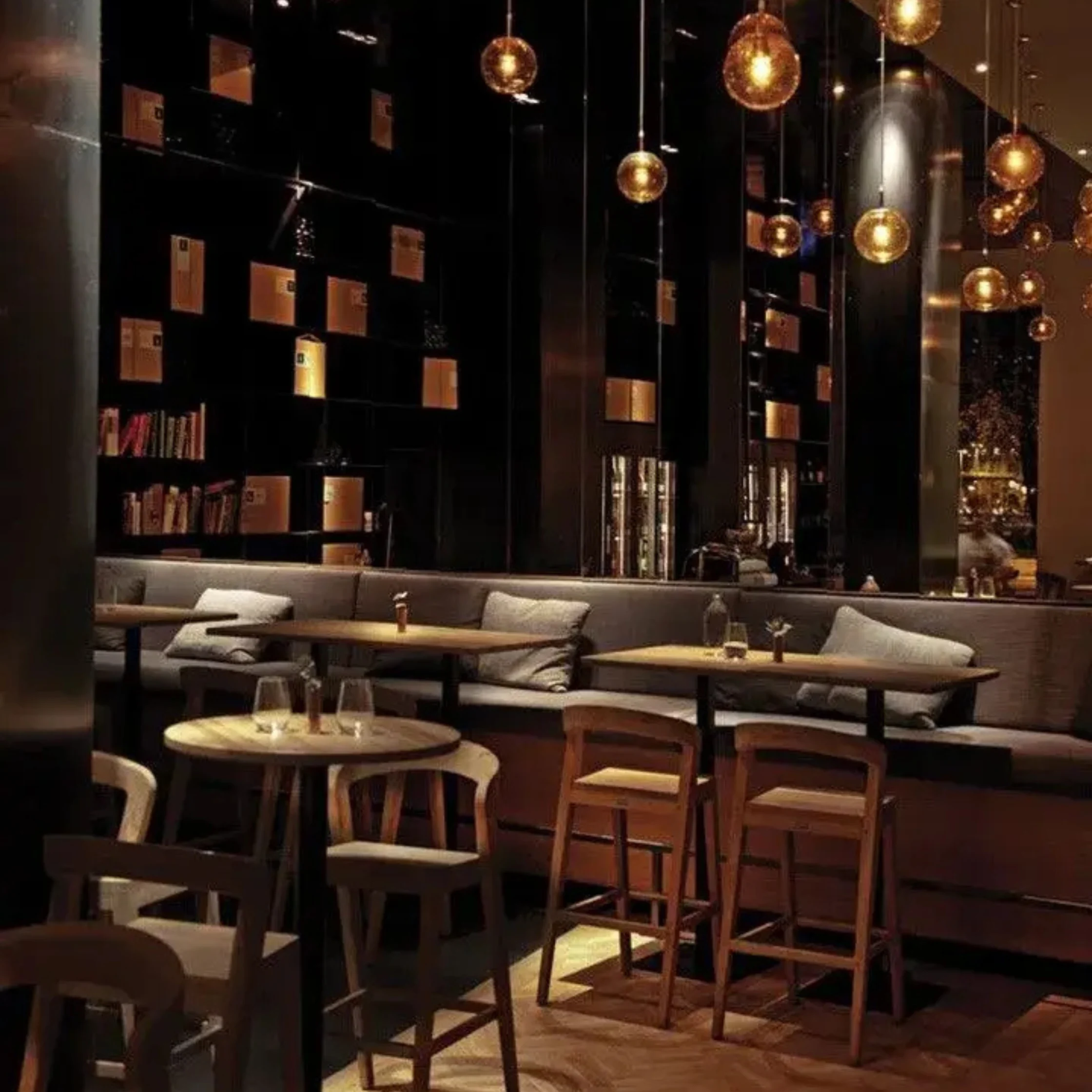
With dim lighting, the ability to perceive visual input is lowered—so the brain recruits other sensory inputs like smell, sound, and touch. “Because your visual… becomes darker and so your visual sense lessens, and everything else is heightened,” says Isabel. “Even the sense of touch, like when you touch your napkins and things like that.”
It’s for this reason that many fine-dining places opt for dim lighting, mirroring the more intimate but immersive experience they’re looking to deliver. “And even the way you appreciate food and the way you appreciate your surroundings.”
The level of brightness also impacts how we taste. “In dim lighting, there’s a tendency to be able to focus really on the flavors,” Isabel shares, although results across different studies through the years have been mixed.
There’s a 2020 study where a tomato soup was perceived to be less salty in dim lighting, and a 2021 study where the overall taste of a restaurant meal was perceived as more intense in bright lighting. And then you’ve got this 2022 study where, in dim lighting, participants rated the taste more favorably, specifically when it comes to single-taste dimension foods—that is, foods that are just sweet or salty (or another taste dimension), rather than a combo of sweet and salty.
Brightness and Emotions
Emotional state is one of the factors that shapes how we perceive taste, and different levels of lighting can bring about different emotions.
Dim lighting, for one, promotes a more intimate and relaxed feeling, which works for the likes of fine-dining restaurants: “You really get to appreciate everything,” says Isabel. As people relax more, they tend to stay longer—and spend more.
It’s not just the diners who are affected; so, too, are the servers. “It also helps them relax. And when they relax, they also describe the dishes better. They feel the vibe, which creates a more relaxed, sophisticated atmosphere [overall].” More relaxed (note: not lax) servers equal better service, which also affects the diner experience positively.
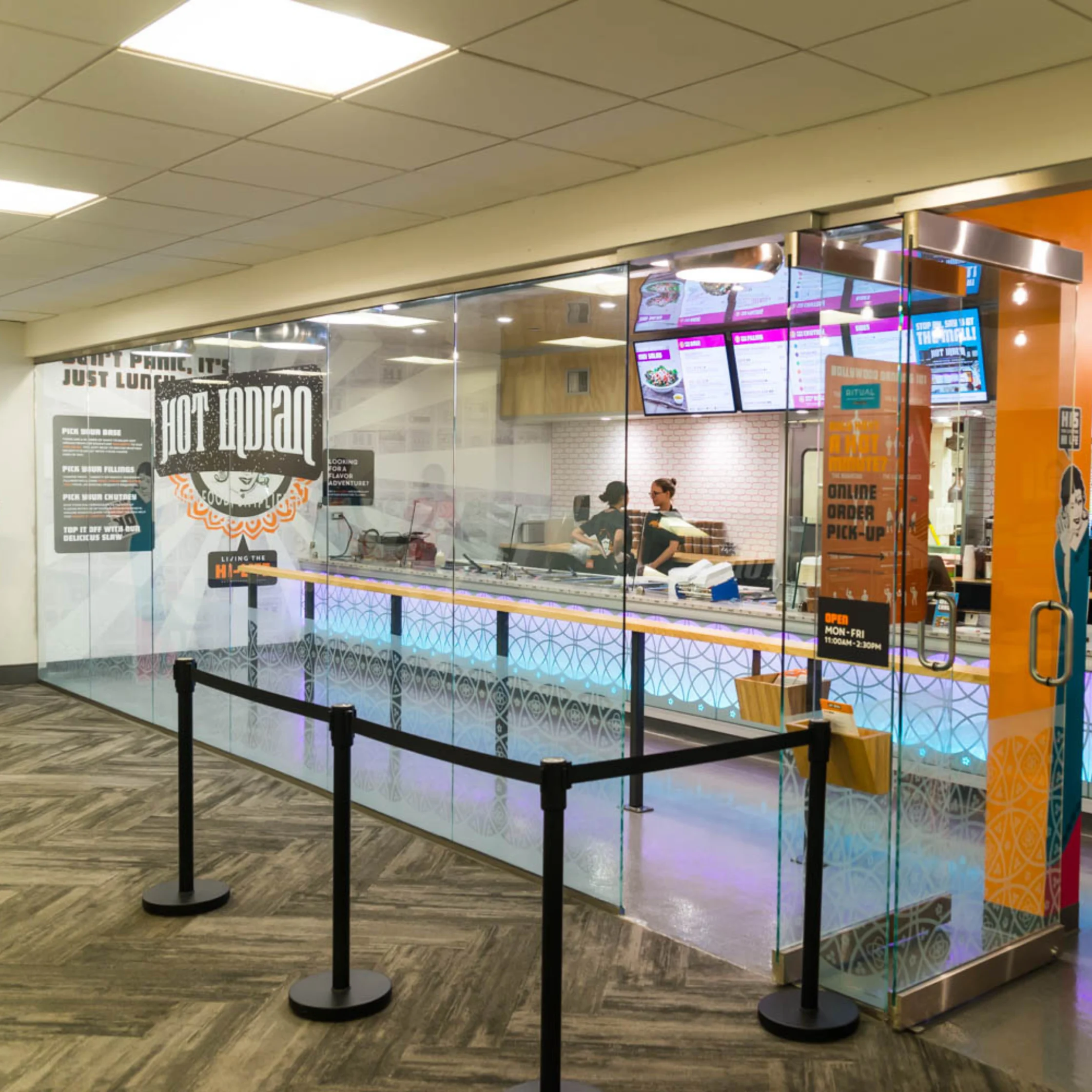
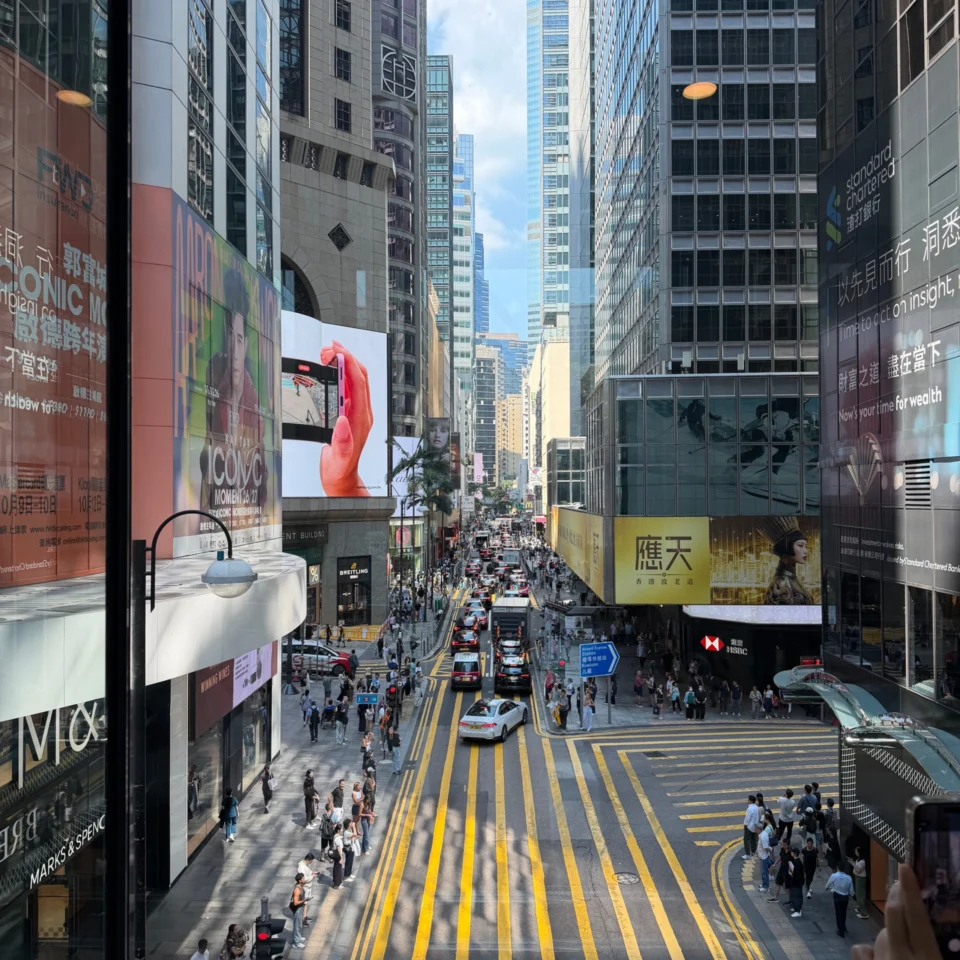
On the other hand, bright lighting—like the kind used at fast-food spots and many Chinese restaurants—encourages alertness and stimulation, which can affect eating speed and behavior. “[At those places] it’s really more about you enjoying the food, then getting out of there. And that’s kind of like why it rushes people subconsciously [to leave].”
It’s for this reason that Isabel often goes with brighter lighting for a fast-paced lunch hour. The opposite also applies to the evenings and dim light.
Lighting also affects the way people view themselves, Isabel says with a laugh. “[Lighting] allows you to dream a little. The person ends up feeling more beautiful and more photogenic… it also affects their perception of themselves.” This potentially influences how people perceive the taste of food, similar to how people going through depression might not find their favorite foods to taste as good.
Color Temperature
Warm, neutral, and cool—these are different points on the spectrum of color temperature, which influence the way objects look (food, in this case) and how attractive it registers to its viewers.
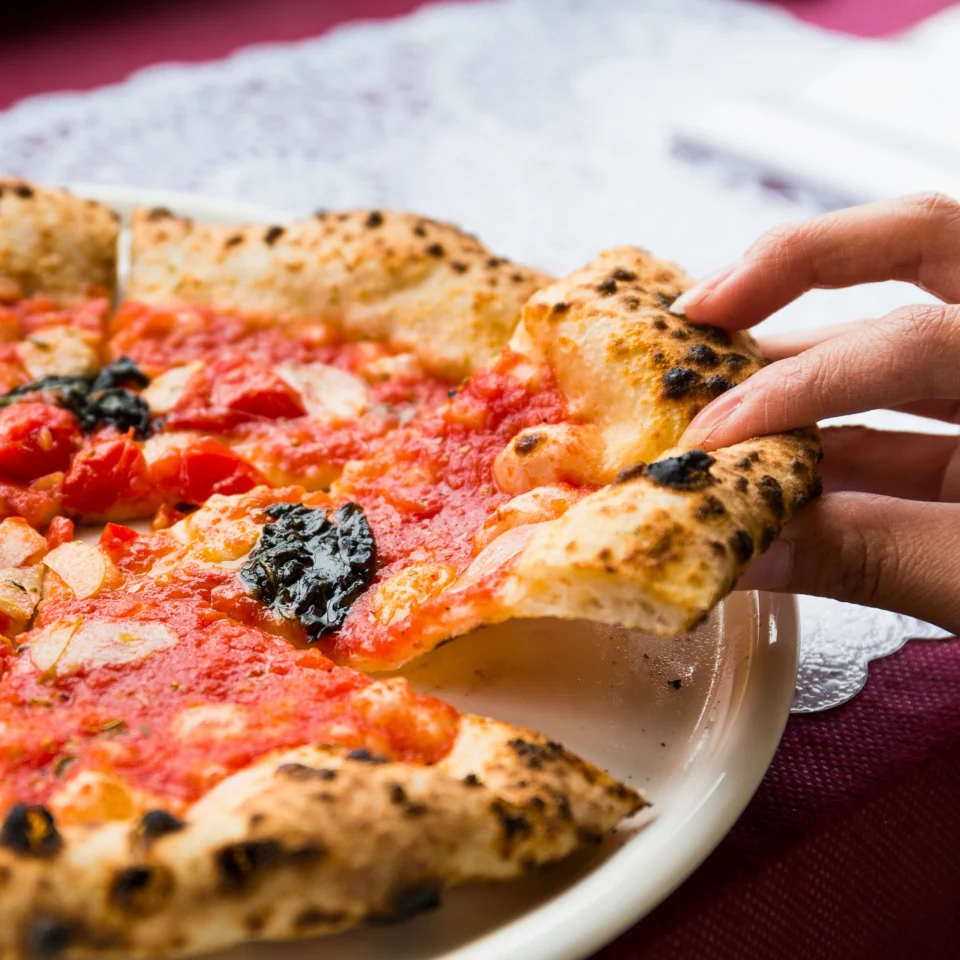
In food, warm colors and lighting are generally preferred as they make the dishes more enticing. “It brings out the colors nicely,” says Isabel. “Like the reds are red talaga, the yellows are yellow talaga. When you see it, it looks more savory. Again, the cross-modal perception kicks in.”
One of the possible aspects in the phenomenon is the way different lighting colors evoke different emotions. In a 2025 study, participants displayed the most positive emotions and the highest appetite levels under warm white light (2700 K); ditto for negative emotions and lower appetite in blue light.
Area Matters
Arch. Milo Villamayor, who had previously worked on the architectural design of a number of restaurants in the Philippines, utilizes different lighting setups for different parts of the restaurant, as the customer-facing and back-of-house areas have different functions and objectives.
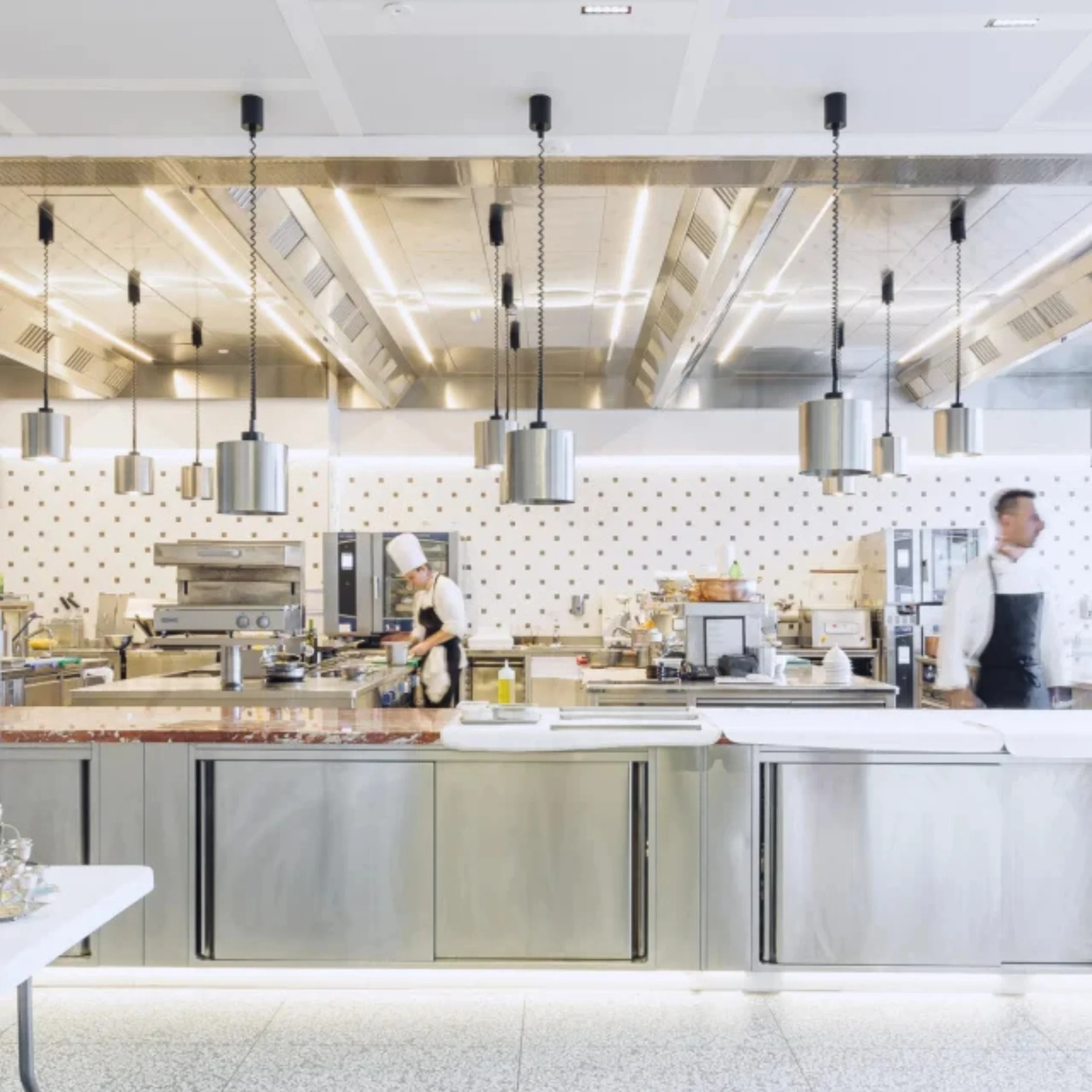
When it comes to the kitchen, for example, he focuses on daylight or white light with ample intensity and volume, the goal being accuracy and efficiency in food production.
With the dining area, he prefers indirect lighting on walls and ceilings as this “softens the surfaces and makes them cozy and relaxing.” On top of the dining surfaces, he goes for focused—often, warm—lighting with higher intensity, as this allows customers to more easily see what they’re eating.
It’s All About the Vibe
Lighting has the power to dictate the vibe of the room—and when done right, this vibe should align with and reinforce the restaurant’s identity.
“Different cuisines, service styles, and brand identities call for different lighting approaches,” says Lara. “For example, a fine-dining restaurant may use warmer, dimmer lighting for intimacy, while a casual café may benefit from brighter, more energetic lighting.”
“What’s really important is that the brand image of the establishment has to be really made clear and felt and seen, through all the senses,” Isabel shares.
“For me, the best lighting is when you don’t really notice it,” chef Francis adds. “You just feel that the restaurant looks good, the food looks beautiful, and you’re comfortable. That’s when I think the lighting is doing its job.”

Frequently Asked Questions
Lighting does not alter the physical flavor of food, but it affects your brain’s perception of taste. Dim or bright lighting changes your mood, focus, and visual expectations, which directly shapes how delicious, intense, or savory a meal feels.
Dim lighting creates an intimate, cozy atmosphere that helps guests and staff relax. This relaxed mood encourages diners to stay longer, appreciate their surroundings, and order more.
Bright light increases alertness and stimulation. Subconsciously, this prompts customers to eat faster and leave sooner, helping fast-casual spots turn over tables quickly during busy hours.
Warm white light (around 2700K) is best for dining because it enhances natural reds and yellows, making dishes look fresh and enticing. Cool or blue light makes food look unappealing and lowers appetite.
Kitchens use intense white light for food safety and prep accuracy. Dining room walls use soft, indirect lighting to relax the space, while focused warm spotlights are aimed directly at tables to highlight the food.