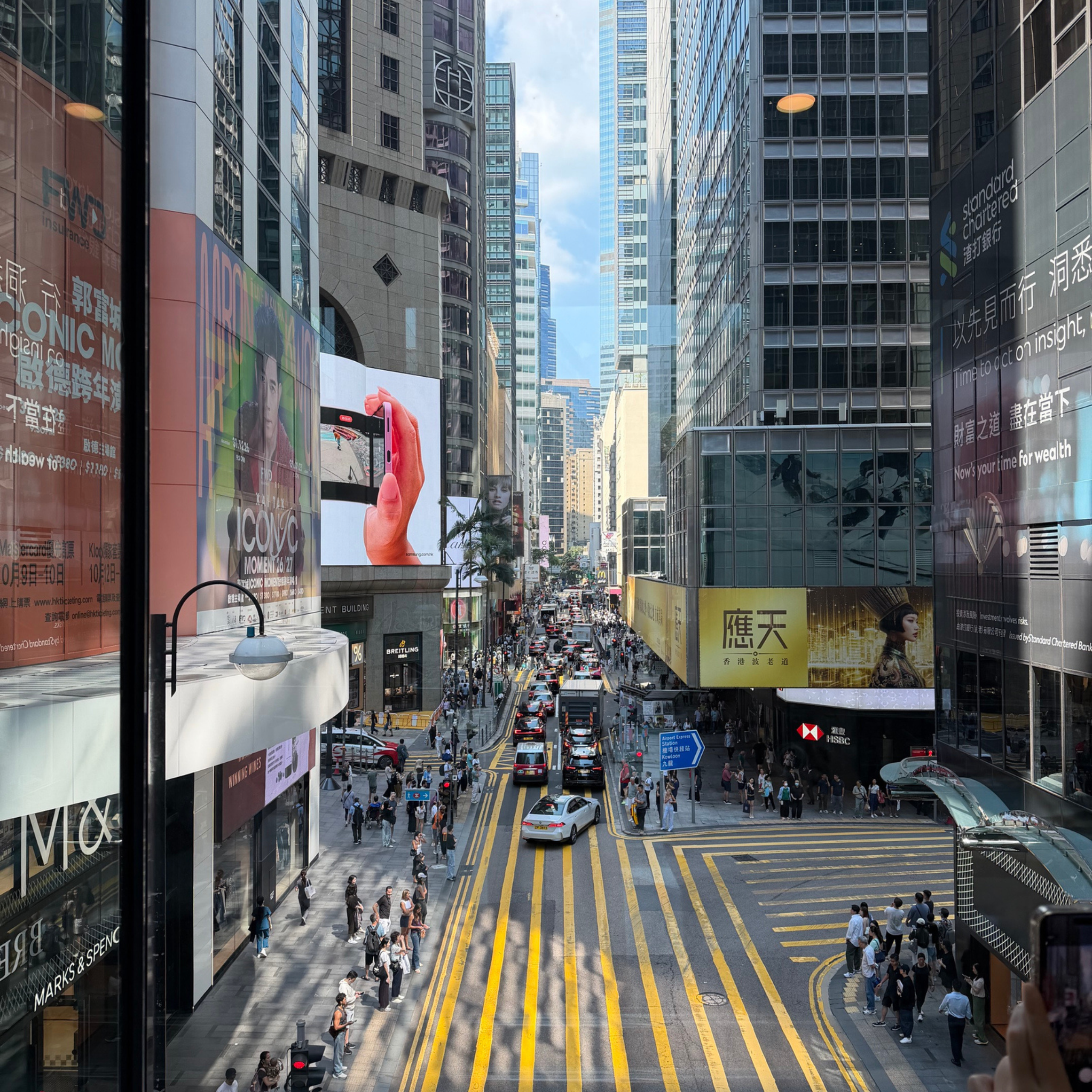
Hong Kong and Macau have 76 of them—notable restaurants that hold the distinction of having a Michelin star.
For the 2025 Guide, 58 composed of long-standing favorites and new additions got one, 11 got two, and 7 restaurants received the highest regard of having three prestigious stars.
Dining at all of them would be quite a monumental task. But I, along with my hearty appetite, managed to visit five in three consecutive days. Each offered a different kind of experience, from the food and its influences to the top-notch service and hospitality. And while every restaurant had something unique to offer, they all reminded me that Michelin-starred dining is about more than the stars themselves. It’s about the people, ideas, and stories behind each plate—and how, in their own distinct ways, they make a meal worth remembering and a story worth knowing.
1. Amber
By dropping rich ingredients from their inventory, Amber gained something valuable—its third star, making the restaurant the best it has ever been in years. For culinary director Richard Ekkebus, the major transition was personal.
“I had an epiphany,” he said. Every August, his family visits Paris. One time, he and his son had a fabulous lunch that had them in a state of food coma. “When we left the restaurant we were so over indulged. We had to go back to the apartment. I was laying on the couch and I wondered why we always felt so bad whenever we had a French meal. When I eat a Japanese meal, I don’t have that heavy feeling. Because I’m a nutritionist, I started to dig into that subject.” That’s when he made the move to remove dairy, refined flour and reduceReduceA cooking technique in which a liquid is simmered until some of the water evaporates, thickening its texture and concentrating its flavor. Home cooks reduce sauces, stocks, and glazes, andGo to Reduce Glossary sugar in his menu.
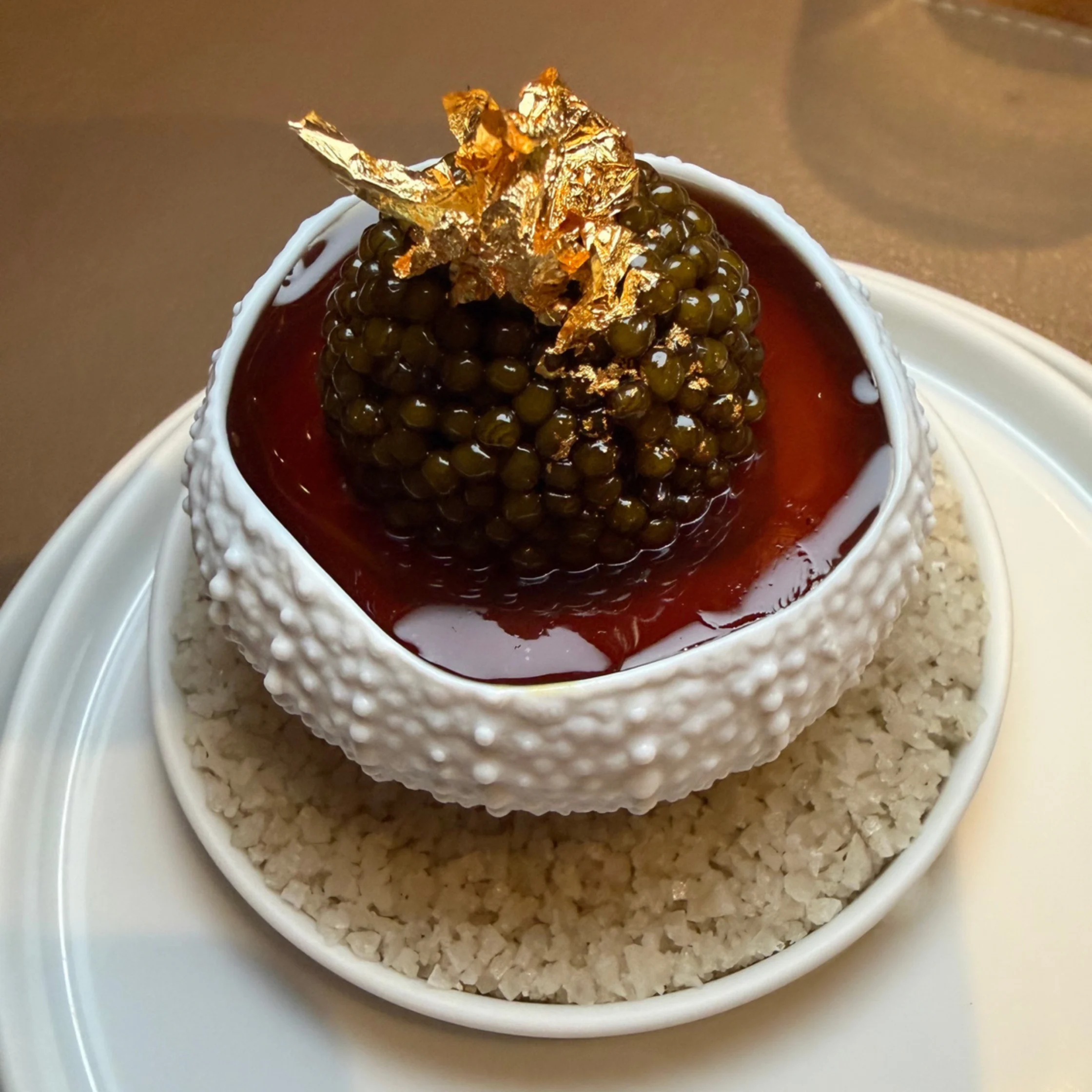
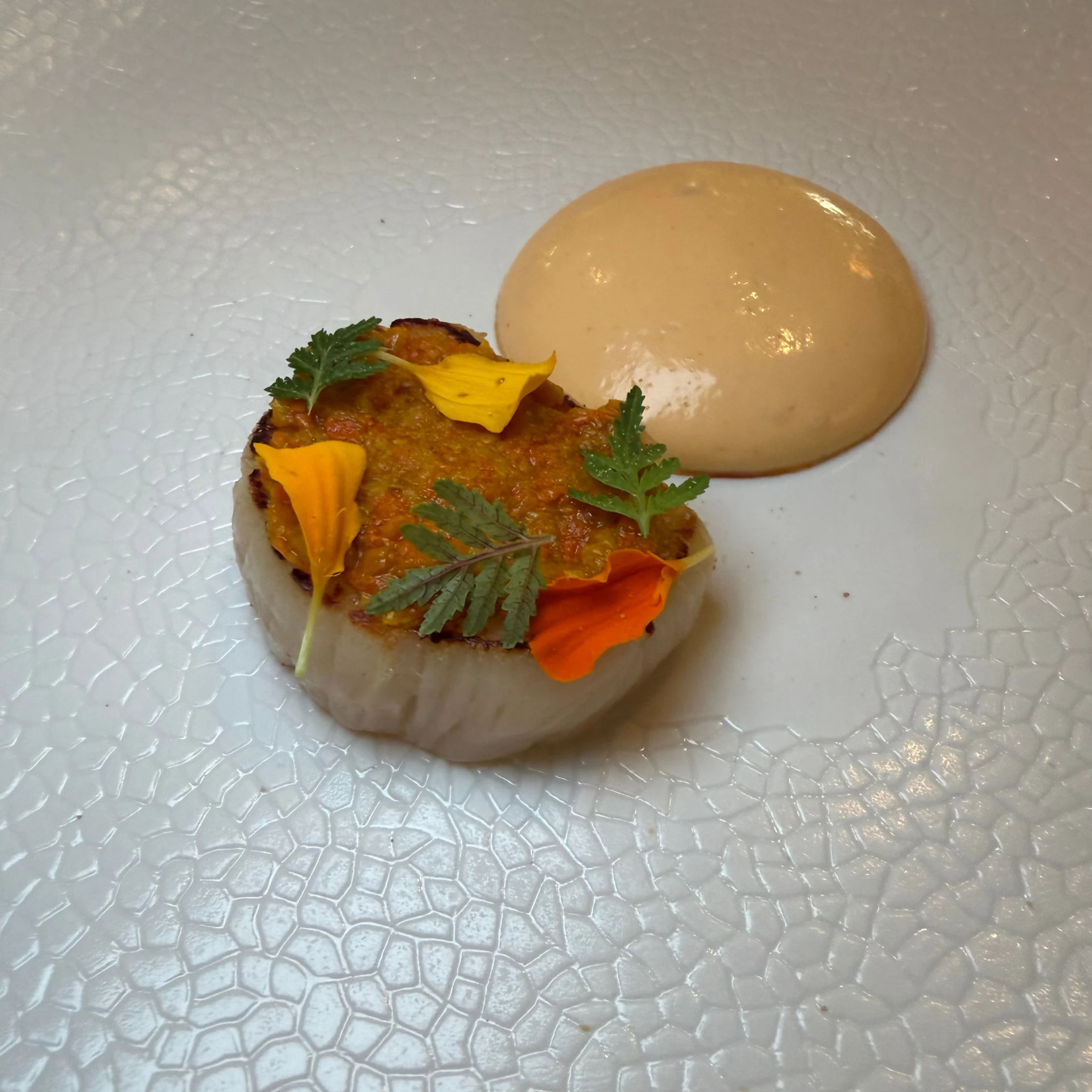
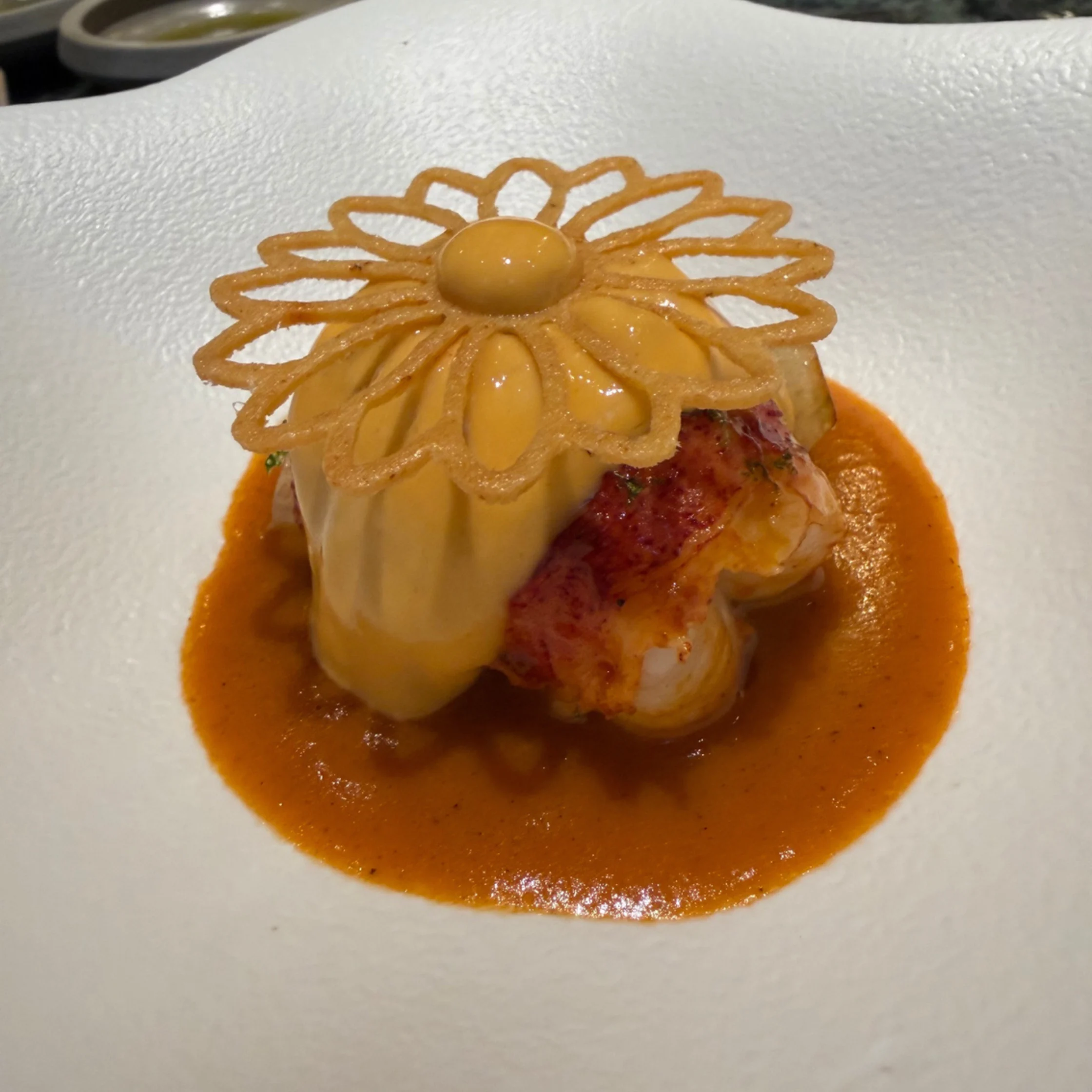
He adds, “I wanted to create a meal that is more easy to digest. On top of that, 70% of Asians are lactose-intolerant.” The result is a satisfying repertoire that still befits Amber’s high standards—veal loin and sweet bread with girolle and toasted sourdough bread sauce, Hokkaido scallop with bell pepper, marigold and dried scallop roe, the signature uni, cauliflower and lobster with Royal Cristal caviar—and being dairy-free is besides the point.
Amber is located at the 7th Floor, The Landmark Mandarin Oriental, Central, Hong Kong.
2. Andō
Chef Agustin Ferrando Balbi is diving deep into the depths of the ocean for his current tasting menu. As the owner and founder of Andō, a Spanish-Japanese fusion restaurant, this renewal in philosophy matches the transformation the brand is going through, as evidenced by the refreshed interiors, redesigned uniforms, and a more informed and involved storytelling. It has been six years since the Michelin-starred restaurant opened, and it’s a fitting time for the brand to introduce itself anew.
The experience is well thought out. The whole menu is based on the ocean’s depths and it will take you from the surface to the seabed. The proteins are based on what you’ll find within each zone—sunlight, twilight, midnight and seaweed and salt. As you progress through the journey, you go deeper in flavor as well as in ceramic color, mirroring on a deep sea descent. Interestingly, as the food delves deeper, the wine pairing stretches to the other extreme, featuring high-altitude vineyards spanning from Hokkaido to Argentina.
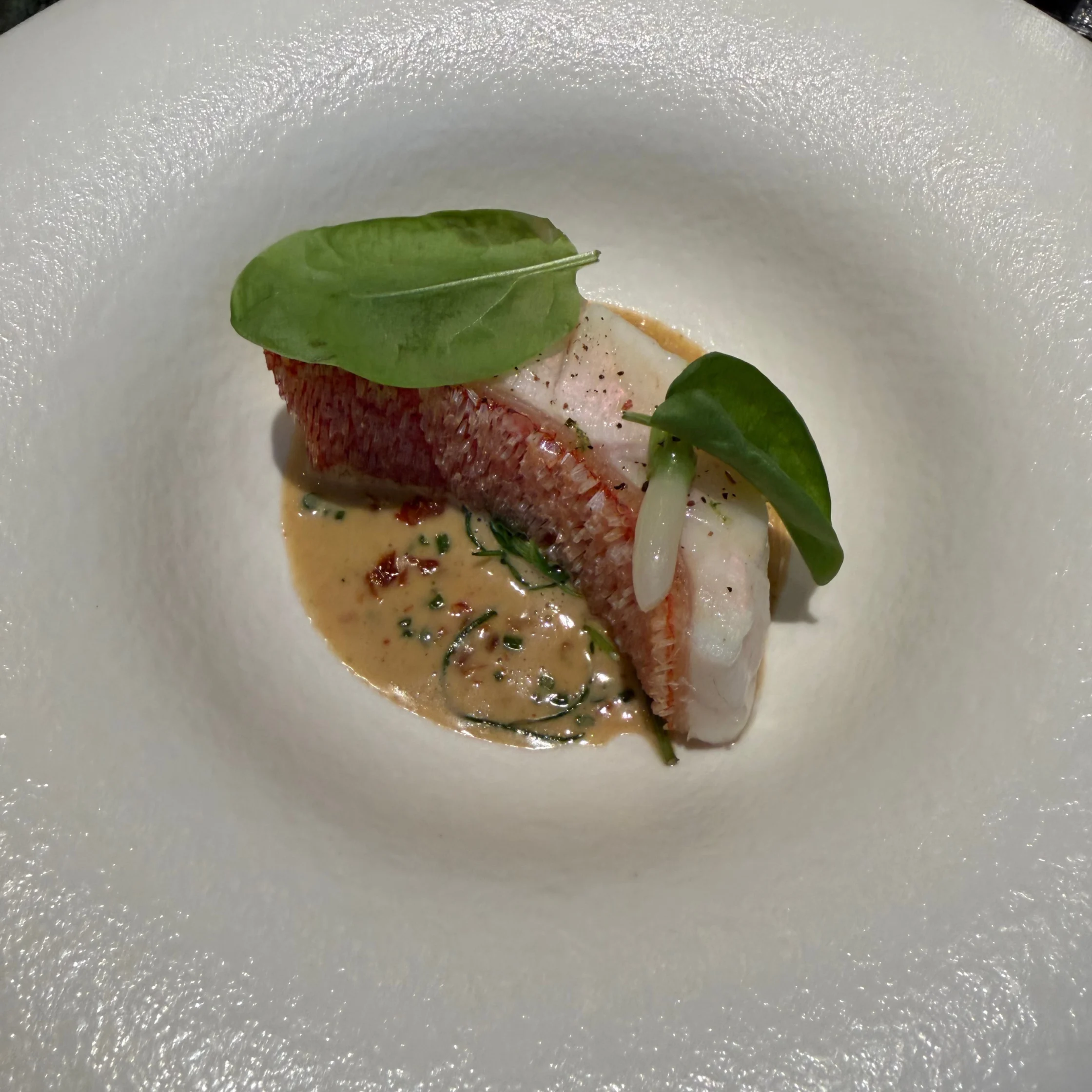
The concept isn’t lost on me. The narrative is so thoughtfully woven into the entire experience that it leaves a stronger, more lasting impression—one that’s not easily forgotten.
Andō is located at 1/F, Somptueux Central, 52 Wellington Street, Central, Hong Kong.
3. Estro
At Estro, Naples become the starting point to a culinary conversation that’s bound only by the capacity and creativity of chef Antimo Maria Merone. He shows off his Neapolitan roots with the aid of technical precision, seasonal ingredients, and a humble restraint that lets the food speak for itself. No need for unnecessary theatrics here; the confidence lies in how well everything just comes together.
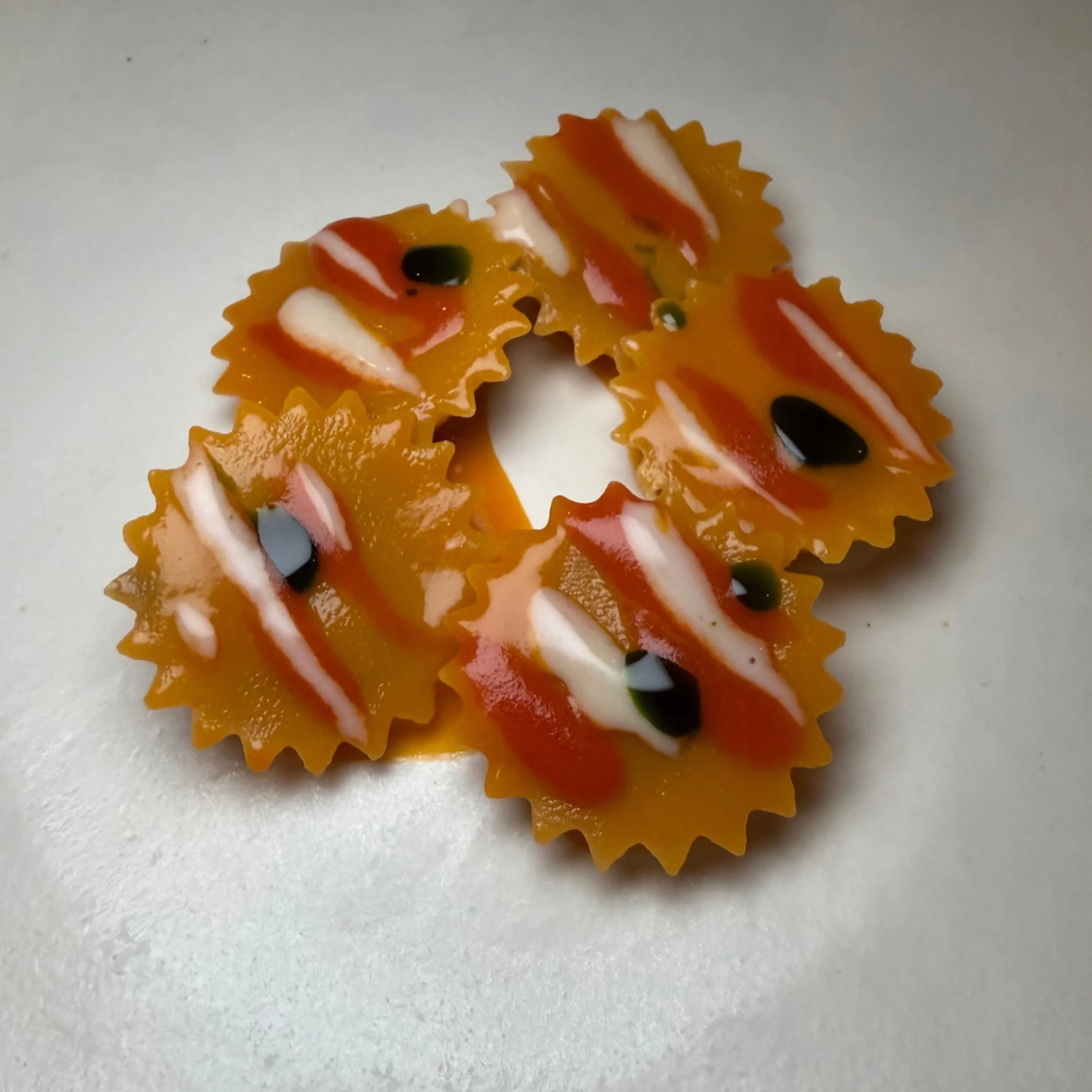
His signature bottoni remains a strong anchor, with a filling that changes throughout the year. On the night we dined, it was smoked eggplant and buffalo ricotta that shared the filling space and provided a delightful pop of savoriness. It was succeeded by a Wagyu oxtail pappardelle, and perfectly cooked pigeon with a pepper berry sauce and burned leeks terrine. To wash them all down was a wine list of over 1000 labels, spanning Italy’s regions, and the guidance of a formidable sommelier team, which added to the notable dining experience.
Estro is undoubtedly a compelling destination for contemporary Italian cuisine in a city where pasta spots abound.
Estro is located at 2/F, 1 Duddell Street, Central, Hong Kong
4. The Chairman
When owner and founder Danny Yip welcomed us with exciting news—and champagne, I knew we were in for a treat. He told us he had just brought in a number of ingredients from Yunnan, and those were exactly what we would be having for lunch. I was already giddy about visiting The Chairman, but my excitement grew even more when I learned this.
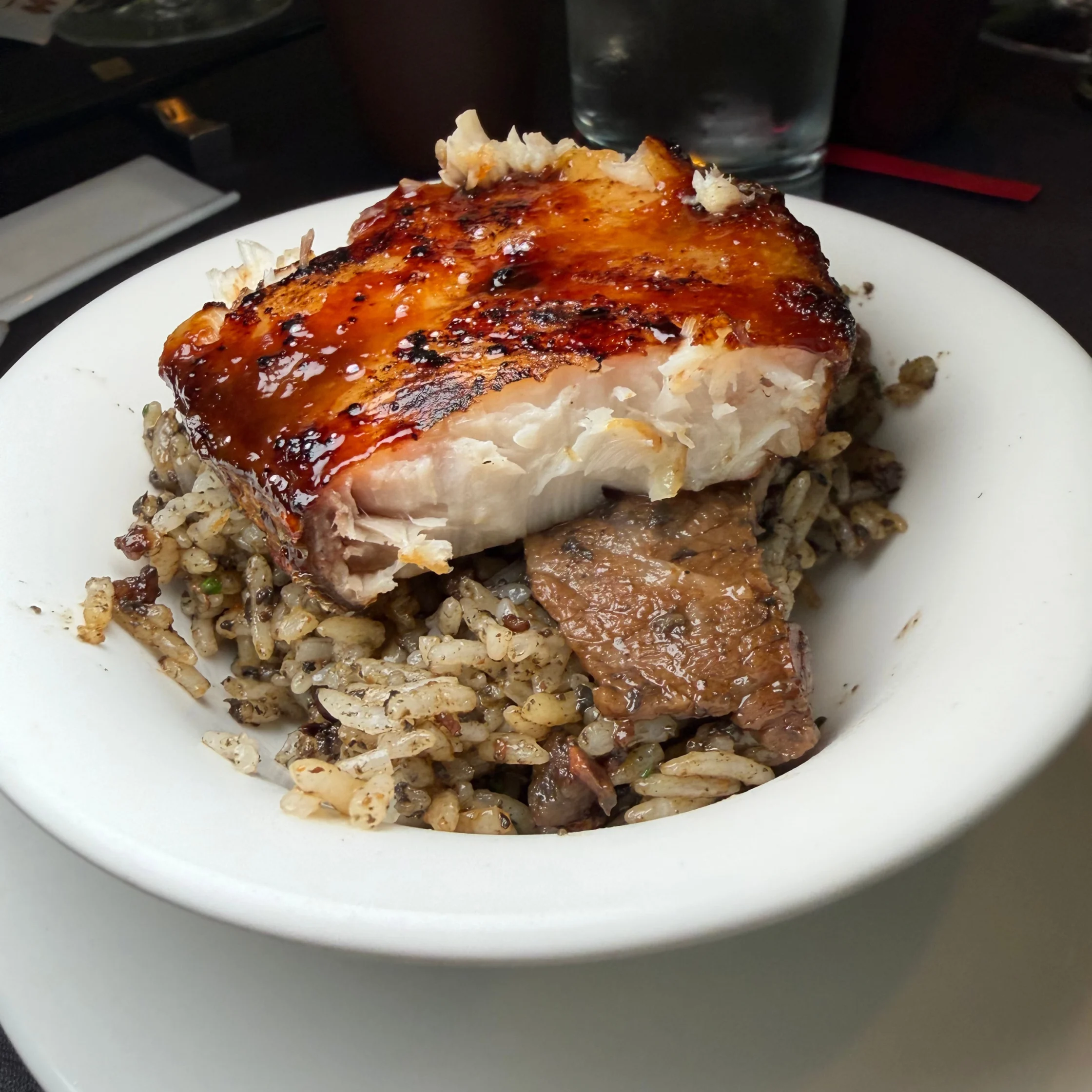
Matsutake mushrooms, chilies, and bush peppers were among the first ingredients presented to us, accompanied by stories from the chef himself and an opportunity to take in their aromas before they hit the hot woks. Then came one stellar dish after another: steamed mushrooms with geoduck in a potent geoduck broth; beef balls with 15-year-old dried tangerine peel; char-grilled aged eel and sakura shrimp served on sticky rice laced with termite mushrooms; and crispy taro cake with smoky char siu.
It’s this keen focus on ingredients, sourced directly from farms, that has long distinguished The Chairman. On my fourth visit, the chef seemed determined to pull out all the stops—and he did. It was, without a doubt, the best meal I’ve ever had the pleasure of enjoying at his restaurant.
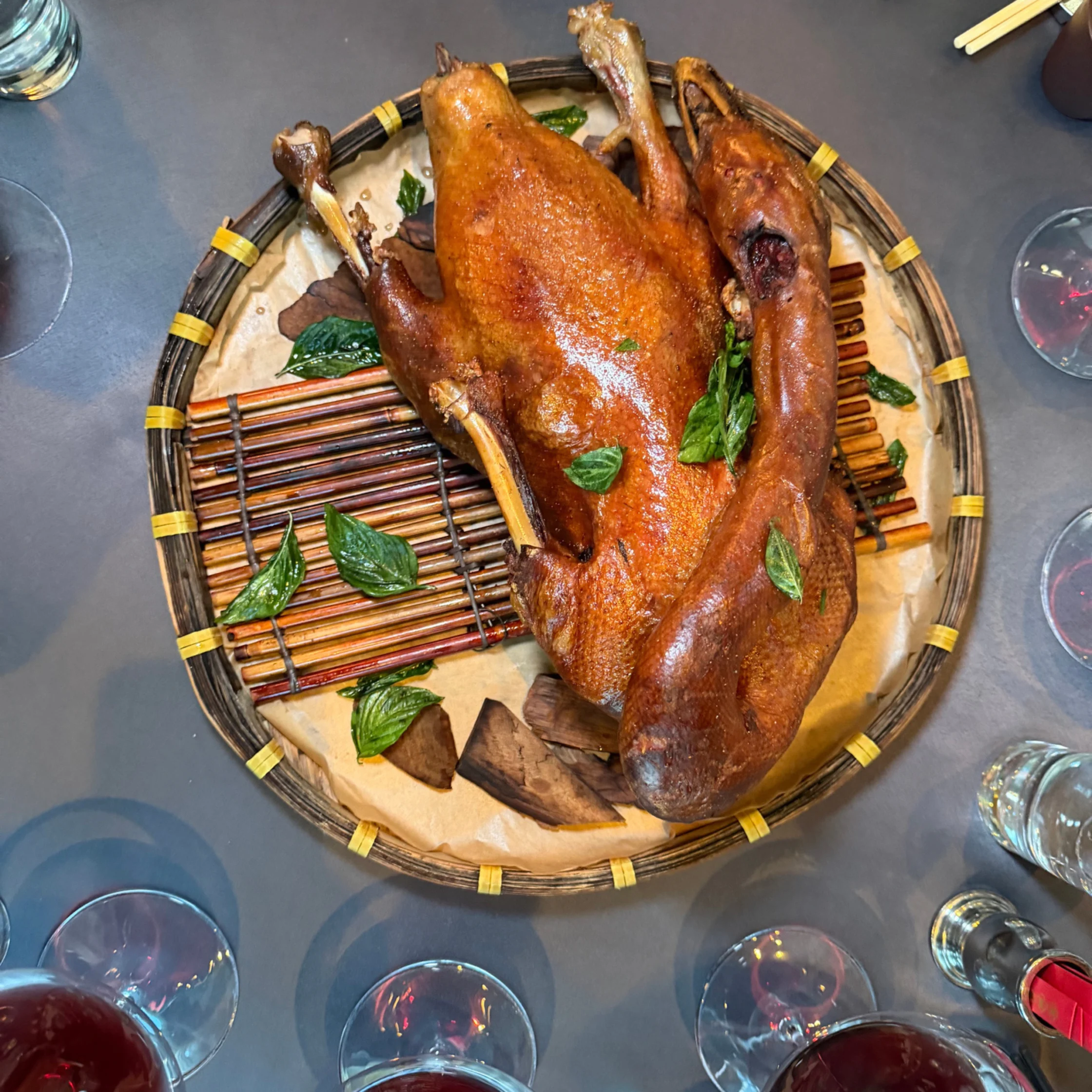
From the three preparations of snow crab—poached in oil, tossed in chili, and mixed with diced pork and 10-year-old lemon—to the camphor wood-smoked black-footed goose, every dish was nothing short of memorable.
Chef David Yip is certainly living up to his restaurant’s name.
The Chairman is located at the 3/F, The Wellington, 198 Wellington Street, Central, Hong Kong.
5. Yong Fu
Ningbo cuisine. I’ve had the luxury of enjoying many regional Chinese cuisines including Sichuan, Fujian, and Hunan. But it was the first time I even heard of Ningbo. A quick Google search made me less ignorant—it is a prominent coastal sub-style of Zhejiang, originating from a port city in East China. And in Hong Kong, executive chef Liu Zhen does an impressive job at turning seafood flown in daily from the East China Sea into plates and flavors that will haunt you for days.
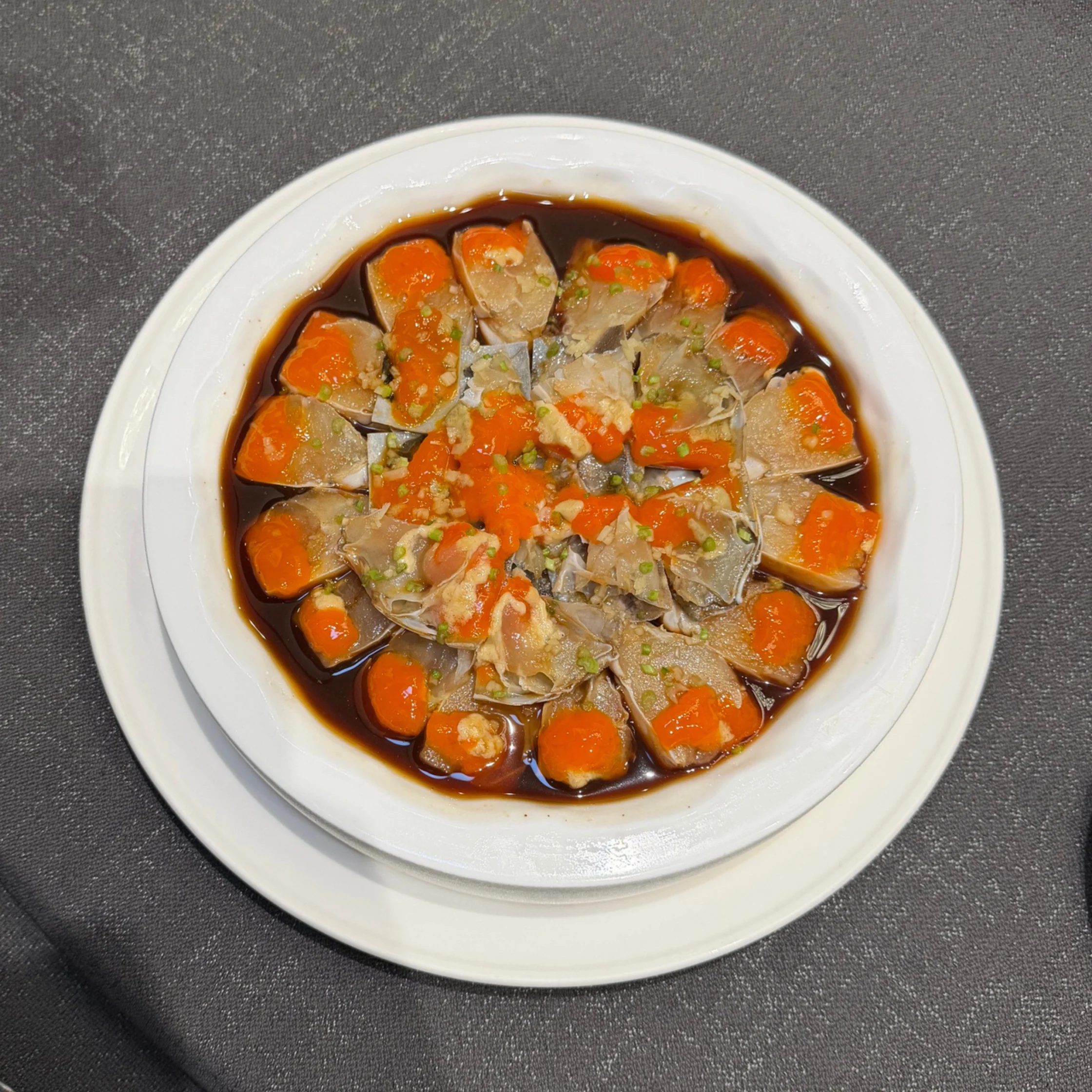
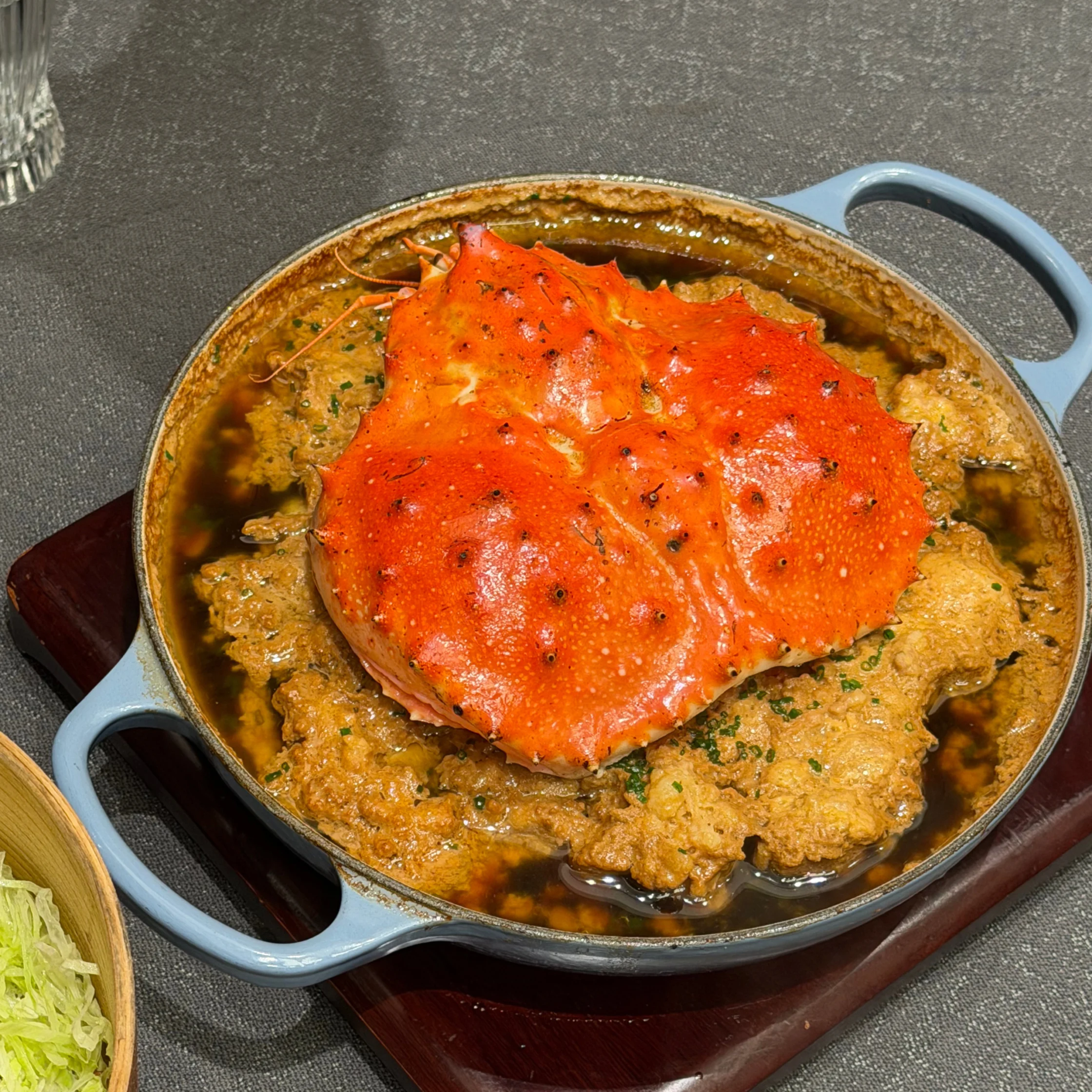
The menu he sent us made for a compelling case on why refined Ningbo cuisine is one that deserves as much love and spotlight as the more prevalent Cantonese. There was fresh walnuts and grain-of-summer shrimps, crispy fried sturgeon tendons, Alaskan crab in warm soy milk broth, golden crispy chicken with pepper and sesame, baked Japanese Wagyu beef fried rice with celery, and three-way scallion oil yellow croaker. This is one Hong Kong discovery I’ll definitely boast about having the privilege of experiencing.
Yong Fu is located at Shop 2, GF and 1F, Golden Star Building, 20-24 Lockhart Road, Wan Chai, Hong Kong.
Frequently Asked Questions
Hong Kong and Macau feature 76 Michelin-starred restaurants. For the 2025 Guide, 58 restaurants hold one star, 11 hold two stars, and 7 restaurants have earned the highest distinction of three stars.
Culinary director Richard Ekkebus experienced an epiphany after feeling physically heavy and sluggish following a large French meal in Paris, contrasting it with how light he felt after eating Japanese cuisine. As a nutritionist, he researched the subject and noted that 70% of Asians are lactose-intolerant, prompting him to create a menu that is easier to digest.
Andō’s tasting menu is inspired by the ocean, guiding diners from the surface down to the seabed through sunlight, twilight, midnight, and seaweed and salt zones. The protein selections and ceramic colors match each specific zone as the meal progresses
Estro serves contemporary Italian cuisine rooted in Naples and is led by chef Antimo Maria Merone.
The Chairman focuses closely on ingredients sourced directly from farms, such as specialty items brought in from Yunnan like matsutake mushrooms, bush peppers, and chilies.
Yong Fu specializes in refined Ningbo cuisine, which is a prominent coastal sub-style of Zhejiang originating from a port city in East China. Executive chef Liu Zhen prepares these dishes using seafood flown in daily from the East China Sea.