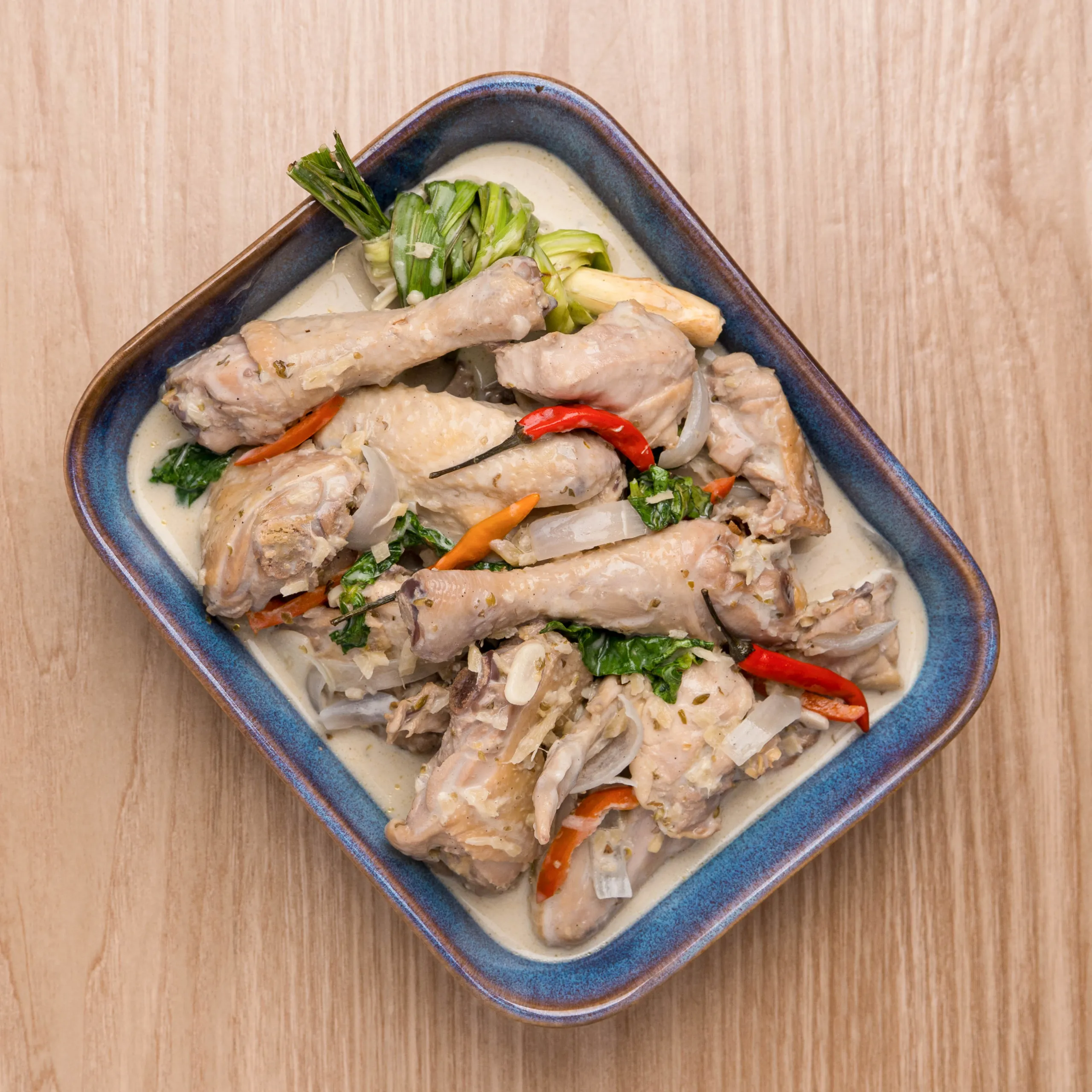


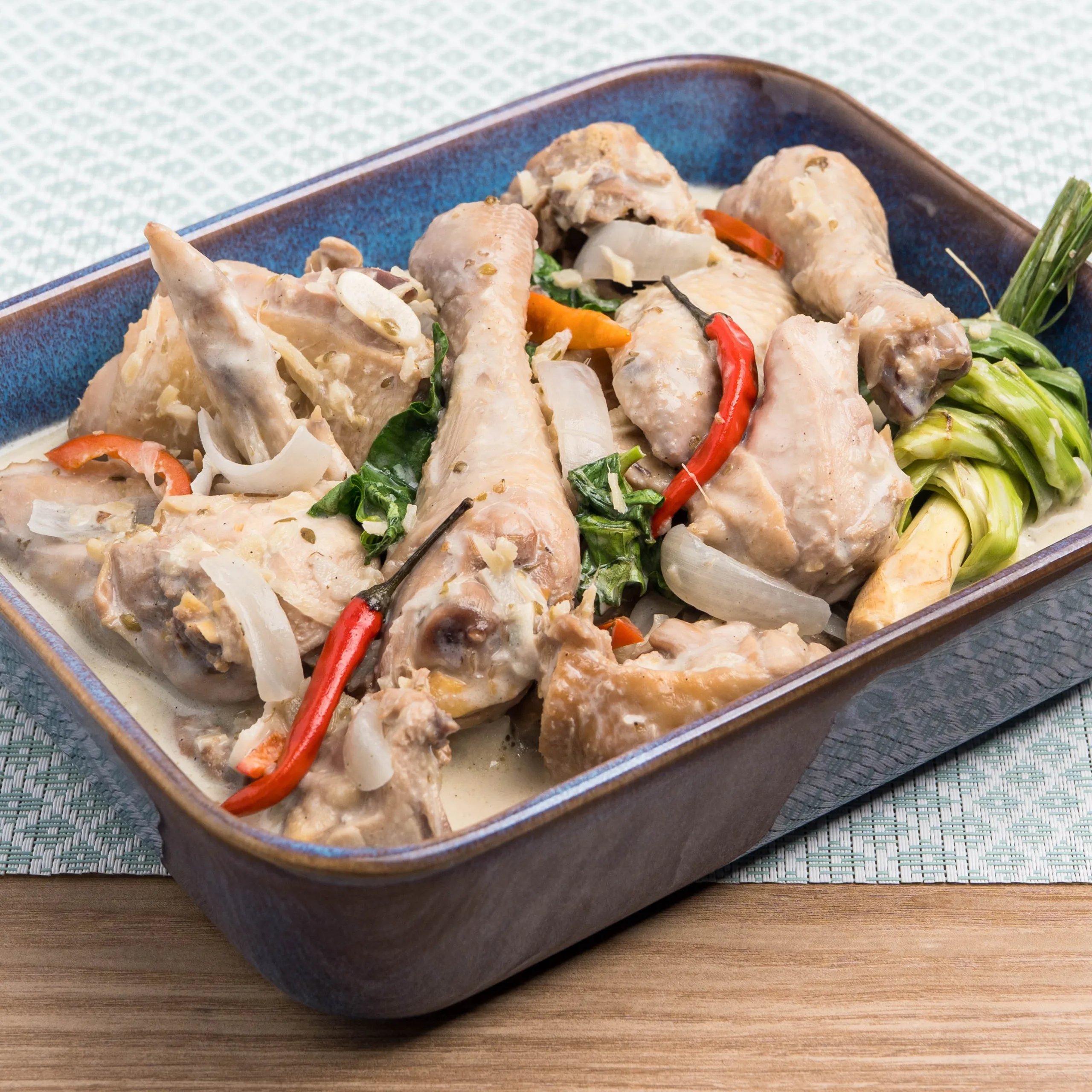
Surol is a comforting Visayan dish that beautifully brings together the rich flavors of native chicken, coconut milk, fragrant lemongrass, ginger, garlic, and aromatic leaves. It is the kind of dish that feels especially appropriate for a family meal because it does not depend on complicated ingredients or elaborate cooking techniques. Instead, its character comes from allowing simple, fresh ingredients to slowly develop their flavors together.
What makes surol particularly memorable is the way the coconut milk transforms the chicken into a rich but fragrant stew. The ginger provides warmth, the lemongrass contributes a bright citrus-like aroma, and the oregano or kalabo adds an herbal note that makes the dish distinctly aromatic. Red bell peppers provide sweetness and color, while optional bird’s eye chili can add a pleasant kick for those who enjoy spicy food.
Using native chicken also gives surol a different personality from dishes prepared with commercially raised chicken. Native chicken tends to be firmer and more flavorful, although it usually needs more cooking time to become tender. The longer cooking process allows the meat to absorb the coconut and aromatics, resulting in a dish that feels rustic, nourishing, and deeply connected to home-style Visayan cooking.
History and Cultural Background
Surol is associated with the culinary traditions of the Visayas, a region known for its abundance of coconut, seafood, root crops, vegetables, herbs, and locally raised poultry. As with many regional Filipino dishes, its preparation can vary depending on the island, community, household, and ingredients available to the cook.
The use of coconut milk is particularly understandable in the context of Philippine food culture. Coconut palms grow extensively throughout many parts of the country, and coconut milk has long been used to turn vegetables, meat, seafood, and other ingredients into rich and satisfying dishes. Coconut milk can provide both flavor and texture while making relatively simple ingredients feel more substantial.
Native chicken also has a long-standing place in rural Filipino cooking. Compared with commercially raised chicken, native chicken is generally smaller and more active, producing meat that is firmer and more intensely flavored. Traditional cooks often compensate for this firmness by using longer, slower cooking methods.
Surol therefore reflects a broader culinary pattern in the Visayas: use what the land provides, build flavor from fresh aromatics, and allow the food enough time to develop. Recipes like this were not necessarily designed around strict measurements. They were often learned by watching parents and grandparents cook, with ingredients adjusted according to taste and availability.
Because traditional recipes are frequently passed from one generation to another by practice rather than written documentation, there can be differences in the exact ingredients and proportions used for surol. Some cooks may make it creamier, some may add more ginger or chili, while others may use different local herbs. These variations are part of the richness of Filipino regional cuisine rather than a flaw in the recipe.
Understanding the Ingredients
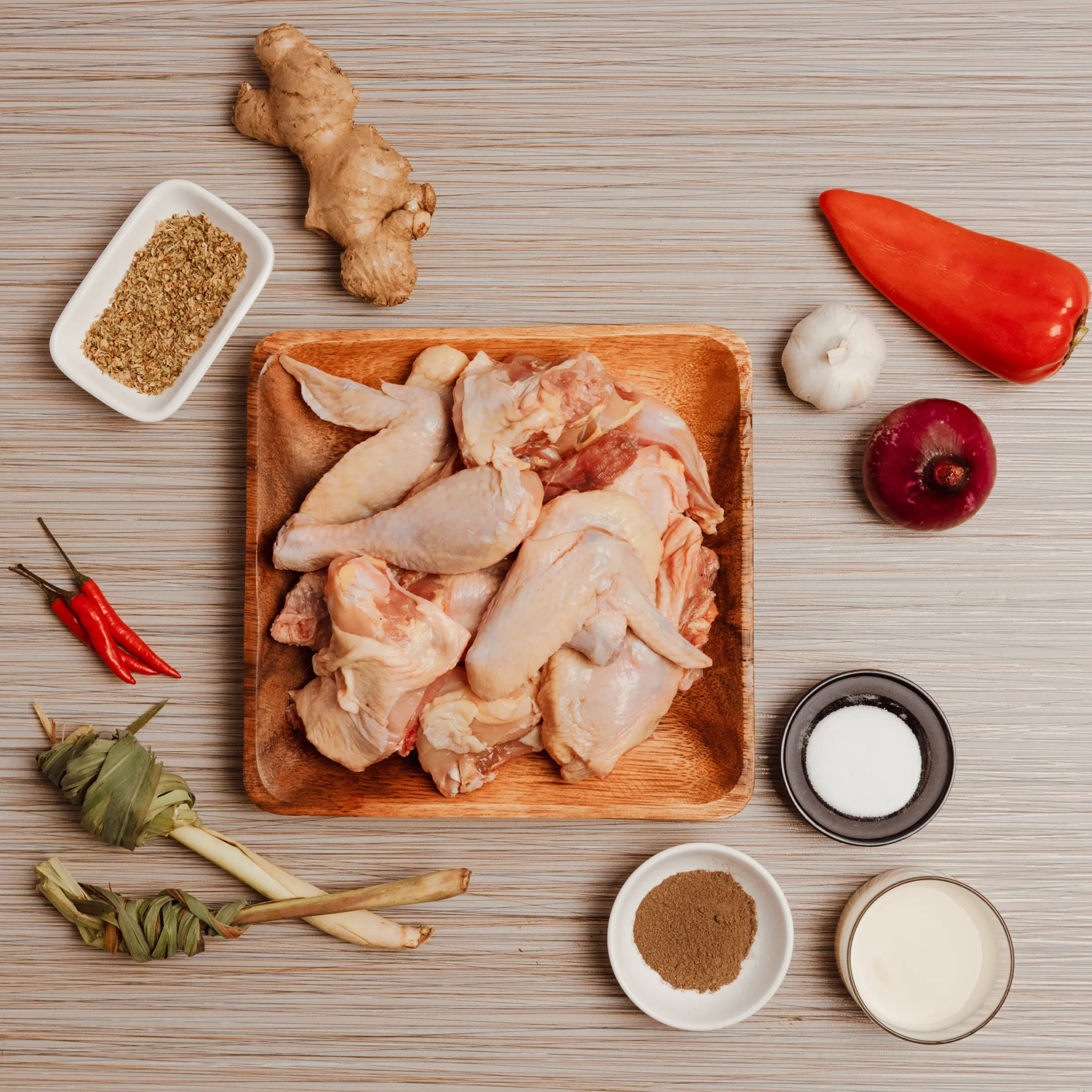
Native chicken
Native chicken is one of the most important ingredients in this dish because its flavor and texture help define the final result. The meat is usually leaner and firmer than that of commercially raised chicken, and it often has a more pronounced chicken flavor.
Because native chicken can be tougher, it is important not to judge its doneness using the cooking time of an ordinary broiler chicken. A slow simmer is usually more appropriate.
Coconut milk
Coconut milk provides the creamy foundation of surol. It gives the broth body, richness, and a gentle sweetness that complements the savory chicken and aromatic ingredients.
The coconut milk also helps carry the flavors of ginger, garlic, lemongrass, and herbs throughout the dish.
Coconut cream
Coconut cream is thicker and richer than ordinary coconut milk. Adding it toward the end of cooking gives surol a more luxurious texture and a stronger coconut flavor.
It is best added near the end rather than cooked aggressively for a long time, especially if you want the finished dish to retain a smooth and creamy appearance.
Lemongrass
Crushed lemongrass provides one of the most recognizable aromas in the dish. Its citrusy fragrance helps brighten the richness of the coconut milk and prevents the stew from tasting too heavy.
Crushing the stalks before cooking is important because it helps release their aromatic oils into the coconut broth.
Ginger
Ginger contributes warmth and a slightly spicy freshness. It is especially useful in coconut-based chicken dishes because its sharpness helps balance the richness of the coconut.
Garlic and onion
Garlic and onion provide the savory foundation of the stew. Cooking them gently before adding the chicken allows their flavors to become sweeter and more rounded.
Oregano or kalabo
The local herb referred to as kalabo contributes an herbal character that distinguishes this preparation. Depending on the locality, the name kalabo may refer to a particular local oregano-type herb, so the exact plant can vary.
If you are not familiar with the local herb, use a culinary herb that you know is safe and suitable for food rather than harvesting an unidentified wild plant.
Red bell pepper
Red bell pepper adds color, mild sweetness, and a pleasant freshness. It also provides a nice visual contrast against the pale coconut-based sauce.
Bird’s eye chili
The chili is optional, which makes it easy to adjust the recipe for different preferences. Without chili, the dish remains fragrant and mild. With chili, it gains a sharper heat that can make the rich coconut sauce feel lighter.
Recipe Tips
- Give native chicken enough time. Native chicken is naturally firmer than commercially raised chicken, so patience is essential. A longer gentle simmer will usually produce a much better texture.
- Do not boil the coconut milk aggressively. A gentle simmer helps preserve a smoother sauce and reduces the chance of the coconut mixture separating excessively.
- Crush the lemongrass. Simply dropping whole stalks into the pot will provide some flavor, but crushing them releases much more aroma.
- Use fresh ginger. Fresh ginger gives surol a bright, warming flavor that works especially well with coconut milk.
- Add coconut cream near the end. This keeps the final sauce rich and creamy without subjecting the cream to unnecessary prolonged boiling.
- Do not add too much chili immediately. You can always add more heat, but it is much harder to correct a dish that has become overwhelmingly spicy.
- Taste throughout the cooking process. Coconut milk can soften salty and spicy flavors, so the final seasoning should be adjusted after the coconut cream has been added.
- Use a heavy pot when possible. A thick-bottomed pot distributes heat more evenly and is useful for long, slow cooking.
- Let the dish rest. Even a short resting period can make the sauce taste more cohesive.
- Serve with plain rice. The mildness of steamed rice provides the perfect contrast to the rich coconut sauce.
Ingredient Substitutions
Native chicken
If native chicken is unavailable, free-range chicken can be a good substitute. Regular whole chicken or bone-in chicken pieces can also be used, although they may cook considerably faster.
Bone-in chicken is preferable to boneless meat because the bones contribute additional flavor to the coconut broth.
Coconut milk
If freshly squeezed coconut milk is unavailable, canned coconut milk is a convenient alternative. Choose full-fat coconut milk for the richest result.
Avoid using coconut-flavored beverage products intended primarily as dairy alternatives because their composition and flavor are very different from culinary coconut milk.
Coconut cream
If coconut cream is unavailable, you can use additional full-fat coconut milk and reduce the sauce slightly. The result will be somewhat lighter but still delicious.
Lemongrass
Fresh lemongrass provides the best flavor, but frozen lemongrass can work well if available. Dried lemongrass is less ideal because it does not provide the same fresh citrus aroma.
Oregano or kalabo
If local kalabo is unavailable, a culinary oregano variety can provide an herbal substitute. Because different plants may be called similar names in different communities, use a commercially packaged culinary herb when you are uncertain about identification.
Red bell pepper
Red bell pepper can be replaced with green or yellow bell pepper. Green pepper will provide a slightly more vegetal flavor, while yellow pepper will retain some of the sweetness.
Bird’s eye chili
You can omit the chili entirely for a mild family-friendly version. Alternatively, use another fresh chili according to your preferred heat level.
Knowledge About Surol and Visayan Food
Surol is an excellent example of how coconut functions in Philippine cuisine as much more than a dessert ingredient. In many Filipino regions, coconut milk is used as a cooking medium for meat, seafood, vegetables, and stews. Its natural richness gives dishes a creamy texture while also carrying the flavors of herbs and spices.
The Visayas is particularly rich in food traditions shaped by the tropical environment. Coconut, seafood, poultry, root crops, fruits, and aromatic plants are widely represented in regional cooking. The availability of these ingredients naturally influences the types of dishes that develop in local communities.
The use of native chicken is also significant. Traditional poultry can have a firmer texture because the birds are often more active and develop more muscular meat. This means that recipes using native chicken frequently reward slower cooking rather than quick frying or rapid boiling.
Another important lesson from surol is that richness does not have to come entirely from meat fat. Coconut milk and coconut cream provide the creamy mouthfeel that makes the dish satisfying, while ginger, lemongrass, garlic, and herbs prevent the flavor from becoming overwhelmingly heavy.
The dish also demonstrates the importance of aroma in Filipino food. Before you even taste surol, the combination of lemongrass, ginger, garlic, and coconut creates a powerful sensory impression. This is part of what makes traditional cooking so memorable: food is experienced through smell, texture, color, and taste together.
Health Benefits and Nutritional Information
Surol contains several ingredients that can contribute valuable nutrients to a balanced meal, although its overall nutritional profile depends on portion size, the type of chicken used, and the amount of coconut milk and cream.
Chicken
Chicken provides high-quality protein, which is needed for maintaining muscles, supporting immune function, and repairing body tissues. Native chicken can also contribute minerals and B vitamins.
Using bone-in chicken can add flavor to the broth while allowing the dish to remain satisfying without requiring excessive amounts of meat.
Coconut milk and coconut cream
Coconut products provide energy primarily through fat and give the dish its characteristic richness. Coconut contains small amounts of several minerals, although coconut milk and cream should still be viewed primarily as sources of fat and calories rather than as a substitute for vegetables.
Because coconut cream is particularly rich, using it in moderation can help keep the overall meal balanced.
Ginger
Ginger contains naturally occurring compounds such as gingerols. It has been widely used in traditional food and culinary practices and provides a warming flavor without needing large amounts of salt or sugar.
Garlic
Garlic contributes a variety of sulfur-containing plant compounds and adds substantial flavor to the dish. Its strong aroma also means that a relatively small quantity can make a noticeable difference.
Onion
Onions contribute fiber, vitamin C, and various plant compounds. Their natural sweetness becomes more pronounced as they cook.
Lemongrass
Lemongrass adds aromatic compounds and a fresh citrus-like quality to the dish. Because it is mainly used for flavor rather than consumed in large quantities, its nutritional contribution is modest, but its culinary importance is significant.
Bell peppers
Red bell peppers are particularly useful nutritionally because they provide vitamin C and carotenoid compounds. Their sweetness also adds flavor without requiring added sugar.
Chilies
Bird’s eye chilies contain capsaicin, the compound responsible for their heat. Chili peppers can also provide vitamin C and other plant compounds, although they are generally used in relatively small quantities.
Keeping the meal balanced
Because surol contains both coconut milk and coconut cream, it is naturally rich and energy-dense. A balanced serving can be paired with plenty of vegetables and a moderate portion of rice.
People who need to monitor their saturated-fat or calorie intake may choose to use less coconut cream or replace part of it with additional coconut milk or water. This changes the richness but keeps the general character of the dish.
Final Words
Surol is the kind of dish that demonstrates how Filipino regional cooking can turn a handful of familiar ingredients into something that feels generous and deeply comforting. The combination of native chicken and coconut creates the hearty foundation, while ginger, garlic, lemongrass, and kalabo build layers of aroma that make the dish inviting even before it reaches the table.
Its beauty is also found in the cooking process. Surol is not a dish that should be rushed. Native chicken needs time to become tender, the aromatics need time to release their fragrance, and the coconut milk needs gentle cooking so that it develops into a rich and harmonious sauce. The final addition of coconut cream brings everything together and gives the dish its luxurious finish.
At the same time, surol is a reminder that traditional food is deeply connected to place. The ingredients reflect the tropical environment of the Philippines, the importance of coconut in local cooking, and the long-standing practice of preparing locally raised poultry in ways that maximize both flavor and nourishment.
Whether you are preparing surol for the first time or revisiting a dish connected to family and regional food traditions, the best approach is to cook it patiently and make it your own while respecting its essential character. Served hot over freshly steamed rice, with the creamy coconut sauce soaking into every grain, surol becomes much more than a simple chicken stew—it becomes a warm expression of Visayan home cooking and Filipino culinary heritage.