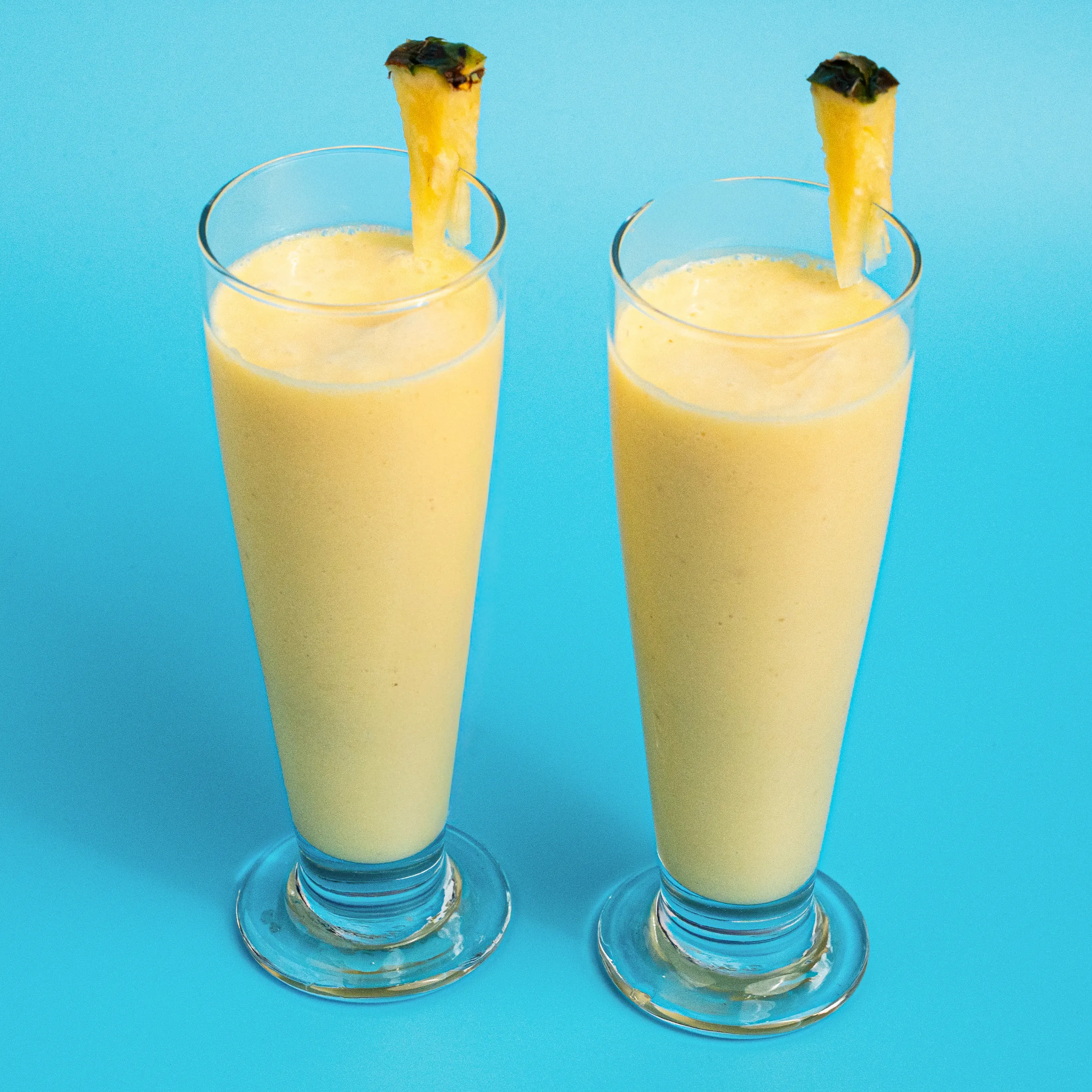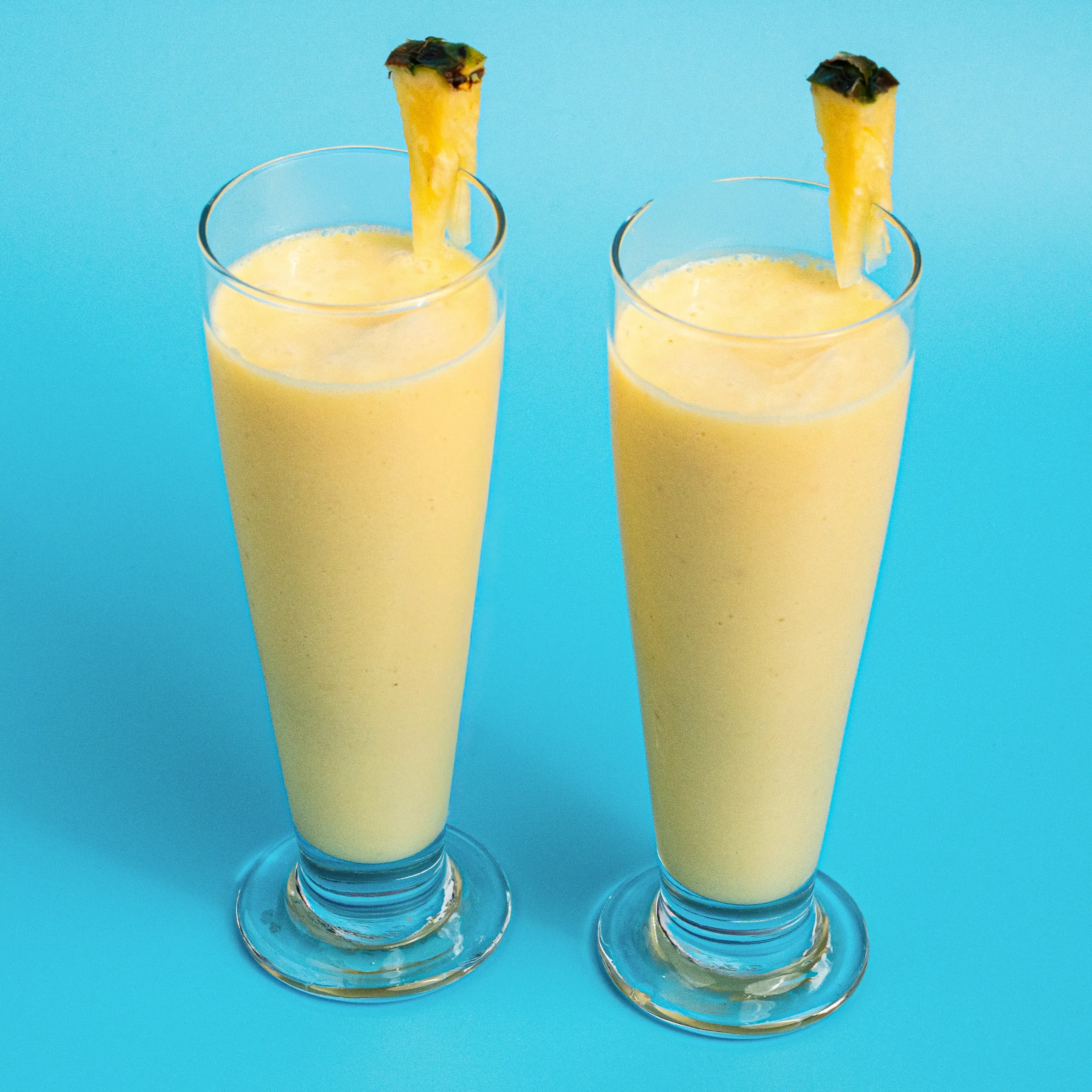
Imagine sitting beside the beach on a warm, sunny afternoon, feeling the gentle breeze while enjoying a cold, creamy drink with the sweet taste of pineapple and the rich flavor of coconut. That is the experience a Piña Colada brings to mind. It is more than just a cocktail; it is a refreshing tropical drink associated with relaxation, celebrations, vacations, and happy moments shared with friends and family.
The Piña Colada is famous for its smooth, creamy texture, fruity aroma, and balanced combination of sweetness and acidity. Its main ingredients are white rum, pineapple juice, cream of coconut, fresh pineapple chunks, and ice. When blended together, these ingredients create a thick, frosty drink with a delicious pineapple-coconut flavor.
The name Piña Colada comes from Spanish words: piña, meaning pineapple, and colada, meaning strained or filtered. The name is commonly understood as “strained pineapple,” referring to the pineapple juice traditionally used in the drink.
What makes this version special is the addition of fresh pineapple chunks. Besides giving the cocktail a more natural fruity flavor, the chunks help create a thicker consistency and make the drink taste fresher. Combined with coconut cream and white rum, they produce a delightful cocktail that is both sweet and refreshing.
Whether served at a party, enjoyed during a special occasion, or prepared at home for a relaxing evening, the Piña Colada is a classic drink that brings a little taste of the tropics to every glass.
History and Origin of the Piña Colada
The Piña Colada is strongly associated with Puerto Rico, an island in the Caribbean known for its tropical climate, beautiful beaches, pineapples, coconuts, and rum production. Over time, the drink became one of the island’s most recognizable culinary symbols.
The exact origin of the Piña Colada is debated because different stories describe how the cocktail was first created. One popular account credits bartender Ramón “Monchito” Marrero, who reportedly developed a creamy pineapple-and-coconut cocktail at the Caribe Hilton hotel in San Juan in 1954. According to this story, he worked to create a signature drink that captured the flavors of Puerto Rico.
Another account credits bartender Ricardo García, while a separate historical tradition connects the drink to Ramón Portas Mingot, who reportedly served a version at a bar in San Juan in the 1960s. Because these claims differ, it is more accurate to recognize that the drink’s history has several competing accounts rather than one universally accepted origin story.
The Piña Colada became increasingly popular as blenders, canned pineapple juice, and commercially prepared cream of coconut made it easier for bartenders and home cooks to prepare a consistent drink. Its creamy texture and tropical flavor also helped it spread beyond the Caribbean to bars, restaurants, resorts, and households around the world.
In 1978, Puerto Rico officially declared the Piña Colada its national drink. This recognition strengthened its cultural identity and connection to the island.
Today, the Piña Colada is enjoyed in several forms, including the classic alcoholic version, frozen blended versions, and nonalcoholic versions often called virgin Piña Coladas. Although recipes vary, the combination of pineapple and coconut remains the drink’s defining characteristic.
Ingredients and Their Importance
1. White Rum — 90 mL
White rum is the alcoholic base of the cocktail. It adds a mild sweetness and a subtle alcoholic warmth without overpowering the pineapple and coconut flavors. Its relatively light color also helps preserve the drink’s creamy appearance.
White rum is commonly used because it allows the other ingredients to stand out. Choosing a good-quality rum can improve the overall taste of the cocktail.
2. Pineapple Juice — 90 mL
Pineapple juice provides the drink’s fruity sweetness, refreshing aroma, and slight acidity. This acidity helps balance the richness of the coconut cream and keeps the cocktail from tasting too heavy.
Fresh pineapple juice can provide a bright, natural flavor, while packaged juice offers convenience and consistency. Either option can work well, depending on personal preference and availability.
3. Cream of Coconut — 90 mL
Cream of coconut gives the cocktail its signature creamy consistency and rich coconut flavor. It is usually sweetened, so it contributes both sweetness and body to the drink.
It is important to remember that cream of coconut is different from ordinary coconut milk and unsweetened coconut cream. Using the correct product helps achieve the traditional Piña Colada flavor.
4. Pineapple Chunks — 60 mL, or Approximately 4–5 Large Chunks
Fresh pineapple chunks enhance the natural fruit flavor and help make the blended drink thicker. They also contribute fiber and small amounts of vitamins and minerals.
Ripe pineapple is recommended because it provides natural sweetness and a pleasant aroma. Frozen pineapple chunks can also be used to create a thicker, colder cocktail.
5. Ice Cubes — 2 Cups
Ice chills the cocktail and creates its frozen, slushy texture. As the ice blends, it adds volume and helps combine the ingredients into a smooth mixture.
The amount of ice can be adjusted depending on the desired consistency. Too much ice may weaken the flavor as it melts, while too little may produce a thinner, less refreshing drink.
Recipe Tips for a Better Piña Colada
Even though the Piña Colada is easy to prepare, a few small techniques can improve its taste, appearance, and texture.
- Use ripe pineapple. A ripe pineapple provides a naturally sweet and fragrant flavor. Avoid fruit that smells fermented or has spoiled areas.
- Choose the right coconut product. Sweetened cream of coconut gives the drink its characteristic richness. Check the label because canned coconut cream and coconut milk are not automatically interchangeable with it.
- Use chilled ingredients. Cold pineapple juice and chilled rum help keep the cocktail refreshing and reduce how quickly the ice melts.
- Blend thoroughly. Proper blending breaks down the pineapple chunks and ice, creating a smooth texture instead of a drink with large pieces of fruit.
- Adjust the ice gradually. Too much ice can dilute the flavor or make the cocktail watery as it melts. Start with the specified amount and adjust to your blender and preferred consistency.
- Taste before serving. Pineapples differ in sweetness and acidity, so the same recipe can taste slightly different each time.
- Chill the serving glasses. A cold glass helps the drink remain refreshing for longer.
- Avoid over-blending. Blend only until smooth and frosty. Excessive blending can warm the mixture and cause the ice to melt more quickly.
- Keep the proportions balanced. The combination of rum, pineapple, and coconut is what makes the cocktail recognizable. Change one ingredient at a time when experimenting with the recipe.
One especially useful tip is to freeze pineapple chunks ahead of time. Frozen fruit adds a strong pineapple flavor and a thicker texture without requiring as much extra ice.
Ingredient Substitutions and Variations
You can adapt the Piña Colada to suit different tastes, dietary preferences, ingredient availability, and occasions.
White Rum Substitutes
Light rum can be used in place of white rum, while golden rum creates a deeper flavor with subtle caramel, vanilla, or spice notes, depending on the brand. The flavor may change slightly, but the cocktail can still retain its tropical character.
Pineapple Juice Substitutes
Freshly blended and strained pineapple juice can replace packaged pineapple juice. This may create a fresher fruit flavor, although sweetness and acidity can vary depending on the ripeness of the pineapple.
Cream of Coconut Substitutes
Coconut cream combined with a small amount of sugar or another sweetener can be used if cream of coconut is unavailable. Adjust the sweetness gradually to avoid making the drink too sugary.
Unsweetened coconut milk is another option for a lighter cocktail, although it will produce a thinner texture and less intense coconut flavor.
Fresh Pineapple Substitutes
Frozen pineapple chunks are an excellent alternative to fresh pineapple. They help create a thicker, colder cocktail and are convenient because they can be stored for longer periods.
Canned pineapple can also be used. If it is packed in syrup, drain it first or reduce the other sweet ingredients to prevent the drink from becoming too sweet.
Ice Substitutes
Crushed ice can be used instead of regular ice cubes because it blends more easily in suitable blenders. Frozen pineapple can also replace some of the ice to create a thicker drink with a stronger fruit flavor.
Popular Piña Colada Variations
Virgin Piña Colada: Omit the rum and blend the remaining ingredients with ice. This is a nonalcoholic version suitable for people who prefer to avoid alcohol.
Frozen Pineapple Piña Colada: Replace some of the fresh pineapple with frozen pineapple chunks. This creates a thicker texture and a stronger fruit flavor.
Less-Sweet Piña Colada: Reduce the cream of coconut and replace some of it with unsweetened coconut milk. Adjust the pineapple juice until the drink reaches the desired consistency.
Golden Rum Piña Colada: Replace white rum with golden rum for a richer flavor that complements the pineapple and coconut.
It is important to remember that coconut milk, coconut cream, and cream of coconut are different products. Coconut milk is generally thinner, coconut cream is richer and often unsweetened, and cream of coconut is usually thick and sweetened.
Knowledge and Interesting Facts About Piña Colada
There is more to the Piña Colada than its sweet, tropical taste. Understanding its ingredients and preparation helps explain why this cocktail has remained popular for generations.
A. Why Pineapple and Coconut Work Well Together
Pineapple has a sweet, tangy flavor, while coconut contributes a rich, creamy taste. These contrasting qualities complement one another. Pineapple’s acidity helps balance the richness of coconut, creating a drink that tastes fruity without losing its creamy character.
B. The Role of Rum
Rum is traditionally produced from sugarcane products, such as molasses or sugarcane juice. White rum is commonly selected for the Piña Colada because its relatively light flavor allows the pineapple and coconut to remain the main attractions.
C. Why the Cocktail Is Blended
Blending combines the liquid ingredients with crushed ice and fruit, producing a thick, frosty consistency. This distinguishes the blended Piña Colada from shaken or stirred cocktails, which generally have a thinner texture.
D. Why Cream of Coconut Matters
Cream of coconut is responsible for much of the drink’s signature sweetness and smoothness. Because it is usually sweetened, it serves two purposes: providing coconut flavor and adding sweetness. Using an unsweetened coconut product without adjusting the recipe can noticeably change the final taste.
E. The Importance of Presentation
The Piña Colada is often served in a hurricane glass or tall glass and garnished with pineapple or a cherry. These decorations enhance its tropical appearance and make it more appealing for parties, restaurants, and special occasions.
F. Its Cultural Significance
The Piña Colada is closely connected to Puerto Rican hospitality, tourism, and Caribbean cocktail culture. Its international popularity demonstrates how a drink made from a few ingredients can become an iconic symbol of a place.
Health Benefits and Nutritional Considerations
Although the Piña Colada is primarily enjoyed as a cocktail, some of its ingredients contain nutrients. However, it is important to distinguish the nutritional benefits of the individual ingredients from the overall health effects of the finished alcoholic drink.
Potential Nutritional Benefits
- Pineapple provides vitamin C. This vitamin supports normal immune function, collagen production, and antioxidant protection.
- Fresh pineapple contains manganese. Manganese is a mineral that helps the body with normal metabolic processes and bone development.
- Pineapple contains some dietary fiber. The fresh pineapple chunks contribute fiber, although blending does not remove it unless the fruit is strained. The amount in a serving of this cocktail is relatively small.
- Coconut contributes fat and energy. Coconut products contain fats that provide energy and help give the drink its creamy mouthfeel.
- The drink provides fluids. Pineapple juice and ice contribute water, but an alcoholic Piña Colada should not be considered a hydration drink because alcohol can increase fluid loss.
Nutritional Concerns
The classic recipe also has several considerations:
- Added sugar: Cream of coconut is often high in added sugar, and pineapple juice contributes natural sugars.
- Calories: Rum, coconut products, and sugar can make the cocktail energy-dense.
- Saturated fat: Coconut products are typically rich in saturated fat, so frequent consumption in large quantities may make it harder to maintain a balanced diet.
- Alcohol: Alcohol can impair judgment and coordination, affect sleep, and cause other health harms. It is not necessary for obtaining nutrients from the pineapple or coconut.
Is Piña Colada Healthy?
The Piña Colada is best viewed as an occasional treat rather than a health drink. Its fruit ingredients offer some nutrients, but those benefits do not cancel out the effects of alcohol or the sugar and calories in the cocktail.
For a lighter version, you can omit the rum, reduce the cream of coconut, and use more pineapple with unsweetened coconut milk. Keep in mind that even a virgin version may still contain substantial sugar.
People who are pregnant, taking medications that interact with alcohol, or avoiding alcohol for medical or personal reasons should choose a nonalcoholic version. Anyone who drinks should avoid driving afterward.
How to Store Piña Colada Ingredients Properly
Proper storage helps preserve the flavor, quality, and safety of the ingredients. Since the Piña Colada contains fresh fruit and perishable ingredients, storage methods depend on whether you are keeping the individual ingredients or the finished drink.
A. Fresh Pineapple Chunks
Store cut pineapple in a clean, covered, airtight container in the refrigerator at 4°C (40°F) or below. For best quality, use within about 3–4 days.
If you have extra pineapple, freeze the chunks in a single layer before transferring them to a freezer-safe bag or container. Frozen pineapple is convenient for future cocktails and can help produce a thicker texture.
B. Pineapple Juice
Follow the package instructions. Refrigerate juice after opening and use it within the manufacturer’s recommended period.
Freshly prepared pineapple juice should be refrigerated promptly in a clean, sealed container and consumed soon. Avoid leaving juice at room temperature for extended periods, especially in hot weather.
C. Cream of Coconut
Keep unopened cream of coconut according to the product label, usually in a cool, dry cupboard. Once opened, transfer the product to a clean, airtight container if necessary and refrigerate according to the manufacturer’s directions.
Always check the product’s recommended storage period because different brands and formulations may have different requirements.
D. White Rum
Store the bottle tightly closed in a cool, dark place away from direct sunlight and heat. Refrigeration is not necessary for ordinary shelf storage, although chilling the rum before blending can help keep the drink cold.
E. Ice Cubes
Keep ice in a clean ice tray or sealed freezer-safe container. Protect it from odors and contamination, and handle it with clean utensils rather than bare hands.
How to Store a Prepared Piña Colada
For the best taste and texture, serve the cocktail immediately after blending. If you need to prepare it slightly ahead of time, follow these guidelines:
- Transfer it to a clean, covered container.
- Refrigerate promptly at 4°C (40°F) or below.
- Consume it as soon as practical, preferably the same day.
- Stir or briefly re-blend it before serving if separation occurs, provided it has remained safely refrigerated.
- Discard it if it has been left at room temperature for more than two hours, or more than one hour when the temperature is above 32°C (90°F).
A prepared Piña Colada does not maintain its original texture indefinitely. Ice melts, the mixture separates, and fresh pineapple can lose its quality. Refrigeration slows these changes but does not eliminate them.
Practical preparation tip: If you are serving a group, prepare the measured liquid ingredients ahead of time and refrigerate them. Blend each batch with ice and pineapple shortly before serving. This approach provides a fresher texture and reduces unnecessary waste.
Final Words: Enjoying the Piña Colada
The Piña Colada is a wonderful example of how a handful of simple ingredients can create a memorable drink. Its combination of white rum, pineapple juice, cream of coconut, fresh pineapple chunks, and ice produces a tropical cocktail that is creamy, fruity, and refreshing.
Beyond its flavor, the drink has an interesting history, a strong association with Puerto Rico, and a special place in cocktail culture. Learning how to measure the ingredients, blend them correctly, adjust the sweetness, and store them properly can help anyone prepare a better-quality Piña Colada at home.
The most important thing is to find the balance that suits your taste. Some people prefer a thick and creamy cocktail, while others enjoy a lighter, fruitier version. Fresh pineapple, properly chilled ingredients, and careful blending can make a noticeable difference in the final result.
Whether you prepare it for a celebration, a gathering with friends, or a relaxing tropical-themed occasion, the Piña Colada offers a delightful combination of flavor, texture, and presentation.
Ultimately, a great Piña Colada is not only about following a recipe. It is about enjoying the process, appreciating the ingredients, and serving a drink that makes the moment feel a little more special. Prepare it thoughtfully, serve it fresh, and enjoy it responsibly.