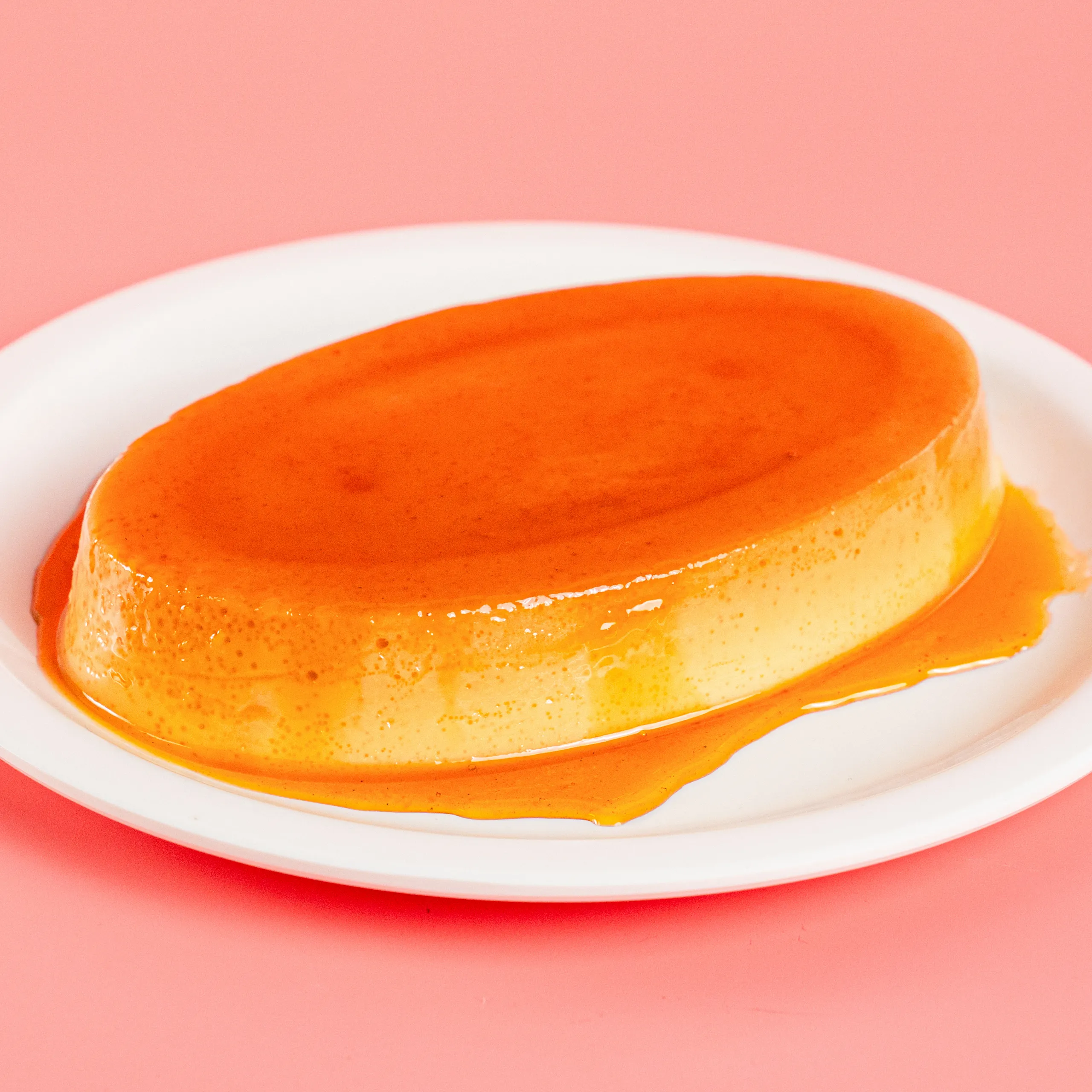


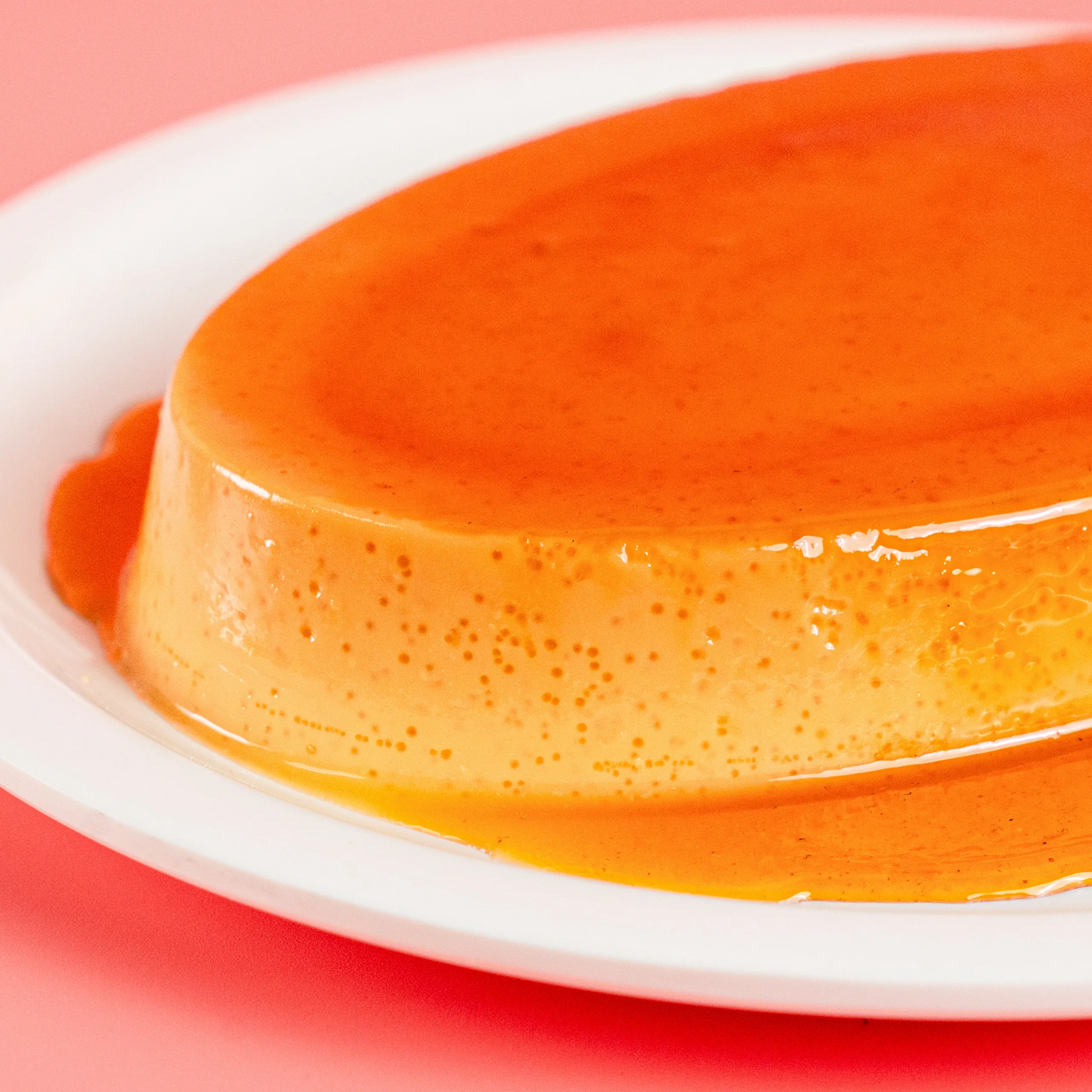
Leche flan is one of the most beloved desserts in the Philippines, known for its smooth, creamy texture, rich egg flavor, and golden caramel topping. It is a dessert that brings sweetness to family gatherings, birthdays, fiestas, Christmas celebrations, and other special occasions. For many Filipinos, a celebration does not feel complete without a slice of chilled leche flan served after a delicious meal.
What makes leche flan special is its simplicity. With just a few basic ingredients, such as egg yolks, condensed milk, evaporated milk, vanilla, and sugar, you can create a dessert that looks elegant and tastes wonderfully rich. When prepared properly, it has a silky texture that melts in your mouth, while the caramel adds a beautiful color and a bittersweet flavor that balances the sweetness of the custard.
This homemade leche flan recipe is perfect for beginners and experienced home cooks alike. With the right ingredients, gentle cooking, and a little patience, you can make a delicious Filipino dessert that your family and friends will surely enjoy.
History of Leche Flan
Leche flan has a long history influenced by Spanish cooking traditions. The name comes from the Spanish words leche, meaning milk, and flan, referring to a custard dessert.
During the Spanish colonial period in the Philippines, European cooking traditions introduced dishes made with eggs, milk, and sugar. Over time, Filipino cooks adapted these recipes using locally available ingredients and their own preferred cooking methods.
Egg yolks became especially useful in Filipino kitchens because egg whites were often used for other purposes, including construction materials during the Spanish colonial period. Rather than wasting the remaining yolks, cooks found ways to turn them into rich desserts. Although this is a commonly shared explanation for the popularity of egg-yolk desserts, the exact origins of Filipino leche flan are not fully documented.
Traditional Spanish flan recipes often use whole eggs and milk, while many Filipino versions are especially rich because they use mostly or entirely egg yolks and sweetened condensed milk. The result is a denser, creamier custard with a distinctively sweet flavor.
Today, leche flan is a staple of Filipino celebrations and is also enjoyed in homes, bakeries, restaurants, and dessert businesses. It represents how a dish influenced by another culture can become a treasured part of Filipino food traditions.
Equipment needed
- Mixing bowl
- Whisk or fork
- Fine-mesh strainer
- Lyanera (Filipino oval flan mold) or another heatproof mold
- Small saucepan or a pan for preparing caramel
- Steamer with a lid or an oven and a water bath
- Aluminum foil
- Toothpick or thin knife for checking doneness
Recipe Tips for Perfect Leche Flan
- Use room-temperature ingredients when convenient. They combine more easily and help produce a uniform mixture.
- Mix gently. Too much whisking introduces air, which may cause holes in the custard.
- Always strain the mixture. This is one of the simplest ways to achieve a smooth, professional-looking texture.
- Cook over gentle heat. High heat can cause the eggs to overcook and turn rubbery.
- Watch the caramel carefully. Sugar can change from golden to burnt in a short time. Aim for amber, not dark brown.
- Do not skip the chilling period. Cold flan is firmer, easier to unmold, and more flavorful.
- Avoid overcooking. A slight jiggle in the center is normal; the custard will continue to firm up as it cools.
- Use a shallow mold if possible. A thinner layer of custard generally cooks more evenly and quickly than a very deep one.
- Adjust sweetness thoughtfully. The condensed milk already supplies considerable sweetness, so additional sugar in the custard is usually unnecessary.
Interesting Knowledge About Leche Flan
Why is leche flan yellow?
The natural color comes mainly from the egg yolks. The exact shade depends on the eggs and their yolk pigmentation.
Why does leche flan become firm?
Egg proteins coagulate when heated, forming a delicate structure that holds the milk mixture together. Gentle cooking helps this structure remain smooth instead of becoming tough.
Why is caramel added?
Caramel contributes sweetness, a slightly bitter toasted-sugar flavor, color, and a glossy sauce when the flan is inverted.
Why does leche flan sometimes have holes?
Holes can develop when the custard is mixed too vigorously or cooked at too high a temperature. Air bubbles and rapid protein coagulation can create a porous texture.
What is the difference between leche flan and crème caramel?
Both are custard desserts served with caramel sauce. Filipino leche flan is often richer and sweeter because it commonly uses more egg yolks and sweetened condensed milk. Crème caramel recipes more often use whole eggs and regular milk.
Is leche flan the same as pudding?
Not exactly. Leche flan is an egg-set custard, while many puddings are thickened with starch or other ingredients. Their textures and preparation methods differ.
Can leche flan be made for a small business?
Yes. It can be prepared in individual molds or larger trays for parties and dessert orders. For selling, consistency, clean equipment, proper chilling, refrigeration, and safe transport are especially important.
Health Benefits and Nutritional Considerations
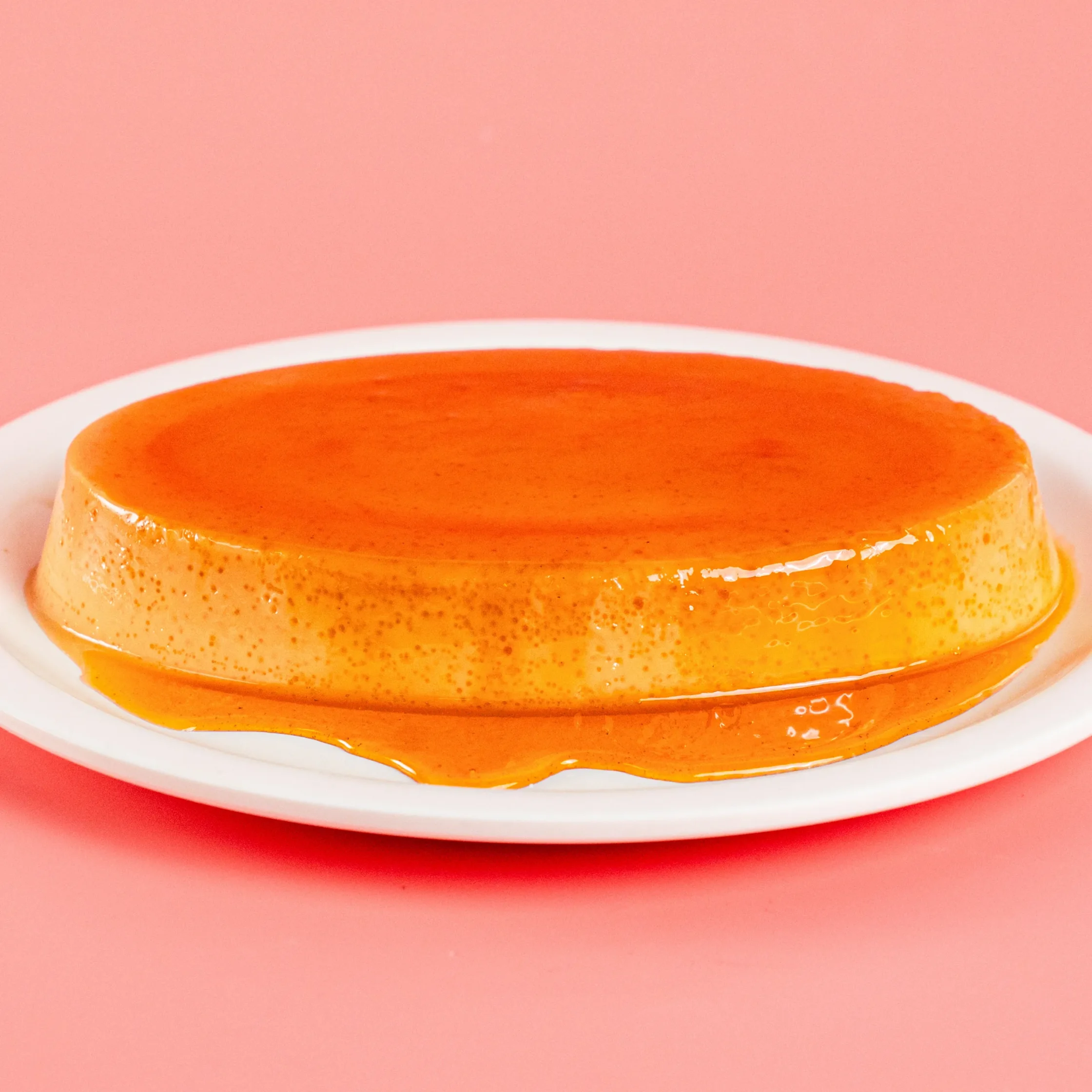
Leche flan is primarily an indulgent dessert, but its ingredients do provide some nutrients.
- Protein: Egg yolks and milk contain protein, which helps support the maintenance and repair of body tissues.
- Calcium: Evaporated milk and condensed milk provide calcium, a mineral needed for healthy bones and teeth.
- Vitamin B12: Dairy products and egg yolks contribute vitamin B12, which supports normal nerve function and red blood cell formation.
- Vitamin A: Egg yolks and dairy ingredients provide some vitamin A, which supports vision and immune function.
- Energy: The combination of milk, egg yolks, and sugar supplies energy.
However, leche flan also contains considerable sugar and is relatively rich in calories and fat, particularly saturated fat. Its healthfulness depends on portion size and the overall dietary pattern.
Ways to enjoy leche flan more mindfully
- Serve smaller slices rather than very large portions.
- Enjoy it occasionally as part of a balanced diet.
- Avoid adding extra sugar to the custard.
- Pair it with fresh fruit if you want a more varied dessert plate.
- If you need to limit added sugar, saturated fat, or overall energy intake, consider a modified recipe and remember that substitutions can change the final texture.
Leche flan can be enjoyed as part of a balanced lifestyle, but it should not be considered a medicine or a food that provides special health benefits beyond its ordinary nutrients.
How to Store Leche Flan Properly
Because leche flan contains eggs and dairy, proper storage is important for both quality and food safety.
Refrigerator storage
Keep the flan covered in its mold or transfer it to a clean, airtight container. Store at 4°C (40°F) or below. As a practical guideline, consume it within 3–4 days for best quality and safety.
Room-temperature handling
Do not leave leche flan unrefrigerated for more than two hours, or one hour when the temperature is above 32°C (90°F). In hot Philippine weather, use an insulated cooler with sufficient ice packs during transport.
Freezer storage
Freezing is possible, but it may change the custard’s texture and make it watery or grainy after thawing. For best quality, refrigerating and consuming it within a few days is preferable. If frozen, seal it well and thaw in the refrigerator.
Additional storage reminders
- Refrigerate the flan promptly after cooking and cooling briefly.
- Keep it covered to prevent the absorption of odors from other foods.
- Use clean utensils when serving.
- Do not return a serving spoon that has touched someone’s mouth to the storage container.
- Label containers with the preparation date, especially when making several batches.
- Discard the flan if it has been kept too warm for too long or if you suspect improper storage. Do not rely on smell or appearance alone to determine whether it is safe.
Final Words About Leche Flan
Leche flan is more than just a sweet dessert. It is a comforting part of Filipino food culture that brings families together and adds a special touch to celebrations. Its creamy custard, rich egg-yolk flavor, and golden caramel topping make it a timeless favorite that continues to be enjoyed by generations.
The secret to making excellent leche flan is not complicated. Use good-quality ingredients, mix gently, strain the custard, cook it slowly, and give it enough time to chill. Even small details, such as carefully preparing the caramel and avoiding excessive heat, can make a noticeable difference in the final result.
Whether you are preparing leche flan for your family, bringing it to a gathering, or planning to sell homemade desserts, this recipe is a wonderful starting point. Do not worry if your first batch is not perfect. With practice, you will learn how to achieve the smooth texture, balanced sweetness, and beautiful caramel finish that make this dessert so special.
Ultimately, the best leche flan is one made with care and shared with people you love. Every slice offers a little sweetness, a touch of tradition, and a reminder that some of the most memorable dishes are the simplest ones.
Happy cooking, and enjoy your homemade Filipino leche flan!