

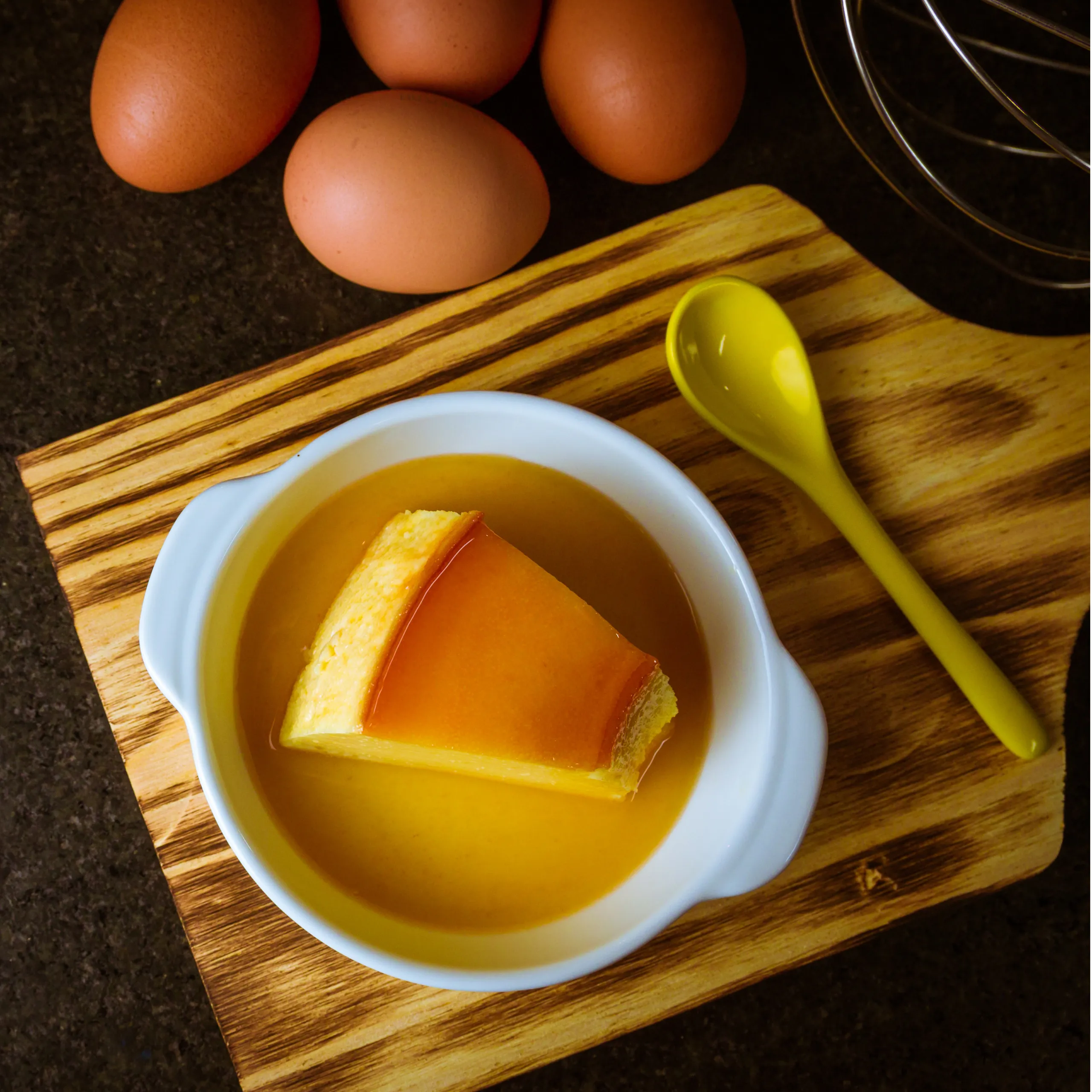
When done right, it’s silky and creamy, with a sweetness that’s undeniably addictive. But when done not-so-right, it can come out more firm than smooth, more spongy than soft, less rich than it should be, and full of bubbles.
You deserve decadent, melt-in-your-mouth, bubble-free leche flan. So here’s a list of things to watch out for the next time you plan on making it.
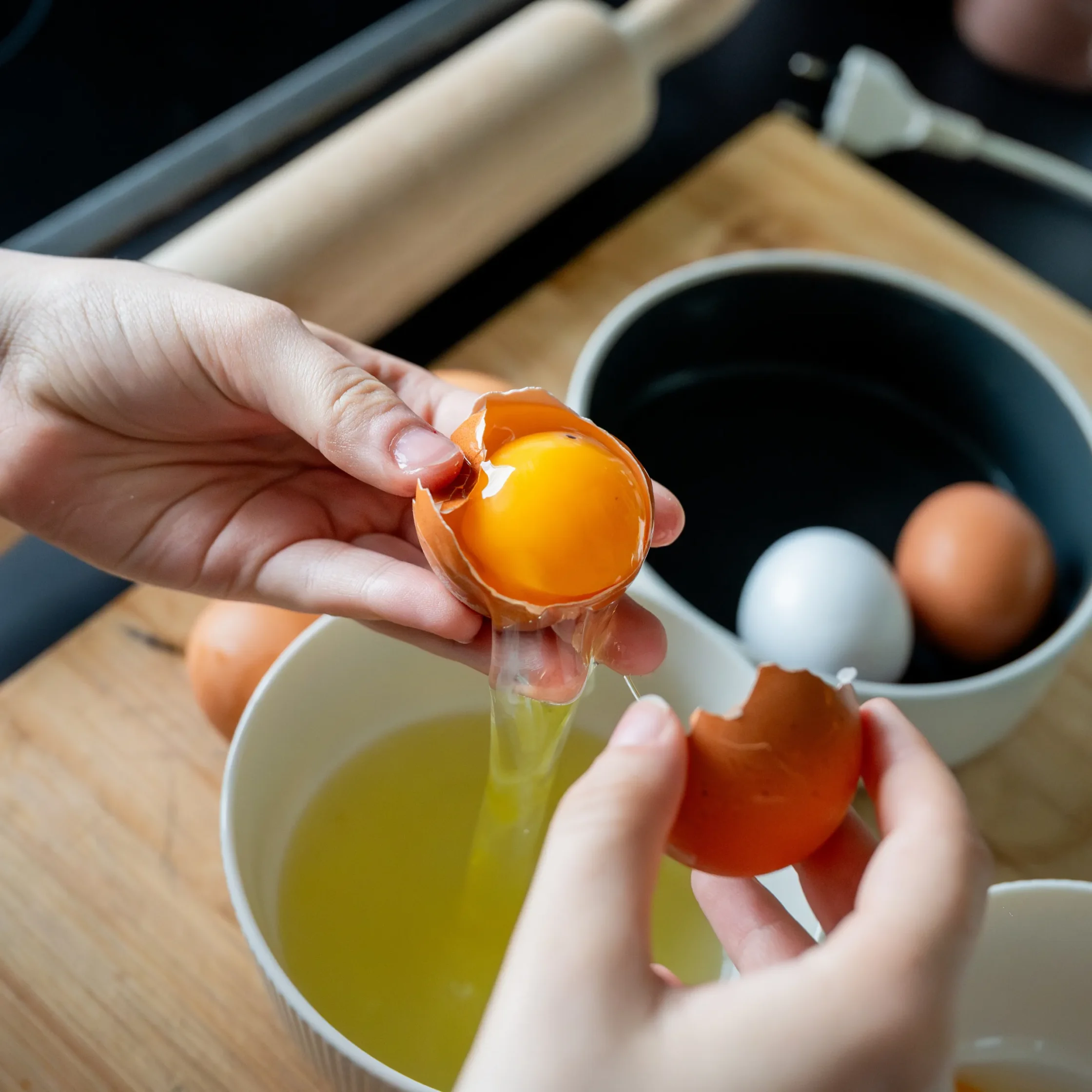
Be Thorough About Separating the Egg Yolks from the Egg Whites
Every time you crack an egg, you have to completely separate the egg yolks from the egg whites. Because of their high protein content, even small amounts of egg whites in your mixture can ruin the texture of your leche flan as it will make it firm and rubbery.
Setting aside your egg whites shouldn’t mean throwing them away as there are many ways you can still use them, from a meringue to an egg white omelet. Some choose to eat it as part of their diet as they are high in protein without adding any more calories.
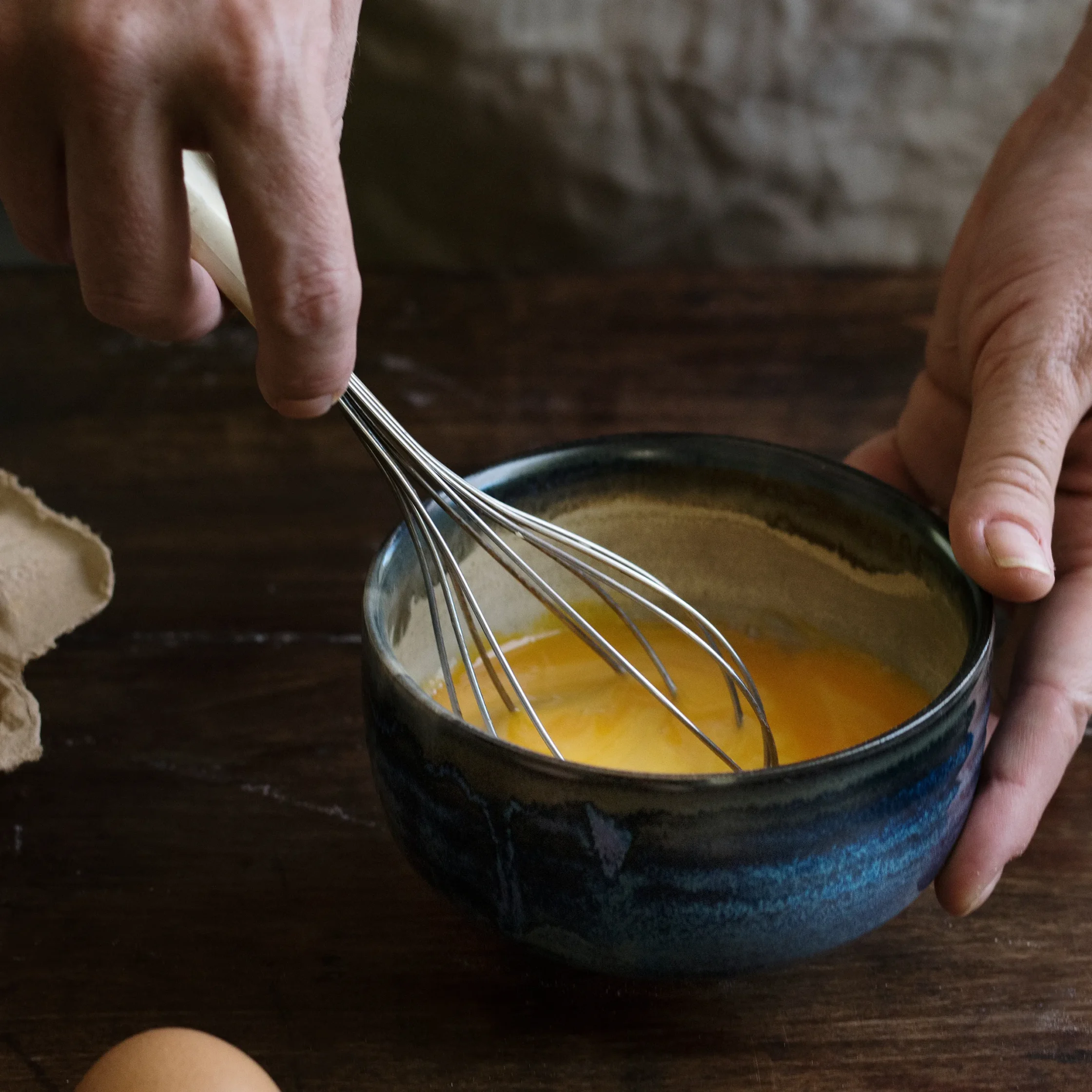
Mix Slowly
The next mistake you could be making is mixing your egg yolks the same way you would if you were making an omelet. Over-mixing is a guaranteed way to create bubbles into your final product.
Whether you’re breaking your egg yolks or incorporating other ingredients like condensed milk, evaporated milk, or vanilla extract, just make sure you are mixing slowly, steadily, and just enough to combine everything together.
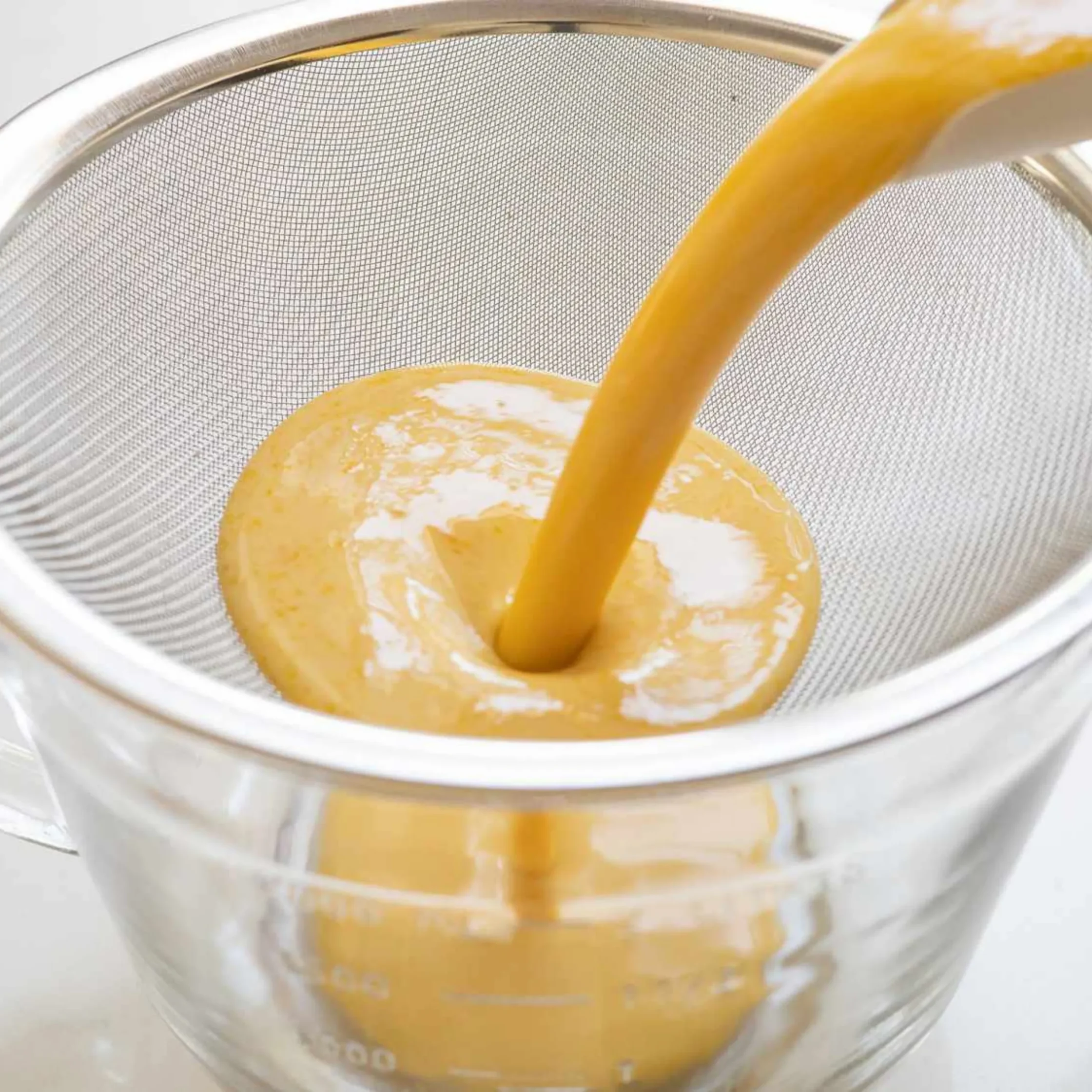
Pour the Mixture Through a Strainer Twice
After mixing everything together, the next crucial step is to strain your mixture. Doing this ensures that you’ve removed any egg solids, enhancing the creaminess and perfecting the soft and smooth consistency you’re trying to achieve.
It is best to strain it two to three times, the last time being you pouring the mixture directly into your llanera or whatever container you are going to use to steam it in. When doing this, keep the strainer as close to the llanera as possible, or else new bubbles will form.
Tap It Against the Counter
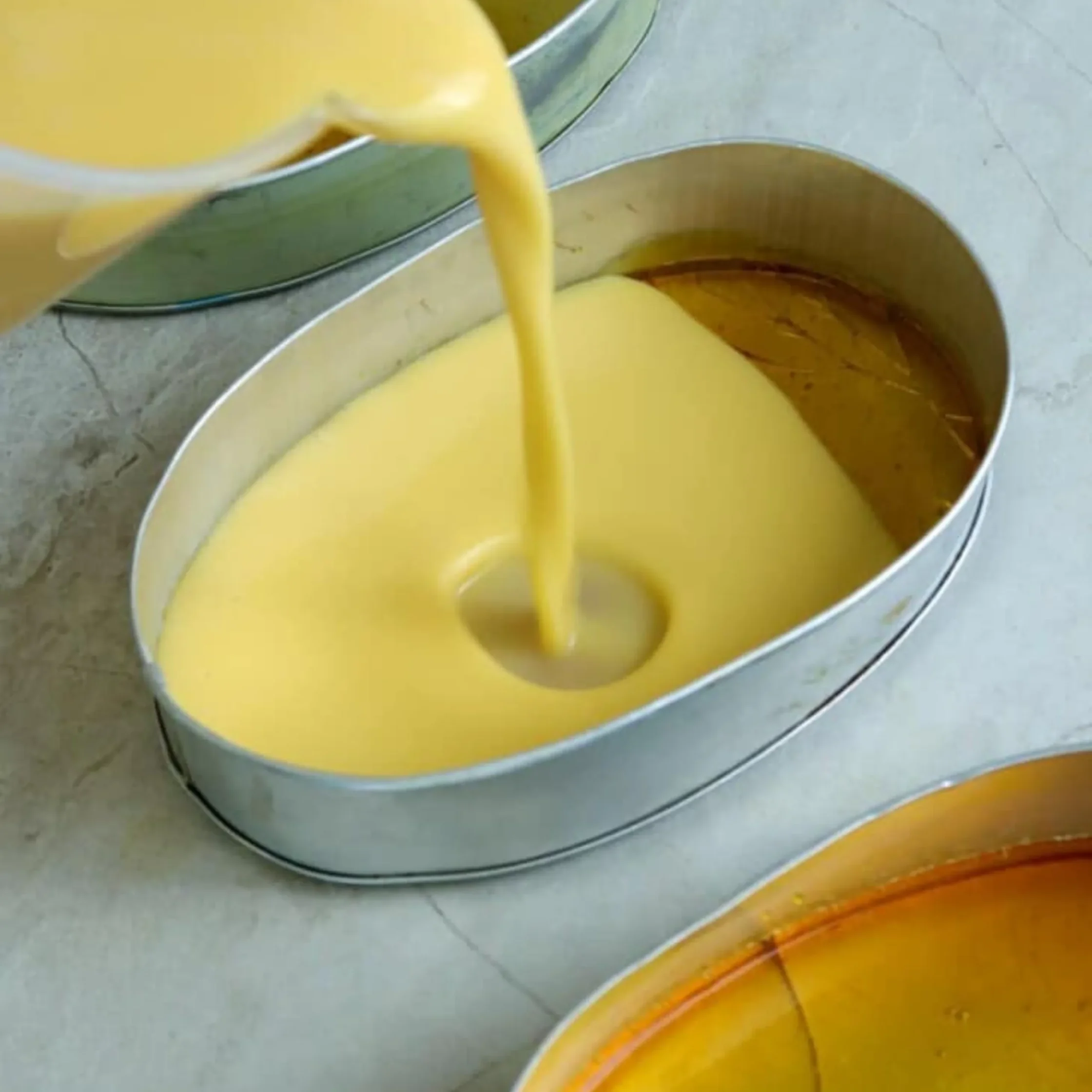
There is one last thing you need to do before you can steam your mixture. After pouring it into the llanera lined with the caramelized sugar, don’t forget to tap the bottom or gently lift and drop it onto your counter a few times.
This serves as your last chance to get rid of any remaining bubbles either from how you mixed it or how you poured it from earlier.
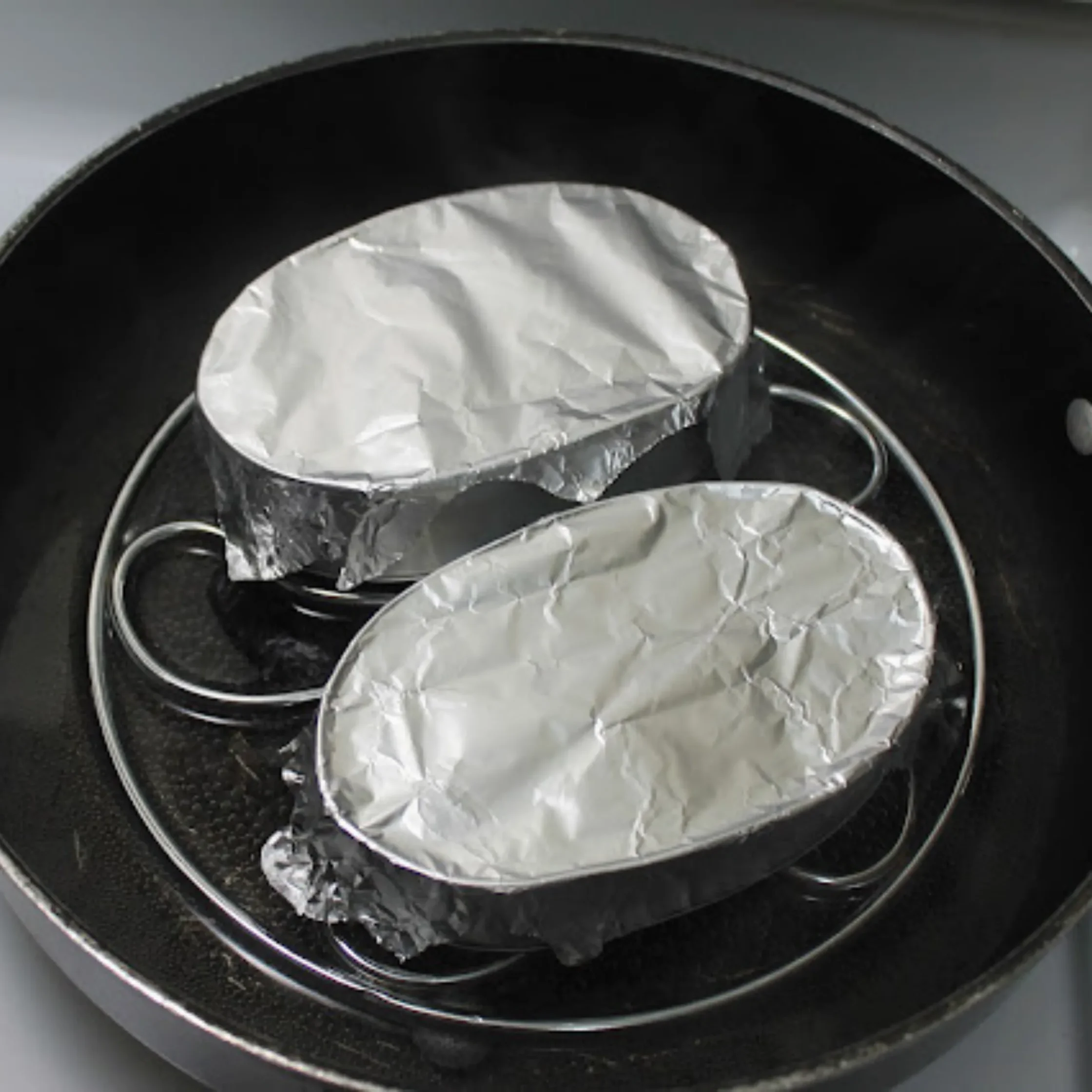
Steam on Low Heat
All of the work you’ve done at this point will be ruined if you steam on too high of a heat. Steaming on a consistently low heat for around 60 minutes will ensure the texture sets perfectly, achieving that silky and soft texture.
Don’t Serve Immediately
After steaming, it’s best to let your leche flan cool down to room temperature first before placing them inside your refrigerator to cool down even more. You can leave it for as little as two hours and as long as overnight.
Letting your leche flan chill before serving allows it to set properly and prevent any cracks from forming.
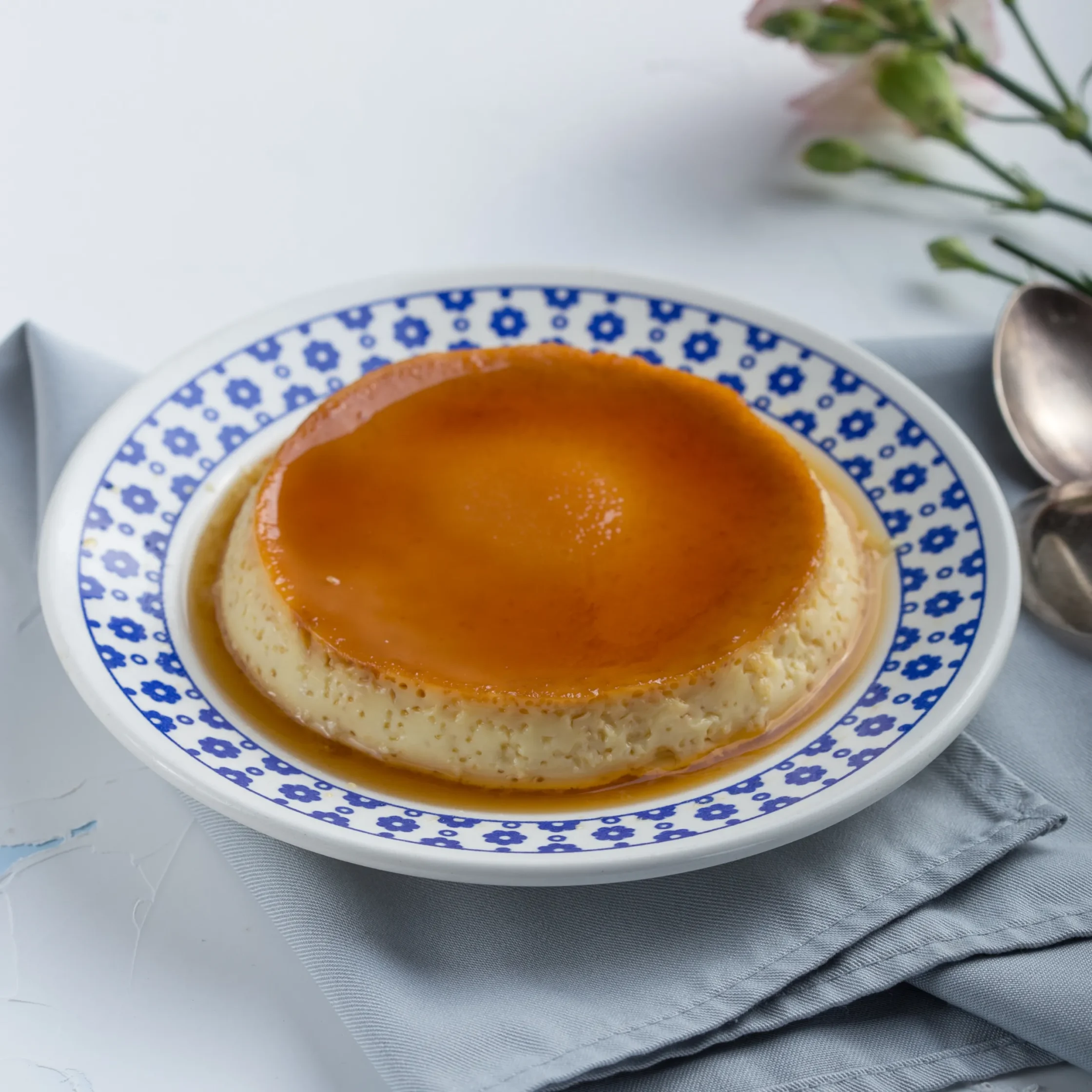
In my eyes, leche flan will always be a special treat. The way my spoon cuts right through it so effortlessly, the clean cut of the golden yellow to golden brown of the custard, it’s almost nostalgic.
We never had it often in my family, but whenever we did, it wouldn’t survive a few days until it’s completely devoured. I’ve only ever associated it with good flavors and good memories. By following these simple steps, you, too, can share these kinds of sweet memories with others.

Frequently Asked Questions
The quantity will depend on how many batches you are making. But the general ingredients for making leche flan are egg yolks, condensed milk, evaporated milk, vanilla extract, sugar (for the caramel topping), a squeeze of lemon, lime, or calamansi, and an optional pinch of salt.
There are many reasons why there are bubbles at the top of your leche flan, including over-stirring, not using a strainer, and steaming on high heat.
While there are recipes wherein the egg whites are not separated, it is recommended that you exclusively use egg yolks to get that smooth and silky texture. The protein in egg whites can make your leche flan firm and rubbery.