



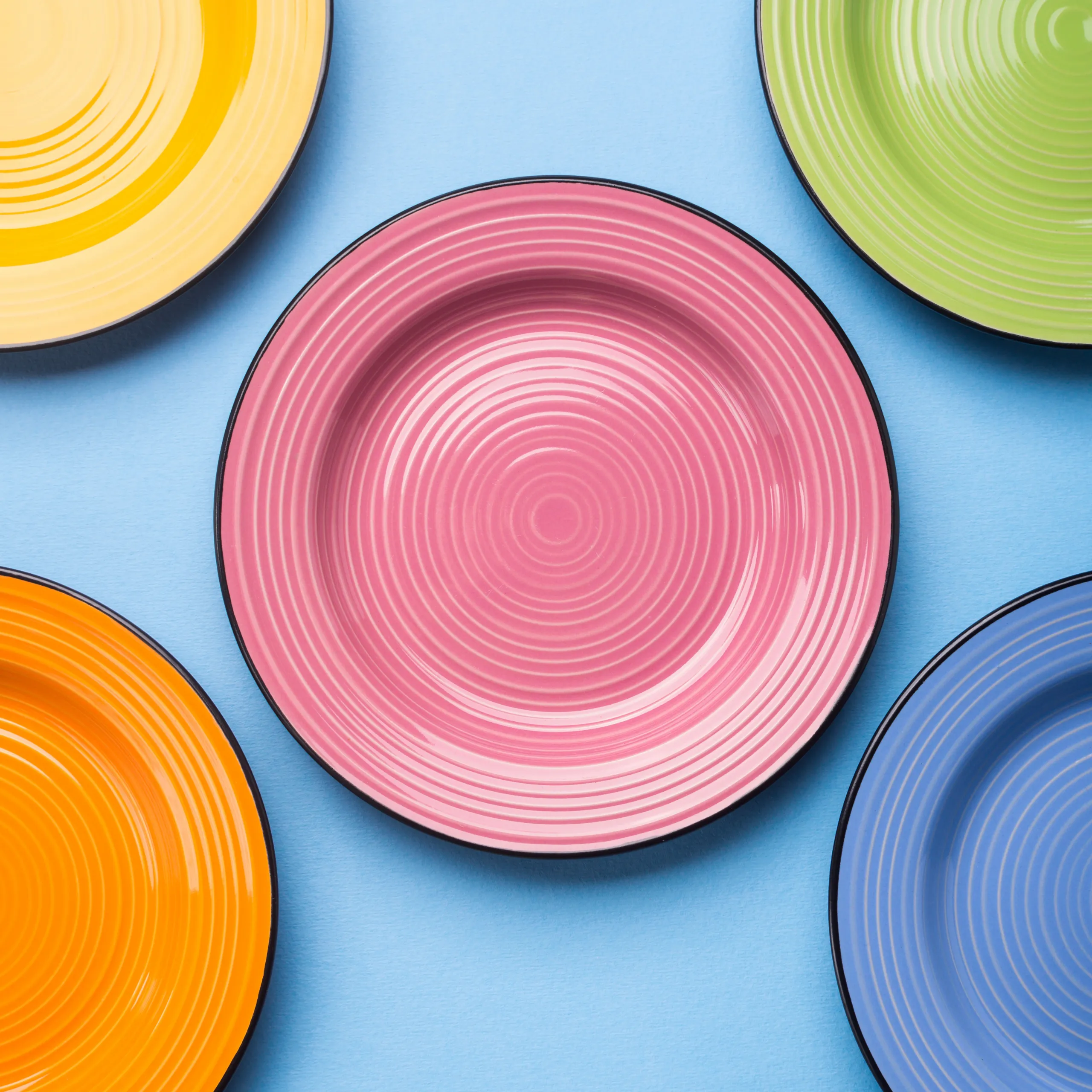
Here’s the thing: having different types of plates isn’t just to be fancy schmancy. Using a specific plate makes you appreciate the flavors of every dish, as well as control the portions of your starters, main courses, and desserts to make room for each course to shine.
So, if you’re hosting your next get-together or planning an intimate dinner for two at your place, don’t let your worries about setting your table stack up! Impress your guests or your date by thoughtfully matching each plate with every dish. Here’s a quick guide on the types of dining plates:
Bread and Butter Plate
Measuring at about five to six inches, the bread and butter plate usually sits on top of the stack that you see in table settings. It’s reserved for your filling starter, and you can have this ready if you’re serving those buttery dinner rolls on your occasion.
Salad or Dessert Plate
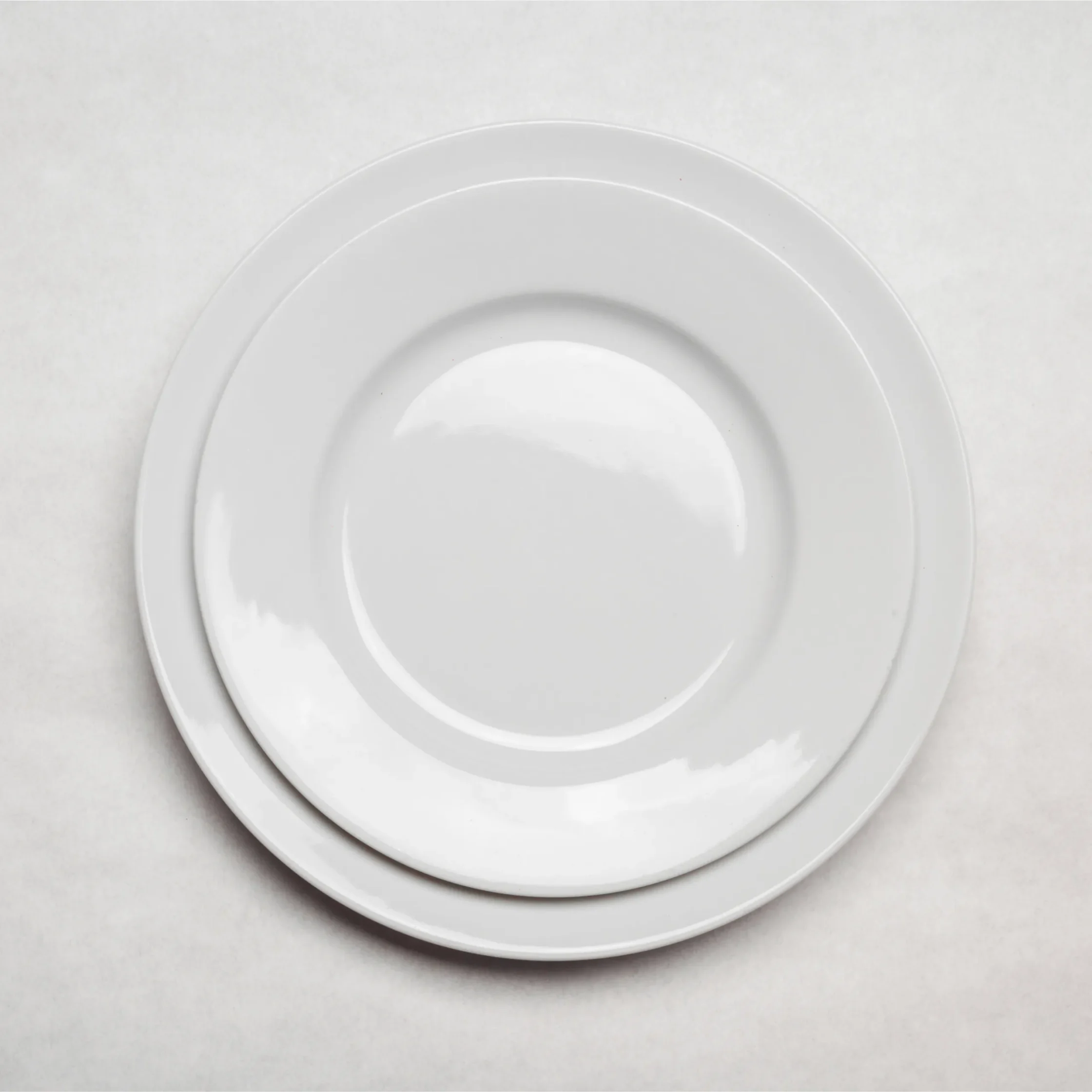
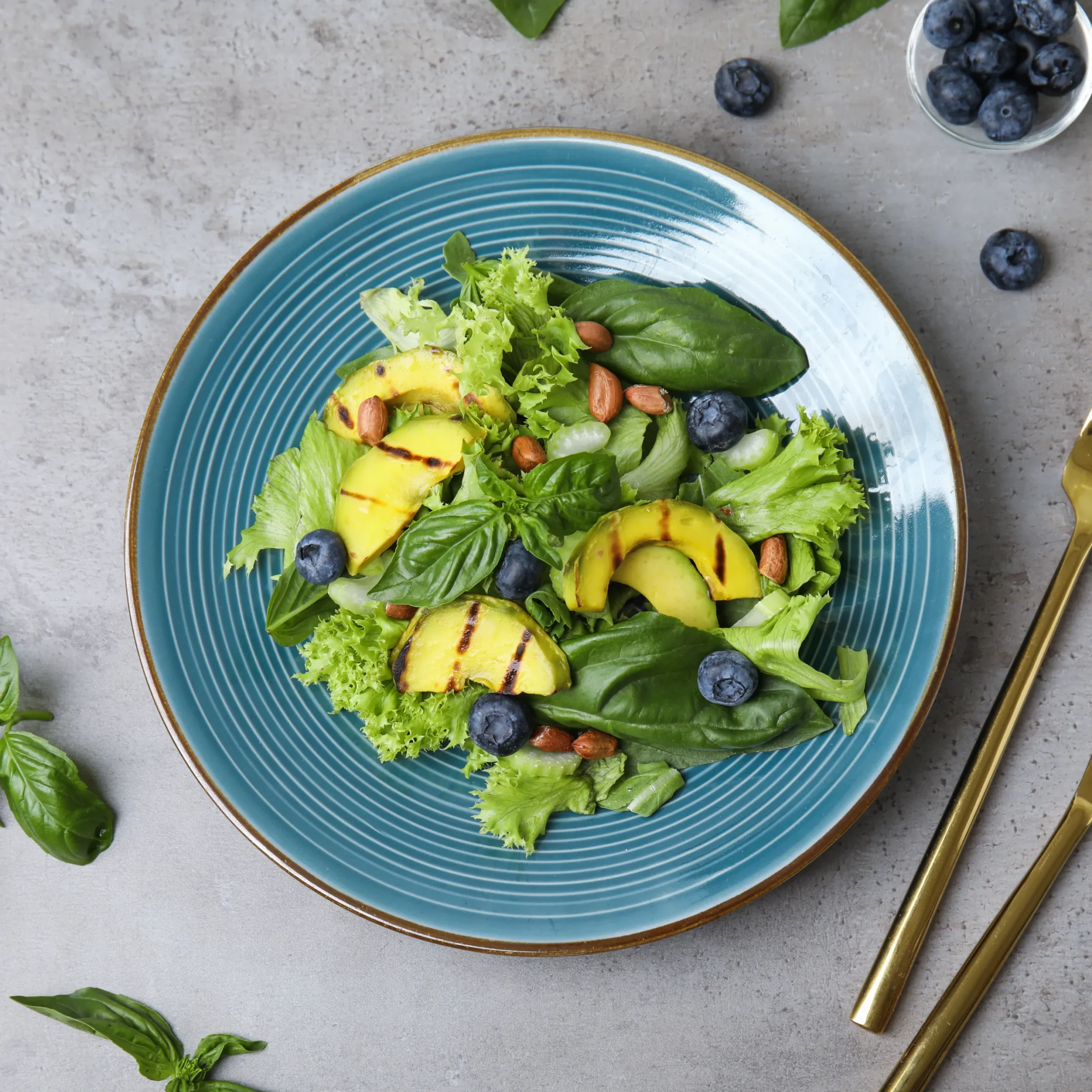
While it’s probably not a good idea to switch up the order of serving your salad and dessert, the plates assigned for these courses are both seven to eight inches in diameter. It’s just the right size for a hearty serving of your greens, and later on a few slices of cakes and pieces of tarts and sweet pastries.
Soup Bowl
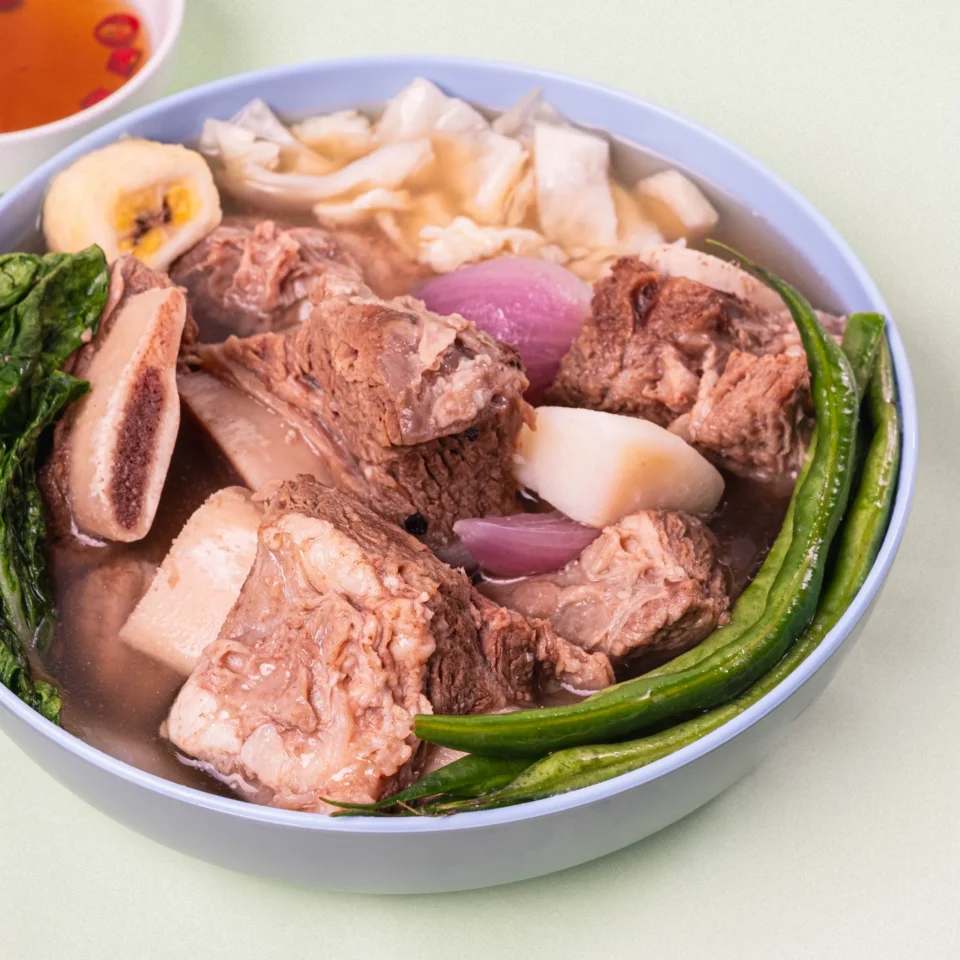
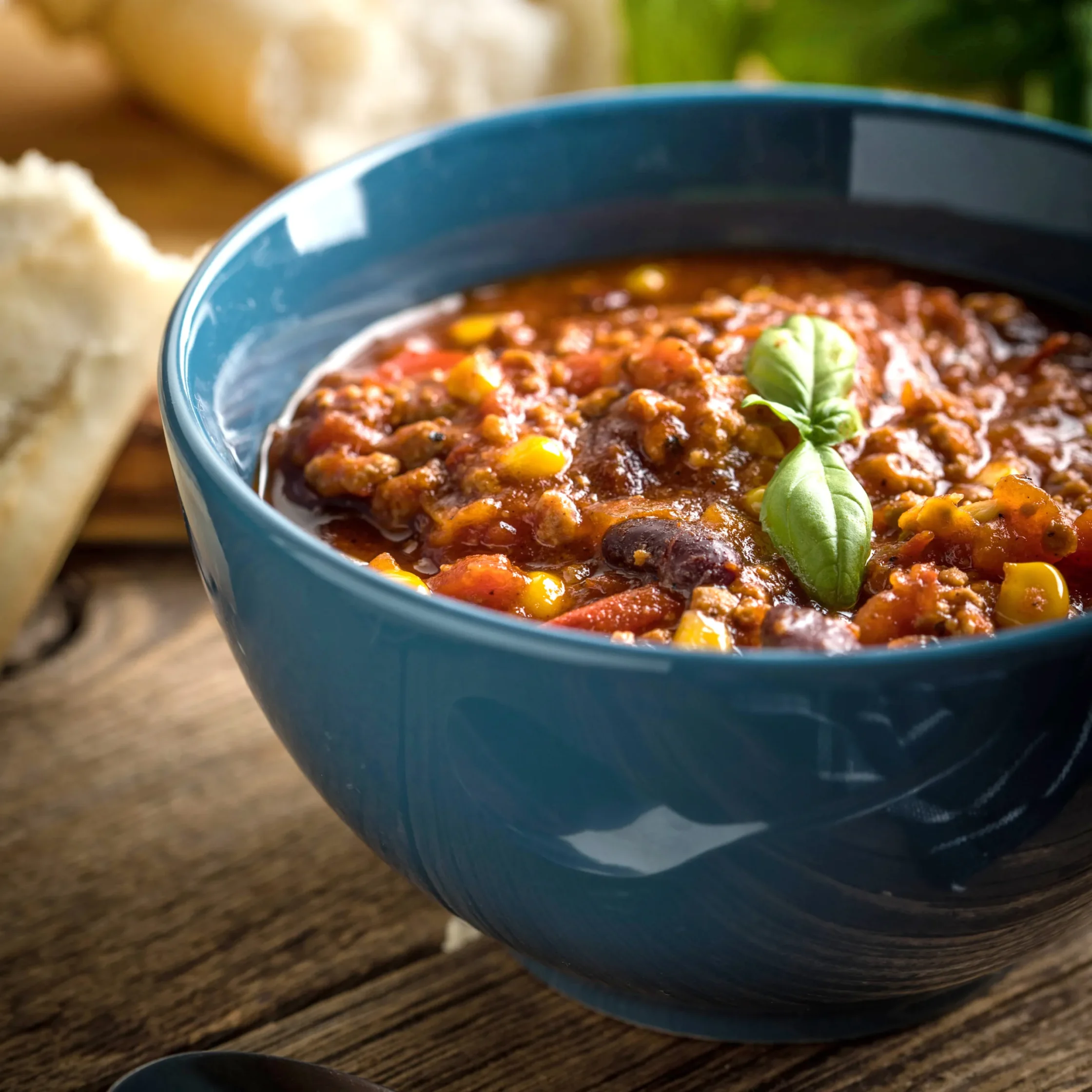
For the warmer counterpart of your refreshing starters, you’d definitely need a bowl for the savory soups. Their shape can vary, ranging from smaller yet more hollow bowls such as your miso soup bowls, or larger ones that look like a hybrid between a bowl and a plate called “blate.” You’d usually see your mushroom or pumpkin soups served in this type of bowl-plate hybrid.
Coupe Plate
If you’re serving stews or saucier dishes, the coupe plate’s there at your service. Still flat like your plate but with edges slightly curving upward, it’s meant for your pasta dishes as well.
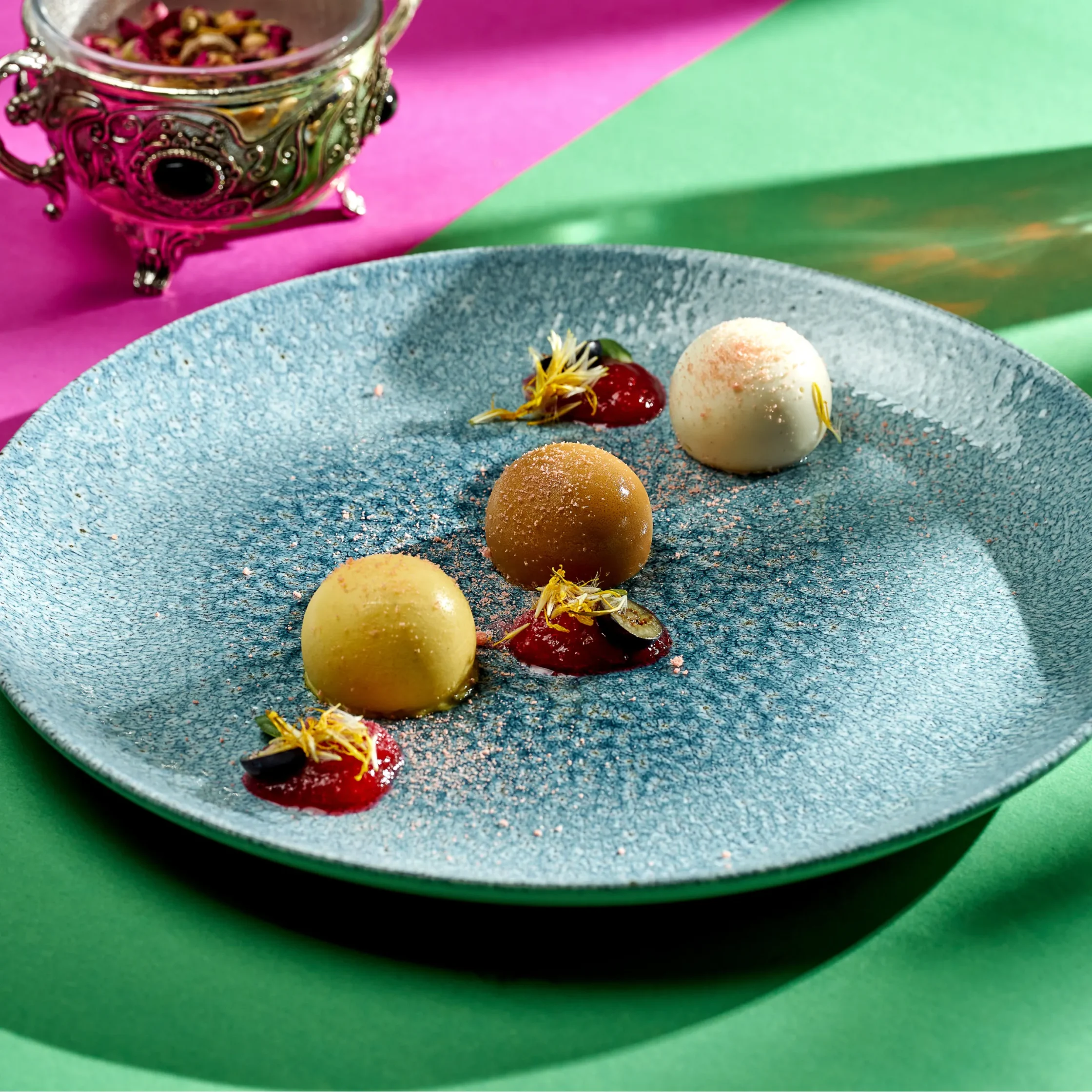
Dining or Dinner Plate
Considered as the star of the plate show, the dining plate measures from 10 to 12 inches and is usually found at the bottom layer of your plate stack. It’s definitely spacious enough for your hearty main courses and the sides that may come with them, too.
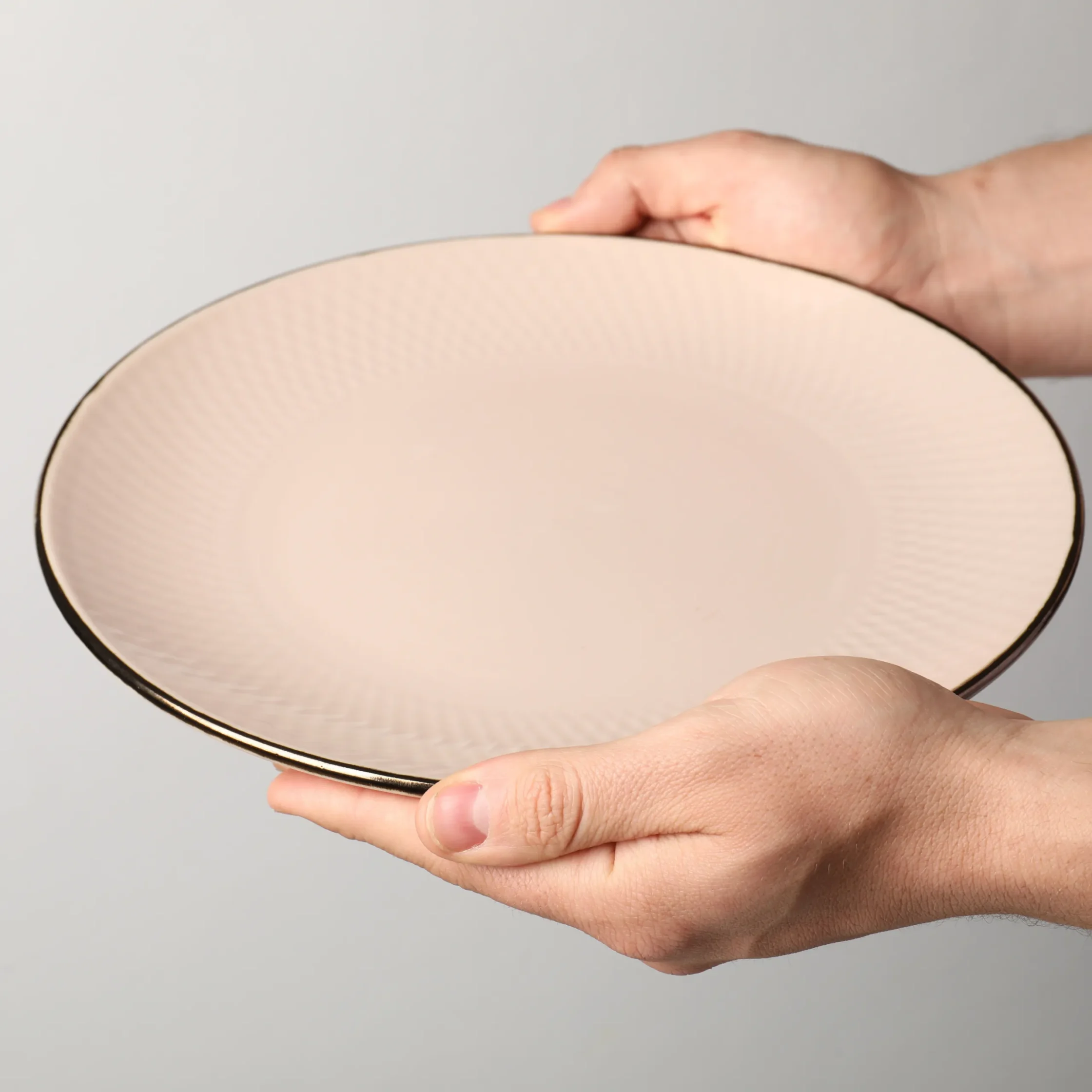
Plate Charger
Technically, no food should touch your plate chargers, but they can actually protect your table cloth from any stains in case some of your bites do not land in your mouth. They add more pizzazz and style to your table settings, too!
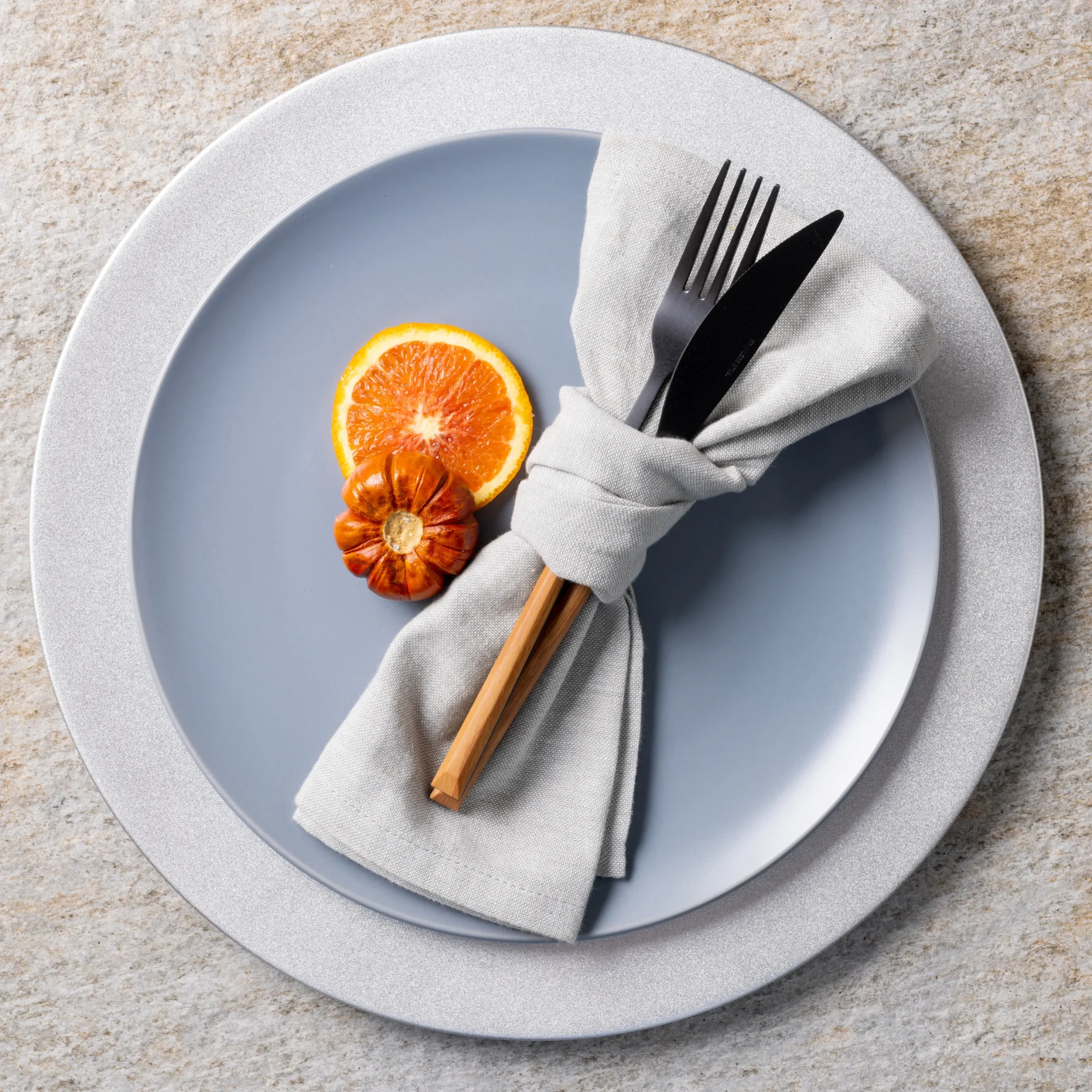
Now you know about plates, ever wonder about how we started using spoons and forks? Learn about the history of flatware here!

Frequently Asked Questions
The most common types of dining plates include bread and butter plates, salad plates, dessert plates, soup bowls, coupe plates, dinner plates, and plate chargers. Each is designed for a specific course or dining purpose.
A dinner plate is used for the main course. It typically measures 10 to 12 inches in diameter and provides enough space for proteins, vegetables, grains, and side dishes.
Salad plates and dessert plates are often the same size, usually around 7 to 8 inches. The difference lies in when they’re used—salad plates are for appetizers or salads, while dessert plates are reserved for sweets served after the main meal.
A bread and butter plate is a small plate, usually 5 to 6 inches wide, used for serving bread, rolls, butter, and other small starters before the main meal.
A coupe plate is a plate with gently curved edges instead of a pronounced rim. It’s commonly used for pasta, risotto, stews, and dishes with sauces because it helps contain liquids while maintaining an elegant presentation.
Soup bowls are designed to hold liquids comfortably and retain heat better than flat plates. Some modern versions, known as “blates” (bowl-plate hybrids), are ideal for creamy soups, stews, and saucy dishes.
A plate charger is a decorative base plate placed underneath dinnerware during formal meals. It adds visual appeal to table settings and helps protect tablecloths from spills, but food is generally not served directly on it.
Not necessarily. While formal dining often uses different plates for each course, casual meals can be served using just a few versatile plate types. Having dedicated plates simply helps with presentation, portioning, and enhancing the dining experience.