Advertisement

10 Kitchen Tools Every Filipino Home Cook Should Own

From heavy-duty kawali and kaldero to a trusty chef’s knife and sandok, owning these 10 everyday kitchen tools will help you prep bold flavors and cook family favorites at home.

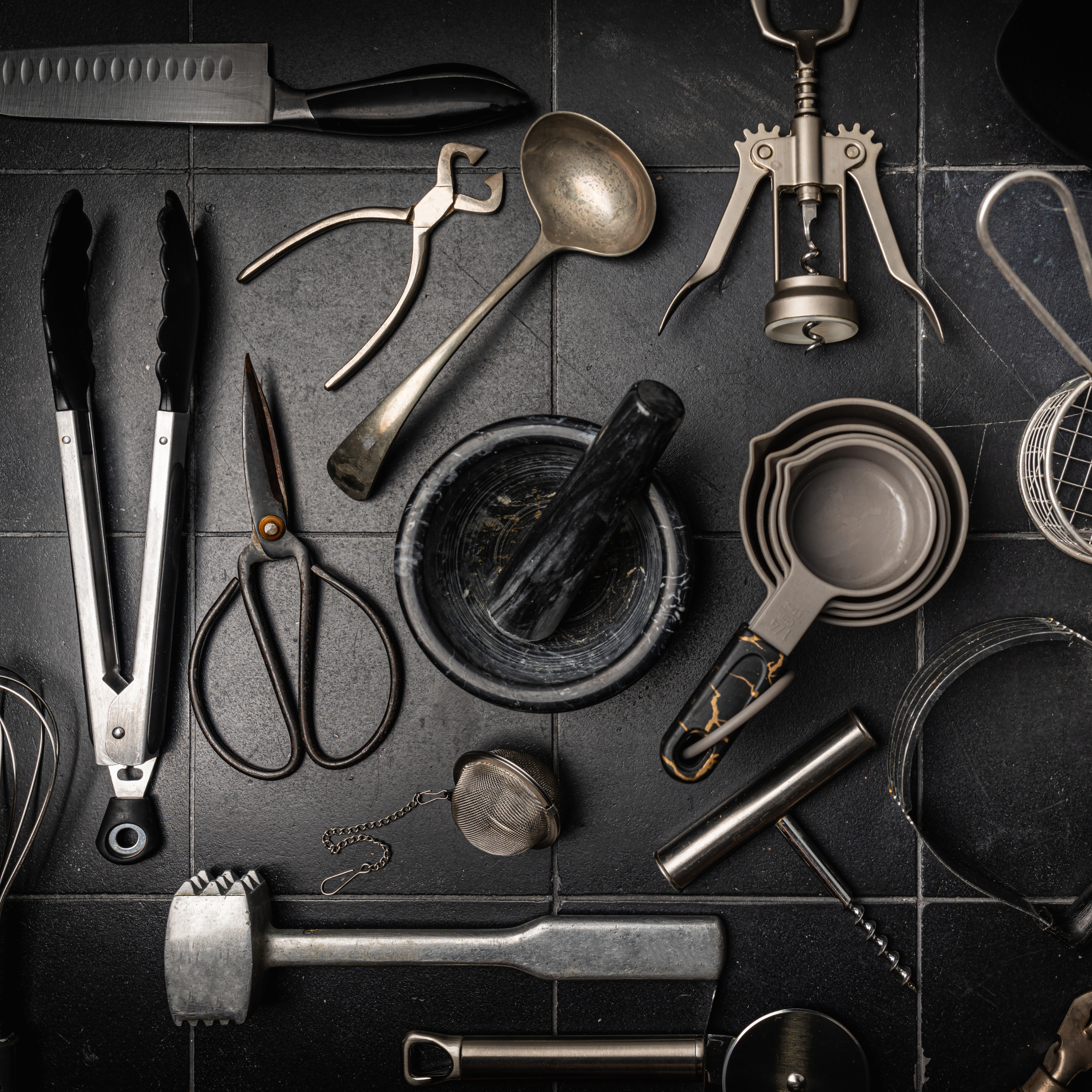
Overhead still life of vintage kitchen tools—tongs, scissors, ladle, corkscrew, mortar and pestle, measuring cups, and a meat tenderizer—on dark tile, evoking a moody, rustic tone.
Which of these tools gets the most mileage in your kitchen?

A Filipino home cook is only as good as their ingredients and the tools in their kitchen.

Because Filipino cooking relies on bold flavors, high-heat frying, and slow-simmered family meals, having the right gear makes prepping aromatics and cooking daily favorites much easier.

Stocking your kitchen to be able to do such preparations and recipes doesn’t require fancy gadgets, just reliable workhorses built to last.

I’m lucky that I’ve been able to grow up with someone like Ate Julie who is an exceptional cook. I’ve gone from watching her cook to recently accompanying her to the palengke whenever I can. So apart from general research, this article is based on what I’ve seen her use the most when cooking at home. 

In no particular order, here are ten essential tools every Filipino home cook would benefit from having on hand.

1. Knives

A sharp set of knives is the foundation of fast, safe meal prep. 

There are three blades I’ve seen Ate Julie rely on over the years that any home cook would find useful to have in their kitchen.

A sturdy chef’s knife is a classic for a reason, handling everything from slicing meats to dicing vegetables with ease. A small paring knife comes in handy for peeling mangoes, slicing , and tackling delicate tasks that don’t require a full-sized blade. Lastly, a heavy cleaver is essential for chopping right through bone-in chicken, thick pork belly, and tough produce like squash.
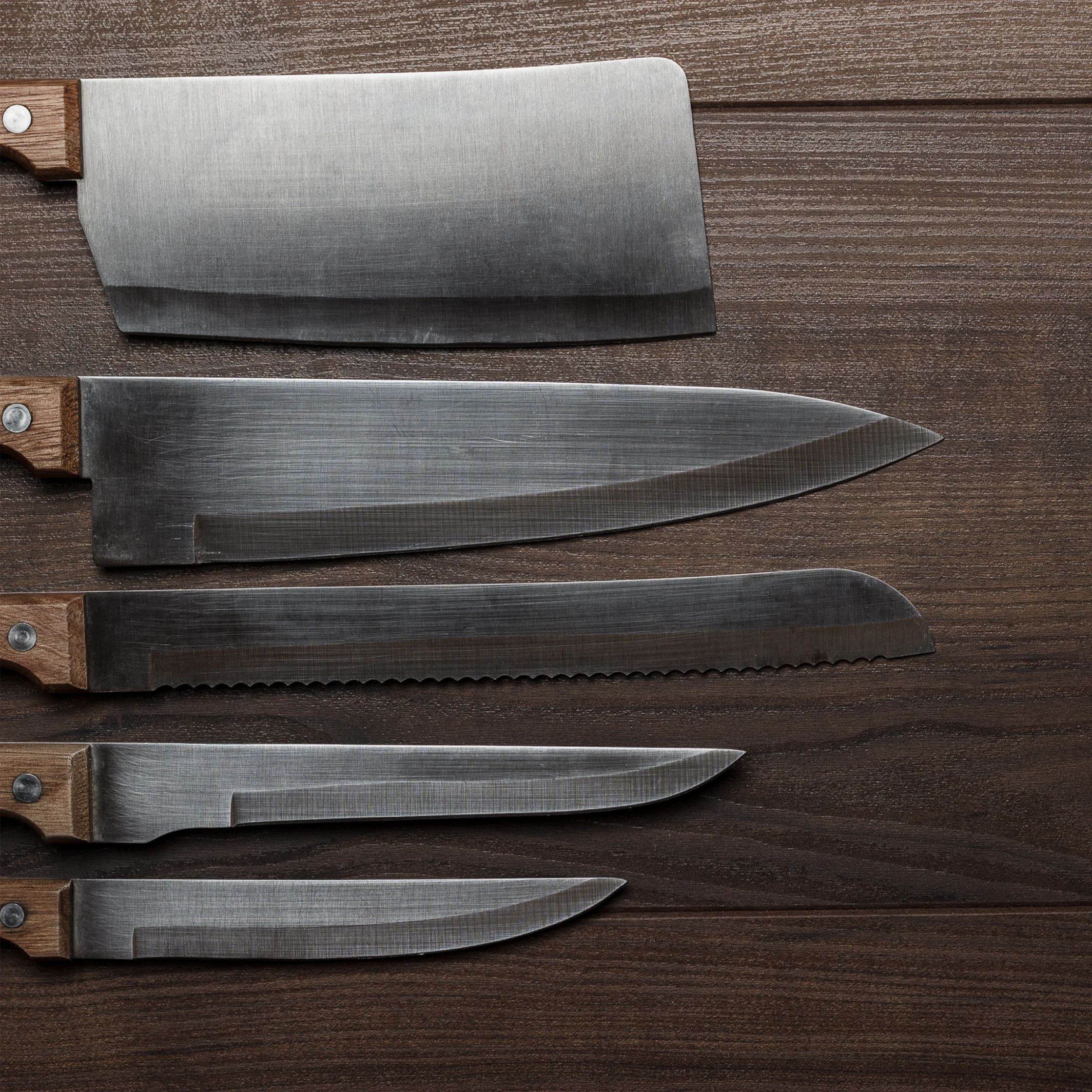
Five stainless-steel kitchen knives with wooden handles lie in a row on dark wood, showcasing varied blade shapes in a calm, rustic display.
The essential kitchen knife trinity: chef’s knife, paring knife, and cleaver.

2. Chopping Board

Using a thick, heavy-duty chopping board protects your countertops and keeps your knife blades sharp. 

Traditional Filipino kitchens have solid hardwood sangkalan, made of the wood from either an acacia or molave tree. The board’s extra weight is so that it prevents it from sliding while you mince garlic or break down poultry.
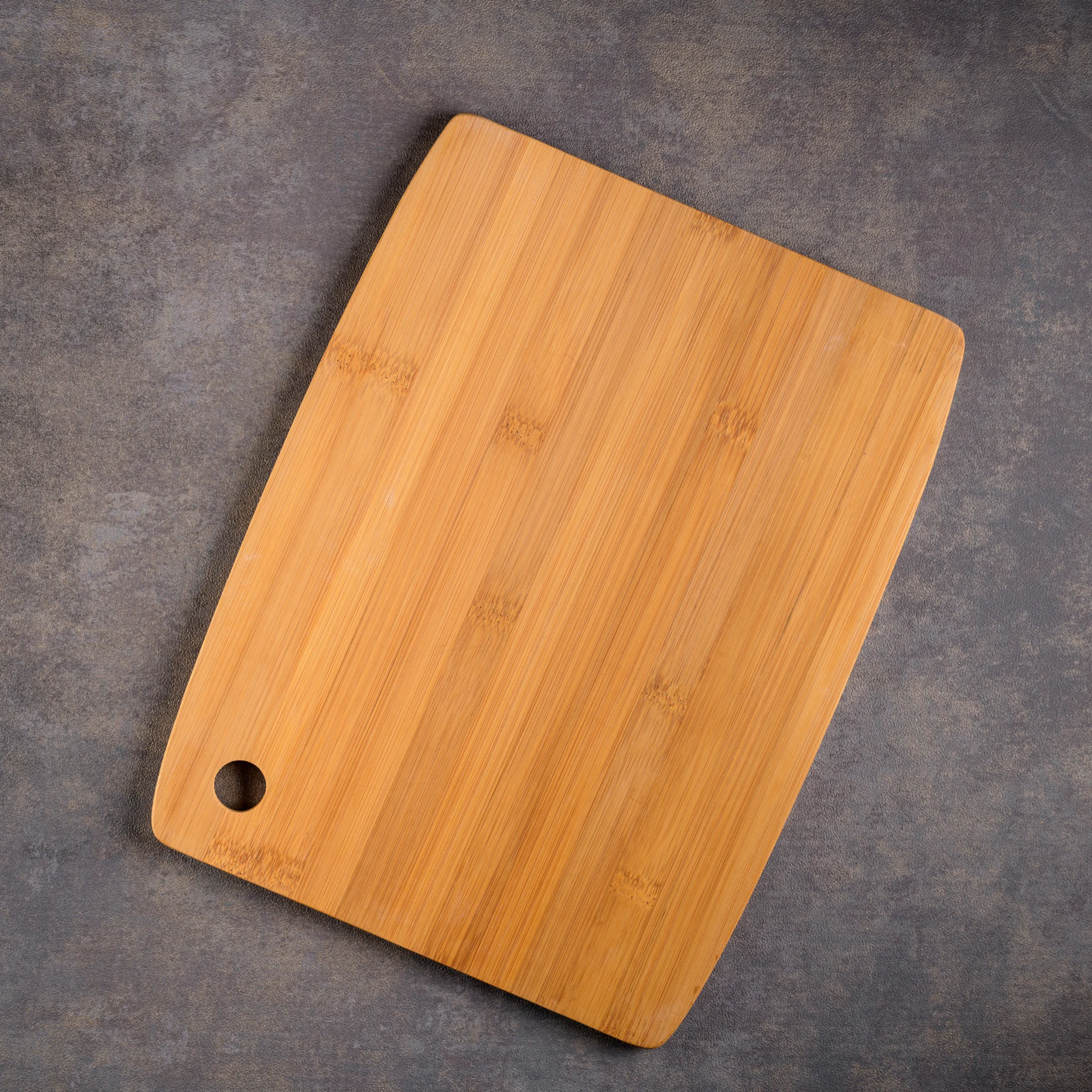
A rectangular bamboo cutting board with rounded corners and a hanging hole lies diagonally on a dark gray stone surface, creating a warm, rustic kitchen feel.
A thick hardwood sangkalan protects countertops and keeps blades sharp.

3. Kitchen Shears

This tool does far more than just slice open stubborn plastic packaging. A strong pair of kitchen shears handles any prep job where using a knife feels awkward.

You can use them to snip whole fried bangus into serving pieces, trim chicken wings, open stubborn seasoning packets, or chop fresh scallions and chili peppers directly over a finished dish.
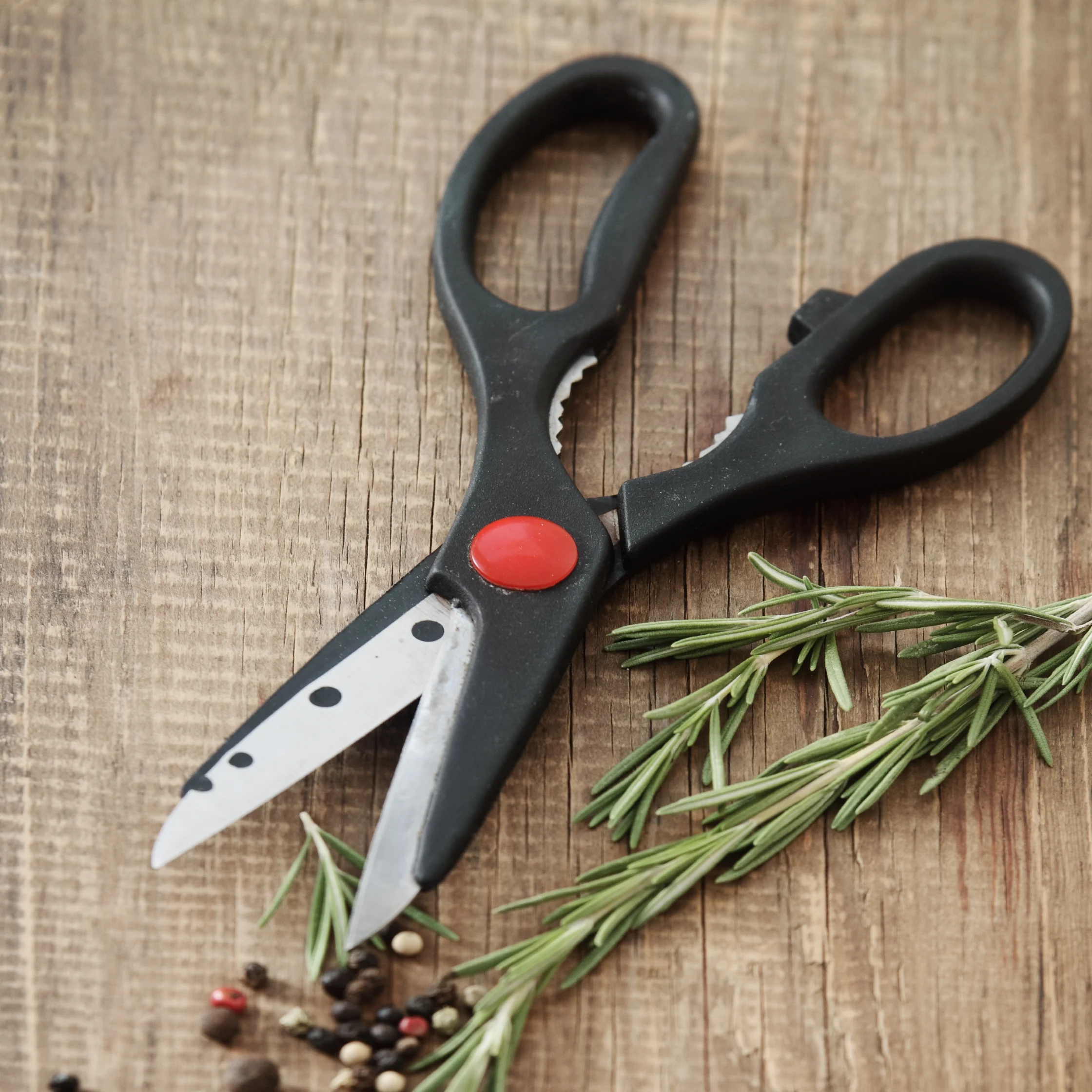
Black kitchen scissors with silver blades lie beside fresh rosemary sprigs and peppercorns on a rustic wooden board, suggesting food preparation.
Versatile kitchen shears for snipping bangus, poultry, and garnishes.

4. Mortar and Pestle

Nothing beats an almires or dikdikan for unlocking the bold flavor from fresh aromatics. 

When it comes to crushing garlic cloves, whole black peppercorns, or toasted peanuts, a stone or metal mortar releases far more natural oils and aroma than chopping with a blade ever could.
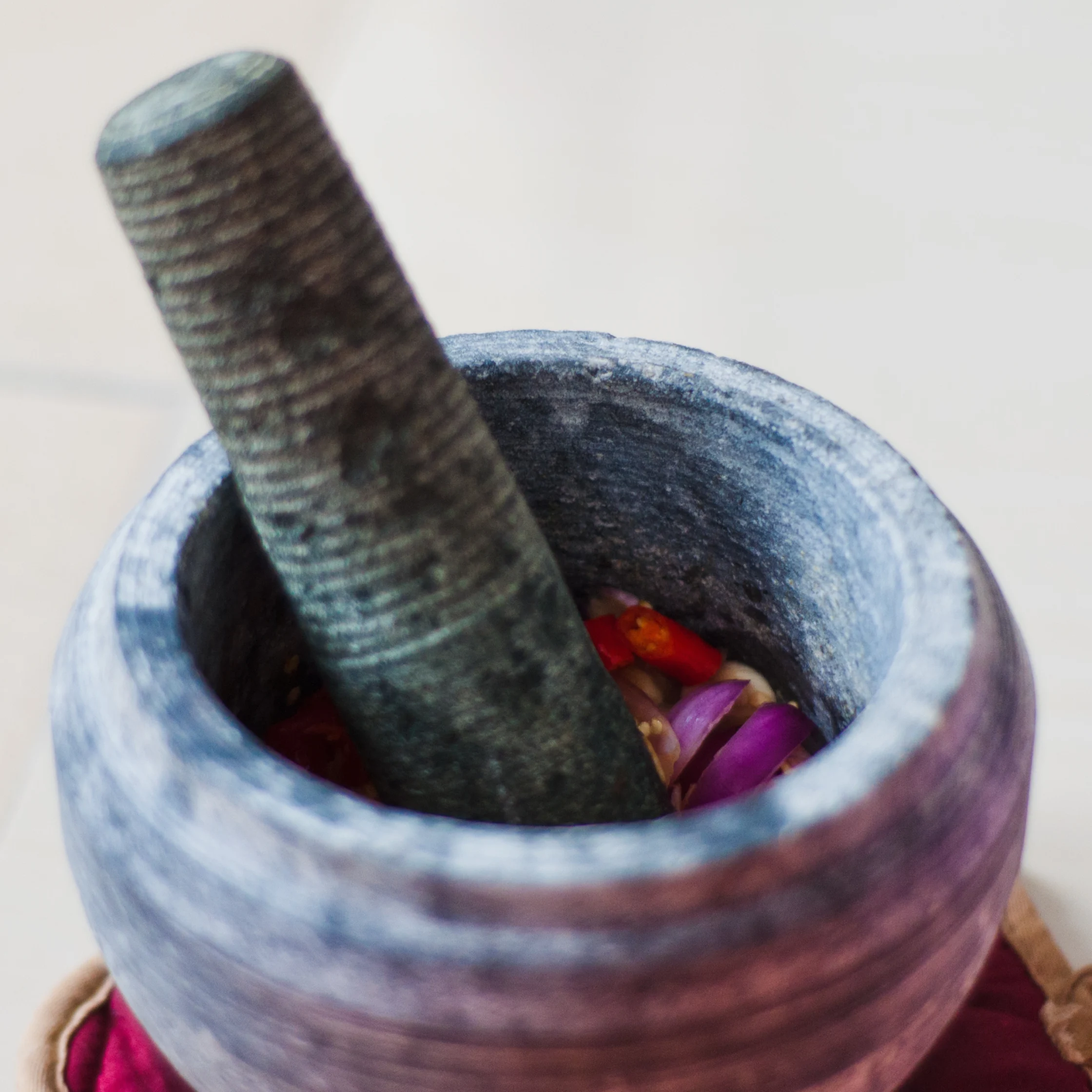
A dark stone pestle rests in a blue-gray mortar with red chilies and purple onion inside, suggesting fresh ingredient preparation in a rustic kitchen.
Crushing aromatics is best with an almires or dikdikan.

5. Kaldero

A thick cast-aluminum or stainless steel kaldero distributes heat evenly without scorching the bottom. With its flat base and tight-fitting lid, it’s the ideal pot for cooking fluffy steamed rice, slow-simmering , or boiling hearty pots of nilaga and bulalo.
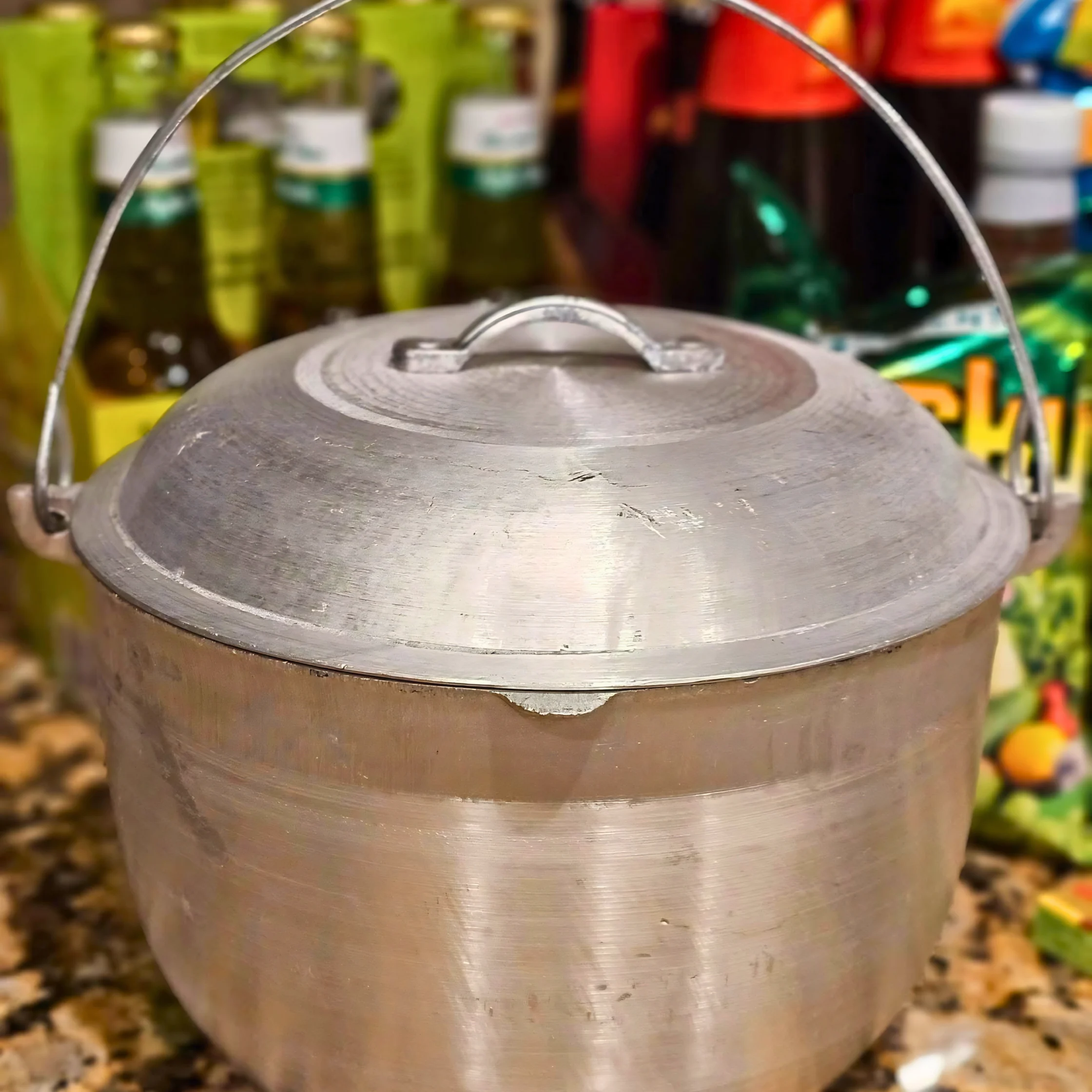
A large, well-used aluminum cooking pot with a domed lid and arched handle sits on a countertop amid colorful bottles and food items.
A heavy-duty kaldero for cooking rice and slow-simmered stews [PHOTO COURTESY OF Cooking Ni Marimar Thalia on Instagram]

6. Kawali

Deep, curved, and built for high heat, the kawali or wok is the undisputed workhorse of Filipino cooking. Its wide bowl and high sides minimize oil splatters when deep-frying , crispy pata, or galunggong, while giving you plenty of room to toss big batches of pancit.
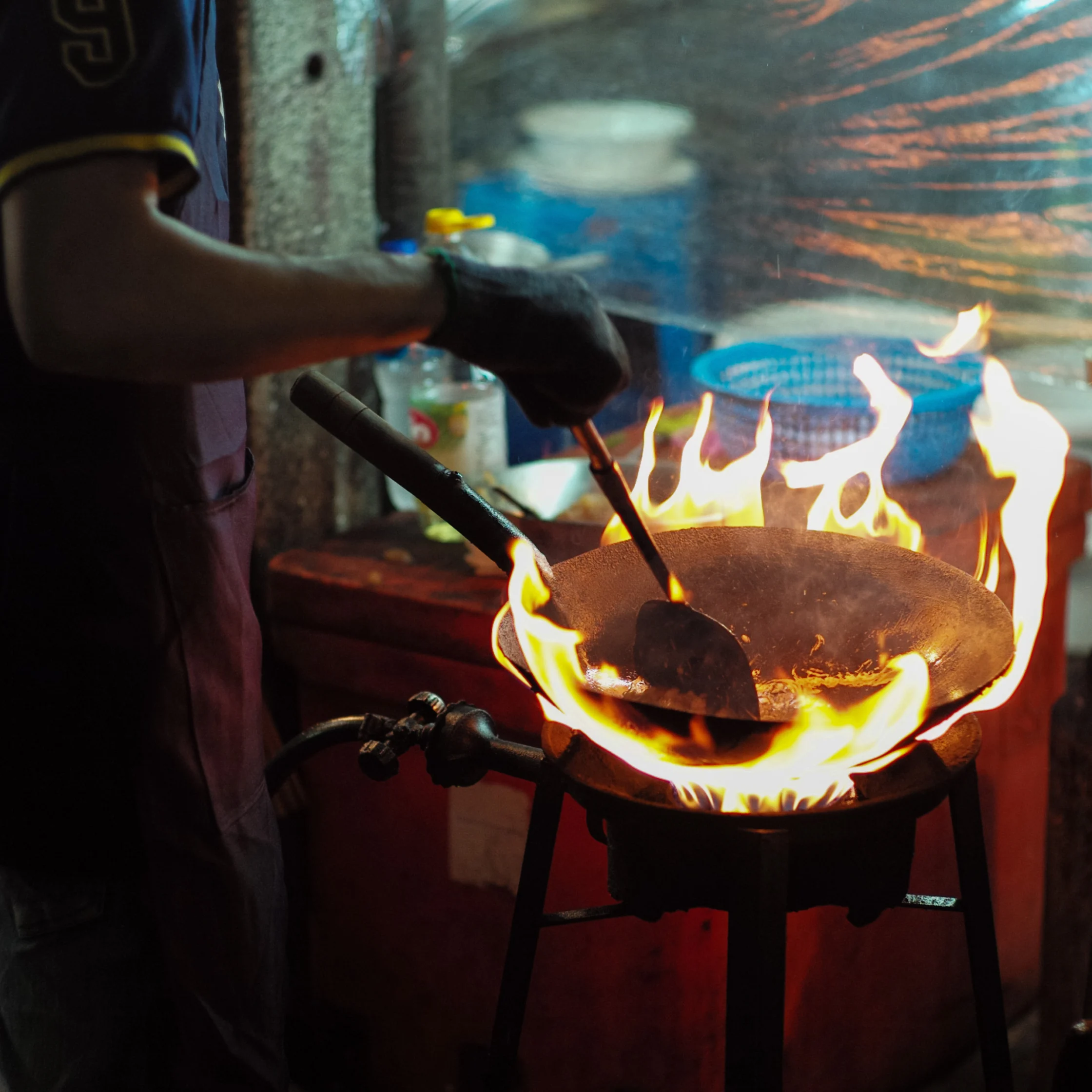
A cook in a dark shirt stirs a wok over roaring flames with a long metal spatula in a dim street-food stall, creating a fiery, intense scene.
Deep, curved kawali built for high-heat Filipino cooking

7. Siyansi 

Paired with your kawali, a wide siyansi gives you the leverage needed to flip whole fried fish or delicate without tearing them apart. Although the traditional ones did not have holes, there are modern variations that do, which allow excess cooking oil to drain right back into the pan as you lift food out.
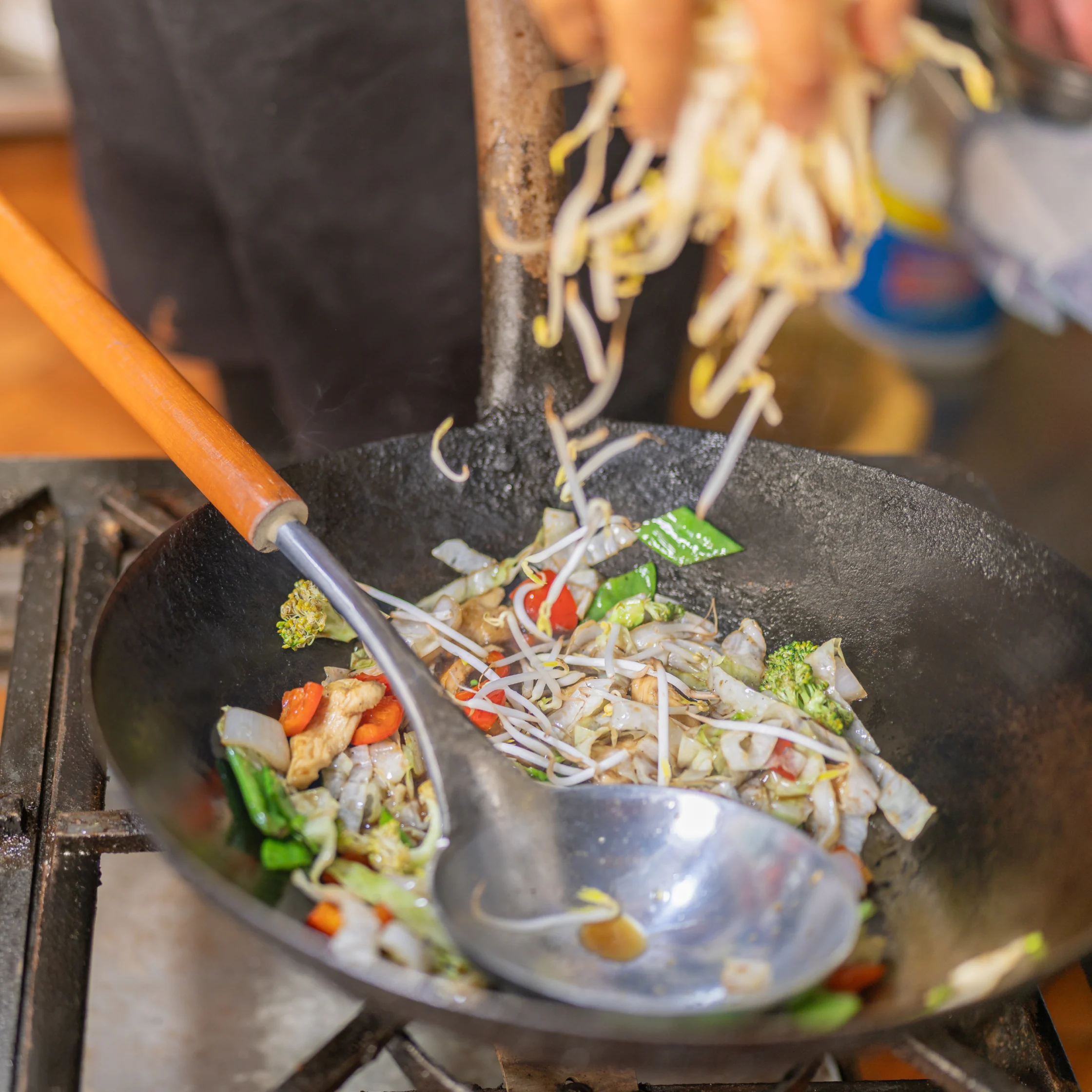
A cook lifts steaming noodles and vegetables from a black wok with a metal spatula, preparing a colorful stir-fry in a busy kitchen.
A wide siyansi for flipping delicate food

8. Sandok

Whether carved from traditional coconut shell, hardwood, or durable stainless steel, a deep sandok is essential for stirring simmering stews without scratching your pots. 

Keep a sturdy sandok nearby for portioning out hot sinigang broth and thick sauces at the table.
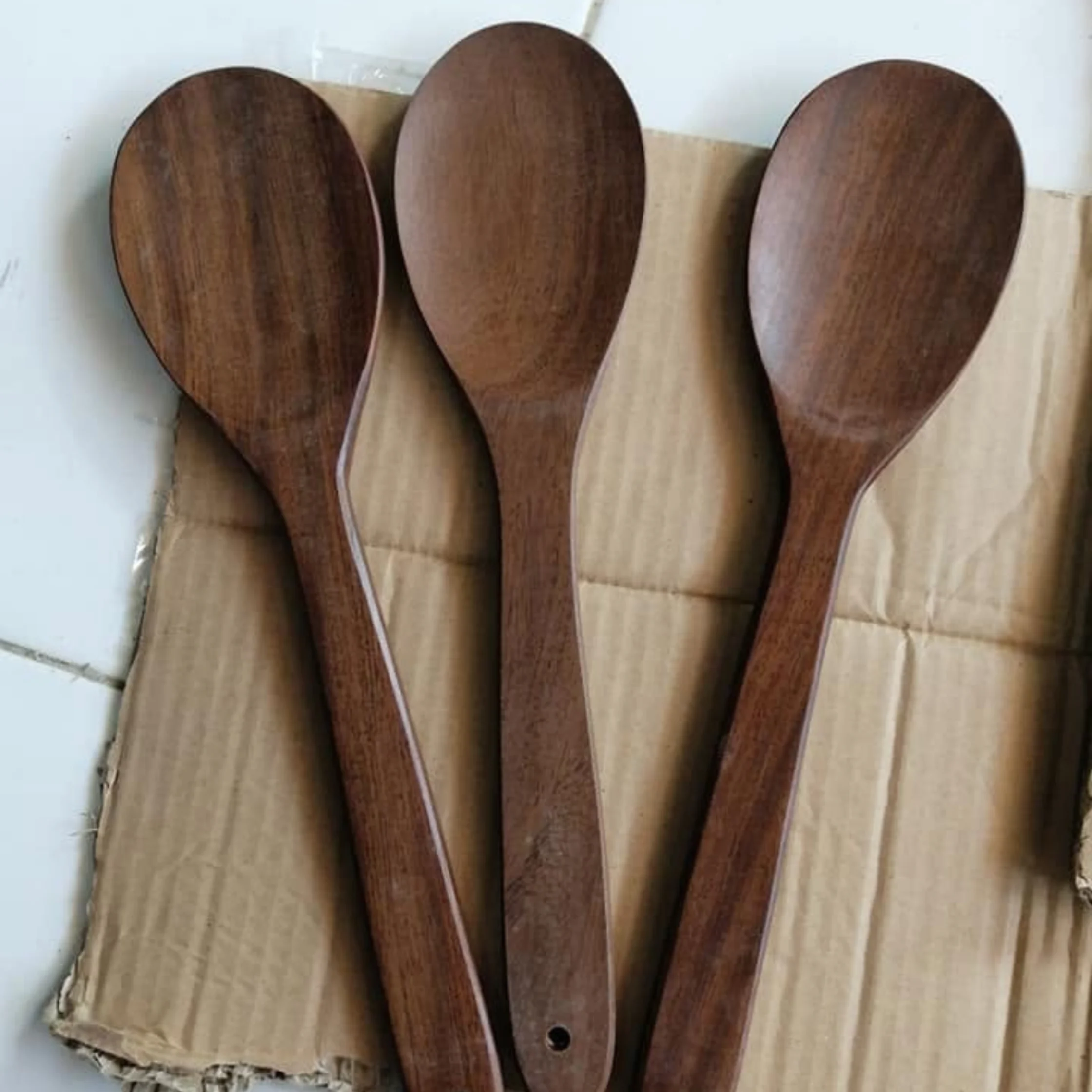
Three polished dark-brown wooden cooking spoons lie side by side on worn cardboard, their smooth grain and broad oval heads conveying simple craftsmanship.
Sturdy sandok for stirring stews and serving soups [PHOTO COURTESY OF ALPHA Wcrafts Trading on Facebook]

9. Tongs

Long-handled tongs act as an extension of your hands, keeping your fingers safely away from spitting oil and hot steam. They make turning strips of liempo, fishing crispy out of the kawali, and plating noodles faster and easier.
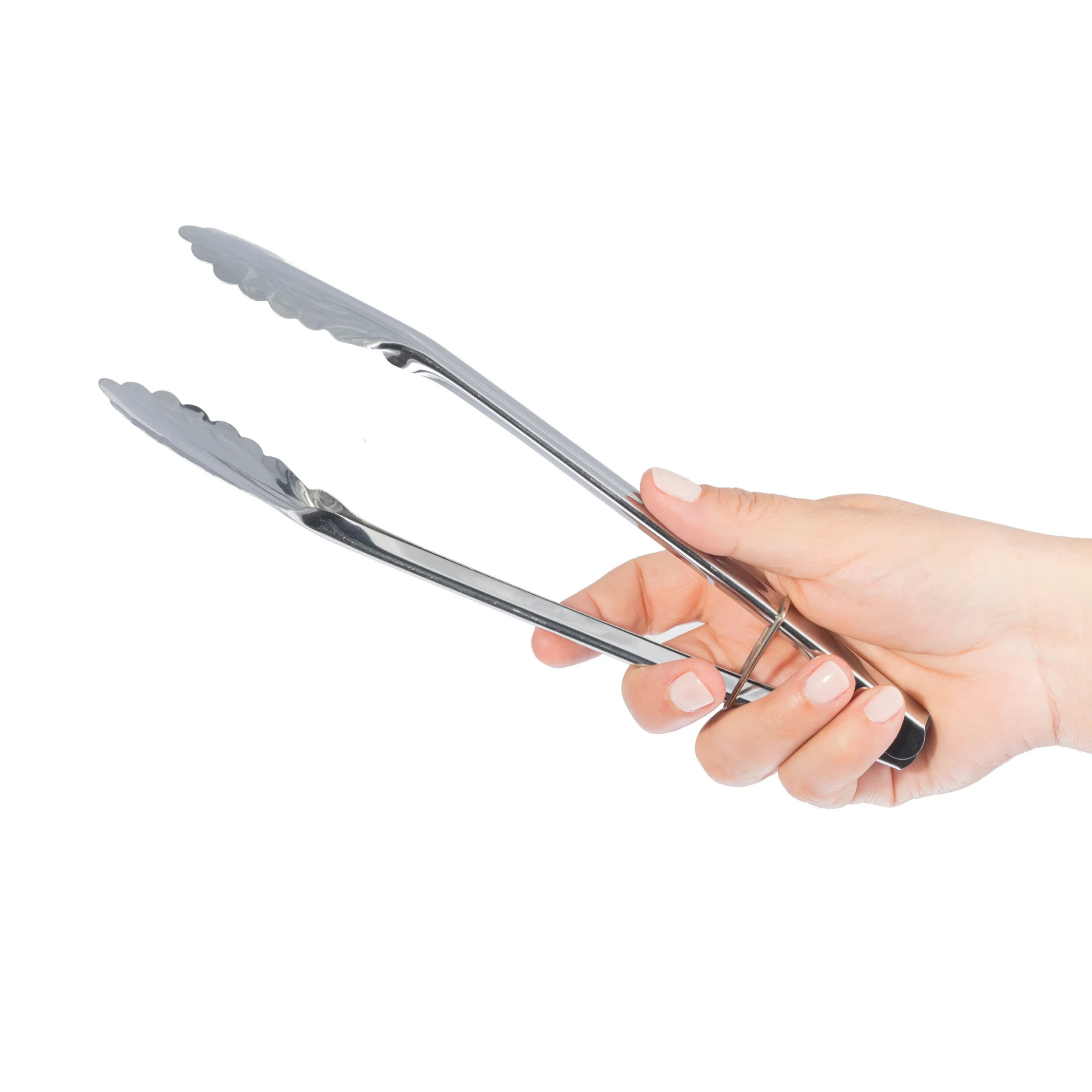
For flipping fried food and noodles

10. Scrap Bin

Filipino cooking generates plenty of organic prep scraps, from onion skins, garlic peels, and rinds to shrimp shells and vegetable trimmings. 

I’ve seen a dedicated scrap bin not just in my own home, but whenever I visit friends’ and relatives’ houses. A Filipino kitchen almost feels incomplete without one. Sometimes it isn’t even kept in the dirty kitchen, but right by the dining room sink so everyone can easily toss chicken bones and other leftovers after eating.
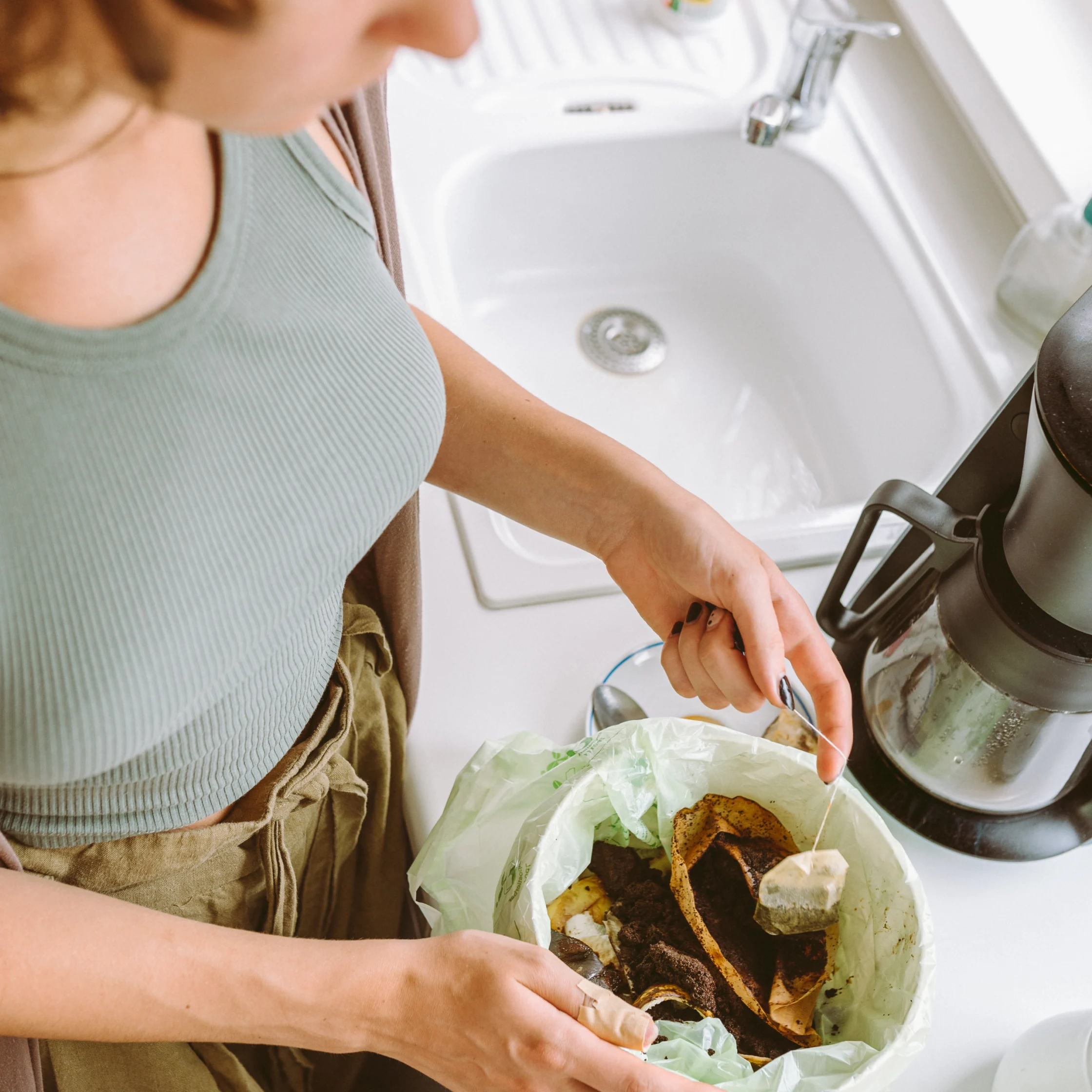
A woman sorts food scraps and a tea bag into a lined kitchen compost pail beside the sink, creating a calm, eco-conscious home scene.
Countertop scrap bin for prep and leftovers

author avatar
Laura Mendoza Writer
Laura admits that she is a slow eater. She prefers to take her time with the food she likes to eat and the stories she wishes to write. Having graduated with a Creative Writing degree, she comes from a background in writing fiction and poetry. Because of this, she has set herself on a creative mission to explore and delve into what other modes and channels exist for stories and narratives to be told, expressed, and shared with others. For Laura, food as a medium is an exciting proposition. Behind every dish, every ingredient, and every cooking technique, there lies a history worth discussing, a human being worth listening to, a lived experience worth gleaning from. As a means to satiate her appetite for learning about and understanding new and known things, she aims to be the kind of food writer who is approachable, reliable, and personable to readers.

Frequently Asked Questions

A kaldero is a heavy-bottomed pot with a flat base and tight-fitting lid used for cooking steamed rice, slow-simmering kare-kare, and boiling soups like nilaga and bulalo.

A kawali or a wok is a deep, curved pan built for high-heat frying and tossing, with high sides that reduce oil splatters for lumpia, crispy pata, and galunggong and plenty of space for large batches of pancit.

author avatar
Laura Mendoza Writer
Laura admits that she is a slow eater. She prefers to take her time with the food she likes to eat and the stories she wishes to write. Having graduated with a Creative Writing degree, she comes from a background in writing fiction and poetry. Because of this, she has set herself on a creative mission to explore and delve into what other modes and channels exist for stories and narratives to be told, expressed, and shared with others. For Laura, food as a medium is an exciting proposition. Behind every dish, every ingredient, and every cooking technique, there lies a history worth discussing, a human being worth listening to, a lived experience worth gleaning from. As a means to satiate her appetite for learning about and understanding new and known things, she aims to be the kind of food writer who is approachable, reliable, and personable to readers.

Crushing garlic cloves, whole black peppercorns, or toasted peanuts in a stone or metal mortar releases more natural oils and aroma than chopping with a blade.

author avatar
Laura Mendoza Writer
Laura admits that she is a slow eater. She prefers to take her time with the food she likes to eat and the stories she wishes to write. Having graduated with a Creative Writing degree, she comes from a background in writing fiction and poetry. Because of this, she has set herself on a creative mission to explore and delve into what other modes and channels exist for stories and narratives to be told, expressed, and shared with others. For Laura, food as a medium is an exciting proposition. Behind every dish, every ingredient, and every cooking technique, there lies a history worth discussing, a human being worth listening to, a lived experience worth gleaning from. As a means to satiate her appetite for learning about and understanding new and known things, she aims to be the kind of food writer who is approachable, reliable, and personable to readers.

Beyond opening plastic casings and seasoning packets, kitchen shears can snip whole fried bangus into serving pieces, trim chicken wings, and chop fresh scallions and chili peppers.

author avatar
Laura Mendoza Writer
Laura admits that she is a slow eater. She prefers to take her time with the food she likes to eat and the stories she wishes to write. Having graduated with a Creative Writing degree, she comes from a background in writing fiction and poetry. Because of this, she has set herself on a creative mission to explore and delve into what other modes and channels exist for stories and narratives to be told, expressed, and shared with others. For Laura, food as a medium is an exciting proposition. Behind every dish, every ingredient, and every cooking technique, there lies a history worth discussing, a human being worth listening to, a lived experience worth gleaning from. As a means to satiate her appetite for learning about and understanding new and known things, she aims to be the kind of food writer who is approachable, reliable, and personable to readers.

A siyansi is a wide turner paired with the kawali, giving the leverage needed to flip whole fried fish or delicate tortang talong without tearing them. Traditional ones have no holes, while modern variations include holes that let excess cooking oil drain back into the pan.

author avatar
Laura Mendoza Writer
Laura admits that she is a slow eater. She prefers to take her time with the food she likes to eat and the stories she wishes to write. Having graduated with a Creative Writing degree, she comes from a background in writing fiction and poetry. Because of this, she has set herself on a creative mission to explore and delve into what other modes and channels exist for stories and narratives to be told, expressed, and shared with others. For Laura, food as a medium is an exciting proposition. Behind every dish, every ingredient, and every cooking technique, there lies a history worth discussing, a human being worth listening to, a lived experience worth gleaning from. As a means to satiate her appetite for learning about and understanding new and known things, she aims to be the kind of food writer who is approachable, reliable, and personable to readers.

Along with holding prep scraps like onion skins, garlic peels, calamansi rinds, shrimp shells, and vegetable trimmings, a dedicated scrap bin isn’t always kept in the dirty kitchen—sometimes it sits right by the dining room sink so people can easily toss chicken bones and other leftovers after eating.

author avatar
Laura Mendoza Writer
Laura admits that she is a slow eater. She prefers to take her time with the food she likes to eat and the stories she wishes to write. Having graduated with a Creative Writing degree, she comes from a background in writing fiction and poetry. Because of this, she has set herself on a creative mission to explore and delve into what other modes and channels exist for stories and narratives to be told, expressed, and shared with others. For Laura, food as a medium is an exciting proposition. Behind every dish, every ingredient, and every cooking technique, there lies a history worth discussing, a human being worth listening to, a lived experience worth gleaning from. As a means to satiate her appetite for learning about and understanding new and known things, she aims to be the kind of food writer who is approachable, reliable, and personable to readers.
Smiling woman with glasses tilted at an angle, wearing a blue top, against a light background.

Laura Mendoza

Writer

Laura admits that she is a slow eater. She prefers to take her time with the food she likes to eat and the stories she wishes to write. Having graduated with a Creative Writing degree, she comes from a background in writing fiction and poetry. Because of this, she has set herself on a creative mission to explore and delve into what other modes and channels exist for stories and narratives to be told, expressed, and shared with others. For Laura, food as a medium is an exciting proposition. Behind every dish, every ingredient, and every cooking technique, there lies a history worth discussing, a human being worth listening to, a lived experience worth gleaning from. As a means to satiate her appetite for learning about and understanding new and known things, she aims to be the kind of food writer who is approachable, reliable, and personable to readers.

0 0 votes
Total of Ratings
guest
Rating
Ratings for Article
0 Comments
Oldest
Newest Most Voted

To provide a customized ad experience, we need to know if you are of legal age in your region.

By making a selection, you agree to our Terms & Conditions.