Advertisement

What is Tofu? Types, Nutrition, and Its Role in Filipino Cuisine

Discover what tofu is, its main types from silken to tahure, nutrition perks, and how tokwa and taho shine in Filipino cooking—from taho to tokwa't baboy.

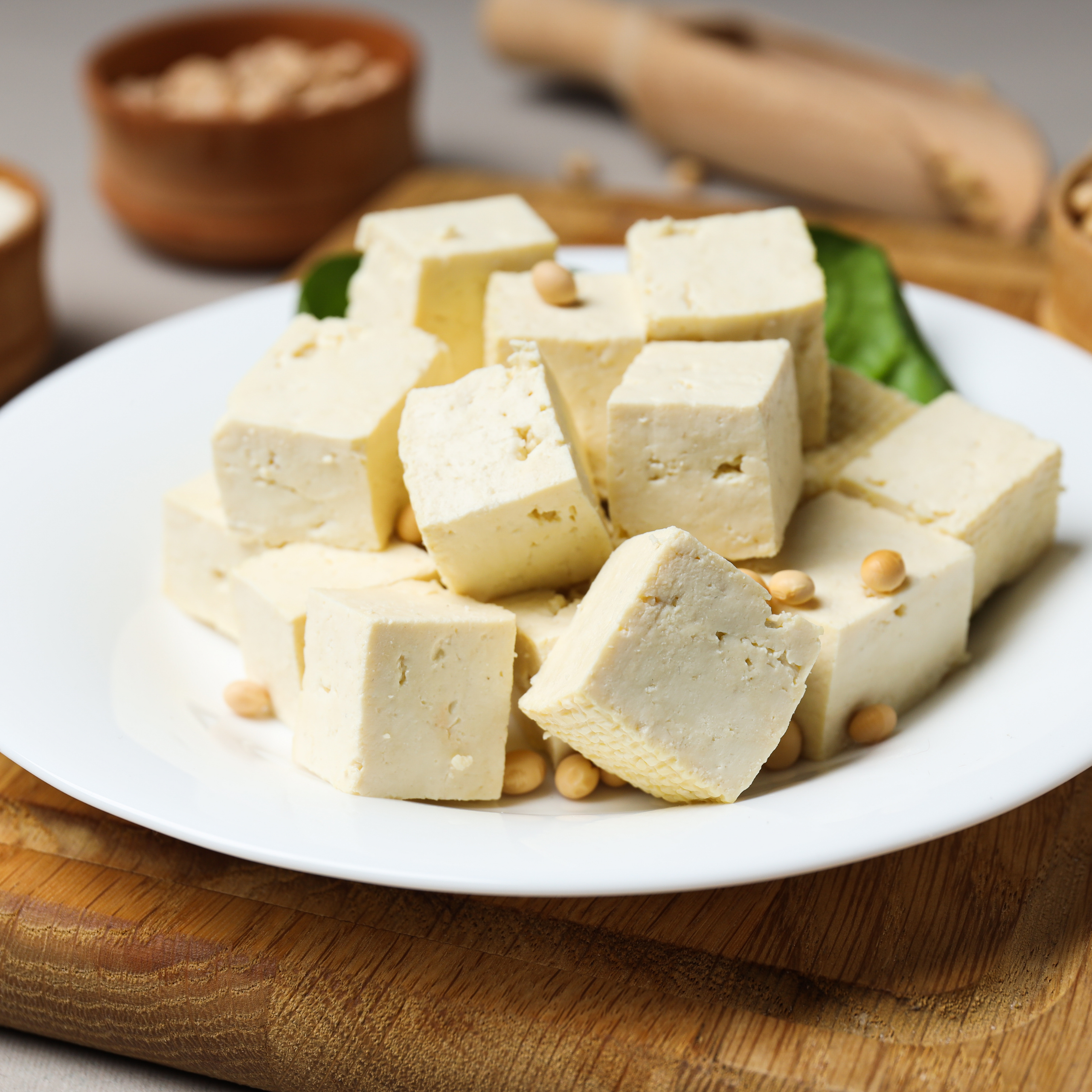
Cubed white tofu piled on a white plate with scattered soybeans and green leaves, on a wooden board; a simple, fresh food presentation.
What’s your favorite tofu dish?

I think the poster child of vegetarian and vegan eating is tofu. And honestly, it deserves the title.

Also known as bean curd, tofu is a versatile food made by coagulating soy milk and pressing the resulting curds into solid white blocks of varying softness. Introduced centuries ago by Chinese traders, tofu is far more than a passing health food trend. It is an everyday staple in any Filipino kitchen.

It’s time we give this humble protein its flowers as we break down its role in Filipino food, its different types, and why it is so much more than a meat replacement.

Types of Tofu

Walk through any local palengke or grocery aisle, and you will see that not all tofu is labeled the same. On its own, raw tofu has a mild, clean, slightly nutty flavor, and its real superpower is culinary adaptability with each variety bringing a distinct texture suited to different dishes.

Silken tofu is the variation that is unpressed, therefore having the highest water content of all the types of tofu. This gives it a more smooth, pudding-like consistency, which makes it ideal for sweet snacks, soups, and creamy sauces.
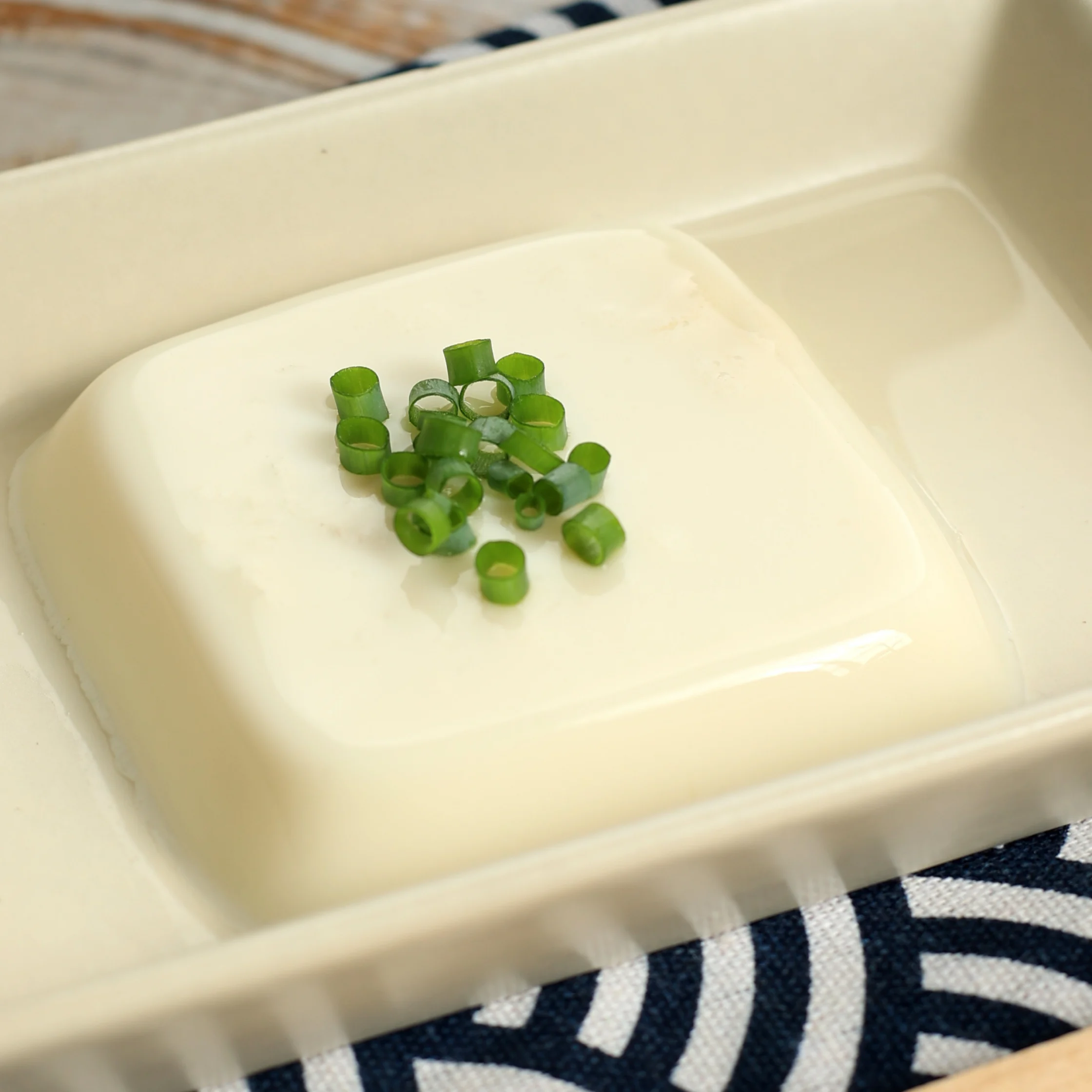
A smooth, creamy white tofu block sits in a rectangular dish, topped with chopped green onions; the simple presentation feels fresh and serene.
Silken tofu

Firm tofu is made by pressing the tofu in cloth-lined molds until it becomes dense and springy. This possess makes it sturdy enough to hold its shape when cubed, pan-fried, or simmered in stews.

Extra-firm tofu is packed with even less moisture, which then creates a meatier chew. Its solid structure lends itself to high-heat cooking like stir-frying, pan-frying, baking, grilling, and air-frying. 

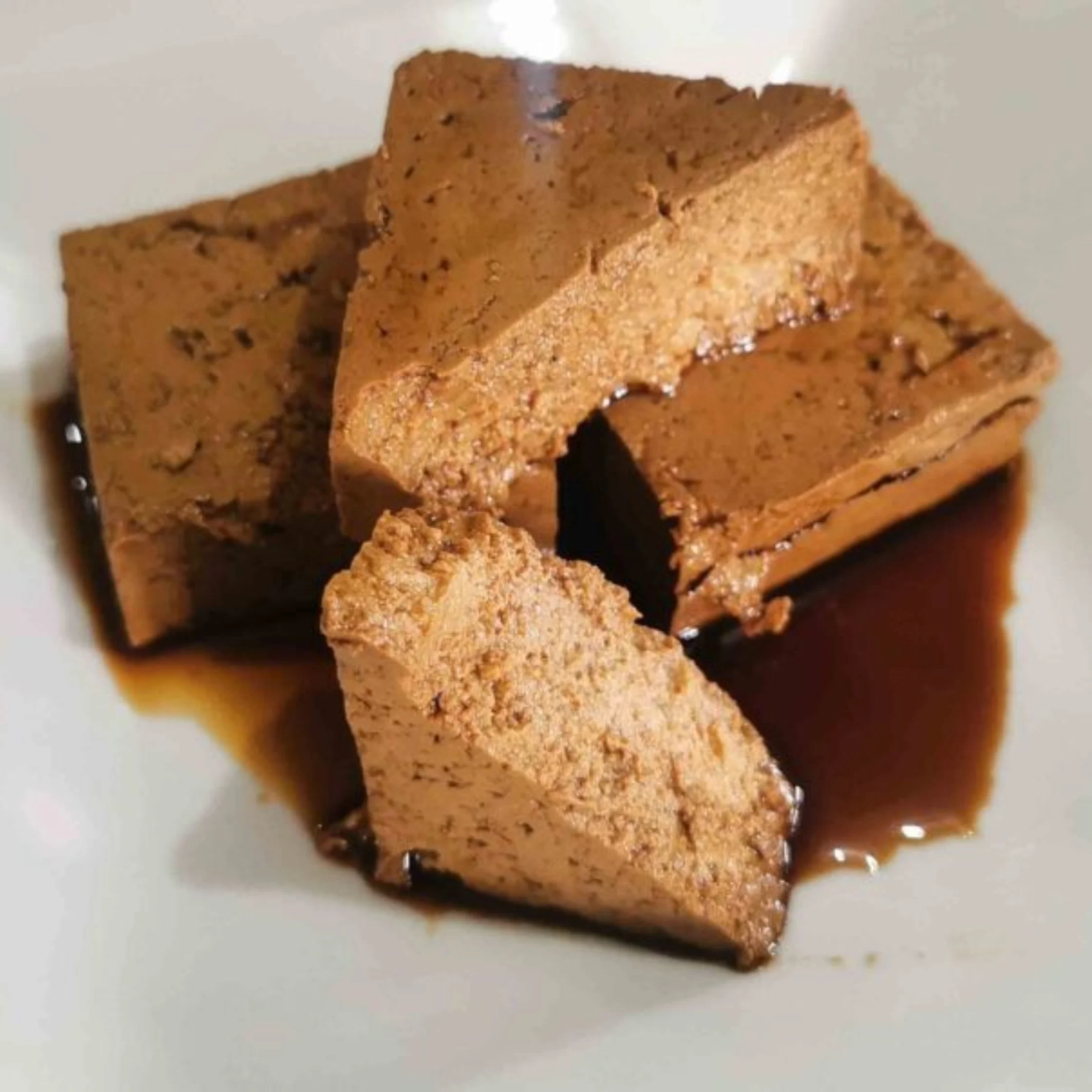
Lastly, fermented tofu is made when soft bean curd blocks are aged in a brine, alcohol, or wine. In the Philippines, it’s known as tahure and it can add a savory, salty, and tangy flavor to whatever you mix it with.
Slices of rich chocolate cake sit on a white plate, topped with a cut piece and surrounded by glossy chocolate sauce; an indulgent, inviting dessert.
Tahure [PHOTO COURTESY OF karensioson.com]

Nutritional Benefits

In Filipino households, tofu is widely prized as karne ng mahirap of the”poor man’s meat” and not out of compromise. It’s because at just ₱135 per big block at the wet market, it can deliver serious nutrition at a fraction of the cost of pork or chicken.

For just around 144 calories, a 100-gram serving of firm tofu packs roughly 15 to 17 grams of complete protein (containing all nine essential amino acids), 8 to 9 grams of unsaturated fats with zero cholesterol, and a healthy dose of calcium and plant-based iron.

Tofu being linked to healthy eating isn’t without merit. There has been research that shows how eating tofu may help the risk of numerous health conditions due to its isoflavones, fiber, and protein content. These include type 2 diabetes, heart disease, and cancers like breast, prostate, and colon.

Tofu in Filipino Cuisine

In the Philippines, tofu or tokwa is not just a passing health food trend, but a beloved everyday staple. Honestly, some of my favorite preparations of tofu are not the most healthy, but they are delicious all the same!

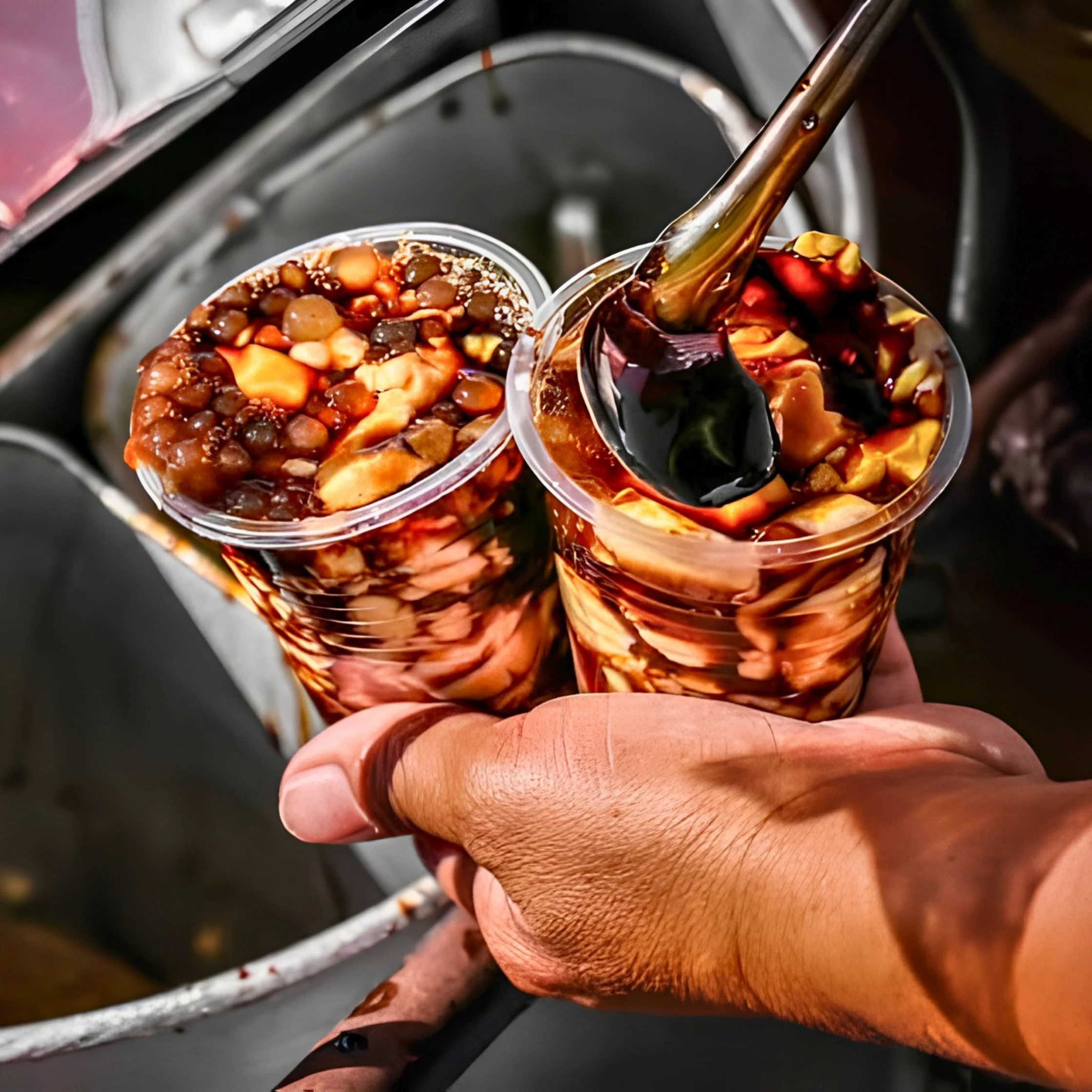
The most famous use of silken tofu in Filipino cuisine is taho. The classic street food and warm morning sweet snack is essentially fresh silken tofu topped with caramelized brown sugar syrup known as arnibal and chewy sago (tapioca) pearls.
A hand holds two clear cups of colorful fruit and jelly dessert, topped with syrup; a spoon stirs one cup, creating a rich, appetizing street-food scene.
Taho [PHOTO COURTESY OF Food in History]

For savory dishes, tokwa shines best when paired with tangy vinegar, savory toyo, garlic, and chili. 

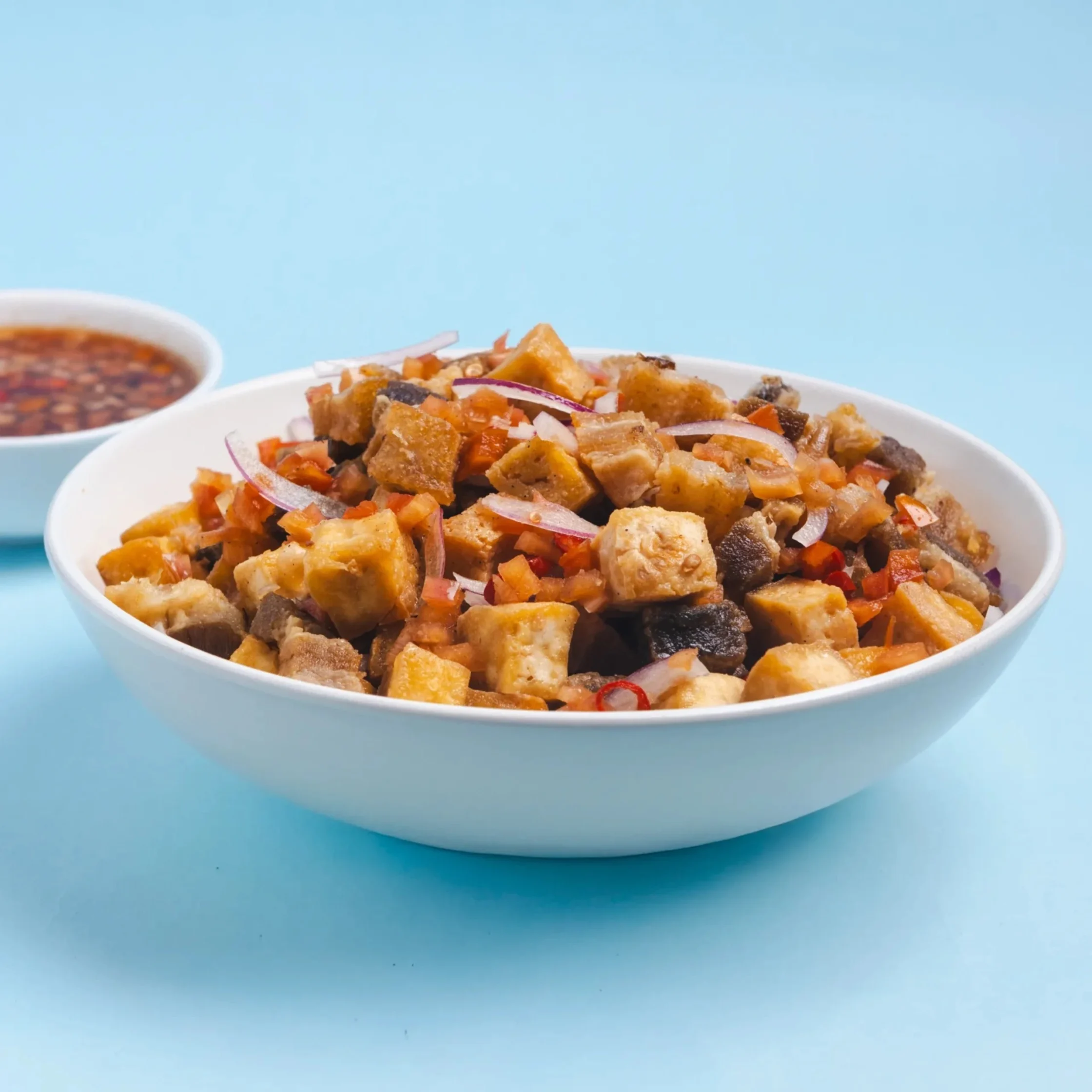
Tokwa’t baboy is a quintessential pulutan and lugaw pairing, tossing crispy fried tofu cubes and boiled pork ears or belly in a sharp mix of cane vinegar, soy sauce, onions, and siling labuyo.
A white bowl of golden tofu, mushrooms, vegetables, and sliced red onion sits on a bright blue surface beside a small bowl of dipping sauce, inviting and appetizing.
Tokwa’t baboy [PHOTO: Excel Panlaque]

Tokwa holds its own alongside classic meat and seafood versions, serving finely chopped fried tofu mixed with mayonnaise, calamansi, onions, and chili on a sizzling cast-iron plate.
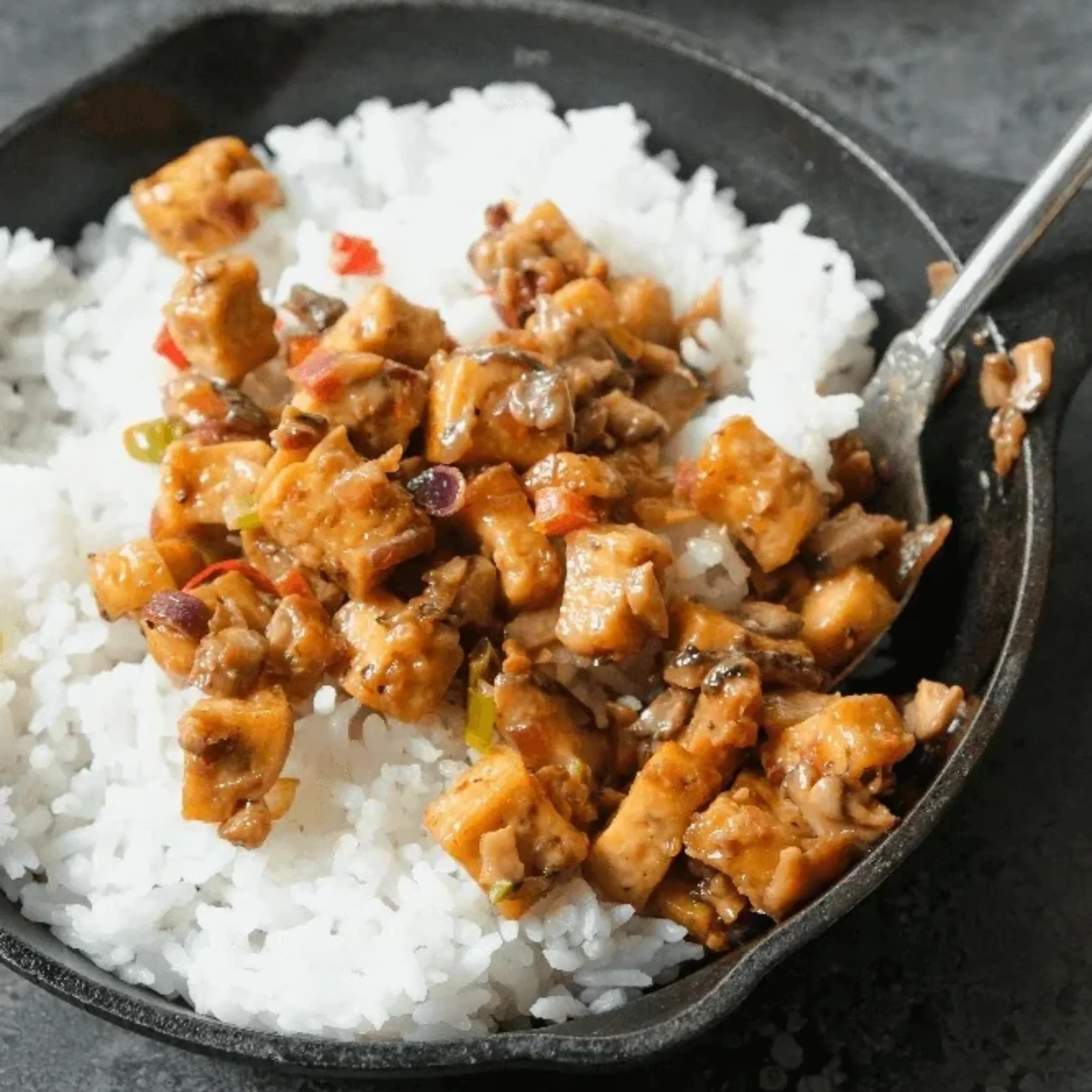
A black skillet of fluffy white rice topped with golden-brown saucy chicken, peppers, and onions, served with a spoon for a hearty, comforting meal.
Tofu sisig [PHOTO COURTESY OF The Foodie Takes Flight]

And if it’s a protein, you can turn it into , tofu included. Adobong tokwa takes fried tofu cubes and braises them in the classic Filipino trinity of soy sauce, cane vinegar, and crushed garlic, accented with bay leaves and whole black peppercorns.
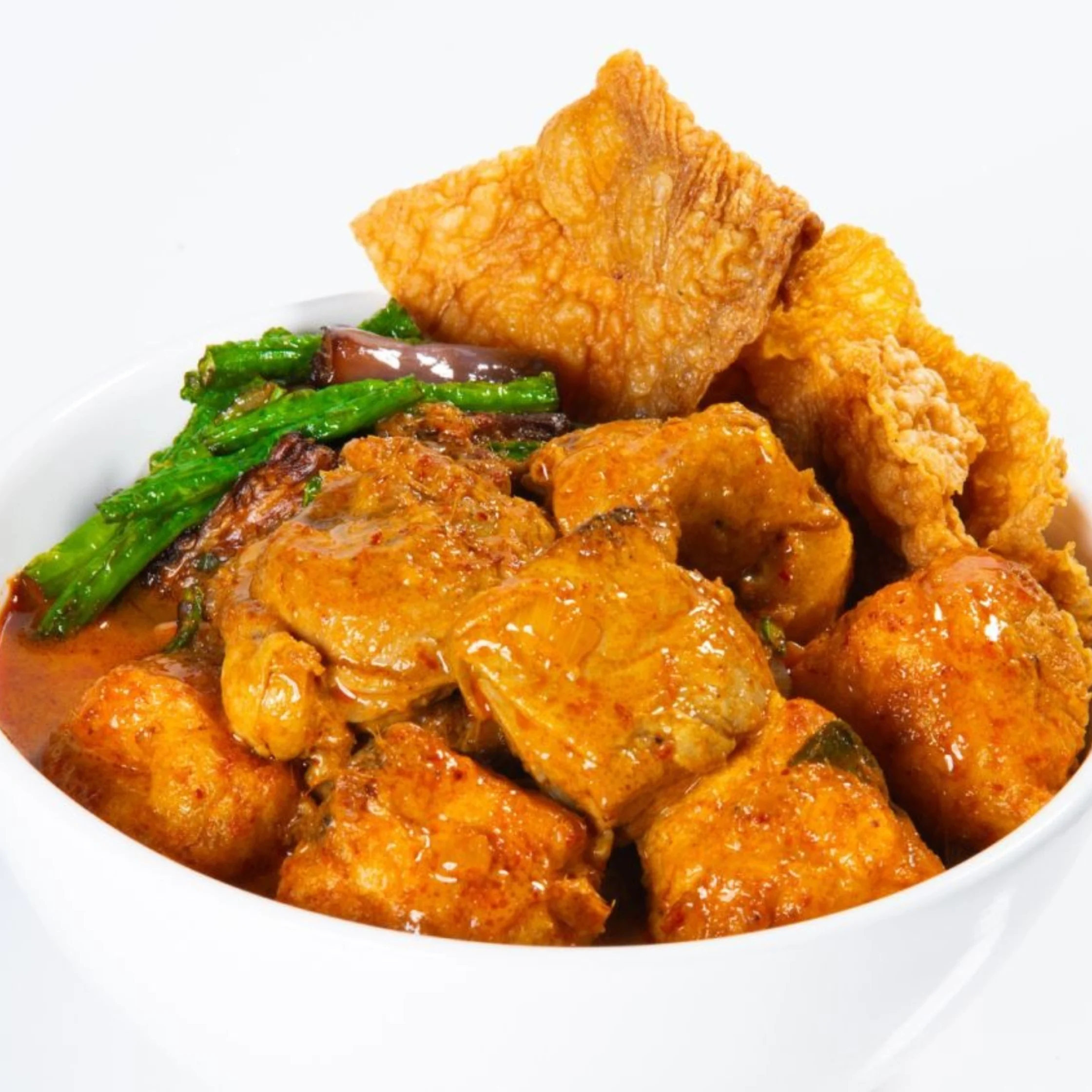
A white bowl holds spicy orange curry with chunks of tofu or meat, crispy golden fried pieces, and bright green vegetables, presented against a plain background.
Adobong tokwa [PHOTO COURTESY OF Virta Health]

Tofu Is More Than A Meat Alternative

One of my best friends is vegan. Whenever Ate Julie knew she was coming over, she would always run ingredients by me to make sure nothing with animal products ended up in what she was cooking for the two of us. In moments like that, I see two sides of how tofu works in a Filipino home kitchen. 

On one hand, it can be a stand-in for meat, like the menudo-style dish Ate Julie started making for us, complete with a similar sauce, carrots, bell peppers, and potatoes, just swapped out with tofu cubes.

On the other hand, tofu doesn’t need to mimic meat textures it was never meant to replicate. In trying to accommodate my friend’s preferences, Ate Julie ended up discovering other tofu dishes she genuinely loved and wanted to cook again on her own. Across Asia, and especially here in the Philippines, tofu has never needed to pretend to be meat to earn its place at the table.
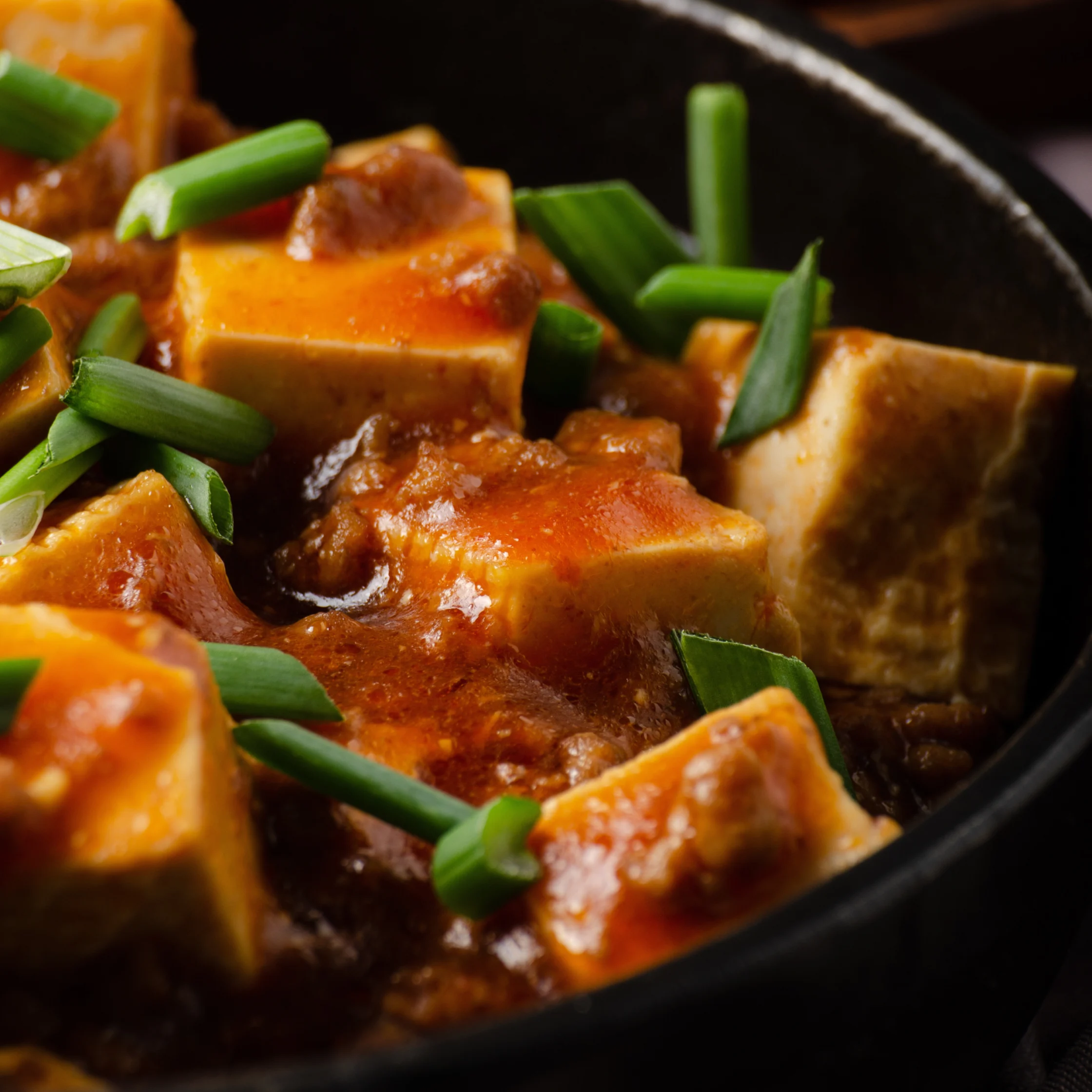
Close-up of golden tofu cubes simmered in glossy, spicy red sauce and topped with fresh green onions in a black bowl, warm and appetizing.
In Filipino home kitchens, tofu shines both as a meat swap and a classic staple.

Whether it’s sitting right beside pork in a bowl of tokwa’t baboy, stretching a family’s ulam budget at the palengke, or starting the morning in a warm cup of taho, tofu stands entirely on its own merits. So call it the poster child of vegan eating or not. Just don’t forget that it’s also a classic, everyday staple in its own right.

author avatar
Laura Mendoza Writer
Laura admits that she is a slow eater. She prefers to take her time with the food she likes to eat and the stories she wishes to write. Having graduated with a Creative Writing degree, she comes from a background in writing fiction and poetry. Because of this, she has set herself on a creative mission to explore and delve into what other modes and channels exist for stories and narratives to be told, expressed, and shared with others. For Laura, food as a medium is an exciting proposition. Behind every dish, every ingredient, and every cooking technique, there lies a history worth discussing, a human being worth listening to, a lived experience worth gleaning from. As a means to satiate her appetite for learning about and understanding new and known things, she aims to be the kind of food writer who is approachable, reliable, and personable to readers.

Frequently Asked Questions

Tofu is made by coagulating soy milk and pressing the curds into solid white blocks of varying softness.

author avatar
Laura Mendoza Writer
Laura admits that she is a slow eater. She prefers to take her time with the food she likes to eat and the stories she wishes to write. Having graduated with a Creative Writing degree, she comes from a background in writing fiction and poetry. Because of this, she has set herself on a creative mission to explore and delve into what other modes and channels exist for stories and narratives to be told, expressed, and shared with others. For Laura, food as a medium is an exciting proposition. Behind every dish, every ingredient, and every cooking technique, there lies a history worth discussing, a human being worth listening to, a lived experience worth gleaning from. As a means to satiate her appetite for learning about and understanding new and known things, she aims to be the kind of food writer who is approachable, reliable, and personable to readers.

The types of tofu include silken tofu, cloth-pressed firm tofu, lower-moisture extra-firm tofu, and fermented tofu, which is known locally as tahure.

author avatar
Laura Mendoza Writer
Laura admits that she is a slow eater. She prefers to take her time with the food she likes to eat and the stories she wishes to write. Having graduated with a Creative Writing degree, she comes from a background in writing fiction and poetry. Because of this, she has set herself on a creative mission to explore and delve into what other modes and channels exist for stories and narratives to be told, expressed, and shared with others. For Laura, food as a medium is an exciting proposition. Behind every dish, every ingredient, and every cooking technique, there lies a history worth discussing, a human being worth listening to, a lived experience worth gleaning from. As a means to satiate her appetite for learning about and understanding new and known things, she aims to be the kind of food writer who is approachable, reliable, and personable to readers.

Notable examples of Filipino tofu dishes include taho, tokwa’t baboy, tokwa sisig, and adobong tokwa.

author avatar
Laura Mendoza Writer
Laura admits that she is a slow eater. She prefers to take her time with the food she likes to eat and the stories she wishes to write. Having graduated with a Creative Writing degree, she comes from a background in writing fiction and poetry. Because of this, she has set herself on a creative mission to explore and delve into what other modes and channels exist for stories and narratives to be told, expressed, and shared with others. For Laura, food as a medium is an exciting proposition. Behind every dish, every ingredient, and every cooking technique, there lies a history worth discussing, a human being worth listening to, a lived experience worth gleaning from. As a means to satiate her appetite for learning about and understanding new and known things, she aims to be the kind of food writer who is approachable, reliable, and personable to readers.

Not necessarily. While plain tofu offers strong nutritional value, the article notes that some favorite Filipino preparations aren’t the healthiest options, even though they’re still delicious.

author avatar
Laura Mendoza Writer
Laura admits that she is a slow eater. She prefers to take her time with the food she likes to eat and the stories she wishes to write. Having graduated with a Creative Writing degree, she comes from a background in writing fiction and poetry. Because of this, she has set herself on a creative mission to explore and delve into what other modes and channels exist for stories and narratives to be told, expressed, and shared with others. For Laura, food as a medium is an exciting proposition. Behind every dish, every ingredient, and every cooking technique, there lies a history worth discussing, a human being worth listening to, a lived experience worth gleaning from. As a means to satiate her appetite for learning about and understanding new and known things, she aims to be the kind of food writer who is approachable, reliable, and personable to readers.

No! Even if people view it as a poster child for vegan or vegetarian eating, it is also a classic, everyday staple in Filipino kitchens that can sit alongside meat in dishes like tokwa’t baboy or help stretch a family’s ulam budget.


author avatar
Laura Mendoza Writer
Laura admits that she is a slow eater. She prefers to take her time with the food she likes to eat and the stories she wishes to write. Having graduated with a Creative Writing degree, she comes from a background in writing fiction and poetry. Because of this, she has set herself on a creative mission to explore and delve into what other modes and channels exist for stories and narratives to be told, expressed, and shared with others. For Laura, food as a medium is an exciting proposition. Behind every dish, every ingredient, and every cooking technique, there lies a history worth discussing, a human being worth listening to, a lived experience worth gleaning from. As a means to satiate her appetite for learning about and understanding new and known things, she aims to be the kind of food writer who is approachable, reliable, and personable to readers.
Smiling woman with glasses tilted at an angle, wearing a blue top, against a light background.

Laura Mendoza

Writer

Laura admits that she is a slow eater. She prefers to take her time with the food she likes to eat and the stories she wishes to write. Having graduated with a Creative Writing degree, she comes from a background in writing fiction and poetry. Because of this, she has set herself on a creative mission to explore and delve into what other modes and channels exist for stories and narratives to be told, expressed, and shared with others. For Laura, food as a medium is an exciting proposition. Behind every dish, every ingredient, and every cooking technique, there lies a history worth discussing, a human being worth listening to, a lived experience worth gleaning from. As a means to satiate her appetite for learning about and understanding new and known things, she aims to be the kind of food writer who is approachable, reliable, and personable to readers.

0 0 votes
Total of Ratings
guest
Rating
Ratings for Article
0 Comments
Oldest
Newest Most Voted

To provide a customized ad experience, we need to know if you are of legal age in your region.

By making a selection, you agree to our Terms & Conditions.