



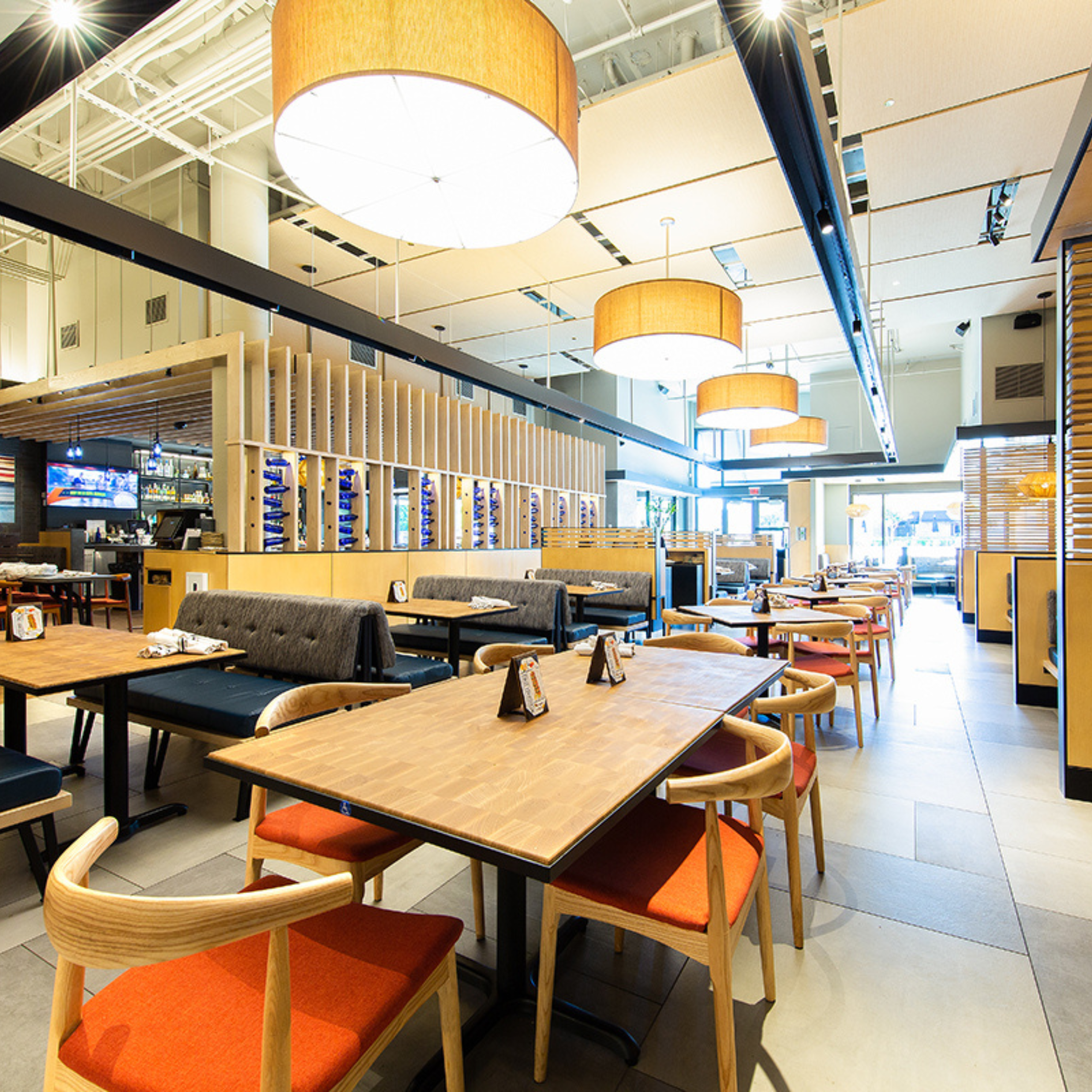
Lighting can change the entire dining experience—even the way you register the food’s taste.
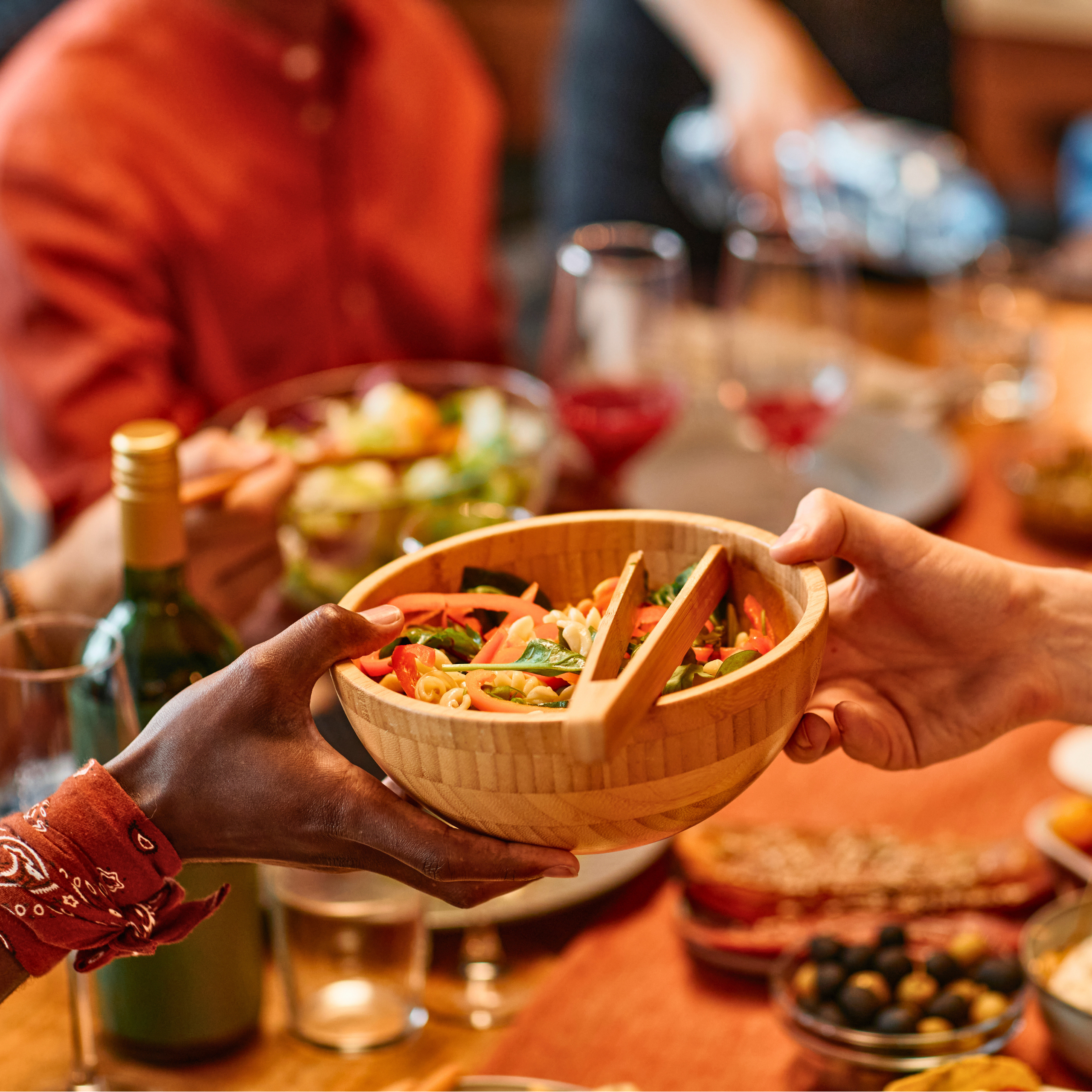
From handaan and potlucks to fiestas and office parties, bringing a dish to share is more than just Filipino party etiquette—it’s rooted in tradition.

A look at some of the similarities—and differences—between how the generations eat.

Here are the ways cooking benefits your mental well-being.
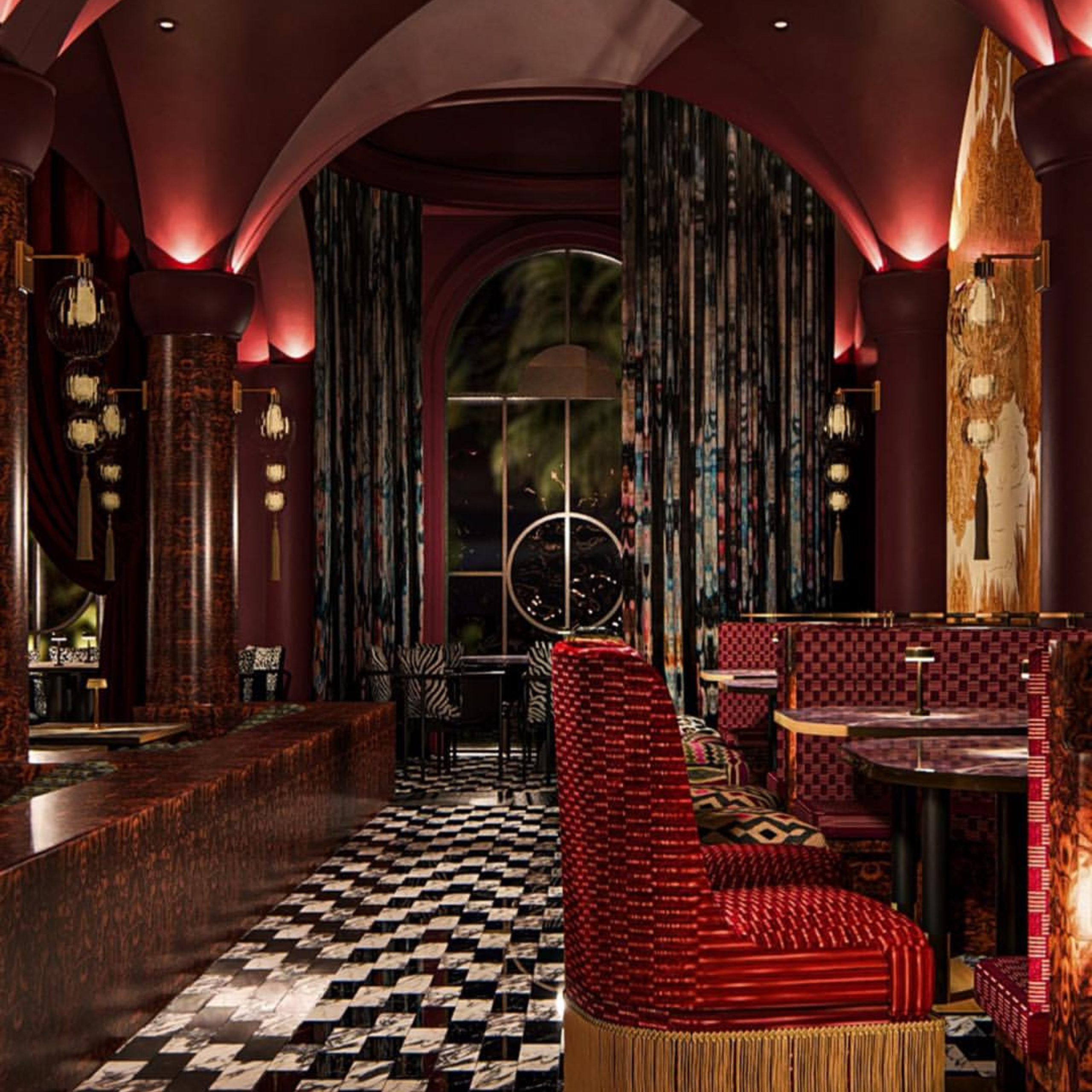
Come for the food, stay for the architecture: these restaurants turn thoughtful design into an essential part of the dining experience.

Are you versatile like a wooden spoon, gritty like a chopping board, or anal-retentive like a digital food scale?
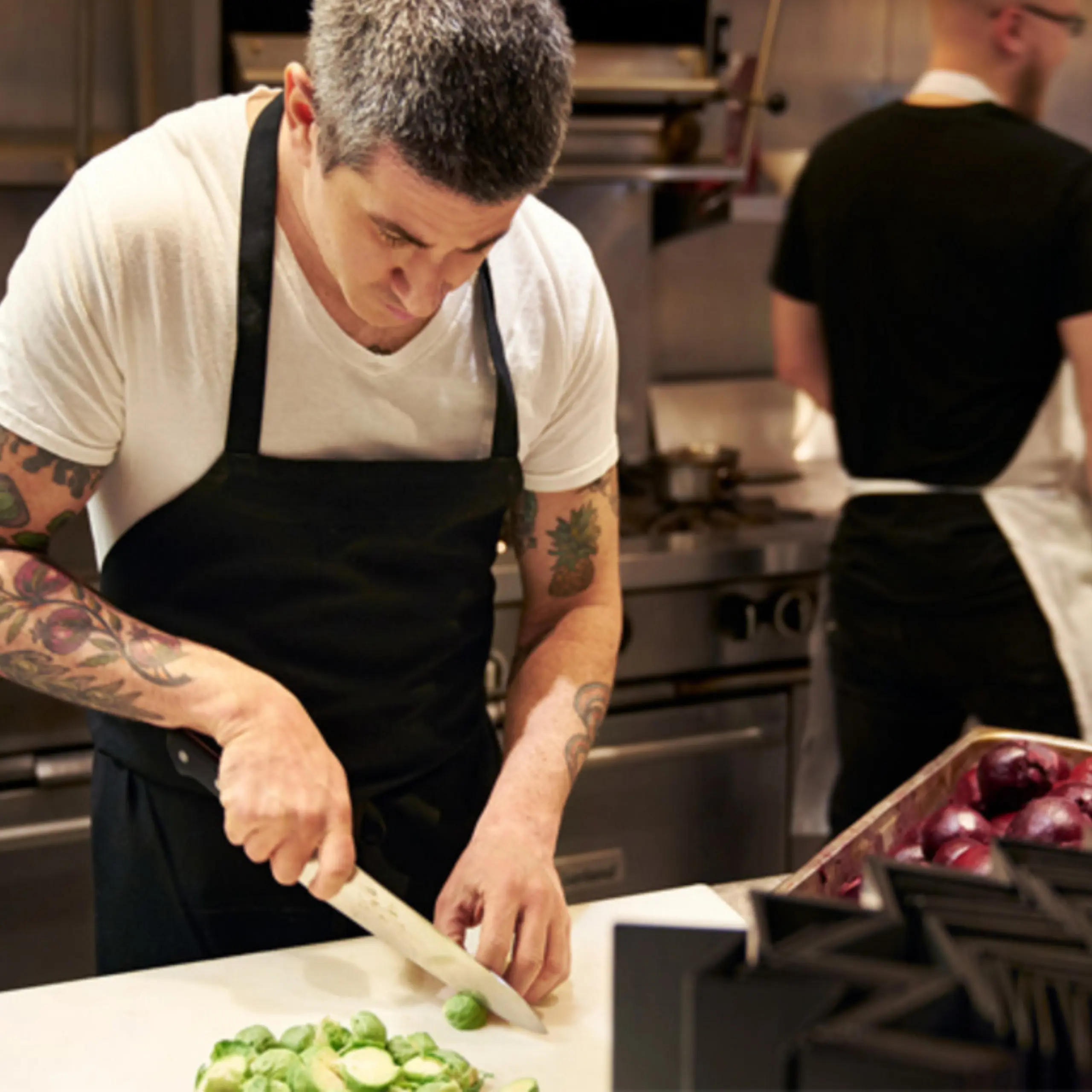
After a long, grueling day working in the professional kitchen, chefs turn to these late-night spots for nourishment.
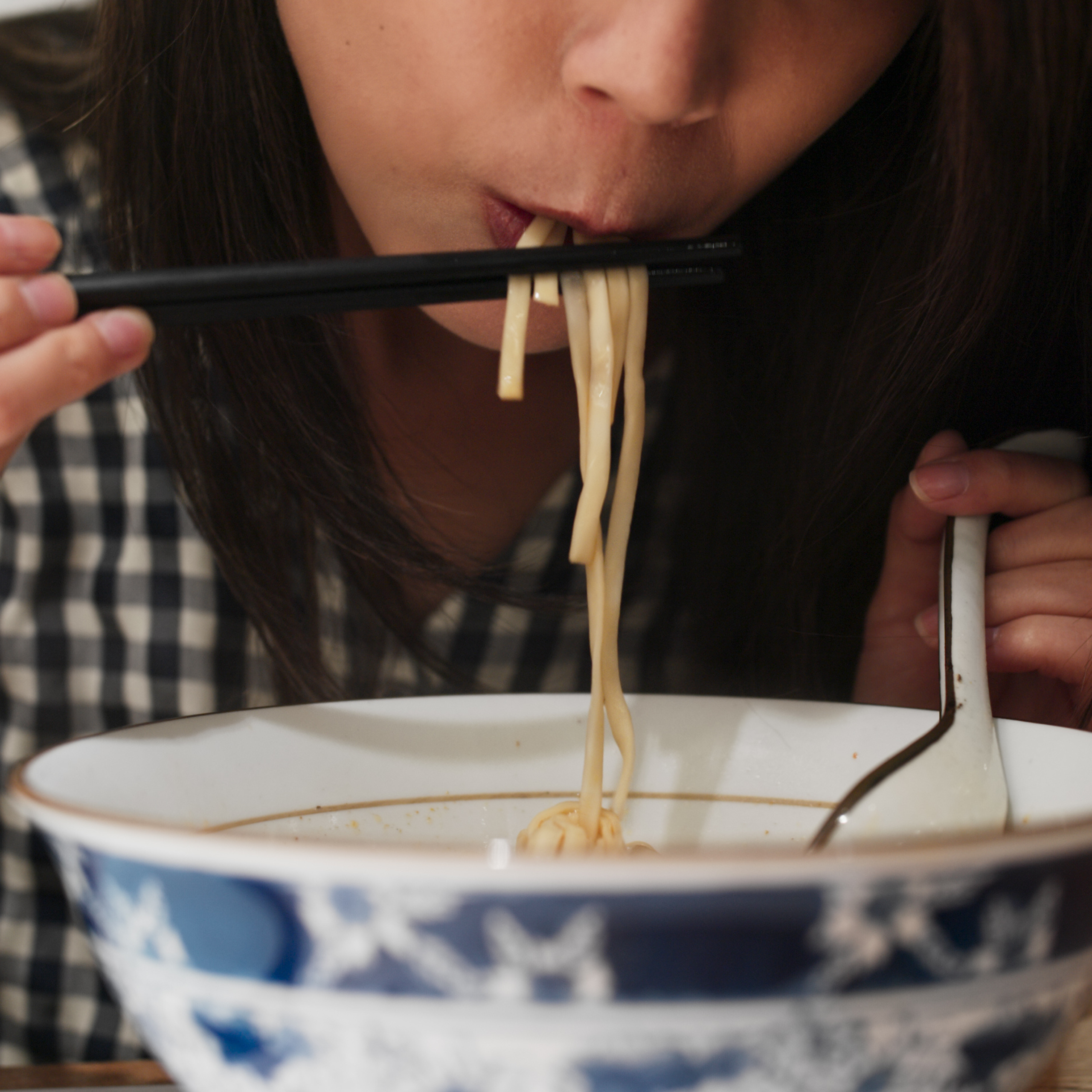
When it comes to slurping, the sound may be loud, but the real magic happens quietly.

The world's most prestigious restaurant rating system didn’t just reward excellence in food and service—it inspired it. More than validation, it’s a global invitation to experience what the Philippines has to offer.