

You can tell quite a bit about a generation and the situations of the world they inhabit by the different facets of their lives—including the ways they eat.
This applies to the case of Millennials (those born from 1981 to 1996) and Gen Z (a.k.a. Zoomers, born 1997 to 2012).
Being right next to each other in the generational order, they’re highly similar in the values they espouse (e.g., diversity and work-life balance) and economic turmoils faced (including a global pandemic, no less), but also differ to varying degrees in other aspects: certain values, aesthetics, even memes. And of course, in the ways they eat.
Consider how Avocado Toast evokes the Millennial preference for fresh, healthy eating, or how Gen Z’s Girl Dinner is a low-effort means of filling up sans the stress of preparing a full meal. These are just some of the notable similarities and differences between the eating, dining, and cooking habits of the generations.
These are generalities more than universal truths of course, but they nonetheless point to the world as it’s experienced by the different generations today.
Social Media Savviness
As reliance on technology has only continued to rise, social media is now an indispensable part of the daily lives of both Gen Z and Millennials. It’s no surprise, then, that both generations lean on social media platforms for ideas on where to eat. Positive social media reviews have even been found to outweigh discounts as factors that drive people to dine at restaurants, per a 2025 survey by U.S.-based influencer insights tool Brilli.
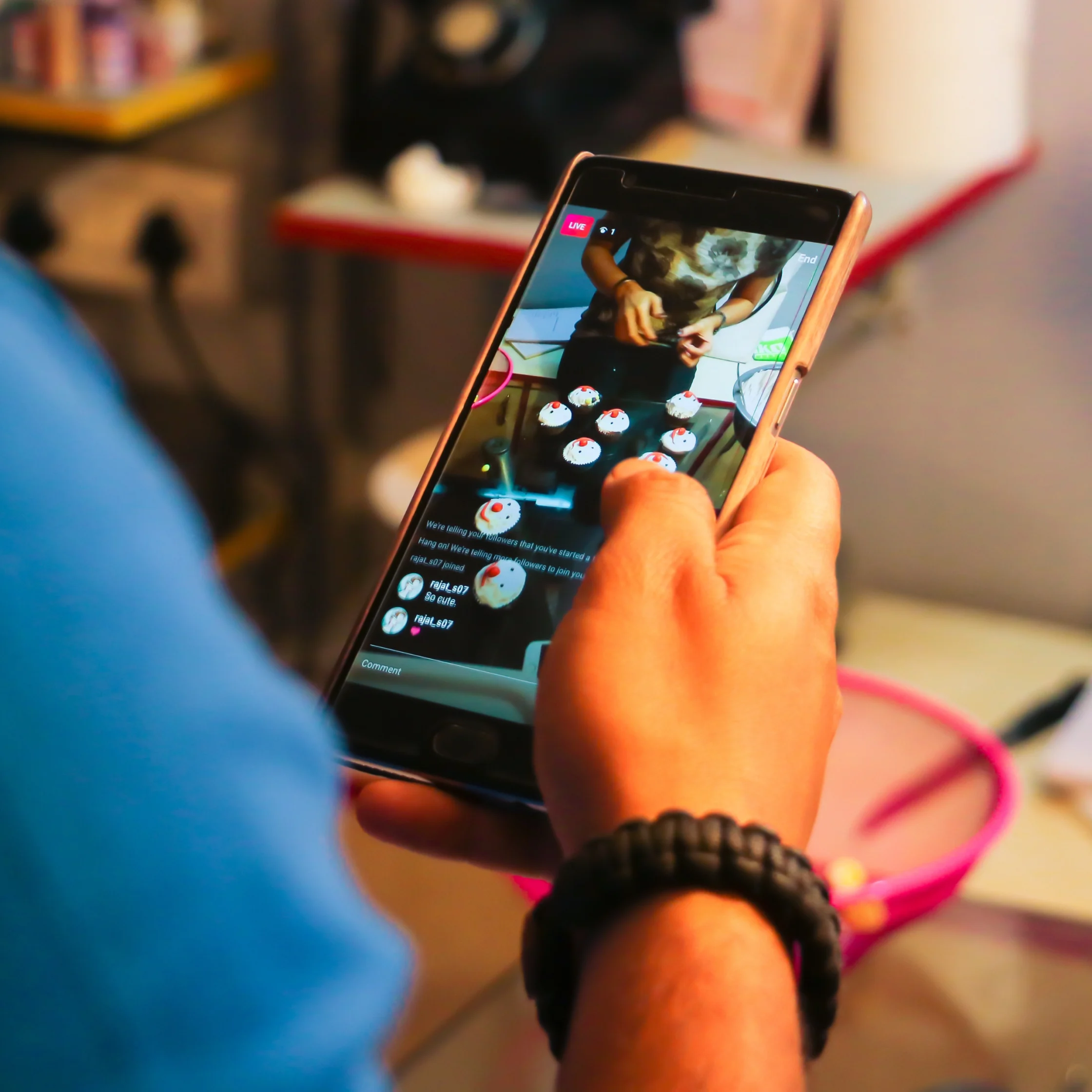
Zoomers, in particular, spend more hours per day on these social media platforms and use TikTok as a search engine (in the same way they would Google) and as a means to discover new restaurants.
Health Is Wealth
As both Millennials and Gen Z face their own sets of stressors—burnout for Millennials, and anxiety, financial instability, and poor sleep for Zoomers—both generations make their health (mental health included) a priority.
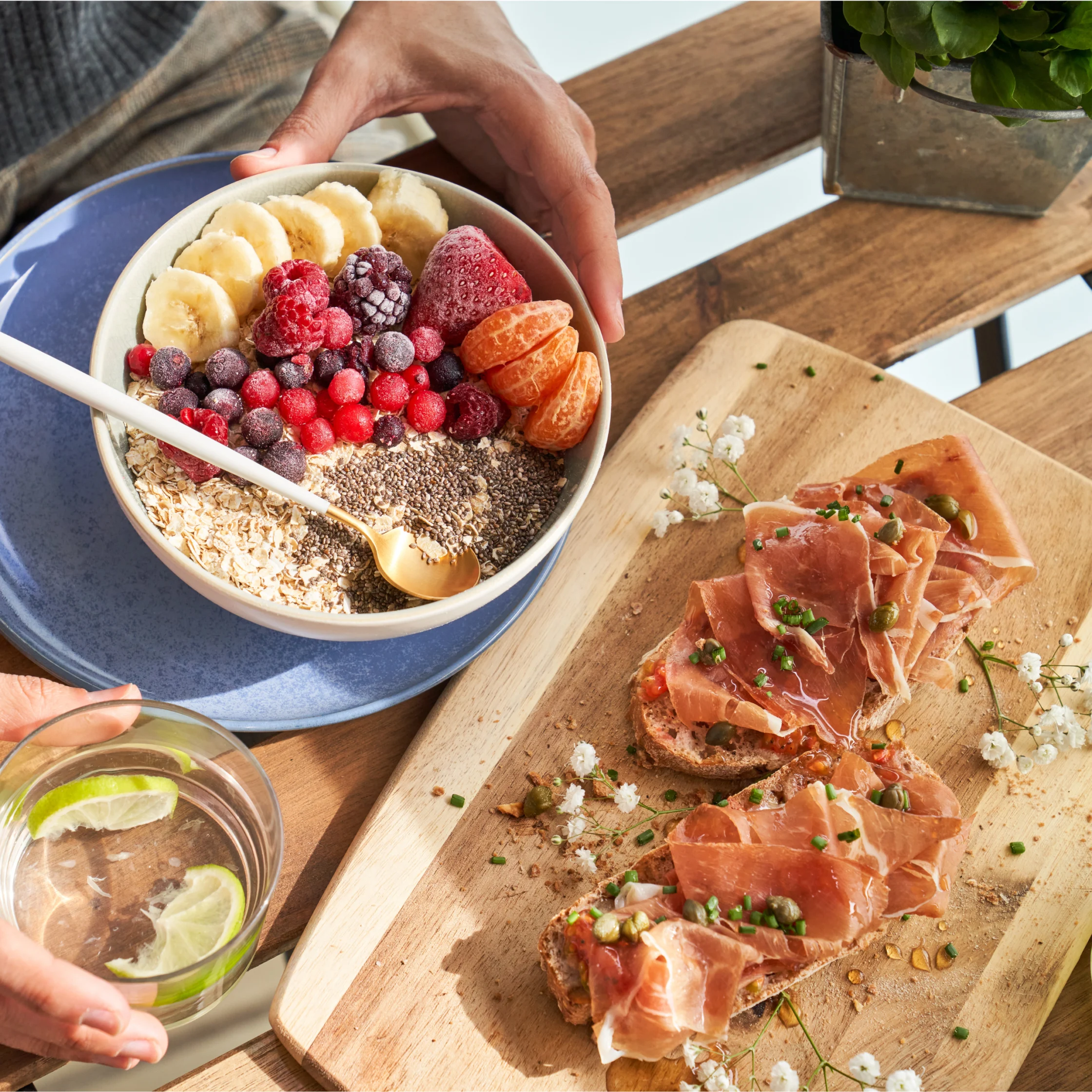
Both generations prioritize protein and fiber, according to a 2025 report by Chicago-based technology and market research company Spins. Gut health, too, is of high importance for both generations, with 40% of Gen Z and 45% of Millennials are looking to improve their gut health per London’s GlobalData. It’s thanks to this phenomenon the so-called “fibermaxxing” trend has gained virality on social media.
To Cook or Not to Cook
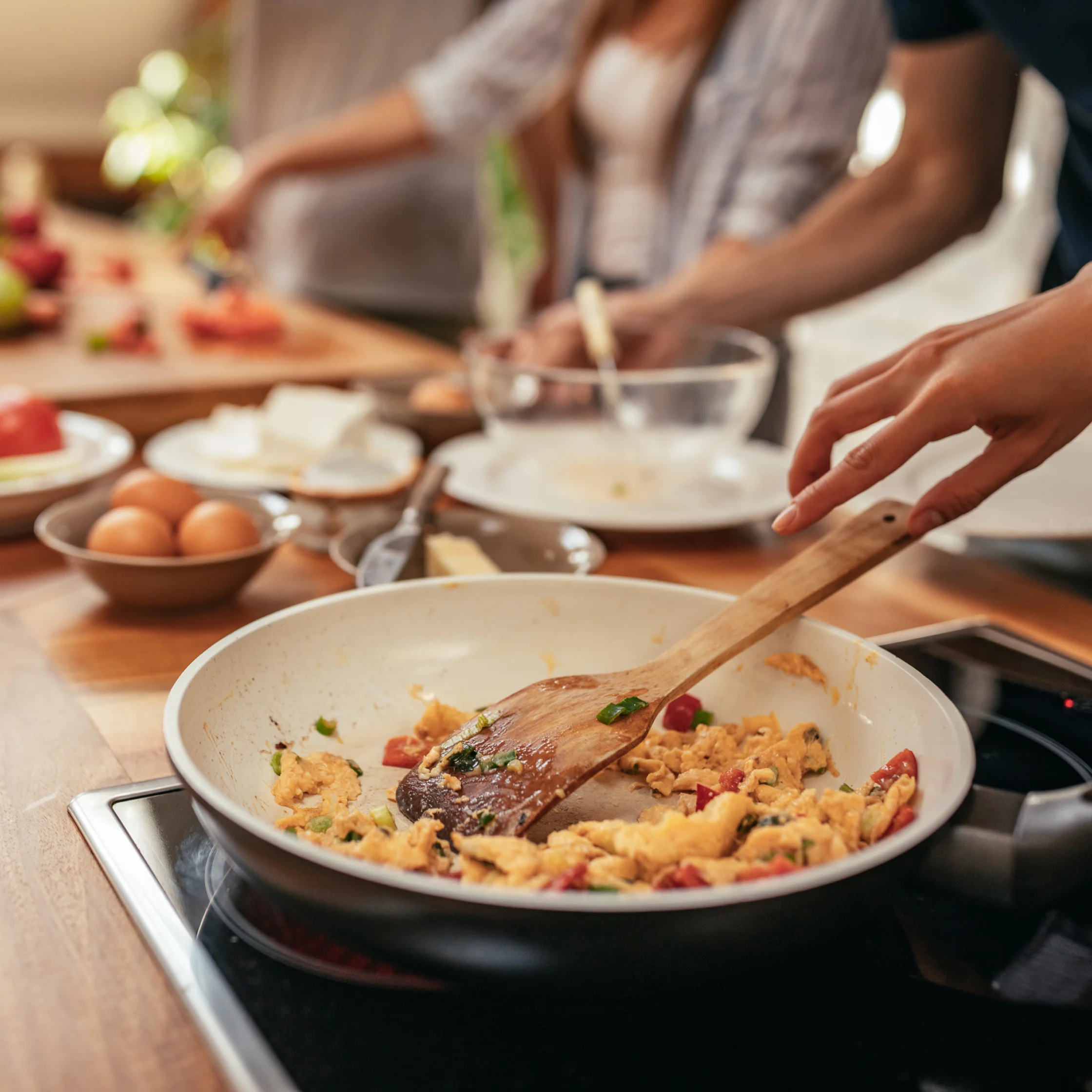
Millennials prefer fresh, natural foods and like to prepare their own meals—hence the Millennial favorites of avocado toast, grain bowls, and zoodles. The generation is also (in)famous for meal prepping—the habit of preparing big batches of meals in advance, typically done on Sundays in anticipation of the week ahead.
Zoomers, on the other hand, are said to be less adept at cooking, possibly as many of them grew up with food delivery as a norm—or, as found in a report by New York-based PR agency Golin Ketchum, because of the insecurity stemming from the generation’s politicization of how they eat.
More popular among Gen Z is Girl Dinner—the deconstructed meal of sorts that brings together random nibbles (think snacks, leftovers bits and bobs from the fridge) on a plate. Decidedly laid-back (if arguably chaotic, though aestheticized versions exist too), the rise of Girl Dinner is thought to be the generation’s way of coping with the years they spent through the pandemic and the ongoing global economic crisis.
Food Delivery
Likely rooting from how a number of their formative years were spent practicing social distancing due to the pandemic, Gen Z turns to food delivery more often.

64% of Gen Z respondents in a 2025 report of American diners by TouchBistro reported getting takeout or delivery orders weekly or more often. 50% of Gen Z respondents also reported wanting to order takeout or delivery even more frequently than that.
Dining Solo vs. With Other People
On one hand, both generations have expressed a preference for solo dining—49% of millennials and 46% of Gen Z consumers in the 2025 TouchBistro report.
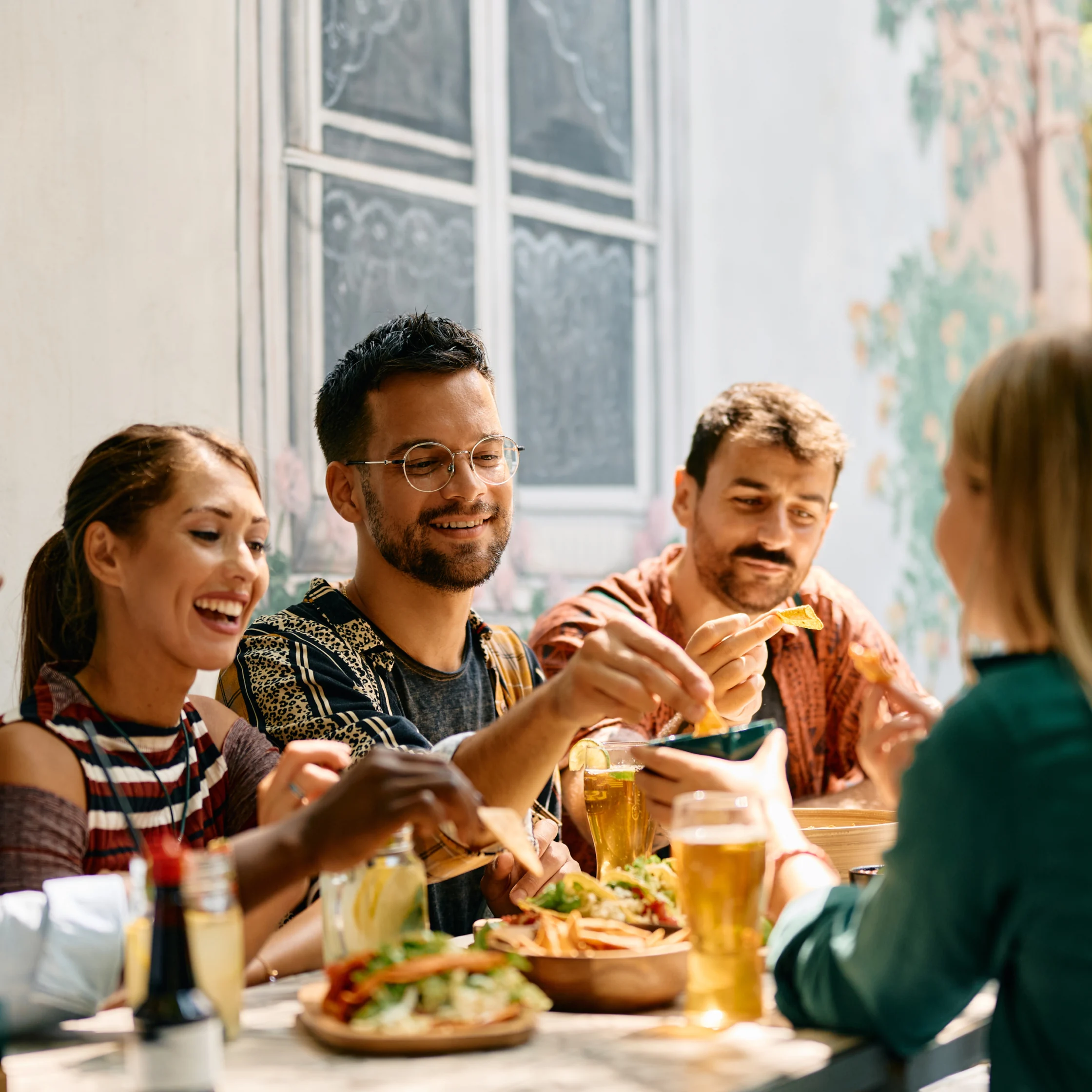
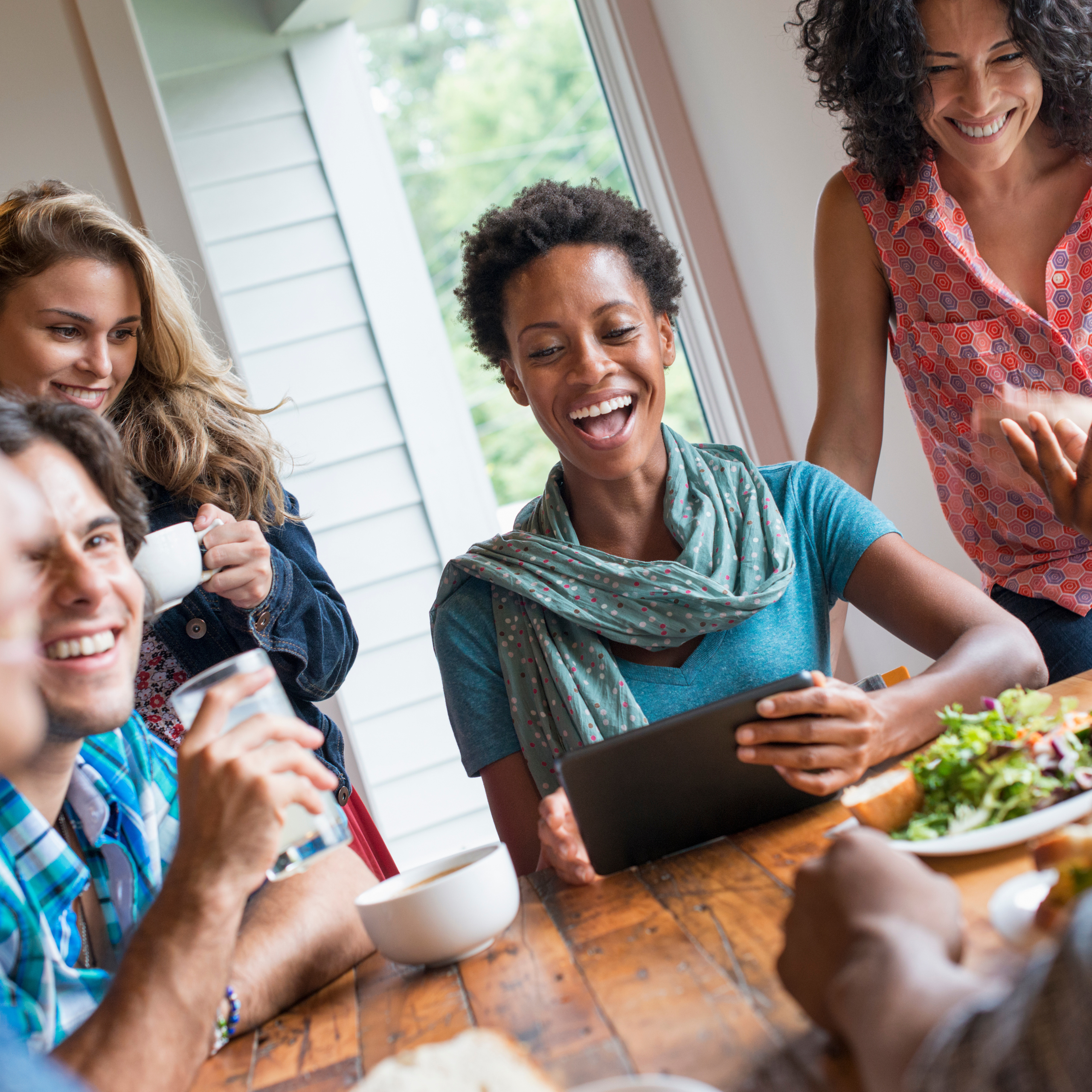
But there’s also data showing that communal dining has made a comeback with members of Generation Z—a whopping 90% of respondents in a 2025 survey by Resy, in large part for how these tables allow diners to meet new people.
Meals as Meaningful Experiences
A branch of Gen Z’s interest in communal dining is the generation’s fondness of supper clubs and other special dining formats. Though the term originally pertains to the traditional supper clubs of the Midwest, it’s more frequently used today to refer to underground restaurant concepts or pop-up dining events.
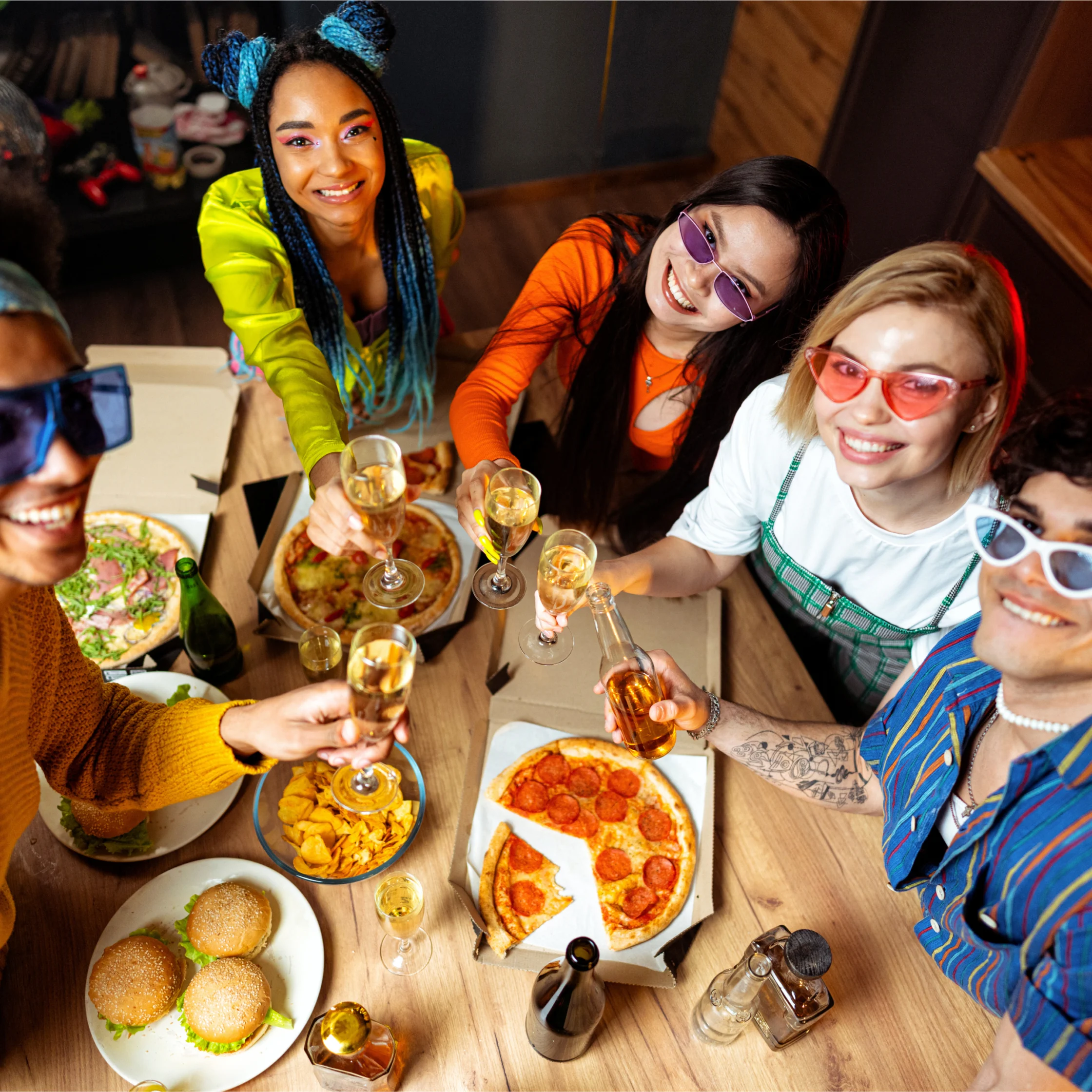
That Gen Z has come to embrace the supper club may come down to its shareability on social media—that, and the way it injects special meaning onto everyday events, even ones as seemingly mundane as a meal.
Alcohol
Gen Z is reportedly drinking less alcohol, with only 18 to 20% of Gen-Z Americans drinking beer, wine, or spirits regularly, according to a 2023 report by Statista. The shift is right in line with the shift to prioritizing health, along with health information being more accessible in the present day. That, plus the rise of content creators posting their sobriety stories on social media, which contributes to the normalization of going sober.
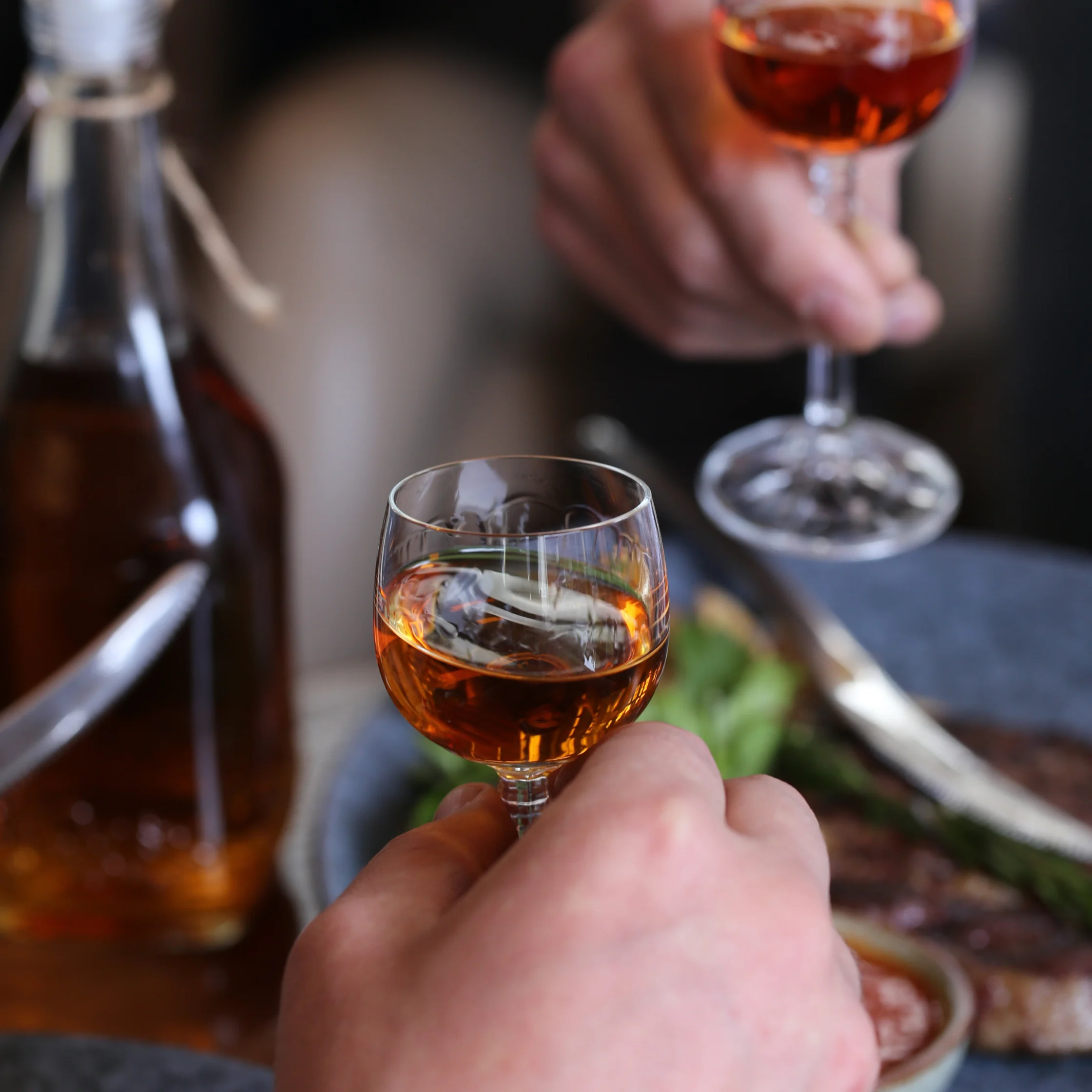
As found in the latest edition of IWSR’s biannual Bevtrac survey, Gen Z’s drinking rates have gone up in recent months (74% from 66% in 2023), with cocktails seemingly being their beverage of choice. Millennials, however, still come out on top as the generation that drinks the most.
In the end, what Millennials and Gen Z put on their plates says as much about the worlds they inherited as it does about personal taste. From meal-prepped grain bowls and avocado toast to Girl Dinners, delivery apps, supper clubs, and sober-curious nights out, each habit reflects different relationships with time, money, health, technology, and community. Trends will inevitably come and go, but one thing remains constant across generations: the way we eat has always been—and will continue to be—a reflection of the way we live.

Frequently Asked Questions
Avocado toast, grain bowls, zoodles, meal prepping, fresh and minimally processed foods, and an increased interest in health-conscious eating are commonly associated with Millennials.
Girl Dinner is a casual, low-effort meal made up of assorted small foods, snacks, leftovers, or whatever is available in the refrigerator rather than a traditional composed meal.
Yes. Both generations show strong interest in health and nutrition, including protein, fiber, gut health, and overall wellness.
Yes. Social media plays an important role in restaurant discovery for Gen Z, with TikTok in particular increasingly used to search for food and dining recommendations.
Generally, yes. Gen Z has reported lower rates of regular alcohol consumption than older generations, with health, wellness, and sober-curious culture influencing drinking habits.