


Sure, most of us cook for pragmatic reasons, primary among them to have food on the table. But if you’re anything like us, cooking is also one of those activities you turn to when you’re looking for a pick-me-up or a fun (and productive) escape away from the existential gloom.
Cooking is a great way to give your mental health a boost—something we could all use in these times with the rising numbers of mental health conditions, plus the external conditions Filipinos are forced to grapple with every day. It is absolutely no substitute for professional help or structural change; regardless, it’s a step to better mental well-being that can be practiced on the regular.
Mindfulness Matters
Reveling in the sight of fresh produce, feeling all sorts of surfaces on your fingers, taking in the aromas of the food bubbling away in the pot—all these are examples of how cooking engages the different senses and encourages focusing on the present.

These are right in line with the idea of mindfulness—essentially awareness that springs from keeping your attention on the present moment, sans judgment. The especially neat thing about mindfulness is that it can redirect your attention away from rumination, which is strongly associated with depression and anxiety. You get to direct your attention toward what’s happening in front of you, rather than you replaying that one conversation in your head for the bajillionth time.
Cooking as a Creative Exercise
It’s debated whether cooking itself is a form of art, but most would agree that it has artistic aspects and can be a medium for creativity—whether you’re doing high-level culinary artistry at a fine-dining restaurant or just playing around in the kitchen at home. And creativity itself is thought to be a key piece of wellness.
Sure, cooking is in many ways structured and scientific. But it also facilitates creative expression, as the process of cooking allows for improvisation, shaped by aspects like individual preferences and social conventions. Cooking is also a creative exercise in the way it involves processes like planning and decision-making.
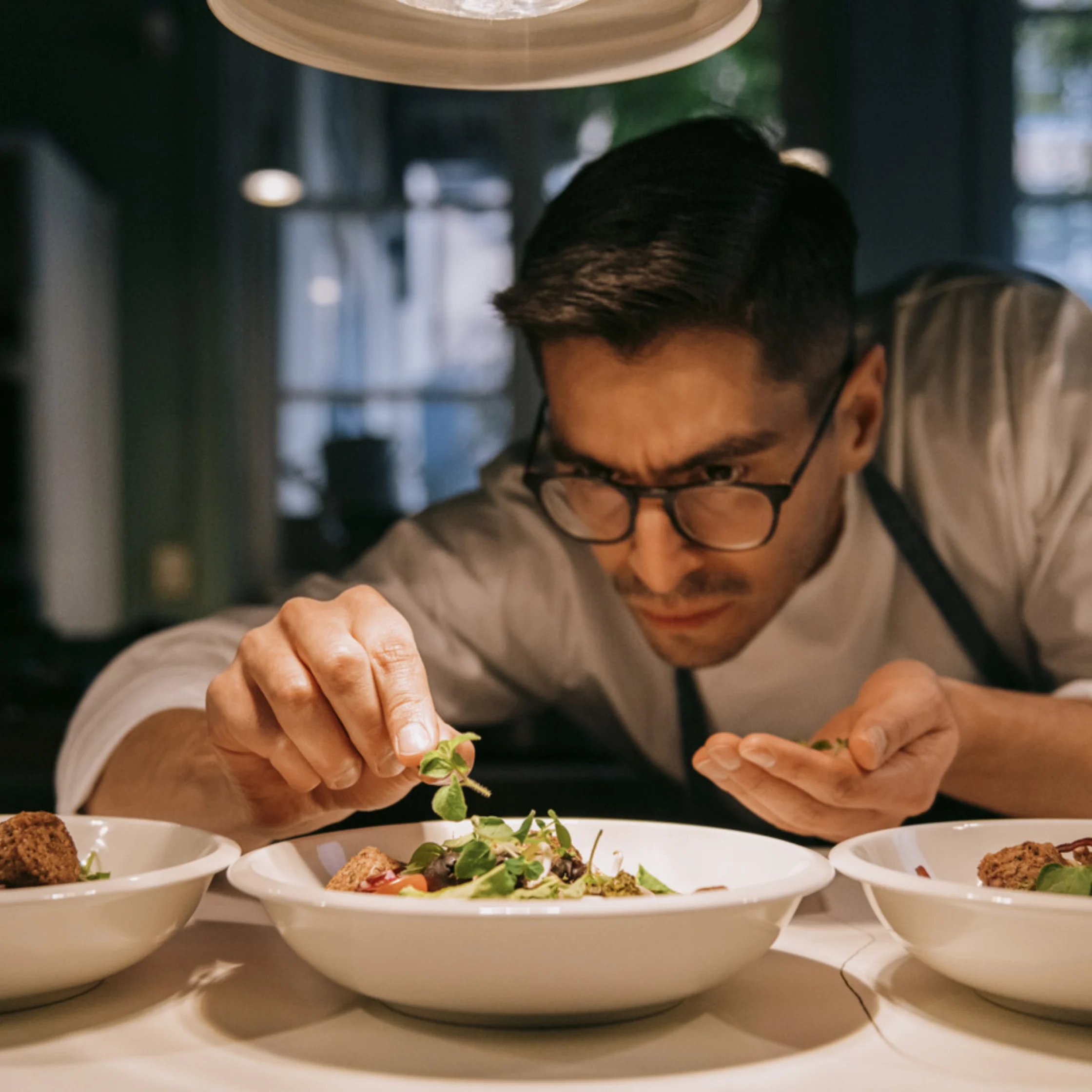
Think of how it allows for mixing and matching of tastes, textures, and temperatures—and how certain combinations are far greater than the sum of their parts. There’s the dimension of visuals and presentation, too—under which are elements like color, height, and symmetry as expressed in the food plating, the garnishes, even the dinnerware of choice. One can get inspiration from all over: from history, pop culture, nature, moods, and memories, just to name a few.
Better Belief in Yourself
Cooking presents a bit of a challenge, with varying difficulty levels across different recipes. Which is to say it allows for acquisition and mastery of certain skills—making it an opportunity for mastery. And with mastery comes increased self-efficacy, or the belief that you can execute behaviors necessary to achieve desired outcomes.

Self-efficacy isn’t just about getting an ego boost; it also happens to be one of drivers of behavioral change, including engaging in healthy behaviors—which then leads to better mental health and well-being overall. Self-efficacy is also a driver of life satisfaction, or your overall assessment of your quality of life.
Cooking Fosters Community
We cook for ourselves, but we also often cook for others. And with cooking for others—an especially personalized form of prosocial behavior—comes opportunities for connecting and building meaningful relationships with the people around you.
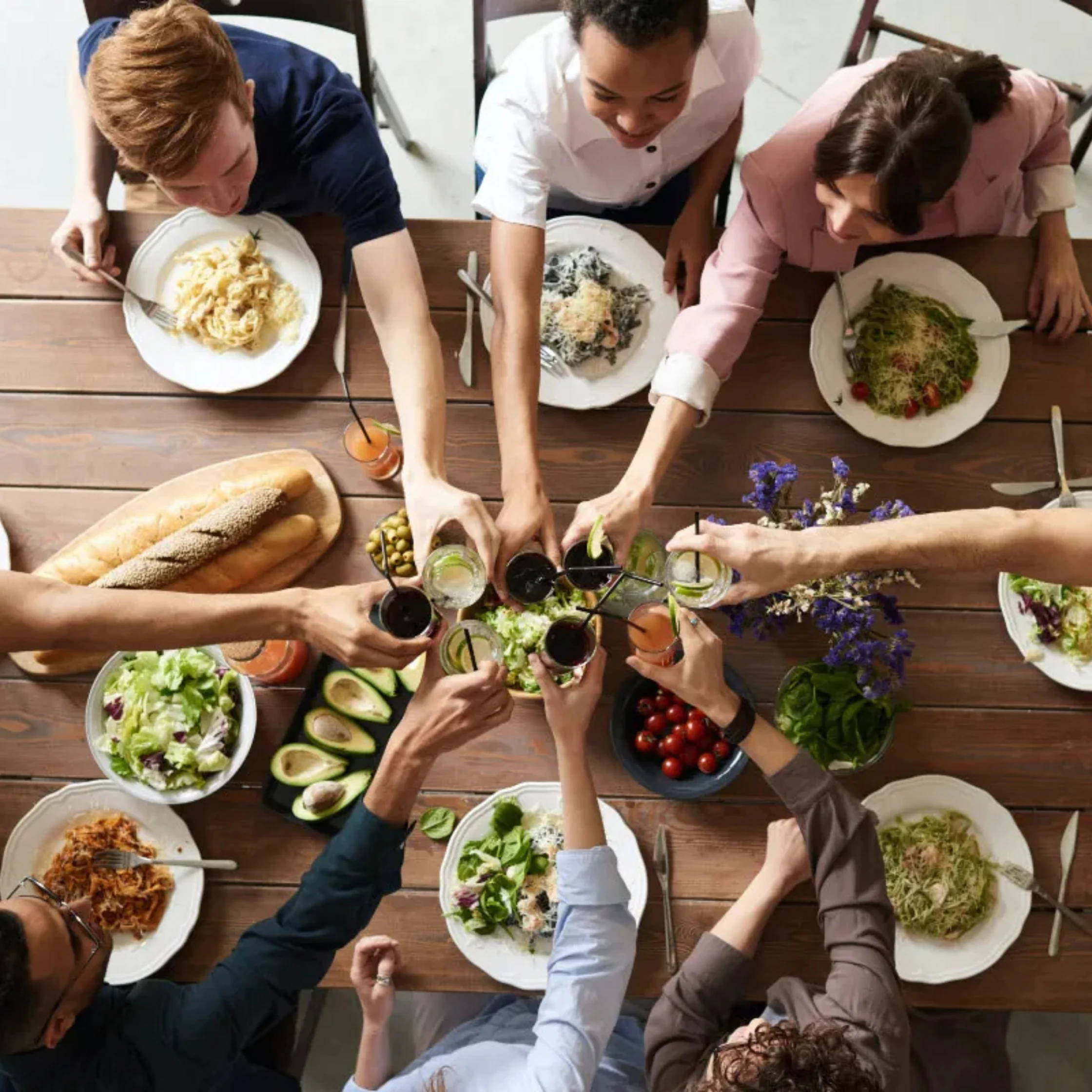
Whether you’re boiling down adoboAdoboThe Filipino dish of meat or seafood braised in vinegar, soy sauce, garlic, bay leaves, and peppercorns. Widely regarded as the national dish, adobo varies from home to home andGo to Adobo Glossary to serve to your old folks or baking cookies to distribute to stressed-out colleagues, preparing food can be an intentional act of care and generosity. It’s no surprise, then, that a study in Hong Kong found prosocial cooking to be associated with positive affect, self-esteem, and subjective happiness, at least in the short term.
Also beneficial for mental health is sharing a meal with others. It gives a sense of rhythm and regularity, brings feelings of contentment and security, and strengthens relationships—all stuff that give your individual and social well-being a welcome boost, and reasons to turn on your stove tonight.

Frequently Asked Questions
Cooking engages all five senses, which acts as a grounding technique to bring your focus into the present moment. This practice of mindfulness helps break cycles of negative thinking and stress by redirecting your attention to tactile, real-time tasks like chopping, stirring, and tasting.
While culinary therapy offers mental health benefits, it is an everyday wellness tool rather than a substitute for professional mental health treatment or structural changes. It works best as an accessible, daily practice to complement therapy, lifestyle adjustments, or medical care.
Self-efficacy is the belief in your ability to successfully perform tasks and achieve desired outcomes. Cooking builds this by presenting manageable challenges—learning a new knife technique, mastering a sauce, or following a recipe. Success in the kitchen reinforces your confidence in handling other real-world tasks.
Not at all. The wellness benefits come from the process rather than perfection. Simple tasks like assembling a basic salad, improvising with leftover ingredients, or boiling pasta provide the same sensory grounding and creative expression as high-level cooking.
Preparing food for others is a prosocial behavior—an intentional act of care and generosity. Sharing homemade food fosters social connection, strengthens personal relationships, and triggers positive emotions and self-esteem for the person cooking.

![The Ongpin South Bridge arch [PHOTO COURTESY OF The Urban Roamer Official Website]](https://assets.delish.ph/wp-content/uploads/2026/10/The-Ongpin-South-Bridge-arch-PHOTO-COURTESY-OF-The-Urban-Roamer-Official-Website-960x960.webp)