The Michelin Guide’s arrival in the Philippines has been nothing short of a thrilling ride—for casual and serious diners as much as for restaurant staff, chefs of all levels, and restaurateurs.
And while everyone has opinions about who should or shouldn’t have been on the list, the debut Philippine run of the Guide (covering Manila and Environs & Cebu) has landed deliciously overall—generating a buzz with the same fervor as sisig crackling and sputtering as it hits a sizzling plate; and permeating deep into the Filipino diner’s psyche, as does toyo and suka into meat in a long-simmering pot of adobo.
How the Michelin Guide Finally Came to the Philippines
Even as early as the 2000s the Department of Tourism (DOT) had already been sending feelers to the Michelin Guide to have the Philippines be their next featured destination, shares Paulo Tugbang, the Director for Health and Wellness Tourism and Director for Product and Market Development at the DOT.
More official negotiations started in 2022, but the success didn’t happen overnight. “I feel like the Michelin guide is a very selective institution,” he shares with Delish Philippines. “They won’t go and feature a destination unless they’re very sure that the dining industry [there] is robust and it has the capacity to grow [to] a point where it’s recognizable… to the international markets.”
It took about two years of courting the Michelin Guide before they finally said yes in 2024, Paulo shares, one of the likely contributing factors being the uptick at the time in the optimized searching of Filipino food. “Because, ‘di ba, lumakas ‘yung tunog ng Filipino food in the U.S. and Europe, and there were so many people who featured Filipino food [in different platforms] also. It was even touted as the next culinary big thing.”
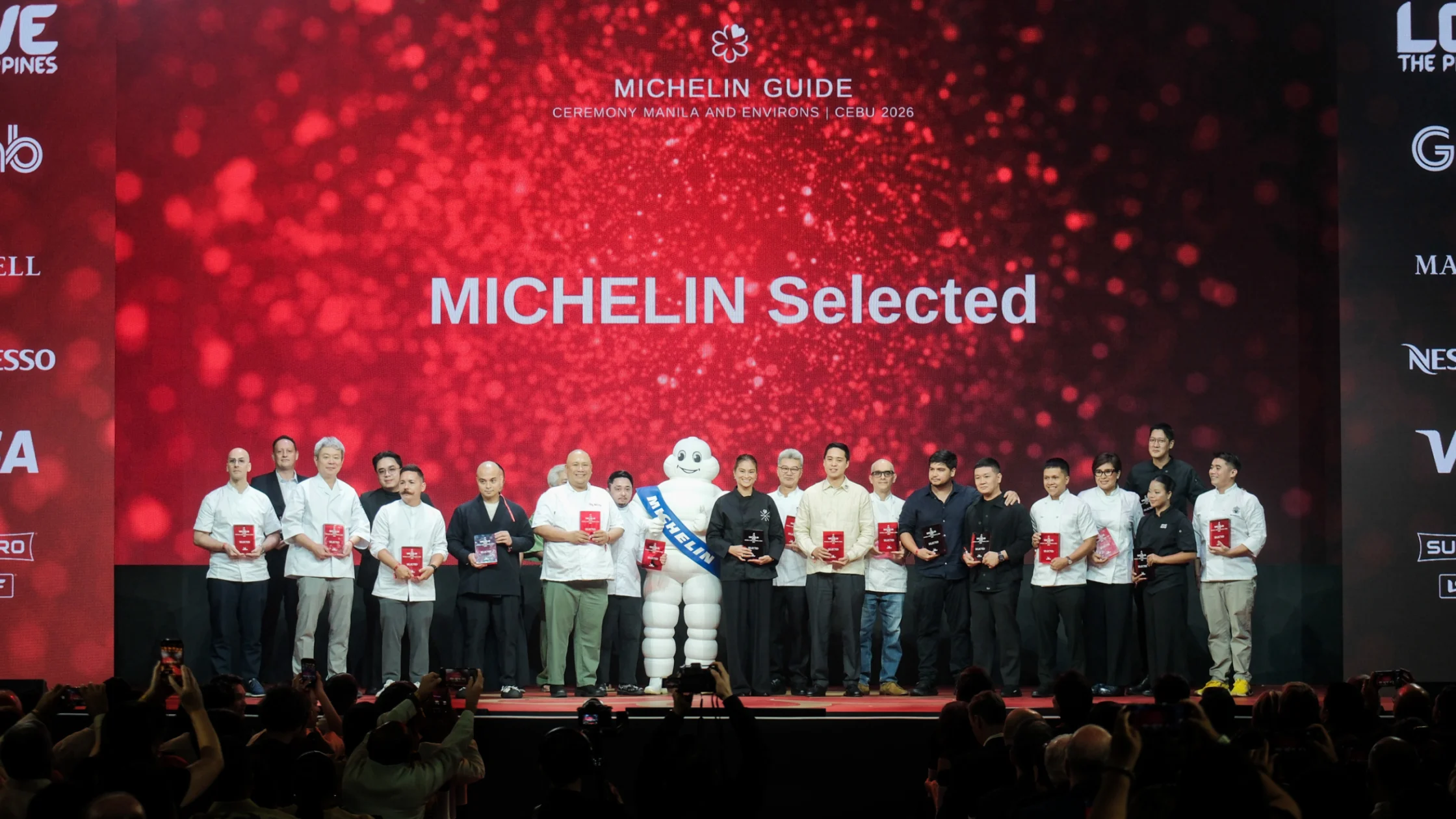
Rumors already started circling to the public around that time—and with it, endless speculation and predictions about who would make it to the debut lineup. By February of 2025, the Michelin Guide’s arrival in the Philippines was formally cascaded to the public, much to the excitement of the local F&B industry and Manila’s food-obsessed crowd.
The inaugural ceremony in the Philippines took place in October of 2025, and it was here that the Guide’s first-ever selection (for the year 2026) was unveiled. A total of 108 restaurants in the Philippines were listed, divided across categories: Michelin Stars (9), Michelin Selected Restaurants (74), and Michelin Bib Gourmand (25).
For comparison: the debut editions of the Michelin Guide in Hanoi & Ho Chi Minh had four one-star recipients out of 103 recommended restaurants in total; Kuala Lumpur and Penang’s also had four one-star recipients out of 97 recommended restaurants in total.
How the Michelin Guide Changed Philippine Restaurants in Just One Year
In the days and weeks that followed, news and lifestyle publications published story after story—the news of the winners itself, and more in-depth features of the restaurants and eateries that made it to the Guide. Considerable buzz was generated on social media, with folks sharing their five (thousand) cents on the selection, and documenting their attempts to eat at the newly minted Michelin-approved spots.
Not surprisingly, all of this has translated into a significant rise in the numbers of the restaurants that made it to the 2025 selection. Data from the DOT’s electronic payment partners indicate a 300% increase in income for first two quarters of 2026 for the local venues listed on the Guide, Paulo shares. And the return on the DOT’s investment to bring Michelin in? A whopping 1,077.99%.
The restaurants that received stars have benefited greatly, and not only in the sales department.
“From a business standpoint, it has helped our numbers grow the most they ever have. But more than that, I think it has given Hapag a bigger platform to continue doing what we do,” says chef Kevin Navoa of one Michelin-starred Hapag. “With the star, we are able to further help and shed light on the regions we are currently covering. It makes me extremely happy that we now have a voice, in a way, to the rest of the world.”
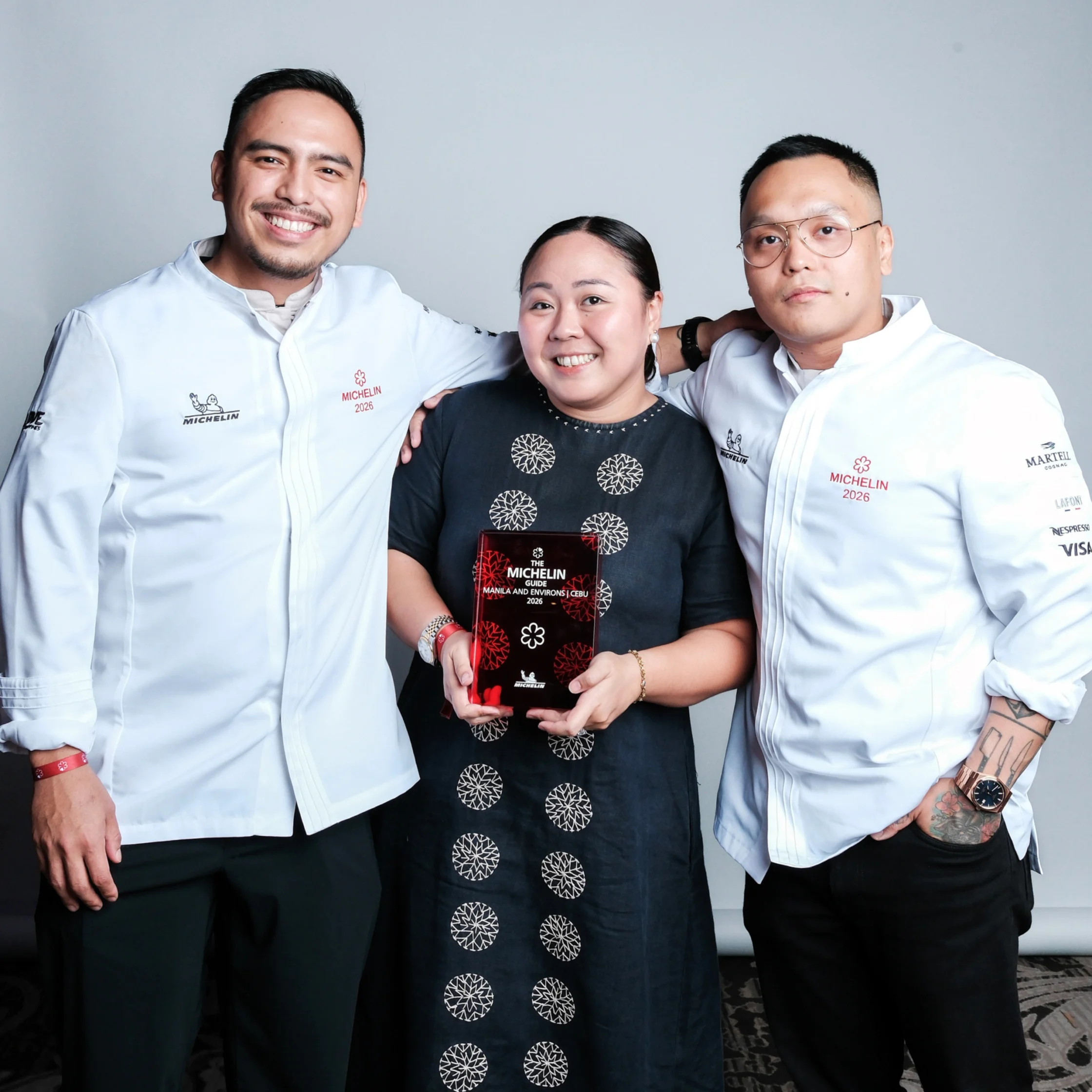
After receiving one Michelin star, Gallery by Chele has also seen an uptick in diners. “We are normally fully booked for dinners, and after the Michelin award we [became] even busier, especially for lunch,” says chef Chele Gonzalez.
Receiving a star was an especially great push for Chele’s other restaurant Asador Alfonso, which is located outside Metro Manila—in Cavite to be exact. “[It made] a very nice impact because we are out of town, and it’s sometimes difficult to bring people in to dine at that kind of level. So it really gives a lot of visibility, and we are very happy and thankful.”
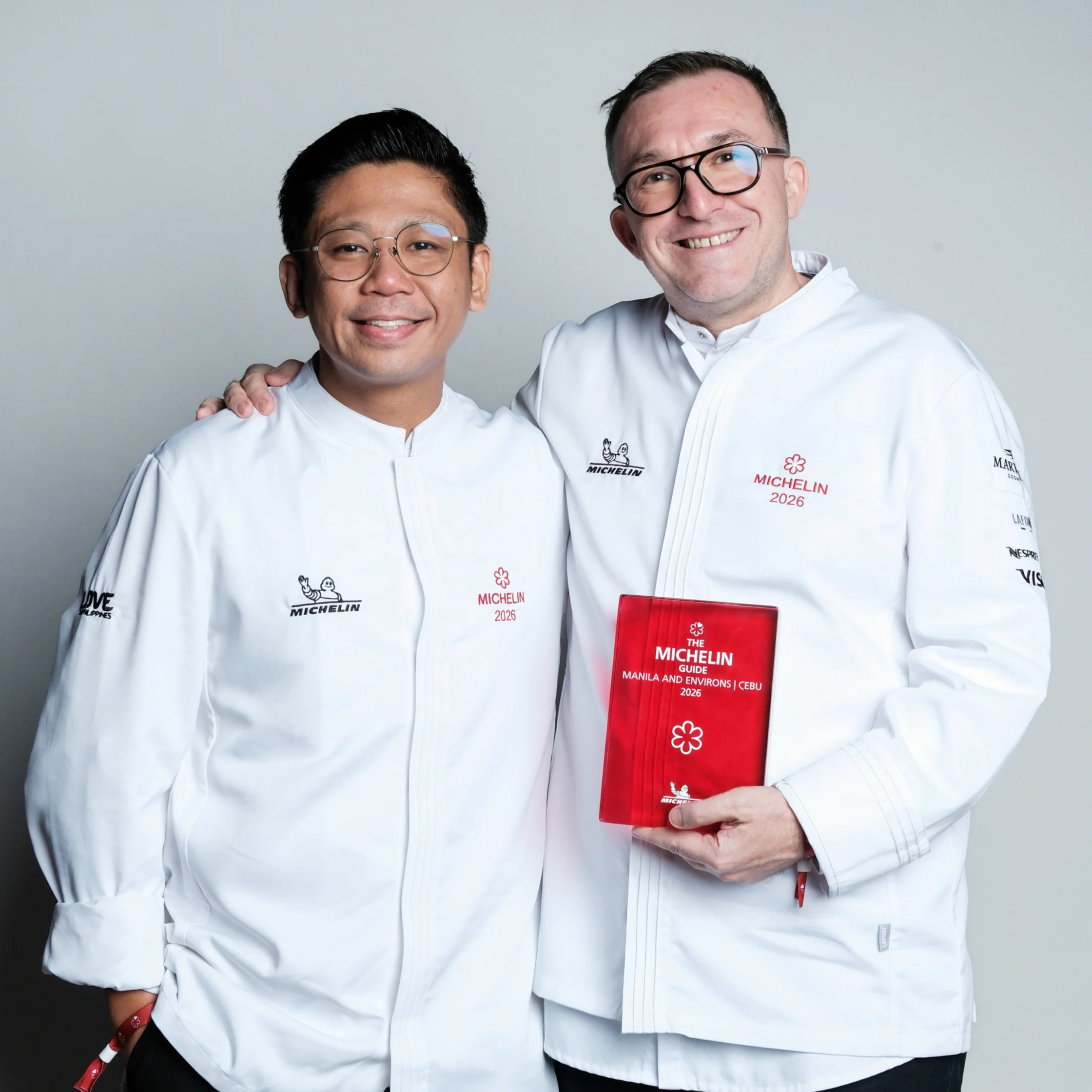
For Celera in Makati, receiving their first Michelin star was “incredibly meaningful,” says chef Nicco Santos. “Especially considering how young the restaurant was. It validated the years of work that my team and I have put into building our own voice. Practically, it changed almost everything. Reservations increased dramatically, we welcomed more international guests, and it opened opportunities to collaborate with chefs and restaurants around the world.”
It’s a similar case for Kása Palma. “Receiving a Michelin star was an incredible honor and a proud moment for our entire team,” says chef Aaron Isip. “Beyond the recognition itself, it brought international attention to Kása Palma and to what we’re trying to do—tell the story of the Philippines through our marine biodiversity, local seafood, and seasonal produce, interpreted through French technique.” A good portion of the guests that Kása Palma has received since then happen to be foreigners, he shares.
The Michelin Effect Reached Far Beyond the Stars
The relatively more accessible Bib Gourmand and Michelin selected places have also benefitted greatly from their Michelin-granted accolades. “We felt the guest volume increased the day after the announcement,” says chef Pat Go, who helms Asian neighborhood restaurant Your Local.
Ditto for Pilya’s Kitchen, the stall at The Grid Food Market known for their excellent biang biang noodles. “There were a few days when we sold out of some dishes or had to close a little earlier than usual because we had reached what our kitchen could comfortably handle,” says Pilya’s chef Kriza Palmero. Though it took some time for the team to adjust, she shares, they eventually found their rhythm and have a better handle of logistics now to keep up with the demand.
For The Underbelly—the only ramen-focused spot that made it to the list as one of the Bib Gourmand awardees—there was another surprise benefit. “The biggest change wasn’t just the spike in covers and the consistency we had to keep, but more the other opportunities that came with it—like collaborative events with other prominent peers in the industry,” says chef Mauricio Noel.
And for chef Miguel Moreno of Cabel and Palm Grill, making it to the Guide was a huge feat not only for the restaurants he owns or for himself as an individual, but also for his hometown. “As the first Tausug and Mindanaoan to be recognized with two Michelin Bib Gourmand awards through Palm and Cabel, I felt immense happiness and gratitude. Although Michelin has yet to come to Mindanao, having our restaurants represent the region was a validation of all the hard work we have put into ensuring that Mindanao is represented.”
The Small Inasal Restaurant That Michelin Put on the Map
What’s especially moving is seeing how the Guide has made a difference for the smaller eateries in the list. Aida’s Chicken is one such small place whose life transformed practically overnight after being named among the 2026 Michelin Selected Restaurants.
The influx of diners to the inasal eatery was immediate. “Dumami ang aming customers. Lalong nakilala at dinayo kami ng maraming customers, kahit sa malayong lugar sila [galing], para lang matikman ang aming manok at ibang menu,” says Mary Jane Espino, owner of the Makati branch of Aida’s.
Though this led to a significant boost for the business, Mary Jane admits they initially struggled to adjust to the increase in customers vis-a-vis the size of the place and what they were equipped to handle. “Sa dami ng customers, naaapektuhan minsan ang aming serving time dahil ang volume na pumasok is beyond the capacity of our place area, most specially our kitchen.”
It came to a point where, at lunchtime, customers had to wait in line for half an hour—sometimes even more—and there would be as much as 20 to 30 people in the queue. “Kaya minsan hindi maiwasan na may complaint sa sitwasyon na ito. In this situation we ask for an apology [from] our beloved customers,” says Mary Jane.
Sustaining the buzz in the long term, of course, is a different challenge. In the case of Aida’s, the clamour for their food remains as strong as when they were newly awarded. For some of the other restaurants, things have since understandably mellowed down.
More Than a Guide, a Catalyst for Change
Almost a year into the Guide making its splash in the Philippines, the buzz has naturally eased up. But the torch it has lit remains burning—and on a larger scale, it is impactful as ever.
Though attention has primarily been on those that made it to the list, there is something to be said about how the arrival of the Guide has benefited the industry as a whole.
As of writing, data on the Michelin’s effect on local F&B as a whole is not yet available. But going by the huge growth for the restaurants that made it to the Guide, Paulo shares, things look highly promising overall.
“We’re expecting that based on the projections, there’s greater interest in Filipino food and Filipino cuisine because of the Michelin Guide [being in] the Philippines. Those early numbers say a lot,” says Paulo. Even anecdotally, one would notice locals (in Metro Manila, especially) dining out more and more. “We’ve seen it, we’ve experienced it, we’ve felt it. Even in January and February, even when we try to book, restaurants are always full.”
“I also noticed a lot of new restaurants opening after the guide was announced,” chef Pat Go adds.
One of the byproducts of the Michelin Guide being in the Philippines is the higher bar that seems to have been set, not only for the restaurants that made it to the list, but for industry as a whole.
“[The Michelin Guide’s presence] encourages all of us—[not just the restaurants that were included, but everyone]—to keep improving, paying attention to the little details, and giving guests the best experience we can,” says chef Kriza Palmero. “In the end, if that means people get to enjoy better food and better service wherever they choose to dine, then I think that’s a good thing.”
It’s encouraged many restaurants to step things up, says chef Chele Gonzalez. “Now you can see people pushing to do things more—at a higher level, more perfectionist [in their ways], [with] more attention to details. So far, I think it’s pushing things in a very positive way.”
For chef Aaron Isip, the Michelin Guide’s relevance comes down to it being an “ongoing standard, rather than a one-time award.” Still, he highlights the importance of performing well for the sake of performing well—not just to achieve awards.
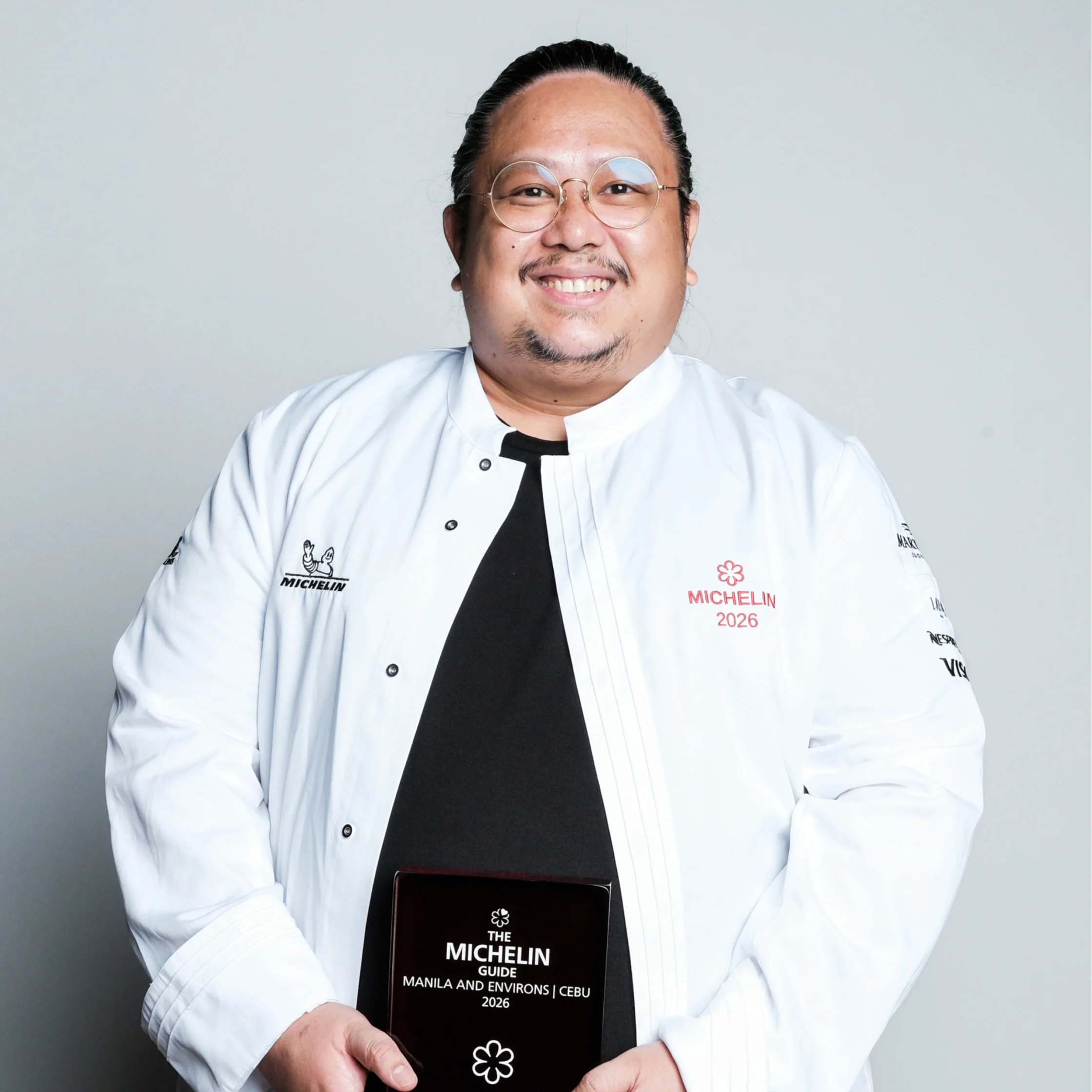
“I don’t think restaurants should [just] cook for Michelin,” chef Aaron explains. “The goal should always be to create honest, personal cuisine that reflects who you are, where you come from, and what you believe in. Recognition should be the result of that commitment—not the objective itself.”
It was confirmed in the first week of July that the Department of Tourism would be extending its partnership with the Michelin Guide until 2028—which is to say we’ll be seeing more rounds of it in at least the next two years.
How the Michelin Guide Is Putting Filipino Cuisine on the Global Stage
As reinforced by the chefs interviewed, the Michelin Guide’s presence has also helped bring global attention to the Philippines’ dining scene—and by extension, in many ways, our culinary traditions as well.
“More Filipino restaurants are now part of a global conversation,” says chef Nicco Santos. “International diners are planning trips around food here, and local chefs have another reason to believe they can build world-class restaurants without leaving the Philippines. That’s ultimately a win for everyone.”
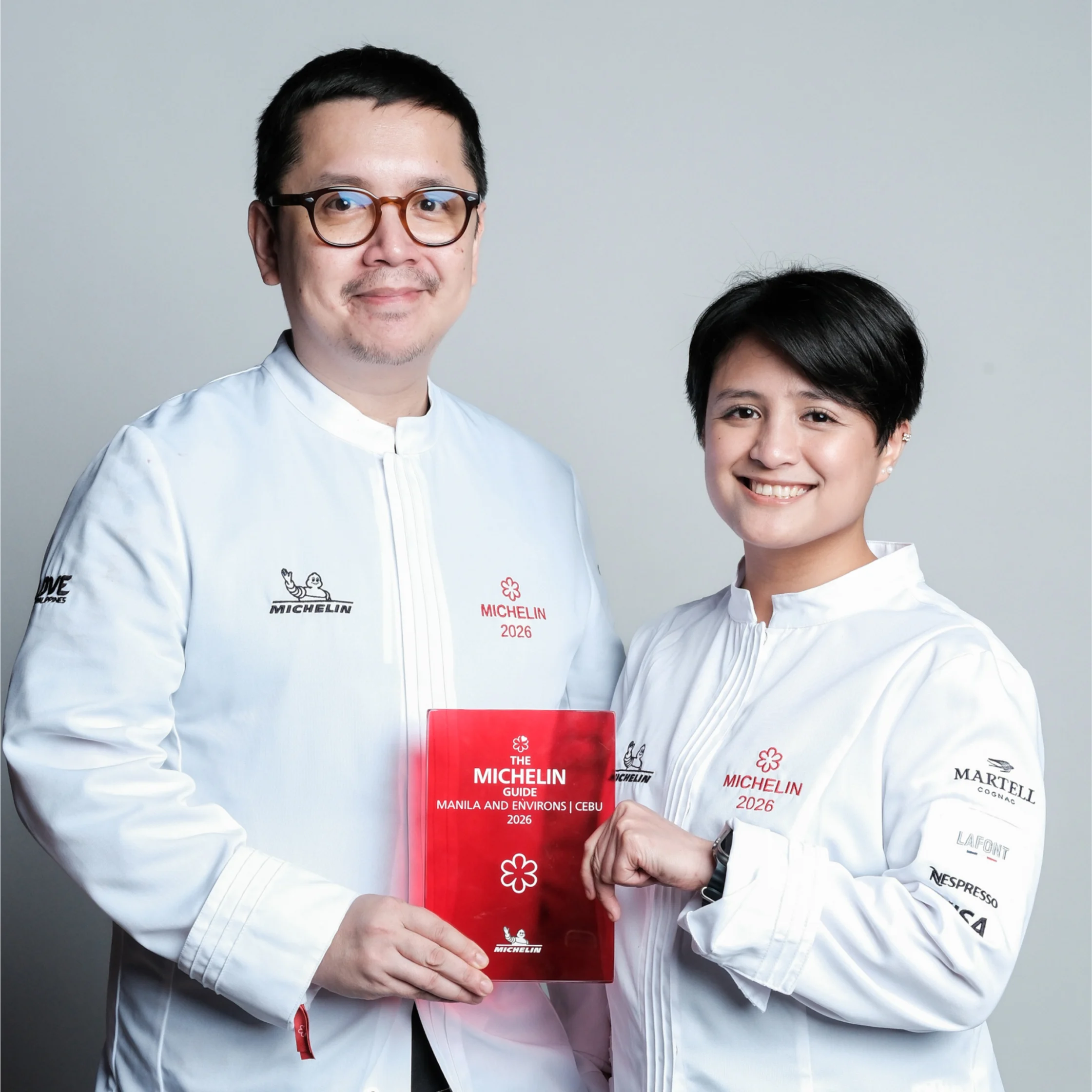
“I believe that in the next few years, Michelin will continue to give our country an avenue to talk about and showcase our cuisine and culture to a wider audience,” chef Navoa continues. The Guide’s relevance, he shares, is in how it “pushes the conversation forward.”
“It encourages restaurants to keep improving, and it also gives the world another reason to pay attention to what is happening in the Philippine food scene.”
How the Michelin Guide Is Boosting Philippine Food Tourism
With more eyes on the Philippines, the country’s tourism—both domestic and international—has gotten a welcome boost. Though exact figures are not available as of writing, this is something the DOT’s Paulo Tugbang has noticed firsthand.
“We felt like there were so many people who would travel to eat across the different restaurants that were part of the guide. I’ve seen also… and actually documented on TikTok, on Instagram—so many people have been doing their bucket list of restaurants,” he explains. “So we see that there is an increased interest to discover new flavors that our restaurants have been sharing for a while that [others didn’t know of previously], and [are] outside of their comfort zone. We’re very happy to see that.”
“We’ve also seen a lot of international footprint in the Philippines,” Paulo continues, one example being a story he heard from a chef friend of his having an influx of French customers in the past weeks.
Though some have raised the valid point that Filipino cuisine and the Philippine dining scene shouldn’t have to rely on foreign approval, Paulo reiterates the Guide’s importance not as source of validation, but a tool to make the world fully aware of what the Filipinos can give and what the local dining scene is all about.
“[My team and I] don’t treat the Michelin Guide as validation for our cuisine. Rather, we treat it as a benchmark. That says we are already ready to stand shoulder to shoulder with the global food scene,” says Paulo. “We already know that from the get-go, our food is delicious, our cuisine is great. We have regional variations and we are not a one-note destination in terms of our food. But the Michelin Guide strengthens our resolve that our food can stand shoulder to shoulder with other great cuisines in the world.”

Frequently Asked Questions
The Michelin Guide is one of the world’s most prestigious restaurant guides, recognizing establishments for exceptional food, service, and overall dining experience.
The Michelin Guide officially announced its first Philippine selection in 2025, covering Manila and Environs as well as Cebu for the 2026 edition.
The inaugural guide recognized 108 restaurants, including Michelin-starred establishments, Bib Gourmand recipients, and Michelin Selected restaurants.
Many restaurants reported increased reservations, higher revenue, more international guests, and greater global visibility after receiving Michelin recognition.
Yes. The guide has encouraged both local and international travelers to explore the Philippines through its dining scene, helping boost food tourism.