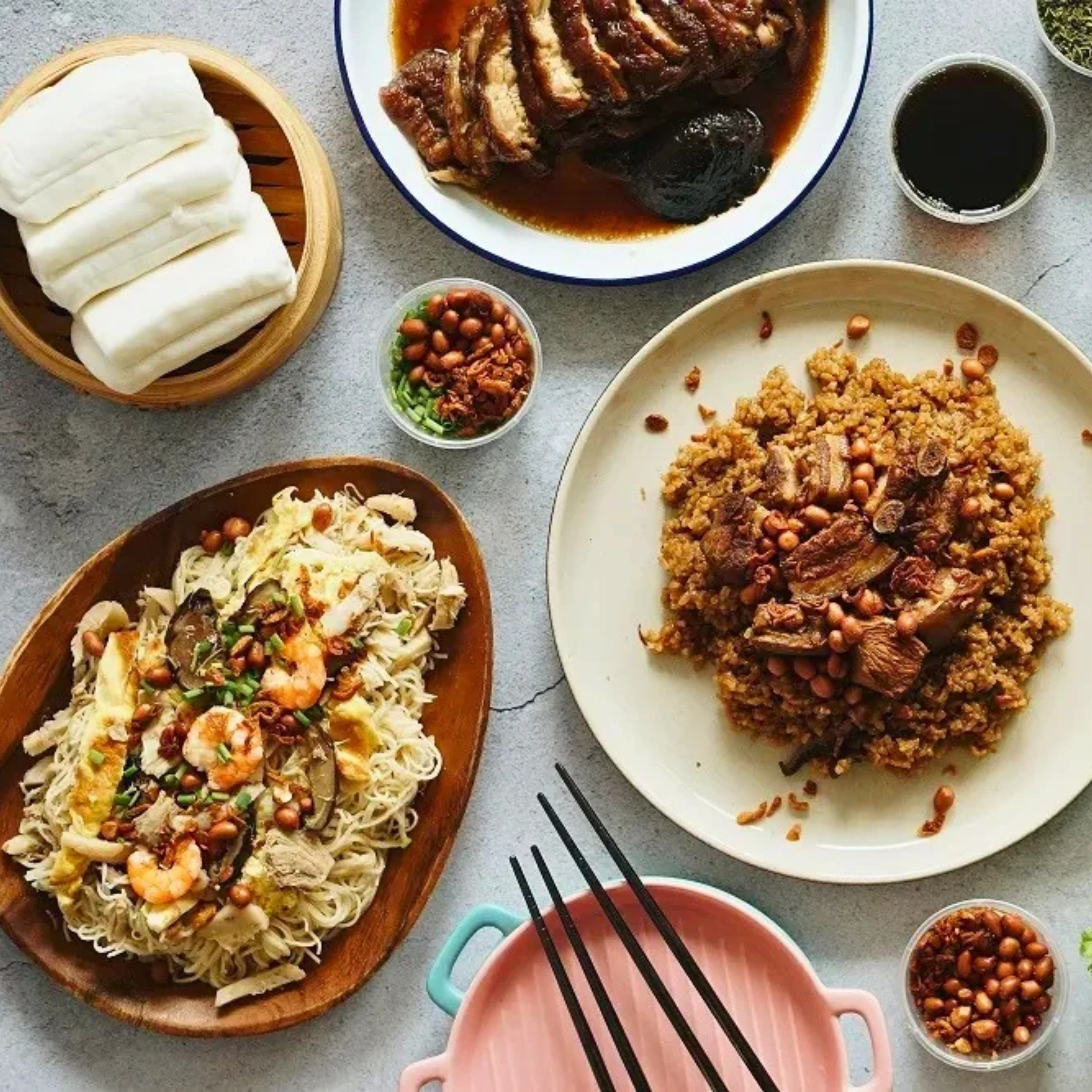
One need not look too far to see the Chinese influence on Filipino cuisine.
Ingredients like soy sauce and tokwa are considered an essential part of the Pinoy pantry, even among those without obvious traces of Chinese culture. Meanwhile, dishes like pancit, lumpiaLumpiaLumpia is the Filipino spring roll, rooted in Chinese-Filipino cuisine, wrapped in a thin crepe-like skin. Lumpiang sariwa is fresh and unfried, filled with vegetables under sweet peanut sauce; lumpiangGo to Lumpia Glossary, and humba form part of the regular rotation of viands at Filipino homes. And Filipinos happily celebrate Chinese New Year, often in the form of eating and giving away hopia and tikoy.
A Century-Old Culinary Connection
The relationship between cultures dates back over a thousand years, with archaeological evidence like Chinese ceramics pointing to the existence of trade relationships even before the arrival of the Spanish. By the Spanish colonial period around the 1500s, Chinese immigrants (mostly from Fujian and Guangdong) in search of a better life came and settled in the Philippines. Many gathered in Manila and brought their food with them in the process.
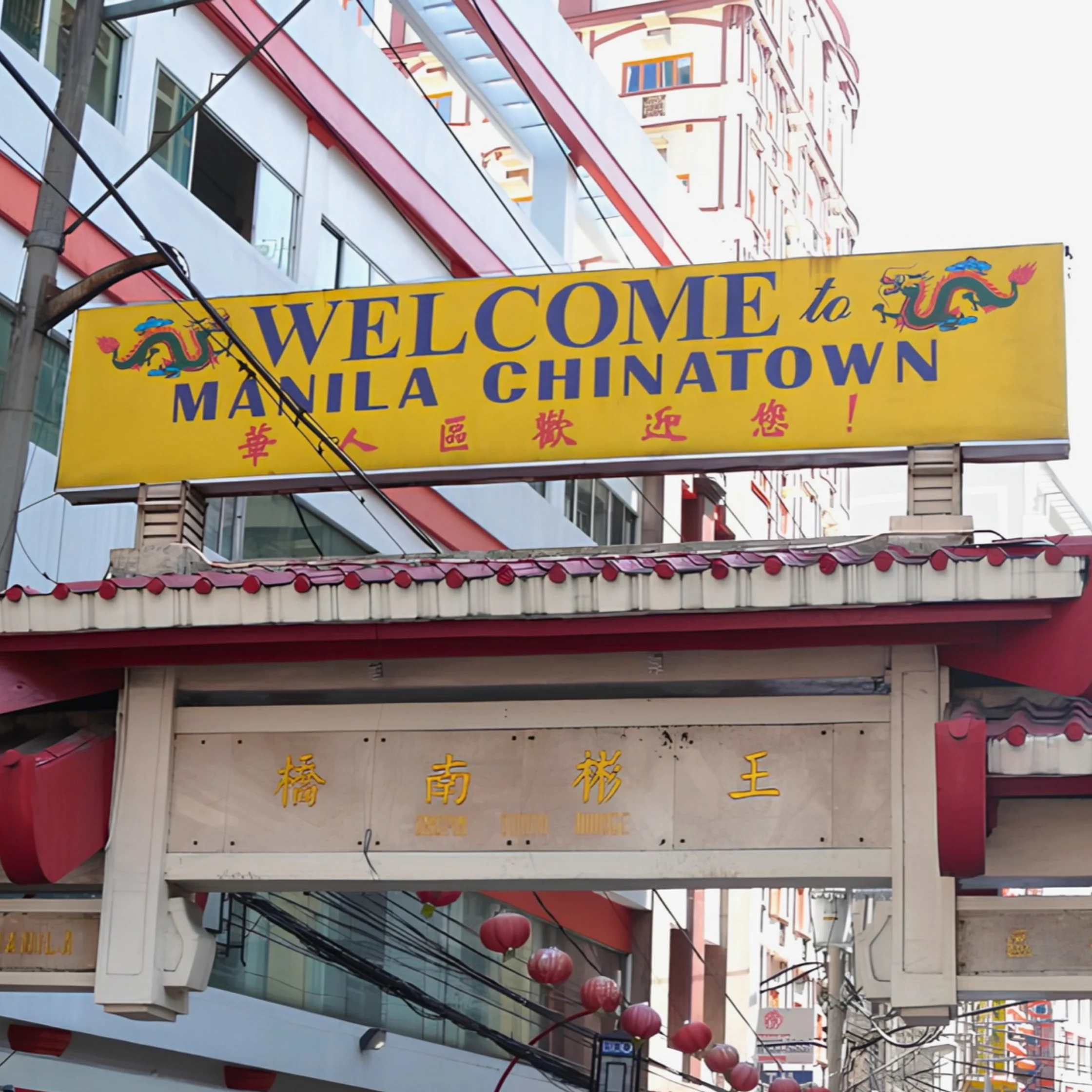
“In Manila in particular, the cuisine sort of became part of the food scene in the city,” says Ivan Man Dy, who has been doing walking tours around Intramuros, Binondo, and Malacañang since 2005 via Old Manila Walks. “Eventually, [as with] a lot of the things that came from Manila, it made its way to the smaller towns.”
Panciteria, Intermarriage, and Binondo’s Roots
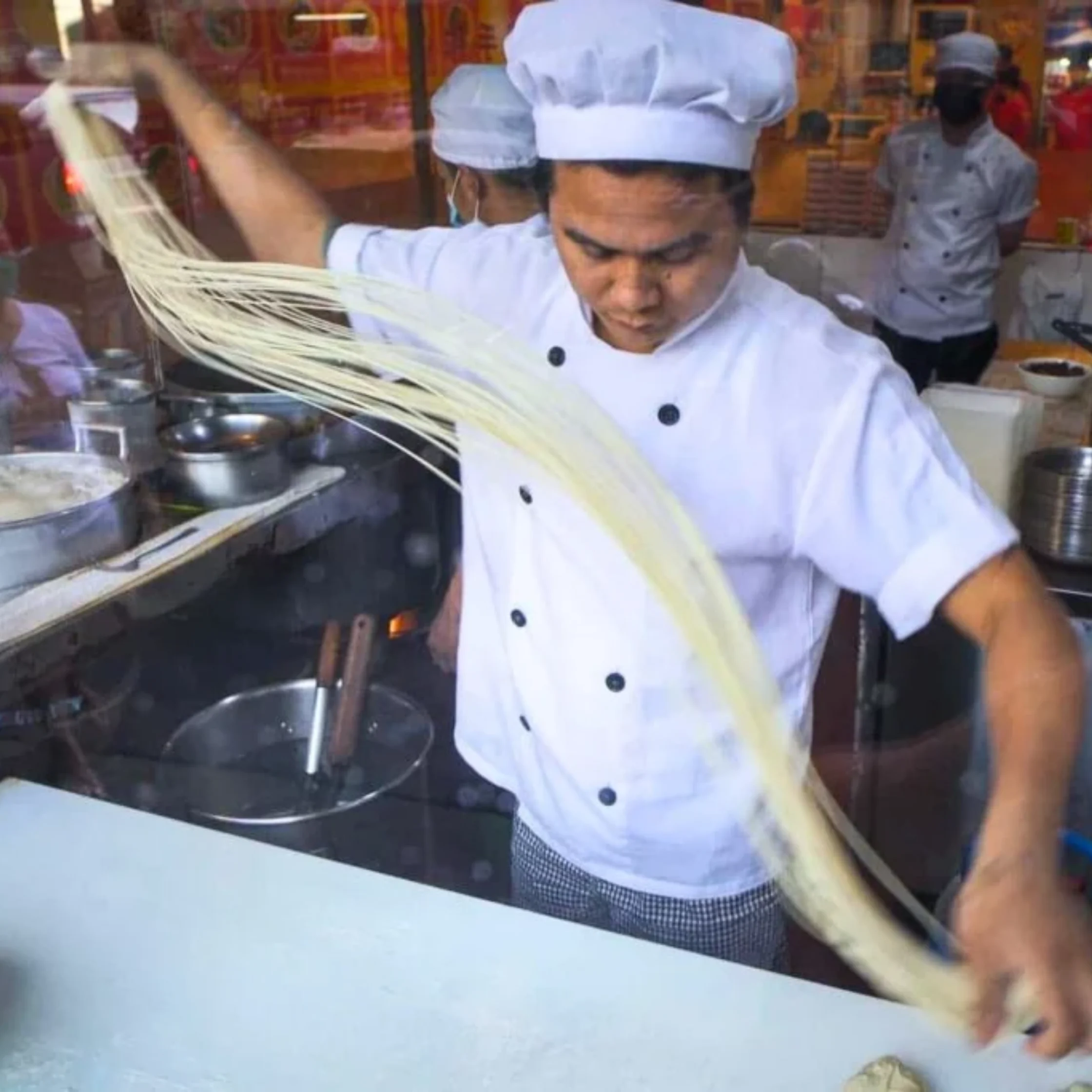
Worth noting is the fact that many of the earliest restaurants in Manila were panciteria founded by the Chinese immigrants in the 1800s. According to Michael L. Tan, the very term pancitPancitThe Filipino noodle dish, symbolizing long life and traditionally served at birthdays. Varieties abound, from everyday bihon and canton to regional specialties such as Quezon's habhab and Cagayan's pancit batilGo to Pancit Glossary comes from the Hokkien “pien sit,” or “cooked food,” which were sold by pancitero (Chinese food vendors) to working women in cigar factories. The pancitero settled into more permanent spaces which were called panciteria. And as time went on, the term pancit came to be used exclusively for noodles, as an uncooked ingredient or as the name of the dishes it’s cooked into.
Another factor that may have led to the intertwining of Chinese and Filipino cultures—and food—is intermarriage, Ivan continues. “Some of the Chinese immigrants, they came, they intermarried with local wives. So, there probably was a sort of enculturation that happened somewhere there.”
At this point, the relationship between the Filipino locals and the Chinese immigrants was likely, in large part, transactional. “A lot of the Chinese [who came to the Philippines] were artisans. [Some] were cooks. I think the [nature of the] relationship was, it was really how the Chinese immigrants fulfilled a need or a particular need or service that other people did not provide.”
Because of intermarriage, there was also a familial dimension to the relationship between the Chinese and the Filipinos, he continues. “Because these immigrants, they all came for a better life, basically, because life was difficult. So when they came to Manila, they would do their thing… [some of them] would trade or be agents to foreign business houses. And some of them went into food.”
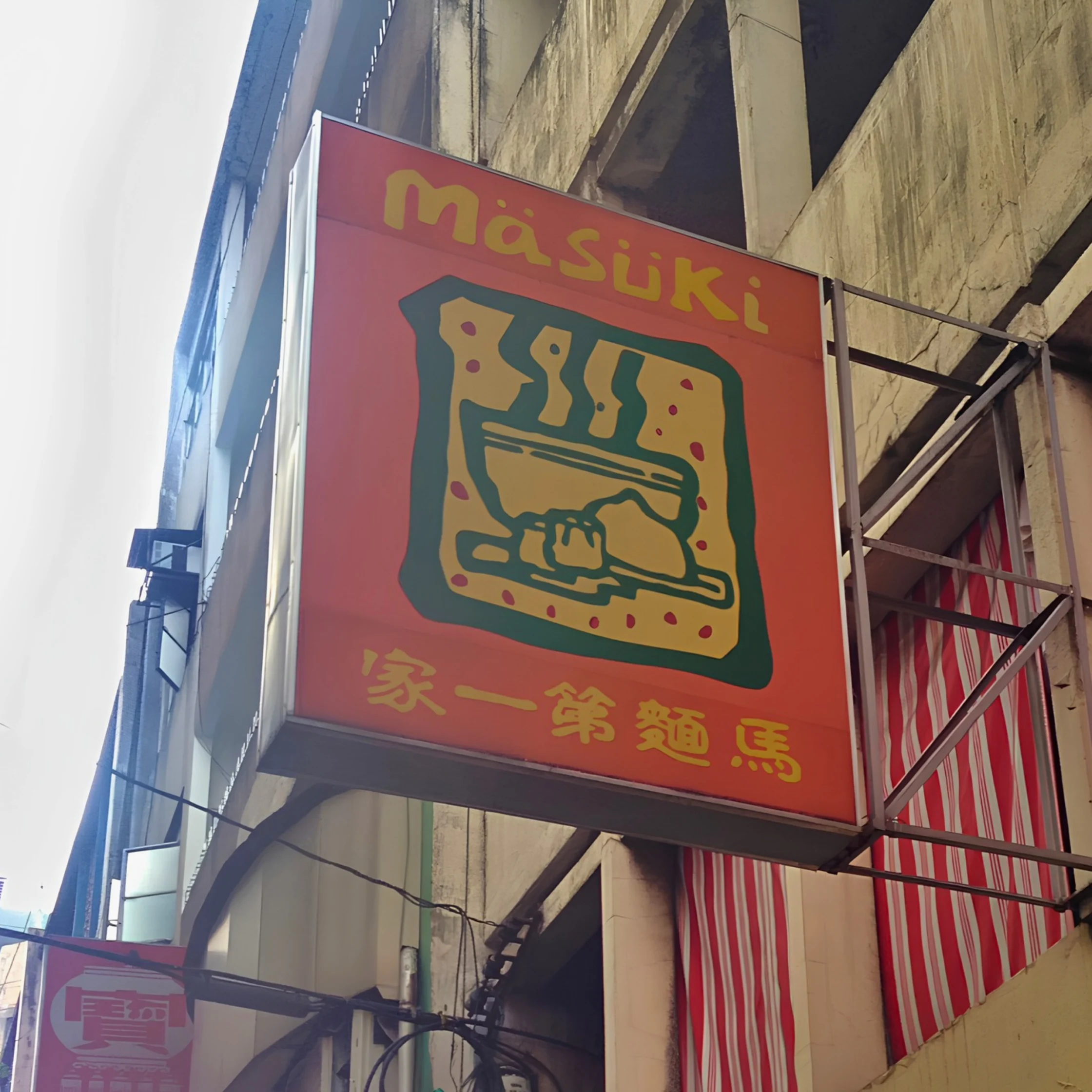
Spanish Governor Luis Pérez established Binondo in 1594, initially as a place of settlement for the Chinese immigrants in Manila. Over the years it developed as a trading hub, as well as a site for restaurants and eateries that would come to be considered some of Manila’s most legendary—including Toho Panciteria Antigua, the oldest restaurant in the Philippines founded in 1888; Masuki, the mami legend that opened in 1930; and Quik-Snack, the Chinoy institution that’s been around since 1967.
Filipino Adaptations of Classic Dishes
From migration and inter-ethnic interaction—much of which took root in Manila but eventually reached smaller towns—many influences from the Chinese were embraced by the Filipino locals, even absorbed into their culture. In the context of food, there are the aforementioned ingredients that are now staples in the local pantry. “I guess people just used them… it was really a very natural adaptation of certain things that was eventually incorporated or even invented in some dishes that we put,” says Ivan.
Ivan does note that Chinese migration didn’t happen all in one go. “It came in different periods,” he explains. “Every period would carry with it its own type of introduction of new ingredients and new food.”
Numerous dishes have been embraced by Filipinos over the years, with some even spawning Filipino adaptations. Pancit, for one, has come to be indigenized as a Filipino dish with distinctly Filipino variations—just look at our patola misua soup made, bihon gisado (gisado being a term with Spanish roots, referring to the Filipino cooking method of sautéeing), or batil patung made with miki. LomiLomiLomi is a Filipino noodle soup made with thick egg noodles in a starch-thickened broth, typically loaded with pork, vegetables, and often quail eggs. Associated closely with Batangas, its hearty,Go to Lomi Glossary, the noodle dish of Hokkien origin, even has a Batangas counterpart that’s distinct for its more heavily meaty toppings. As Ivan points out, some of the noodle names also retain their Hokkien monikers: lomi (lor mee), miki (mie ki), and misua for example.
LumpiaLumpiaLumpia is the Filipino spring roll, rooted in Chinese-Filipino cuisine, wrapped in a thin crepe-like skin. Lumpiang sariwa is fresh and unfried, filled with vegetables under sweet peanut sauce; lumpiangGo to Lumpia Glossary, which has roots in Chinese spring rolls, have likewise been indigenized, with distinctly Filipino versions that are local favorites to this day. From the un-fried popiah came lumpiang sariwa, the Filipino version of which has a milder-tasting filling of bamboo shoots and other veg in a soft, crepe-like wrapper. Fried spring rolls, too, have been adopted with localized fillings: sauteed bean sprouts for lumpiang togue; ground pork for lumpiang Shanghai; green chili peppers, meat, and cheese for dynamite lumpia; and so on.
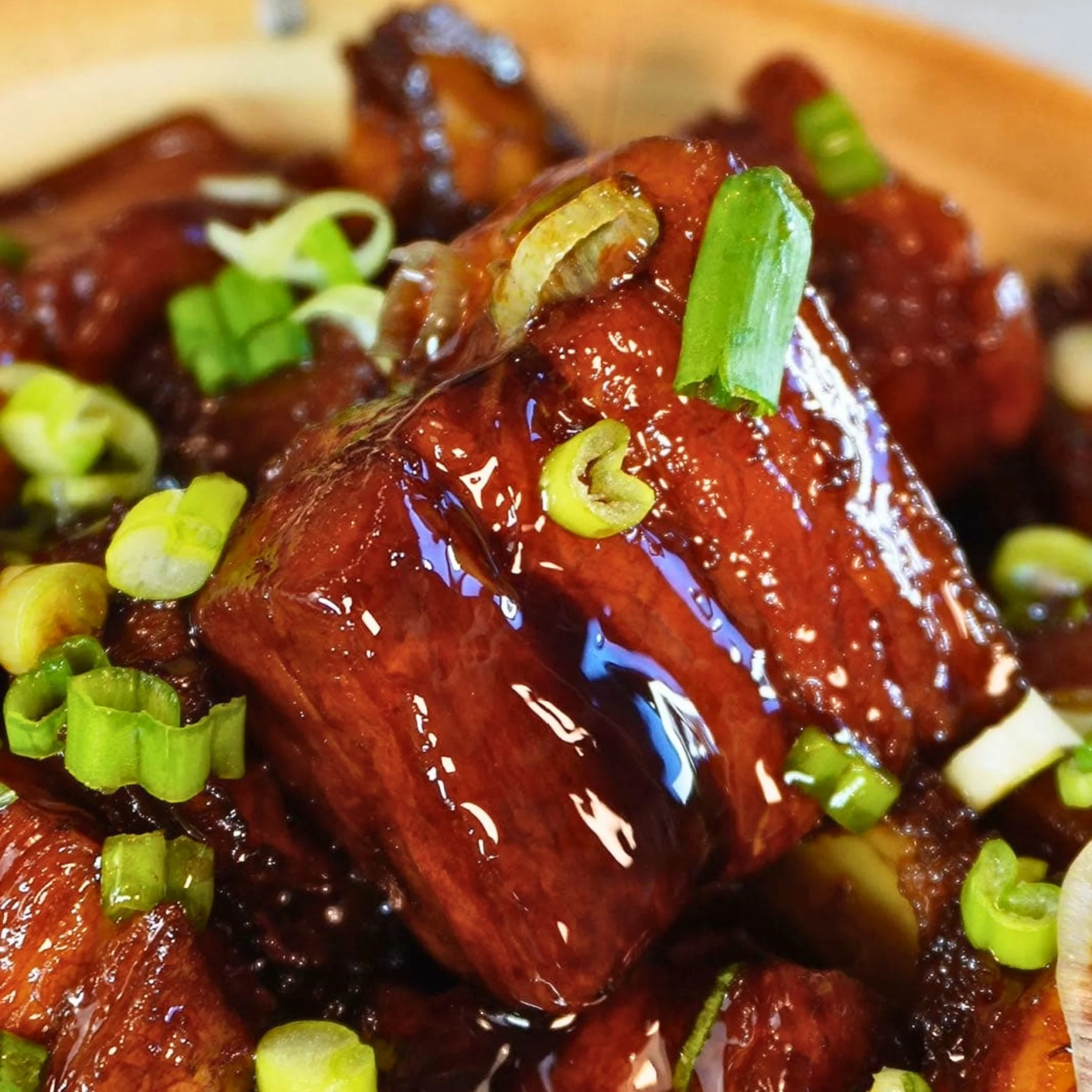
From the Fujian hong ba (or hong bak in Hokkien, which itself has roots in Shanghai’s hong shang rou) arose the Visayan favorite that is humbaHumbaHumba is a Visayan pork stew akin to adobo but sweeter and more complex, built with soy sauce, vinegar, brown sugar, and often regional banana blossom or fermented black beans.Go to Humba Glossary—the Visayan favorite of pork belly, salted black beans, and banana blossoms braised in soy sauce, a touch of vinegar, sugar, and aromatics that might include garlic, bay leaves, and/or star anise.
Everyday Staples, Kitchen Terms, and Festive Traditions
Other dishes with Chinese roots and/or links are siomai (from shu mai), siopao (from baozi), tahoTahoTaho is a Filipino street food of warm silken tofu, sweet brown sugar syrup called arnibal, and chewy sago pearls, traditionally sold by vendors carrying twin buckets at dawn. ItsGo to Taho Glossary (from douhua), kikiam (from ngoh hiang), and hopia (from Hokkien pia). There, too, are ingredients and equipment referred to by localized versions of their Chinese names: beef kenchi, beef kamto, wansoy, kinchay, and the slotted turner known as sianse (also spelled sansi or siyansi).
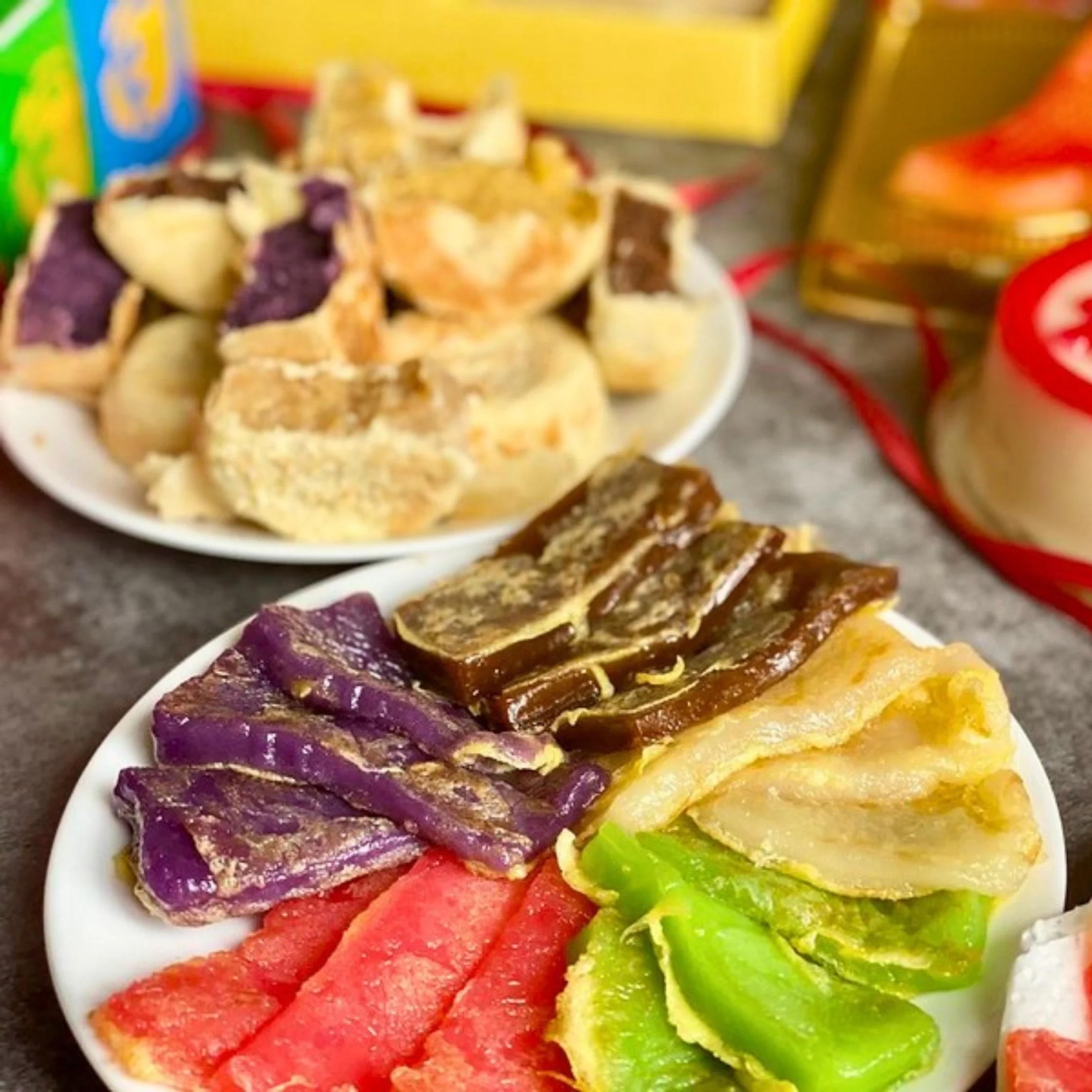
Tikoy and hopia are also staple buys (or things Filipinos would ask for from their Fil-Chi friends) during Chinese New Year. “I think [celebrating Chinese New Year in the Philippines] is a very recent thing, because it was probably popularized in the 20th century,” says Ivan. “That’s my theory. Because of the growing interaction [between the Chinese and Filipinos], eventually Chinese New Year became big as well, at least in Manila.”
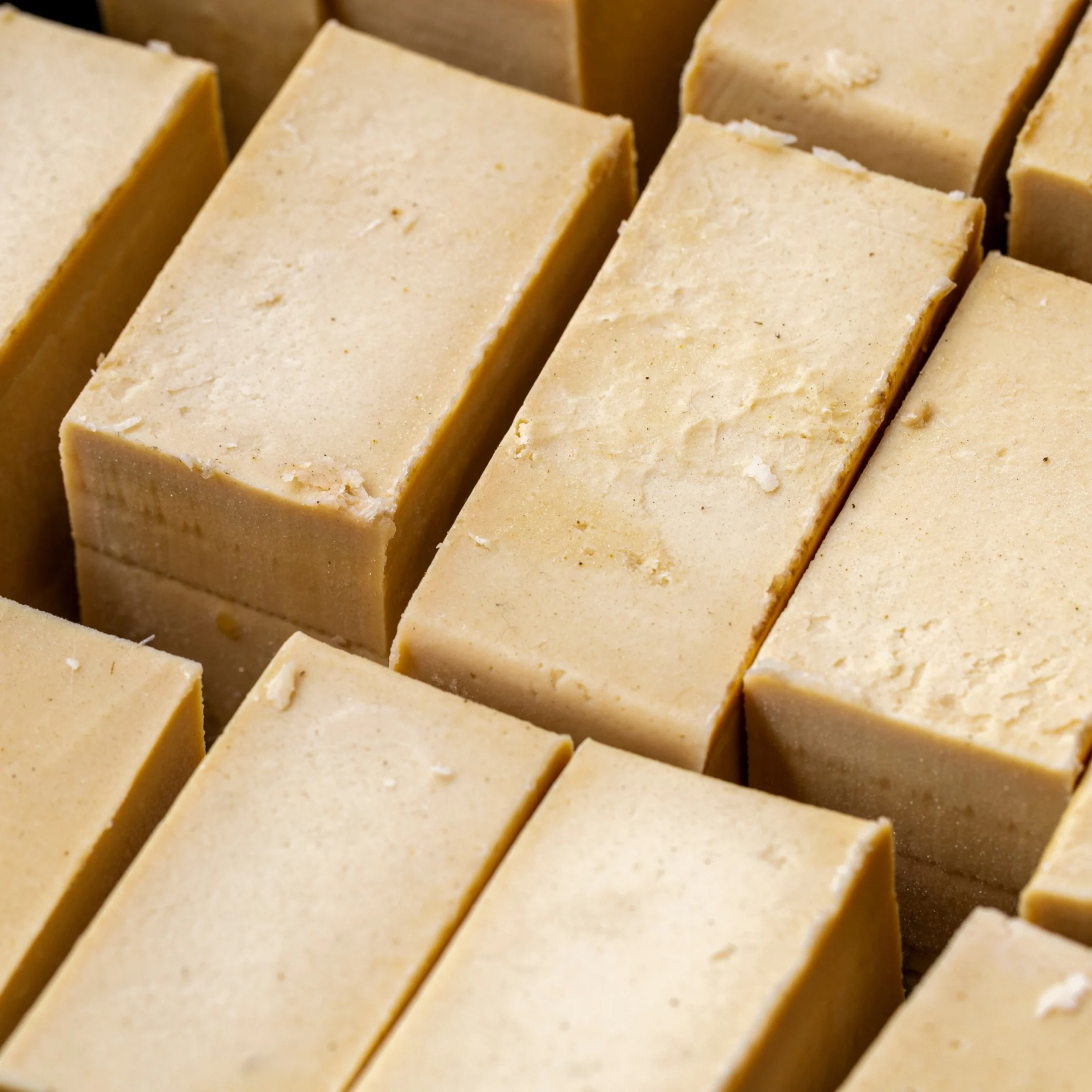
As mentioned, soy-based ingredients from China have become staples in the Filipino market and pantry—think tokwa (soybean curd a.k.a. tofu), tahure (fermented bean curd), miso (fermented soybean mash), and tausi (fermented black beans). As such, the use of soy sauce in the classic soy-vinegar adobo is yet another hallmark of the Chinese influence on the local cuisine. Consider, too, the adoption of the Chinese wok as the Filipino carajay; and of the cooking method called pesa—boiling or steaming in Filipino—that stems from the Hokkien “sah,” meaning “plain boiled.”
History really does leave the most delicious imprints—and food, in turn, reflects the tight-knit intertwining between cultures.

Frequently Asked Questions
The relationship dates back over a thousand years, supported by archaeological evidence like Chinese ceramics that show trade existed before the Spanish arrived. Larger waves of Chinese immigrants—mostly from Fujian and Guangdong—came and settled around the 1500s during the Spanish colonial period, bringing their food into Manila before it eventually spread to smaller towns.
According to Ivan Man Dy of Old Manila Walks, the connection grew through both practical and personal ties. Many Chinese immigrants worked as artisans, cooks, or traders who met local needs, and intermarriage with local wives helped blend cultures and food traditions. Because migration happened in waves over different periods, each era introduced new ingredients and dishes that gradually became everyday staples.
Two of the many originally Chinese dishes that eventually became Filipino classics are lumpia and humba.
Lumpia evolved from Chinese spring rolls, while humba developed from the Fujian hong ba or Hokkien hong bak (which has roots in Shanghai’s hong shang rou).
Established by Spanish Governor Luis Pérez in 1594 initially as a settlement for Chinese immigrants in Manila, Binondo grew into a major trading hub and home to legendary eateries. Notable spots mentioned in the article include Toho Panciteria Antigua (founded in 1888, the oldest restaurant in the Philippines), Masuki (known for mami, opened in 1930), and Quik-Snack (a Chinoy institution operating since 1967).
While tikoy and hopia are common Chinese New Year buys or gifts from Filipino-Chinese friends, Ivan Man Dy suggests that celebrating Chinese New Year in the Philippines is a fairly recent phenomenon—likely popularized in the 20th century as growing interactions between Chinese and Filipino communities made the celebration bigger, at least in Manila.