Advertisement

5 Delicious Ways Restaurants Are Giving Kimchi an Interesting Twist

From Filipino sinigang to Mexican-inspired quesadillas, see how this Korean staple is finding delicious new ways to shine.

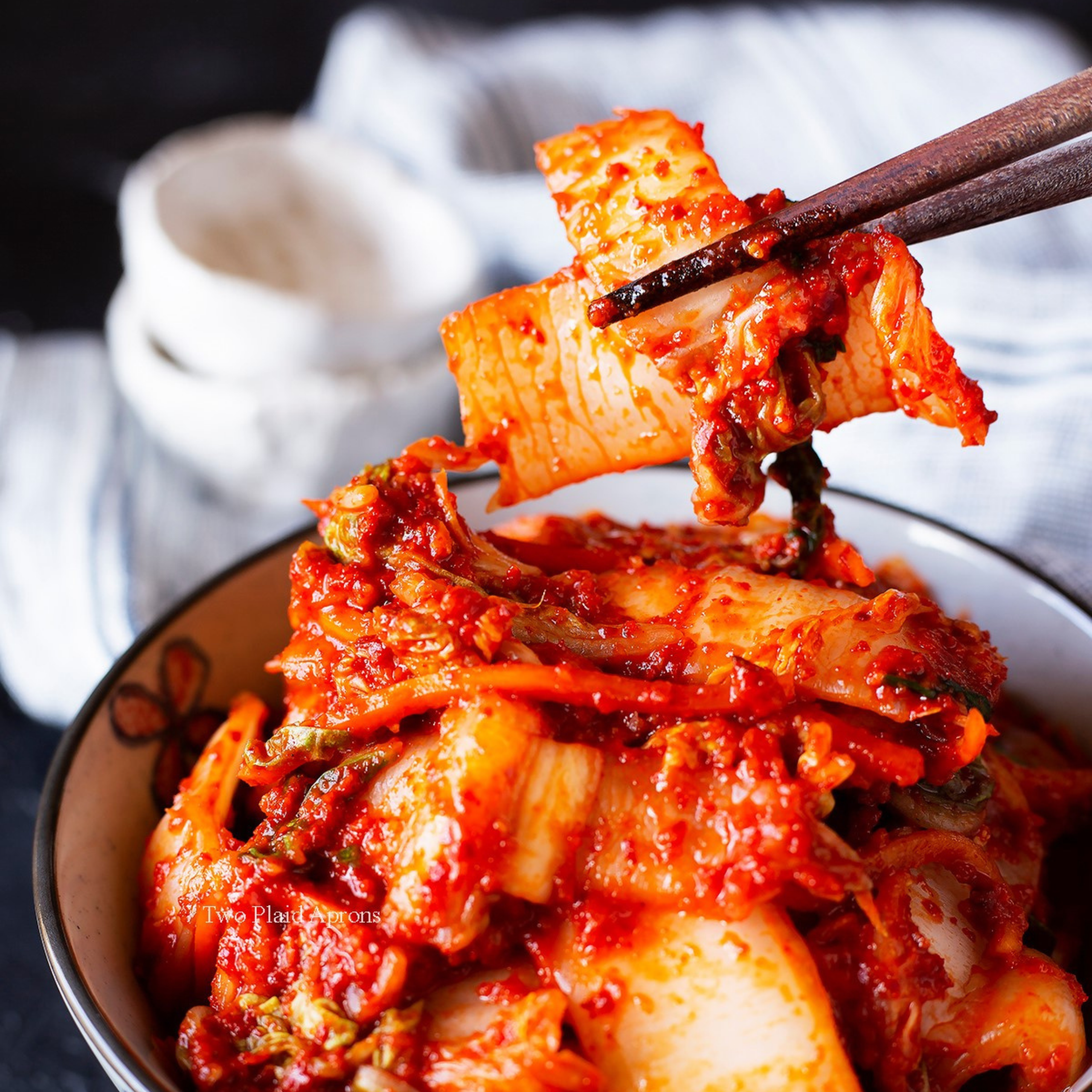
Kimchi PHOTO COURTESY OF Two Plaid Aprons Official Website
Kimchi is more than just a side dish—and these dishes prove it! [PHOTO COURTESY OF Two Plaid Aprons Official Website]

Kimchi may be best known as the spicy, tangy side served alongside your favorite Korean dishes, but it’s actually more versatile than that. 

Packed with sour, spicy, and savory flavors, this fermented favorite brings plenty to the dishes it joins. Its acidity can balance rich ingredients, while its bold taste adds a new dimension to familiar recipes. It’s a combination that makes kimchi a natural fit for all kinds of delicious kitchen experiments.

From Filipino favorites to international classics, here are five creative ways to enjoy the Korean favorite.

1. Kimchi Fried Rice

When life gives you leftover rice, make fried rice! This Korean favorite gives yesterday’s rice a delicious second life with tangy, spicy kimchi. Its bold flavors soak into every grain, turning an already flavorful rice dish into something much more exciting.
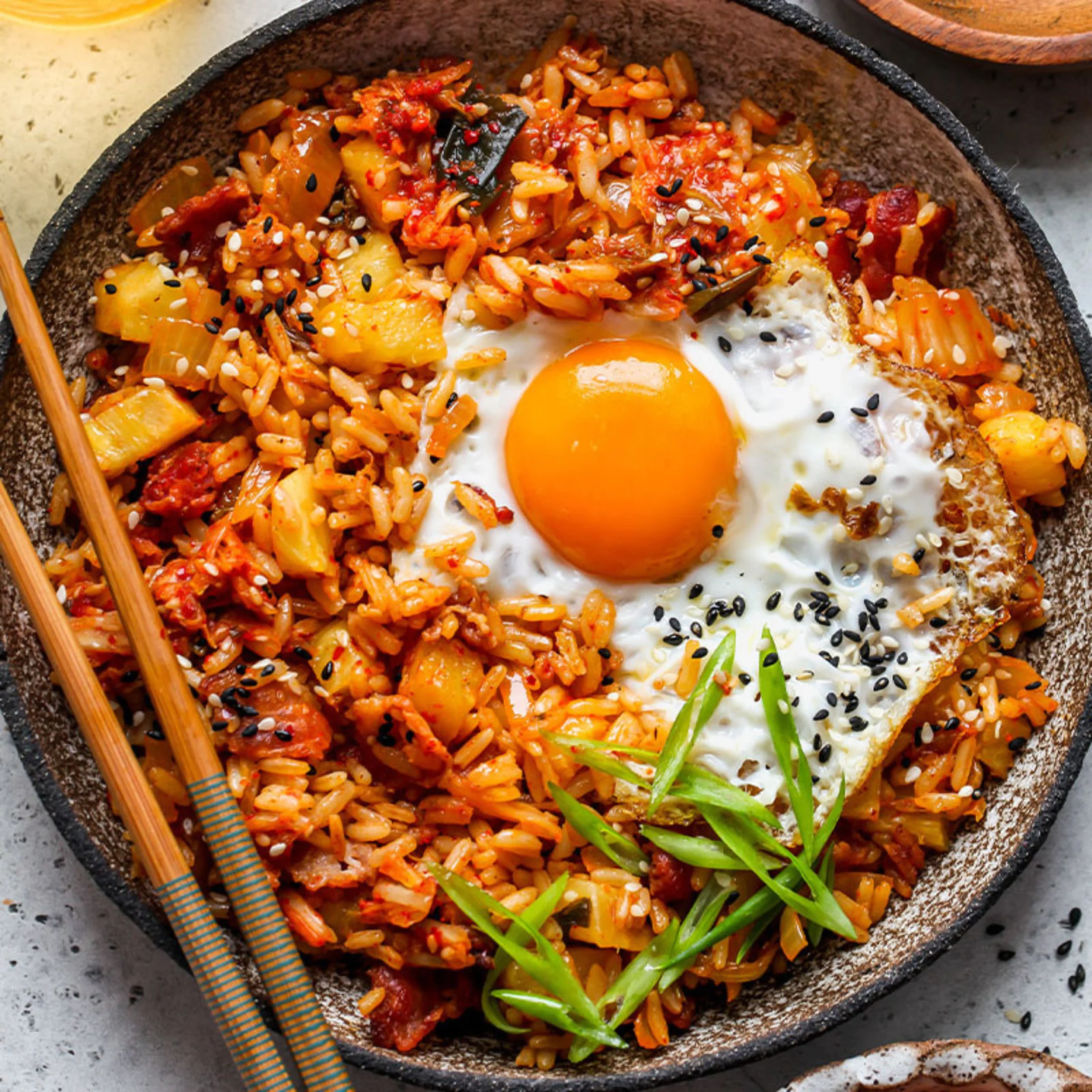
Kimchi Fried Rice PHOTO COURTESY OF USA Rice Official Website
Kimchi Fried Rice [PHOTO COURTESY OF USA Rice Official Website]

Tossed with garlic, onions, and sesame oil, it’s delicious and filling on its own. But add a sunny-side-up egg, crispy spam, or bits of pork, and you’ve got a hearty meal that’s always ready to rice and shine.

Rice cravings calling? Make your way to Busan Korean Restaurant Makati at 877 J. P. Rizal St., Makati, where you can choose between their Classic Kimchi Fried Rice and Mozzarella Overload Kimchi Fried Rice.

2. Kimchinigang

When two food cultures meet, delicious things can happen! Kimchinigang brings Filipino and Korean comfort food together in one pot, pairing the familiar asim of beloved sinigang with the bold, spicy, and fermented flavors of Korea’s famous kimchi—proof that some of the best food combos happen when two different cultures come together.
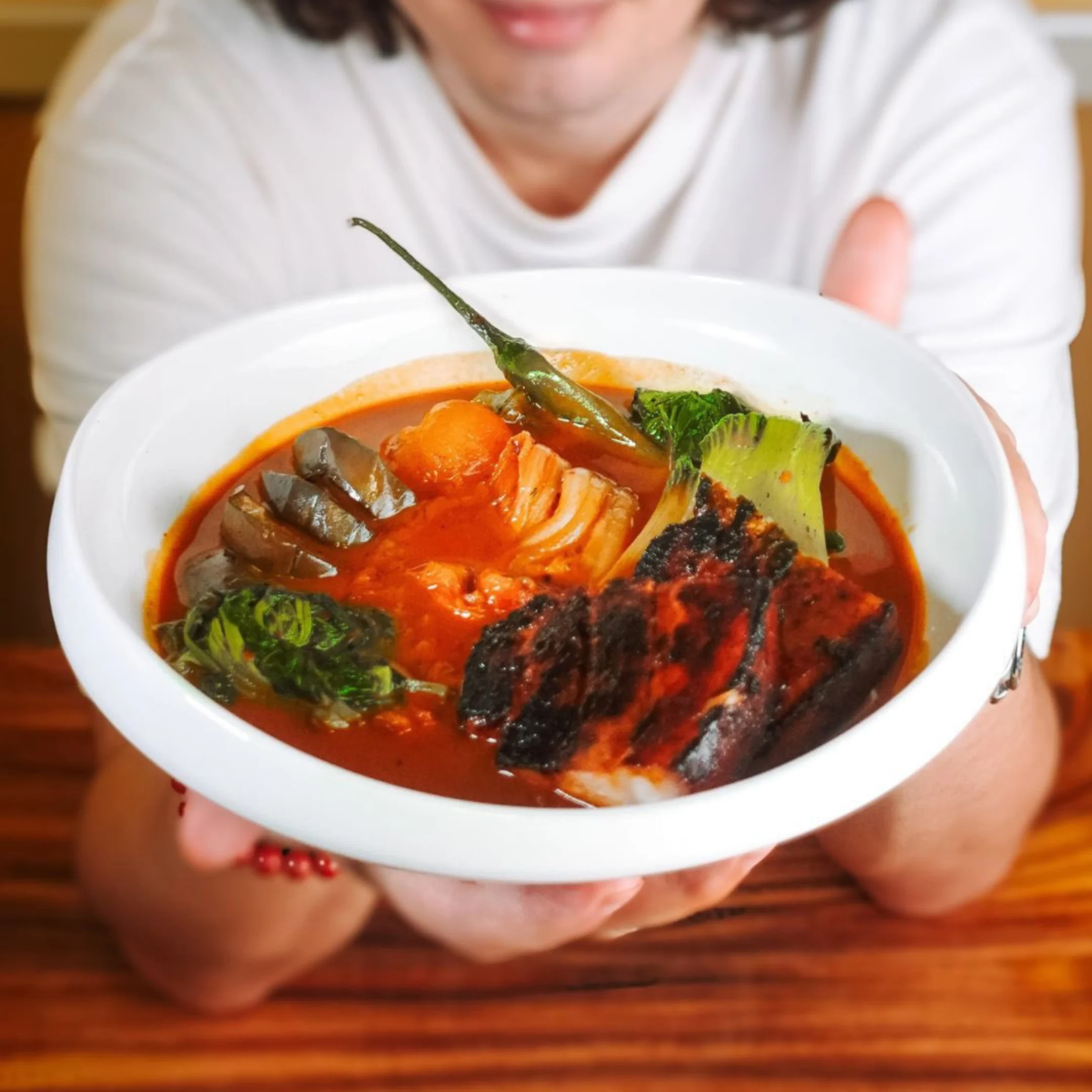
Kimchinigang PHOTO COURTESY OF Arion Marin Official Instagram
Kimchinigang [PHOTO COURTESY OF Arion Marin Official Instagram]

Whether paired with pork, shrimp, or fish, kimchi adds another layer of flavor to the usual mix of vegetables and seasonings. It’s a playful take on a well-loved classic, perfect for anyone who enjoys their with a little more spice!

Curious to try this Filipino-Korean comfort food mash-up? Sama Sama at West of Ayala Condominium, Urban Ave., Makati, serves up its own take with their Beef Kimchi .

3. Kimchi Mandu

Don’t let their small size fool you—kimchi dumplings pack plenty of goodness! With tangy kimchi, savory meat (or tofu), vegetables, and glass noodles tucked inside soft and chewy mandu wrappers, these little parcels are sure ways to deliver different flavors and textures in every bite.
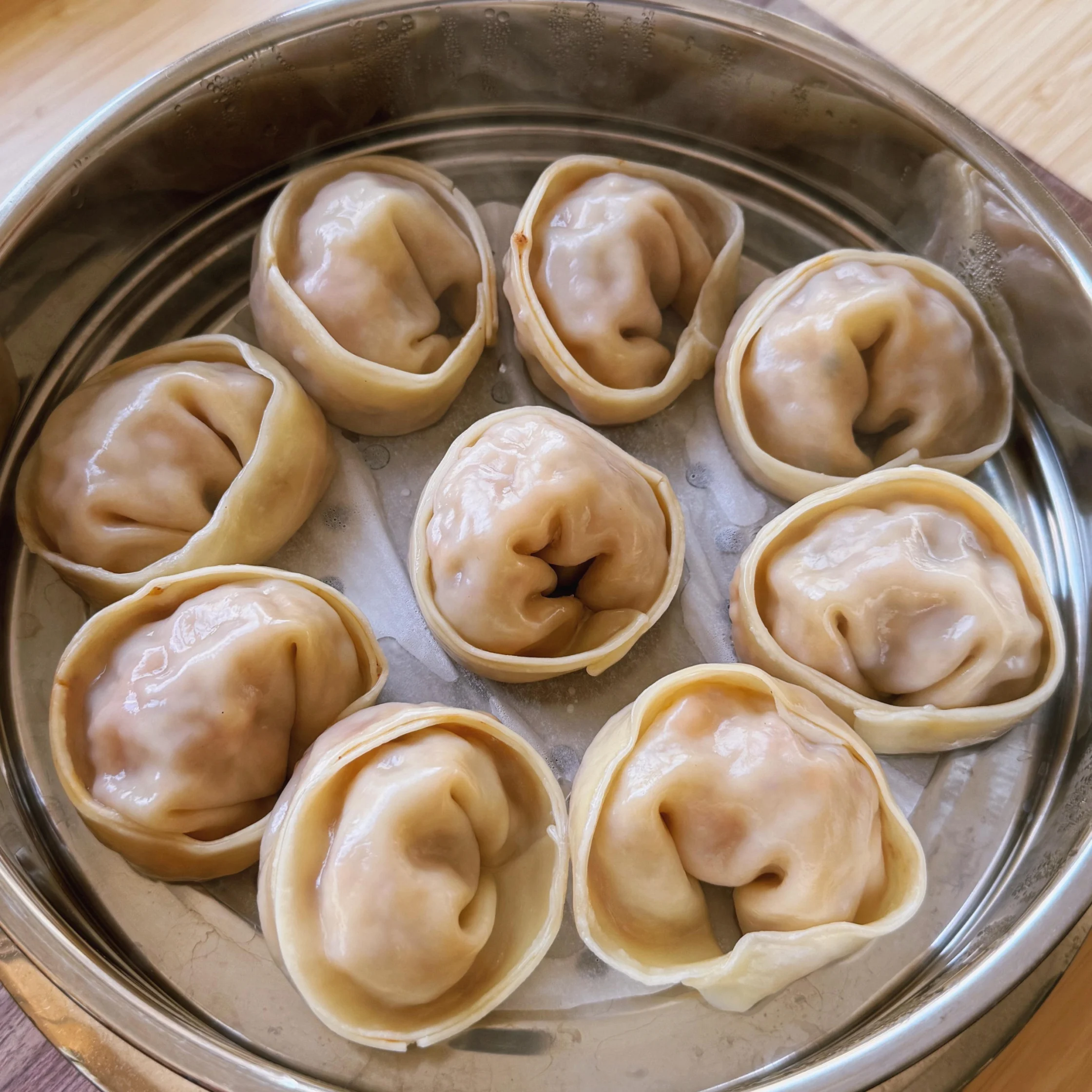
Kimchi Mandu PHOTO COURTESY OF Brendan Pang Official Instagram
Kimchi Mandu [PHOTO COURTESY OF Brendan Pang Official Instagram]

And the best part is that they’re as versatile as they are tasty. Whether steamed, pan-fried until golden, or served in a warm dumpling soup, each version brings everything you’d want in a bite-sized package!

For dumplings with a little extra zing, drop by Yooga Table at the Ground Floor, Executive Building Center, Jupiter St., corner Makati Ave., Makati City. Their kimchi dumplings are available steamed or fried, so you can enjoy them just the way you like.

4. Kimchijeon

Who says pancakes have to be sweet? Kimchijeon flips that idea on its head, trading sugary toppings and syrups for the bold, tangy flavors of Korea’s beloved fermented cabbage. This savory pancake mixes chopped kimchi into a simple flour batter, creating a different, but delicious take on a familiar favorite.
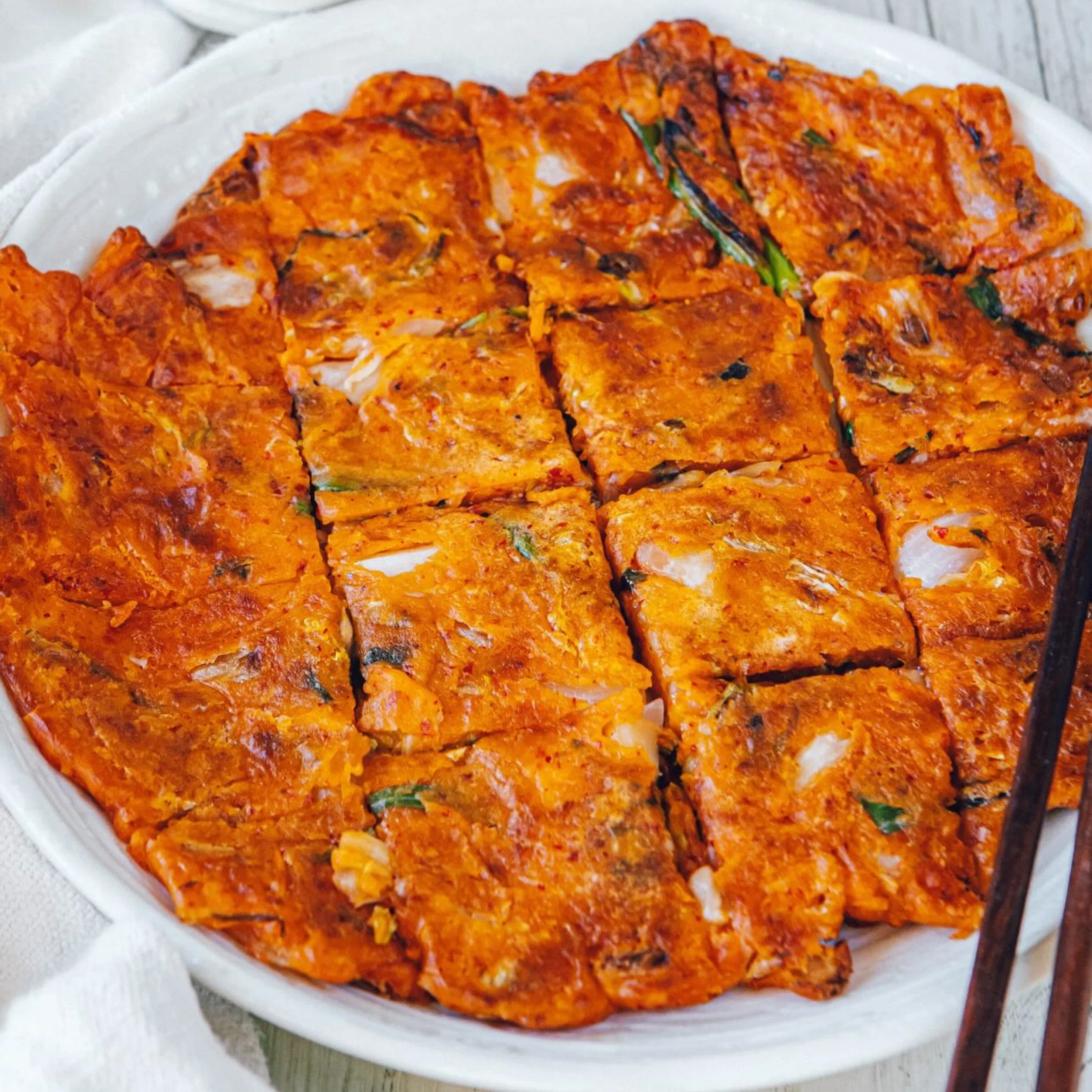
Kimchi Pancakes PHOTO COURTESY OF thrivingonplants on Instagram
Kimchi Pancakes [PHOTO COURTESY OF thrivingonplants on Instagram]

Pan-fried until golden and crisp around the edges, it has a tender center packed with kimchi goodness. Best enjoyed hot, it’s a tasty snack, a side dish, or even a companion to your favorite drink. Now that’s one pancake worth flipping for!

Looking for a savory snack to shake up your usual orders? Head to Gochugang Korean Eatery on the second floor of The Grid – Food Market, Power Plant Mall, Rockwell Dr., Makati, and give their Kimchi Pancake a try.

5. Kimchi Quesadillas

Forget cheesy pickup lines—this quesadilla knows how to win you over with flavor. WIth kimchi bringing its signature tang and spice to the party, and melted cheese adding a creamy richness to balance every bite out, this unexpected pairing gives the familiar Mexican favorite a distinctly Korean twist.
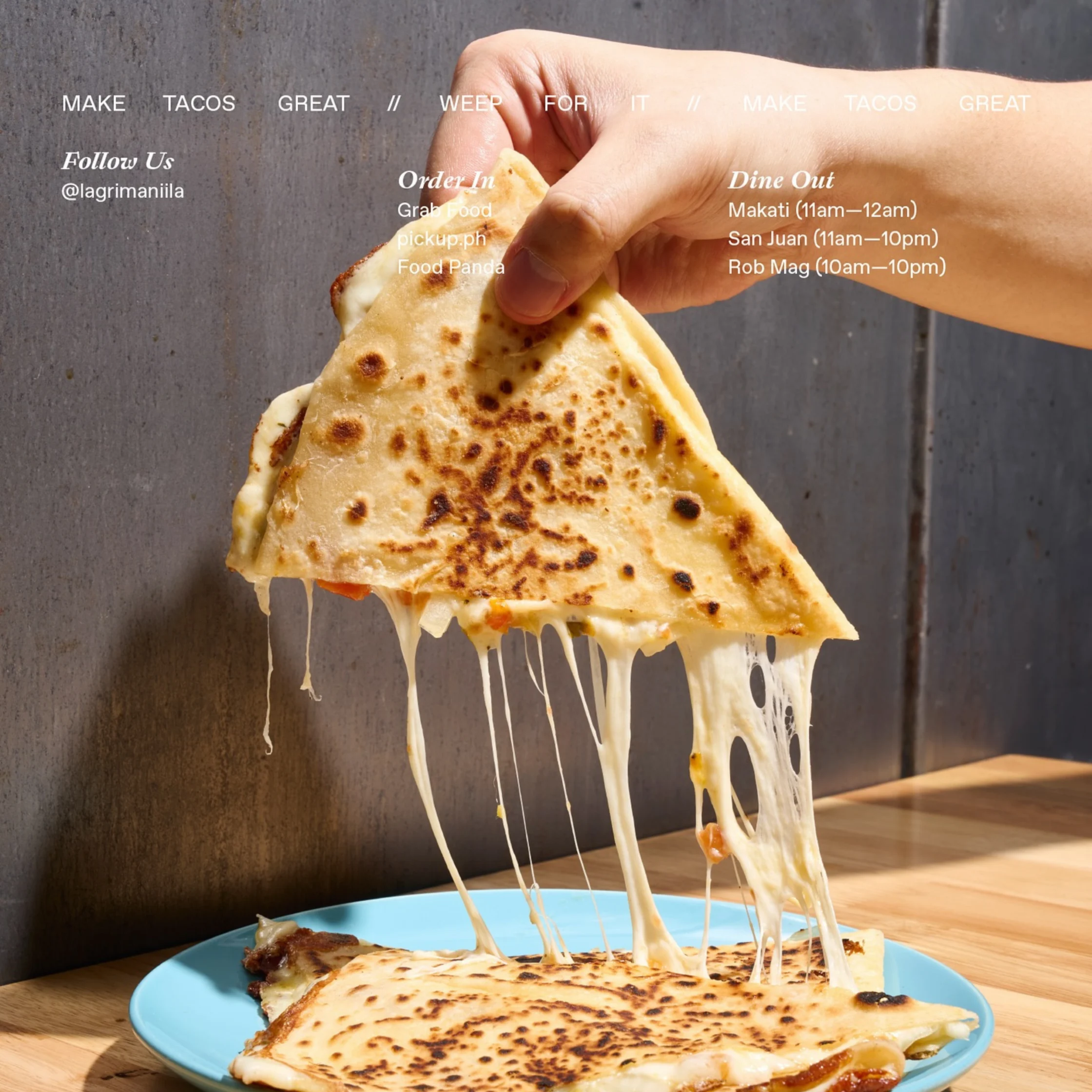
Kimchi Quesadilla from Lagrima PHOTO COURTESY OF Lagrima Official Instagram
Kimchi Quesadilla from Lagrima [PHOTO COURTESY OF Lagrima Official Instagram]

Wrapped in a tortilla that’s grilled to golden perfection, kimchi quesadillas envelop a gooey, flavor-packed center inside a crisp exterior. Add chicken or beef if you’re in the mood for something heartier, and you’ve got a pairing worth falling head over heels for.

Ready to fall for this Korean-Mexican pairing? Find Lágrima at either Ground Floor, Paseo Parkview Suites, Salcedo Village, San Agustin St., Bel-Air, Makati, or 192 Wilson, Maytunas, San Juan City, and order their Cheese Quesadilla with Kimchi.

Kimchi Is More Than Just a Side Dish

If there’s one thing these dishes prove, it’s that kimchi isn’t one to stay in its comfort zone. This Korean staple can jazz up a simple bowl of rice, add a spicy kick to Filipino sour soup, or bring an unexpected twist to Mexican-inspired favorites. No matter how it’s served, its bold flavor makes even the most familiar dishes feel a little more exciting.

So the next time you see kimchi on a menu, don’t just think of it as a side dish. Give it a starring role on your plate—you might just find your next food obsession!

author avatar
Paolo Elwick
Paolo is a food writer and storyteller exploring the intersections of food, culture, and identity through thoughtful, people-centered storytelling. He believes that, second only to language, food is one of humanity's most powerful expressions of culture—a medium for preserving history, expressing identity, and coming to understand ourselves and connect with others. Drawn to the histories, traditions, and personal experiences behind every dish, his writing combines curiosity with emotional honesty, highlighting diverse voices and celebrating the communities that shape our food landscape. Influenced by writers and artists who embrace vulnerability and introspection, Paolo uses a reflective, metaphor-rich approach to uncover the deeper meanings found in everyday meals and shared tables. He is passionate about creating stories that foster empathy, preserve cultural narratives, and invite readers to see food as more than sustenance—as memory, identity, and belonging. Through his work, Paolo hopes to amplify underrepresented perspectives and spark meaningful conversations that extend far beyond the plate.

Frequently Asked Questions

Kimchi is a traditional Korean fermented food, commonly made with napa cabbage or other vegetables seasoned with ingredients such as chili, garlic, ginger, and salt. It’s known for its tangy, spicy, and savory flavor.

author avatar
Paolo Elwick
Paolo is a food writer and storyteller exploring the intersections of food, culture, and identity through thoughtful, people-centered storytelling. He believes that, second only to language, food is one of humanity's most powerful expressions of culture—a medium for preserving history, expressing identity, and coming to understand ourselves and connect with others. Drawn to the histories, traditions, and personal experiences behind every dish, his writing combines curiosity with emotional honesty, highlighting diverse voices and celebrating the communities that shape our food landscape. Influenced by writers and artists who embrace vulnerability and introspection, Paolo uses a reflective, metaphor-rich approach to uncover the deeper meanings found in everyday meals and shared tables. He is passionate about creating stories that foster empathy, preserve cultural narratives, and invite readers to see food as more than sustenance—as memory, identity, and belonging. Through his work, Paolo hopes to amplify underrepresented perspectives and spark meaningful conversations that extend far beyond the plate.

Its bold, tangy, and savory flavors can add depth to familiar recipes. Its acidity also helps balance richer ingredients, while its spice brings an extra kick to otherwise simple dishes.

author avatar
Paolo Elwick
Paolo is a food writer and storyteller exploring the intersections of food, culture, and identity through thoughtful, people-centered storytelling. He believes that, second only to language, food is one of humanity's most powerful expressions of culture—a medium for preserving history, expressing identity, and coming to understand ourselves and connect with others. Drawn to the histories, traditions, and personal experiences behind every dish, his writing combines curiosity with emotional honesty, highlighting diverse voices and celebrating the communities that shape our food landscape. Influenced by writers and artists who embrace vulnerability and introspection, Paolo uses a reflective, metaphor-rich approach to uncover the deeper meanings found in everyday meals and shared tables. He is passionate about creating stories that foster empathy, preserve cultural narratives, and invite readers to see food as more than sustenance—as memory, identity, and belonging. Through his work, Paolo hopes to amplify underrepresented perspectives and spark meaningful conversations that extend far beyond the plate.

You can enjoy it in kimchi fried rice, kimchi dumplings, kimchi pancakes, noodle dishes, and even Filipino-inspired creations like kimchi sinigang. It also works as a flavorful addition to quesadillas and other fusion dishes.

author avatar
Paolo Elwick
Paolo is a food writer and storyteller exploring the intersections of food, culture, and identity through thoughtful, people-centered storytelling. He believes that, second only to language, food is one of humanity's most powerful expressions of culture—a medium for preserving history, expressing identity, and coming to understand ourselves and connect with others. Drawn to the histories, traditions, and personal experiences behind every dish, his writing combines curiosity with emotional honesty, highlighting diverse voices and celebrating the communities that shape our food landscape. Influenced by writers and artists who embrace vulnerability and introspection, Paolo uses a reflective, metaphor-rich approach to uncover the deeper meanings found in everyday meals and shared tables. He is passionate about creating stories that foster empathy, preserve cultural narratives, and invite readers to see food as more than sustenance—as memory, identity, and belonging. Through his work, Paolo hopes to amplify underrepresented perspectives and spark meaningful conversations that extend far beyond the plate.

You can find different interpretations at Busan Korean Restaurant Makati, Sama Sama, Yooga Table, Gochugang Korean Eatery, and Lágrima, each offering its own take on this versatile Korean ingredient.

author avatar
Paolo Elwick
Paolo is a food writer and storyteller exploring the intersections of food, culture, and identity through thoughtful, people-centered storytelling. He believes that, second only to language, food is one of humanity's most powerful expressions of culture—a medium for preserving history, expressing identity, and coming to understand ourselves and connect with others. Drawn to the histories, traditions, and personal experiences behind every dish, his writing combines curiosity with emotional honesty, highlighting diverse voices and celebrating the communities that shape our food landscape. Influenced by writers and artists who embrace vulnerability and introspection, Paolo uses a reflective, metaphor-rich approach to uncover the deeper meanings found in everyday meals and shared tables. He is passionate about creating stories that foster empathy, preserve cultural narratives, and invite readers to see food as more than sustenance—as memory, identity, and belonging. Through his work, Paolo hopes to amplify underrepresented perspectives and spark meaningful conversations that extend far beyond the plate.

Kimchi mandu are dumplings filled with kimchi, meat or tofu, vegetables, and glass noodles. They can be steamed, pan-fried, or served in dumpling soup. Yooga Table, on Jupiter Street corner Makati Avenue in Makati, serves its kimchi dumplings either steamed or fried.

author avatar
Paolo Elwick
Paolo is a food writer and storyteller exploring the intersections of food, culture, and identity through thoughtful, people-centered storytelling. He believes that, second only to language, food is one of humanity's most powerful expressions of culture—a medium for preserving history, expressing identity, and coming to understand ourselves and connect with others. Drawn to the histories, traditions, and personal experiences behind every dish, his writing combines curiosity with emotional honesty, highlighting diverse voices and celebrating the communities that shape our food landscape. Influenced by writers and artists who embrace vulnerability and introspection, Paolo uses a reflective, metaphor-rich approach to uncover the deeper meanings found in everyday meals and shared tables. He is passionate about creating stories that foster empathy, preserve cultural narratives, and invite readers to see food as more than sustenance—as memory, identity, and belonging. Through his work, Paolo hopes to amplify underrepresented perspectives and spark meaningful conversations that extend far beyond the plate.
paolo elwick delish ph food writer

Paolo Elwick

Writer

Paolo is a food writer and storyteller exploring the intersections of food, culture, and identity through thoughtful, people-centered storytelling. He believes that, second only to language, food is one of humanity's most powerful expressions of culture—a medium for preserving history, expressing identity, and coming to understand ourselves and connect with others. Drawn to the histories, traditions, and personal experiences behind every dish, his writing combines curiosity with emotional honesty, highlighting diverse voices and celebrating the communities that shape our food landscape. Influenced by writers and artists who embrace vulnerability and introspection, Paolo uses a reflective, metaphor-rich approach to uncover the deeper meanings found in everyday meals and shared tables. He is passionate about creating stories that foster empathy, preserve cultural narratives, and invite readers to see food as more than sustenance—as memory, identity, and belonging. Through his work, Paolo hopes to amplify underrepresented perspectives and spark meaningful conversations that extend far beyond the plate.

0 0 votes
Total of Ratings
guest
Rating
Ratings for Article
0 Comments
Oldest
Newest Most Voted

To provide a customized ad experience, we need to know if you are of legal age in your region.

By making a selection, you agree to our Terms & Conditions.