

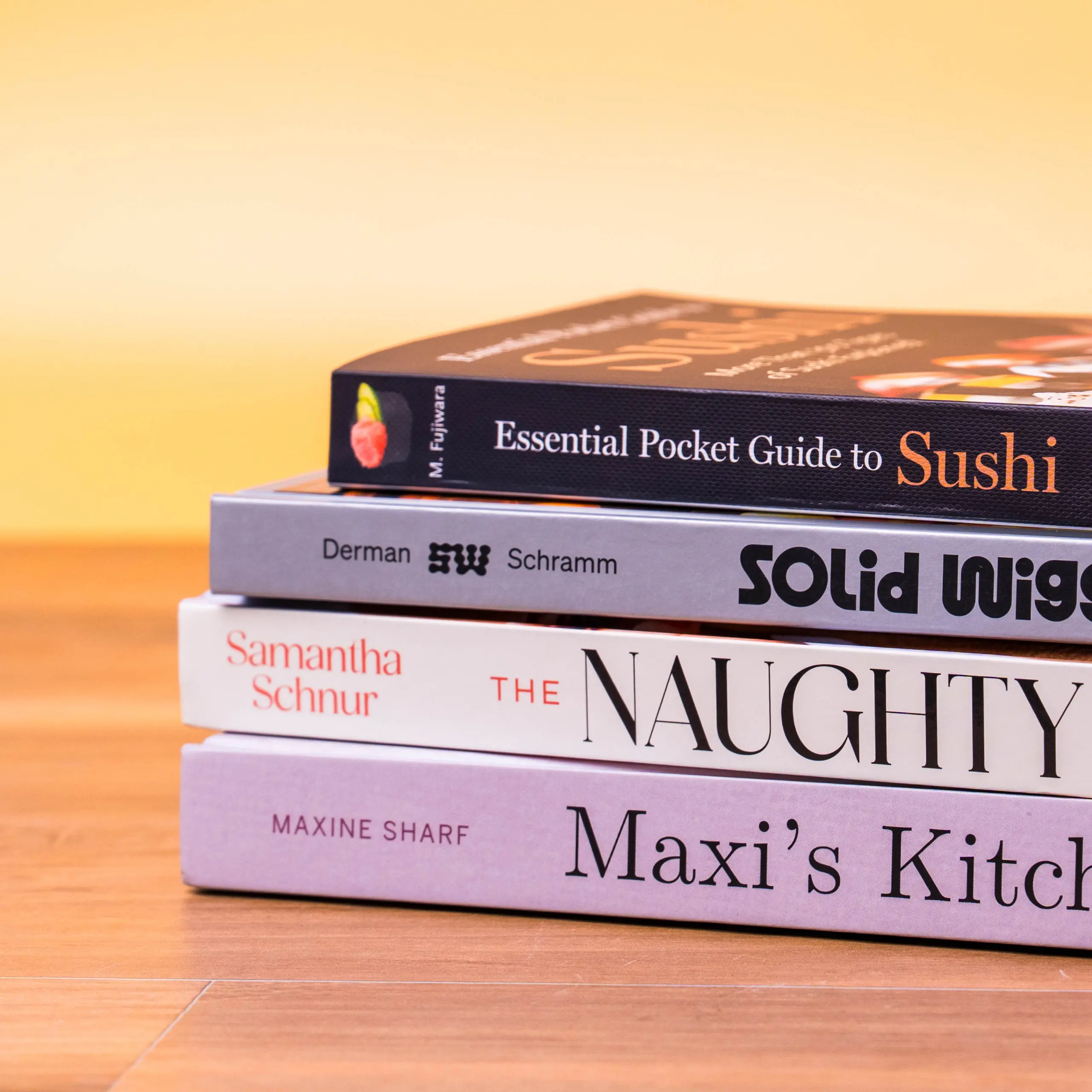
There are two kinds of people who buy cookbooks. People who want to cook from them, and people who like the idea of being the kind of person who owns them.
I myself am both, and I think that’s completely okay. If a cookbook is going to take up precious shelf space, I want it to give me something I can’t quite get from scrolling through recipes on my phone, but there are those that I also just really like to look at, like for example if the food photography is good and the cover makes it the perfect coffee table display.
The funny thing about cookbooks in 2026 is that we have recipes in our phones, videos saved on Instagram, TikToks bookmarked for later, and approximately 700 recipe screenshots we swear we’ll come back to. And yet, every now and then, I still like having an actual book open on the counter while I cook.
These four books are very different, but they all give you good reason to have them around.
Maxi’s Kitchen Is for the Person Who Wants to Actually Cook More
This is a book I would cook from, and it’s also a gorgeous display option. Maxine Sharf’s Maxi’s Kitchen starts with something that sounds almost too obvious: what you feel like cooking depends on what day it is.
The book is organized around the week, with Monday recipes designed to be quick and simple, midweek dishes that lean easy and comforting, Friday food meant for sharing, and weekends that give you a little more room to actually enjoy yourself in the kitchen. There are pancakes for Sunday, French onion crostini for a crowd, and Grandma’s Wontons when you’re ready to make a project out of dinner.
That’s smarter than another cookbook telling you that every dinner should be equally effortless.
Monday-you and Saturday-you are not the same cook. Sometimes you want dinner in 30 minutes. Sometimes you want to spend an afternoon folding wontons. The book understands that cooking isn’t just about what you’re making; it’s also about how much you feel like doing.
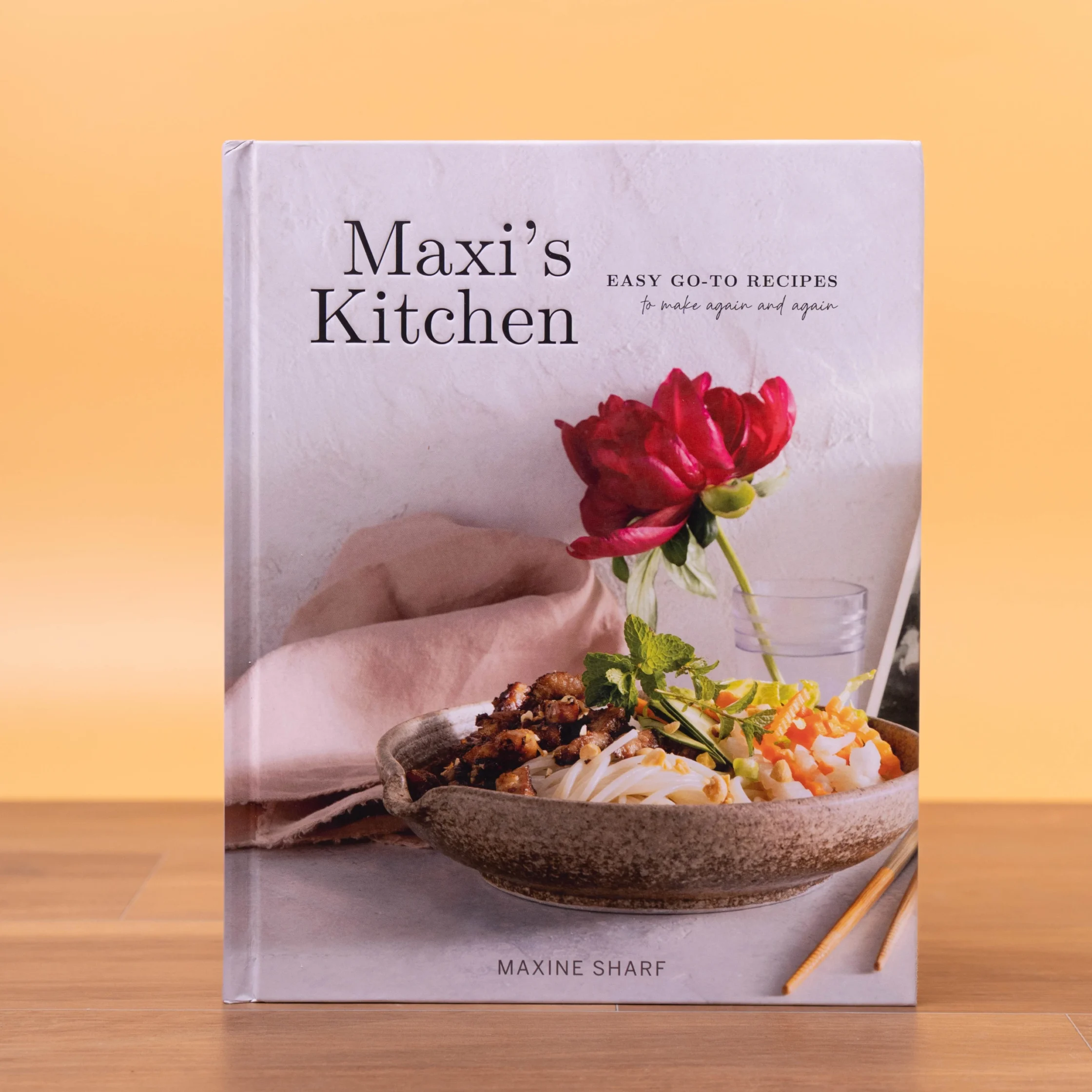
The recipes also have the kind of broad, everyday appeal I like in a home cookbook: Chinese, Korean, Italian, Thai, Vietnamese, Mexican, and more, filtered through Sharf’s Korean, Chinese, Russian, Romanian, Polish, and California upbringing.
This is less about learning how to become a chef and more about becoming the person who actually has a few things they know how to make really well.
I’d start with the Miso Carbonara Udon. Carbonara technique plus chewy noodles plus miso sounds like exactly the sort of weeknight situation I would be into.
The Naughty Cookbook Doesn’t Save the Fun for Later
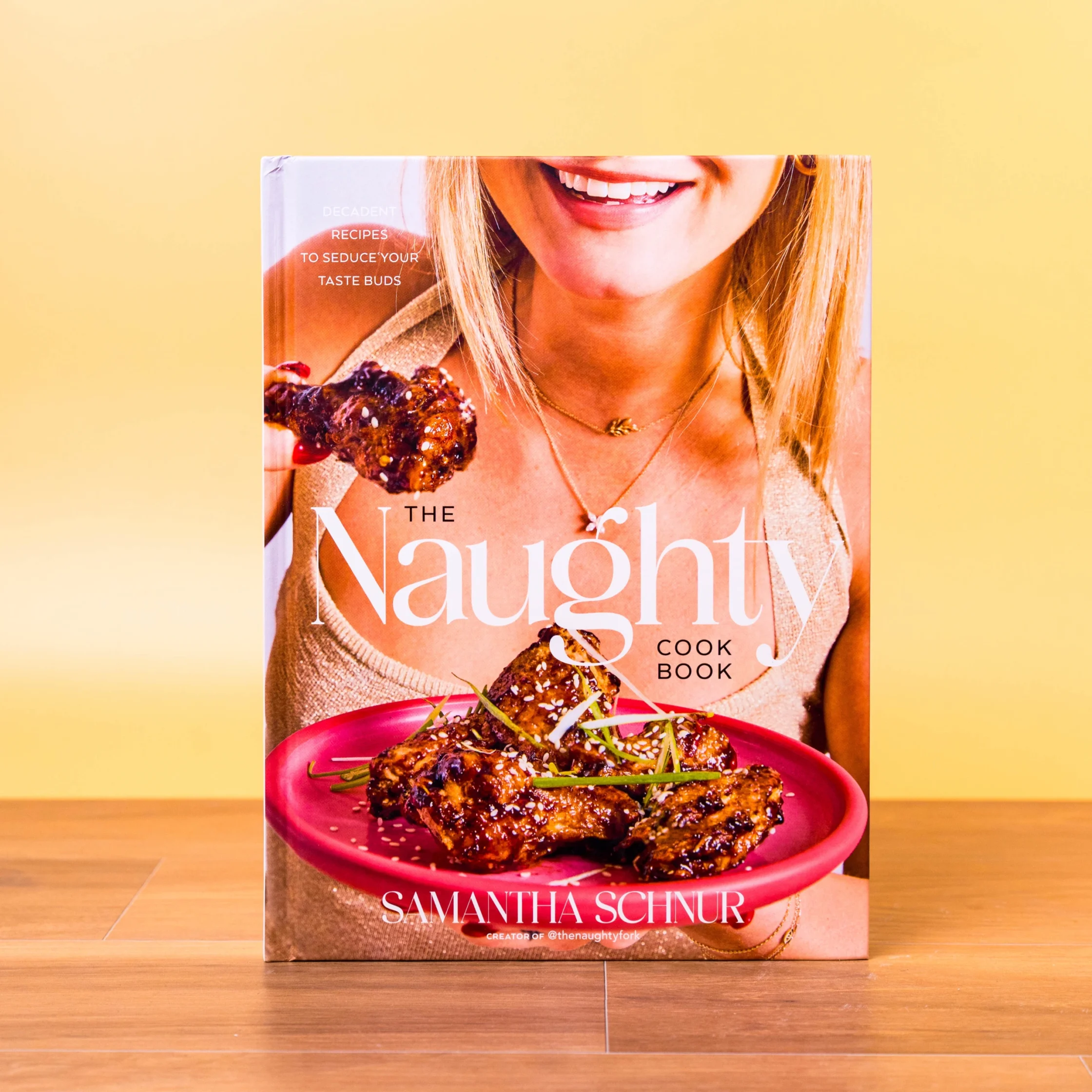
Samantha Schnur’s The Naughty Cookbook has no interest in making you feel virtuous about dinner because sometimes, you just need a very good smash burger.
What I like about the concept is that it doesn’t really try to disguise indulgent food as something it’s not. It’s for the kind of food where you read the name and already know you’re going to need a napkin.
“Naughty” is the whole point. You want the cheese pull? Have the cheese pull.
Think Chili Crisp Breakfast Tacos. Crab Rangoon Mozzarella Sticks. A smash burger. Truffle Mushroom Ragu. Calabrian spicy rigatoni with burrata.
And there are some genuinely useful ideas underneath the excess. The Crab Rangoon Mozzarella Sticks, for example, use a smart make-ahead move: assemble and freeze them before breading and frying. That’s the kind of little bit of practical thinking that’s actually useful when you’re planning to cook.
The book also includes lighter versions of some dishes, but even those aren’t built around the idea that healthy food needs to taste the same all the time.
This isn’t the book I’d hand someone trying to learn the fundamentals of cooking. It’s the book I’d hand someone who already knows how to make dinner and wants to make it fun.
Solid Wiggles Makes Jell-O Mean Serious Business
I didn’t expect a book about jelly shots to have this much technique behind it.
Solid Wiggles by pastry chef Jena Derman and mixologist Jack Schramm, takes the Jell-O shot and asks a very reasonable question: What if we took this completely unserious thing extremely seriously?
The result is more than 45 boozy and alcohol-free jelly shots and cakes, from relatively approachable projects to layered creations with flowers, glitter, and pop-art-inspired designs. And that’s what makes the book so interesting.
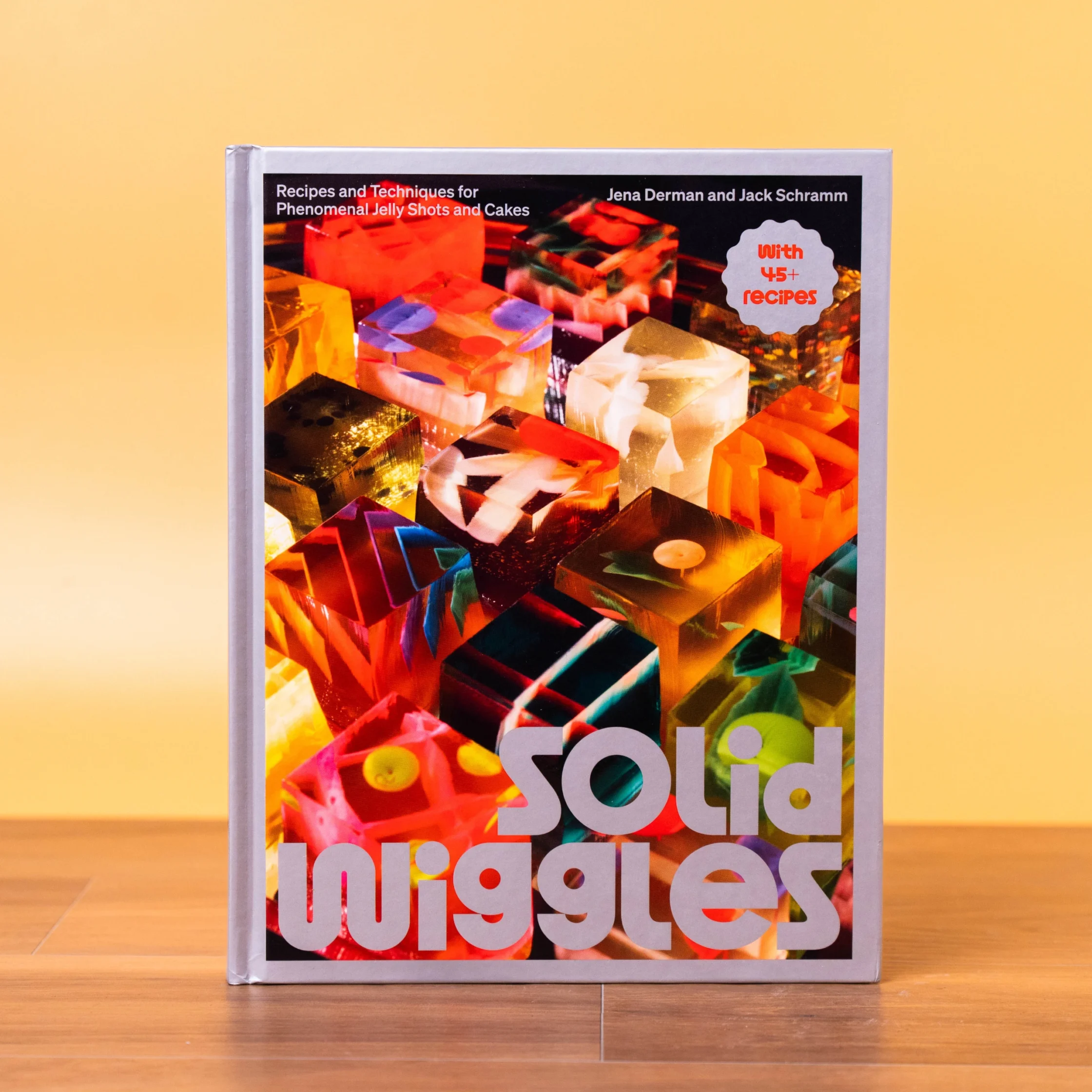
The gimmick is the technique. You’re dealing with gelatin, blooming, chilling, scaling, clarity, texture, and decoration. Derman’s pastry background and Schramm’s cocktail expertise meet in a format that looks playful but requires a surprising amount of precision. The book even separates simpler “Party ANIMAL” projects from more ambitious “Party PRO” ones. Which means this isn’t really a book about Jell-O shots. It’s about taking something familiar and fun—and figuring out how far you can push it.
You absolutely do not need this cookbook. That’s precisely why you’d want it.
If you’re the kind of person who sees a perfectly clear jelly cake with a flower suspended inside it and immediately thinks, “Okay, but how did they do that?” this is your kind of rabbit hole. If not, then this can definitely just sit pretty on your shelf.
Essential Pocket Guide to Sushi Is for the Person Who Wants to Order Better
This one isn’t really a cookbook at all.
Masataka Fujiwara’s Essential Pocket Guide to Sushi catalogs 333 varieties of sushi, with more than 600 photographs, Japanese and English names, information about preparation and flavor, and details about the fish and ingredients involved. It also covers sushi restaurant styles, seafood, terminology, and a little history.
Basically, it’s a field guide for eating sushi. Because how often have you sat at a sushi counter, recognized maybe six things on the menu, and then ordered the same salmon roll you’ve been ordering since you were 19?
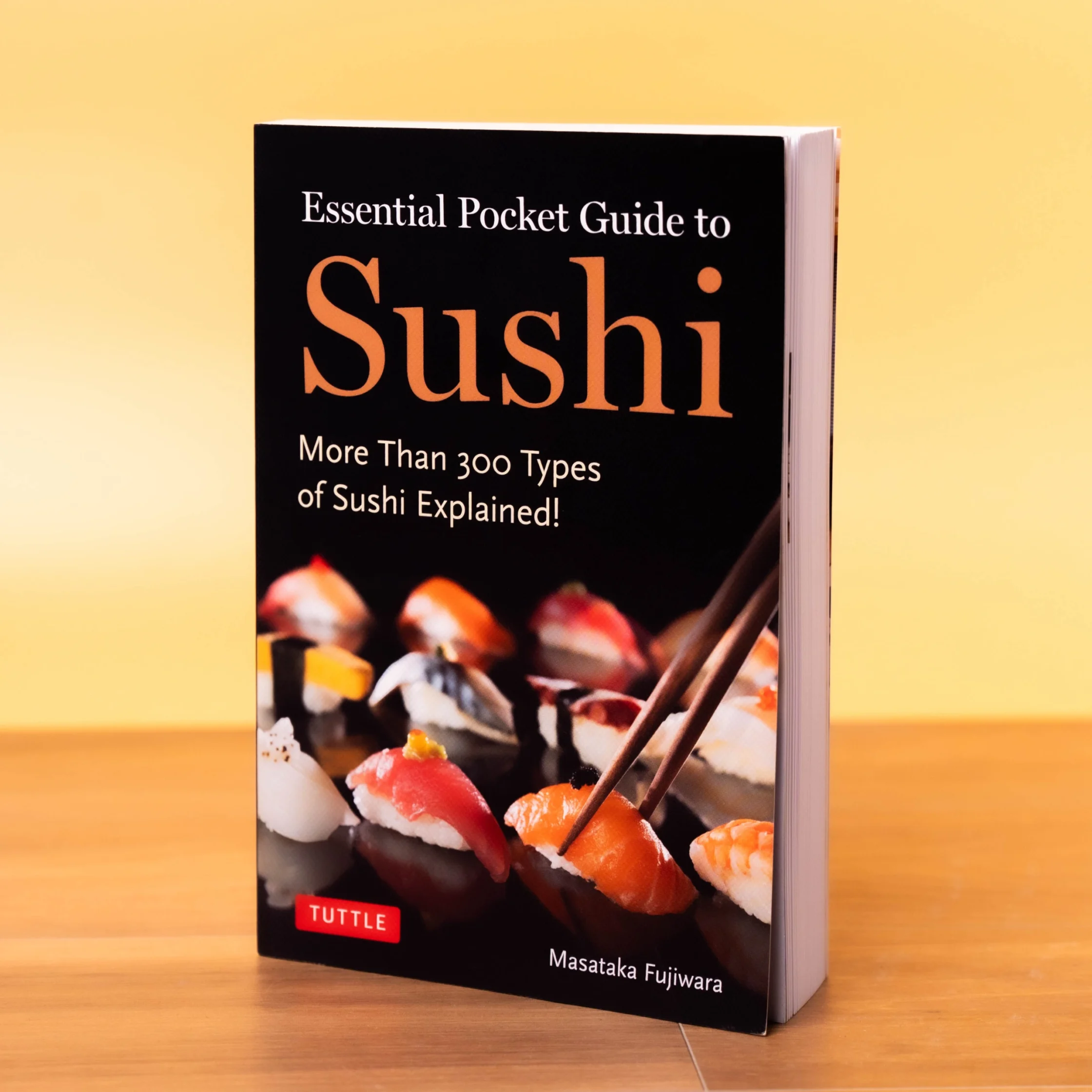
Fujiwara has spent decades researching aquatic life and more than 15 years photographing sushi, so there’s serious food-nerd energy behind what is otherwise a very approachable little book. His archive includes more than 20,000 sushi photographs.
And you don’t need to memorize 333 kinds of sushi. That’s not the point.
The point is being able to look at something unfamiliar and know enough to think, “Wait, I’ve never tried that before. What does it taste like?”
This is the one I wouldn’t necessarily keep in the kitchen. I’d keep it on my bedside table to read the night before I’m going somewhere with a good sushi counter.
So, Which One Is for You?
These books don’t really compete with each other. They’re more interesting when you think of them as four different invitations: cook this, indulge in this, play with this, learn about this. And by the time you’ve reached a decision, your motivational pull should already lead you to the right one.
But if the next question is whether you need one or not, the answer is that we don’t exactly need them anymore. Specially not with recipes living on our phones and dinner ideas appearing every time we open Instagram.
But a good cookbook gives you something you can keep, flip through, learn from, or simply leave sitting on the coffee table because it looks nice there.
And honestly, that’s reason enough to keep a few around.
All books available at Fully Booked branches.

Frequently Asked Questions
Maxi’s Kitchen is probably the easiest starting point. Its recipes are designed around different levels of time and effort throughout the week, so you can start with something simple and work your way toward more involved cooking.
It’s better thought of as a sushi reference guide. It covers 333 varieties of sushi with photographs, names, ingredients, preparation, and other details to help you understand what you’re looking at—and hopefully order something beyond your usual.
Solid Wiggles is hard to beat. The whole concept is visual, from clear jelly cakes and layered designs to suspended flowers and other decorations. It’s as much a conversation piece as it is a cookbook.
If you already have every recipe you need saved on your phone, probably not for the recipes alone. But a good cookbook offers something different: a point of view, a collection that makes sense together, and the experience of actually cooking from a book.
The Essential Pocket Guide to Sushi by Masataka Fujiwara catalogs 333 varieties of sushi with more than 600 photographs, Japanese and English names, preparation notes, and details on restaurant styles, seafood, terminology, and a brief history.