

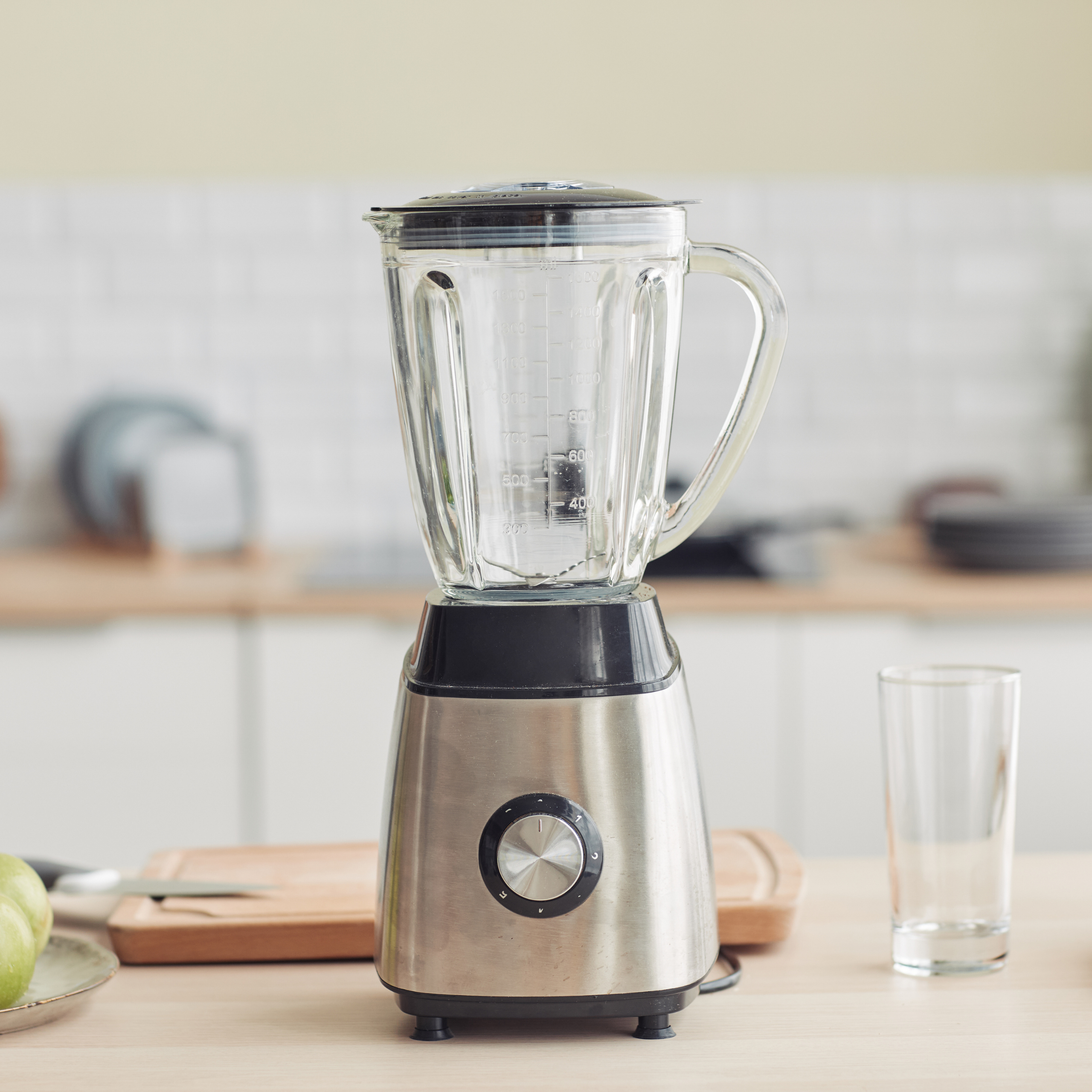
Whether it’s making purées or your morning smoothie, the blender is one of the hardest-working appliances in any kitchen.
Not only does this connote its value in the kitchen, but it also illustrates what happens when you don’t take proper care of it. Tossing the wrong ingredient into the pitcher can result in ruined food and dulled blades to shattered glass and painful kitchen burns.
To keep your trusty (not to mention pricey) appliance running safely and efficiently, avoid putting these nine items inside your blender.
1. Non-Food Utensils (While Plugged In)
This may sound obvious to some, but it’s worth stating for safety reasons.
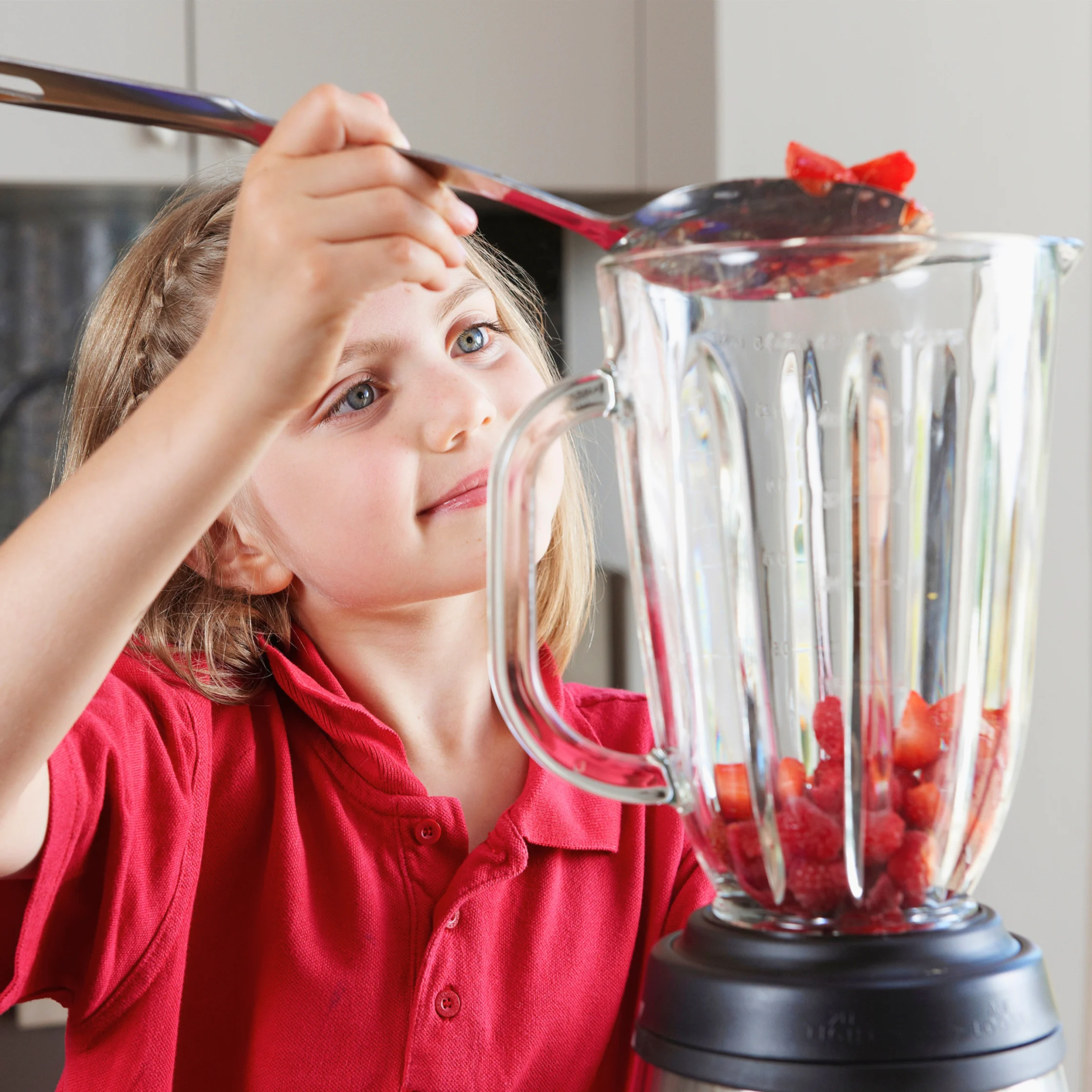
Avoid using a spatula or spoon to push ingredients down toward the blades while the blender is running or even while it is still plugged in. This is a leading cause of severe hand injuries and destroyed utensils. Even a momentary slip can pull a utensil straight into the spinning blades.
The safest way is to always turn the blender completely off and unplug it before inserting a spatula to scrape down the sides.
2. Potatoes and Starchy Vegetables
If I’ve learned anything from watching season after season of Hell’s Kitchen, it’s that you should never make potato purée using a blender. This rule can extend to any and all starchy vegetables.
It might seem like a clever shortcut to whip up mashed potatoes in a blender, but the high-speed blades are far too aggressive for starchy vegetables. Overworking potatoes releases excessive amounts of starch, transforming what should be light and fluffy into an unpleasant gummy consistency.
It’s best to ditch the blender entirely and switch to a traditional hand masher, a potato ricer, or a stand mixer on low speed for mashed potatoes.
3. Fibrous and Stringy Vegetables
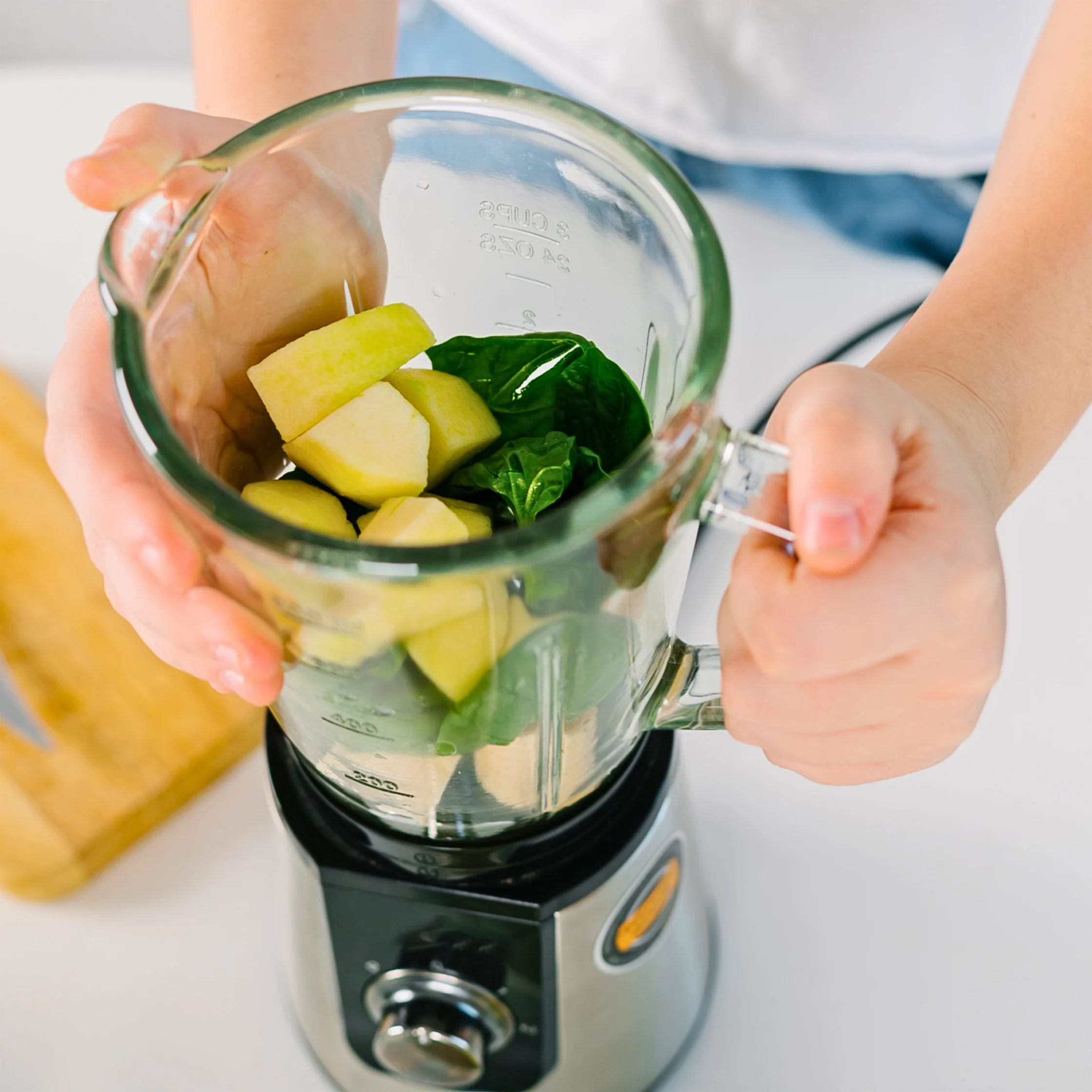
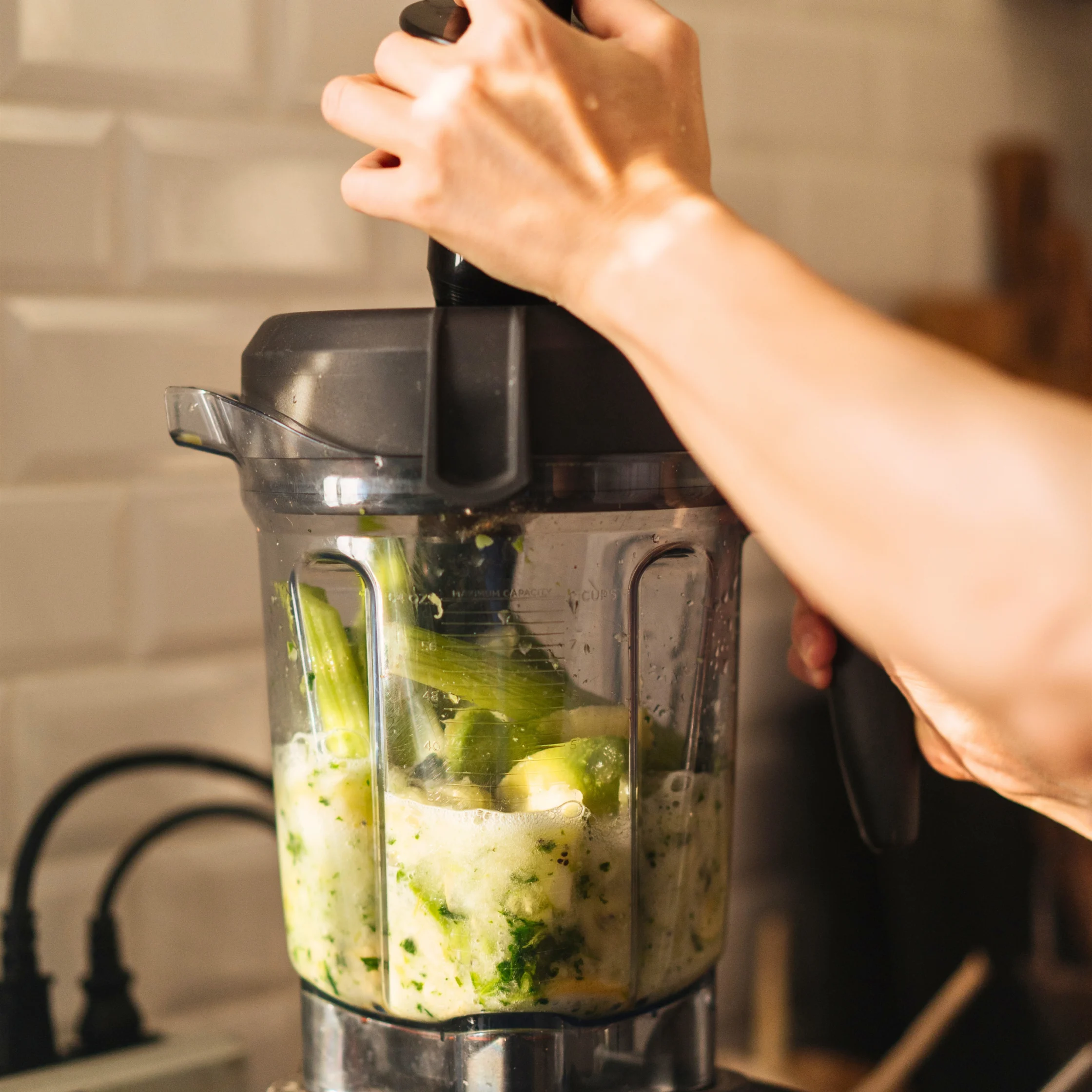
It’s not advisable to put vegetables like raw celery, okra, string beans as is into your blender. Because they are packed with stringy fibers, they end up wrapping tightly around the base of the blender blades. Once tangled, these fibers prevent the blades from spinning properly and can strain or overheat the motor.
You can avoid this by chopping them first into small, half-inch pieces across the grain. This helps shorten the fibers before you add them to the pitcher as well as remove the tough stems from the leafy greens.
4. Ice Cubes (Unless Your Blender Is Built for It)
Not all blenders are created equal.
Standard or budget blenders often have lower-wattage motors and thinner blades that cannot handle the shock of pulverizing solid ice. Trying to crush ice in an underpowered machine can chip the blades, crack the plastic pitcher, or burn out the motor.
If you still have it, consult the manual to confirm if your blender can handle crushing ice. If it isn’t, you can either soften the ice cubes a bit before pulsing them or get your crushed ice somewhere else.
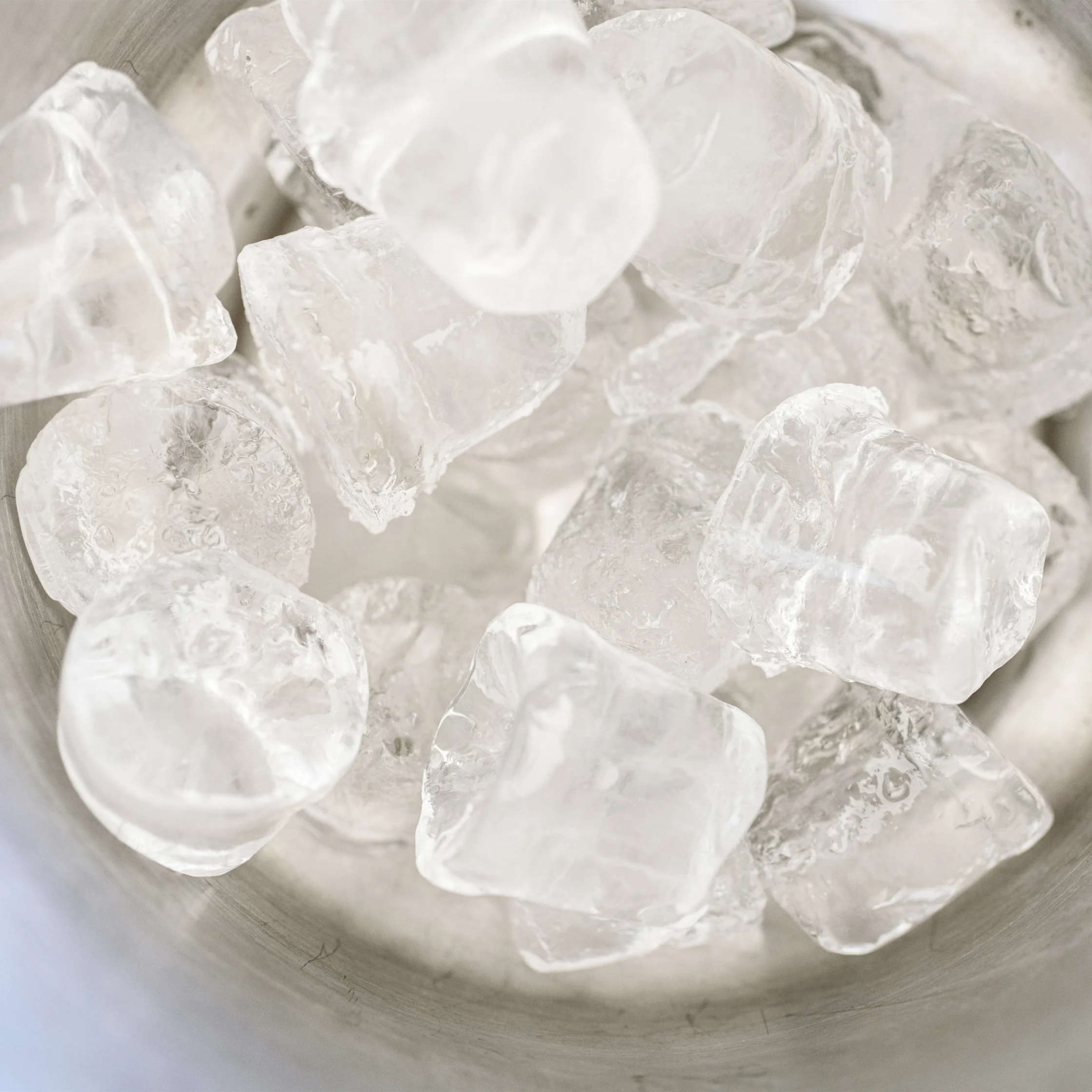
5. Frozen-Solid Fruit
Much like ice cubes, fruit straight from the deep freezer acts like tiny rocks against blender blades. Large chunks of frozen mango, pineapple, or bananas can jam the blade assembly, strain the motor, and leave you with uneven, icy chunks instead of a creamy smoothie.
Let the frozen fruit thaw first before blending. Leaving them on the counter for 5 to 10 minutes or running them under warm water for a few seconds should do the trick.
Another tip for making smoothies is to add your liquid base to the pitcher first. This helps create a vortex that pulls the fruit down smoothly.
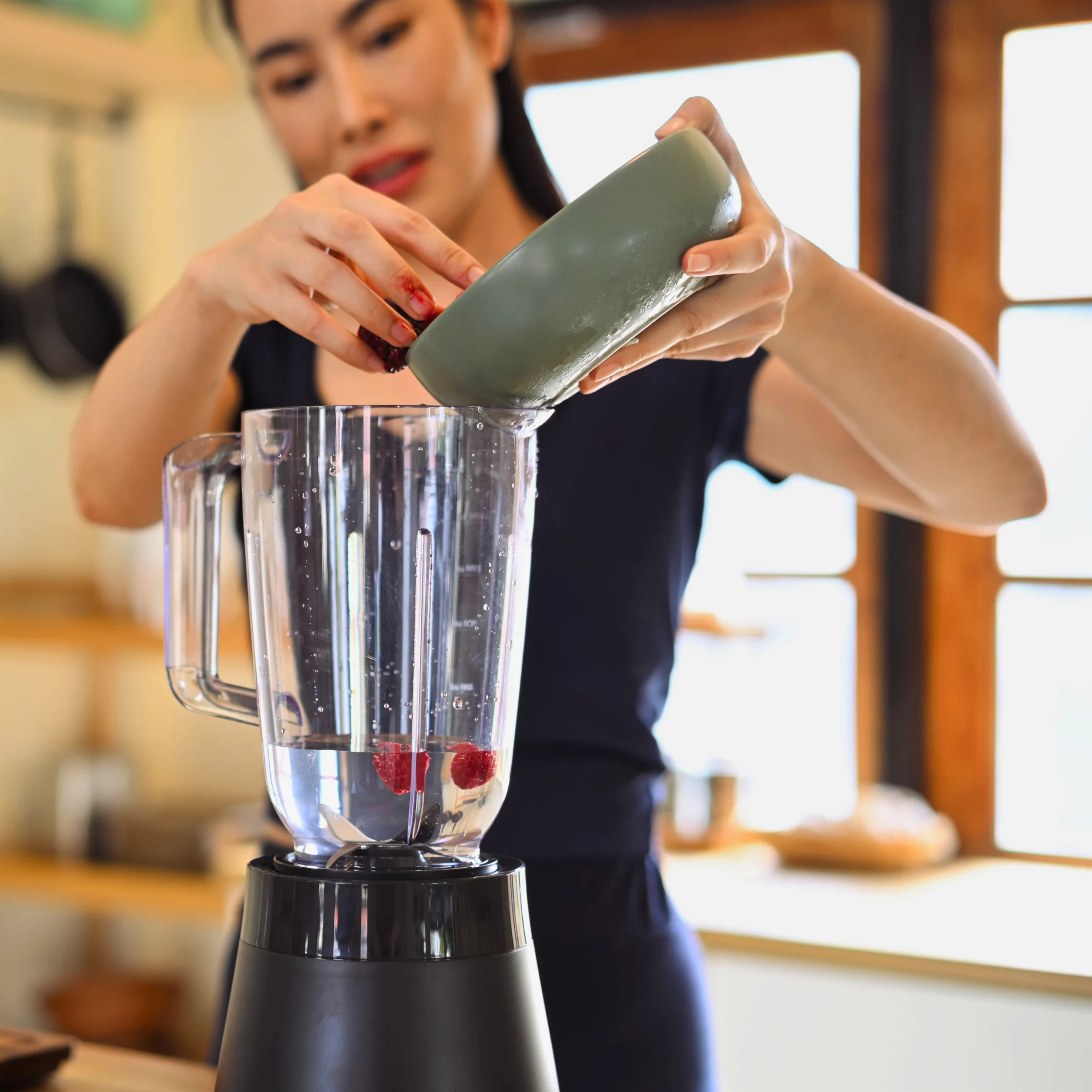
6. Whole Spices and Coffee Beans
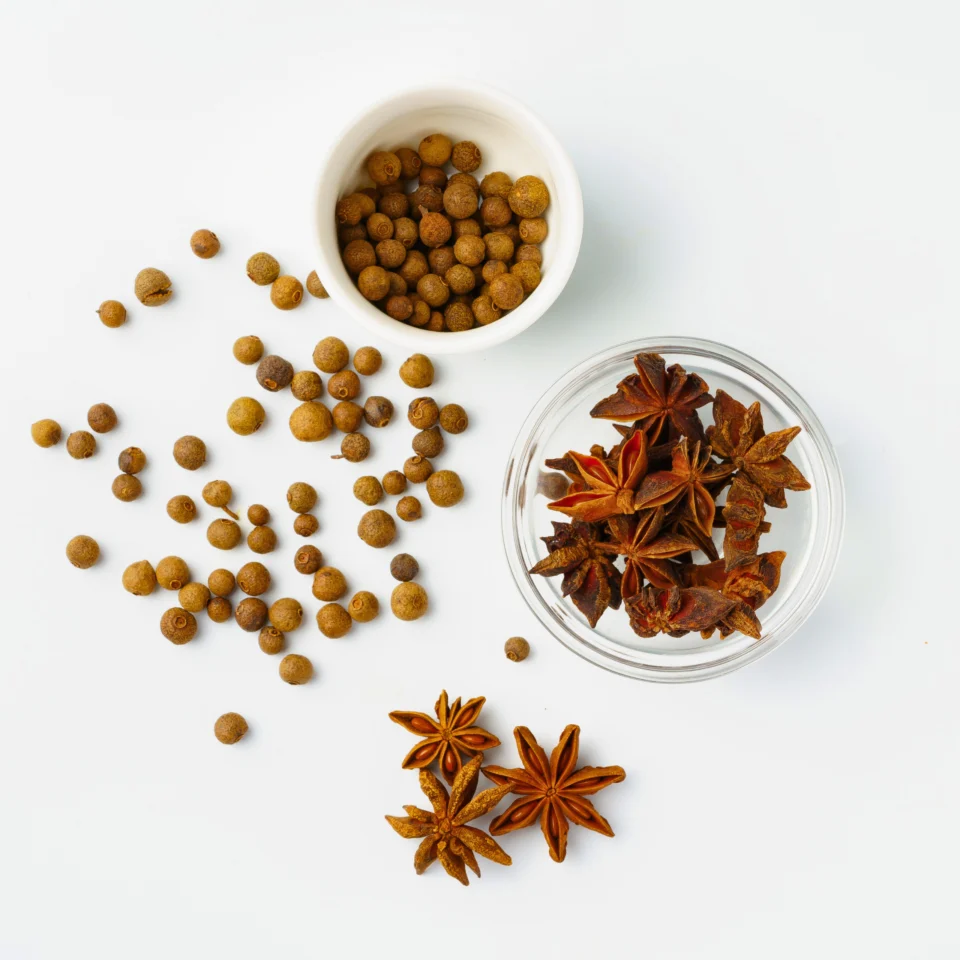
While high-end blenders can sometimes handle dry grinding, most standard blenders are not designed to grind whole cinnamon sticks, cloves, or coffee beans. Hard, dry ingredients dull standard blades quickly, scratch the pitchers, and often just bounce around the blades without actually grinding them evenly.
If you really want to grind your dry spices and beans, just use a dedicated spice grinder, coffee grinder, or a mortar and pestle.
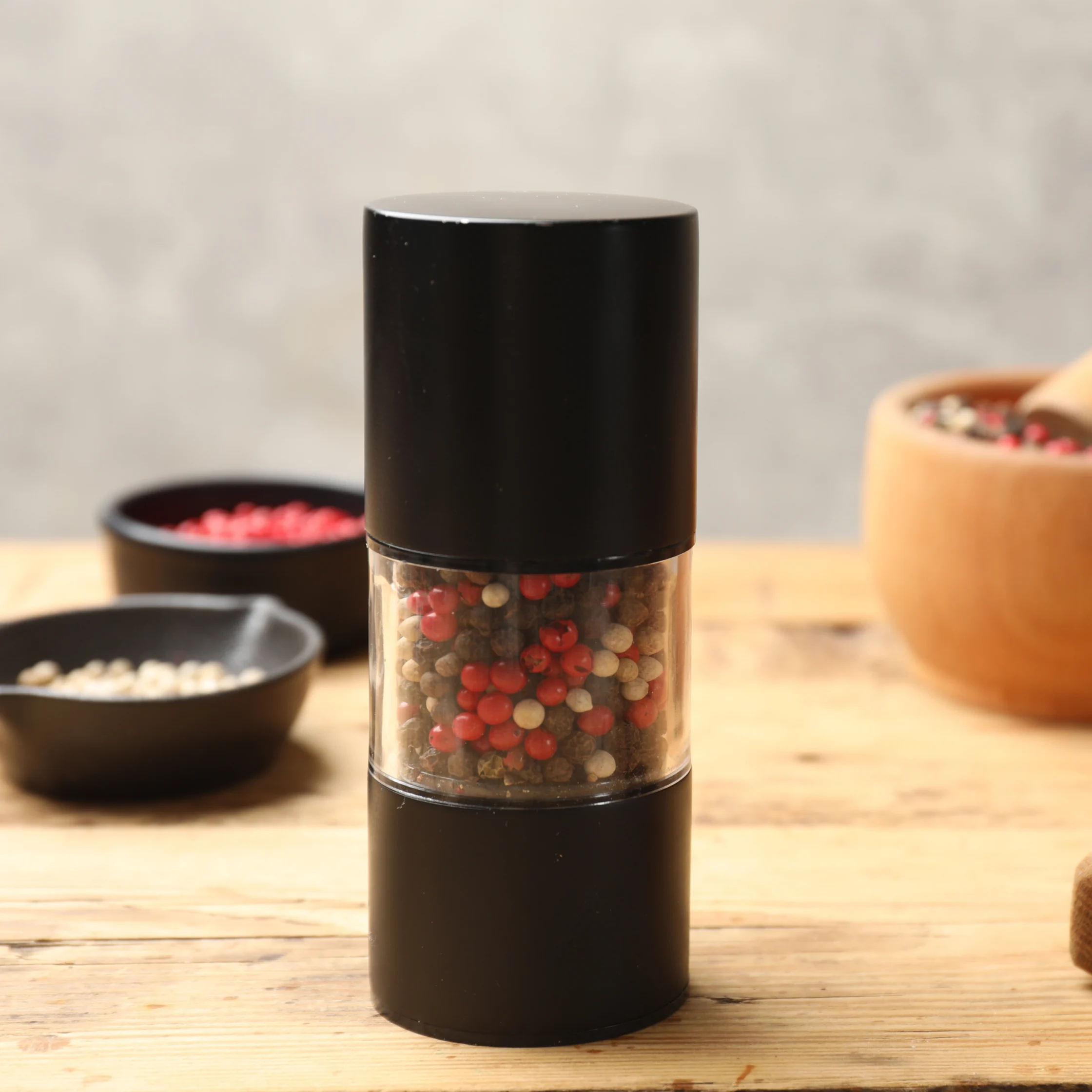
7. Piping Hot Liquids
Blending boiling soup, hot coffee, or freshly cooked sauce is one of the most dangerous kitchen mistakes you can make.
When you blend hot liquids at high speeds, the rapid agitation generates intense steam. In a sealed blender pitcher, that trapped steam creates sudden pressure that can blow the lid straight off, spraying scalding liquid across your kitchen and skin.
The solution to this is simple: have patience. Let hot liquids cool for at least 10 to 15 minutes before adding them into the pitcher.
If for whatever reason you have to blend while warm, fill the pitcher no more than halfway, remove the center cap from the lid to let steam escape, and drape a folded kitchen towel firmly over the top while holding it down.
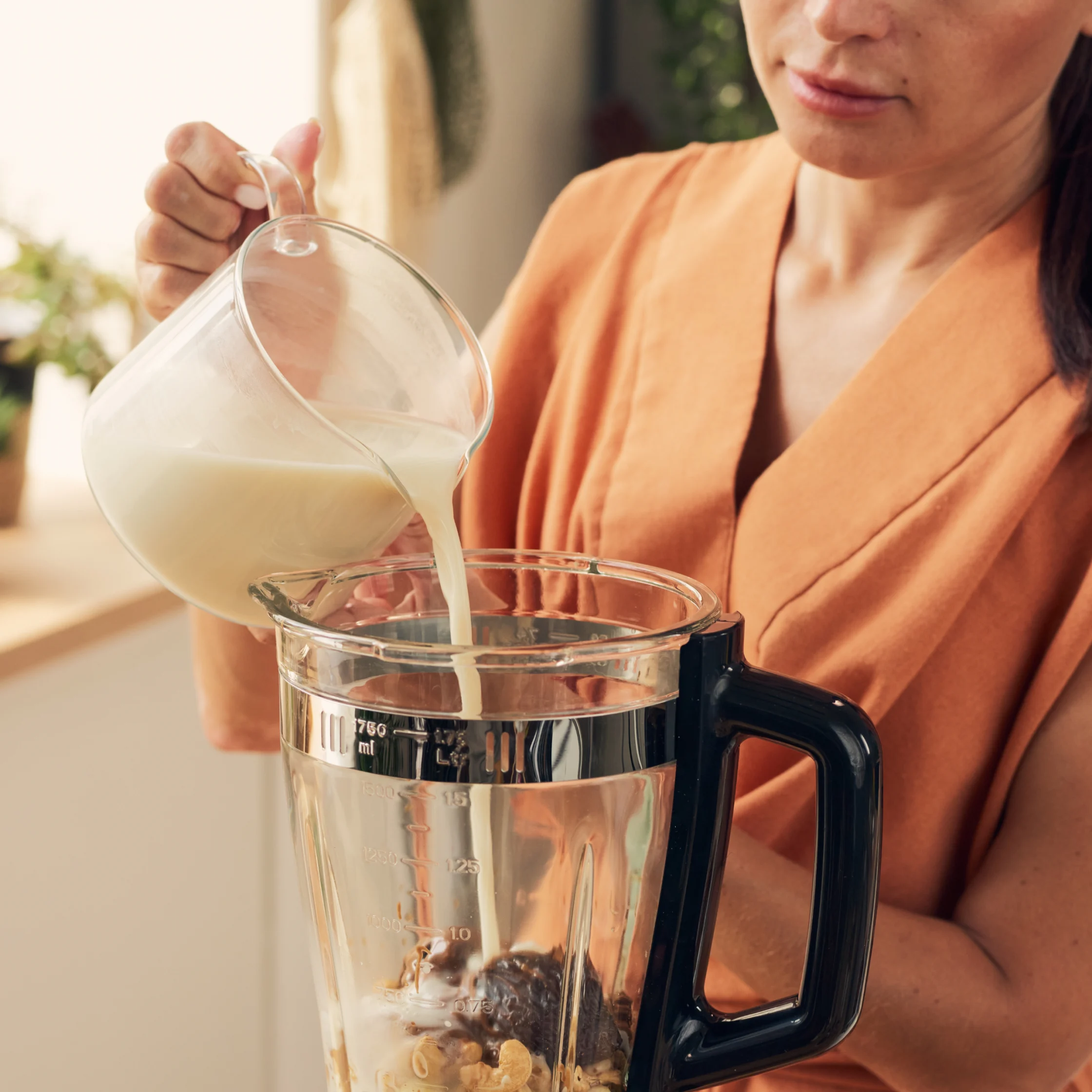
8. Carbonated Liquids
Pouring soda, sparkling water, beer, or champagne into a blender triggers the same pressure issue as hot liquids.
Agitating carbonated drinks releases dissolved carbon dioxide rapidly, causing foam and pressure to build up inside the sealed container until the lid pops off violently.
The best way to do this is to blend your non-carbonated ingredients first, pour the mixture into a glass, and stir in the sparkling liquid by hand afterward.

9. Bone-In Meats and Hard Rinds
Blenders are meant for pureeing, not heavy-duty meat processing.
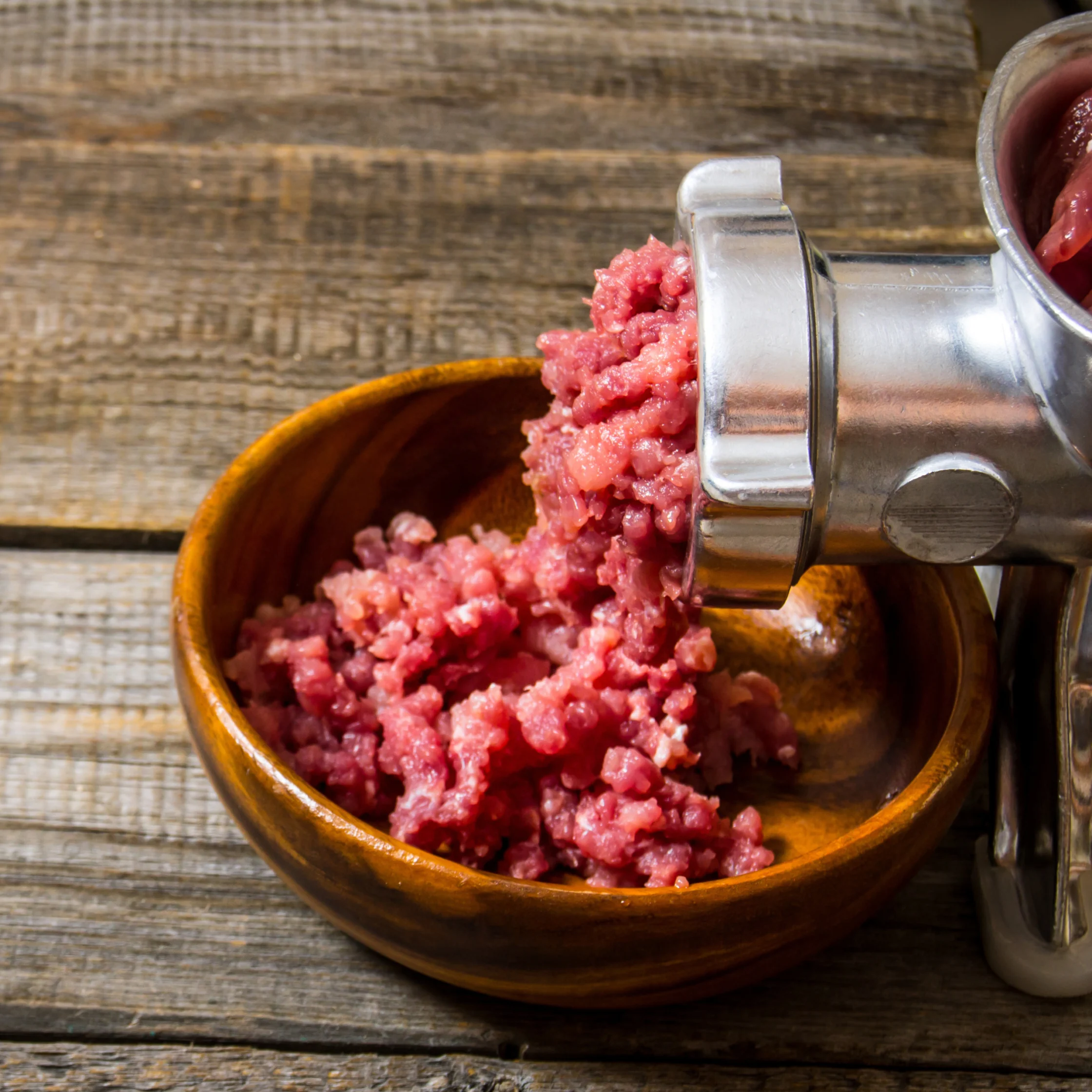
Small bones, tough cartilage, and hard cheese rinds like aged Parmesan will instantly nick, bend, or snap blender blades. Even raw boneless meat tends to wrap around the blade shaft rather than mincing cleanly.
A food processor and a dedicated meat grinder are far more appropriate appliances for grinding any meat or hard cheeses.

Frequently Asked Questions
Only if the blender is specifically to. If not, it can potentially ruin the blades, crack the pitcher, and burn the motor.
It’s best to add the liquid base first. This will create a vortex that will pull the fruit and other ingredients down smoothly.
Always turn the blender completely off and unplug it before inserting a spatula to scrape down the sides.
When you blend potatoes and just about any starchy vegetables using a blender, it becomes very gummy instead of light and fluffy.
It would not be advised.
The rapid agitation generates intense steam. In a sealed blender pitcher, that trapped steam creates sudden pressure that can blow the lid straight off, causing potential injuries.
It would be best to let the hot foods or liquids cool down first before adding them into the pitcher.