Advertisement

What Are Five Spice and Allspice? The Difference and How To Cook With Them

Broaden your seasoning horizon by learning the difference between five spice and allspice and how to use both to spice up your home cooking.

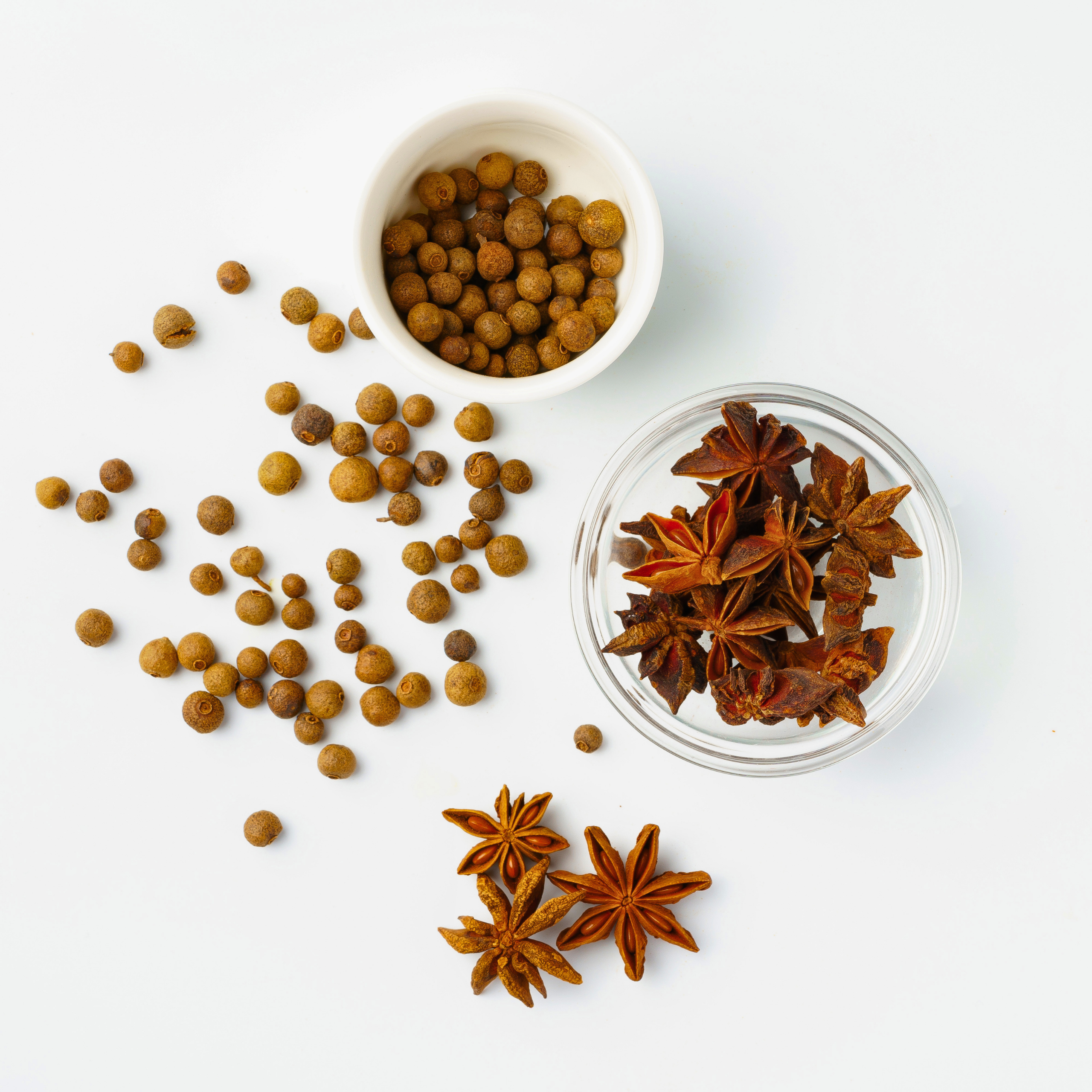
Top-down view of peppercorns scattered beside a white bowl and dried star anise in a glass dish, with loose pods below; clean, calm food styling.
Warm spice and everything nice!

Despite their overlapping names and aromatic flavor profiles, five spice and allspice are completely different ingredients.

They are from opposite sides of the globe. They are made up of completely different components. And they have entirely different use cases when adding them to recipes.

Understanding the difference and knowing how to use them is not only a way to broaden your seasonings horizon. It can also prevent a major flavor clash in the kitchen like swapping one for the other will dramatically alter a dish.

What Is Five Spice?

Chinese Five Spice is a foundational seasoning that encompasses the five traditional flavors of Chinese cuisine: sweet, sour, bitter, salty, and spicy or umami. Each of these flavors correspond to one of the five elements. Earth for sweet, wood for sour, fire for bitter, water for salty, and metal for spicy. Using these spices wasn’t a matter of harmonizing tastes alone, but a way to coordinate with one’s internal organs and achieve balance within the body.
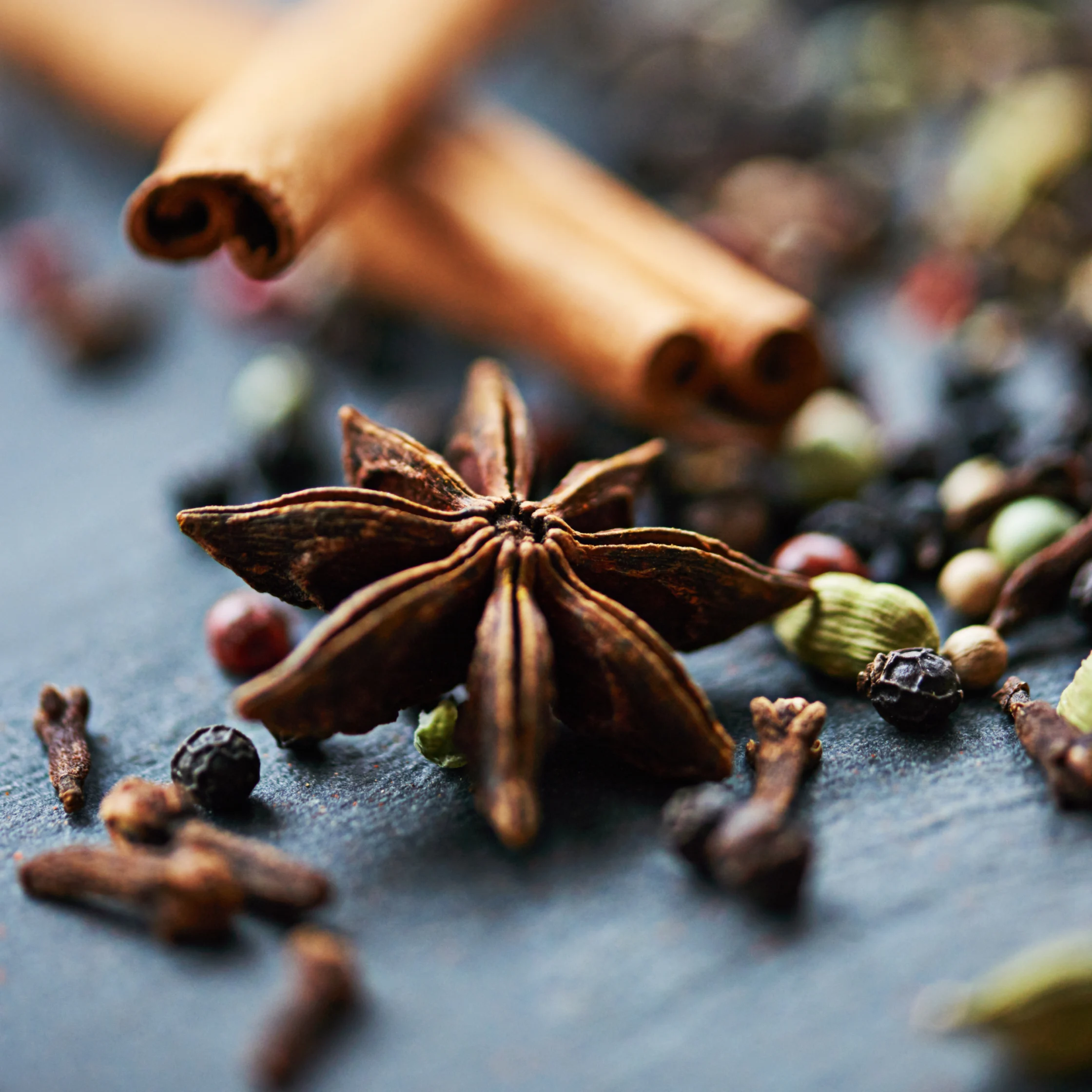
A star anise pod lies among scattered cloves, peppercorns and cardamom, with cinnamon sticks blurred behind it, creating a warm, aromatic spice scene.
True to its name, five spice is made up of five spices.

While regional and family recipes vary slightly, the classic blend consists of, unsurprisingly, five main spices. The star anise provides the dominant sweet, licorice-like aroma. Cloves add sweetness, and a slight bitterness. Cassia, also known as Chinese cinnamon, brings a woody taste and sweet heat. Sichuan peppercorns deliver citrusy notes and a signature tingling, numbing sensation known as málà. Lastly, the fennel seeds add a more herbaceous and mild sweetness.

How Do You Cook With Five Spice?

When cooking with it, five spice can be quite potent and concentrated, so a small pinch goes a long way. It is primarily used in savory applications, particularly with rich, fatty meats that benefit from its bright, sweet-and-savory-forward complexity. 
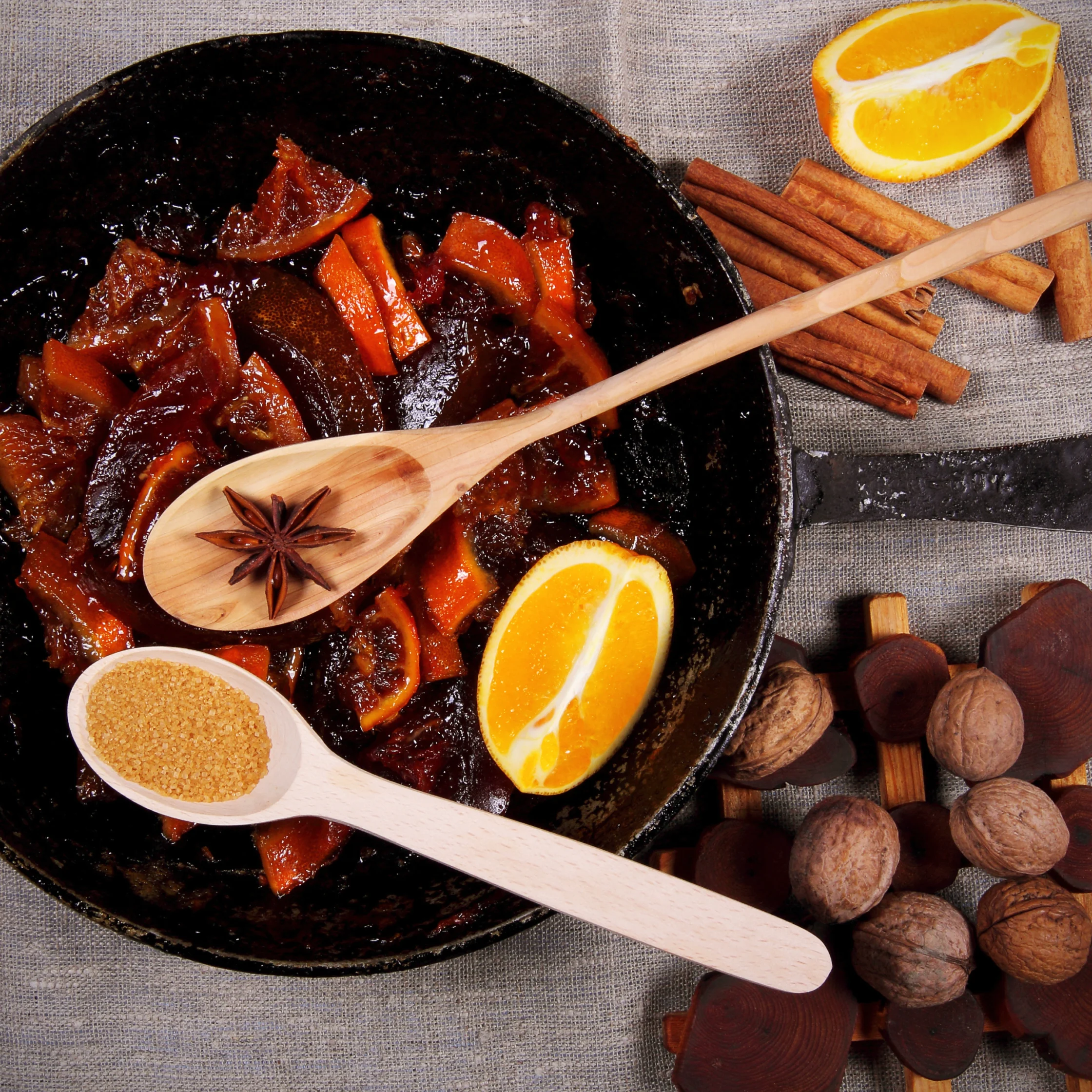
Overhead view of glossy spiced fruit simmering in a black pan with orange halves, cinnamon sticks, star anise, and wooden spoons; warm, cozy autumn mood.
A pinch of seasoning can go a long way.

It is an essential seasoning in roasts and braises like Cantonese roast duck, char siu or Chinese BBQ pork, and red-braised pork belly. It’s also prominent in dishes from other cuisines like in Vietnamese phở and Taiwanese beef noodle soup. You can even add it to your dry rubs and marinades for proteins like chicken wings, spare ribs and even crispy fried tofu.

What Is Allspice?

Contrary to its name, allspice is made up of not a blend, but a singular ingredient. Known as the myrtle pepper, it is the dried, unripe berry native to Jamaica, the tropical forests of South and Central America, and Southern Mexico and commercially grown in Honduras, Cuba, and Trinidad.

It’s made by picking the berries from the plant’s small flowers and then drying them in the sun until they’re browned. It may be sold both ground or whole.
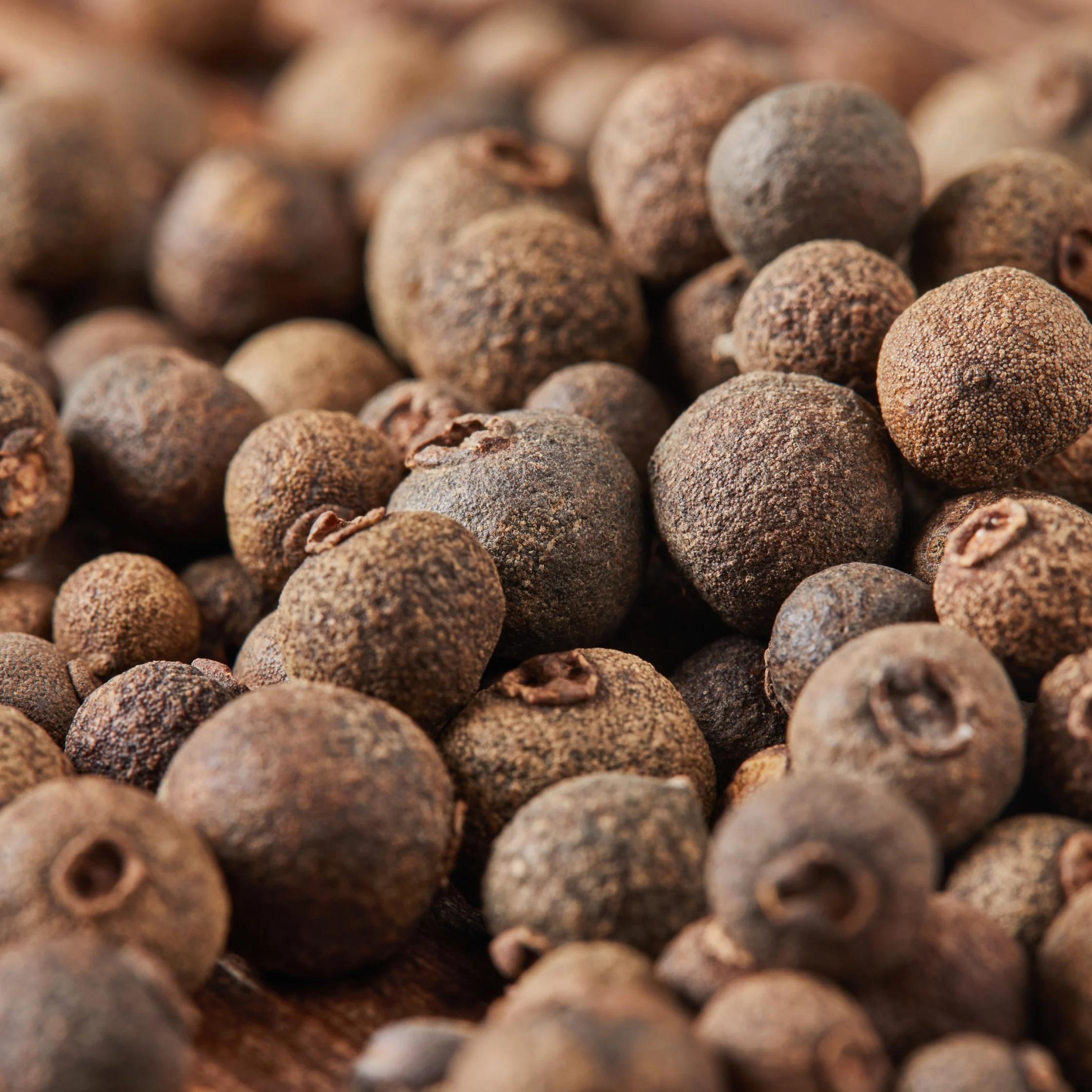
Close-up macro of whole brown allspice berries piled together, their rough, wrinkled surfaces in warm earthy tones; the abundant spices evoke a rustic kitchen.
Despite the name, allspice is just a single dried berry.

The reason why it got the name “allspice” was because English traders thought the singular berry tasted like a combination of cinnamon, nutmeg, and cloves, which is thanks to a naturally occurring essential oil called eugenol.

How Do You Cook With Allspice?

Because it bridges sweet and savory flavor profiles in a slightly more subdued way as compared to five spice, allspice is remarkably versatile. 

In Caribbean cooking, it is a defining flavor in authentic Jamaican jerk seasoning alongside Scotch bonnet peppers and thyme. Both the berries and the wood of the allspice tree are often used to smoke meats.
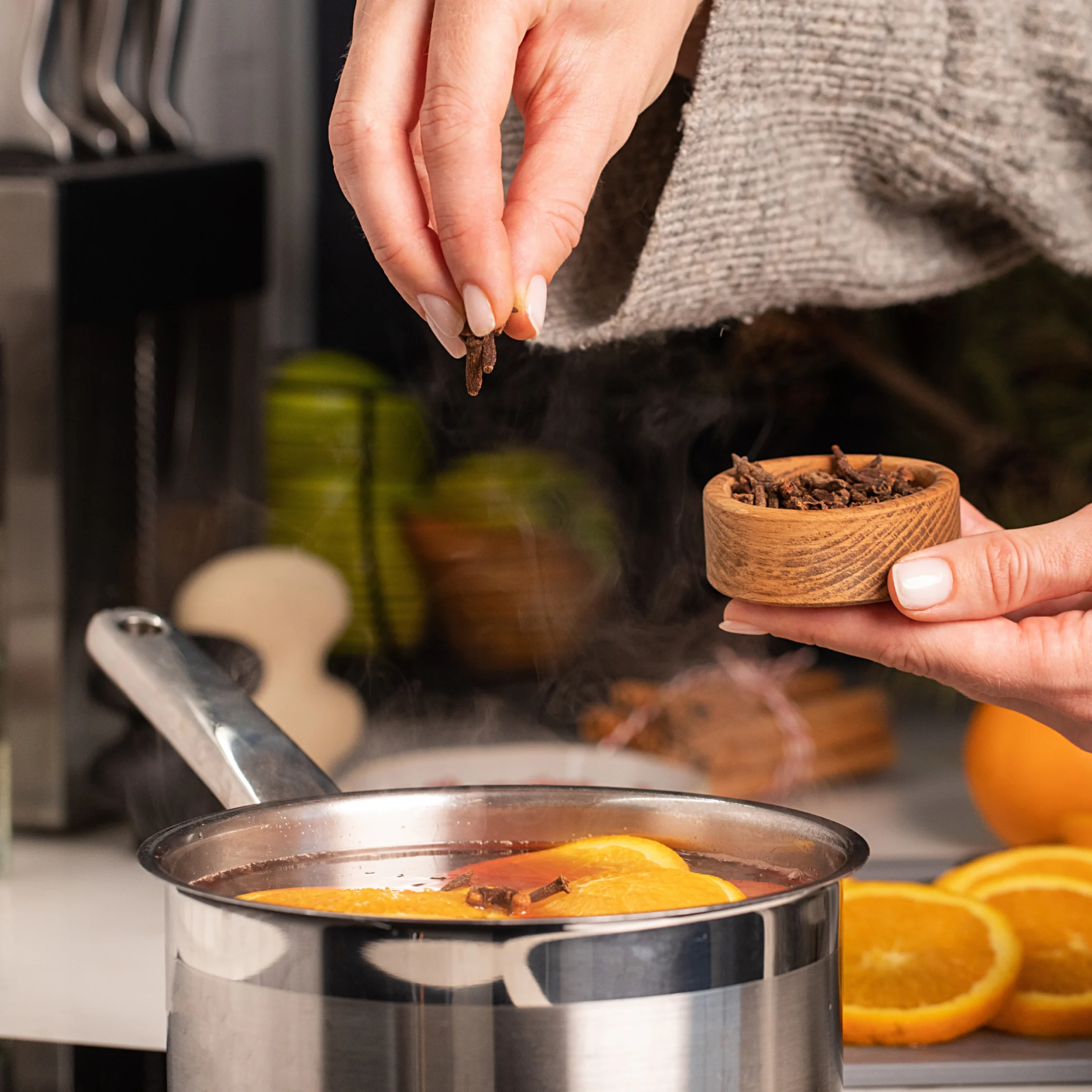
Hands add cloves to simmering citrus-spiced liquid in a saucepan, holding a wooden bowl of spices nearby; the warm kitchen scene feels cozy.
Making mulled cider with allspice

In Middle Eastern and Mediterranean dishes, it’s used when making spiced rice pilafs, lamb stews, and meatball seasonings like in kofta.

Allspice is also prominent in making mulled cider or various pickling brines. Even in baking, it is a staple in making pumpkin pie, gingerbread, and fruitcakes.

Are Five Spice and Allspice In Filipino Cuisine?

While allspice is rarely used in traditional Filipino cooking, five spice can be spotted predominantly in some Filipino-Chinese dishes. 

The most notable example of this is in the Cebuano dish called ngohiong, a fried spring roll made of pork, shrimp, and heart of palm.
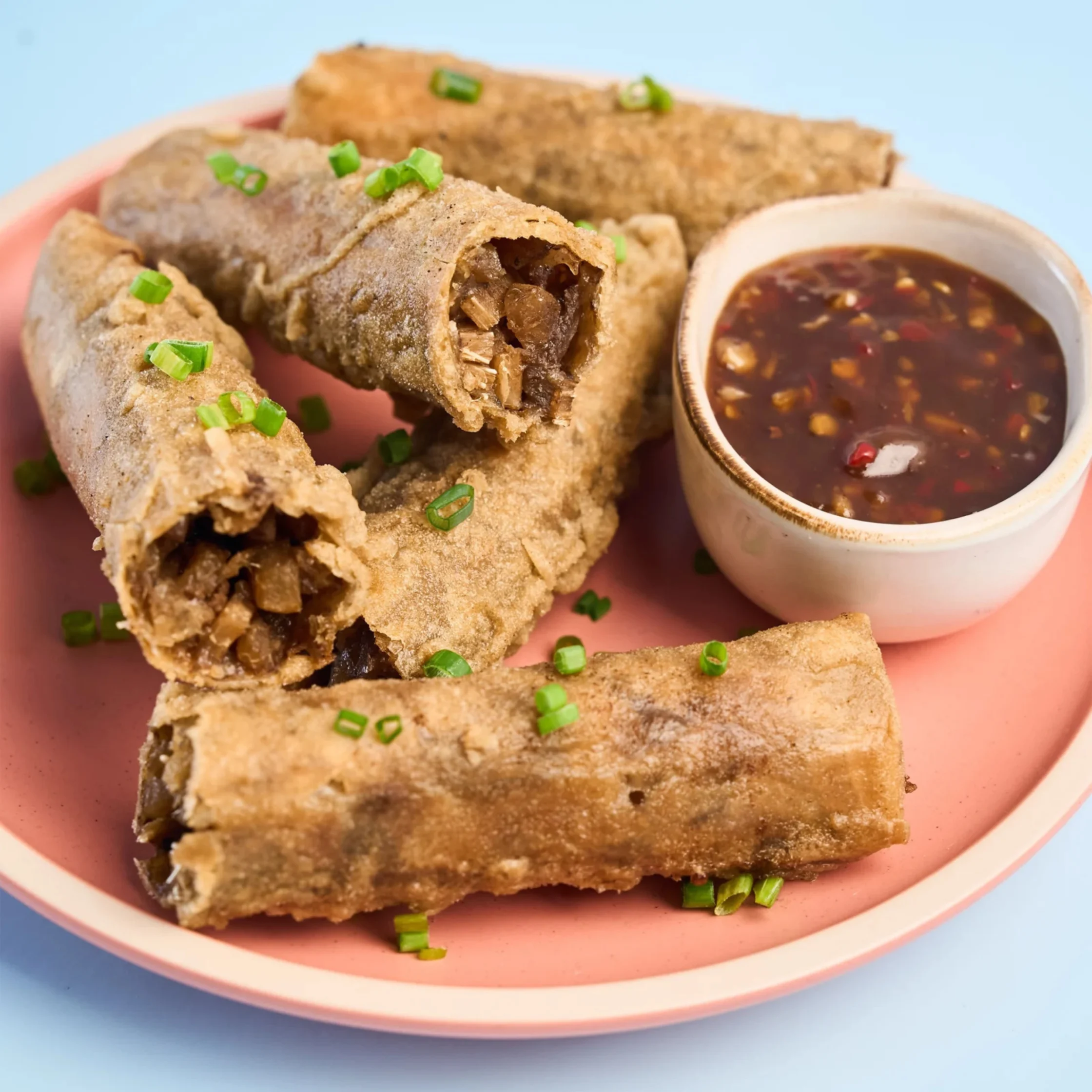
Golden fried spring rolls, some cut open to reveal savory filling, are topped with chopped green onions on a pink plate beside a bowl of dark dipping sauce.
Ngohiong [PHOTO: Kieran Punay]

In some recipes, star anise is known to be a common ingredient. 

But even excluding existing dishes, you can definitely experiment by adding either five spice or allspice, transforming some of our local recipes.

Can You Substitute One For The Other?

What precisely makes five spice and allspice not interchangeable lies in the licorice note of the star anise and the numbing sensation of the Sichuan pepper of the former. 

For example, if you were to bake a pumpkin pie using five spice, it would make it taste too strongly like licorice. If you were to make char siu with allspice, it would lack its warmly spiced aroma Cantonese cuisine is known for. 

However, if ever you run out of either spice, there are substitutes you can use, so long as you already own those ingredients.

If you are out of allspice, you can opt to mix equal parts ground cinnamon, cloves, and nutmeg.

As for five spice, the only solution would be if you had a majority of the exact five spices it’s made up of. You ground star anise, cinnamon, cloves, fennel seed, and black or white pepper (if Sichuan peppercorns aren’t on hand).

author avatar
Laura Mendoza Writer
Laura admits that she is a slow eater. She prefers to take her time with the food she likes to eat and the stories she wishes to write. Having graduated with a Creative Writing degree, she comes from a background in writing fiction and poetry. Because of this, she has set herself on a creative mission to explore and delve into what other modes and channels exist for stories and narratives to be told, expressed, and shared with others. For Laura, food as a medium is an exciting proposition. Behind every dish, every ingredient, and every cooking technique, there lies a history worth discussing, a human being worth listening to, a lived experience worth gleaning from. As a means to satiate her appetite for learning about and understanding new and known things, she aims to be the kind of food writer who is approachable, reliable, and personable to readers.

Frequently Asked Questions

Five spice is a blend of five spices rooted in Chinese culinary tradition, while allspice (also known as myrtle pepper) is a single dried, unripe berry from Jamaica, Central and South America, and Southern Mexico.

They also differ in flavor profiles, origins, and how they are used in cooking.

author avatar
Laura Mendoza Writer
Laura admits that she is a slow eater. She prefers to take her time with the food she likes to eat and the stories she wishes to write. Having graduated with a Creative Writing degree, she comes from a background in writing fiction and poetry. Because of this, she has set herself on a creative mission to explore and delve into what other modes and channels exist for stories and narratives to be told, expressed, and shared with others. For Laura, food as a medium is an exciting proposition. Behind every dish, every ingredient, and every cooking technique, there lies a history worth discussing, a human being worth listening to, a lived experience worth gleaning from. As a means to satiate her appetite for learning about and understanding new and known things, she aims to be the kind of food writer who is approachable, reliable, and personable to readers.

The five spices that make up Chinese five spice involve star anise, cloves, cassia or Chinese cinnamon, Sichuan peppercorns, and fennel seeds.

author avatar
Laura Mendoza Writer
Laura admits that she is a slow eater. She prefers to take her time with the food she likes to eat and the stories she wishes to write. Having graduated with a Creative Writing degree, she comes from a background in writing fiction and poetry. Because of this, she has set herself on a creative mission to explore and delve into what other modes and channels exist for stories and narratives to be told, expressed, and shared with others. For Laura, food as a medium is an exciting proposition. Behind every dish, every ingredient, and every cooking technique, there lies a history worth discussing, a human being worth listening to, a lived experience worth gleaning from. As a means to satiate her appetite for learning about and understanding new and known things, she aims to be the kind of food writer who is approachable, reliable, and personable to readers.

Each flavor corresponds to one of the five elements. Earth for sweet, wood for sour, fire for bitter, water for salty, and metal for spicy or umami.

They are also believed to manifest in parts of the body and support internal balance.

author avatar
Laura Mendoza Writer
Laura admits that she is a slow eater. She prefers to take her time with the food she likes to eat and the stories she wishes to write. Having graduated with a Creative Writing degree, she comes from a background in writing fiction and poetry. Because of this, she has set herself on a creative mission to explore and delve into what other modes and channels exist for stories and narratives to be told, expressed, and shared with others. For Laura, food as a medium is an exciting proposition. Behind every dish, every ingredient, and every cooking technique, there lies a history worth discussing, a human being worth listening to, a lived experience worth gleaning from. As a means to satiate her appetite for learning about and understanding new and known things, she aims to be the kind of food writer who is approachable, reliable, and personable to readers.

Allspice is rarely used in traditional Filipino cooking, whereas Five Spice appears notably in Filipino-Chinese dishes such as the Cebuano fried spring roll ngohiong.

author avatar
Laura Mendoza Writer
Laura admits that she is a slow eater. She prefers to take her time with the food she likes to eat and the stories she wishes to write. Having graduated with a Creative Writing degree, she comes from a background in writing fiction and poetry. Because of this, she has set herself on a creative mission to explore and delve into what other modes and channels exist for stories and narratives to be told, expressed, and shared with others. For Laura, food as a medium is an exciting proposition. Behind every dish, every ingredient, and every cooking technique, there lies a history worth discussing, a human being worth listening to, a lived experience worth gleaning from. As a means to satiate her appetite for learning about and understanding new and known things, she aims to be the kind of food writer who is approachable, reliable, and personable to readers.

If you run out of Allspice, you can mix equal parts ground cinnamon, cloves, and nutmeg.

If you run out of Five Spice, you can make a substitute if you have most of its core spices on hand by grinding star anise, cinnamon, cloves, fennel seed, and black or white pepper (if Sichuan peppercorns aren’t available).

author avatar
Laura Mendoza Writer
Laura admits that she is a slow eater. She prefers to take her time with the food she likes to eat and the stories she wishes to write. Having graduated with a Creative Writing degree, she comes from a background in writing fiction and poetry. Because of this, she has set herself on a creative mission to explore and delve into what other modes and channels exist for stories and narratives to be told, expressed, and shared with others. For Laura, food as a medium is an exciting proposition. Behind every dish, every ingredient, and every cooking technique, there lies a history worth discussing, a human being worth listening to, a lived experience worth gleaning from. As a means to satiate her appetite for learning about and understanding new and known things, she aims to be the kind of food writer who is approachable, reliable, and personable to readers.
Smiling woman with glasses tilted at an angle, wearing a blue top, against a light background.

Laura Mendoza

Writer

Laura admits that she is a slow eater. She prefers to take her time with the food she likes to eat and the stories she wishes to write. Having graduated with a Creative Writing degree, she comes from a background in writing fiction and poetry. Because of this, she has set herself on a creative mission to explore and delve into what other modes and channels exist for stories and narratives to be told, expressed, and shared with others. For Laura, food as a medium is an exciting proposition. Behind every dish, every ingredient, and every cooking technique, there lies a history worth discussing, a human being worth listening to, a lived experience worth gleaning from. As a means to satiate her appetite for learning about and understanding new and known things, she aims to be the kind of food writer who is approachable, reliable, and personable to readers.

0 0 votes
Total of Ratings
guest
Rating
Ratings for Article
0 Comments
Oldest
Newest Most Voted

To provide a customized ad experience, we need to know if you are of legal age in your region.

By making a selection, you agree to our Terms & Conditions.