

Everyday, Metro Manila throws out an estimated 2,175 tons of food. At the same time, nearly one in four Filipino families has gone without food at least once in the past three months.
The figures just don’t make any sense. We’ve got excess food yet hunger still persists. There’s a troubling gap that needs to be addressed. Luckily, four twentysomethings have taken on the noble task to fix this.
How Mabu Is Turning Surplus Food Into Affordable Meals
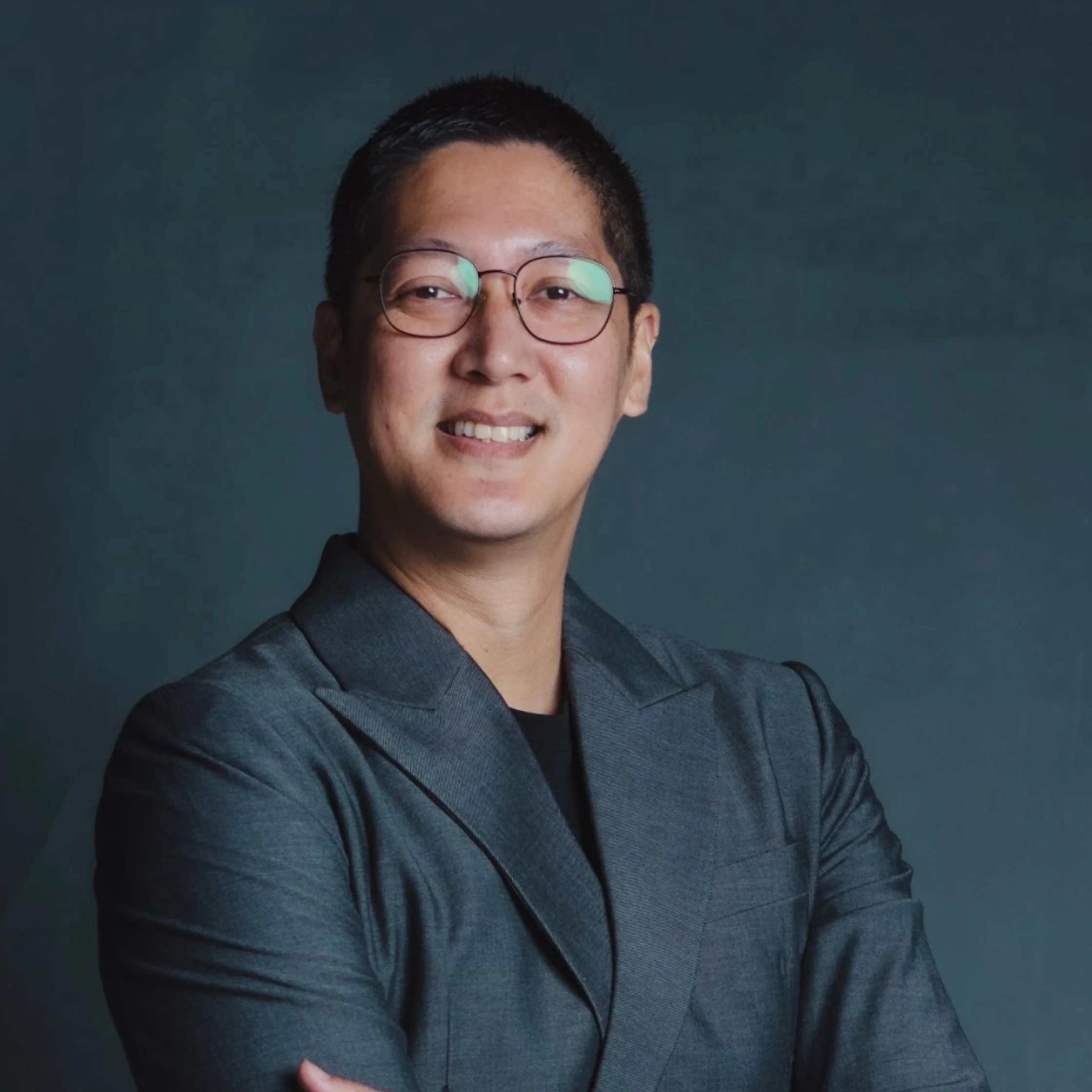
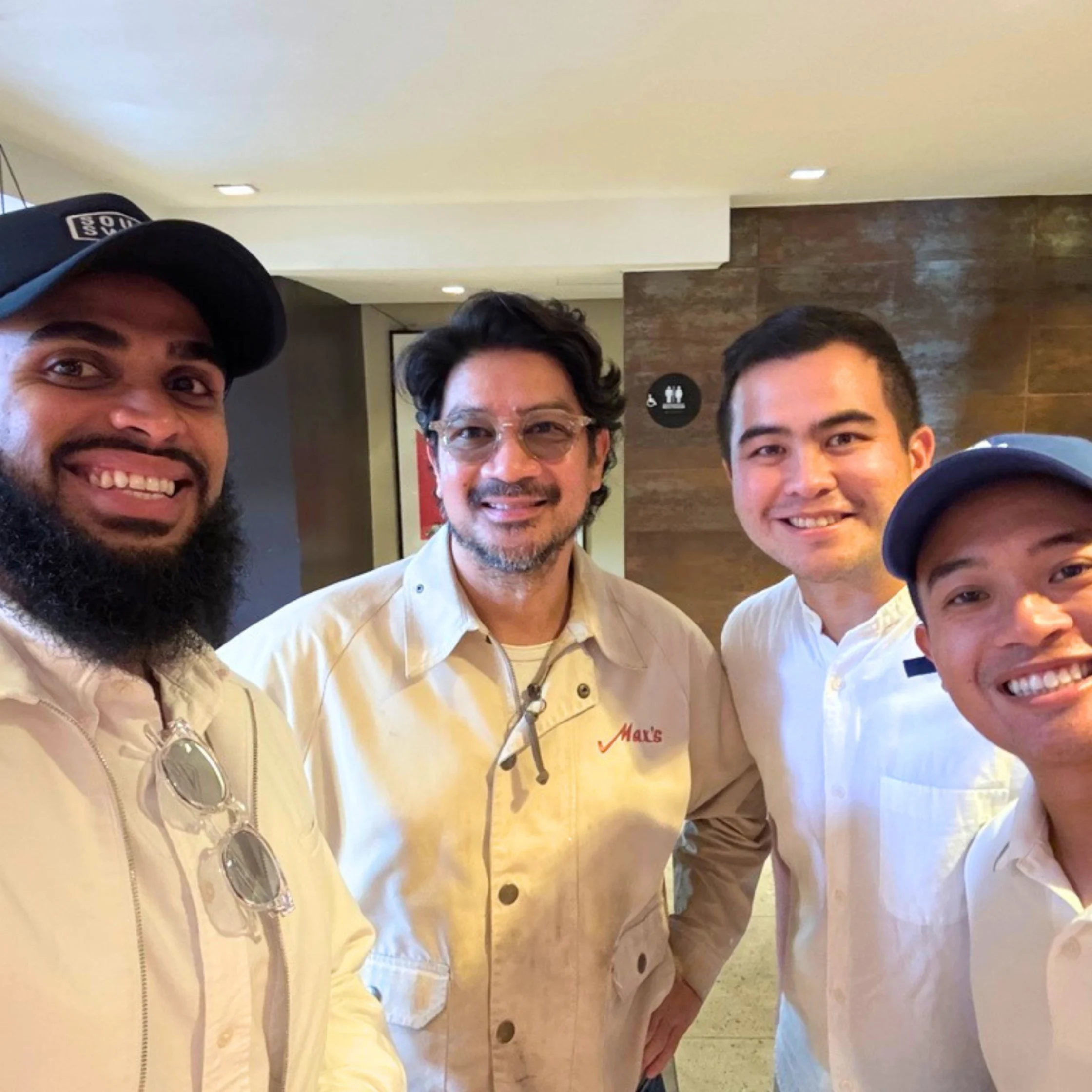
Co-founded by Shiraz Dole, Leo Albea, Iñigo Raymundo, and Steve Dole, Mabu is a Philippine-based food surplus marketplace that connects consumers with unsold food from restaurants, bakeries, and distributors before it ends up in the trash.
The model is pretty simple and straightforward: businesses who partner with Mabu get to list their excess food in discounted “Surprise Bags,” which customers can then reserve, “rescue” and pay online. The food is still perfectly edible, but because it wasn’t purchased at the end of the day, it would have otherwise just been thrown away and wasted.
A European app provided inspiration for this. When Shiraz moved to the Philippines, he got surprised to see the abundance and quality of local food that was being dumped. He remembered coming across London’s Good To Go, which has a similar core and concept. And so, after discussing with good friend Raymundo who, at that time, was increasingly concerned with food security too, they decided to team up and build a digital platform designed to cater to the issue. They brought on Steve to run the program and Leo to lead marketing.
“We wanted something built for the way Filipinos actually buy food,” they explained. That meant accounting for the country’s culture of sayang (or aversion to waste), the tendency to buy in smaller, affordable portions called “tingi”, and the way Filipinos actually do pickups. The idea took shape in 2024 and Mabu, the first food surplus marketplace of its kind in the country, was incorporated in 2025.
It Took One Restaurant to Change Everything for Mabu
It’s a worthwhile pursuit, even so, convincing businesses to join the program proved to be a challenge. They were rejected by more than 50 F&B establishments, afraid that selling discounted items might jeopardize their brand. It took a single yes to change things.
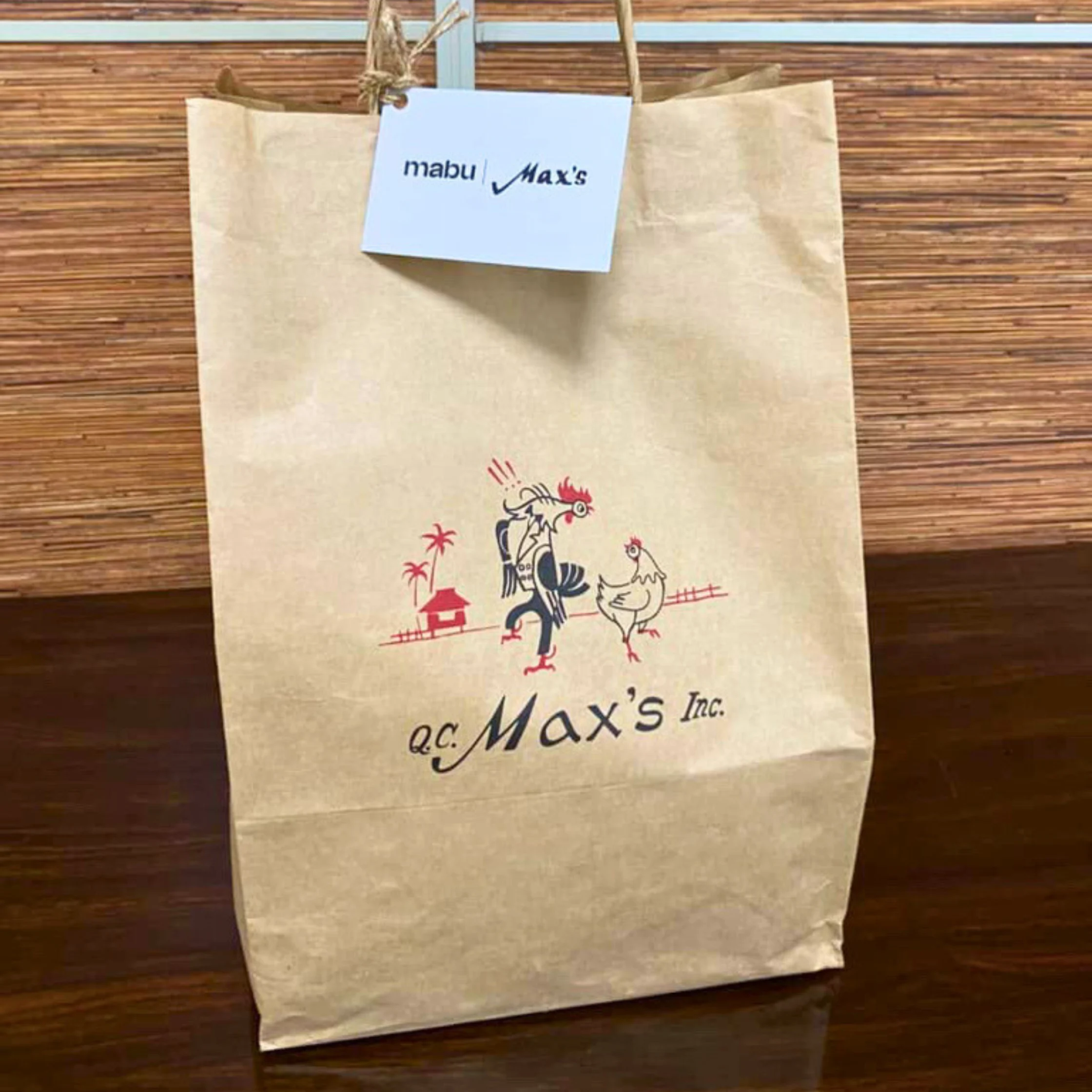
“Max’s Restaurant was the first brand willing to take a chance on Mabu, And that early yes mattered a lot,” the founders said. “Part of what we have learned is to keep the Mabu clearance channel separate from a brand’s premium image, so partnering with us does not undercut their regular pricing.”
Customers purchase Surprise Bags priced at ₱149, ₱249, or ₱399, often receiving food worth two to three times the purchase price. The exact contents vary depending on what remains unsold that day, creating a treasure-hunt element that has become part of the platform’s appeal.
Today, six brands have sold through the platform, including Levain Commissary, Panero, San Rosie, The Kind Cookie, Amaeru, and Max’s. Around 58 additional businesses are currently on the waitlist.
The results thus far are encouraging. To date, Mabu has handled 309 paid orders from 167 customers, with about ₱70,000 in sales and roughly ₱60,000 saved for customers versus retail. About a third of buyers come back to order again, reviews average 4.5 out of 5, and more than 1,700 people have signed up.
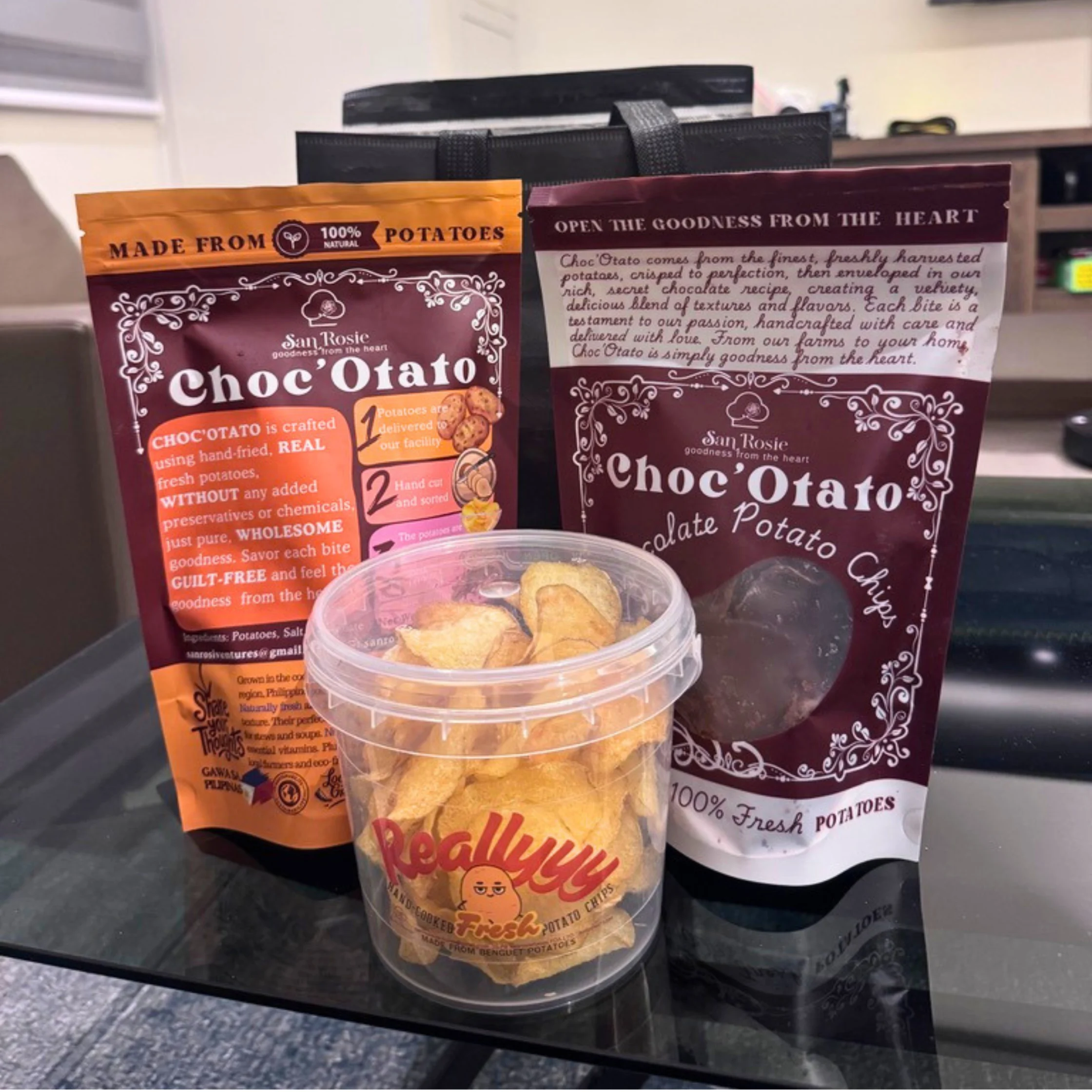
“The honest read is that demand is ahead of supply. Our partners often sell out, which is a good sign, and our main job right now is bringing on more quality brands so there is enough surplus to meet the interest”
Mabu Expands Into Groceries With New Hatchin Partnership
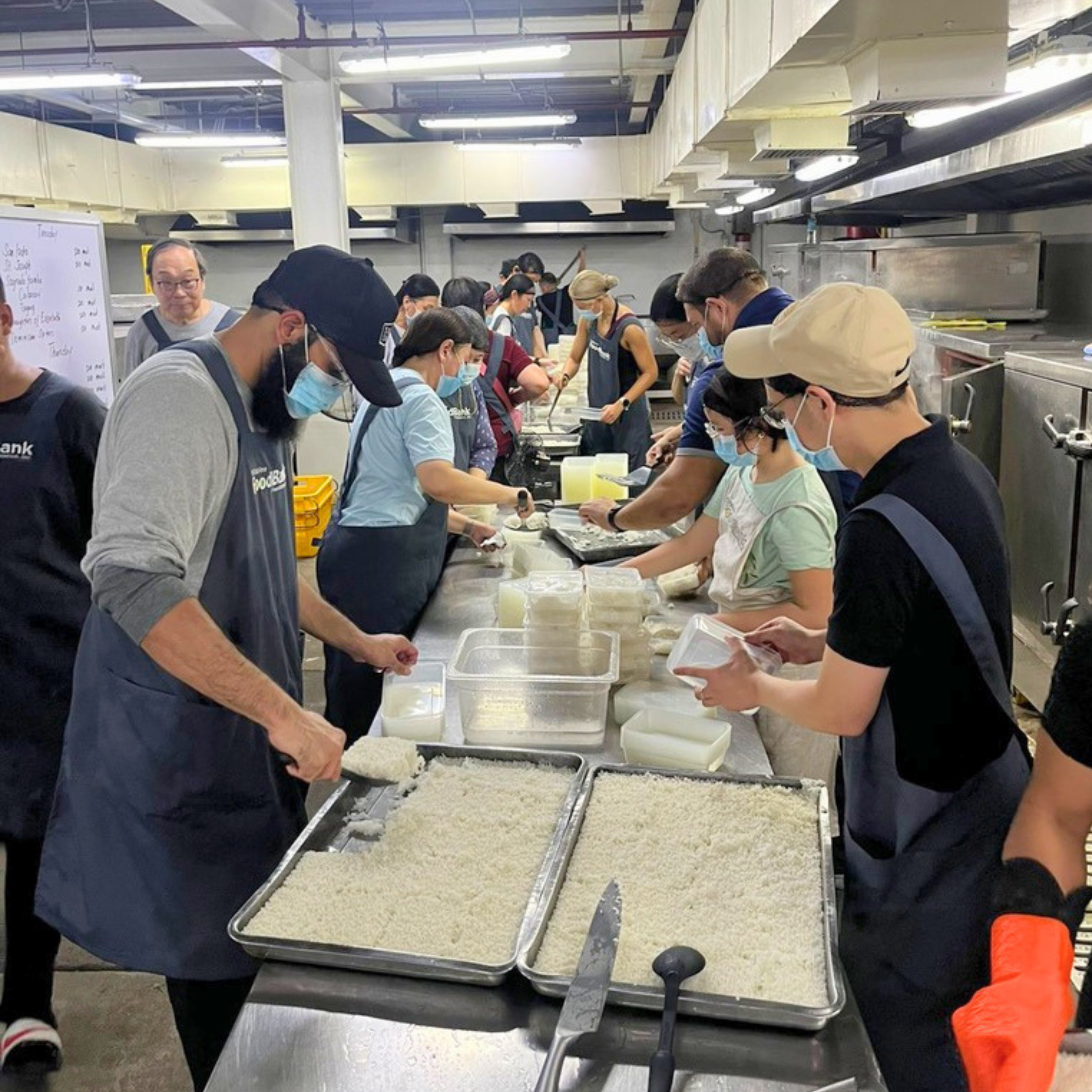
Mabu’s impact extends beyond surplus food. A portion of every sale supports organizations such as the Philippine FoodBank Foundation and Scholars of Sustenance, while volunteers and students help drive community-based recovery efforts.
As the startup grows, so do its ambitions. The team plans to expand beyond Quezon City, deepen partnerships with local governments, and bring more brands onto the platform.
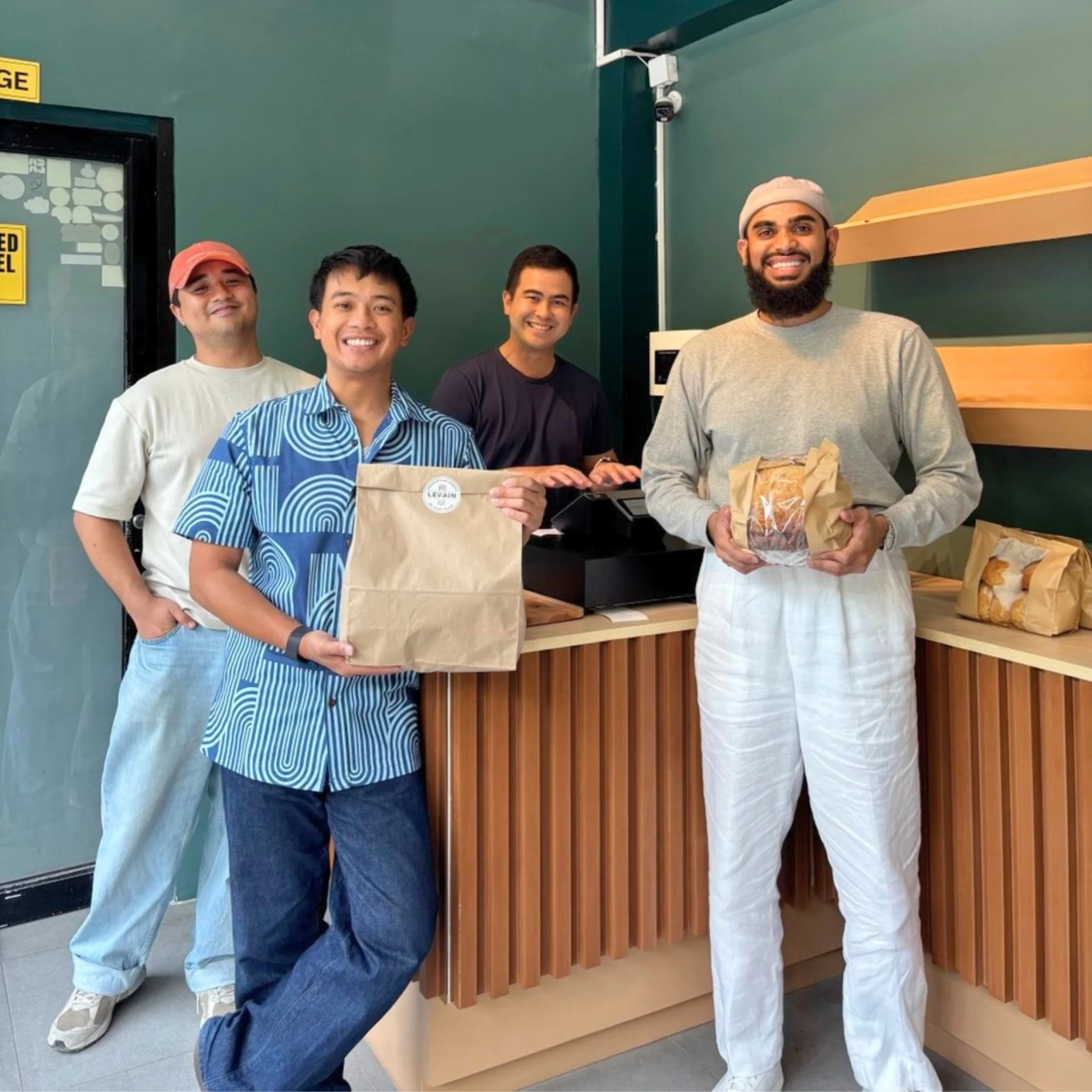
Its latest step forward comes through a partnership with New Hatchin, one of the country’s leading Japanese specialty grocers and a supplier to many of Manila’s top restaurants. The collaboration marks Mabu’s first move beyond prepared food and into groceries, expanding the platform’s reach across the food chain. There are four bags to choose from: condiments (P419), drinks (P169), snacks (P269), and ice cream (P169).
For Mabu, it’s another step toward a future where good food doesn’t go to waste while creating value for businesses, consumers, and food security organizations.
Frequently Asked Questions
Mabu is a Philippine food surplus marketplace that connects consumers with discounted unsold food from restaurants, bakeries, and grocery suppliers before it goes to waste.
Businesses list surplus food as discounted Surprise Bags. Customers reserve and pay online before picking up their orders.
Yes. The food is still safe and perfectly edible but was left unsold at the end of the day.
Surprise Bags contain a selection of surplus food that varies daily depending on what remains unsold. Customers typically receive food worth significantly more than the purchase price.
Mabu Surprise Bags are priced at ₱149, ₱249, or ₱399, and customers often receive food worth two to three times what they pay. Through the New Hatchin grocery partnership, separate bags are available for condiments at ₱419, drinks at ₱169, snacks at ₱269, and ice cream at ₱169.