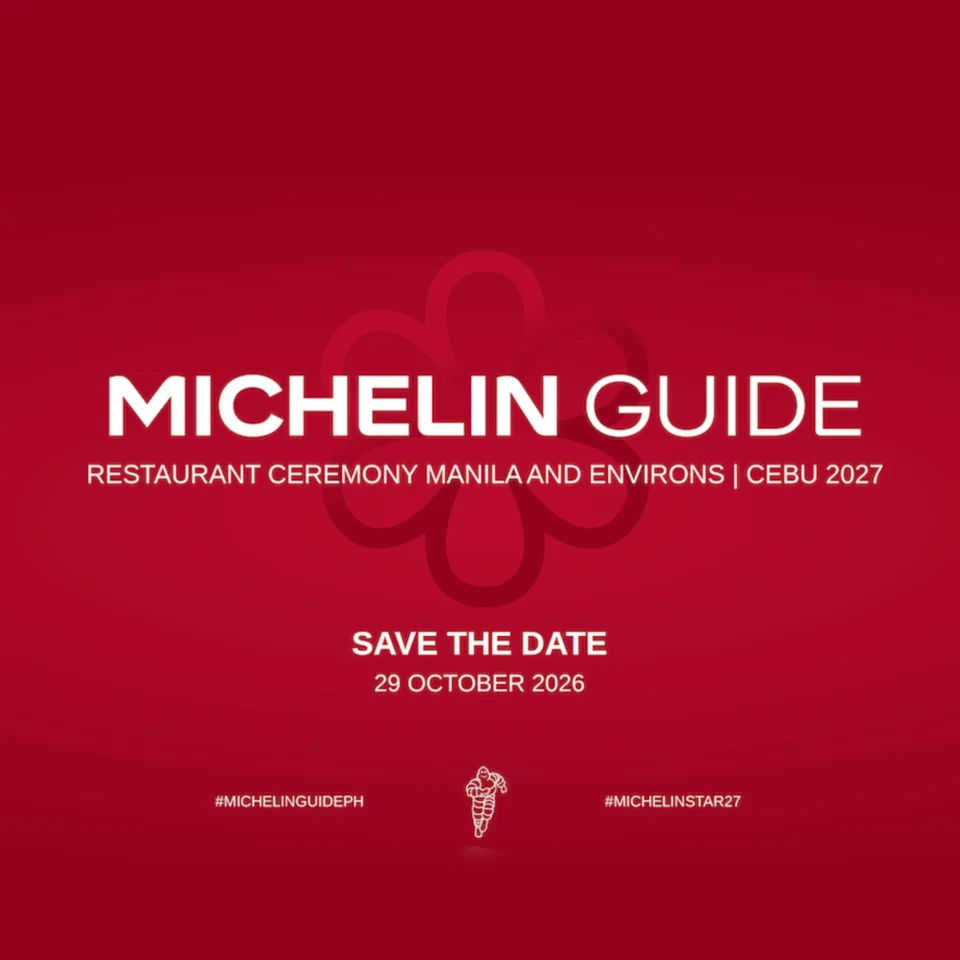



Last October 30, the prestigious Michelin Guide validated something many guests who have dined at Hapag and Aya already know—that Erin Recto is undoubtedly among the best when it comes to providing customer service in a restaurant.
As the Head Sommelier and Operations Director, and the recipient of the Michelin Guide Service Award 2026, she certainly has the chops to make customers feel very much welcome and at home in their dining spaces. And she has proven this not just through words and actions, but also how her formidable team goes about their daily businesses, extending the same warmth and congeniality she brings.
“At Hapag and Ayà, we teach our team that hospitality begins with empathy and delikadesa,” she says. “Every guest walks in with a story: some are celebrating, some had a difficult day, some simply want to feel taken care of. Our job is to read the room and respond with generosity. True hospitality is about making people feel seen.”
Handle with care
Not everyone is cut out to serve. Fine dining can teach you how to carry a tray or open a bottle of wine, but it cannot easily teach kindness or awareness. “More than technical skill, we look for the hunger to learn, humility, and emotional intelligence. A good front of house team member should have presence; someone who can hold themselves with confidence while still making guests feel comfortable. They should be observant, quick to anticipate needs, and able to communicate clearly with both guests and the kitchen.”
To arm themselves with the proper mindset, they make sure to come prepared and “experienced.” Erin and her staff do scenario training and role-playing so that when they find themselves in dire situations, they would know how to react.
“But more importantly, we remind the team that hospitality is about composure. When things become stressful, our calmness sets the tone of the room,” she says. “Guests often mirror the energy we give them. If we remain steady, respectful, and solution-oriented, most situations naturally de-escalate.”
Equip yourself or your service team with the right attitude and outlook. Here, she offers a handful of situations and how to deal with them.

When a customer gets drunk, loud, and rowdy
The first step is always to approach with discretion and respect. A manager or senior staff member would check in with the guest calmly and gently suggest slowing down on alcohol or offering food and water. If their behavior begins affecting other guests, we prioritize the comfort of the room while still treating the guest with dignity. Hospitality also means knowing when to set boundaries.
When a customer starts shouting at a server
The manager should step in immediately. No team member should be left to face hostility alone. We listen to the guest, acknowledge their frustration, and try to resolve the issue calmly. At the same time, we protect our team. Respect is non-negotiable in our dining room.

When a customer insists they have a reservation but the books don’t show it
We approach the situation with the assumption that the guest is telling the truth. Sometimes reservations are lost in translation between platforms. If possible, we try to accommodate them or offer a comfortable wait at the bar with a drink while we find a solution. The goal is to make them feel welcomed rather than blamed.
When a customer makes a request that is almost impossible
Transparency is key. We explain why the request might not be feasible, whether due to the structure of a tasting menu or the preparation of a dish. But we also try to find alternatives. Even if we cannot say yes, we always try to say, “Here’s what we can do for you.”

When a guest stays beyond their allotted time and another reservation is waiting
Timing can be delicate. We approach the table politely and inform them that another reservation will be arriving soon, offering to move them to a different area if they would like to continue their evening. The tone should always be gracious, guests should feel guided, not rushed.

Frequently Asked Questions
To de-escalate hostility, a manager must immediately intervene to protect the staff and use a calm, steady tone to mirror the desired energy in the room. Acknowledge the guest’s frustration without becoming defensive, as maintaining composure often forces the guest to lower their own volume. By staying solution-oriented rather than reactive, you preserve the dining room’s dignity while ensuring the conflict does not disturb other patrons.
Handle a missing reservation by assuming the guest is correct and treating the discrepancy as a technical error rather than a personal mistake. Offer them a comfortable seat at the bar or a complimentary drink while the staff actively seeks a seating solution. This “empathy-first” approach turns a potential conflict into a moment of hospitality, ensuring the guest feels welcomed and valued despite the logistical hurdle.
o manage table timing, approach the guests graciously and inform them of the upcoming reservation while offering to relocate them to a bar or lounge area to continue their evening. Guiding rather than rushing the guest ensures they don’t feel “pushed out,” maintaining the warmth of the hospitality experience. Clear communication about time limits should ideally begin during the booking process to set expectations early and avoid friction at the table.
Handle impossible requests with radical transparency by explaining the technical or structural limitations of the kitchen while immediately offering a viable alternative. Instead of a flat refusal, use the phrase, “Here is what we can do for you,” to redirect the conversation toward a positive outcome. This maintains the restaurant’s standards while demonstrating a commitment to guest satisfaction and flexibility within the tasting menu’s framework.
The most common mistake is waiting too long to intervene or approaching an intoxicated guest with a confrontational attitude. Senior staff should discretely offer water or food and gently suggest slowing down alcohol consumption before the behavior affects the entire room. Failing to set boundaries early can lead to rowdiness that ruins the atmosphere for other diners, making proactive, respectful intervention the key to successful floor management.