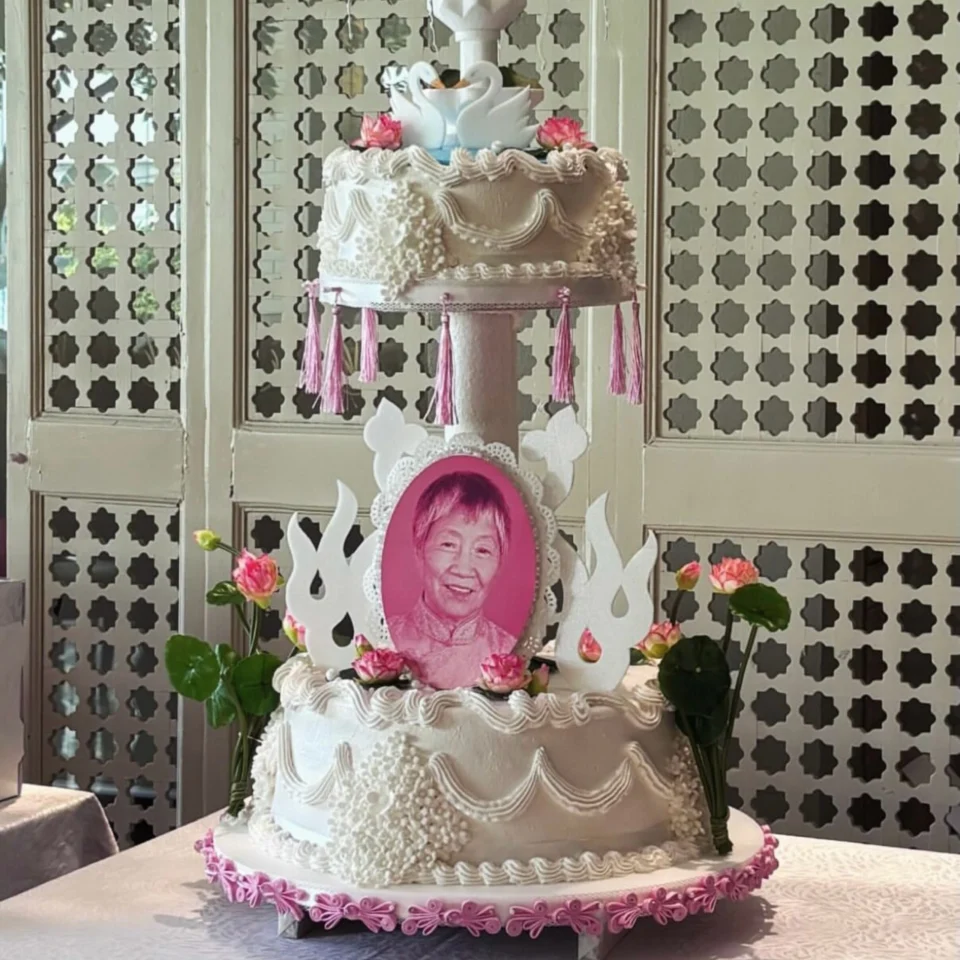


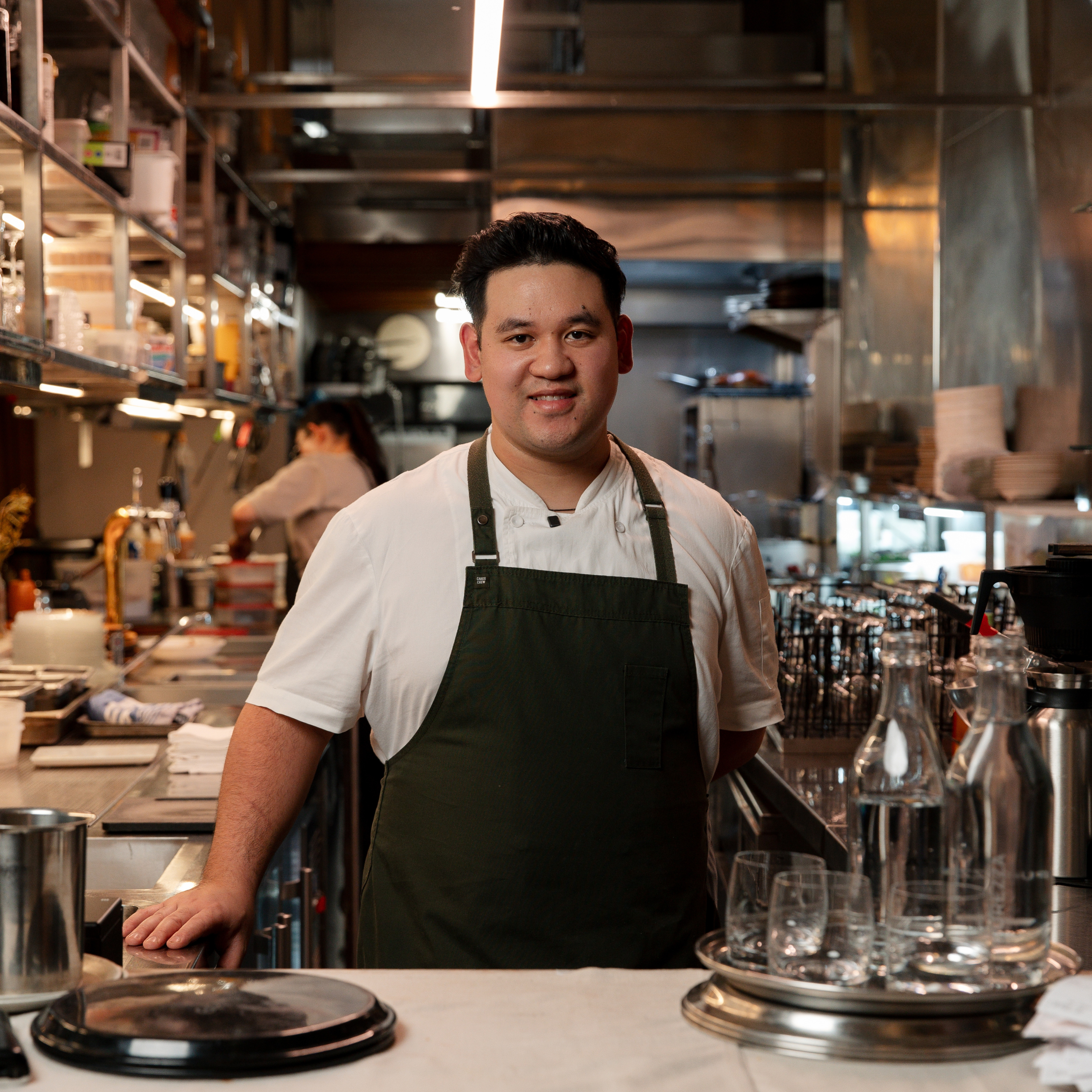
Long before he became the chef behind Melbourne’s acclaimed Filipino restaurant Askal, food had already become the language through which John Rivera remembers home.
Growing up, he was the self-confessed “matakaw” kid, generously fed by the comforting flavors of his grandmother’s carinderia in Cabanatuan City, Nueva Ecija and the lutong bahay of his aunts. That changed when his family moved to New Zealand and later Australia, where his parents, both of whom are medical professionals, had to teach themselves how to recreate the Filipino dishes they missed.
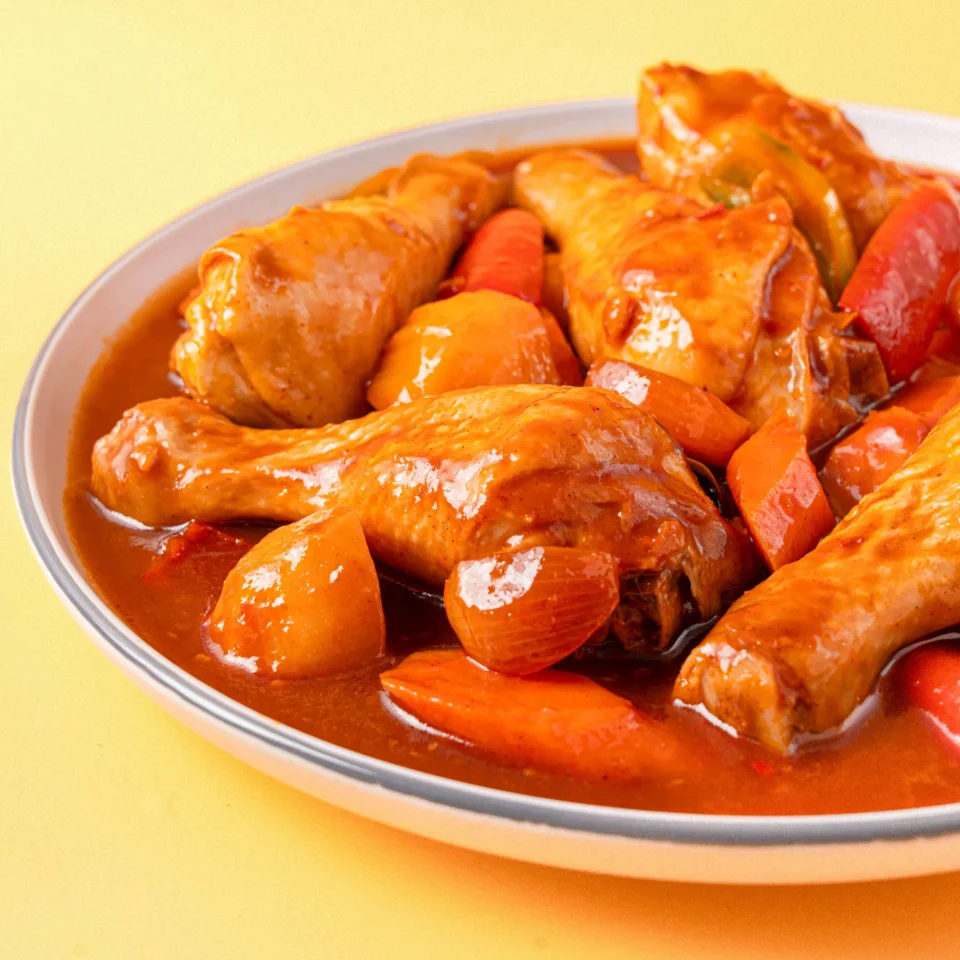
“The food we ate was, most of the time, the easy viands like adobo, nilaga, pinirito—boring in comparison to what my titas would make,” he says. “I should note though that Dad has greatly improved since then and I even ask him for recipes now! I usually get in trouble for criticizing my parents’ cooking, but I do believe that experience pushed me further to discover what good food, and specifically what good Filipino food, is.”
How Precision in Pastry Became Chef John Rivera’s Secret Ingredient
This eventually drove him to pursue culinary school at Melbourne’s William Angliss Institute, despite his parents’ hopes that he would go for a more conventional profession, like accounting or engineering. “I was a good student in high school but I knew I didn’t enjoy learning in a traditional classroom setting and spending another four to five years in university would’ve made my brain explode,” Rivera says.
He trained as a pastry chef, thinking it would offer a better work-life balance and because he loved sweets. And his first professional kitchen experience was at Rockpool Bar & Grill in Crown Casino under renowned Australian chef Neil Perry. There, he worked initially as a waiter before eventually moving into the kitchen. He then got transferred to Rockpool’s flagship restaurant in Sydney. This move introduced him to the savoury side of cooking, which consequently defined the rest of his career.
“What I learned during my time as a pastry chef, and from my culinary school instructors, was the exact science and discipline required for pastry work. A lot of cooks learn pastry last—after years of training in savoury—and they struggle to grasp the precision pastry demands. I think this foundation in precision set me up really well for my savoury career.”
How Askal Is Redefining Filipino Food in Australia Without Losing Its Roots
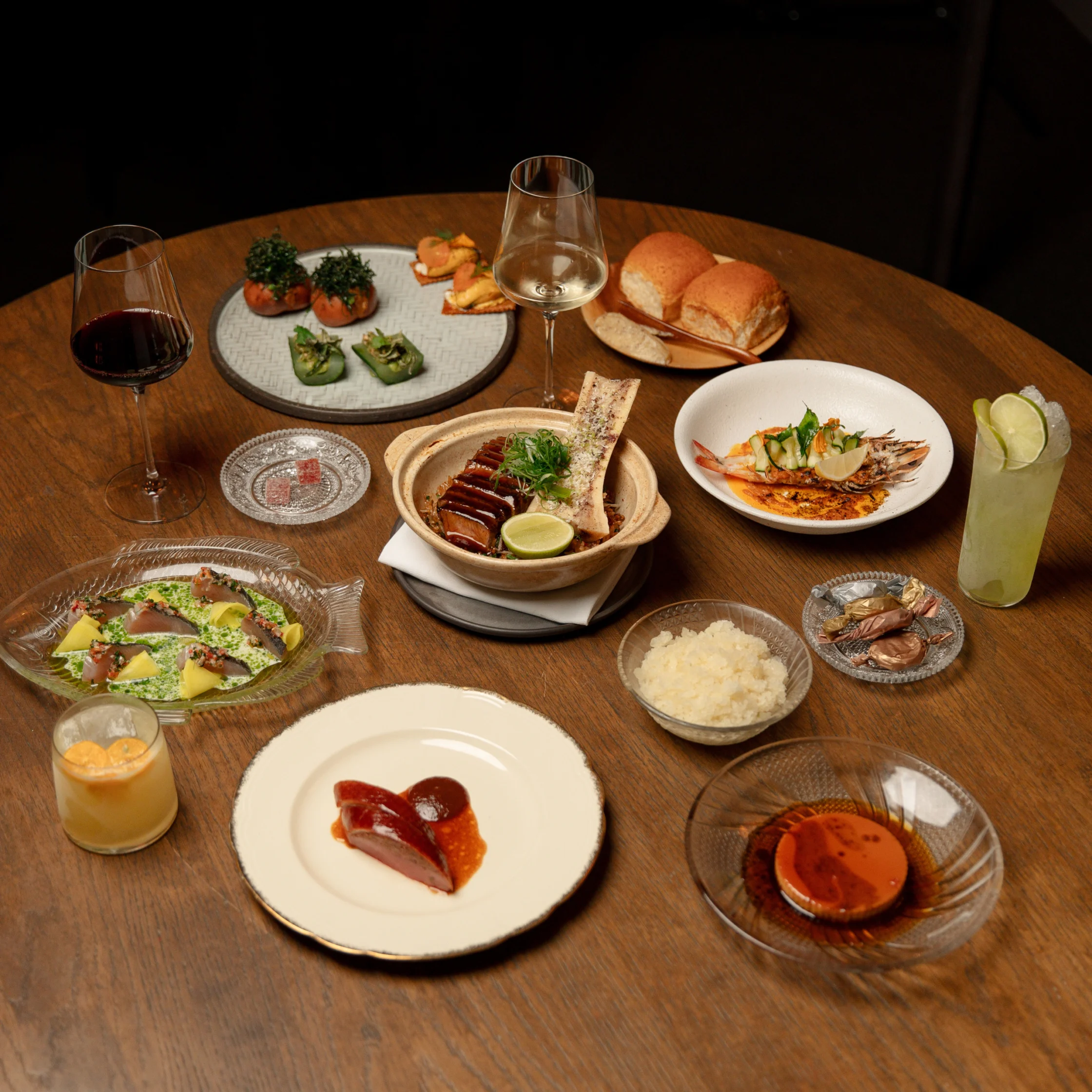
When he opened his own restaurant in 2024, the goal was not to simply reinterpret Filipino cuisine. “When we considered what Askal would be in the Australian culinary landscape, we noticed there wasn’t a venue that elevated Filipino food whilst still possessing and implementing traditional Filipino techniques and flavours. Whilst it may seem like ‘fusion’ for some because we present our food in different or creative ways, we extensively researched and even had to retrain ourselves to cook the way a Filipino cooks.” That meant shelving particular habits from his classical French training—like sautéing onions before garlic—and returning to uniquely Filipino ways of cooking.
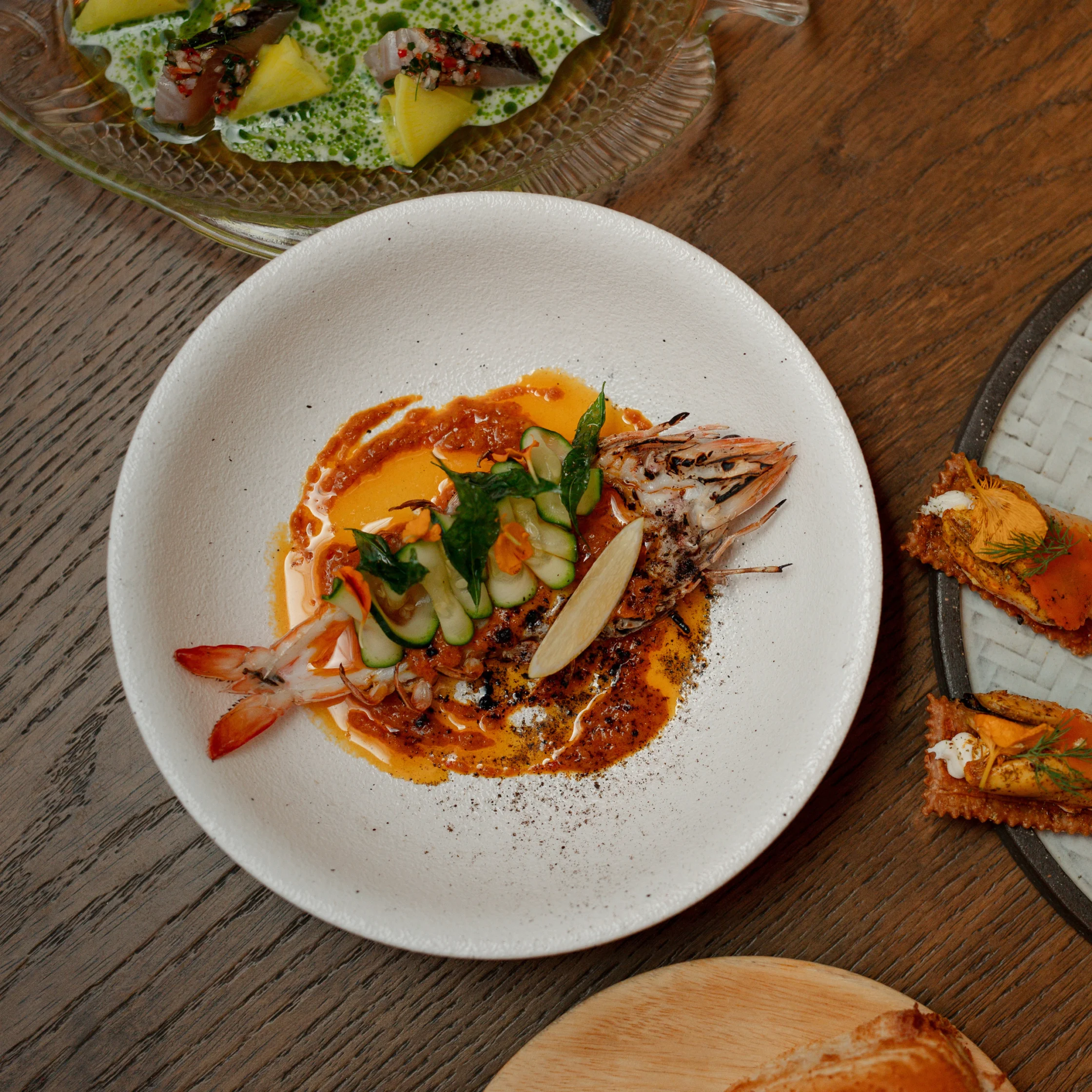
His menu in Askal is inspired by memory and nostalgia, and built with recipes gathered from different regions, and through conversations with relatives, documentaries, and cookbooks.
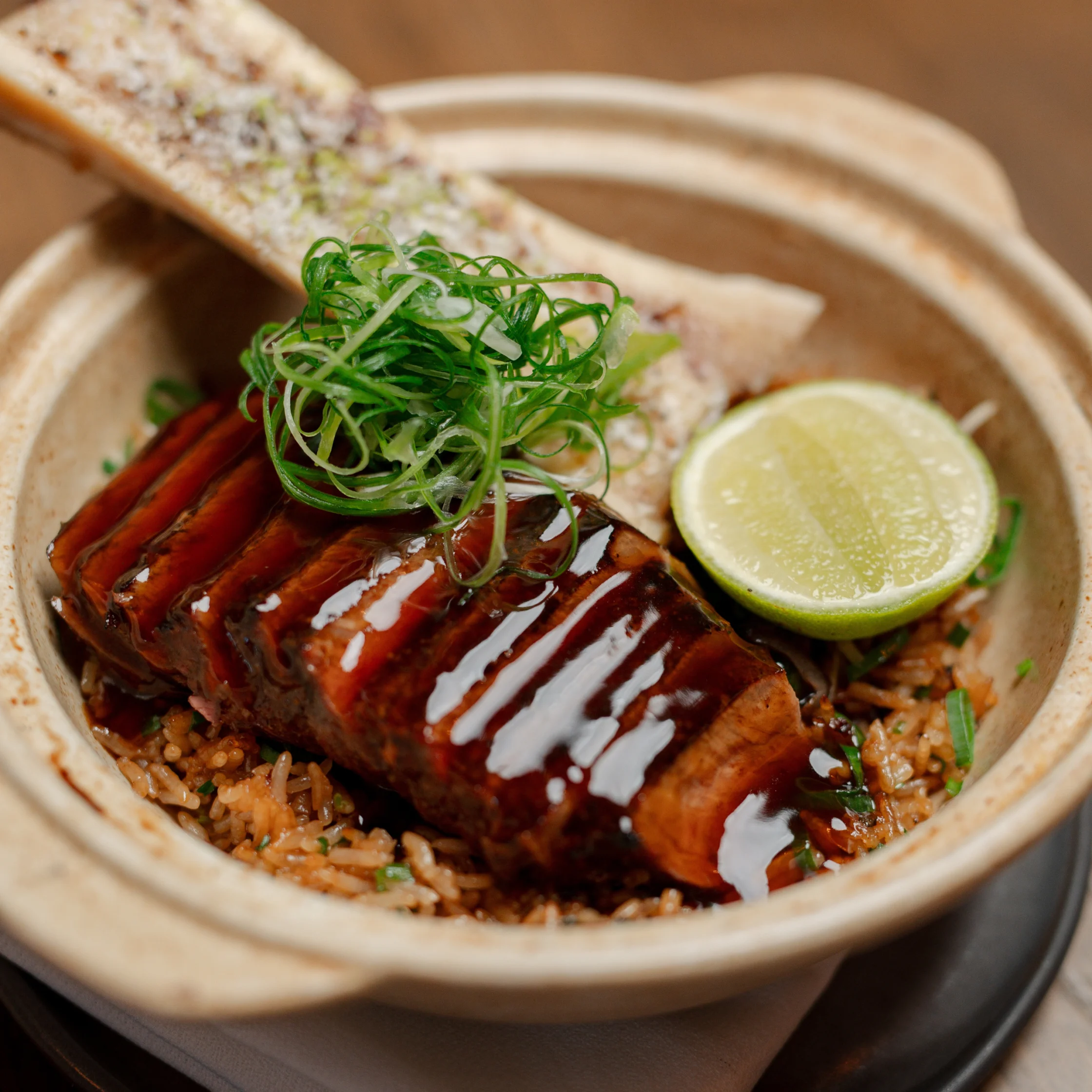
Their signature chargrilled Angus short rib with pares claypot rice perfectly exemplifies this. “While it may look modern in presentation, we made sure to capture the true essence of an authentic bowl of pares—from tender, flavorful meat to the rich, unctuous broth paired with garlic fried rice and a boat of roasted bone marrow in honor of the Filipino’s love for all things high in cholesterol.”
Askal x Aya: Exploring The Possibilities of Filipino Cuisine
His recent collaboration with Kevin Navoa and Thirdy Dolatre of Aya further strengthens his style and philosophy. The three chefs first connected during the pandemic while launching separate ice cream projects and eventually met in person during the Melbourne Food & Wine Festival.
After being away from the Philippines for six long years, John’s much anticipated return to cook with the two chefs felt much like a homecoming. “It was really about bringing some of our favorite Askal dishes to Manila and having fun together,” he says. The final menu only came together days before the event, inspired in part by snacks he enjoyed at Aya—including the gamet kropek with poqui poqui.
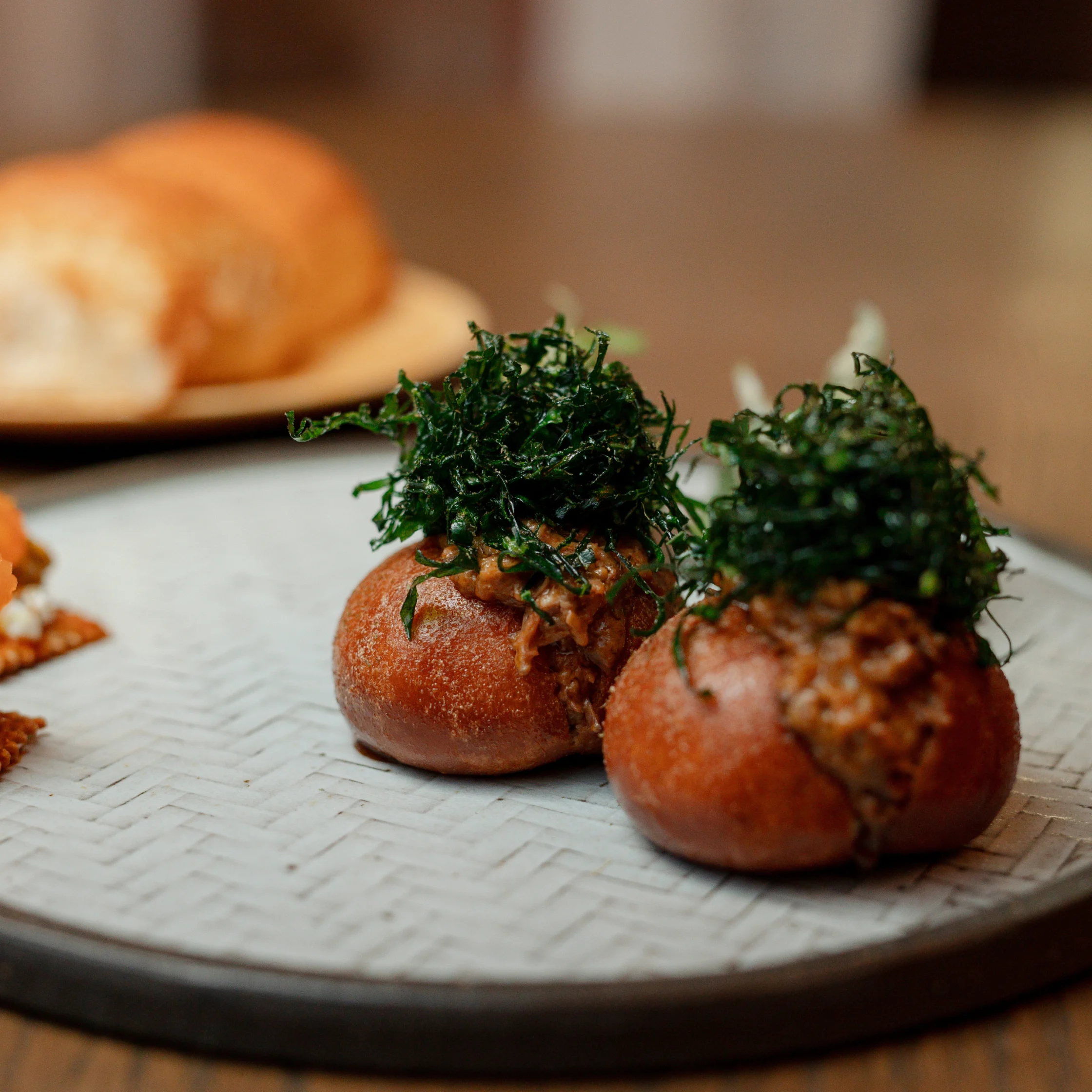
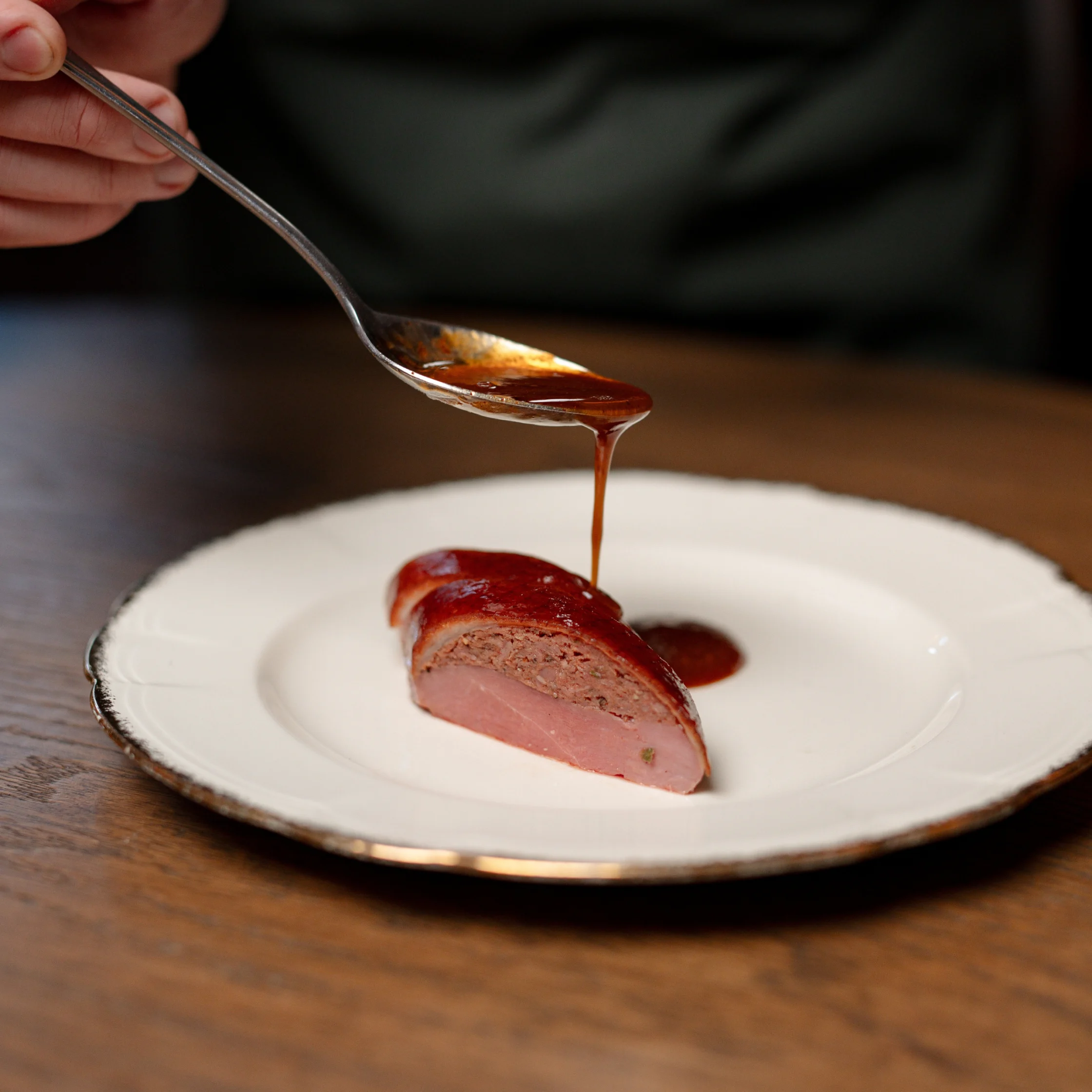
Other standouts in the menu included the pancit canton with squid ink noodles and fried kalkag shrimps, ulang with Zamboanga curry sauce, sliced kamote brioche with latik butter, and the Balikbayan Box, a whimsical dessert composed of Kariton Sorbetes ube ice cream, pinipig polvoron streusel, pumpkin miso and pili nut brittle, and lengua de gato.
Ultimately, Askal is not trying to reinvent Filipino food for Australia, but to show how far it can go without leaving its roots behind.

Frequently Asked Questions
Chef John Rivera is the chef-owner of Askal, a modern Filipino restaurant in Melbourne, Australia.
Askal is a Melbourne-based Filipino restaurant that celebrates traditional Filipino flavors through contemporary techniques and thoughtful storytelling.
Askal is located at 167 Exhibition St, Melbourne, Australia.
Askal serves modern Filipino cuisine inspired by regional recipes, family traditions, and Filipino culinary heritage.
Signature dishes include the Chargrilled Angus Short Rib with Pares Claypot Rice, alongside seasonal tasting menus and special collaborations like Askal x Aya.