
Advertisement

Botilas, Etag ya Tengba (Cordillera) Recipe

In the Cordillera, many dishes are more than everyday meals—they are expressions of gratitude, family, and community.
PHOT
YIELDS:
6 SERVING(S)
Prep Time:
10 MINS
Total Time:
1 HR 20 MINS
Cal/Serv:
53

Nutritional Information

Calories 329 kcal
Fat 11 g
Saturated fat 4 g
Trans fat 0 g
Cholesterol 53 mg
Sodium 77 mg
Carbohydrates 32 g
Fiber 10 g
Sugar 4 g
Protein 25 g
Vitamin D 0 µg
Calcium 88 mg
Iron 4 mg
Potassium 965 mg

Note: The information shown is Edamam's estimate based on available ingredients and preparation. It should not be considered a substitute for a professional nutritionist's advice.

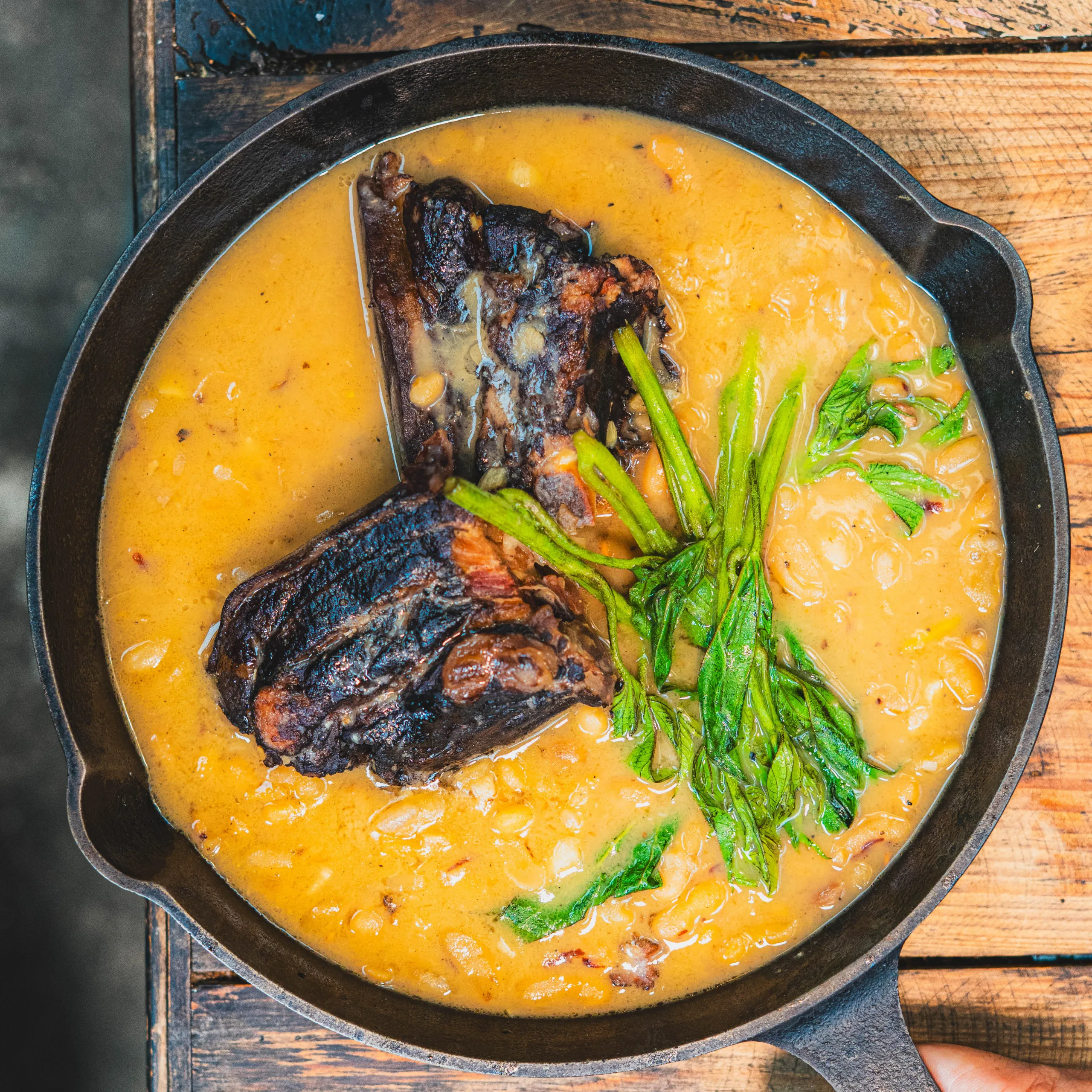
In the Cordillera, many dishes are more than everyday meals—they are expressions of gratitude, family, and community. Botilas, Etag ya Tengba is one such dish. Simple in appearance yet rich in history, this hearty soup brings together three treasured ingredients of the highlands: botilas (beans or legumes), etag (salt-cured and smoked pork), and tengba, a unique fermented condiment made from rice and tiny freshwater crablets.

Chef Pil-od Acop Ano shares that this comforting soup has deep roots in the municipality of Besao, Mountain Province, where his father comes from. Traditionally, it is prepared to celebrate life’s meaningful milestones. One of the most cherished occasions is when a newborn baby’s umbilical cord naturally falls off—a moment that symbolizes the child’s healthy transition into life. Family and neighbors gather to share a pot of tengba soup, celebrating both the infant and the mother’s recovery.

The soup is also believed to nourish mothers after childbirth and support lactation, making it a comforting postpartum meal that reflects the Cordilleran tradition of caring for both mother and child through wholesome, locally available foods.

Beyond childbirth, Botilas, Etag ya Tengba is also prepared during thanksgiving gatherings, naming ceremonies, baptisms, and other family celebrations. Every bowl represents gratitude, abundance, and the importance of sharing food with loved ones.

At the heart of the dish is tengba, often described as the “Cordilleran miso.” Made by fermenting cooked rice with tiny freshwater crablets, tengba develops a rich, earthy, savory flavor with a gentle tang. Its appearance and fermented character are often compared to Kapampangan buro, but its taste is uniquely Cordilleran. It is commonly used as a dipping sauce, soup seasoning, or flavor enhancer that gives dishes remarkable depth.

Combined with smoky etag, creamy beans, fragrant aromatics, and fresh leafy greens, Botilas, Etag ya Tengba is a nourishing soup that showcases the ingenuity and culinary heritage of the Mountain Province.

Recipe Tips

  • Soaking the beans overnight significantly shortens cooking time.
  • Cook the etag slowly to allow its smoky flavor to naturally season the broth.
  • Avoid adding too much tengba at once, as its fermented flavor can become overpowering.
  • Use hot water instead of cold water if additional liquid is needed during simmering.
  • Add leafy vegetables only at the end to preserve their color, texture, and nutrients.
  • Taste the broth before adding salt, as both the etag and tengba are naturally salty.
  • If using whole etag, slice it only after cooking to help retain its juices.

Ingredient Substitutions

Although traditional ingredients provide the most authentic flavor, these alternatives may be used if necessary.

Etag

Substitute with:

  • Smoked pork belly
  • Smoked ham hock
  • Smoked bacon
  • Lightly smoked pork shoulder

Tengba

If authentic tengba is unavailable, you may use:

  • White miso paste
  • Yellow miso
  • Kapampangan buro (for a different regional interpretation)
  • Fermented shrimp paste in small amounts for added umami

Keep in mind that each substitute will produce a different flavor profile.

White Kidney Beans

Other legumes work equally well, including:

  • Red kidney beans
  • White beans
  • Lima beans
  • Pinto beans
  • Black-eyed peas

Leafy Greens

Excellent substitutes include:

  • Sweet potato tops
  • Sayote tops
  • Pechay
  • Mustard greens
  • Spinach
  • Bok choy

A Taste of Cordilleran Heritage

Botilas, Etag ya Tengba beautifully reflects the Cordillera’s enduring traditions of hospitality, gratitude, and resourcefulness. Every ingredient tells a story—from the smoky etag preserved through generations of mountain foodways, to the fermented tengba that showcases the region’s mastery of preservation, and the humble beans and fresh greens harvested from local farms. Whether prepared to celebrate the birth of a child, give thanks for life’s blessings, or simply gather loved ones around the table, this nourishing soup is more than a meal. It is a warm reminder that in the Cordillera, food is a way of honoring family, culture, and community, one shared bowl at a time.

Final Words

Botilas, Etag ya Tengba is more than just a comforting bowl of soup; it is a meaningful expression of Cordilleran culture, family traditions, and community spirit. Every spoonful brings together the earthy goodness of beans, the rich smoky flavor of etag, and the distinct savory taste of tengba, creating a dish that is both nourishing and deeply rooted in heritage. What makes this traditional soup truly special is the love, gratitude, and togetherness it represents, especially during important family milestones and celebrations. It reminds us that food is not only meant to satisfy hunger but also to bring people closer, honor traditions, and celebrate life’s blessings. Preserving dishes like Botilas, Etag ya Tengba allows future generations to appreciate the unique flavors and stories of the Mountain Province.

Ingredients

  • 200 Gram dried white kidney beans (or other dried legumes), rinsed
  • 500 Gram pork (etag), whole slab or sliced
  • 1 Tablespoon fermented rice and crablets (tengba)
  • 200 Gram leafy vegetables such as sweet potato tops
  • 3 Clove garlic, sliced
  • 1 Medium onion, chopped
  • 1 Piece thumb-size ginger, chopped
  • 1 Liter water, plus more if needed
  • freshly ground pepper (optional)
  • Native chili for serving
Keep screen awake

Directions

Step 1

Cook the Beans and Etag

Rinse the dried kidney beans thoroughly under running water. If time allows, soak them overnight to shorten the cooking time and improve their texture. Bring about one liter of water to a boil in a large stockpot. Carefully add the etag together with the beans. Reduce the heat to a gentle simmer and cook until the beans become soft and creamy while the etag becomes tender. Depending on whether the beans were soaked, this may take anywhere from 45 minutes to over an hour. If the broth reduces too much during cooking, simply add more hot water to maintain enough liquid for a hearty soup. Many Cordilleran families prefer cooking the etag as one whole slab because they believe it better preserves its smoky flavor. It may later be sliced into serving portions before serving.

Step 2

Prepare the Aromatics

While the beans are cooking, heat a small pan over medium heat. Add a little oil if needed. Sauté the garlic until fragrant before adding the onions and ginger. Cook until the onions become translucent and the ginger releases its aroma.n Transfer the sautéed mixture directly into the simmering soup. Allow everything to cook together for another 10 minutes so the aromatics infuse the broth.

Step 3

Add the Tengba

Stir in one tablespoon of tengba. Mix gently until it dissolves evenly into the broth. Continue simmering for about five minutes. Taste the soup. If a stronger fermented flavor is preferred, add another spoonful gradually until the desired taste is reached. The tengba enriches the broth with savory, earthy, and slightly tangy notes while complementing the smoky richness of the etag.

Step 4

Add the Vegetables

Once the beans are completely tender, add the leafy vegetables. Cook for only 2 to 3 minutes, just until the greens wilt while still retaining their vibrant color. Avoid overcooking, as the vegetables should remain fresh and tender.

Step 5

Serve

If cooked whole, carefully remove the etag from the pot and slice it into serving pieces before returning it to the soup. Serve the soup piping hot with generous portions of steamed rice. The broth becomes even more flavorful as it sits, making leftovers especially delicious the following day.

Alexander Villarante

Recipe Developer

Alexander Villarante is a passionate culinary professional with more than 15 years of experience in the hospitality industry, having built his career in prestigious five-star luxury hotels abroad. He studied Culinary Arts at the Singapore Boston Business School, where he developed a strong foundation in both classical and modern culinary techniques. Throughout his career, he has worked alongside talented chefs from diverse cultural backgrounds, refining his skills and gaining extensive experience in creating exceptional dining experiences. His dedication to excellence has earned him recognition in the competitive culinary scene. Alexander participated in the Philippine Culinary Cup, where he received several citations for his creativity, technical expertise, and commitment to his craft. These achievements reflect his passion for continuous learning and his pursuit of culinary excellence.


Frequently Asked Questions

Tengba is a traditional fermented condiment from the Cordillera made by fermenting cooked rice together with tiny freshwater crablets. It develops a savory, slightly tangy flavor that is commonly used to season soups, dips, and vegetable dishes.

Like Japanese miso, tengba adds deep umami and complexity to soups. Although made differently, both serve as fermented seasonings that enrich broths and stews.

Yes. In fact, the flavors continue to develop after several hours or overnight. Store the soup in the refrigerator and gently reheat before serving.

Yes. Using canned beans significantly reduces cooking time. Simply cook the etag first until tender before adding the beans toward the end of cooking.

Traditionally, the soup relies mainly on the natural saltiness of the etag and tengba. Always taste the broth before adding any additional salt.

No. Although it is closely associated with important family occasions such as childbirth celebrations, baptisms, and thanksgiving meals, many families also prepare it as an everyday comfort food, especially during the cooler months.

0 0 votes
Total of Ratings
guest
Rating
Ratings for Article
0 Comments
Oldest
Newest Most Voted

To provide a customized ad experience, we need to know if you are of legal age in your region.

By making a selection, you agree to our Terms & Conditions.