


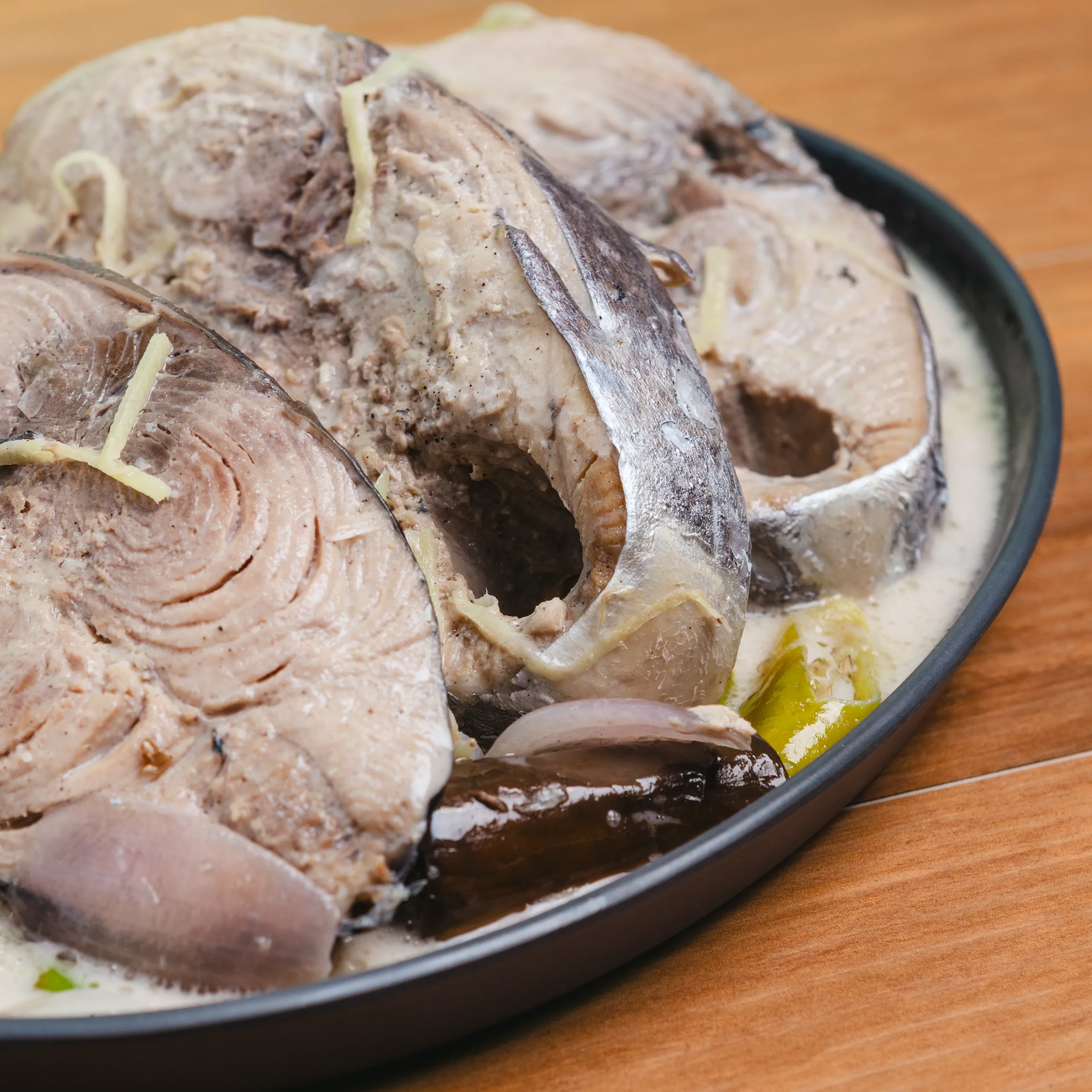
Filipino cuisine is filled with dishes that tell stories of tradition, family, and the resourcefulness of generations before us. Paksiw na Isda sa Gata is one of those dishes that reflects the Filipino ability to transform simple, everyday ingredients into a comforting meal full of character and flavor.
At first glance, the combination of vinegar and coconut milk may seem unusual, but this pairing is a beautiful example of balance in Filipino cooking. The sourness of vinegar gives the dish a bright and appetizing flavor, while the coconut milk adds creaminess, richness, and a gentle sweetness that softens the acidity. Together, they create a sauce that is savory, slightly tangy, and deeply satisfying.
Many Filipino families grew up with versions of paksiw prepared at home, especially in communities near rivers, lakes, and coastal areas where fresh fish was abundant. The dish was not only delicious but also practical because vinegar helped preserve fish before refrigeration became common. Over time, families developed their own variations by adding coconut milk, vegetables, and chilies to create a richer and more flavorful version.
Paksiw na Isda sa Gata is a dish that feels both traditional and comforting. It is the kind of food that brings memories of family lunches, rice served straight from the pot, and conversations around the dining table. Simple ingredients like fish, ginger, garlic, coconut milk, and vegetables come together to create a meal that represents the heart of Filipino home cooking.
History and Origin of Paksiw na Isda sa Gata
The roots of paksiw can be traced back to traditional Filipino cooking methods that used vinegar as one of the main ingredients. Long before refrigeration was widely available, Filipino communities relied on vinegar not only for flavor but also as a natural way to slow down spoilage and preserve food.
The Philippines has a rich fishing culture because of its many islands, rivers, and coastal communities. Fish has always been an important part of the Filipino diet, and people developed countless ways to prepare it. Paksiw became one of the most practical and beloved methods because it required only a few ingredients while producing a flavorful and long-lasting dish.
Traditional paksiw usually includes fish cooked with vinegar, garlic, ginger, pepper, and sometimes vegetables. Different regions developed their own versions depending on local ingredients. Some areas preferred stronger sour flavors, while others added coconut milk to create a richer sauce.
The addition of gata (coconut milk) reflects the influence of regions where coconuts are abundant, particularly areas in the southern and central Philippines. Coconut milk has long been a major ingredient in Filipino cooking because it adds richness and helps balance strong flavors.
Paksiw na Isda sa Gata combines two important elements of Filipino cuisine:
- Vinegar-based cooking, which represents preservation and bold flavors
- Coconut-based cooking, which represents richness, warmth, and regional traditions
The result is a dish that carries history in every spoonful—a recipe shaped by geography, available ingredients, and generations of home cooks.
Knowledge About the Dish and Its Ingredients
Fish
Fish is the heart of this dish, and different types can create slightly different flavors and textures.
Common choices include:
Bangus (Milkfish)
Bangus is one of the most popular Filipino fish choices. It has a rich flavor and soft, tender meat. However, it contains many small bones, so careful eating is needed.
Tilapia
Tilapia has a mild taste and firm texture. It absorbs the flavors of vinegar, spices, and coconut milk very well.
Mackerel
Mackerel gives the dish a stronger seafood flavor and contains more natural oils, making the sauce richer.
Fish provides:
- High-quality protein
- Omega-3 fatty acids (especially in oily fish)
- Vitamin D
- Selenium
- Essential minerals
Coconut Milk (Gata)
Coconut milk gives this dish its signature creamy texture and distinctive Filipino flavor.
It is made by extracting liquid from grated coconut meat. The thicker first extraction is usually richer, while later extractions are lighter.
Coconut milk contributes:
- Healthy fats that provide energy
- Minerals such as manganese and magnesium
- Creaminess without needing dairy products
Because coconut milk is rich and calorie-dense, it is best enjoyed as part of a balanced diet.
Vinegar
Vinegar is one of the defining ingredients of paksiw.
It provides:
- Sourness and brightness
- Flavor balance
- A traditional preservation method
Filipino cooks often prefer cane vinegar because of its mild sweetness, but other vinegars can also work.
Garlic
Garlic creates the savory foundation of the dish.
When sautéed, garlic develops a sweet and aromatic flavor that blends beautifully with fish and coconut milk.
Garlic contains natural sulfur compounds and antioxidants that contribute to overall wellness.
Ginger
Ginger is essential in many Filipino fish recipes because it helps improve aroma and adds warmth.
Its slightly spicy flavor balances the richness of coconut milk and reduces strong fish odors.
Onion
Onions provide sweetness and depth.
As they cook, onions soften and release natural sugars that enhance the sauce.
Eggplant
Eggplant absorbs flavors extremely well, making it a perfect vegetable addition to this dish.
It soaks up the coconut milk and vinegar sauce, creating a soft and flavorful texture.
Eggplant provides:
- Dietary fiber
- Potassium
- Antioxidants
Green Chili (Siling Haba)
Green chilies add a mild spicy flavor and freshness.
They can be adjusted depending on personal preference. Some cooks add more chili for a stronger kick, while others use only a small amount for aroma.
Fish Sauce (Patis)
Fish sauce adds saltiness and deep umami flavor.
It is commonly used in Filipino cooking because it enhances seafood dishes without overpowering their natural taste.
Health Benefits of Paksiw na Isda sa Gata
Excellent Source of Protein
Fish provides complete protein that supports:
- Muscle development
- Tissue repair
- Healthy body functions
Protein also helps make meals more satisfying and filling.
Supports Brain and Heart Health
Many fish varieties contain omega-3 fatty acids, which are important nutrients associated with supporting heart and brain function.
Oily fish such as mackerel generally contain higher amounts compared with lean fish.
Provides Essential Vitamins and Minerals
Fish contributes nutrients such as:
- Vitamin D
- Selenium
- Phosphorus
- B vitamins
These nutrients support energy production, bones, and normal body processes.
Fiber from Vegetables
Eggplant, onion, garlic, and chilies contribute dietary fiber, which supports healthy digestion.
Natural Ingredients with Antioxidants
Garlic, ginger, onions, and chilies contain plant compounds that help protect cells from oxidative stress.
Balanced Cooking Method
Unlike fried fish dishes, Paksiw na Isda sa Gata is cooked in a flavorful sauce with minimal oil. The cooking method helps preserve moisture and allows the ingredients to blend naturally.
Recipe Tips for the Best Paksiw na Isda sa Gata
- Use fresh fish for the best flavor.
- Allow vinegar to simmer before adding too many ingredients to reduce harsh acidity.
- Do not stir fish too often because it can break apart.
- Use medium heat when cooking with coconut milk.
- Choose firm fish that can hold its shape.
- Add coconut milk near the end to preserve its creamy texture.
- Let the dish rest for a few minutes before serving because flavors continue developing.
- Prepare the dish a Filipino cooks have always understood the importance of balance. Sour flavors are softened by creamy coconut milk, strong aromas are balanced by fresh ginger and garlic, and simple ingredients become something special few hours ahead if possible; many Filipino dishes taste even better after resting.
- Use fresh coconut milk if available for a richer flavor.
- Add more ginger if you want a stronger aroma.
Ingredient Substitutions
Fish
Possible substitutes:
- Salmon
- Tuna chunks
- Grouper
- Snapper
- Sardines
Choose fish that can handle slow cooking.
Coconut Milk
Substitutes:
- Coconut cream diluted with water
- Evaporated milk (for a less traditional creamy version)
- Light coconut milk for a lighter dish
Vinegar
Substitutes:
- Apple cider vinegar
- White vinegar
- Rice vinegar
Cane vinegar is preferred for a more Filipino-style taste.
Fish Sauce
Substitutes:
- Salt
- Soy sauce
- Shrimp paste (for a stronger seafood flavor)
Eggplant
Substitutes:
- Okra
- Bitter melon (ampalaya)
- Squash
- String beans
Green Chili
Substitutes:
- Jalapeño
- Long chili peppers
- Red chili flakes
Final Words
Paksiw na Isda sa Gata is a beautiful representation of Filipino home cooking—simple, flavorful, and deeply connected to tradition. It combines the bold sourness of vinegar, the richness of coconut milk, and the natural goodness of fresh fish to create a dish that feels familiar and comforting.
This recipe shows how Filipino cooks have always understood the importance of balance. Sour flavors are softened by creamy coconut milk, strong aromas are balanced by fresh ginger and garlic, and simple ingredients become something special through patience and careful preparation.
More than just a meal, Paksiw na Isda sa Gata represents the creativity and practicality of Filipino cuisine. It carries the stories of coastal communities, family kitchens, and generations of cooks who learned how to make the most of what nature provides.
Served with warm rice and shared with family or friends, this dish is a reminder that some of the most meaningful meals are created not from expensive ingredients, but from tradition, care, and the simple joy of cooking.