Advertisement

5 Easy Filipino Soup Recipes to Cook When It’s Raining

Nothing beats the gloom and doom of the rainy season better than a warm, comforting bowl of your favorite soup.

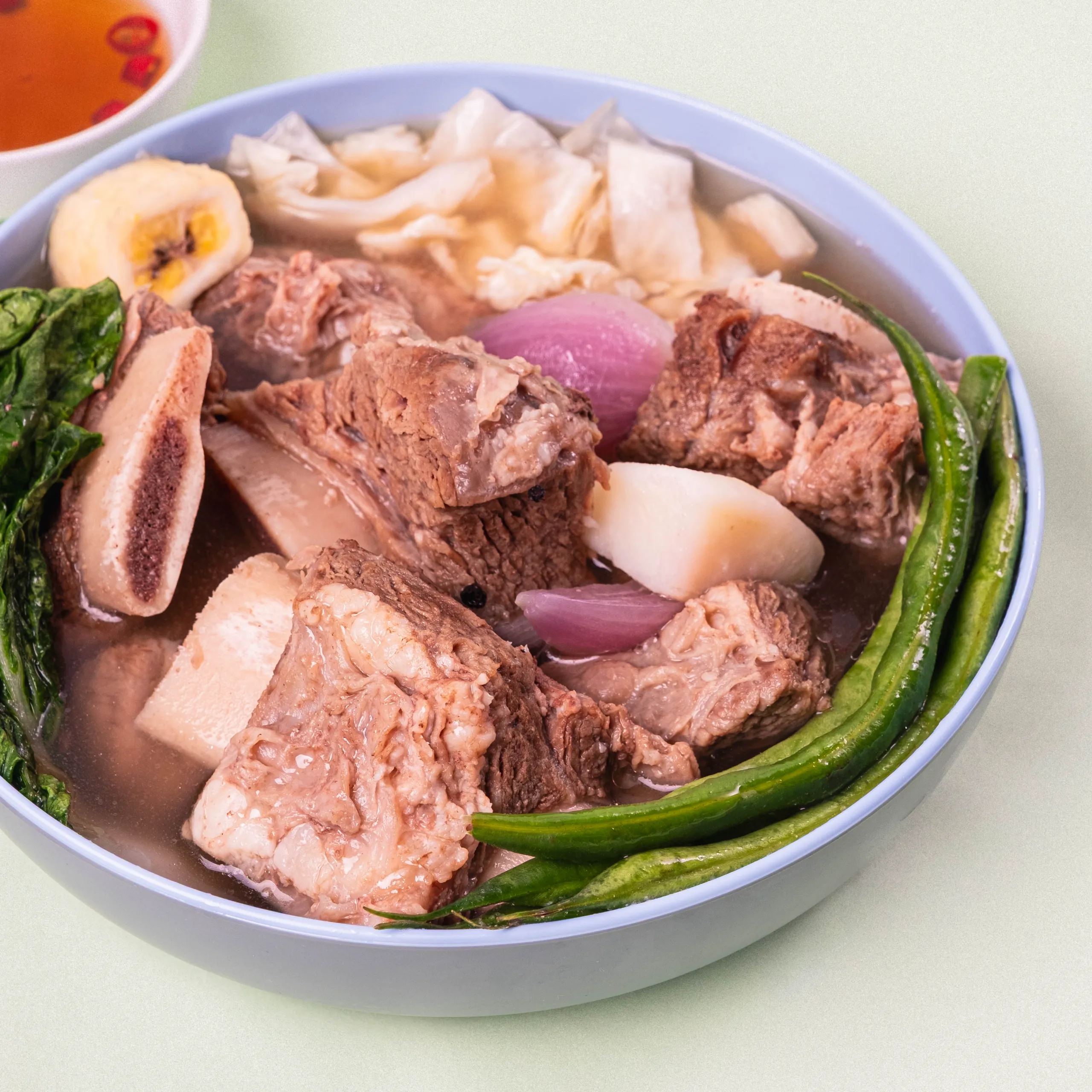
nialagang baka
Here’s a tip. Any nilaga leftover can be easily turned into pochero. [PHOTO: ED SIMON]

If the rainy season has you reaching for a jacket or a blanket, don’t forget to grab a steaming bowl of soup too! 

These Filipino soups are warm, filling, and packed with comforting flavors that taste a whole lot better when the weather isn’t cooperating.

Here are five recipes worth making the next time the skies turn gray.

1. Utan Bisaya

Don’t let its simplicity fool you—Utan Bisaya is a Cebuano favorite for a reason. Made with seasonal vegetables like squash, eggplant, okra, leafy greens, and sometimes corn or sweet potato, this light soup lets the natural sweetness of the vegetables shine with a bare broth seasoned only with garlic, onion, ginger, and a touch of fish sauce or dried fish.
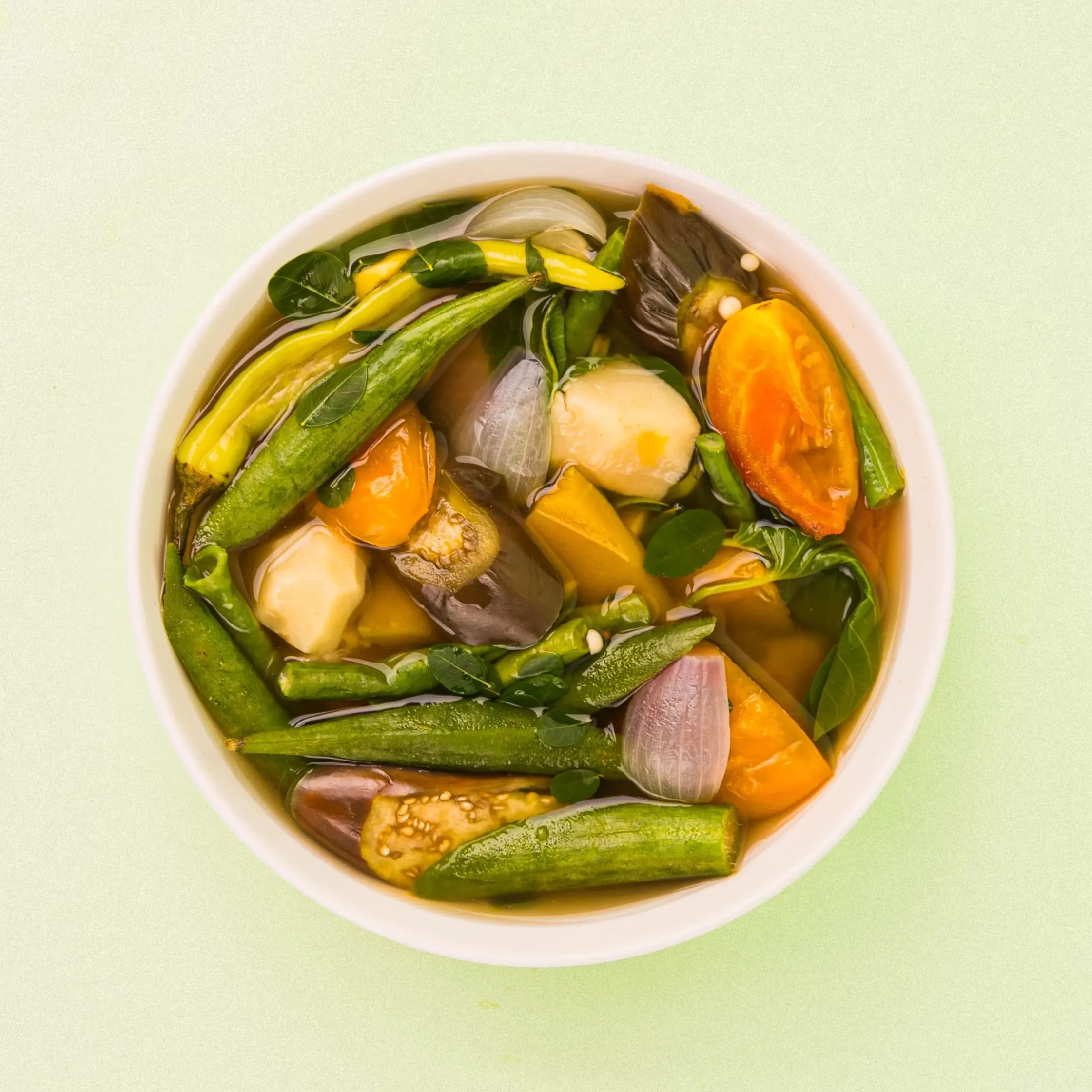
utan bisaya from cebu
Utan bisaya is a simple Filipino vegetable dish that is composed of a variety of veggies. [PHOTO: ZOE TAPALGO]

It’s healthy, budget-friendly, and proof that you don’t need fancy ingredients to make a truly satisfying meal.

2. Adlai Chicken Soup

Think of Adlai Chicken Soup as arroz caldo‘s younger, healthier cousin. But instead of rice, this recipe uses adlai (Job’s tears) for extra chew and nutrition without sacrificing any familiarity or comfort.
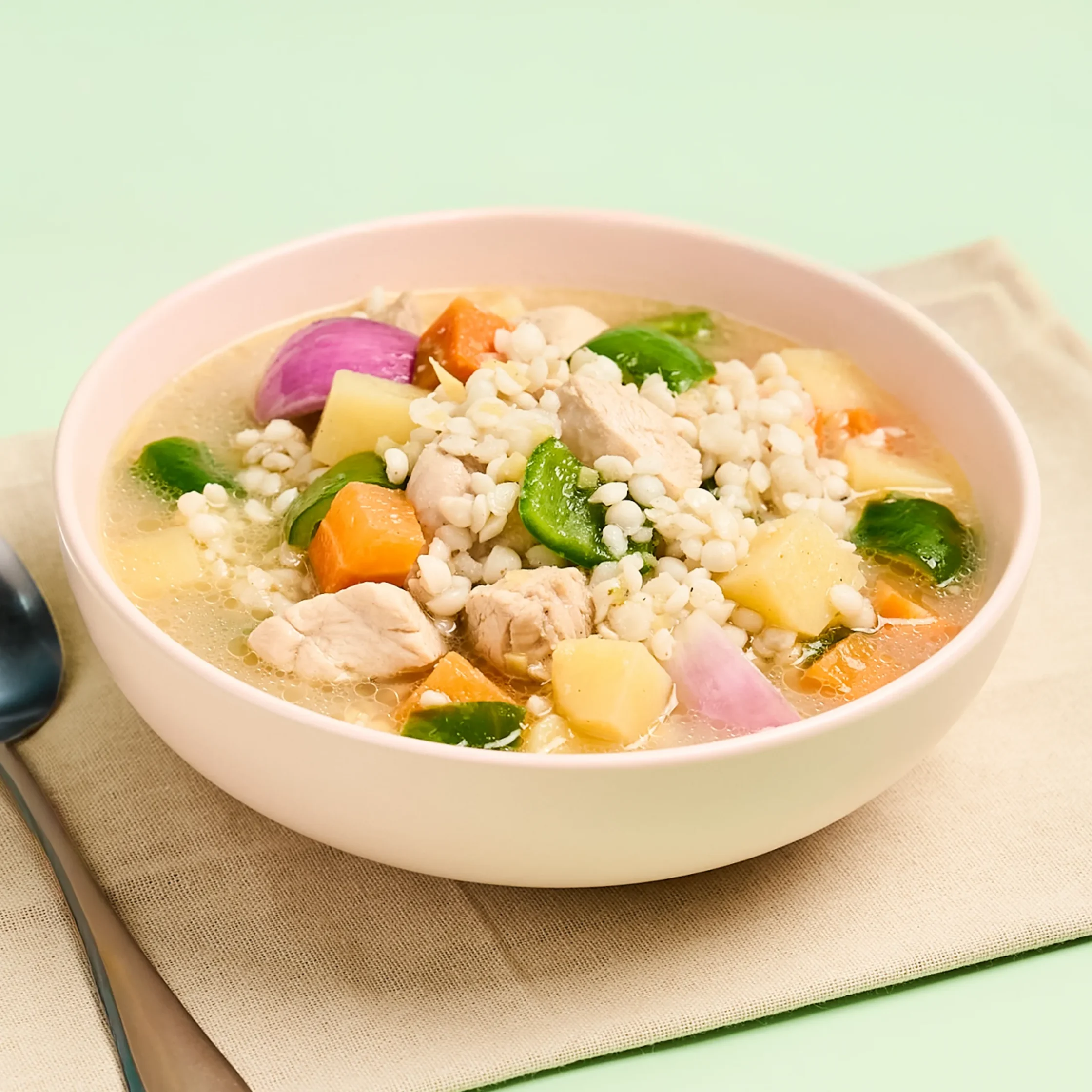
adlai chicken soup
Adlai serves as a healthy, low-glycemic alternative to white rice. [PHOTO: KIERAN PUNAY]

Made with chunks of tender chicken, fresh vegetables, and a fragrant broth made with garlic, onion, and ginger, it’s simple, nourishing, and perfect for when the weather calls for something cozy.

3. Tinolang Manok

Few dishes are as recognizable as Tinolang Manok. With chicken, a flavorful ginger-filled broth, sayote or green papaya, and fresh malunggay, it’s a clean and comforting favorite that never goes out of style.
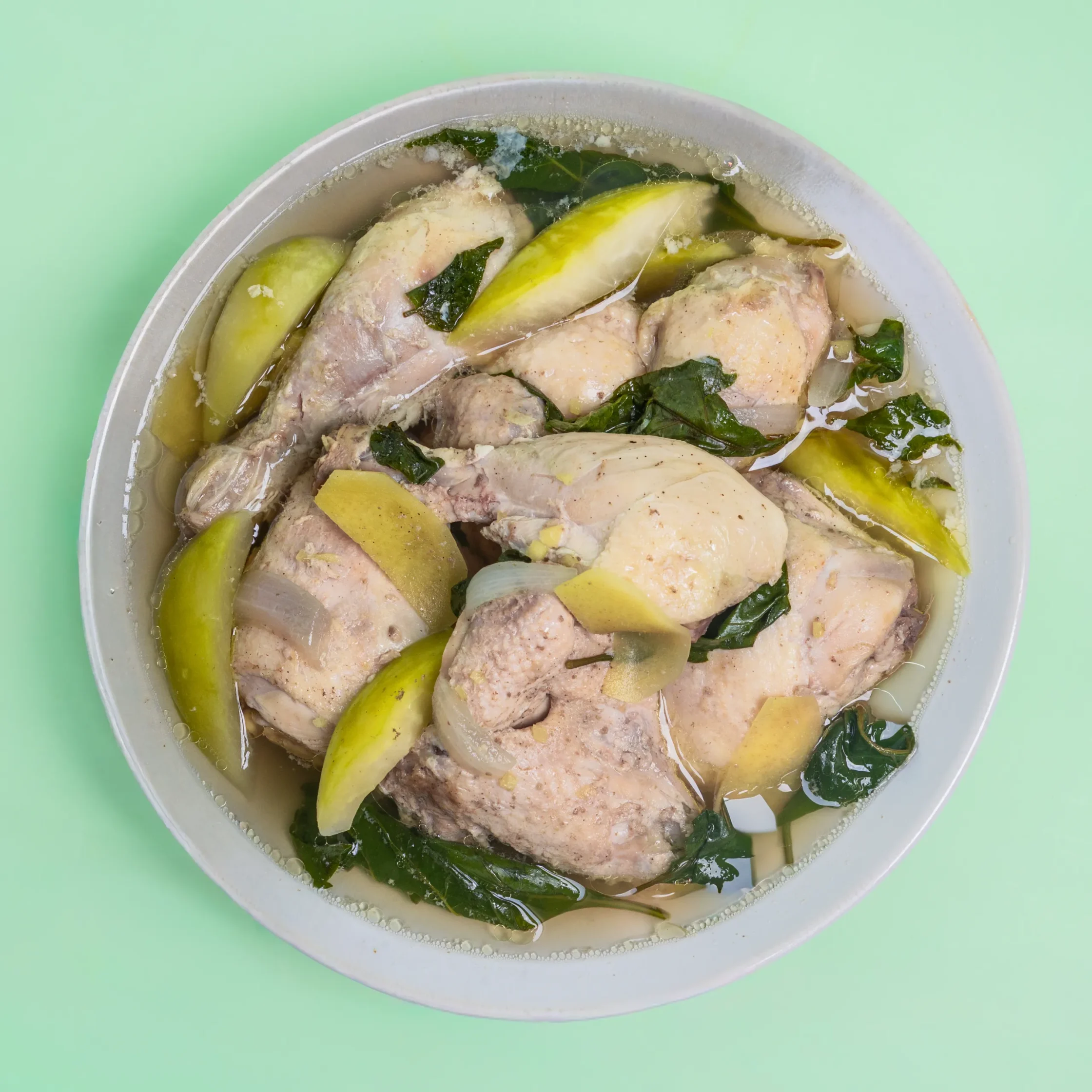
tinolang manok
You can replace chicken with fish for this recipe. [PHOTO: EXCEL PANLAQUE]

It’s also surprisingly simple to make, needing only a handful of everyday ingredients to create a meal that’s warm, nourishing, and satisfying.

4. Nilagang Baka

Don’t underestimate the hearty trio of beef, vegetables, and a satisfyingly warm broth. Nilagang Baka keeps things simple, letting tender beef, potatoes, cabbage, bok choy, and sweet saba bananas take center stage.
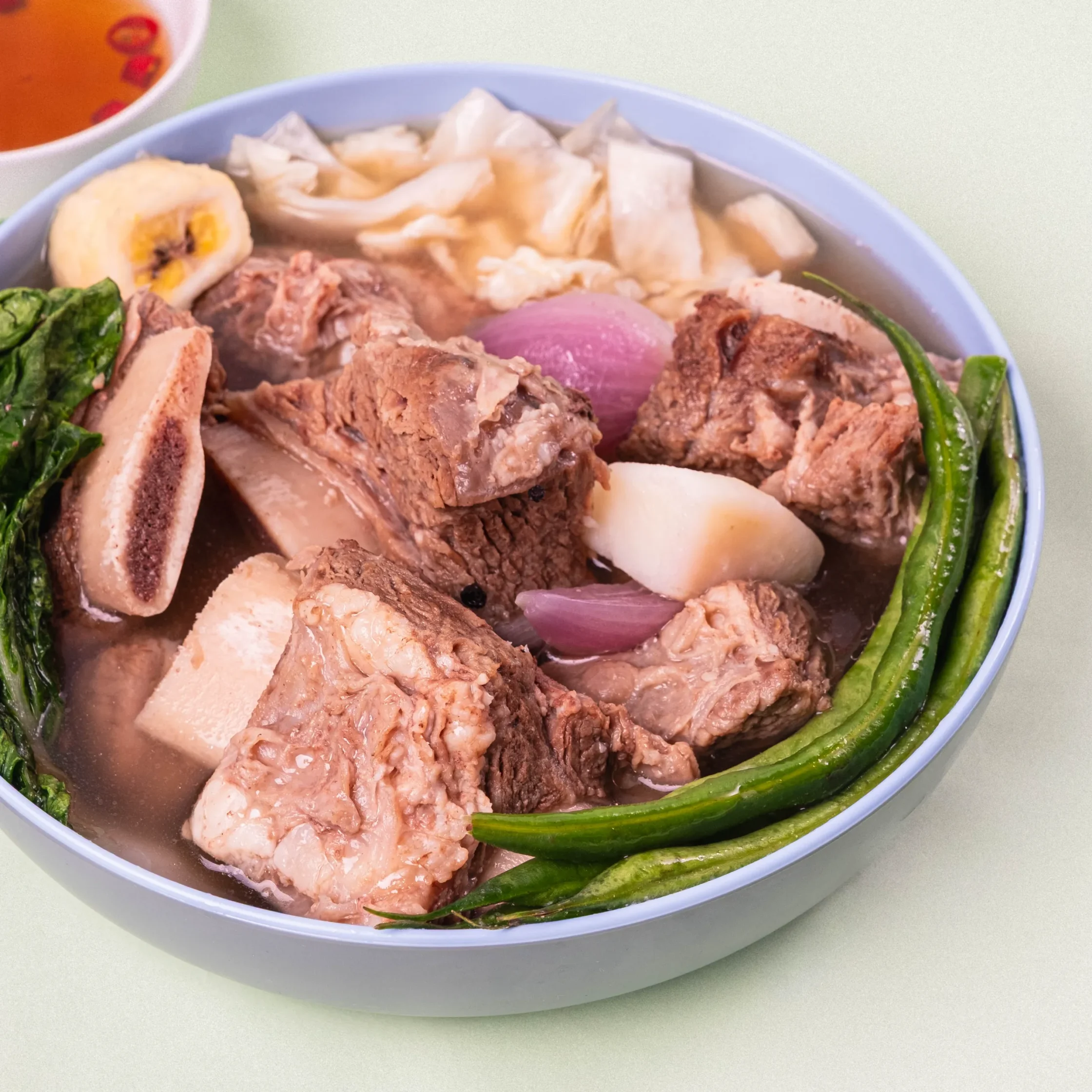
nialagang baka
Here’s a tip. Any nilaga leftover can be easily turned into pochero. [PHOTO: ED SIMON]

With every spoonful, you get a rich yet clean-tasting beef broth that’s comforting without feeling too heavy—making it easy to see why everyone keeps asking for seconds. 

5. Sinigang na Hipon

If you’re torn between adobo and sinigang, the rainy season already has its pick in Sinigang na Hipon. With fresh tamarinds, tomatoes, radish, okra, kangkong, and string beans, the shrimp shines alongside sinigang’s world-famous sour broth for a dish that’s bright, tangy, and refreshing. 
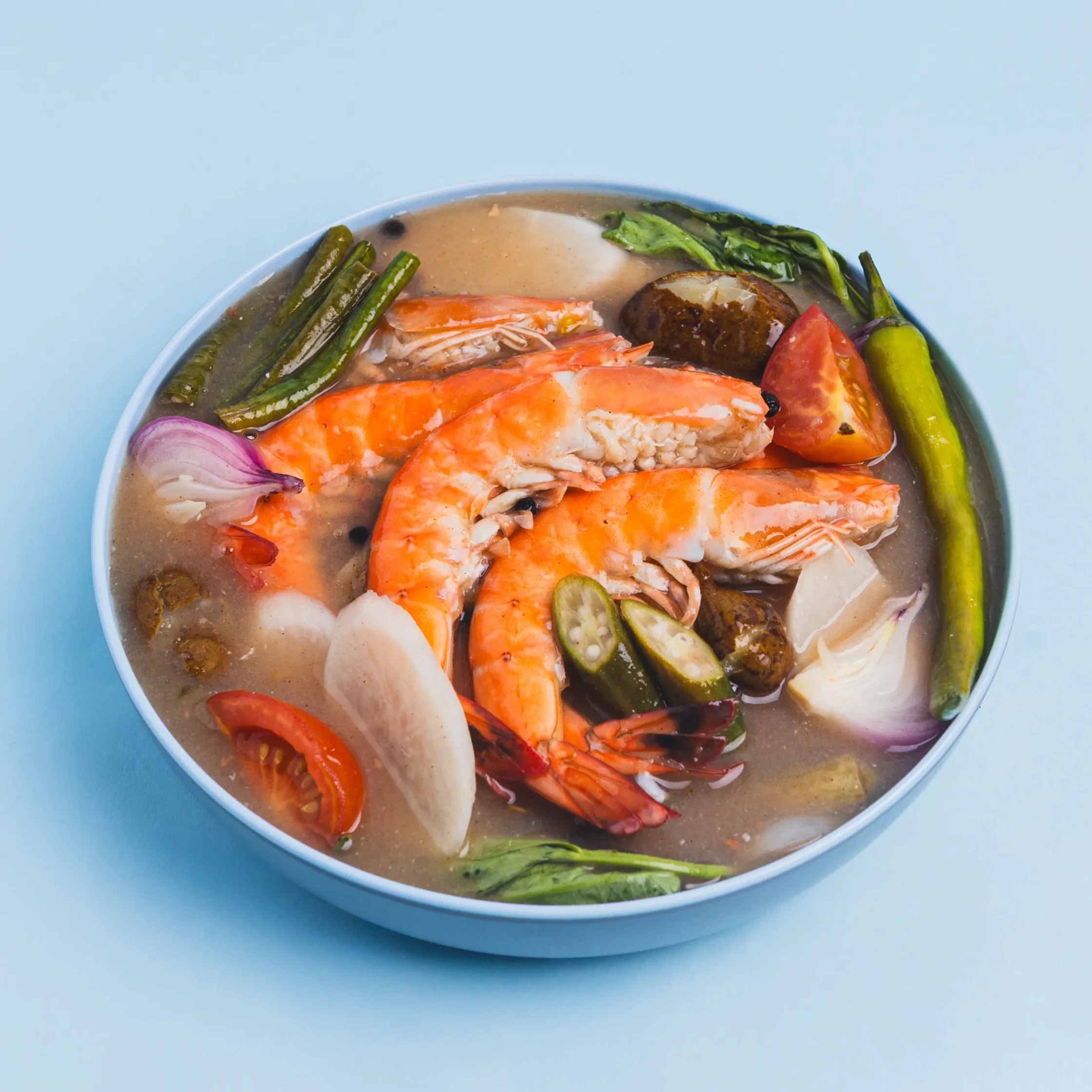
sinigang na hipon
Try using rice wash for depth of flavor in your sinigang. [PHOTO: EXCEL PANLAQUE]

Serve it alongside a heaping serving of steamed rice, and you’re set for a rainy day or two. 

Soup is the Souperstar of the Rainy Season

Whether you’re craving the fresh veggies of Utan Bisaya, the wholesome goodness of Adlai Chicken Soup, the classic comfort of Tinolang Manok, the heartiness of Nilagang Baka, or the tangy kick of Sinigang na Hipon, these five recipes are made for rainy days.

So the next time the weather gets gloomy, skip the instant noodles and let one of these Filipino favorites simmer instead. Trust us, your bowl (and most likely your stomach) will thank you!

author avatar
Paolo Elwick
Paolo is a food writer and storyteller exploring the intersections of food, culture, and identity through thoughtful, people-centered storytelling. He believes that, second only to language, food is one of humanity's most powerful expressions of culture—a medium for preserving history, expressing identity, and coming to understand ourselves and connect with others. Drawn to the histories, traditions, and personal experiences behind every dish, his writing combines curiosity with emotional honesty, highlighting diverse voices and celebrating the communities that shape our food landscape. Influenced by writers and artists who embrace vulnerability and introspection, Paolo uses a reflective, metaphor-rich approach to uncover the deeper meanings found in everyday meals and shared tables. He is passionate about creating stories that foster empathy, preserve cultural narratives, and invite readers to see food as more than sustenance—as memory, identity, and belonging. Through his work, Paolo hopes to amplify underrepresented perspectives and spark meaningful conversations that extend far beyond the plate.

Frequently Asked Questions

Utan Bisaya is a traditional vegetable soup from Cebu City and widely enjoyed across the Visayas region. It is a light, clear-broth dish made with a mix of seasonal vegetables such as squash, eggplant, okra, leafy greens, and sometimes corn or sweet potato.

author avatar
Paolo Elwick
Paolo is a food writer and storyteller exploring the intersections of food, culture, and identity through thoughtful, people-centered storytelling. He believes that, second only to language, food is one of humanity's most powerful expressions of culture—a medium for preserving history, expressing identity, and coming to understand ourselves and connect with others. Drawn to the histories, traditions, and personal experiences behind every dish, his writing combines curiosity with emotional honesty, highlighting diverse voices and celebrating the communities that shape our food landscape. Influenced by writers and artists who embrace vulnerability and introspection, Paolo uses a reflective, metaphor-rich approach to uncover the deeper meanings found in everyday meals and shared tables. He is passionate about creating stories that foster empathy, preserve cultural narratives, and invite readers to see food as more than sustenance—as memory, identity, and belonging. Through his work, Paolo hopes to amplify underrepresented perspectives and spark meaningful conversations that extend far beyond the plate.

This Adlai Chicken Soup is a warm, clean-tasting, and deeply comforting dish that feels like a cross between chicken tinola and a light grain porridge—but with a more modern, nutritious twist. Instead of rice, it uses adlai (Job’s tears), a chewy ancient grain that’s slowly becoming popular in healthier Filipino cooking.

author avatar
Paolo Elwick
Paolo is a food writer and storyteller exploring the intersections of food, culture, and identity through thoughtful, people-centered storytelling. He believes that, second only to language, food is one of humanity's most powerful expressions of culture—a medium for preserving history, expressing identity, and coming to understand ourselves and connect with others. Drawn to the histories, traditions, and personal experiences behind every dish, his writing combines curiosity with emotional honesty, highlighting diverse voices and celebrating the communities that shape our food landscape. Influenced by writers and artists who embrace vulnerability and introspection, Paolo uses a reflective, metaphor-rich approach to uncover the deeper meanings found in everyday meals and shared tables. He is passionate about creating stories that foster empathy, preserve cultural narratives, and invite readers to see food as more than sustenance—as memory, identity, and belonging. Through his work, Paolo hopes to amplify underrepresented perspectives and spark meaningful conversations that extend far beyond the plate.

Tinolang Manok is one of the most comforting and well-loved soups in Filipino cuisine. Made with tender chicken simmered in a light yet flavorful ginger broth, this classic dish is a staple in many Filipino households.

author avatar
Paolo Elwick
Paolo is a food writer and storyteller exploring the intersections of food, culture, and identity through thoughtful, people-centered storytelling. He believes that, second only to language, food is one of humanity's most powerful expressions of culture—a medium for preserving history, expressing identity, and coming to understand ourselves and connect with others. Drawn to the histories, traditions, and personal experiences behind every dish, his writing combines curiosity with emotional honesty, highlighting diverse voices and celebrating the communities that shape our food landscape. Influenced by writers and artists who embrace vulnerability and introspection, Paolo uses a reflective, metaphor-rich approach to uncover the deeper meanings found in everyday meals and shared tables. He is passionate about creating stories that foster empathy, preserve cultural narratives, and invite readers to see food as more than sustenance—as memory, identity, and belonging. Through his work, Paolo hopes to amplify underrepresented perspectives and spark meaningful conversations that extend far beyond the plate.

Nilagang Baka is a classic comfort food in the Philippines known for its light yet deeply satisfying broth. Tender beef is slowly simmered with vegetables like potatoes, cabbage, bok choy, and saba bananas, creating a hearty one-pot meal that’s perfect for rainy days or family dinners.

author avatar
Paolo Elwick
Paolo is a food writer and storyteller exploring the intersections of food, culture, and identity through thoughtful, people-centered storytelling. He believes that, second only to language, food is one of humanity's most powerful expressions of culture—a medium for preserving history, expressing identity, and coming to understand ourselves and connect with others. Drawn to the histories, traditions, and personal experiences behind every dish, his writing combines curiosity with emotional honesty, highlighting diverse voices and celebrating the communities that shape our food landscape. Influenced by writers and artists who embrace vulnerability and introspection, Paolo uses a reflective, metaphor-rich approach to uncover the deeper meanings found in everyday meals and shared tables. He is passionate about creating stories that foster empathy, preserve cultural narratives, and invite readers to see food as more than sustenance—as memory, identity, and belonging. Through his work, Paolo hopes to amplify underrepresented perspectives and spark meaningful conversations that extend far beyond the plate.

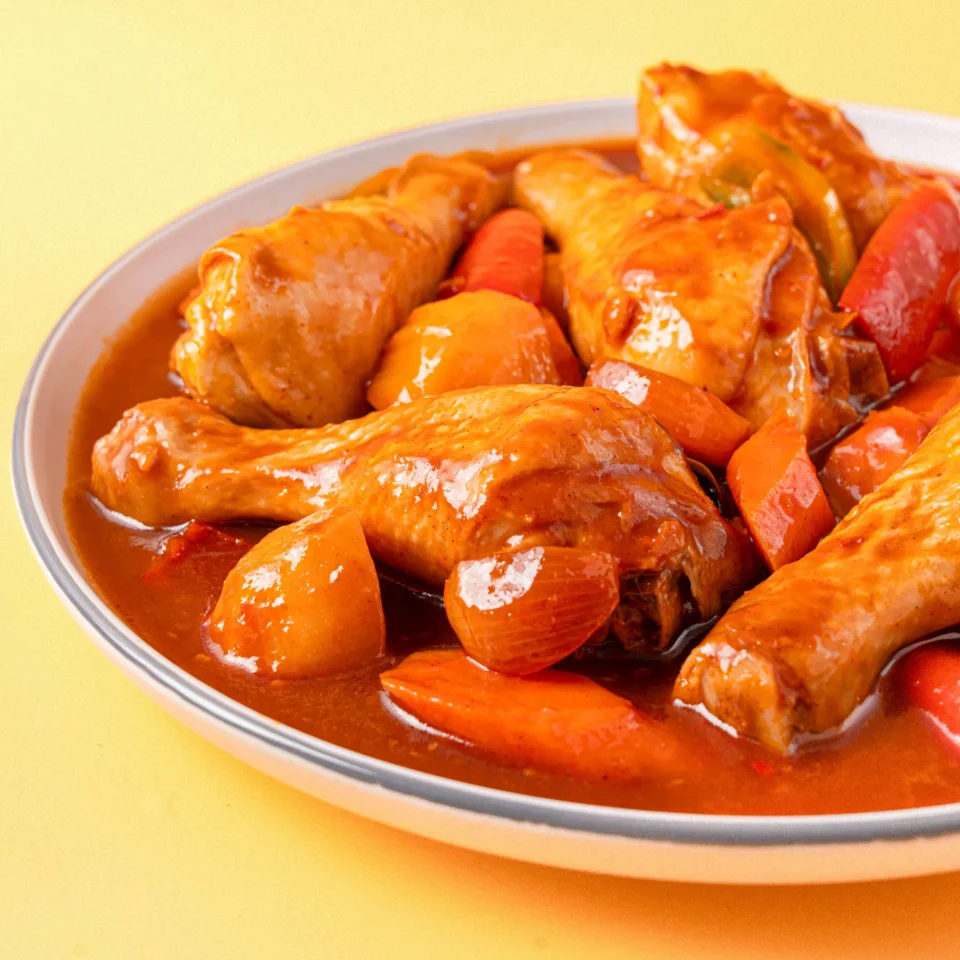
Sinigang na Hipon is a classic Filipino sour soup made with fresh shrimp, vegetables, and tamarind. Known for its refreshing tangy broth, this comforting dish perfectly balances savory, sour, and slightly spicy flavors.

author avatar
Paolo Elwick
Paolo is a food writer and storyteller exploring the intersections of food, culture, and identity through thoughtful, people-centered storytelling. He believes that, second only to language, food is one of humanity's most powerful expressions of culture—a medium for preserving history, expressing identity, and coming to understand ourselves and connect with others. Drawn to the histories, traditions, and personal experiences behind every dish, his writing combines curiosity with emotional honesty, highlighting diverse voices and celebrating the communities that shape our food landscape. Influenced by writers and artists who embrace vulnerability and introspection, Paolo uses a reflective, metaphor-rich approach to uncover the deeper meanings found in everyday meals and shared tables. He is passionate about creating stories that foster empathy, preserve cultural narratives, and invite readers to see food as more than sustenance—as memory, identity, and belonging. Through his work, Paolo hopes to amplify underrepresented perspectives and spark meaningful conversations that extend far beyond the plate.
paolo elwick delish ph food writer

Paolo Elwick

Writer

Paolo is a food writer and storyteller exploring the intersections of food, culture, and identity through thoughtful, people-centered storytelling. He believes that, second only to language, food is one of humanity's most powerful expressions of culture—a medium for preserving history, expressing identity, and coming to understand ourselves and connect with others. Drawn to the histories, traditions, and personal experiences behind every dish, his writing combines curiosity with emotional honesty, highlighting diverse voices and celebrating the communities that shape our food landscape. Influenced by writers and artists who embrace vulnerability and introspection, Paolo uses a reflective, metaphor-rich approach to uncover the deeper meanings found in everyday meals and shared tables. He is passionate about creating stories that foster empathy, preserve cultural narratives, and invite readers to see food as more than sustenance—as memory, identity, and belonging. Through his work, Paolo hopes to amplify underrepresented perspectives and spark meaningful conversations that extend far beyond the plate.

0 0 votes
Total of Ratings
guest
Rating
Ratings for Article
0 Comments
Oldest
Newest Most Voted

To provide a customized ad experience, we need to know if you are of legal age in your region.

By making a selection, you agree to our Terms & Conditions.