

The latest addition to the growing list of Japanese exports to hit Manila, Ootoya delivers authentic Japanese home-cooked flavors, crafted for balanced nutrition, family-friendly dining, and everyday enjoyment.
50 yen. That’s how much it cost to eat at Ootoya back in 1958. In post-war Japan, when resources were limited and nutrition remained a national concern, this small restaurant located near Tokyo’s Ikebukuro Station was making a bold statement by having every dish on the menu cost a measly 50 yen.
According to Ootoya overseas head chef Homaru Kimura, the idea quickly caught the attention of locals, who soon began calling it the “50 Yen Restaurant.”
The nickname stuck and so did the philosophy behind it. By serving balanced meals that were both nourishing and affordable, the modest Tokyo restaurant found its audience among people looking for both comfort and sustenance in every meal.
The History and Global Expansion of Ootoya
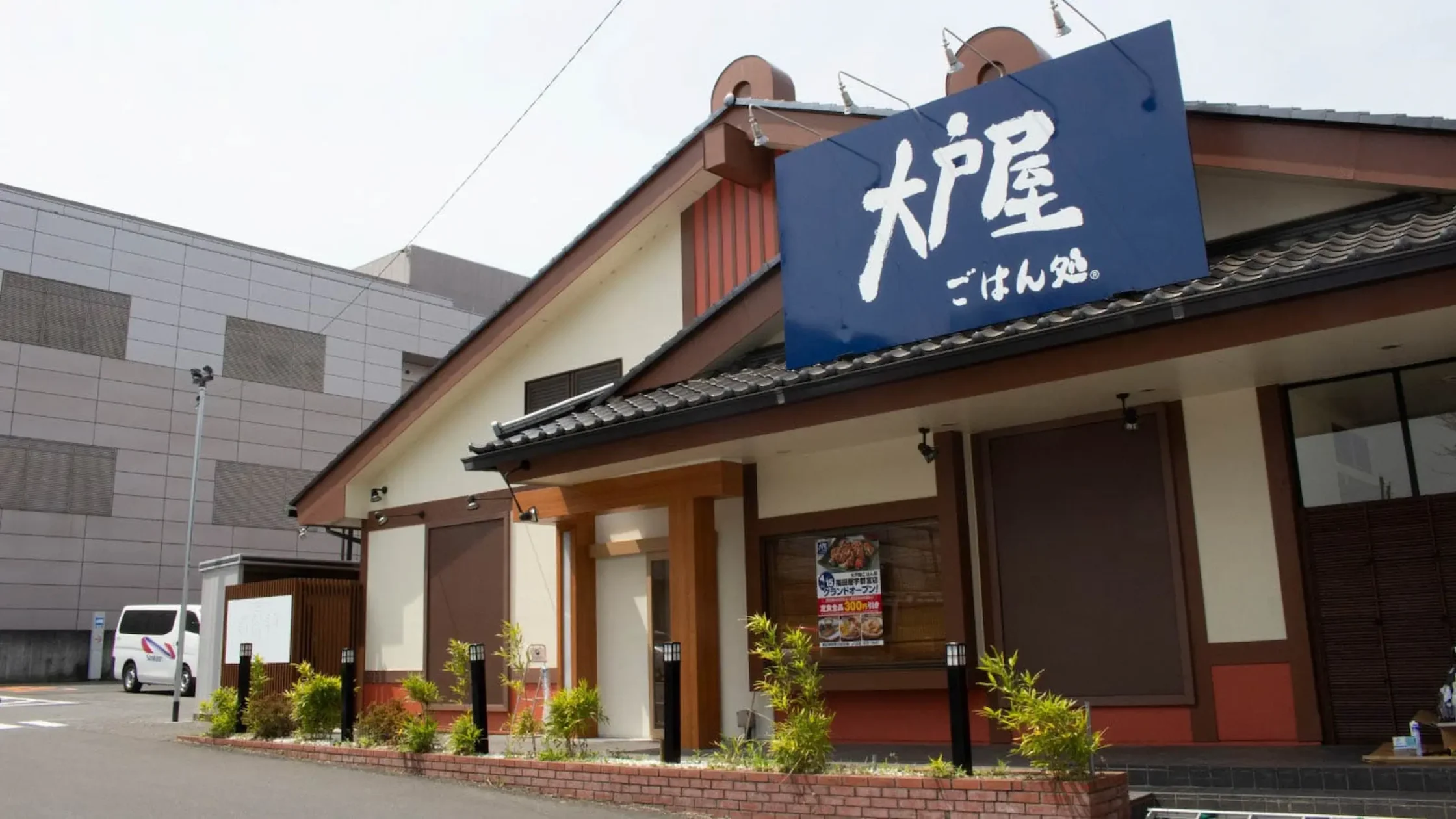
Decades later, although no longer priced at just 50 yen, the same humble neighborhood spot has grown into an international chain with 455 branches around the world. The latest of which is at the Grand Hyatt Manila Residences South Tower in the heart of Bonifacio Global City, where Ootoya hopes to introduce an unfamiliar audience to its style of washoku or Japanese cuisine.
But as the restaurant travels thousands of kilometers from its birthplace, a question arises: Has distance strengthened Ootoya’s rich and storied identity? Or has it slowly diluted the flavors that built its legacy?
For Homaru-san, the overseas head of the brand, the answer lies in understanding what Ootoya was meant to be in the first place. “Simply healthy,” he states. “It’s actually difficult to explain in just a few words,” he admits with a small laugh. “But for me, that’s really what Ootoya is. Simply healthy.”
What Makes Ootoya’s Menu Simply Healthy?
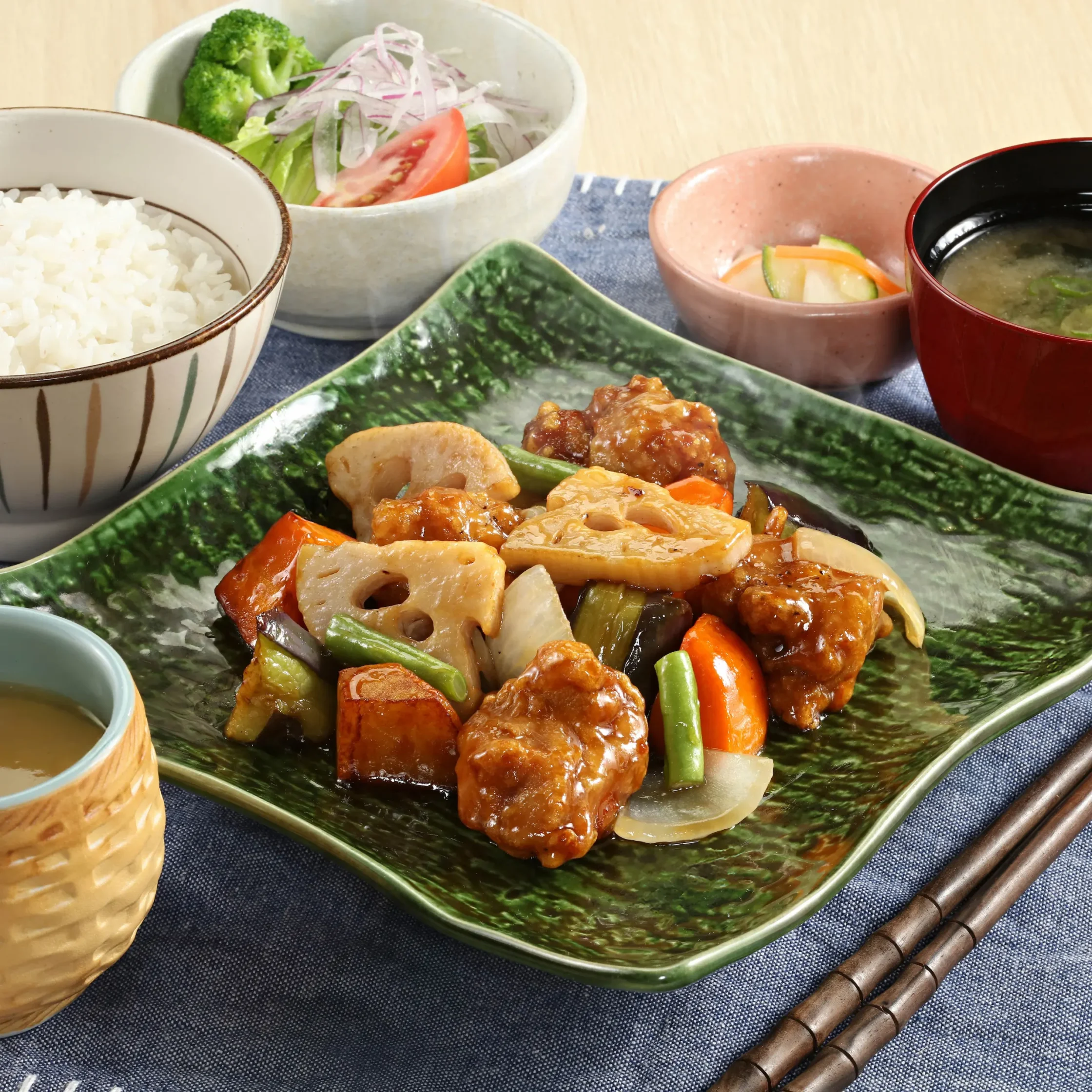
The phrase sounds modest, but the restaurant really does seem to focus on the fundamentals: balanced portions, fresh ingredients, and traditional cooking techniques that allow the natural flavors to shine without needing excessive oil or heavy seasoning.
That straightforward, everyday approach might be the secret to keeping their teishoku meals both nutritious and accessible even after all these years.
Review: Teishoku and Grilled Atka Mackerel
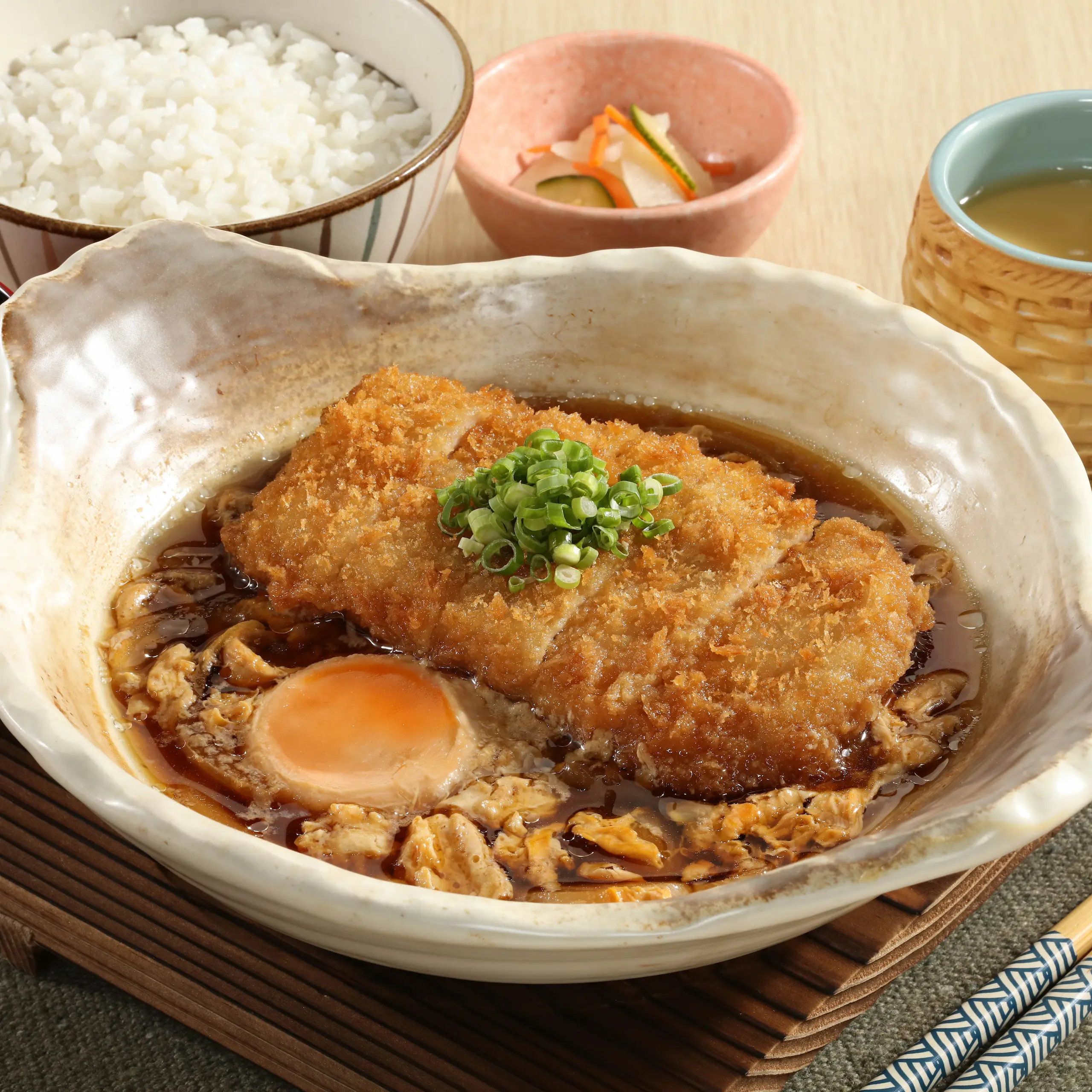
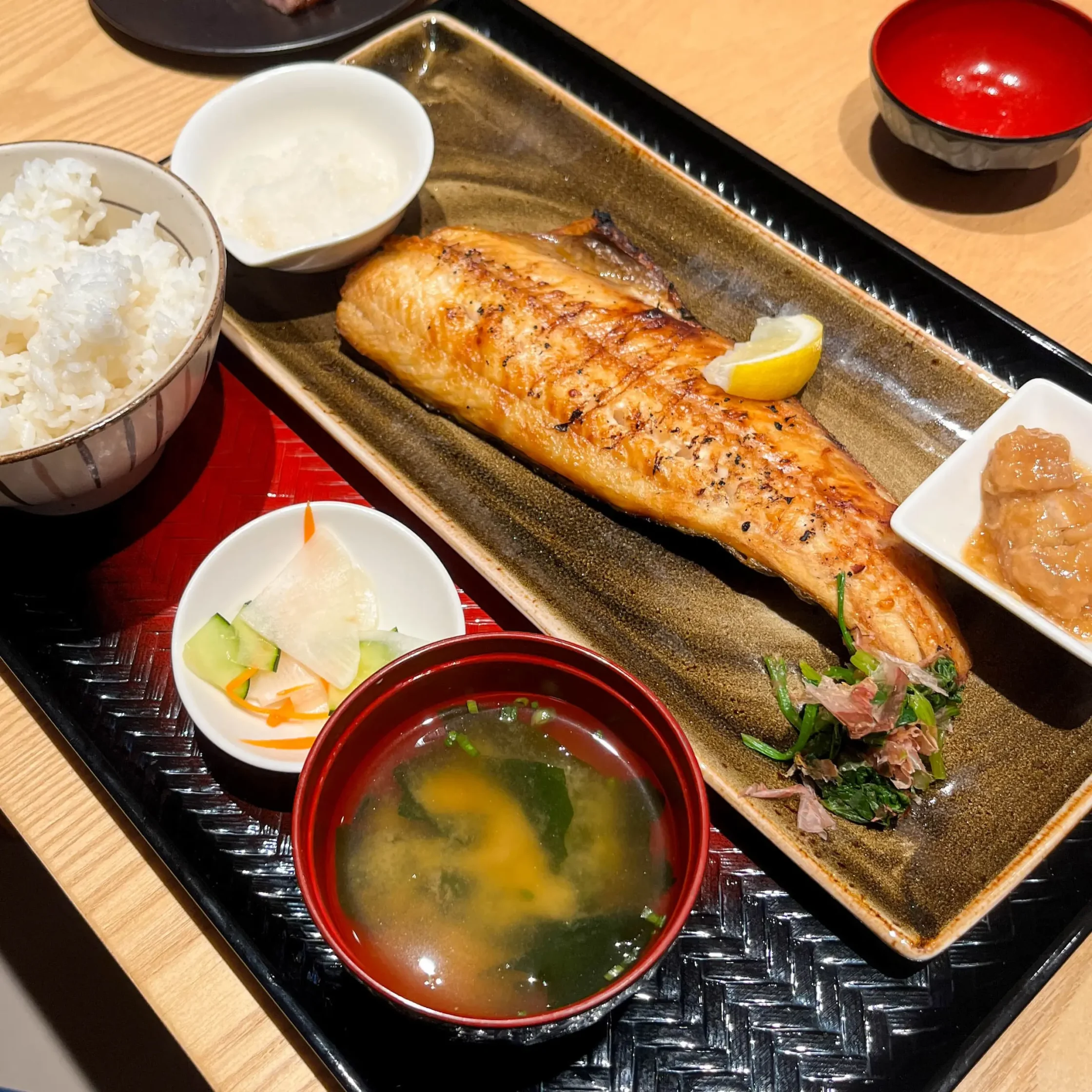
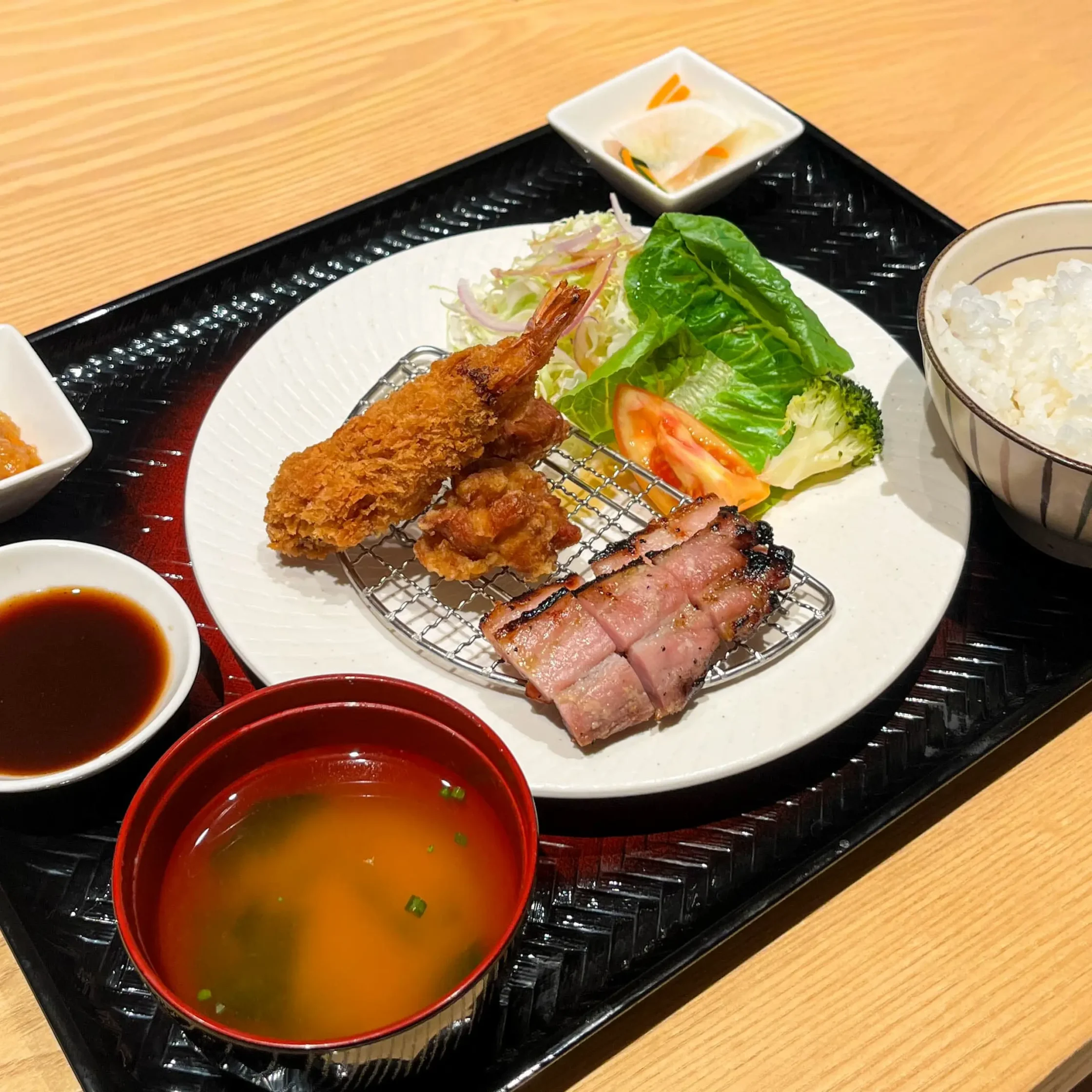
I ordered their Sima Hokke Sumibiyaki, which featured grilled atka mackerel served with grated radish, miso soup, and a steaming bowl of rice. Individually, none of these components were extravagant, but together they formed a meal that felt both comforting and complete, with enough protein, fiber, vitamins, and energy to satisfy even the hungriest appetites. Despite the generous portions, the structure of a teishoku kept everything balanced, letting each element bring its own texture and flavor without overcomplicating the meal.
“Simply healthy,” Homaru-san’s words began to echo in my head.
It didn’t sound like much when he first said it, but after indulging on the food served in front of me, it started to make sense because the cooking wasn’t flashy. It didn’t rely on thick sauces with names I can’t pronounce or dramatic plating. Instead, the kitchen chose to lean on technique.
Ootoya BGC Location and Contact Information
Given that some ingredients are brought in from Japan to keep certain flavors consistent (while others like the rice are sourced locally), the goal isn’t exactly to recreate Japan, but to apply the same principles that helped the “50 Yen Restaurant” grow into what it is today.
Maybe that’s the reason why Ootoya has lasted so long.
Because long before it became a global chain with hundreds of branches, Ootoya was simply a small restaurant serving balanced 50-yen meals to people who needed good food that didn’t cost too much.
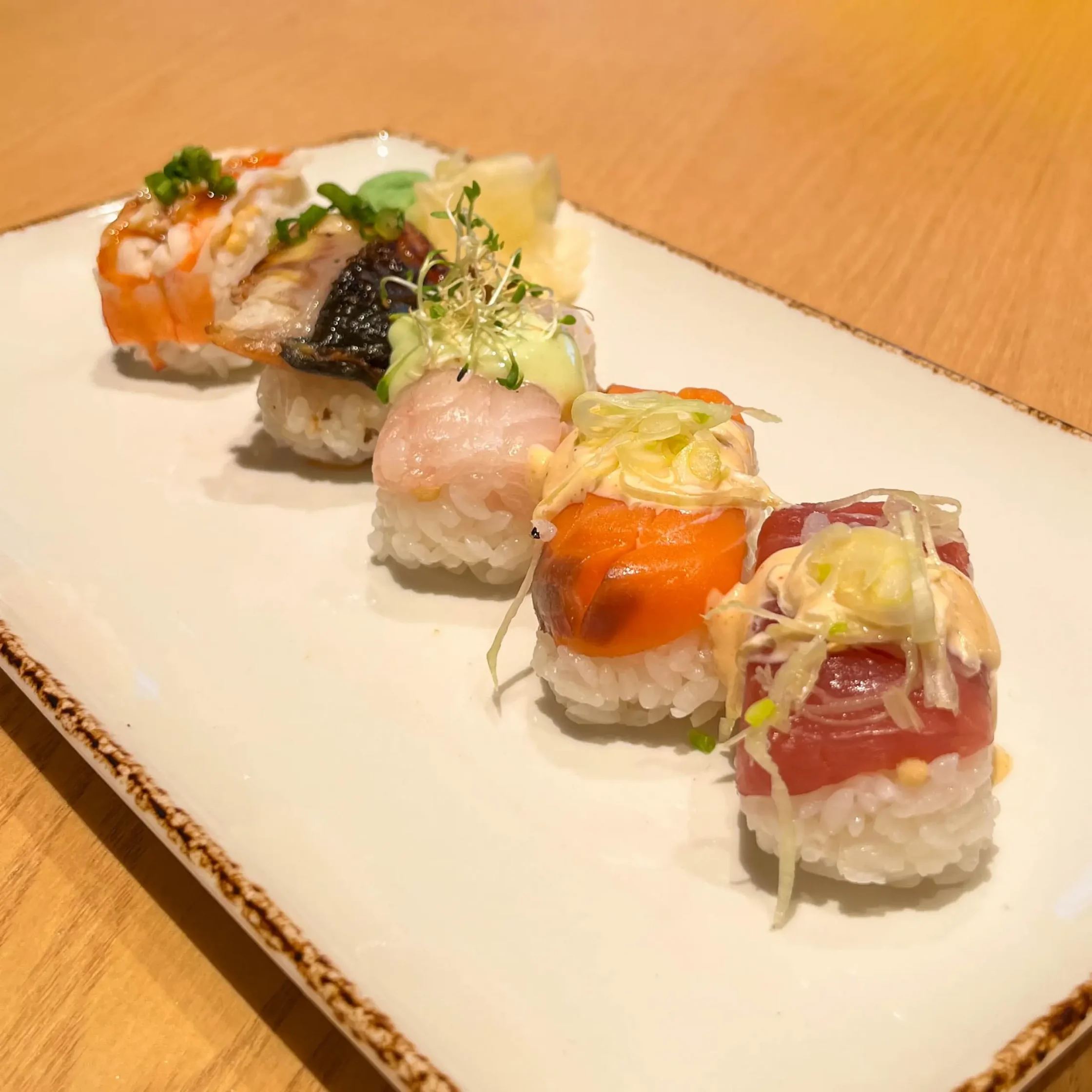
The prices may have changed since then, but after sitting in front of grilled fish, rice, miso soup, and grated radish, it’s easy to see that the idea behind it hasn’t—reminding me that sometimes the most satisfying meals are the simplest ones.
Ootoya is located at the ground floor of the Grand Hyatt Manila Residences South Tower, corner of 8th Avenue and 35th Street, BGC, Taguig. For inquiries, call (02) 8724-5847.

Frequently Asked Questions
When it first opened in 1958 near Tokyo’s Ikebukuro Station, every dish on the menu was priced at a modest 50 yen to provide affordable nutrition in post-war Japan.
He describes it as “simply healthy,” focusing on balanced portions, fresh ingredients, and traditional cooking techniques without using excessive oil or heavy seasoning.
Teishoku is a set meal designed for balance; the author ordered the Sima Hokke Sumibiyaki, which includes grilled atka mackerel, grated radish, miso soup, and rice.
To stay consistent, Ootoya brings in certain key ingredients from Japan while sourcing others, such as rice, from local suppliers in the Philippines.
It is located on the ground floor of the Grand Hyatt Manila Residences South Tower, at the corner of 8th Avenue and 35th Street, BGC, Taguig.