Advertisement

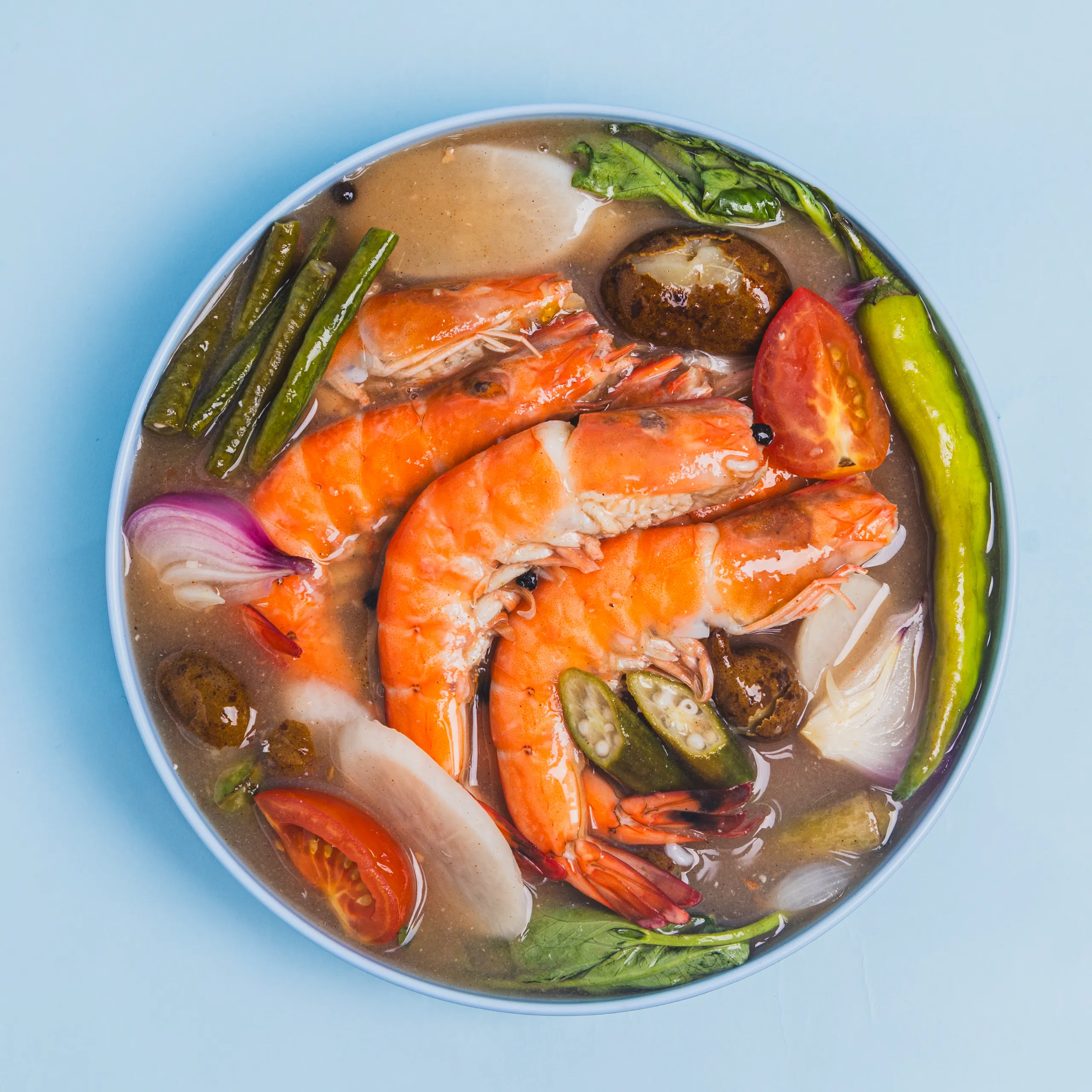
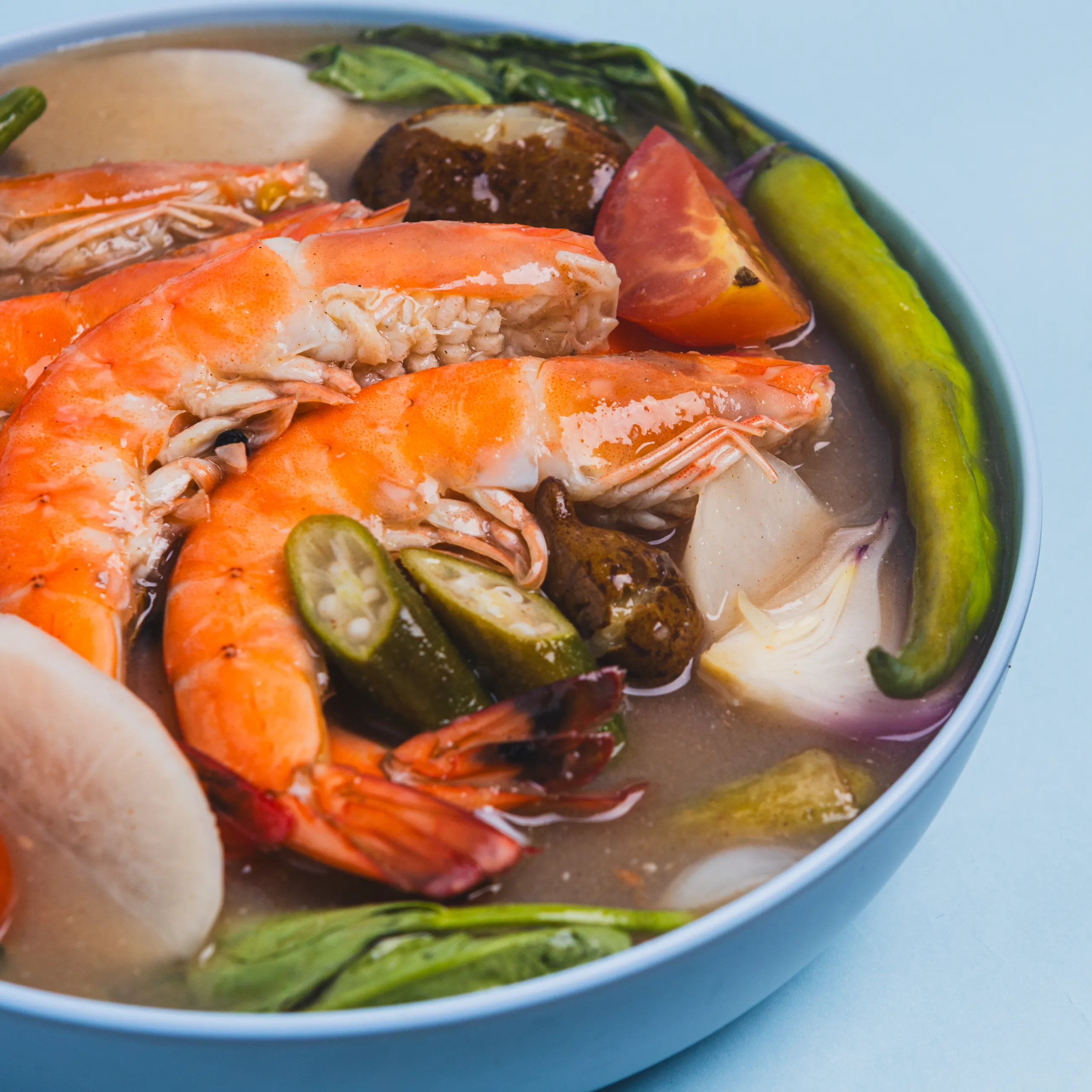
Sinigang na Hipon Recipe

PHOTO: EXCEL PANLAQUE
YIELDS:
4 SERVING(S)
Prep Time:
15 MINS
Total Time:
30 MINS
Cal/Serv:
66

Nutritional Information

Calories 264 kcal
Fat 1 g
Saturated fat 0 g
Trans fat 0 g
Cholesterol 201 mg
Sodium 894 mg
Carbohydrates 39 g
Fiber 6 g
Sugar 22 g
Protein 30 g
Vitamin D 0 µg
Calcium 177 mg
Iron 3 mg
Potassium 1085 mg

Note: The information shown is Edamam's estimate based on available ingredients and preparation. It should not be considered a substitute for a professional nutritionist's advice.

Introduction

Sinigang na Hipon is a classic Filipino sour soup made with fresh shrimp, vegetables, and tamarind. Known for its refreshing tangy broth, this comforting dish perfectly balances savory, sour, and slightly spicy flavors. It’s a family favorite that is best enjoyed hot with steamed rice, making it ideal for everyday meals or rainy days.

Recipe Tips:

  • Do not overcook the shrimp in your sinigang, as they can become tough and rubbery.
  • Adjust the sourness by adding more or less tamarind juice according to your preference.
  • For a clearer sinigang broth, strain the tamarind juice thoroughly before adding it to the soup.
  • Add the leafy vegetables last to keep them bright green and fresh.
  • Use fresh shrimp with shells on for a more flavorful broth.

Substitutions:

Sinigang is actually a very versatile dish. If fresh sampalok (tamarind) isn’t available, you can rely on other souring ingredients like guava or batwan, adjusting the amount to suit your preferred level of sourness. While fresh tamarind offers a brighter, fruitier acidity, the alternatives can deliver the familiar tang that makes the dish comforting and satisfying. If you can’t find kangkong (water spinach), leafy greens such as spinach, pechay (bok choy), or even baby bok choy make excellent options, adding a similar freshness to the broth. Sitaw (yardlong beans) can easily be replaced with green beans, while labanos may be swapped for daikon radish or turnips, both of which provide a mild sweetness and tender bite once cooked. For seasoning, fish sauce may be substituted with salt if you prefer a cleaner taste, or a small amount of light soy sauce for a slightly different but equally savory flavor profile. Finally, if long green chilies are unavailable, finger chilies or red bird’s eye chili work just as well for a touch of heat. Or you can simply leave them out altogether if you prefer a milder soup.

Ingredients

  • 200 Gram tamarind (sampalok)
  • 5 Cup of water
  • 2 Medium tomatoes, wedges
  • 2 Medium onions, wedges
  • 1 Teaspoon whole peppercorn
  • 3 Piece long green chilis
  • 4 Piece ladys finger (okra)
  • 1 Medium white radish, sliced
  • 1 Cup string beans, cut into 2 inch
  • 500 Gram shrimps, cleaned
  • 2 Tablespoon fish sauce
  • salt and pepper to taste
  • 1 Cup water spinach (kangkong)
Keep screen awake

Directions

Step 1

Place the sampalok (tamarind) in a small cooking pot and add enough water to cover the fruit, approximately 1 to 1 ½ cups. Set the pot over medium heat and allow the tamarind to boil for about 10 to 15 minutes, or until the fruit becomes soft and the outer skin begins to loosen. Once softened, remove the pot from the heat and let the mixture cool slightly until it is easier to handle. Using a spoon or your hands, gently mash the cooked tamarind to release its pulp and natural sour flavor into the water.

Step 2

Pour 5 cups of clean water into a large cooking pot and place it on the stove over medium heat. Allow the water to heat gradually until it reaches a steady boil, with small bubbles forming and rising to the surface. Make sure to use a pot that is large enough to accommodate the remaining ingredients and allow enough space for stirring during the cooking process. Bringing the water to a proper boil before adding the other ingredients helps ensure even cooking and creates a good base for the dish. Once the water is boiling, it is ready for the next step of preparation.

Step 3

Once the water reaches a gentle boil, carefully add the tomatoes, onions, and peppercorns into the pot. Stir the ingredients lightly to help distribute them throughout the water and allow their flavors to infuse into the broth. Reduce the heat slightly and let the mixture simmer for about 8 to 10 minutes, or until the vegetables begin to soften and release their natural juices and aromas. During this process, the sweetness of the tomatoes, the mild flavor of the onions, and the warm, earthy notes of the peppercorns will blend together, creating a flavorful and aromatic base for the dish. Allow the vegetables to cook slowly to maximize their flavors before adding the remaining ingredients.

Step 4

After the vegetables have softened and the broth has developed its flavor, carefully pour in the prepared tamarind juice (straining the fruit) and fish sauce. Stir the mixture gently to ensure that the sour tamarind flavor and savory notes of the fish sauce are evenly incorporated throughout the broth. Allow the ingredients to blend together, creating a balanced combination of tangy, salty, and aromatic flavors. Continue stirring for a few moments so the seasoning can spread evenly and enhance the overall taste of the dish. Let the broth simmer briefly after adding the tamarind juice and fish sauce to allow the flavors to fully come together before proceeding to the next step.

Step 5

Once the broth has been seasoned and the flavors have blended together, add the sliced radish to the pot and allow it to cook for about 3 to 4 minutes. Stir gently to help the radish absorb the sour and savory flavors of the broth while allowing it to soften slightly. After the radish has started to become tender, add the string beans (sitaw), okra, and long green chilies. Mix the vegetables carefully to ensure they are evenly distributed throughout the soup without breaking them apart. Let the mixture simmer for another 3 to 4 minutes, giving the vegetables enough time to cook while still maintaining their fresh texture and natural flavors. Avoid overcooking the vegetables to preserve their color, nutrients, and slight crunch.

Step 6

Once the vegetables have reached the desired tenderness, carefully add the cleaned shrimp into the simmering broth. Stir gently to ensure that the shrimp are evenly distributed and fully exposed to the heat. Allow them to cook for about 2 to 3 minutes, or until they change in color from grayish to a bright pink and become firm and fully cooked. Be careful not to overcook the shrimp, as this may cause them to become tough and lose their natural sweetness. After the shrimp are cooked, taste the broth and adjust the seasoning by adding salt and pepper according to your preference. Stir gently once more to allow the seasonings to blend with the soup, enhancing the overall flavor of the dish before serving.

Step 7

After the shrimp and other ingredients are fully cooked, gently add the kangkong leaves to the pot. Use a ladle or spoon to lightly press the leaves into the hot broth, allowing them to become evenly coated and warmed through. Let the kangkong cook for about 1 minute, or just until the leaves become soft and slightly wilted while still maintaining their fresh green color and delicate texture. Avoid cooking the kangkong for too long, as overcooking may cause the leaves to lose their nutrients, flavor, and vibrant appearance. Once wilted, give the soup a final gentle stir to distribute the leafy vegetables before serving.

Step 8

Once the soup is fully cooked and all the flavors have come together, carefully transfer it into a serving bowl while it is still hot. Arrange the ingredients evenly so that each serving contains a good balance of shrimp, vegetables, and flavorful broth. Serve the dish immediately while warm to fully enjoy its comforting aroma and rich, savory taste. Pair it with freshly steamed rice, allowing the rice to complement the tangy broth and absorb the delicious flavors of the soup. Enjoy the meal while it is fresh and at its best.

Sinigang na Hipon end
PHOTO: EXCEL PANLAQUE

Alexander Villarante

Recipe Developer

Alexander Villarante is a passionate culinary professional with more than 15 years of experience in the hospitality industry, having built his career in prestigious five-star luxury hotels abroad. He studied Culinary Arts at the Singapore Boston Business School, where he developed a strong foundation in both classical and modern culinary techniques. Throughout his career, he has worked alongside talented chefs from diverse cultural backgrounds, refining his skills and gaining extensive experience in creating exceptional dining experiences. His dedication to excellence has earned him recognition in the competitive culinary scene. Alexander participated in the Philippine Culinary Cup, where he received several citations for his creativity, technical expertise, and commitment to his craft. These achievements reflect his passion for continuous learning and his pursuit of culinary excellence.


Frequently Asked Questions

Yes. Thaw the shrimp completely and drain excess water before cooking.

Add extra tamarind juice or additional tamarind soup mix gradually until the desired sourness is achieved.

Absolutely. Eggplant, taro (gabi), and pechay are popular additions to sinigang.

Steamed white rice is the traditional and most popular accompaniment because it balances the soup’s tangy flavor.

0 0 votes
Total of Ratings
guest
Rating
Ratings for Article
0 Comments
Oldest
Newest Most Voted

To provide a customized ad experience, we need to know if you are of legal age in your region.

By making a selection, you agree to our Terms & Conditions.