

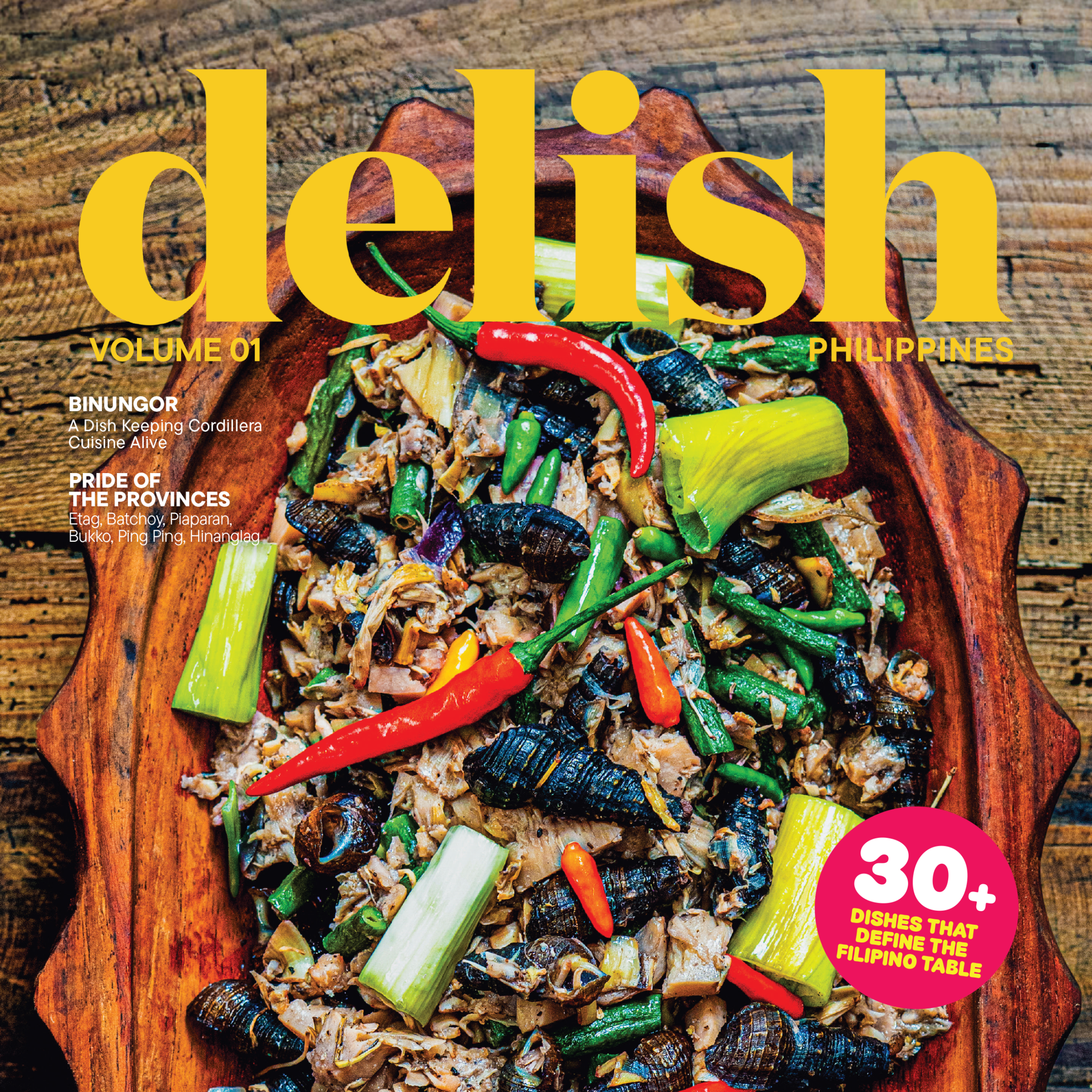
We had a plethora of options for the cover of our maiden issue—which made the choosing a lot harder.
But it ultimately came down to a humble Cordillera dish that, although unfamiliar to many readers, truly encapsulates what Filipino cuisine is.
Binungor Celebrates the Richness of Cordilleran Cuisine
Binungor tells a story that goes beyond the plate. Originating from Kalinga, the dish brings together freshwater snails, bamboo shoots, wild mushrooms, chili peppers, and whatever edible plants are available in the surrounding landscape. Rather than relying on imported or processed ingredients, it celebrates the abundance of the forests, rivers, and mountains.
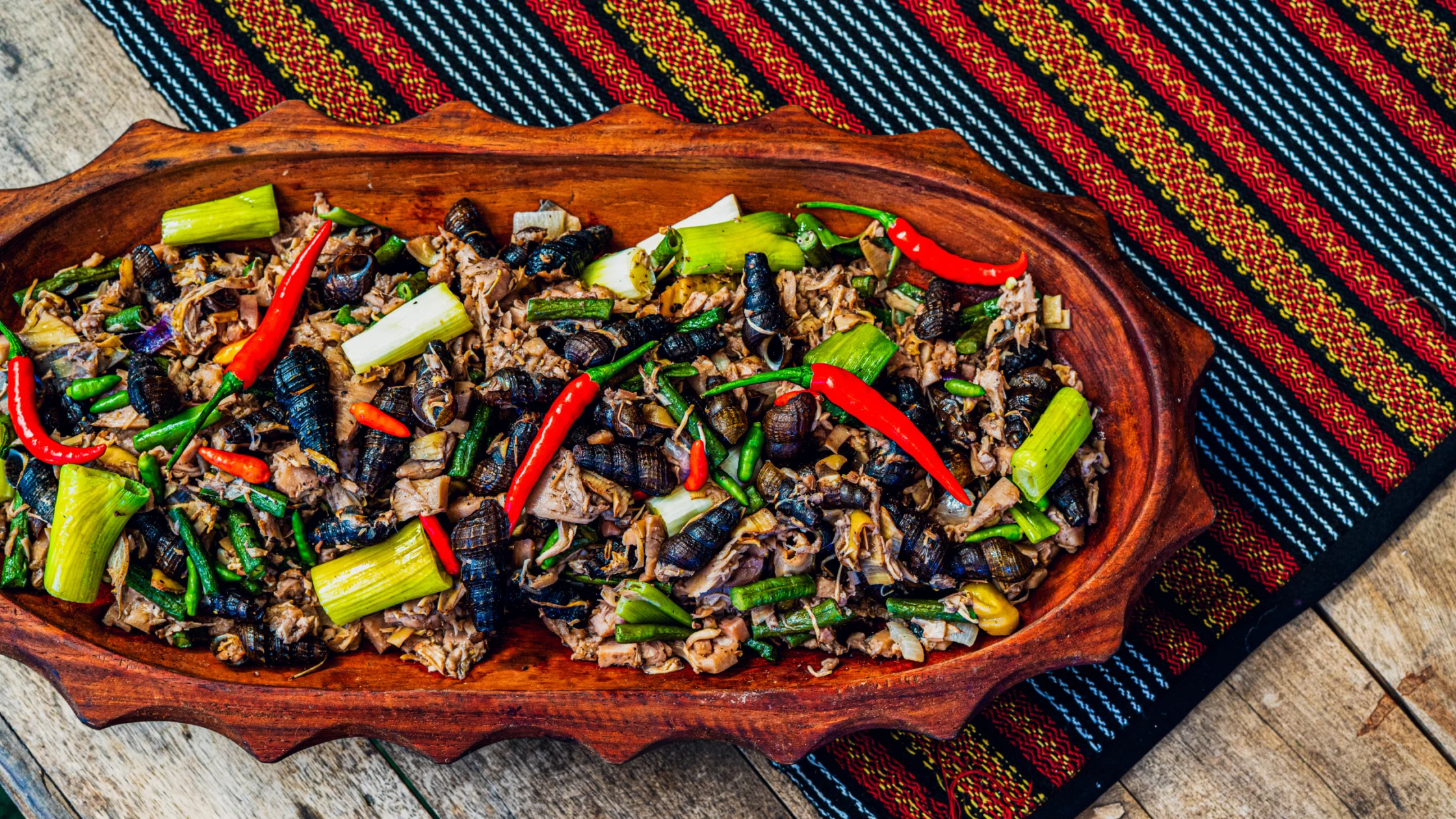
The dish is also a testament to Filipino resourcefulness. It transforms humble, hyperlocal ingredients into something deeply nourishing, proving that great cuisine isn’t defined by luxury but by a profound understanding of one’s environment. That ingenuity has long been one of the defining characteristics of Filipino cooking.
Why Regional Filipino Food Deserves the Spotlight
It also represents the regional diversity of Philippine cuisine. While dishes like adoboAdoboThe Filipino dish of meat or seafood braised in vinegar, soy sauce, garlic, bay leaves, and peppercorns. Widely regarded as the national dish, adobo varies from home to home andGo to Adobo Glossary or lechon have become synonymous to the country, thanks to online exposure, Binungor stands as a reminder that the country’s culinary identity is largely influenced by communities whose food traditions remain mostly undocumented and underrepresented. Choosing it for the cover is a statement that every region deserves to be seen, celebrated, and preserved.
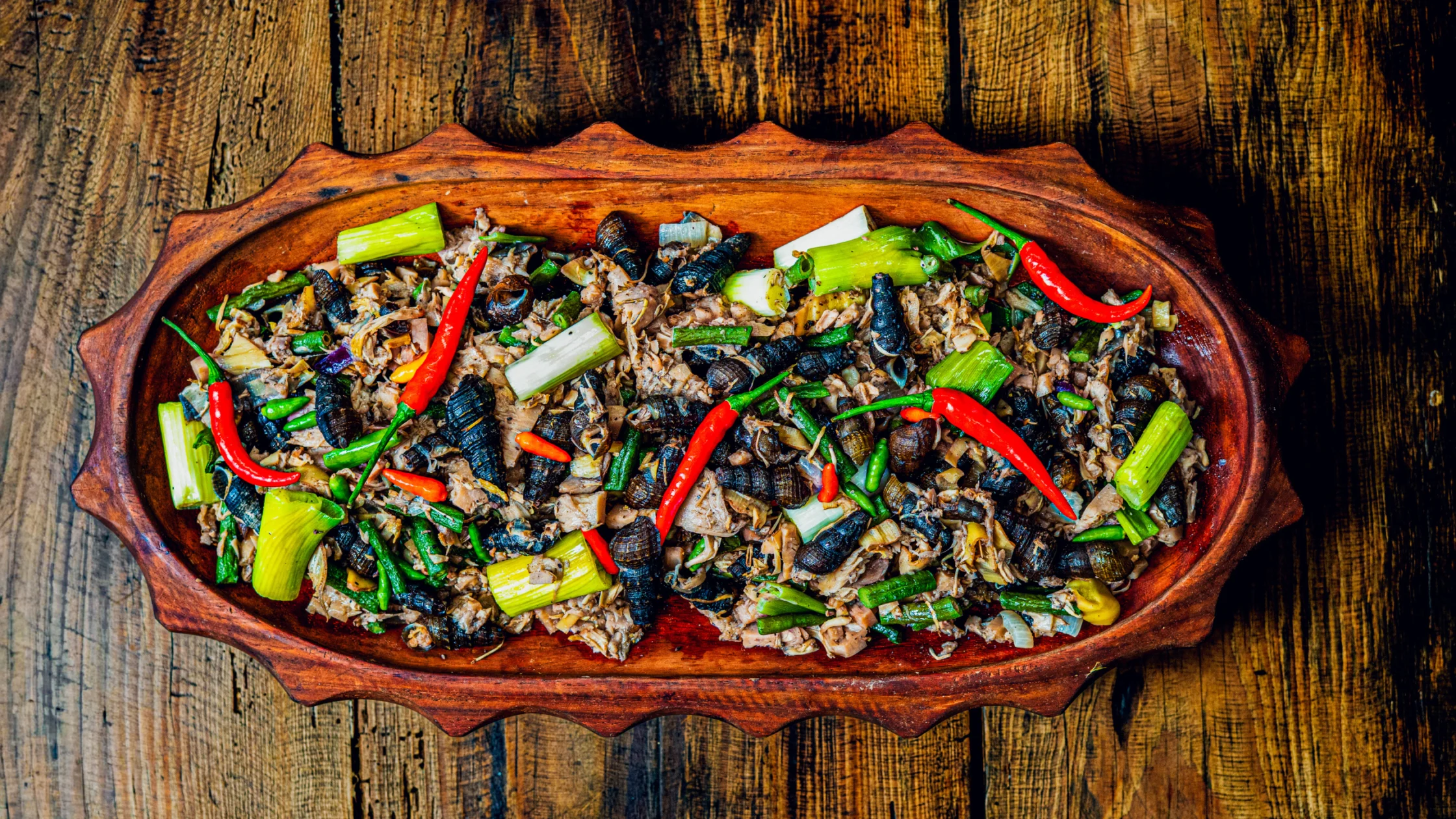
Binungor also reflects the communal nature of Philippine food culture. Traditionally prepared in large batches and shared among families and communities, it reinforces the idea that food is as much about gathering people together as it is about eating. Some versions can even be replenished with fresh vegetables over several days, extending both the meal and the act of sharing.
Binungor Is More Than a Cover Dish
Finally—and perhaps the most important of all—Binungor aligns with the editorial mission of Delish Philippines. From the beginning, the magazine set out not only to put the country’s most famous dishes at the forefront, but also to tell the stories behind them—to uncover traditions, people, and places that deserve a wider audience. By having Binungor on the cover of the maiden issue, the magazine proves that Filipino cuisine is far richer and more diverse than the dishes the world already knows.
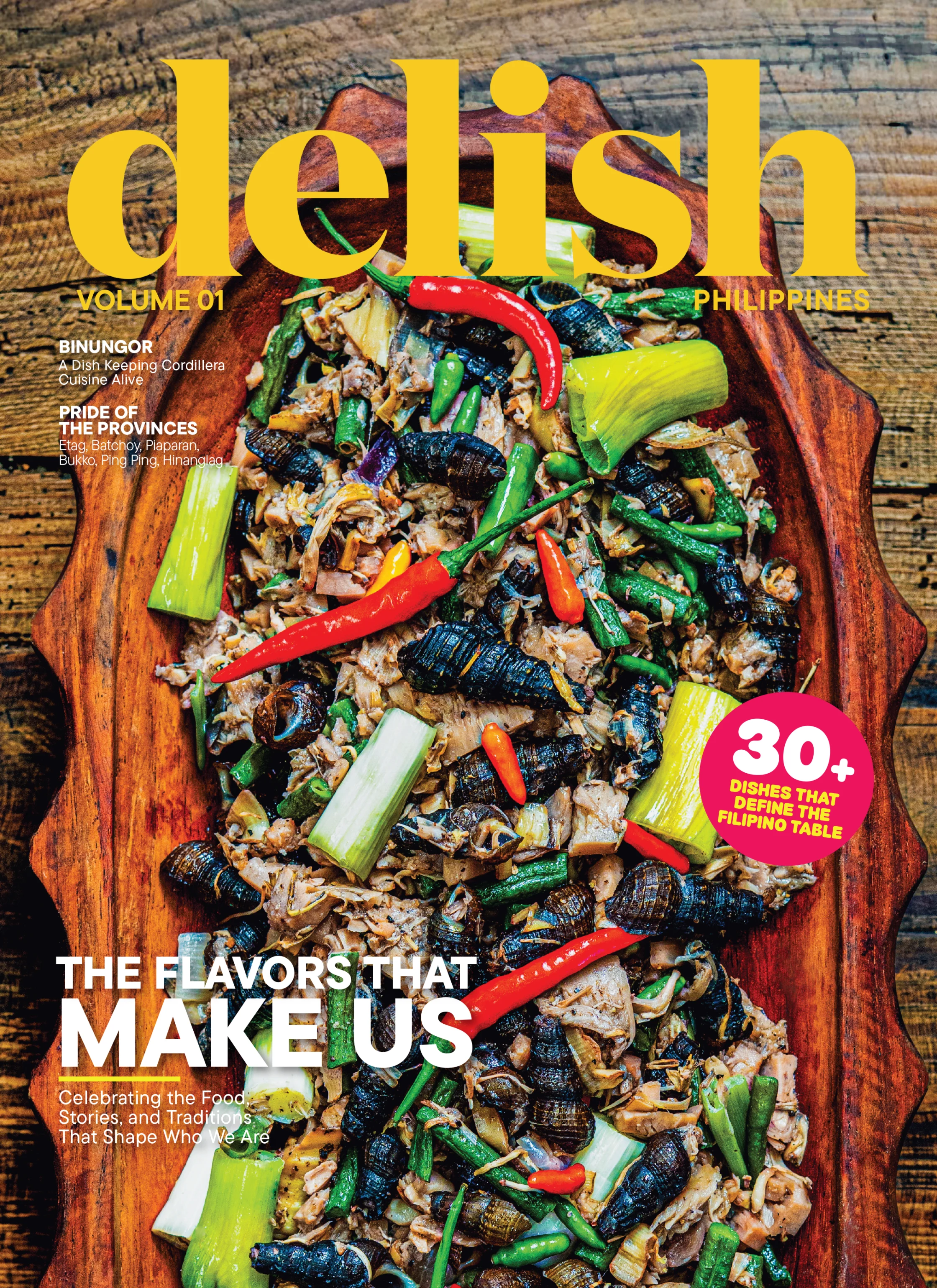
In many ways, Binungor isn’t just a cover dish. It’s a manifesto. It says that the future of Filipino food lies not only in our culinary icons, but also on the remarkable regional traditions that have sustained communities for many generations.

Frequently Asked Questions
Binungor is a traditional dish from Kalinga made with freshwater snails, bamboo shoots, wild mushrooms, chili peppers, and other locally foraged ingredients.
The magazine chose binungor because it represents Filipino resourcefulness, regional diversity, and the many food traditions that deserve greater recognition.
Binungor originates from Kalinga in the Cordillera region of Northern Luzon.
It showcases how indigenous communities transform locally available ingredients into nourishing meals while preserving generations-old culinary traditions.
The maiden cover reflects the magazine’s commitment to telling stories beyond familiar Filipino dishes and celebrating the country’s rich regional food heritage.