
Advertisement

Sweet and Sour Fish Recipe

PHOTO: KIERAN PUNAY
YIELDS:
3 SERVING(S)
Prep Time:
15 MINS
Total Time:
30 MINS
Cal/Serv:
434

Nutritional Information

Calories 1304 kcal
Fat 84 g
Saturated fat 47 g
Trans fat 3 g
Cholesterol 241 mg
Sodium 1381 mg
Carbohydrates 120 g
Fiber 8 g
Sugar 26 g
Protein 21 g
Vitamin D 3 µg
Calcium 208 mg
Iron 5 mg
Potassium 916 mg

Note: The information shown is Edamam's estimate based on available ingredients and preparation. It should not be considered a substitute for a professional nutritionist's advice.

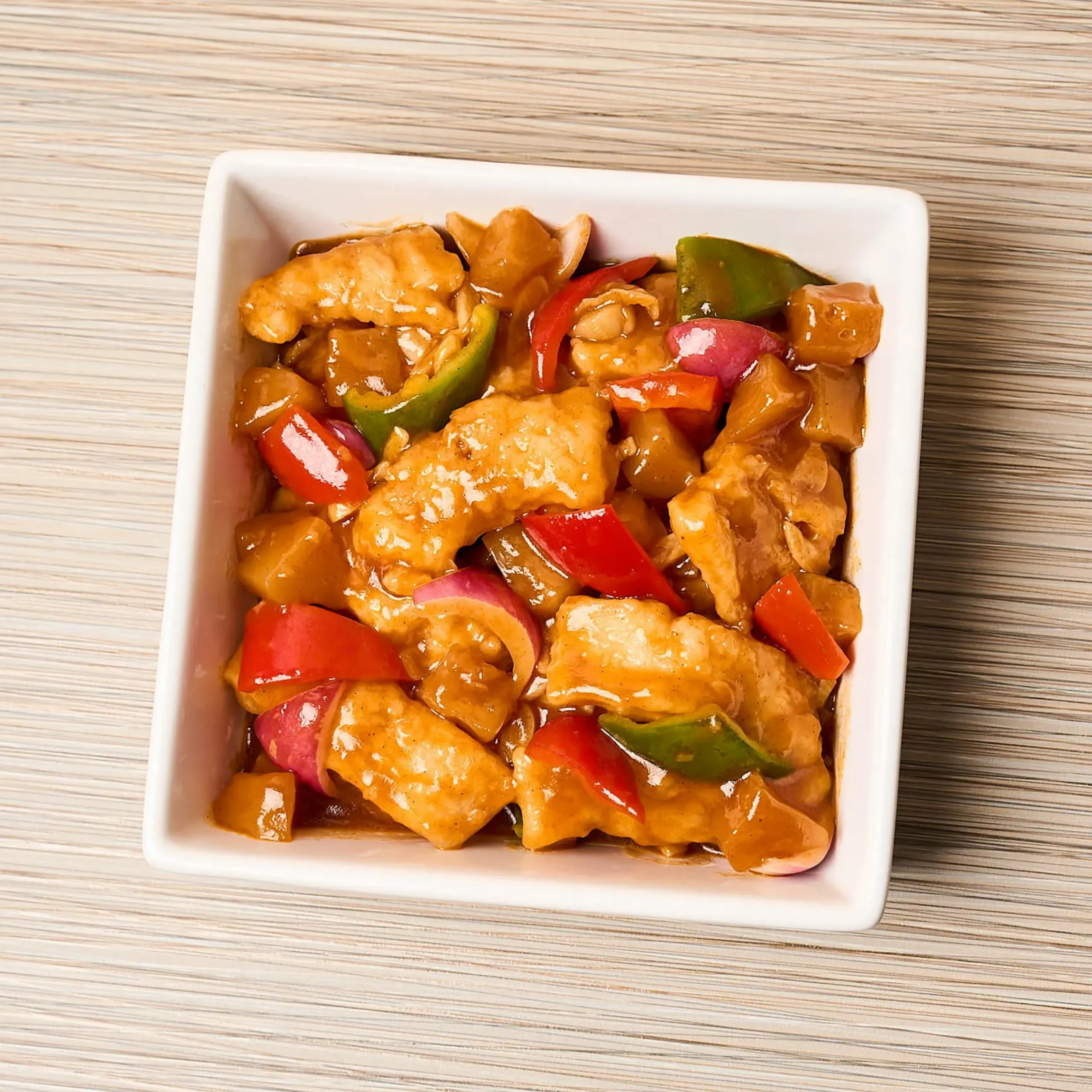
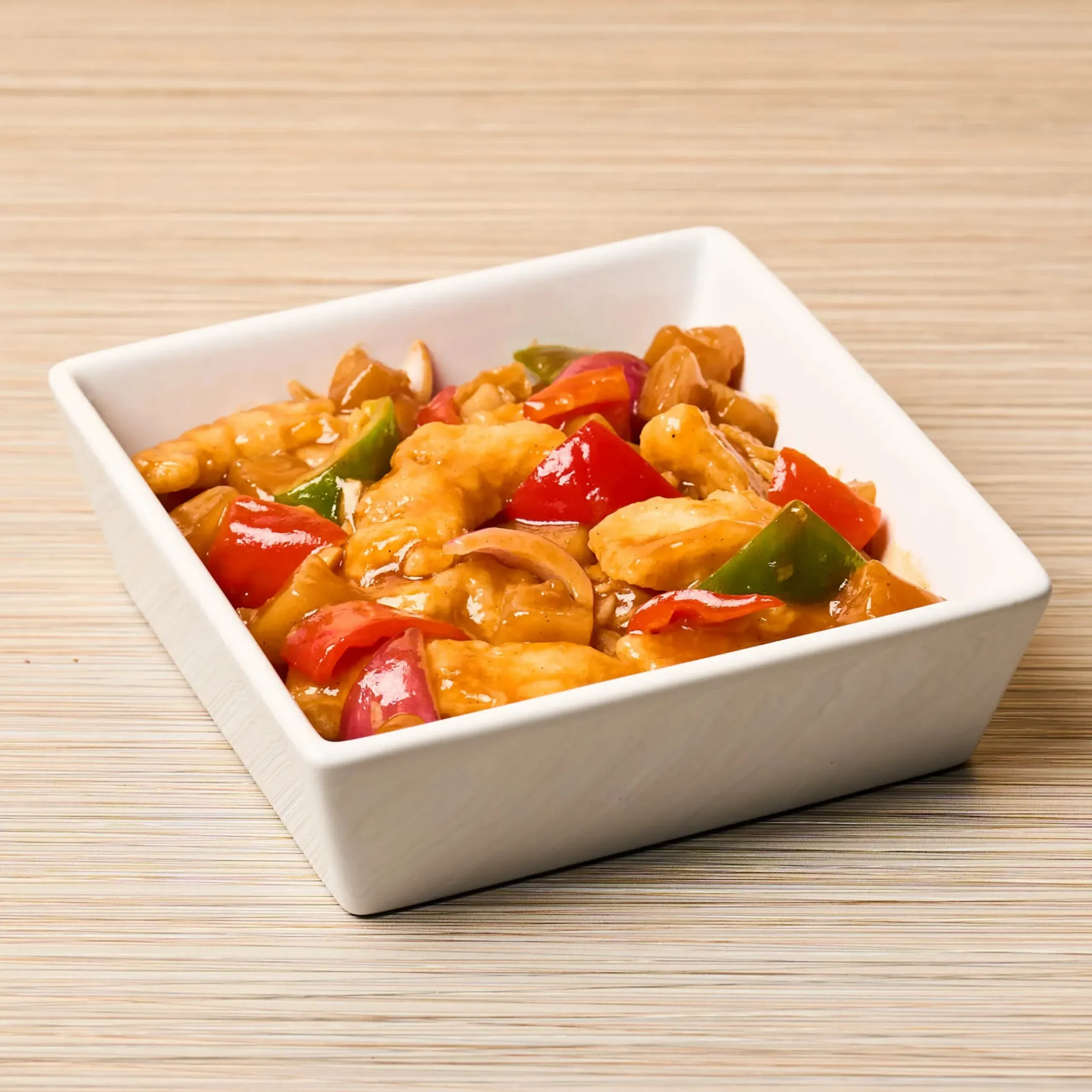
Sweet and Sour Fish is a colorful, flavorful, and well-loved dish that combines crispy fried fish with a vibrant sauce made from the perfect balance of sweetness and tanginess. It is a popular choice in many Filipino households because it transforms simple ingredients into a meal that feels both comforting and festive. With its golden-crisp fish, bright vegetables, juicy pineapple, and glossy sauce, this dish is as appealing to the eyes as it is to the palate.

One of the reasons Sweet and Sour Fish has remained a family favorite is its wonderful contrast of textures and flavors. The fish is lightly seasoned, coated, and fried until crisp on the outside while remaining tender and flaky inside. It is then topped with a rich sauce that blends the sweetness of pineapple juice and brown sugar with the mild acidity of vinegar and ketchup. Bell peppers, onions, garlic, and pineapple chunks add freshness, color, and extra layers of flavor, making every bite both satisfying and refreshing.

This recipe is incredibly versatile and can be prepared using a variety of locally available fish, making it accessible for everyday cooking. Whether served as a weeknight dinner or as part of a special family celebration, Sweet and Sour Fish is always a welcome addition to the dining table. Its vibrant appearance, delicious taste, and comforting familiarity make it a dish that appeals to both children and adults alike.

Beyond its delicious flavor, Sweet and Sour Fish represents the beauty of combining different culinary traditions into a dish that has become uniquely Filipino. It showcases how simple ingredients can come together to create a meal that is hearty, balanced, and memorable.

A Brief History of Sweet and Sour Fish

The origins of sweet and sour cooking can be traced back thousands of years to ancient China, where cooks developed sauces that balanced sugar and vinegar to create dishes with contrasting yet harmonious flavors. Sweet and sour recipes became especially popular in southern Chinese provinces, where fresh seafood and vibrant vegetables were abundant.

As Chinese traders settled in the Philippines centuries ago, they introduced many culinary techniques and ingredients that gradually blended with local cooking traditions. Among these influences were stir-frying, noodle dishes, dumplings, and sweet and sour preparations. Filipino cooks embraced these methods and adapted them using locally available ingredients such as tropical fruits, native fish, and pantry staples.

Over time, the Filipino version of Sweet and Sour Fish developed its own identity. Pineapple juice became a key ingredient, lending natural sweetness and a tropical flavor that distinguishes it from many Chinese versions. Ketchup, particularly banana or tomato ketchup, also became a popular addition, contributing both sweetness and vibrant color to the sauce. Bell peppers, onions, garlic, and pineapple chunks further enhanced the dish, creating a combination that is both visually appealing and flavorful.

Today, Sweet and Sour Fish is commonly found in Filipino homes, seafood restaurants, family gatherings, fiestas, and holiday celebrations. While inspired by Chinese cuisine, it has evolved into a beloved Filipino favorite that reflects the country’s rich culinary heritage and its tradition of adapting international flavors to suit local tastes.
sweet and sour fish INTRO
PHOTO: KIERAN PUNAY

Recipe Tips

  • Pat the fish completely dry before coating to help the flour mixture stick evenly.
  • Combining flour and cornstarch produces a lighter and crispier coating than flour alone.
  • Fry the fish in batches to avoid lowering the oil temperature, which can make the coating soggy.
  • Maintain medium heat while frying to ensure the fish cooks evenly without burning.
  • Add the sauce only when ready to serve if you want the fish to remain crispy.
  • Fresh pineapple provides wonderful sweetness and texture, but canned pineapple works well for convenience.
  • Taste the sauce before thickening so you can easily adjust the balance of sweetness and acidity.
  • For extra flavor, garnish with sliced spring onions, toasted sesame seeds, or chopped cilantro before serving.

Ingredient Substitutions

Fish

  • Tilapia
  • Cream dory
  • Maya-maya (red snapper)
  • Lapu-lapu (grouper)
  • Cod
  • Halibut
  • Catfish

Pineapple Juice

  • Orange juice for a citrus twist
  • Mango juice for tropical sweetness
  • Apple juice for a milder flavor

Pineapple Chunks

  • Fresh mango cubes
  • Peach slices
  • Canned mixed fruit (drained)
  • Fresh lychee for a unique variation

Ketchup

  • Banana ketchup for a classic Filipino flavor
  • Tomato sauce with a little extra sugar
  • Chili sauce for a slightly spicy version

White Vinegar

  • Cane vinegar
  • Rice vinegar
  • Apple cider vinegar
  • Coconut vinegar

Brown Sugar

  • White sugar
  • Coconut sugar
  • Honey
  • Palm sugar

Bell Peppers

  • Yellow or orange bell peppers
  • Carrots
  • Snow peas
  • Zucchini

Cornstarch

  • Potato starch
  • Tapioca starch
  • Arrowroot powder

Ingredients

For the Fish

  • 600 Gram cream dory fillets,
  • 1 Teaspoon salt
  • 0.5 Teaspoon ground black pepper
  • 1 Cup all-purpose flour
  • 1 Cup cornstarch
  • cooking oil for frying

For Sweet and Sour Sauce

  • 2 Tablespoon cooking oil
  • 3 Clove garlic, minced
  • 1 Medium onion, sliced
  • 1 Small red bell pepper, sliced
  • 1 Small green bell pepper, sliced
  • 0.5 Cup pineapple chucks
  • 0.666 Cup pineapple juice
  • 0.25 Cup ketchup
  • 2 Tablespoon white vinegar
  • 2 Tablespoon brown sugar
  • 1 Tablespoon soy sauce
  • 1 Tablespoon cornstarch
  • 2 Tablespoon water
  • salt and pepper to taste
Keep screen awake

Directions

Step 1

Prepare the Fish

Rinse the fish fillets under cold running water and pat them completely dry using paper towels. Removing excess moisture helps the coating adhere better and produces a crispier finish when fried.

Season both sides of the fish with salt and ground black pepper. Allow the fish to rest for about 10 to 15 minutes so the seasoning can lightly penetrate the flesh.

Step 2

Coat the Fish

In a shallow bowl, combine the all-purpose flour and cornstarch. Mix thoroughly until evenly blended. Coat each piece of fish in the flour mixture, making sure every surface is lightly covered. Shake off any excess coating to prevent clumping during frying.

Step 3

Fry Until Crispy

Heat enough cooking oil in a deep frying pan over medium heat. Once the oil is hot, carefully add the coated fish pieces without overcrowding the pan. Fry each piece for approximately 4 to 6 minutes per side, depending on thickness, until golden brown and crispy.

Step 4

Cook the Aromatics

In a separate large pan or wok, heat 2 tablespoons of cooking oil over medium heat. Add the minced garlic and cook until fragrant. Stir in the sliced onions and continue sautéing until they soften slightly while still retaining a bit of texture.

Step 5

Add the Vegetables

Add the red and green bell peppers. Stir-fry for about 2 to 3 minutes until they become slightly tender while maintaining their bright colors and slight crunch.

Add the pineapple chunks and gently stir to combine with the vegetables.

Step 6

Prepare the Sweet and Sour Sauce

Pour the pineapple juice into the pan, followed by the ketchup, white vinegar, brown sugar, and soy sauce. Stir everything together until well combined.

Bring the mixture to a gentle boil, allowing the flavors to blend beautifully. The pineapple juice provides natural sweetness, while the vinegar contributes the signature tangy flavor that balances the sauce.

Step 7

Thicken the Sauce

Stir the cornstarch slurry once more before slowly pouring it into the simmering sauce while continuously stirring. Continue cooking for 2 to 3 minutes until the sauce thickens into a smooth, glossy consistency that easily coats a spoon.

Taste the sauce and adjust with salt and ground black pepper as needed.

Step 8

Combine and Serve

Arrange the crispy fried fish on a serving platter. Spoon the hot sweet and sour sauce generously over the fish just before serving, leaving portions of the crispy coating exposed if you prefer to maintain some crunch.

Alternatively, gently toss the fish in the sauce if serving immediately.

Serve hot with freshly steamed rice for a complete and satisfying meal.

Final Words

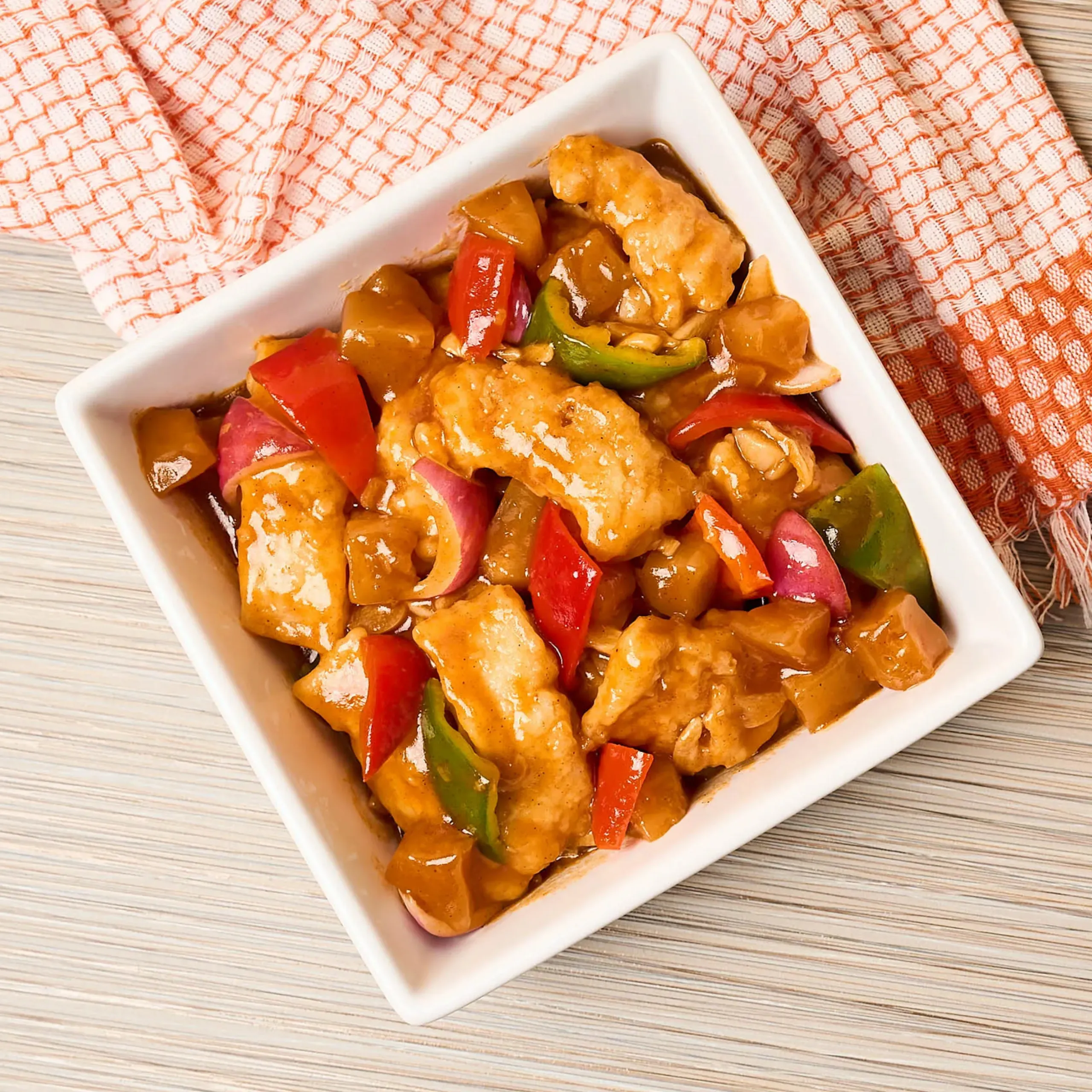
Sweet and Sour Fish is a beautiful example of how simple ingredients can be transformed into a vibrant and satisfying meal. Its combination of crispy golden fish, colorful vegetables, juicy pineapple, and glossy sweet and tangy sauce creates a dish that is both comforting and elegant. Every bite offers a delightful contrast of textures and flavors, making it a favorite for both everyday family dinners and festive occasions.

One of the greatest strengths of this recipe is its flexibility. You can use your favorite type of fish, adjust the sweetness or acidity to suit your family’s taste, or include additional vegetables for extra color and nutrition. These small personal touches allow every home cook to create a version that reflects their own style while preserving the dish’s signature balance of flavors.

Whether you’re introducing someone to Filipino-inspired seafood dishes or preparing a familiar favorite for loved ones, Sweet and Sour Fish is a recipe that consistently delivers. Served with warm steamed rice and enjoyed around the table with family and friends, it brings together freshness, comfort, and tradition in every delicious serving. Once you’ve mastered this classic dish, it is sure to become a regular part of your home cooking repertoire for years to come.

sweet and sour fish END
PHOTO: KIERAN PUNAY

Alexander Villarante

Recipe Developer

Alexander Villarante is a passionate culinary professional with more than 15 years of experience in the hospitality industry, having built his career in prestigious five-star luxury hotels abroad. He studied Culinary Arts at the Singapore Boston Business School, where he developed a strong foundation in both classical and modern culinary techniques. Throughout his career, he has worked alongside talented chefs from diverse cultural backgrounds, refining his skills and gaining extensive experience in creating exceptional dining experiences. His dedication to excellence has earned him recognition in the competitive culinary scene. Alexander participated in the Philippine Culinary Cup, where he received several citations for his creativity, technical expertise, and commitment to his craft. These achievements reflect his passion for continuous learning and his pursuit of culinary excellence.


Frequently Asked Questions

Firm white fish such as tilapia, cream dory, maya-maya, lapu-lapu, cod, or grouper work best because they hold their shape well during frying and absorb the sauce beautifully.

Fry the fish until golden brown and add the sauce only just before serving. Pouring the sauce over the fish at the last minute helps preserve its crispy coating.

Yes. Baking or air-frying offers a lighter alternative while still producing delicious results. Lightly spray the coated fish with oil before cooking to encourage browning.

Absolutely. The sauce can be made a day in advance and stored in the refrigerator. Reheat gently before pouring it over the freshly fried fish.

The cornstarch slurry may not have been cooked long enough. Continue simmering for a few more minutes until the sauce reaches the desired consistency.

Yes. Increase the brown sugar or pineapple juice for additional sweetness, or add a little more vinegar for a tangier flavor. Taste gradually until the balance suits your preference.

Certainly. Carrots, snap peas, broccoli, baby corn, mushrooms, and zucchini all make excellent additions that add color, texture, and nutrition.

Store the fish and sauce separately whenever possible. Refrigerate in airtight containers for up to three days. Reheat the sauce gently and crisp the fish in the oven or air fryer before serving.

0 0 votes
Total of Ratings
guest
Rating
Ratings for Article
0 Comments
Oldest
Newest Most Voted

To provide a customized ad experience, we need to know if you are of legal age in your region.

By making a selection, you agree to our Terms & Conditions.