



Let’s be honest: most people don’t spend much time reading nutrition labels.
At most, they glance at the panel on the back of the package, skim over the numbers, then toss the snack into the cart without really knowing what they mean. To be fair, nutrition labels aren’t exactly the most riveting reading material. It also doesn’t help that they look more like miniature spreadsheets rather than something meant to help you decide what to eat. But once you know how to read them, they become one of the most convenient tools for making smarter, and hopefully healthier choices.
Calories on a Nutrition Label: What the Number Measures
Start by looking at the most eye-catching figure on the label: calories. Calories represent the amount of energy that a specific food provides—so don’t use them as a grade or score to determine whether a food is “good” or “bad.” This is because two foods can have the same number of calories, but one might offer fiber, protein, and a few essential nutrients, while the other is mostly made up of added sugars.
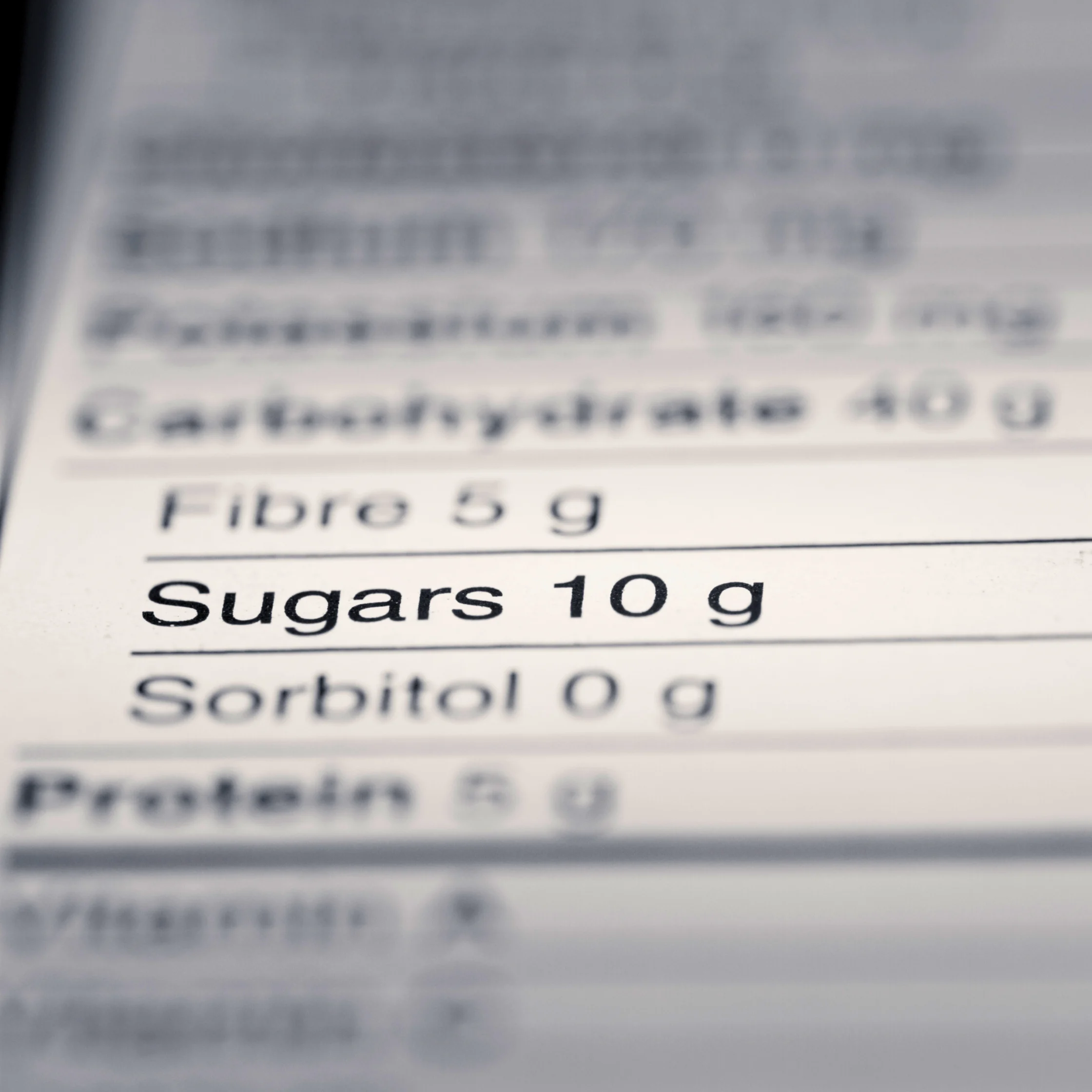
Which one do you think will keep you feeling fuller and more satisfied throughout the day? Chances are, it’s the one bringing more than just calories to the table.
The Nutrients and Ingredients Worth Prioritizing on a Label
Speaking of nutrients, it’s worth paying attention to the ones you should get more of, as well as the ones you may want to consume in moderation. Fiber, protein, calcium, iron, and potassium are all nutrients that keep your body running at its best. In comparison, saturated fat, sodium, and added sugars are generally best when consumed in reasonable amounts. A quick scan can tell you whether a food offers nutrients that your body needs or whether it’s higher in ingredients that you may want to limit or avoid altogether.
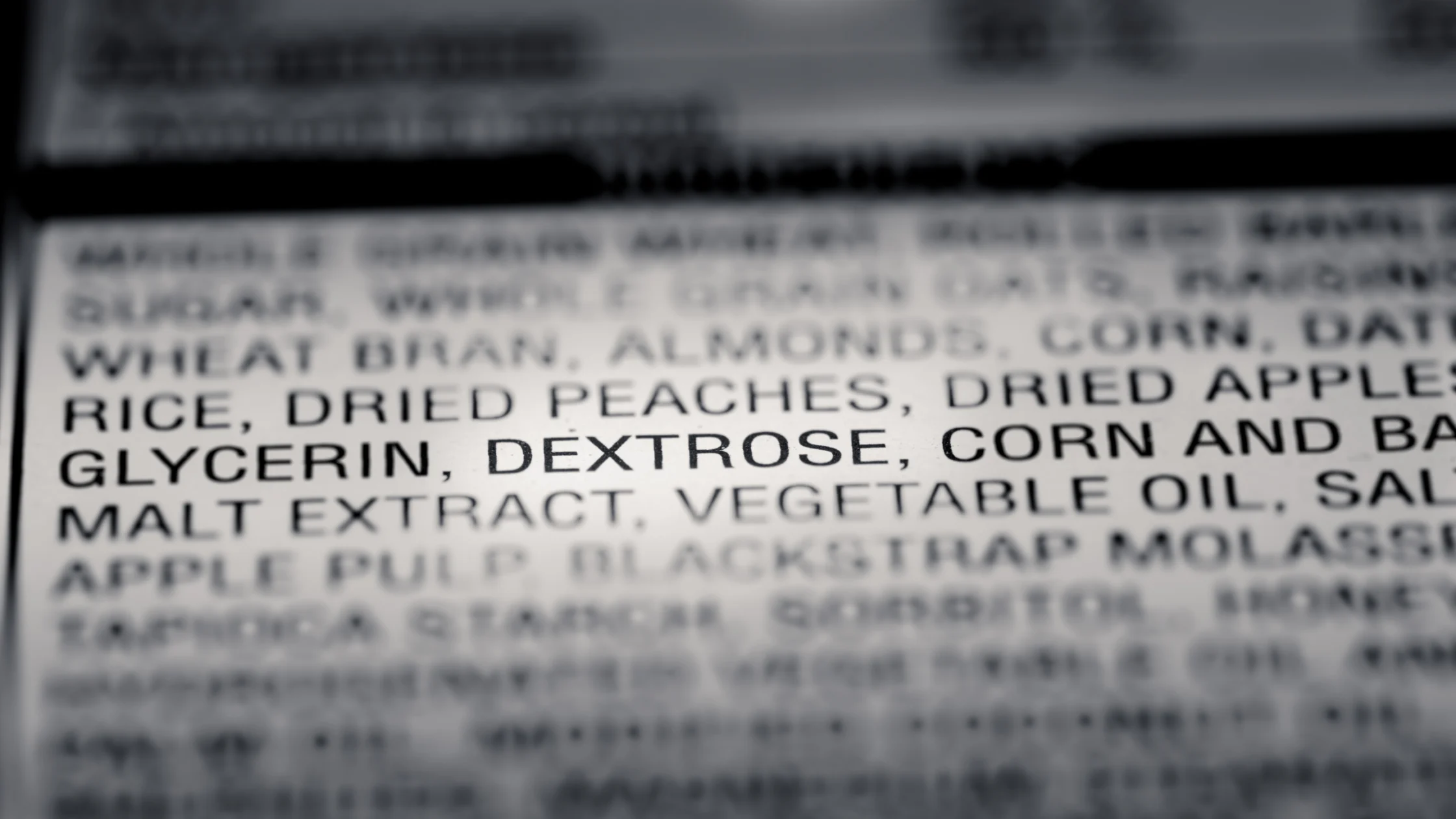
Equally eye-opening is the ingredients list. It may seem like the ingredients are listed at random, but they’re actually arranged by weight. The ingredient that makes up the largest portion of the product appears first, followed by the rest in descending order.
The ingredients list is also the best place to check for any potential allergens like milk, nuts, eggs, soy, wheat, or seafood—an important step when you or someone you’re shopping for has any food sensitivities or allergies. But even if you don’t, giving the ingredients list a quick look can help you get a better idea of what you’re actually putting into your body.
Why Does Serving Size Matter When Reading a Nutrition Label?
Finally, don’t forget the one detail that ties everything together: serving size. It’s arguably the easiest thing to overlook, but it’s also one of the most important. Every calorie, gram of sugar, milligram of sodium, and percentage on the label is based on that specific serving.
That “single” bottle of iced tea may actually contain two servings, while the bag of chips you planned on finishing alone might have three. So if you’re wolfing down an entire pack of anything, you’ll need to multiply every number on the label—not just the calories, but the sugar, sodium, fat, and everything else too.

At the end of the day, nutrition labels aren’t there to guilt-trip you into ghosting your favorite snacks. They’re simply there to help you make informed choices based on what you and your body need. Once you know what to look for, that small label on the back of the package becomes less intimidating, and a lot more useful the next time you’re at the grocery.

Frequently Asked Questions
A nutrition label provides information about a food’s calories, nutrients, serving size, and ingredients to help consumers make informed choices.
Start with the serving size and calories, then review the nutrients and ingredient list to understand what you’re eating.
All the nutrition information on the label—including calories, sugar, sodium, and fat—is based on one serving. Eating more than one serving means consuming more of each nutrient.
Not necessarily. Calories tell you how much energy a food provides, but nutrients like protein and fiber—and ingredients like added sugar and sodium are equally important.
Ingredients are listed by weight, from the largest amount to the smallest.
Nutrition labels help you compare products, understand portion sizes, and choose foods that better fit your nutritional needs and lifestyle.