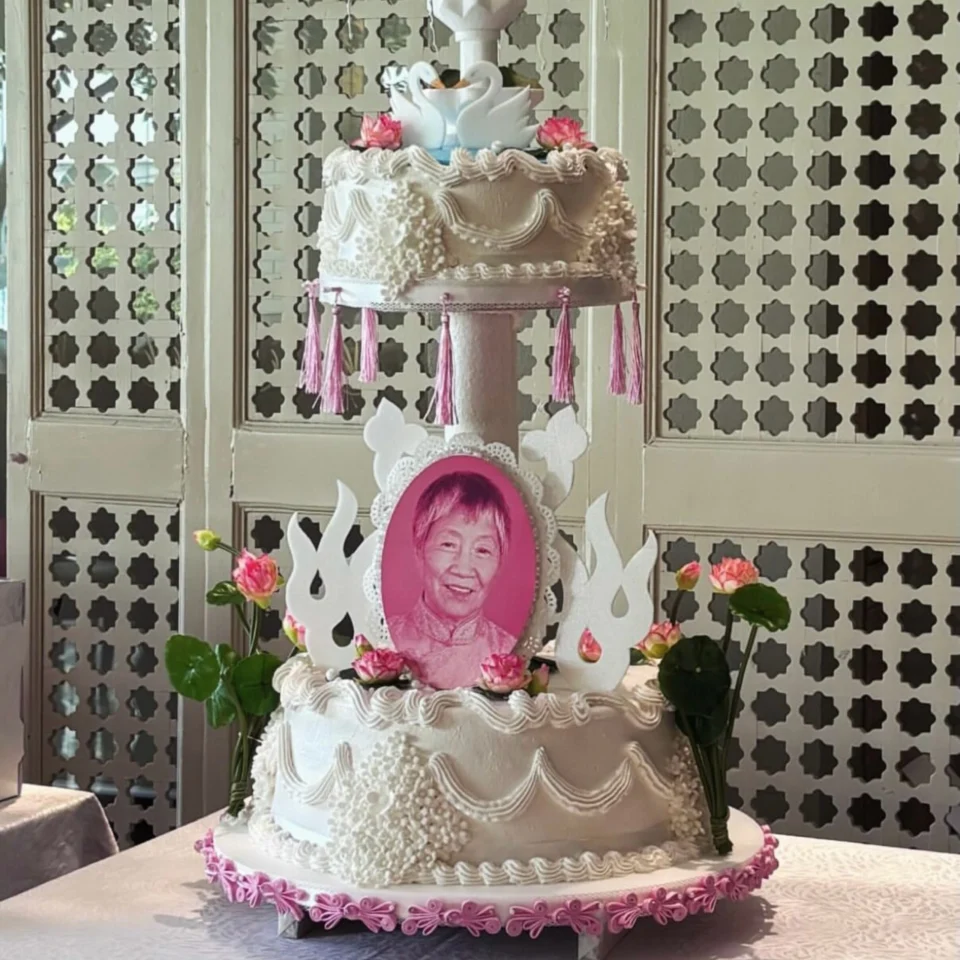


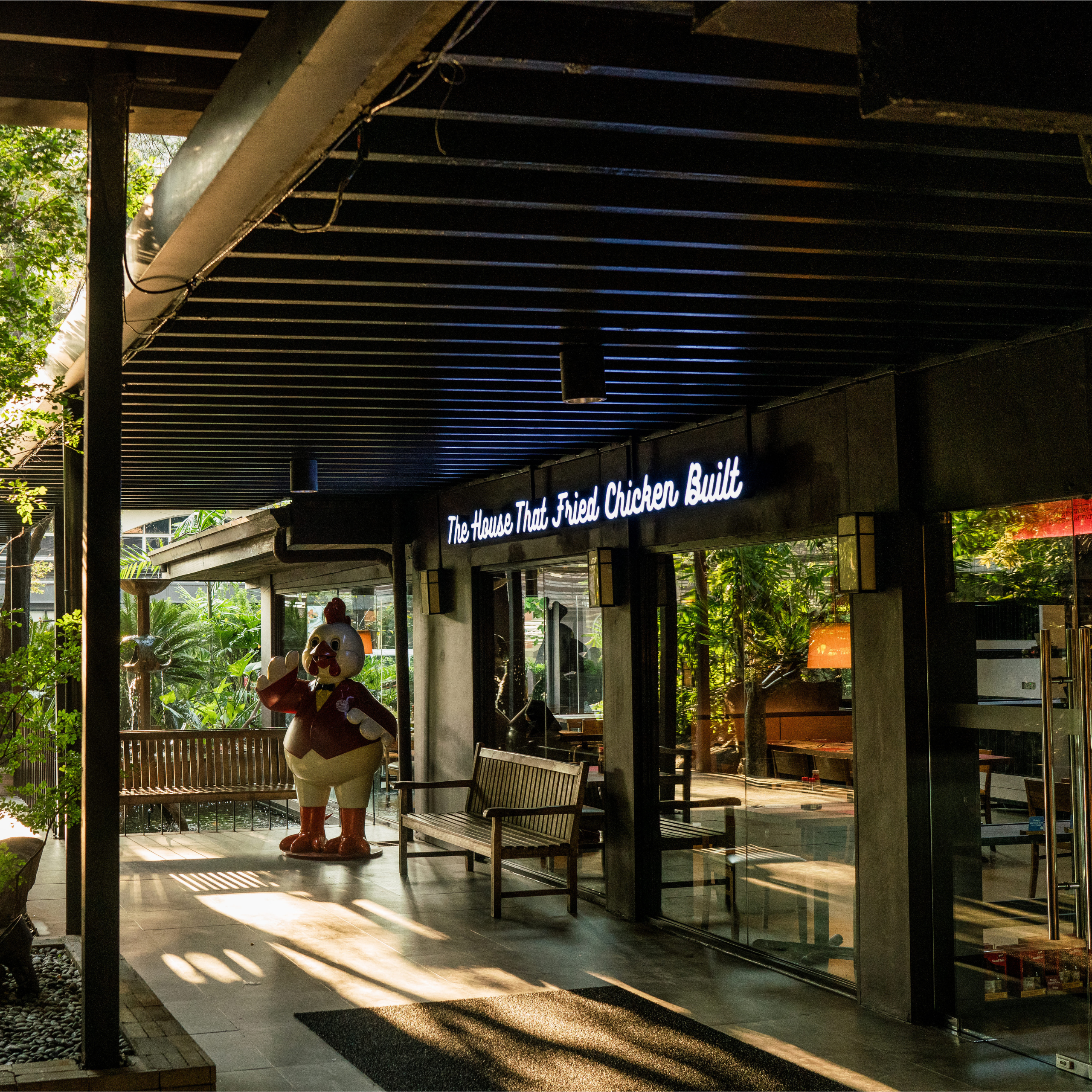
The story of Max’s fried chicken begins not in a restaurant kitchen, but in a family home in postwar Quezon City.
In 1945, shortly after World War II, Maximo Gimenez, a Stanford-educated teacher, became friends with American occupation troops stationed nearby. Since the soldiers frequently visited his home for food and drinks, entrepreneurial Gimenez eventually decided open a small café. Initially, it served chicken, steak, and beverages but, of the lot, it was the fried chicken of Ruby Trota, Maximo’s niece, that inevitably became a hit among the American GIs.
The chicken was far from the heavily breaded American kind—it was tender, juicy, and crisp-skinned. Word spread beyond the military community that, not long, Filipinos began crowding the café. Their popularity consequently earned them the title “The House That Fried Chicken Built.”
Inside Max’s Scout Tuazon: A Historic Restaurant Reimagined
Like any institution that has endured generations, Max’s has learned to evolve with the times. The Scout Tuazon branch, which was once a residence of the Gimenez, has been given a makeover, marrying modern comforts with a degree of familiarity that diners have long associated with the brand and relied on for birthdays, reunions, and family celebrations.
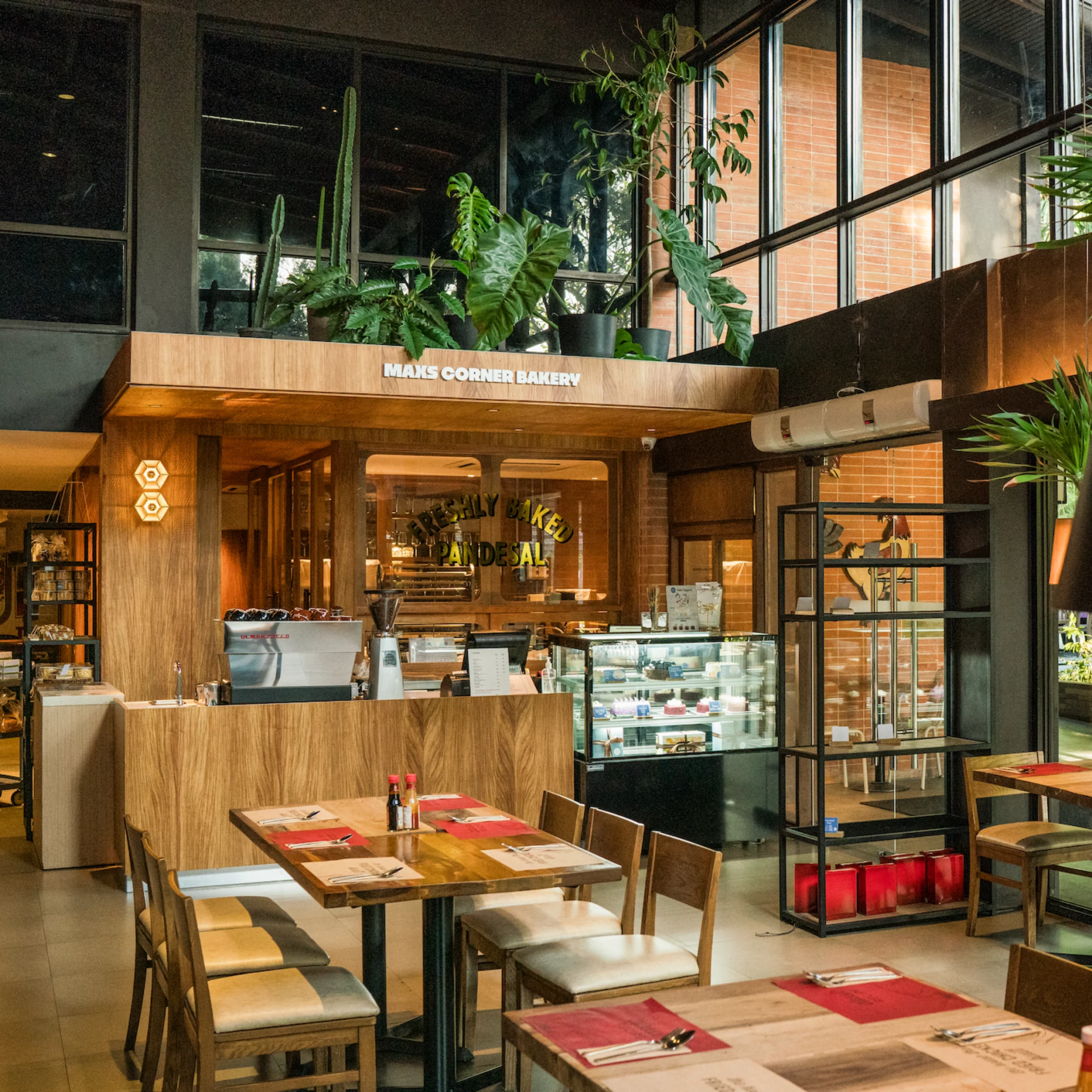
A green landscape greets guests upon arrival, setting a tranquil tone against the city’s concrete. Floor-to-ceiling glass windows blur the line between indoors and outdoors, while high ceilings lend the space a warmth that feels both grand and inviting.
Beyond the Dining Room: Max’s Museum, Ruby Bar, General Store, and Courtyard Dining
The restaurant may have evolved through the decades, yet it remains rooted in its rich history. Private dining rooms and an event hall that can house 200 guests make special occasions more special and intimate, while a well-curated museum preserves the brand’s legacy through old menus, family photographs, vintage tableware, and even television ads from years past.
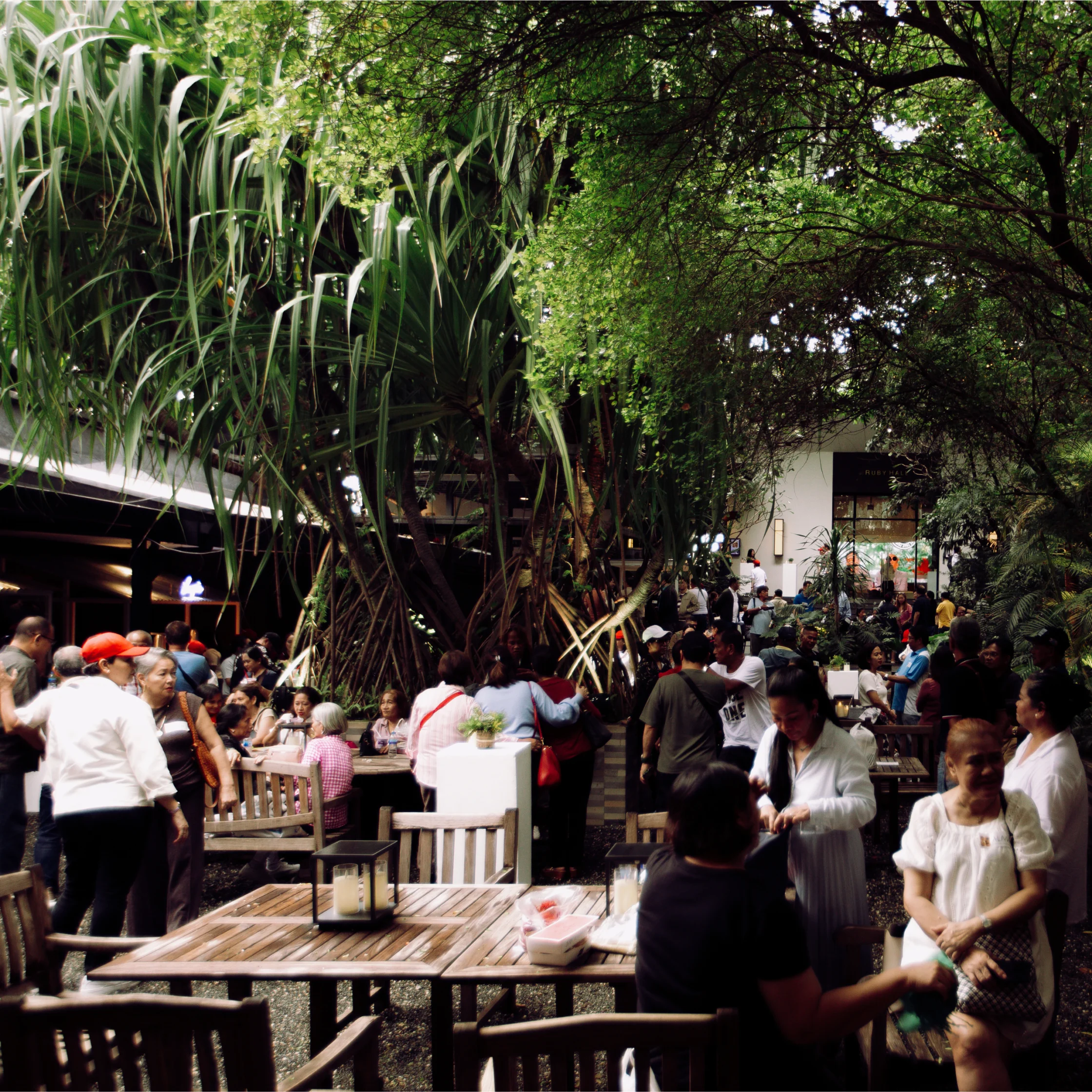
Beyond the dining room, a general store offers memorabilia and merchandise alongside Max’s famous spring chicken meal, serving as a reminder that the restaurant has become much more than a place to eat—it is a part of Filipino life.
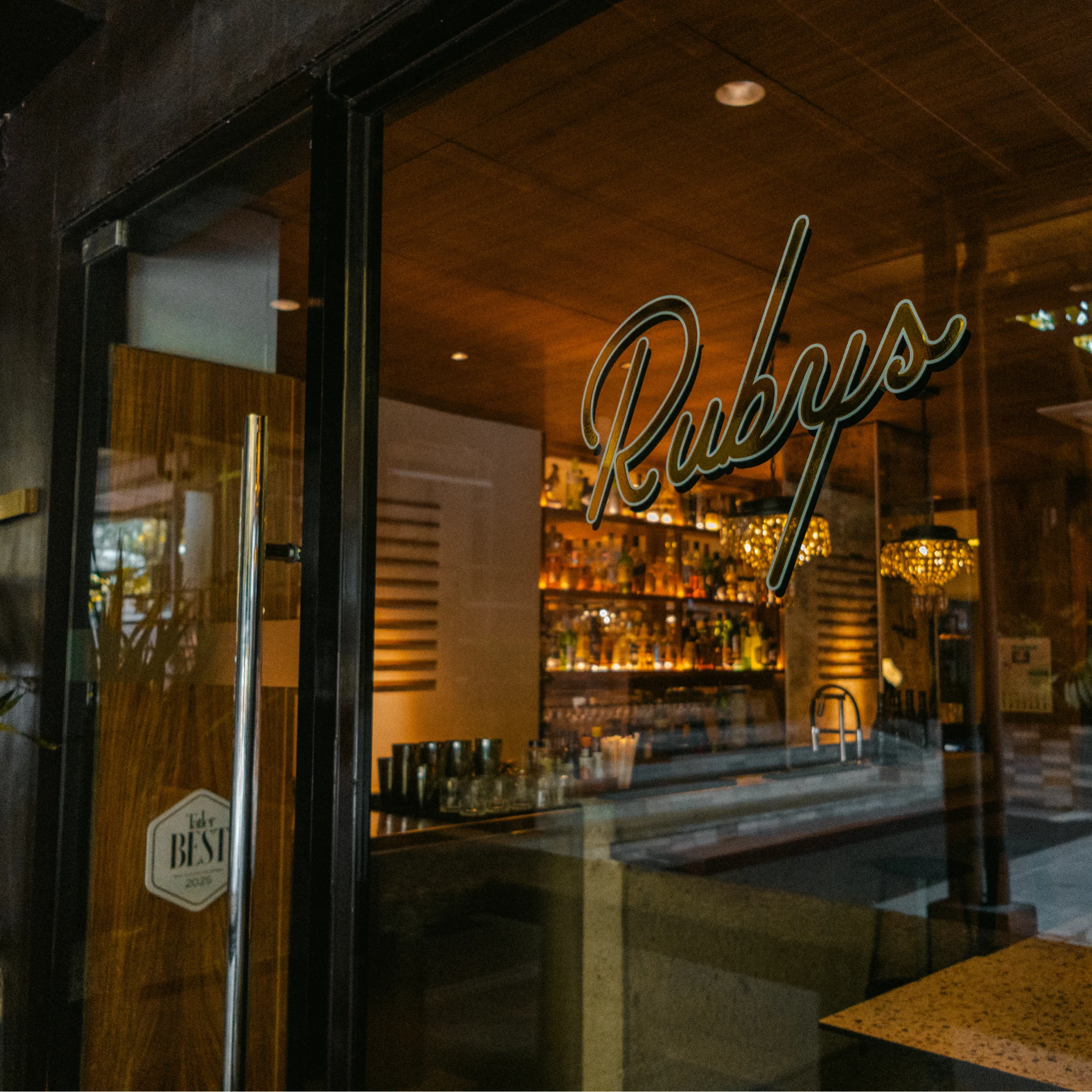
Across the kitchen sits Ruby, a cozy bar named after Ruby Trota, whose fried chicken recipe helped build the restaurant’s legacy. And at the center of it all remains the courtyard, a familiar feature of the compound that is now used as al fresco dining under the gigantic tree.
Why Max’s Scout Tuazon Remains the Heart of “The House That Fried Chicken Built”
Altogether, the entire space feel less like a restaurant and more like a living archive—one that preserves the past while continuing to welcome new memories.
The house may have changed through the decades, but the feeling of coming home to Max’s has remained remarkably the same.

Frequently Asked Questions
Max’s historic home is located in Scout Tuazon, Quezon City, Philippines. Once the residence of the Gimenez family, it has been transformed into a restaurant, museum, event venue, and heritage destination.
The Scout Tuazon property is significant because it is the original home of the Gimenez family, where Max’s story began after World War II. Today, it preserves the brand’s history while continuing to serve its iconic fried chicken.
Visitors can enjoy the restaurant’s signature dishes while exploring a museum featuring vintage menus, family photographs, historical memorabilia, old advertisements, and collectibles that tell the story of Max’s.
Yes. In addition to being a restaurant, the branch features a museum that showcases the history of Max’s through curated exhibits, making it a unique destination for both food lovers and history enthusiasts.
Max’s Restaurant was founded by Maximo Gimenez in 1945. The restaurant’s famous fried chicken recipe was created by his niece, Ruby Trota, whose cooking quickly became popular among American soldiers and Filipino diners.
The nickname reflects how Ruby Trota’s fried chicken became the restaurant’s signature dish and fueled the growth of what would become one of the Philippines’ most iconic restaurant brands.
Max’s is best known for its signature fried chicken, recognized for its tender meat, crispy skin, and simple seasoning. The restaurant is also known for classic Filipino comfort food and its role in Filipino family celebrations.