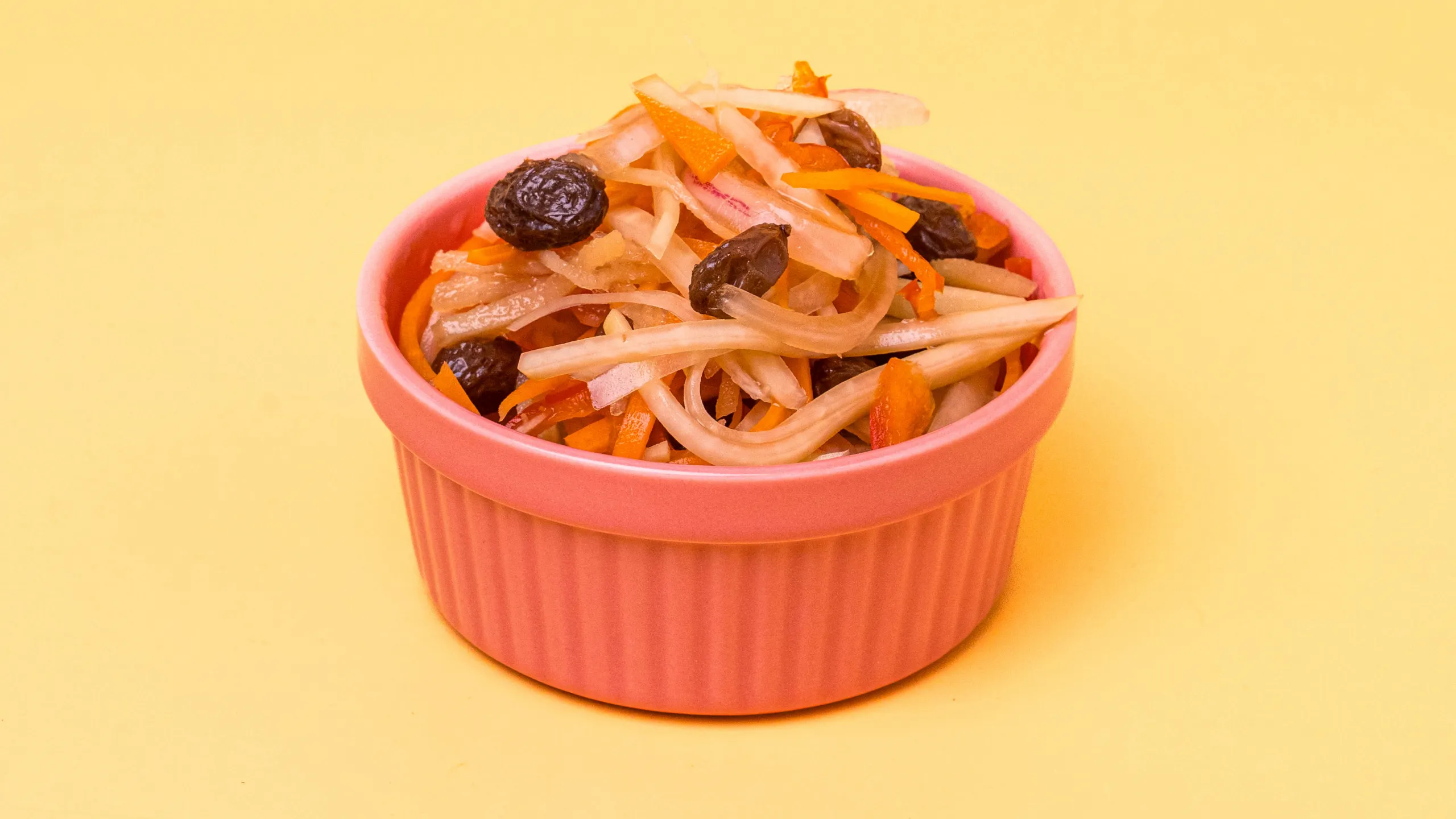


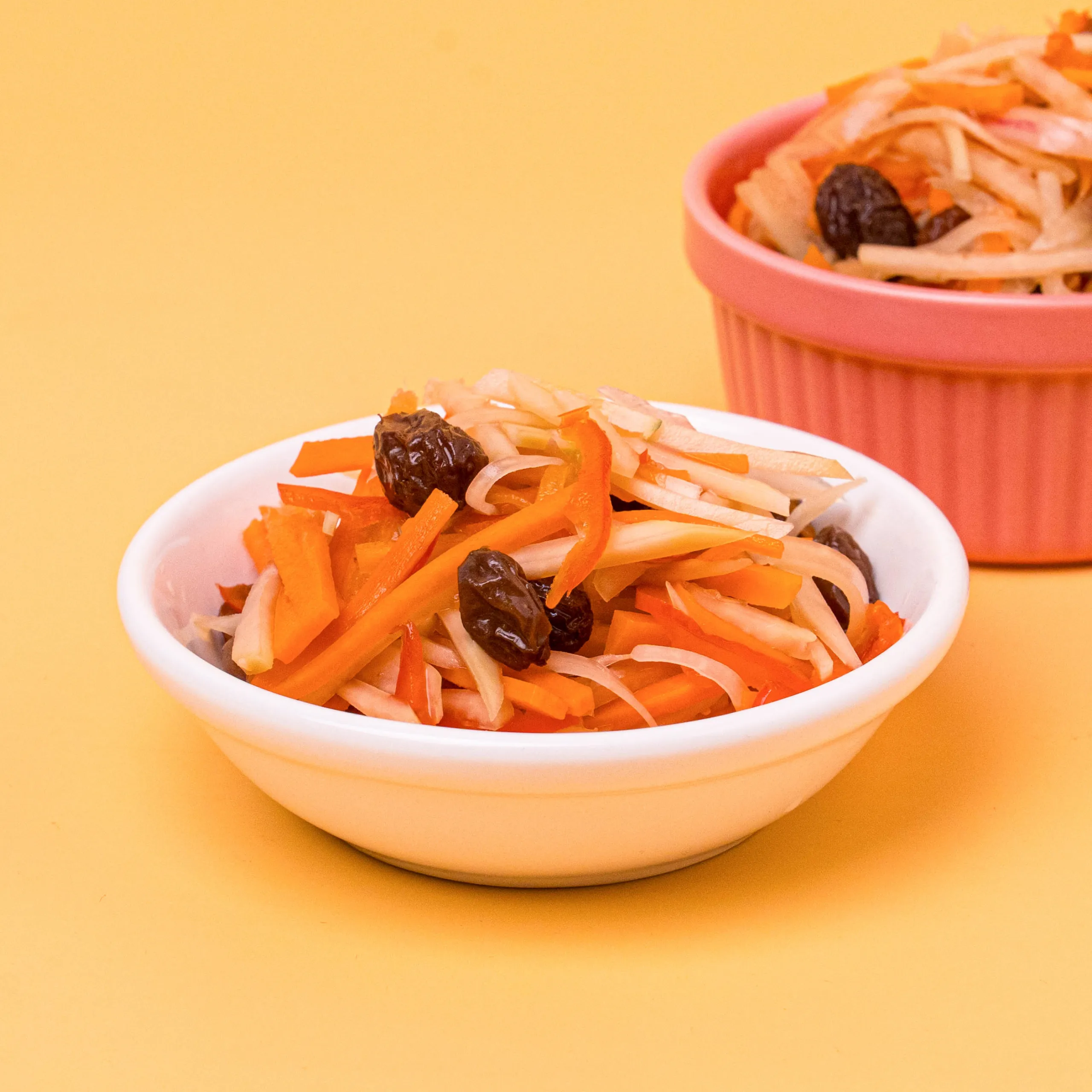
Some dishes may not always take center stage on the dining table, yet they have the remarkable ability to complete a meal. Atchara, also spelled Achara, is one of those beloved Filipino side dishes. Made primarily from crisp green papaya that has been pickled in a sweet and tangy vinegar solution, Atchara is the perfect balance of refreshing flavors and crunchy texture. It is commonly served alongside grilled meats, fried fish, roasted dishes, and rich Filipino favorites, where its bright acidity helps cut through savory flavors and refresh the palate.
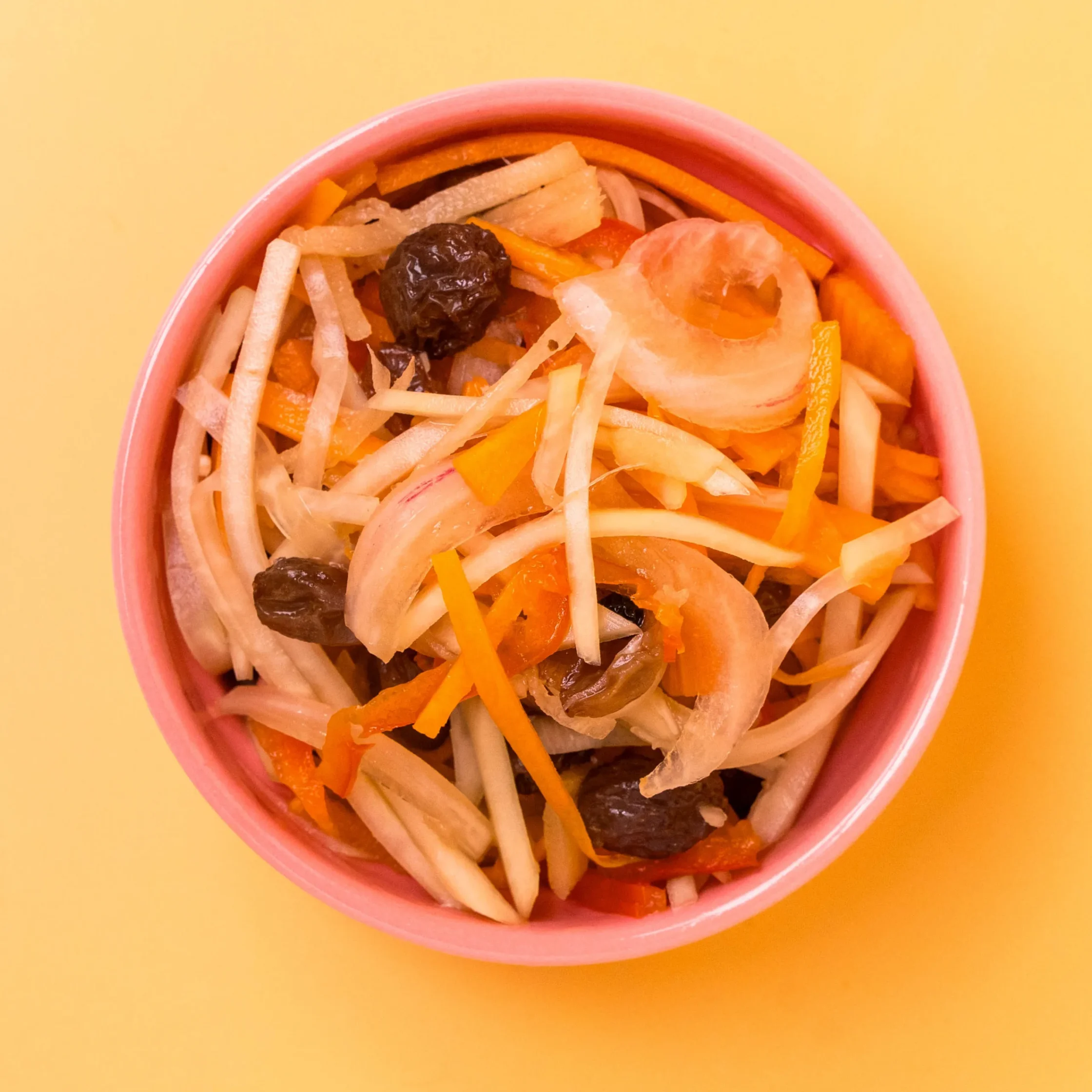
For many Filipinos, Atchara is more than just a condiment. It is a familiar part of family gatherings, holiday feasts, and everyday meals. A simple serving of grilled pork, fried fish, or barbecue often feels incomplete without a spoonful of this colorful pickle on the side. Its combination of green papaya, carrots, bell peppers, raisins, onions, and ginger creates layers of sweetness, mild spice, and pleasant acidity that make every meal more enjoyable.
One of the reasons Atchara has remained popular for generations is its practicality. Before refrigeration became common, pickling was one of the most reliable ways to preserve fresh produce. Green papaya, which is abundant throughout the Philippines, proved to be an ideal ingredient because of its firm texture and ability to absorb the flavors of the pickling solution while remaining delightfully crisp.
Today, Atchara continues to be a staple in many Filipino households. Whether homemade using a treasured family recipe or purchased from local markets, it remains a symbol of Filipino resourcefulness, hospitality, and the love of creating flavorful dishes from simple, locally available ingredients.
History and Origin of Atchara
The history of Atchara reflects the rich cultural influences that have shaped Filipino cuisine over centuries. Although pickling has existed in many parts of the world for thousands of years, Atchara developed into a uniquely Filipino version through a blend of local ingredients and foreign culinary traditions.
Many food historians believe that Atchara was influenced by Indian and Malay pickling practices, which spread throughout Southeast Asia through trade long before Spanish colonization. The word “atchara” itself is thought to be related to the Indian term achar, which refers to various types of pickled fruits and vegetables seasoned with vinegar, spices, or oil.
As traders traveled through Southeast Asia, pickling techniques reached the Philippine islands, where local cooks adapted them using ingredients that were readily available. Green papaya, which grows abundantly in tropical climates, became the primary ingredient because of its firm texture and mild flavor. Filipino cooks also added carrots, raisins, onions, ginger, and bell peppers to create a sweeter, more colorful version that reflected local tastes.
During the Spanish colonial period, vinegar and sugar became even more common in Filipino kitchens, helping shape the sweet-and-sour flavor profile that defines modern Atchara. Families across the country developed their own recipes, adjusting the sweetness, acidity, and spice level according to regional preferences and household traditions.
Because Atchara could be stored for extended periods, it became especially useful in homes before refrigeration. Large batches were often prepared after harvesting green papayas and kept in glass jars for everyday meals or festive occasions.
Today, Atchara remains one of the Philippines’ most popular pickled side dishes. It is enjoyed with grilled meats, fried seafood, roasted chicken, and many other Filipino favorites, serving as both a flavorful accompaniment and a reminder of the country’s diverse culinary heritage.
Knowledge About Atchara and Its Ingredients
Green Papaya
Green papaya is the heart of Atchara. Unlike ripe papaya, green papaya is firm, mildly flavored, and not sweet, making it ideal for pickling.
Its crisp texture allows it to absorb the pickling solution while remaining pleasantly crunchy even after several days of marinating.
Green papaya naturally contains:
- Vitamin C
- Vitamin A
- Folate
- Dietary fiber
- Potassium
It also contains the natural enzyme papain, which has traditionally been associated with supporting the digestion of proteins.
Carrots
Carrots contribute both sweetness and vibrant color to Atchara. Their crisp texture complements the papaya while adding nutritional value.
Carrots are an excellent source of:
- Beta-carotene
- Vitamin A
- Potassium
- Fiber
The bright orange color also makes the finished pickle more visually appealing.
Red Bell Pepper
Red bell peppers provide sweetness, color, and a slight freshness that balances the acidity of the vinegar.
They are naturally rich in:
- Vitamin C
- Vitamin A
- Antioxidants
Because they remain slightly crisp after pickling, they add another enjoyable texture to the dish.
Raisins
Raisins add natural sweetness and chewy texture that contrast beautifully with the crunchy vegetables.
They also contribute:
- Natural sugars
- Iron
- Potassium
- Small amounts of dietary fiber
The sweetness of raisins helps soften the sharpness of the vinegar.
Onion
Thinly sliced onions add mild pungency and depth of flavor.
As they marinate, onions become less sharp while absorbing the sweet-and-sour pickling liquid.
Ginger
Fresh ginger gives Atchara its signature warm, slightly spicy aroma.
It also helps balance the sweetness of the sugar and raisins while adding complexity to the overall flavor.
Vinegar
Vinegar is the essential ingredient that gives Atchara its refreshing tanginess and acts as a natural preservative.
White vinegar is commonly used because of its clean flavor, but cane vinegar is also popular in many Filipino households.
Sugar
Sugar balances the acidity of the vinegar, creating the sweet-and-sour taste that makes Atchara so enjoyable.
The amount of sugar can easily be adjusted according to personal preference.
Whole Black Peppercorns
Whole peppercorns release subtle spicy notesGreen papaya, carrots, and bell peppers all contribute vitamin C, an important nutrient that supports the immune system and helps the body produce collagen for healthy skin and into the pickling solution, adding gentle warmth without overpowering the vegetables.
Health Benefits of Atchara
Rich in Vitamin C
Green papaya, carrots, and bell peppers all contribute vitamin C, an important nutrient that supports the immune system and helps the body produce collagen for healthy skin and tissues.
Good Source of Dietary Fiber
The vegetables in Atchara provide dietary fiber, which supports healthy digestion and contributes to feelings of fullness after meals.
Contains Beneficial Plant Compounds
Colorful vegetables such as carrots and bell peppers contain antioxidants, including beta-carotene and other naturally occurring plant compounds that help protect cells from oxidative stress.
Naturally Low in Fat
Atchara contains very little fat, making it a light accompaniment that pairs well with richer main dishes.
Supports Flavor Balance in Meals
Although Atchara is not a health food on its own, its tangy flavor encourages balanced meals by complementing grilled meats, seafood, and vegetables. Its acidity also refreshes the palate between bites.
Papaya’s Natural Enzymes
Green papaya contains papain, a naturally occurring enzyme traditionally associated with supporting protein digestion. While cooking and pickling may affect enzyme activity, green papaya remains a nutritious ingredient that contributes vitamins, minerals, and fiber.
Recipe Tips for the Best Atchara
- Choose firm, unripe green papaya for the crispiest texture.
- Remove as much moisture as possible from the papaya before pickling.
- Allow the pickling solution to cool slightly before pouring it over the vegetables.
- Store Atchara in sterilized glass jars for longer freshness.
- Refrigerate the pickle at all times after preparation.
- Let the Atchara marinate for at least one full day before serving for the best flavor.
- Adjust the sugar according to your preferred sweetness.
- Use fresh ginger rather than powdered ginger for a brighter aroma.
- Keep the vegetables fully submerged in the pickling liquid to maintain even flavor and freshness.
- Always use clean utensils when serving to reduce the risk of contamination.
Ingredient Substitutions
Green Papaya
If unavailable, you may substitute with:
- Green mango (for a tarter version)
- Chayote (sayote)
- Cucumber (for a lighter pickle)
- Green jackfruit (young jackfruit)
Each option provides a different flavor and texture but works well in pickled preparations.
Carrots
Alternatives include:
- Daikon radish
- Jicama (singkamas)
- Green papaya (extra amount)
Red Bell Pepper
Substitute with:
- Yellow bell pepper
- Orange bell pepper
- Thinly sliced pimientos
Raisins
You may use:
- Dried cranberries
- Chopped dried apricots
- Golden raisins
- Currants
White Vinegar
Substitutes include:
- Cane vinegar
- Apple cider vinegar
- Rice vinegar
- Coconut vinegar
Each vinegar creates a slightly different flavor profile.
White Sugar
Alternatives include:
- Brown sugar
- Coconut sugar
- Honey (for a softer sweetness)
Ginger
Fresh turmeric can provide a different but equally aromatic flavor, though ginger remains the traditional choice.
Final Words
Atchara is much more than a simple pickle—it is a cherished part of Filipino culinary tradition that brings brightness, balance, and freshness to every meal. With its crisp green papaya, colorful vegetables, sweet raisins, and perfectly balanced pickling solution, it transforms humble ingredients into a side dish that is both refreshing and deeply satisfying.
One of the enduring strengths of Atchara is its ability to complement a wide variety of dishes. Whether served with smoky grilled meats, crispy fried seafood, rich roasted dishes, or everyday home-cooked meals, its sweet-and-tangy flavor provides a welcome contrast that enhances the entire dining experience.
Preparing Atchara also reflects the resourcefulness and creativity of Filipino home cooks. For generations, families have relied on simple preservation techniques to make the most of seasonal produce, creating recipes that not only reduce food waste but also celebrate the natural abundance of local ingredients. Every jar of homemade Atchara carries with it a sense of tradition, patience, and care.
Whether you’re making it for the first time or continuing a family recipe that has been passed down through generations, Atchara is a wonderful reminder that even the simplest dishes can leave a lasting impression. Its vibrant colors, crisp texture, and refreshing flavor make it more than just a condiment—it is a celebration of Filipino hospitality, ingenuity, and the timeless joy of sharing good food with family and friends.