

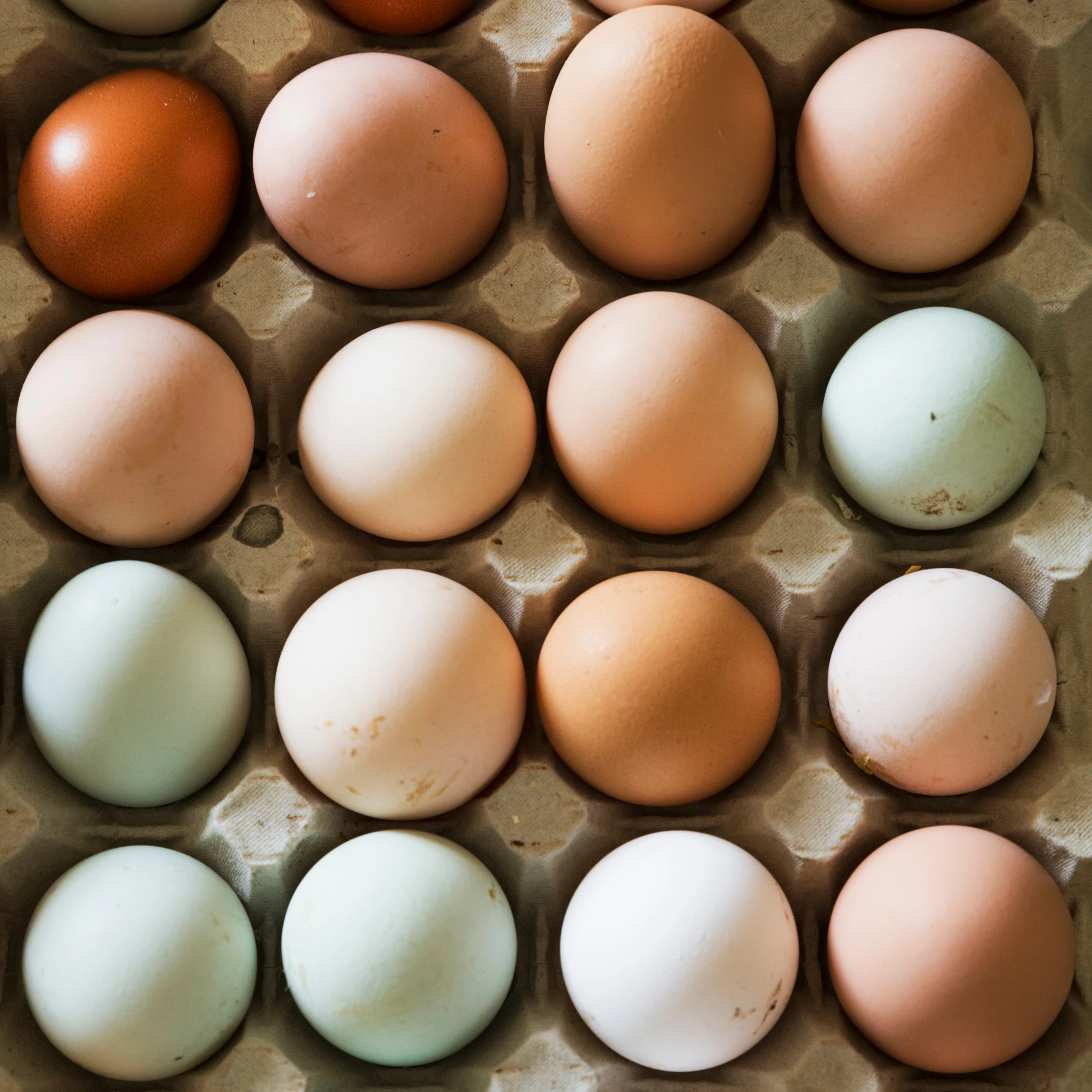
The good news is that eggs often last longer than people think when they are stored properly in the refrigerator. In fact, many eggs remain perfectly usable beyond the date printed on the carton because that date is often about peak quality rather than a strict expiration. Still, knowing how to check an egg before you cook or bake with it can save you from ruining a recipe and, more importantly, help you avoid food-borne illnesses. Food safety experts also remind home cooks that proper storage matters just as much as freshness checks. Eggs should be kept in the coldest part of the refrigerator instead of the door, where temperatures fluctuate every time it is opened.
Whether you are whipping up an omelet for breakfast, baking a batch of cookies, or making leche flan for a family gathering, these five simple checks will help you know if your eggs are still good to use.
1. Does It Sink?
The float test is probably the most well known trick, and for good reason. It is quick, easy, and surprisingly reliable when it comes to estimating an egg’s age.
Fill a glass with cold water and gently place the egg inside. If it sinks and lies flat on its side, it is very fresh. If it sinks but stands upright on one end, it is older but still generally fine to cook with. If it floats to the top, it is best to throw it away.
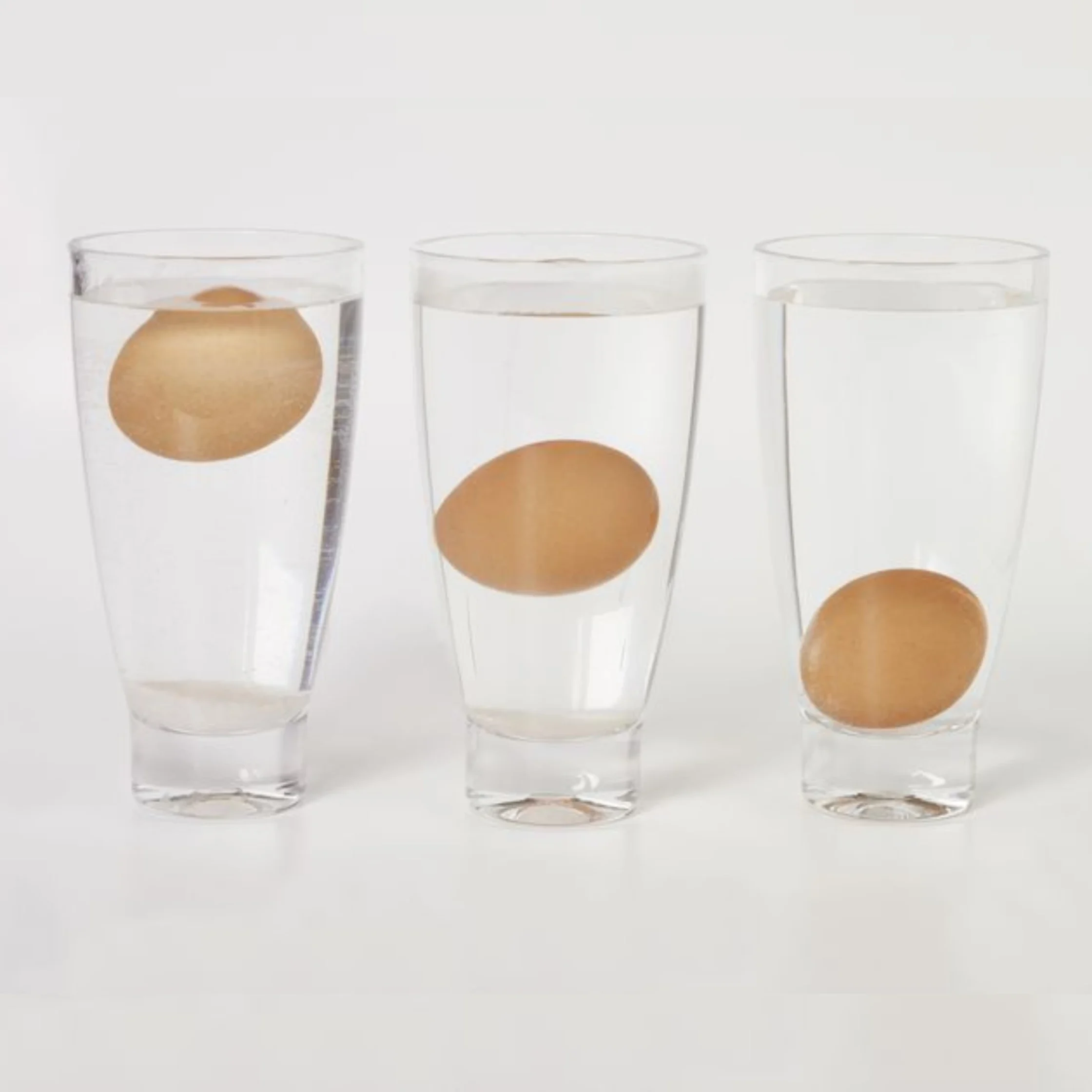
This happens because eggs naturally lose moisture over time through tiny pores in the shell. As moisture escapes, air enters, making the air pocket inside the egg larger. The bigger that air pocket becomes, the more likely the egg is to float.
One thing to remember is that the float test hints at freshness, not necessarily safety. An older egg that sinks can still be safe to eat, while a floating egg should be treated with caution and discarded.
2. Crack It Open and Take a Look
If you are already planning to use the egg, the best way to judge its quality is by cracking it into a clean bowl first.
A fresh egg has a yolk that sits high and round with a thick egg white that stays close to the yolk. As the egg ages, the white becomes thinner and spreads out more easily across the plate, while the yolk starts to flatten.
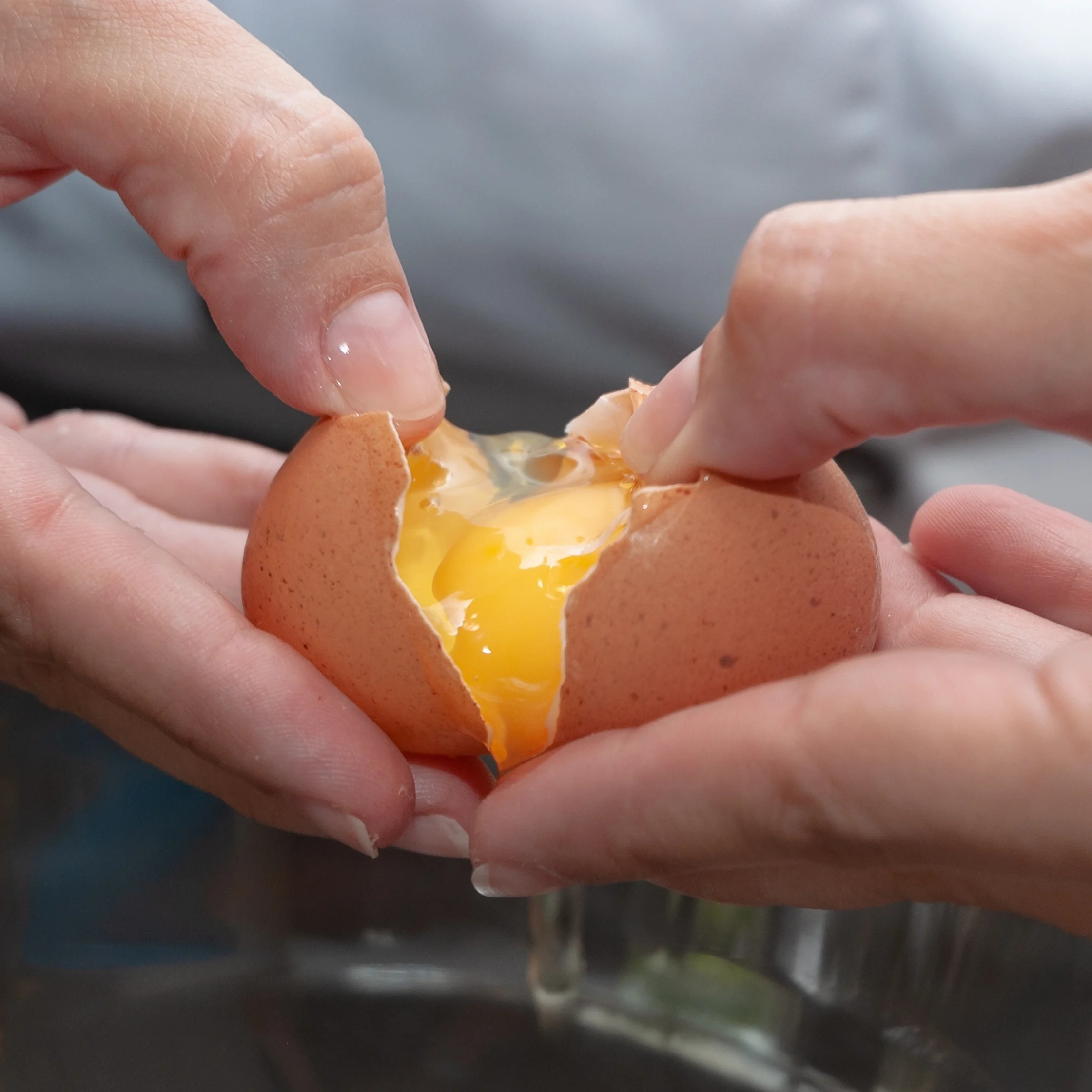
Pay attention to the color as well. If you notice any pink, green, or iridescent discoloration, do not use the egg. Those unusual colors may be a sign of bacterial growth. Even if only one egg looks questionable, it is worth washing the bowl before cracking another one into it to avoid contamination.
3. What Does It Smell Like?
When it comes to spoiled eggs, your nose is one of the best tools you have.
Fresh eggs have almost no smell at all. A bad egg, on the other hand, gives off a strong sulfur or rotten odor that is hard to miss. Sometimes you can smell it through the shell, but more often you will notice it as soon as you crack the egg open.
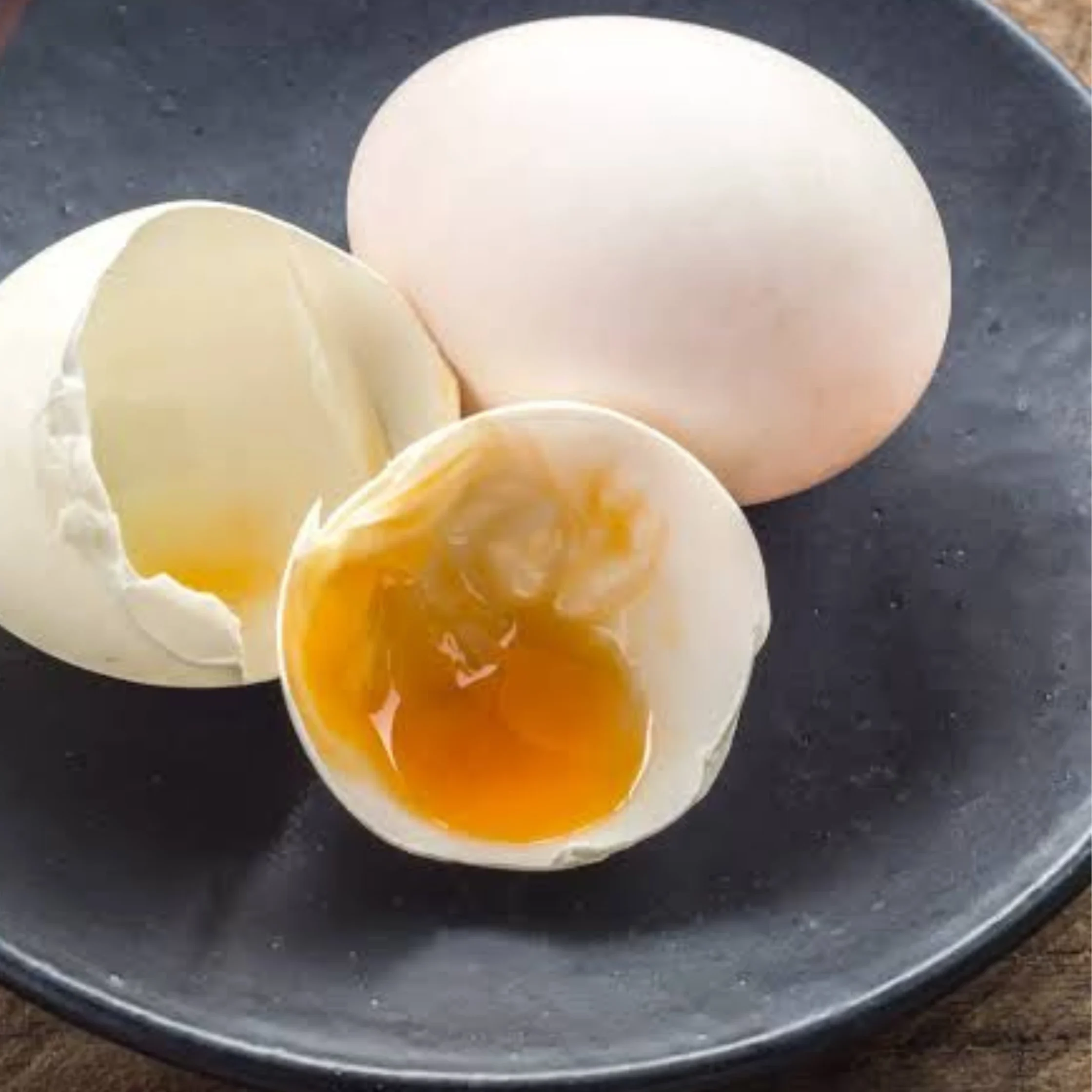
If it smells unpleasant in any way, do not take any chances. Throw it out immediately.
While appearance and age can sometimes be misleading, a foul smell is one of the clearest signs that an egg has gone bad.
4. Check the Shell
Before an egg even reaches your mixing bowl, take a few seconds to inspect the shell.
The shell should be clean, dry, and free from cracks. If it feels slimy, sticky, or unusually powdery, it is better to discard it. Cracks can allow bacteria to enter the egg, while sliminess or mold on the shell may indicate spoilage.
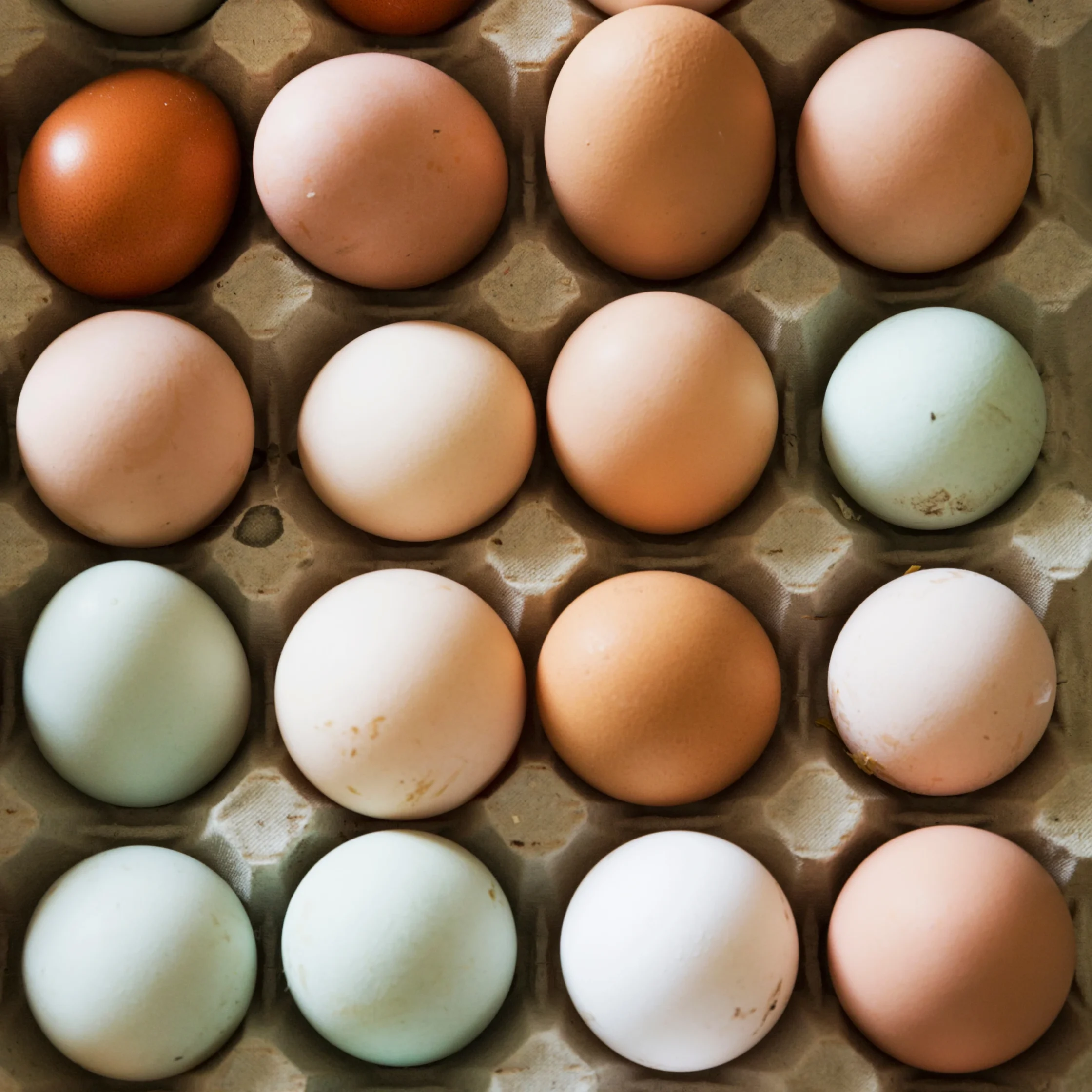
This quick visual check only takes a moment but can help you spot problems before they end up in your food. It is also a good habit to check the carton before buying eggs at the grocery store so you do not accidentally bring home damaged ones.
5. What Does the Carton Date Really Mean?
Many people throw away perfectly good eggs simply because the date on the carton has passed. In reality, those dates are not always a sign that the eggs have become unsafe overnight.
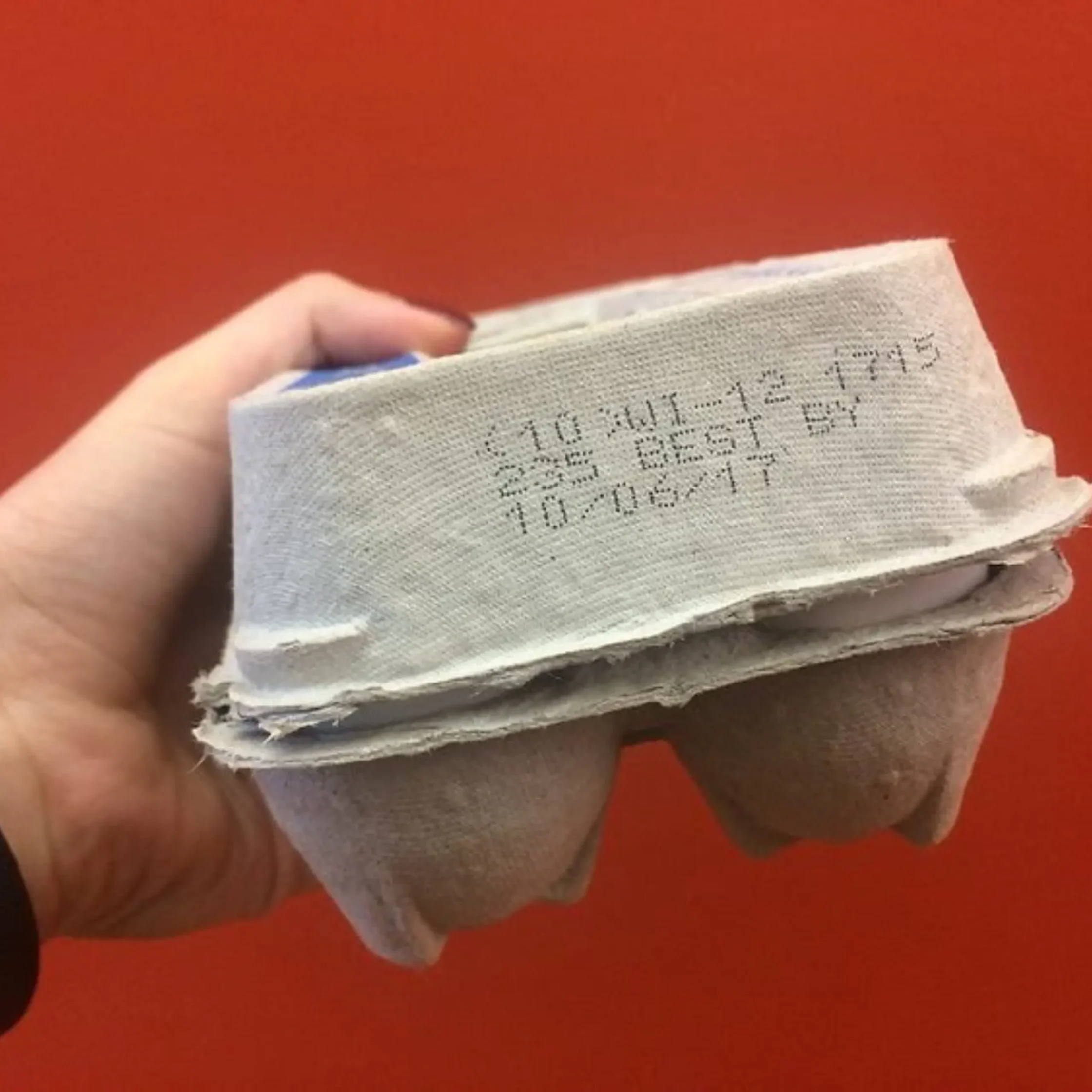
Depending on the label, the printed date may refer to a sell by, best before, or use by recommendation. Refrigerated eggs can often remain safe for several weeks after purchase if they have been stored correctly. That is why it is always worth combining the carton date with the freshness tests above instead of relying on the date alone.
If your carton has a three digit Julian date, that number tells you the day of the year the eggs were packed. Learning to read that code can also give you a better idea of how old your eggs really are.
At the end of the day, checking whether your eggs are still good is less about memorizing expiration dates and more about using a combination of common sense and simple kitchen tests. The float test, a quick visual inspection, a sniff after cracking, and paying attention to the shell can all help you make a confident decision before you start cooking.
When in doubt, it is always better to play it safe. Eggs are relatively inexpensive compared to the risk of food poisoning or having to remake an entire recipe. A few extra seconds spent checking your eggs can save you time, money, and a lot of disappointment.

Frequently Asked Questions
To test your eggs, fill a bowl with cold water and gently drop them in. Fresh eggs will sink directly to the bottom and lie flat on their sides. Bad eggs will float all the way to the top because a large air pocket forms inside the shell as the egg ages and dries out.
Raw eggs in their shells will stay fresh for about three to five weeks when stored properly in the refrigerator. For the best results, keep them in their original carton on a shelf inside the fridge rather than in the door where temperatures change frequently.
You can use mashed bananas or applesauce to replace eggs if you run out or have an allergy. Use one-quarter cup of fruit puree to swap out one large egg in most muffin or cake recipes. Keep in mind that this change might make your baked goods slightly denser and add a subtle fruit flavor.
Place your cold refrigerator eggs into a bowl of warm water for about five to ten minutes. Make sure the water is warm but not hot so you do not accidentally start cooking the egg inside the shell. Room-temperature eggs mix much smoother into batters and help your cakes rise evenly.
The greenish-gray ring is a harmless reaction caused by overcooking the egg for too long or at too high a temperature. This happens when the iron in the yolk reacts with the sulfur in the egg white. You can prevent this discoloration by plunging your boiled eggs into an ice water bath immediately after cooking.