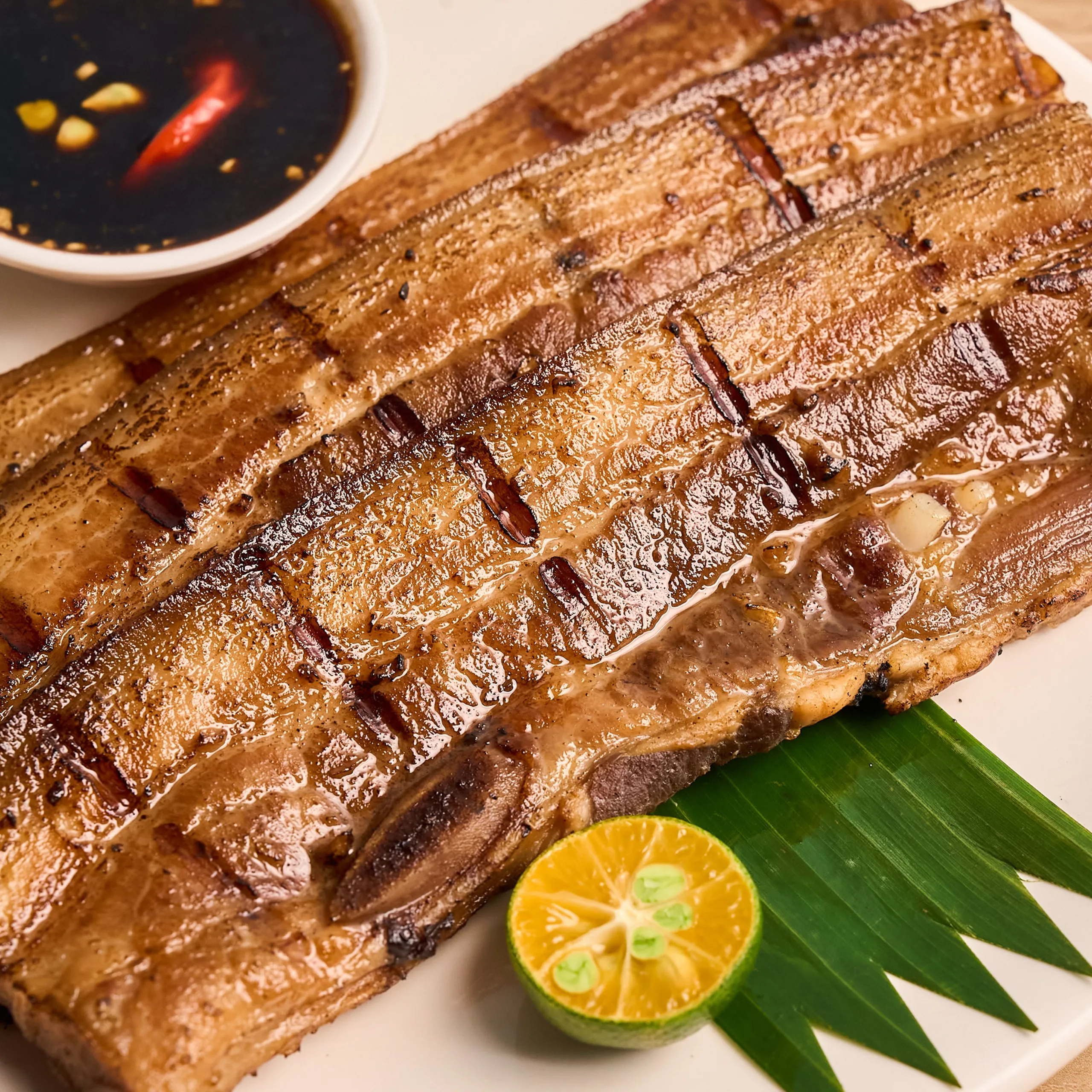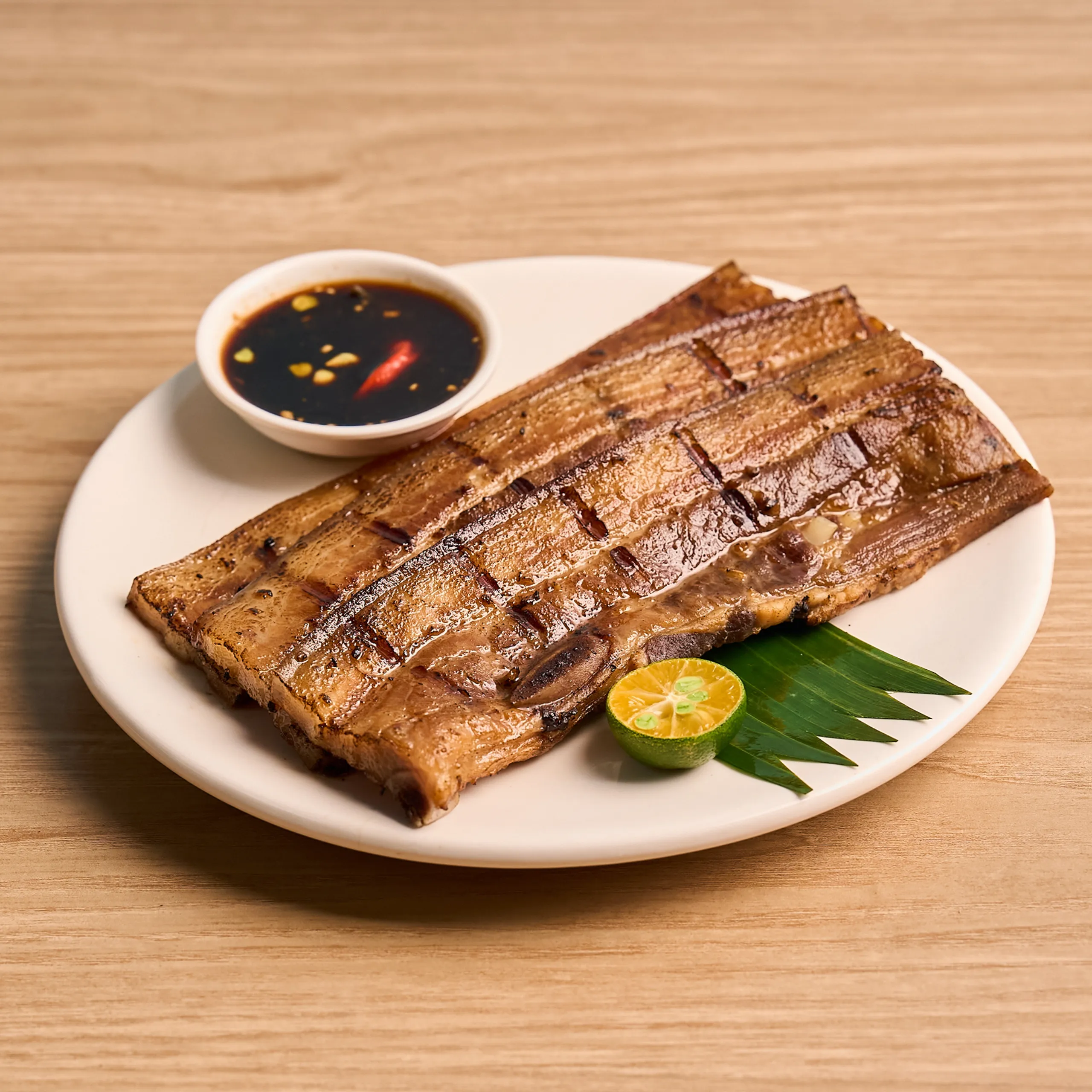
There is something special about the smell of pork grilling over hot charcoal. The smoky aroma, the sound of the meat sizzling on the grill, and the anticipation of that first bite are all part of what makes Filipino grilled food so comforting. One dish that perfectly captures this experience is Inihaw na Liempo, a Filipino-style grilled pork belly that is flavorful, juicy, smoky, and wonderfully satisfying.
Inihaw na Liempo is more than just grilled pork. It is the kind of food that often brings people together. It can be served during family gatherings, weekend cookouts, fiestas, birthdays, or simple meals when you want something extra special. The combination of savory soy sauce, sharp vinegar, fragrant garlic, pepper, and calamansi creates a marinade that gives the pork a delicious balance of salty, sour, garlicky, and slightly citrusy flavors.
When cooked over charcoal, the marinade caramelizes on the surface of the pork while the fat from the liempo slowly renders. The result is tender meat with crispy, slightly charred edges and a smoky flavor that is difficult to achieve with other cooking methods.
Whether served with steamed rice, atchara, grilled vegetables, or a simple vinegar dipping sauce, Inihaw na Liempo is a dish that feels unmistakably Filipino.
A Little History of Inihaw na Liempo
The word inihaw refers to food that is grilled or cooked over direct heat. Grilling has long been an important part of Filipino cooking, particularly because the Philippines has abundant access to fresh seafood, meat, vegetables, and coconut products.
Before modern kitchens and gas stoves became common, cooking over fire and charcoal was a practical and familiar way of preparing food. Over time, Filipinos developed many kinds of grilled dishes, from seafood and chicken to pork and vegetables.
Liempo refers to pork belly. Pork belly is particularly suitable for grilling because it contains layers of meat and fat. As it cooks, the fat renders and helps keep the meat flavorful and moist. The exposed fat also contributes to the characteristic smoky and slightly crispy edges of grilled liempo.
The marinade used for Inihaw na Liempo reflects an important characteristic of Filipino cuisine: the love of contrasting flavors. Soy sauce provides saltiness and umami, vinegar adds acidity, garlic brings aroma and depth, pepper provides gentle heat, and calamansi contributes a bright citrus flavor.
There is no single universal recipe for Inihaw na Liempo. Families and cooks often have their own versions. Some add banana ketchup, brown sugar, Sprite or another soft drink, oyster sauce, or Worcestershire sauce to the marinade. Others prefer a simpler combination of soy sauce, vinegar, garlic, and calamansi so the natural flavor of the pork remains prominent.
Understanding the Ingredients
Pork Liempo
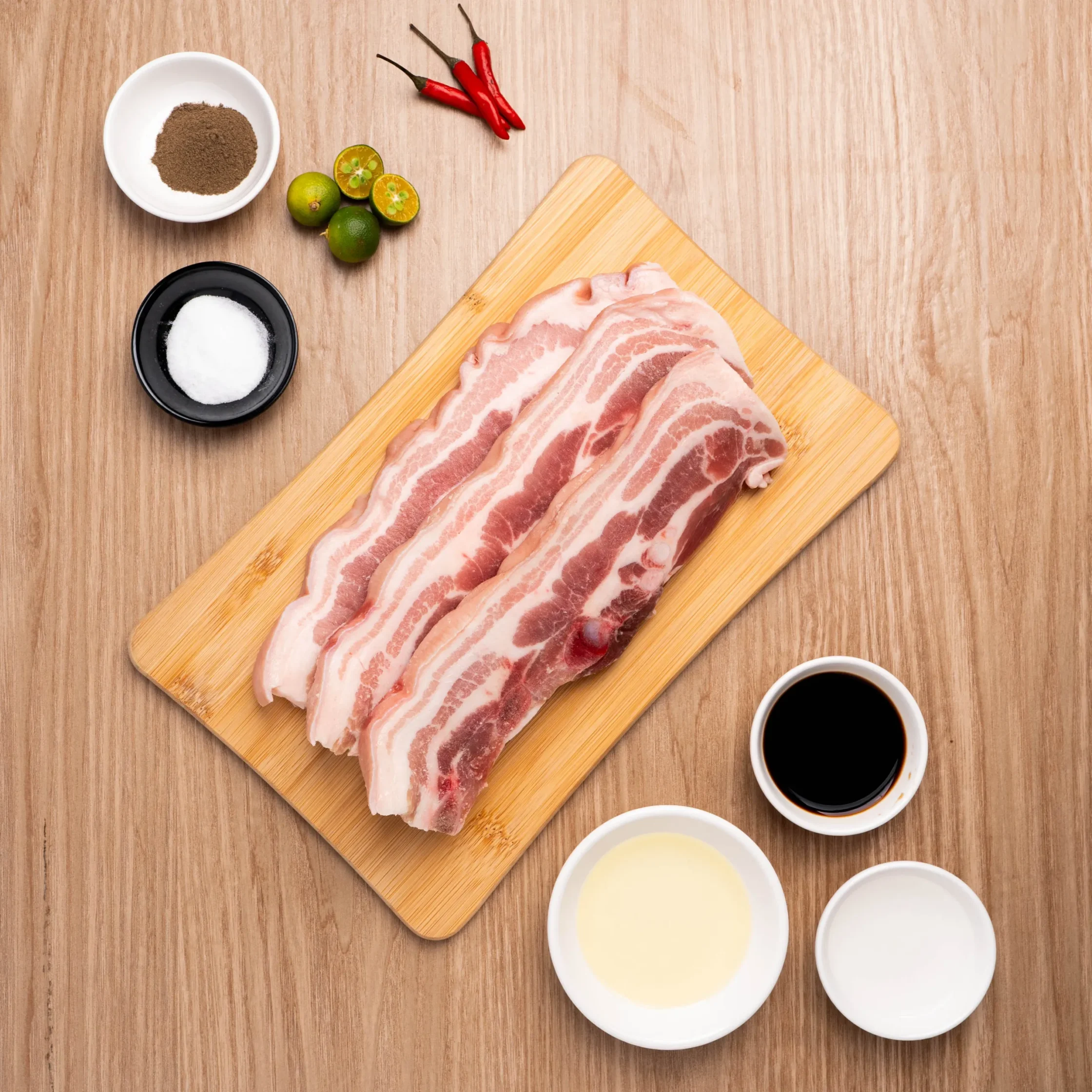
Pork liempo is pork belly, a cut known for its alternating layers of meat and fat. The fat is one of the reasons liempo works so well on a grill because it melts during cooking and helps produce a rich, juicy texture.
When buying pork liempo, look for pieces with a relatively even distribution of meat and fat. Extremely thick layers of fat can make the dish overly greasy, while very lean pork may become dry when grilled.
Soy Sauce
Soy sauce provides saltiness, umami, and a deep savory flavor. It is one of the main ingredients responsible for giving the pork its characteristic Filipino barbecue-style taste.
Because soy sauce is already salty, additional salt usually isn’t necessary in this recipe.
Vinegar
Vinegar provides acidity that balances the richness of the pork. Its sharp flavor also helps create the characteristic sweet-sour-savory balance associated with many Filipino dishes.
For this recipe, cane vinegar is an excellent choice, but other mild vinegars can also work.
Calamansi
Calamansi is one of the ingredients that gives the dish a distinctly Filipino character. It has a bright citrus flavor that is more aromatic and tangy than ordinary lime in many preparations.
The juice cuts through the richness of the pork and makes the marinade taste fresher.
Garlic
Garlic adds a savory aroma and depth to the marinade. As the pork cooks, the garlic flavors become more pronounced, especially when combined with the smoky heat of the grill.
Black Pepper
Ground black pepper provides mild heat and a warm, earthy flavor. Freshly ground pepper can be used if you want a stronger aroma.
Cooking Oil
A small amount of oil helps coat the pork and can contribute to better browning during grilling. It also helps prevent the meat from sticking excessively to the grill.
Recipe Tips for Better Inihaw na Liempo
Don’t rush the marinade
The marinade needs enough time to flavor the pork. A few minutes won’t give you the same depth as several hours of refrigeration.
Don’t grill directly over aggressive flames
A common mistake when grilling liempo is allowing the dripping fat to create large flames. This can burn the outside before the inside is properly cooked.
Move the pork between hotter and cooler areas of the grill as necessary.
Pat the pork before grilling
Excess marinade on the surface can drip and cause flare-ups. Letting the excess marinade drain before grilling also helps the pork brown more effectively.
Watch the garlic
Garlic gives the marinade wonderful flavor, but large pieces stuck to the surface of the pork can burn quickly. Brush off excessive pieces of garlic before placing the meat over very high heat.
Don’t cut the meat immediately
Allowing the cooked pork to rest for a few minutes helps retain its juices.
Use a meat thermometer when possible
Color alone isn’t always a reliable indicator of doneness. A food thermometer provides a more dependable way to check that pork has reached a safe internal temperature.
Ingredient Substitutions
If you don’t have calamansi
You can substitute lime juice. Lemon juice can also work, although its flavor will be slightly different.
If you don’t have cane vinegar
White vinegar can be used, but it tends to be sharper. Rice vinegar can provide a milder and slightly softer acidity.
If you want less sodium
Use a reduced-sodium soy sauce and avoid adding extra salt.
If you don’t eat pork
Chicken thighs can be used with the same general flavor profile. Keep in mind that cooking time will change depending on the size and thickness of the chicken.
If you want a sweeter version
Add a small amount of brown sugar, honey, or banana ketchup to the marinade. This will encourage more caramelization during grilling, so watch the meat carefully because sugary marinades can burn faster.
If you don’t have a charcoal grill
A gas grill, grill pan, or oven broiler can be used. However, charcoal provides the characteristic smoky flavor associated with traditional inihaw.
Health Benefits of the Ingredients
Inihaw na Liempo is a rich and satisfying dish, but because pork belly is relatively high in fat and calories, it is best enjoyed as part of a balanced meal.
Garlic
Garlic contains sulfur-containing compounds and antioxidant compounds. It is commonly included in healthy eating patterns and adds substantial flavor without needing large amounts of additional salt.
Calamansi
Calamansi contributes vitamin C and antioxidants. Its acidity also adds brightness to the dish without requiring a large amount of sauce.
Black Pepper
Black pepper contains a compound called piperine and provides flavor with very few calories. Using spices such as black pepper can help make food flavorful without relying entirely on additional salt.
Vinegar
Vinegar adds flavor and acidity while being relatively low in calories. It is particularly useful for balancing rich foods such as pork belly.
Pork
Pork provides protein as well as nutrients such as vitamin B12, zinc, selenium, and other B vitamins. However, pork belly contains considerably more fat than lean pork cuts, so portion size is worth considering.
A Balanced Way to Serve It
For a more balanced meal, pair the liempo with steamed rice and plenty of vegetables. Fresh tomatoes, cucumber, grilled eggplant, leafy vegetables, or atchara can provide freshness and fiber that complement the richness of the pork.
Food Knowledge: Why Does Grilled Liempo Taste So Good?
One of the reasons grilled liempo is so flavorful is the combination of fat, heat, browning, and smoke.
As pork belly cooks, some of its fat melts and coats the meat. At the same time, high heat causes browning reactions on the surface of the pork. These reactions create many of the roasted and savory aromas that we associate with grilled food.
Charcoal adds another layer of flavor. Smoke from the grill can settle on the surface of the meat, producing the unmistakable smoky aroma of traditional Filipino ihaw.
The acidity from vinegar and calamansi also plays an important role. Rich pork can feel heavy on the palate, but sour ingredients provide contrast and make each bite taste brighter.
This combination of rich, salty, sour, aromatic, and smoky flavors is one of the reasons Inihaw na Liempo remains such a beloved Filipino dish.
Proper Storage
Proper storage is important because cooked pork is perishable.
Raw Marinated Pork
Keep the pork refrigerated while it is marinating. Do not leave raw pork sitting at room temperature for extended periods.
If you are not planning to cook it soon, freezing the marinated pork is an option. Place it in a well-sealed, freezer-safe container or bag to prevent leaks and freezer burn.
Cooked Liempo
After cooking, place leftovers in a clean, airtight container and refrigerate them within about 2 hours. If the surrounding temperature is very hot, refrigerate them sooner.
Cooked pork leftovers are generally best consumed within 3 to 4 days when properly refrigerated.
Freezing Cooked Liempo
Cooked liempo can also be frozen. Divide it into meal-sized portions and place it in airtight freezer-safe packaging.
For the best quality, use frozen cooked pork within a few months. The food may remain safe longer when continuously frozen, but quality can decline over time.
When reheating, make sure the pork is heated thoroughly.
Storing the Dipping Sauce
Store leftover dipping sauce in a clean, covered container in the refrigerator.
Because this sauce contains fresh calamansi and chili, its flavor and freshness are best when consumed relatively soon rather than stored for a long period.
Do not reuse dipping sauce that has already been in contact with cooked or raw meat.
Final Words
Inihaw na Liempo is a wonderful example of how simple ingredients can create an unforgettable meal. You don’t need a long list of complicated ingredients to make something delicious. Soy sauce, vinegar, calamansi, garlic, pepper, and good-quality pork are enough to create a dish full of bold Filipino flavors.
What makes the dish even more special is the cooking experience itself. Grilling liempo is not simply about preparing food; it is often about gathering around the grill, sharing stories, waiting for the meat to develop those beautifully charred edges, and finally sitting down together with a plate of hot rice and freshly grilled pork.
The smoky aroma, crisp edges, juicy meat, and sharp calamansi-vinegar dipping sauce make every bite satisfying. Whether you’re preparing it for a family weekend meal or serving it at a celebration, Inihaw na Liempo has the ability to turn an ordinary gathering into something memorable.
So fire up the grill, prepare your marinade, and let the aroma of Filipino-style grilled pork fill the air. Inihaw na Liempo is simple, hearty, flavorful, and proudly Filipino—a dish meant to be enjoyed not only with good food, but also with good company.