

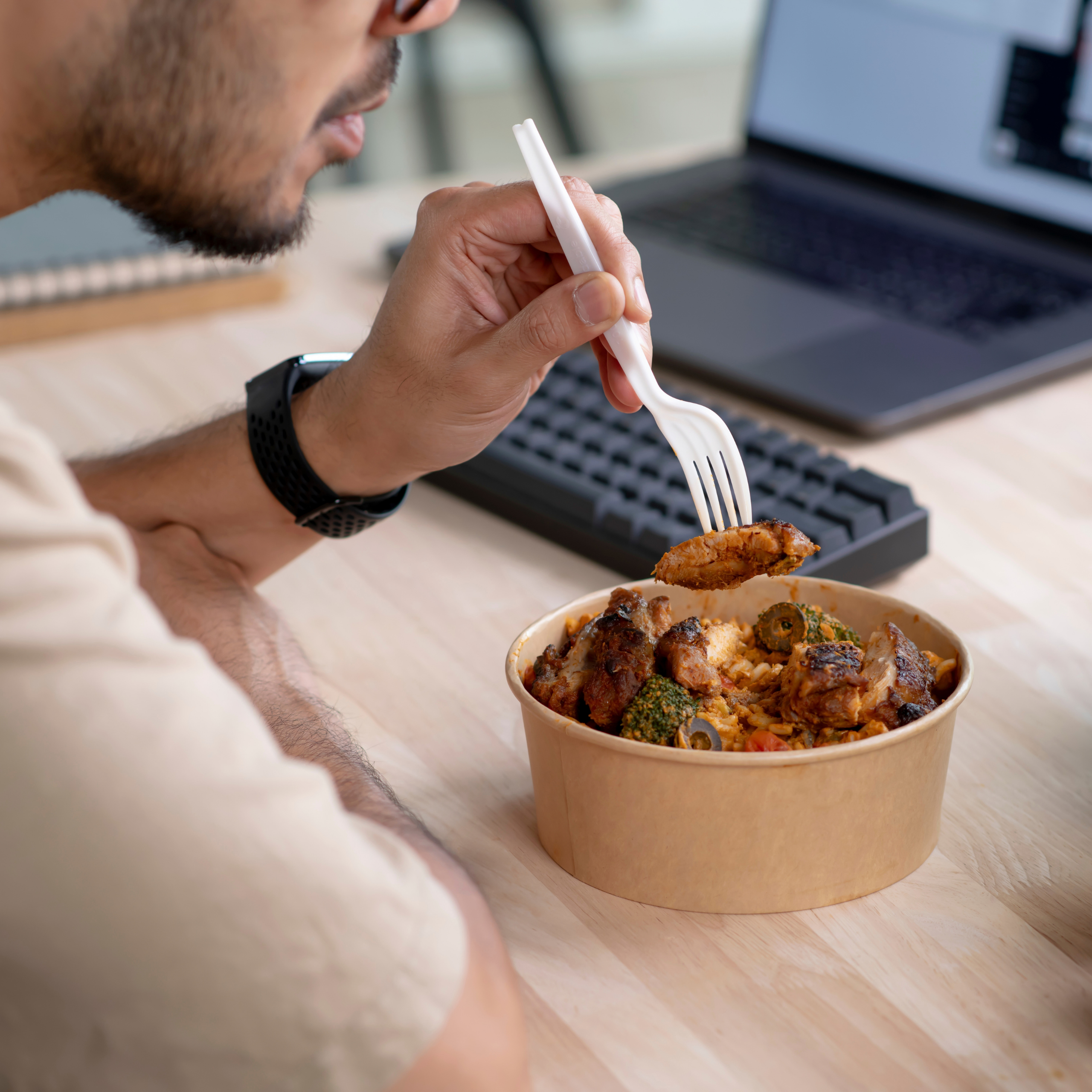
Baon can look like many things for different people. It can look like an allowance or some biscuits, but more often than not, it’s a packed meal you bring with you to school, work, or a trip.
I’m lucky I get to work at a job where we work with food. But for the average working Filipino, having baon at work is a necessity. So when it comes to planning on what to cook ahead of time in order for that to be possible, there’s a lot to take into account.
1. Plan your cooking days around your work schedule
Cooking meals from scratch for lunch every day is a practice not everyone is able to keep up with. Even eating out every lunch break may not be feasible for some.
So if you do want to start cooking and preparing your own baon, it’s a good starting point to plan which days you will be cooking around your working days. This is just to keep the expectations for yourself at a reasonable level and to make the task of cooking and feeding yourself feel more doable.
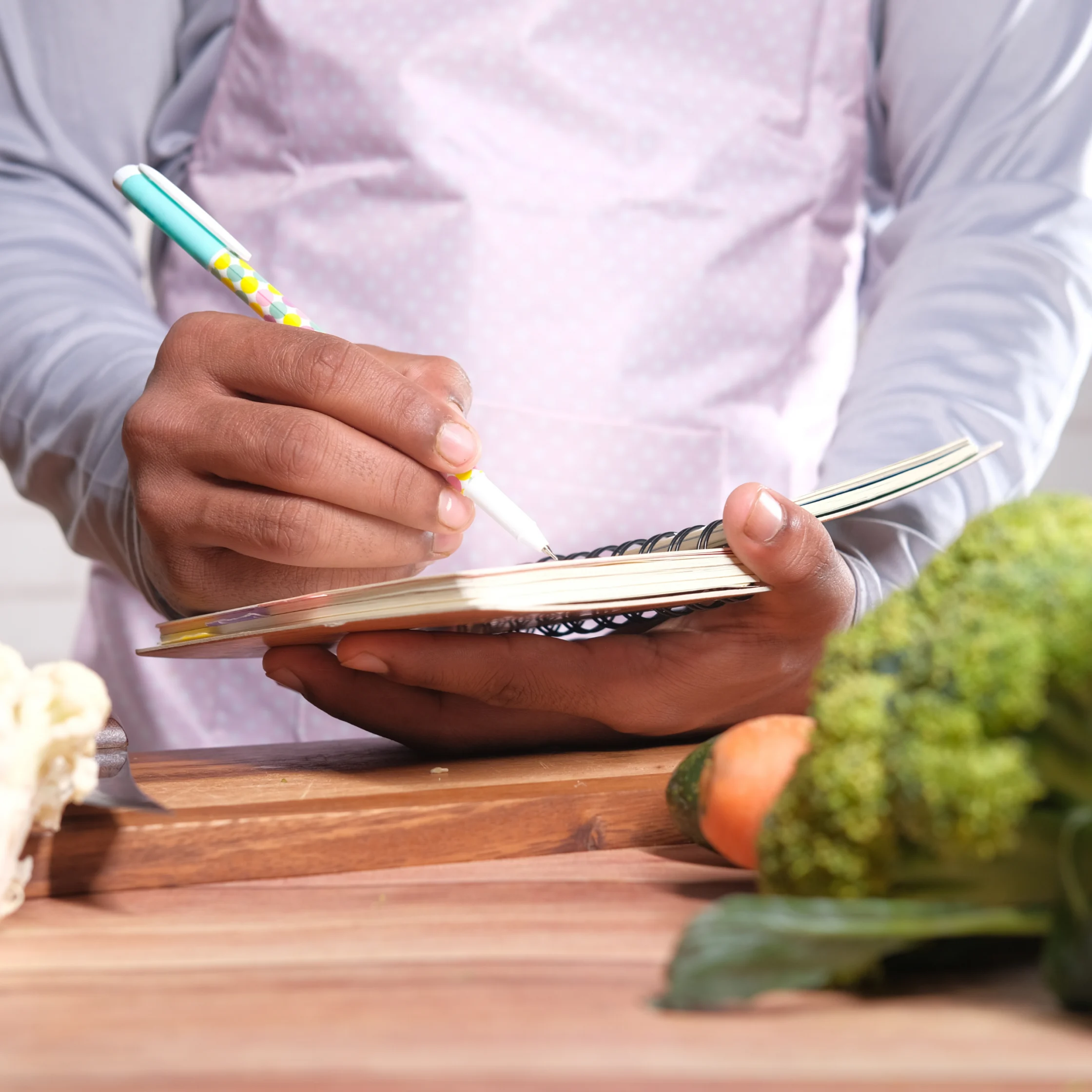
You can consider distributing cooking between days you’re working from home and the weekend. This can look like making a bigger batch of your dinner on your work-from-home days and to purposefully make leftovers to bring with you to work for the next day or so.
If you’re working 5 days a week, cooking during the weekend is your best option. You can try planning out what to cook for the week and buying any necessary ingredients on Saturday and cooking and portioning out everything on Sunday.
2. Choose meals that are good even after reheating
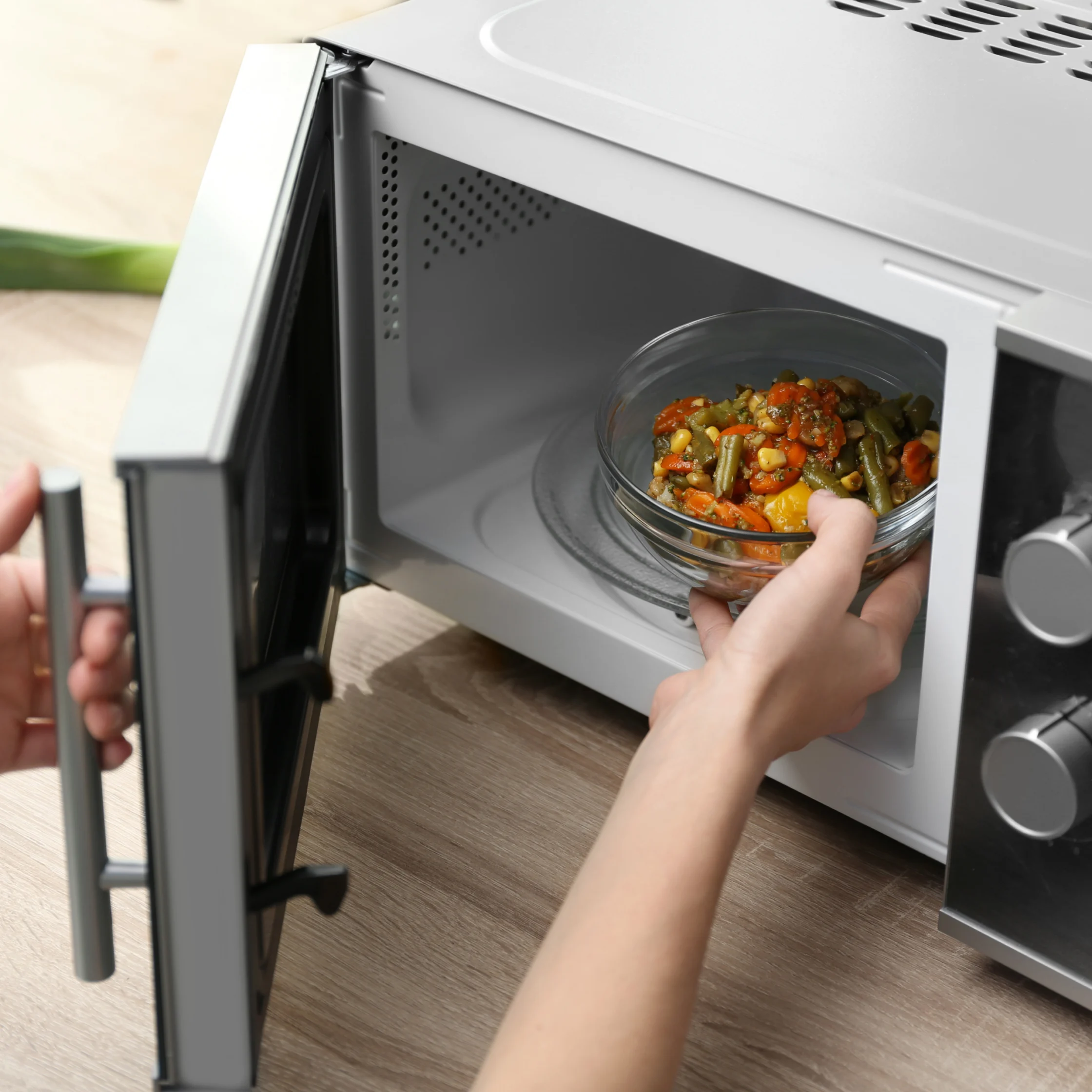
Consider which foods will still be good even after transporting and reheating them. For example, microwaving pork chops that have already been cooked ahead will draw out all the moisture, leaving it too dry and unappetizing by Thursday.
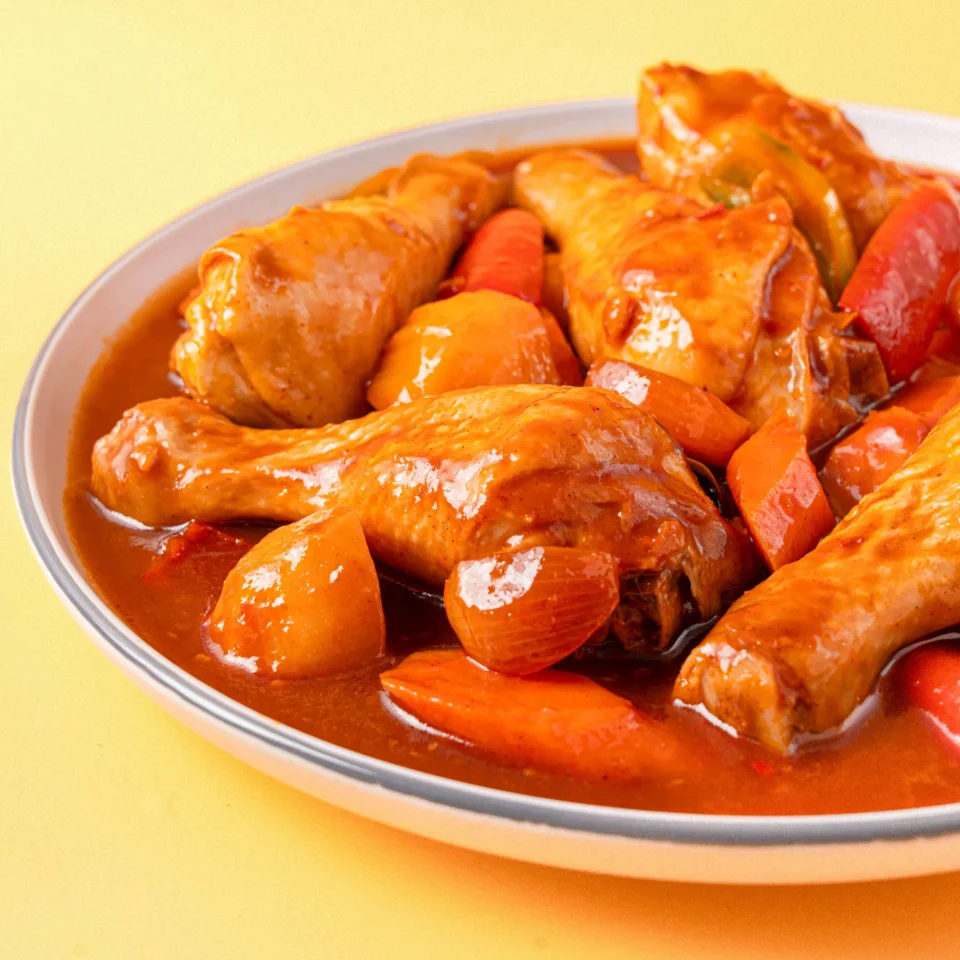
Consider making dishes like pork adobo, pork stews, or paksiw na baboy as they are already marinated and coated in sauces, making them more ideal for reheating.
3. Store your food properly to make them last
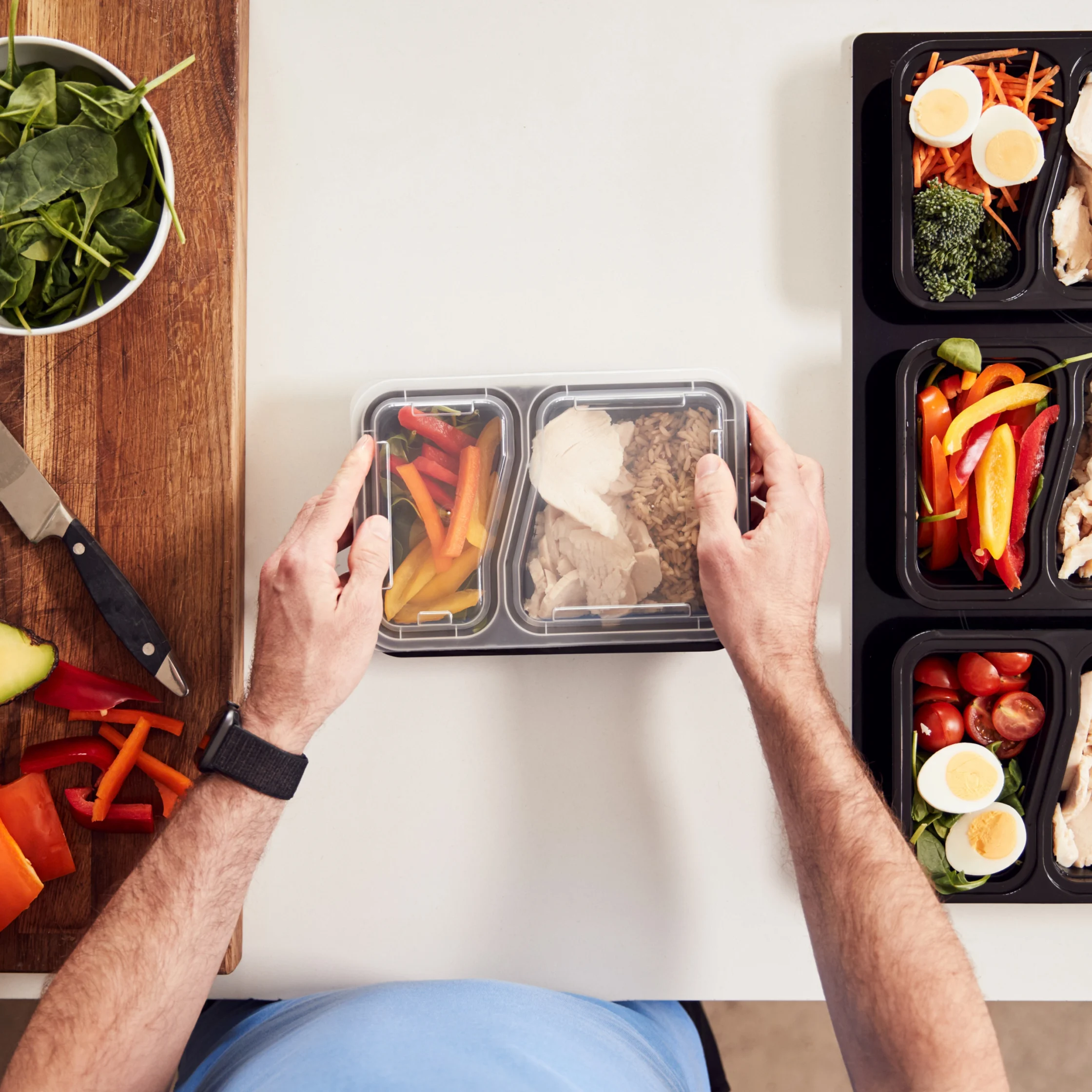
Properly storing your baon for the week isn’t just about using microwavable, airtight containers or making sure they don’t spill into your bag on your way to work.
Even before cooking everything, the shelf life of certain ingredients and specific meals is something you should already be taking into account in your planning phase. Roasted, braised, or any slow-cooked dishes as well as stews can last long in the fridge, making them still okay to bring to work later in the week. But for pan-fried or stir-fried food, it’s best to reserve them as your lunch for the next day or just earlier in the week in general.
One thing you should never do is to store food in the refrigerator that is still hot. This can speed up the spoilage process, making your meal prep all for nothing. After portioning them out in their respective containers, leave them out to cool down first before putting them in the fridge.
4. Pack your sauces separately
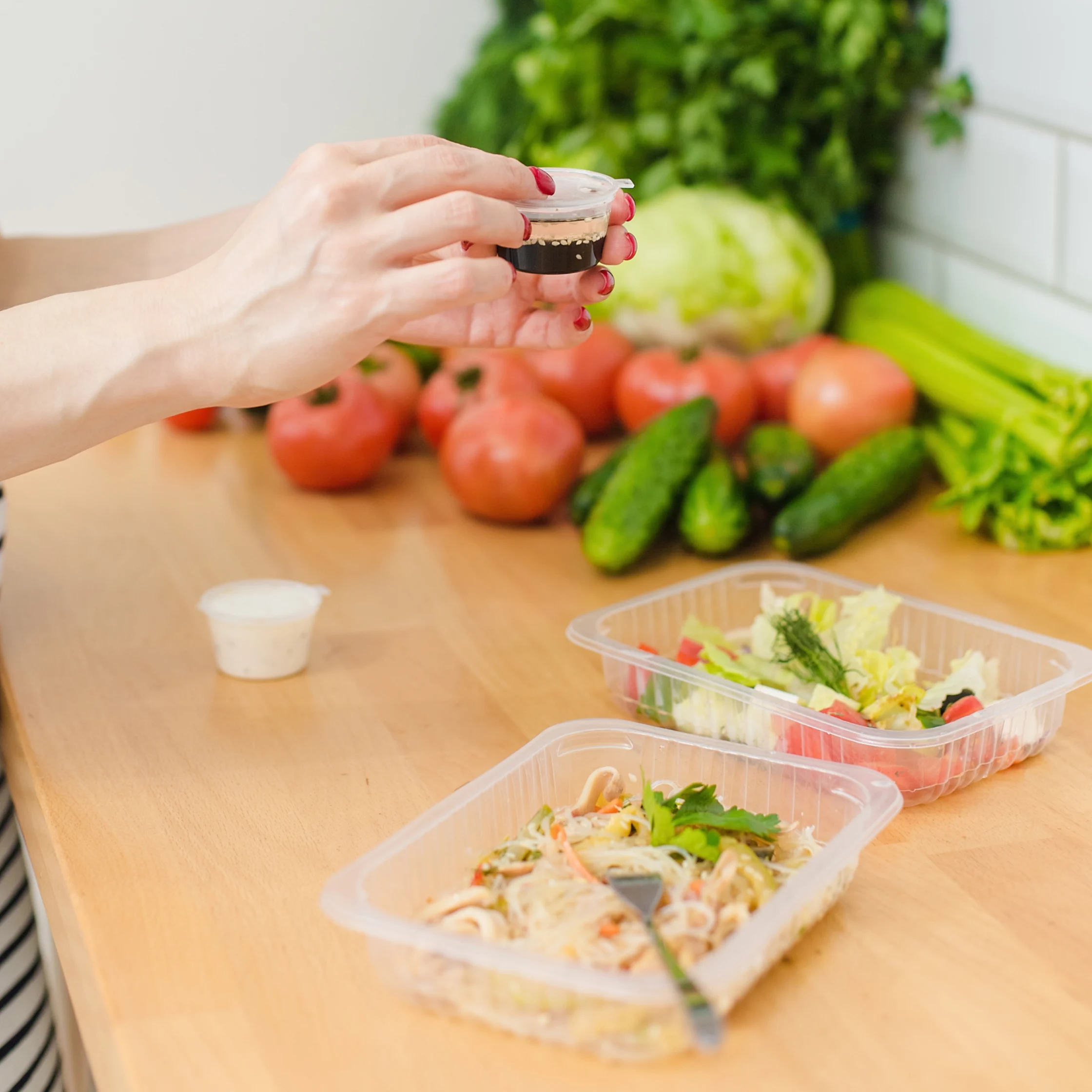
This does not include any dishes that have soups and sauces already incorporated into the dish. This tip is more about dressings, salsas, or any other wet condiments as part of your baon. It’s best to store them in a separate smaller container, making sure they don’t spill on your way to work, and adding them in right before you eat.
If you have raw vegetables like in a salad or anything crunchy like fried food, this is so that they don’t get soggy or mushy. If you add sauces with high acidity like vinaigrettes, they could affect more delicate foods like veggies and seafood. Even adding dairy or mayonnaise based sauces too soon can affect their overall texture as they become thick and gelatinous after being left in a cold container.
5. Account for variety in your meals
The worst thing to happen would be to bring food to work that you don’t even want to eat anymore.
In planning what foods you meal prep, you can consider what you actually like to eat even when given limited choices. Deciding this can actually also dictate what your approach to cooking looks like. Do you prefer cooking in big batches of certain dishes or cooking individual components?
Some people know they like eating dishes like adobo, menudo, or pinoy curry for their lunch. And so they are incentivized to cook big batches of their favorite viands and will portion them out with rice to bring with them to work every day for the week.
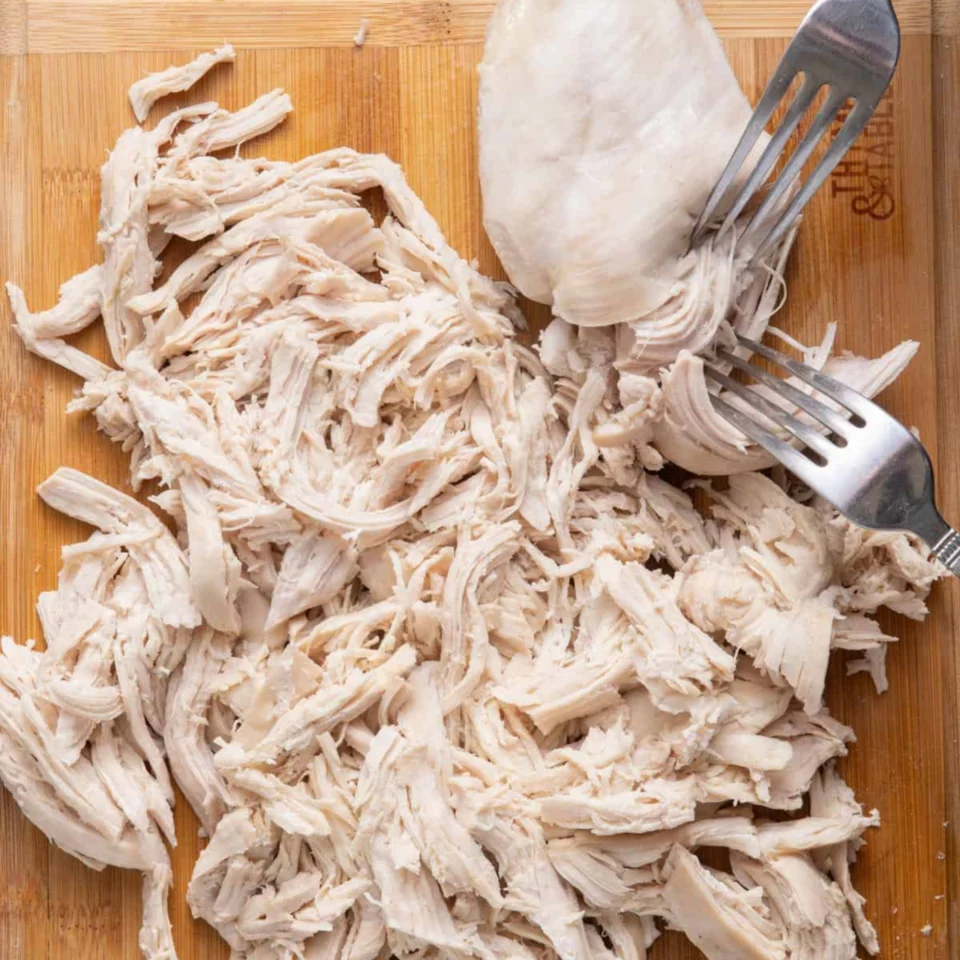
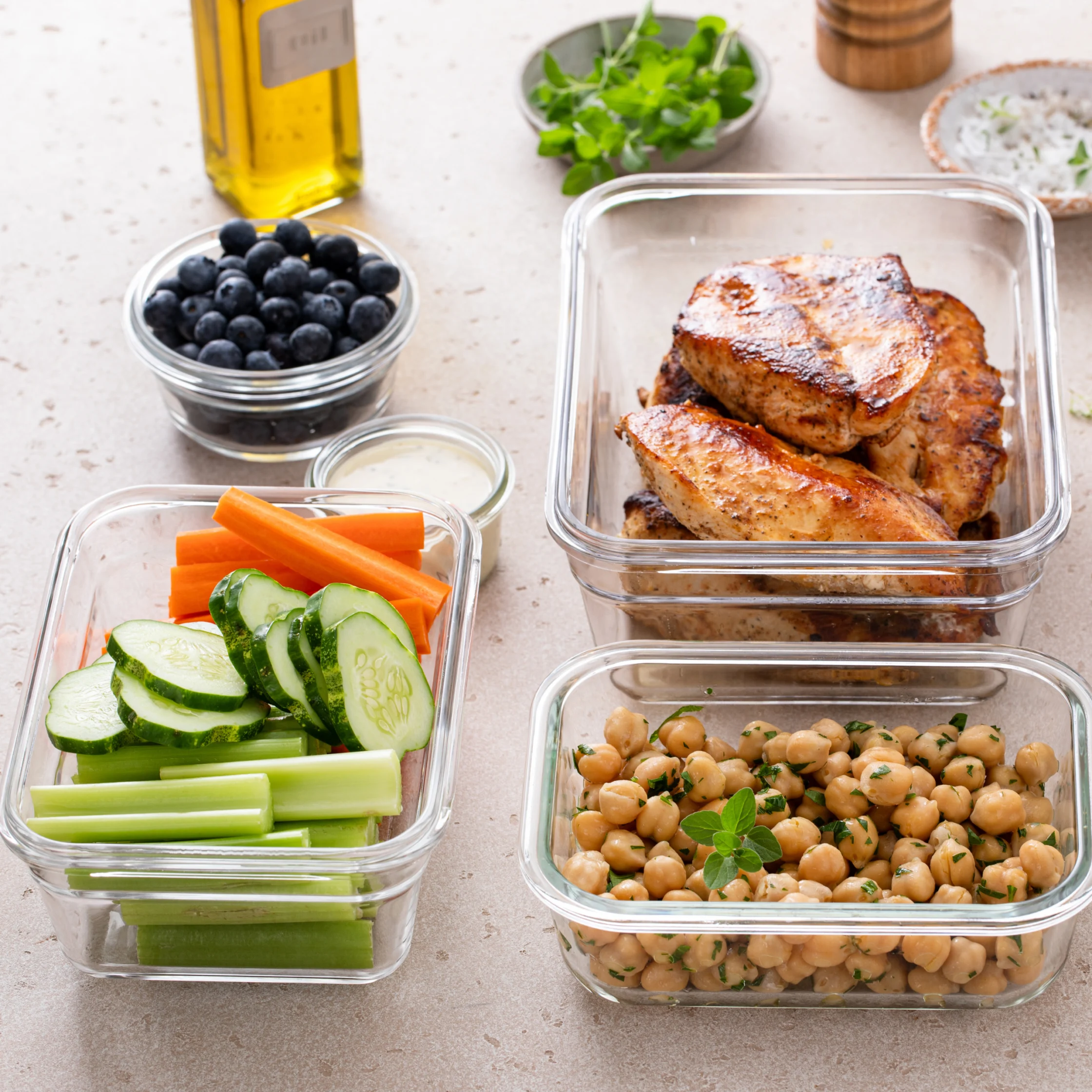
But there are also people who might get bored of that set up very easily. Another option is to cook batches of specific components of which you can combine however you like to make full meals. You can big batches of rice, cabbage, broccoli, ginisang monggo, chicken breast, greens for a salad, beef tapa or really whatever you want and mix and match each and every container so that you give yourself the chance to choose which combination you’d be in the mood to eat before heading to work.
It’s a matter of deciding which one fits you better. It’s not even that you have to choose one over the other, you can combine them depending on your budget for that week or what was available during your grocery runs.
6. Balance between eating healthy and eating what you want
In choosing what dishes to meal prep for your baon, it should be a good balance of what is relatively healthy and what you actually enjoy eating.
I personally subscribe to one of Kylie Sakaida’s key cooking tips: to think about what you can add to your meal rather than what to subtract from it.
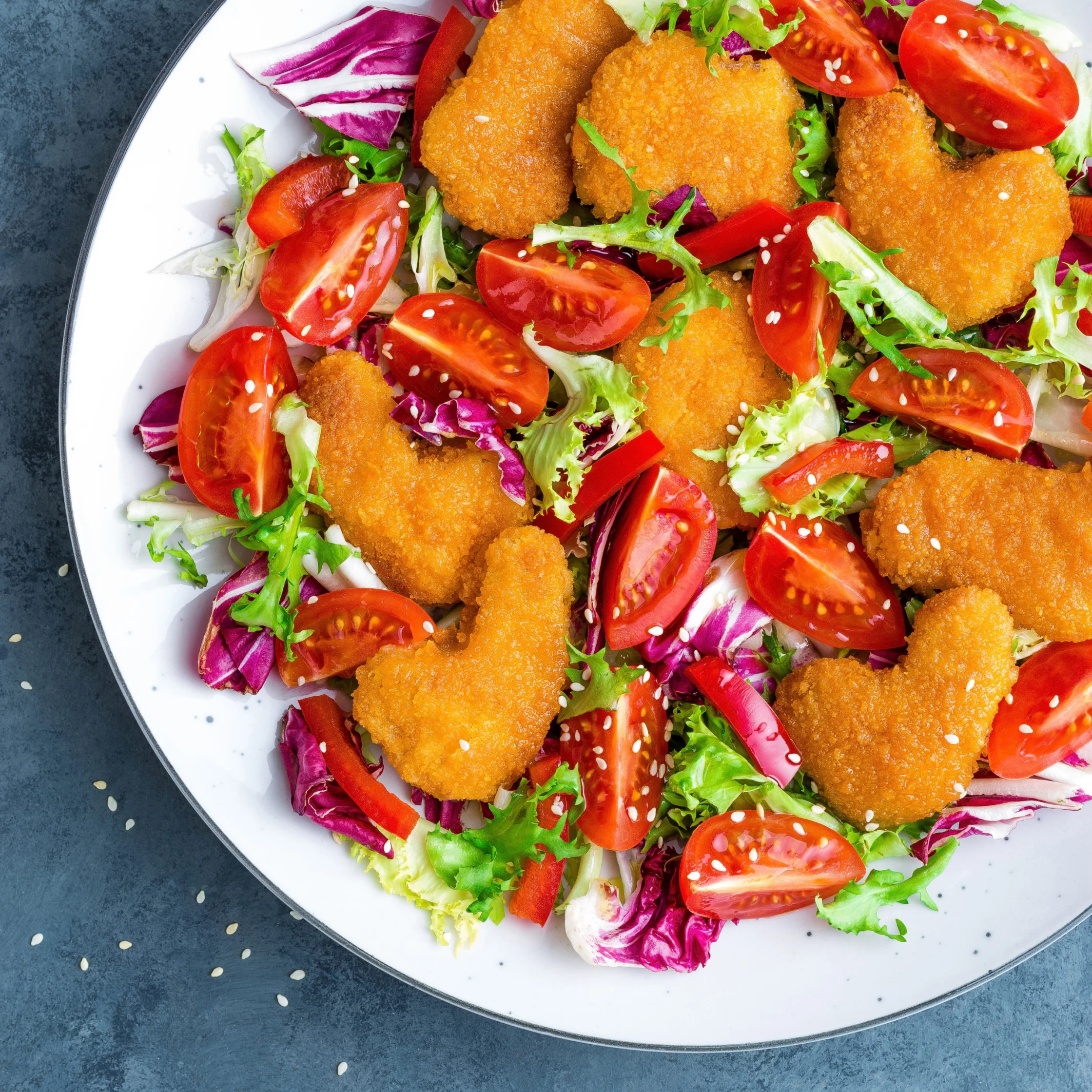
If you really want to eat chicken nuggets for your lunch, go for it! Make it into a burrito with a lot of vegetables and a good sauce. Chop them up and make it your main protein in a bigger salad.
There are ways to prepare good and nutritious meals for yourself to bring to work that still include all of the foods you love eating.
I don’t think it’s an exaggeration to say that meal prepping is not for the faint of heart. It’s a lot of planning, budgeting, coordination, and time management.
I have personal memories from the pandemic of watching my mom doing her best to meal prep what we’d eat for breakfast and lunch because we were all too busy either with online class or online work setups to cook every single day. So, I hope at least some of these tips will help figure out how to make meal prepping easier and more doable.
Above all that cognitive work should be the foundation of understanding what you actually eat and which cooking habits work best for you and your household.

Frequently Asked Questions
Baon is the Filipino term for any packed meal, snack, or even allowance one brings to work, school, or on a trip.
Consider what foods are still good even after reheating them, how long or short their shelf lives are, and what you actually want to eat!
Roasted, braised, or any slow-cooked dishes as well as stews, if stored properly, can last long in the fridge and are still good after being reheated, while pan-fried or stir-fried foods should be consumed earlier in the week.
If you have a work-from-home setup, you can consider cooking batches of food on those days alongside your weekends. But if you work 5 days a week, your best option is to cook during the weekend.
After cooking everything and portioning them out into their respective containers, leave them out to cool down first before storing them in the fridge.
Make sure to use microwaveable and, if possible, airtight containers.
If your baon has any dressings, salsas, or any other wet components, pack them in a separate smaller container and just add them when you’re about to eat.
The best way to not get bored of your meals is to factor in having a variety of foods based on what you want to eat.
If you know you like specific dishes like adobo or menudo, you can cook big batches of them along with rice and portion them out accordingly.
If that setup doesn’t work for you, try cooking batches of specific components of which you can combine however you like to make full meals.