


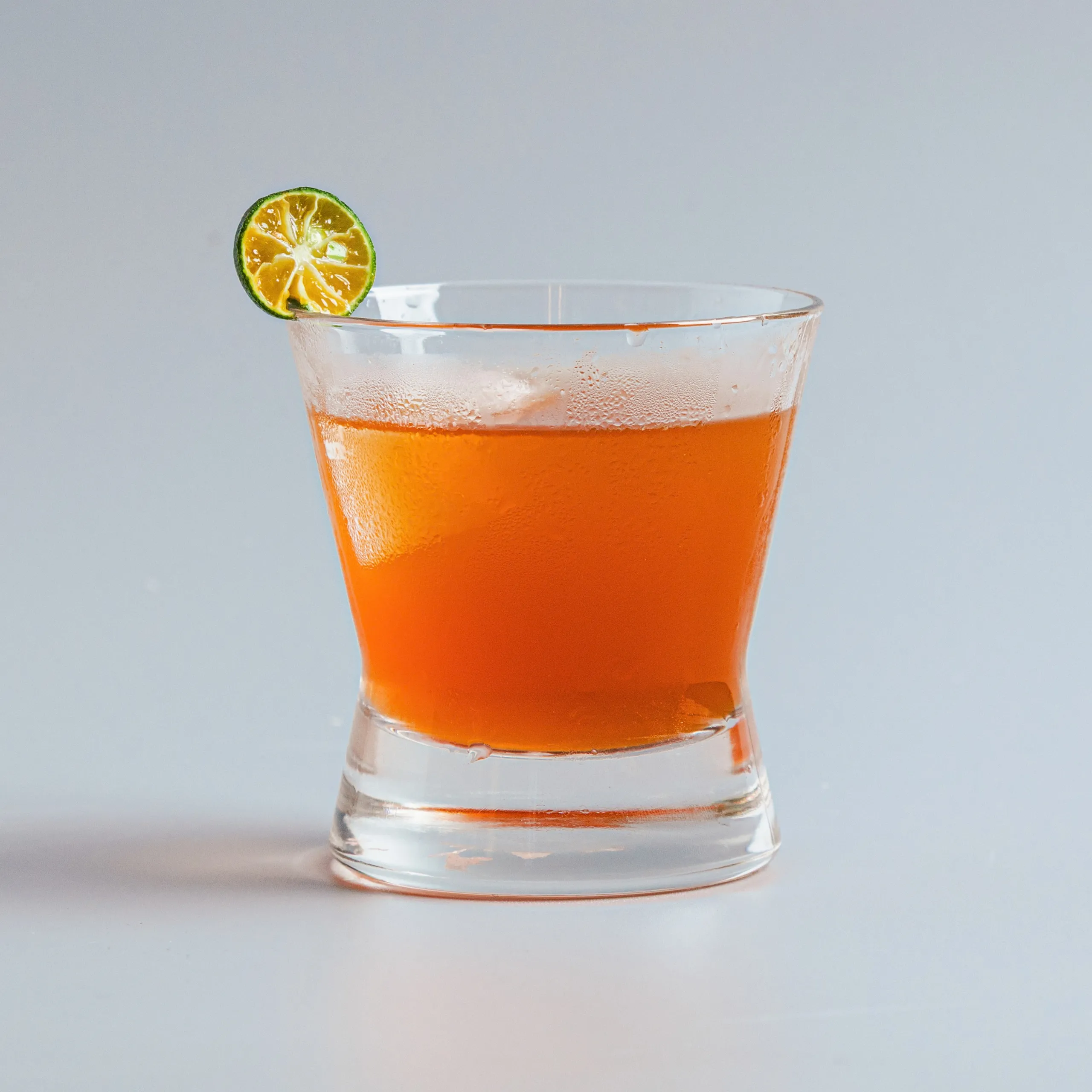
There is something special about the bright, unmistakable aroma of freshly squeezed dalandan. It reminds many Filipinos of warm afternoons, backyard fruit trees, simple merienda, and the abundance of citrus that grows so naturally in the Philippines. Dalandan has a refreshing sweetness and gentle tartness that makes it an excellent ingredient not only for juices and desserts, but also for cocktails.
The Dalandan Negroni brings that familiar Filipino citrus character into one of the world’s most recognizable classic cocktails. It takes the bittersweet personality of a traditional Negroni and adds fresh dalandan juice for a distinctly tropical and locally inspired twist.
The result is a drink that feels both familiar and new. The gin provides botanical notes, Campari contributes its characteristic bitterness and ruby-red color, sweet vermouth adds richness and sweetness, while fresh dalandan juice brightens everything with its citrusy acidity and fragrance.
It is a cocktail that works particularly well when you want something sophisticated without making it feel overly formal. Whether served at a dinner party, a weekend gathering, or a quiet evening at home, the Dalandan Negroni gives a classic drink a distinctly Filipino personality.
A Short History of the Negroni
The Negroni is traditionally made with equal parts gin, Campari, and sweet vermouth. Its origins are generally associated with Italy in the early 20th century and are commonly connected to Count Camillo Negroni, who is said to have requested gin in place of soda water in an Americano cocktail.
The exact historical details surrounding the drink have been debated, but the Negroni eventually became established as a classic combination of gin, bitter liqueur, and sweet vermouth.
Its popularity comes partly from its balance. It is bitter, sweet, herbal, aromatic, and strong at the same time. Unlike many fruit-forward cocktails, the classic Negroni is not designed to hide the character of its alcoholic ingredients.
Modern bartenders have created countless variations by changing the base spirit, bitter component, vermouth, or adding fruits and other ingredients. The Dalandan Negroni belongs to this tradition of experimentation.
Instead of simply reproducing the classic formula, it introduces fresh dalandan juice to give the drink a Philippine citrus identity.
What Is Dalandan?
Dalandan is a Philippine citrus fruit commonly associated with the species Citrus aurantium in Philippine food references. It is sometimes compared with oranges or other sour-sweet citrus fruits, although its flavor has its own character.
Depending on the fruit and growing conditions, dalandan can have a fragrant citrus aroma, moderate acidity, and a sweetness that makes it pleasant for juicing.
Fresh dalandan is particularly useful in drinks because its juice provides both acidity and aroma. The freshly squeezed juice can taste considerably more vibrant than bottled citrus juice.
For this cocktail, fresh dalandan is preferable because the juice is one of the main ingredients rather than merely a garnish.
Optional Garnish
You can finish the cocktail with:
- A thin dalandan peel
- A small dalandan wedge
- A dehydrated citrus wheel
- A thin orange or calamansi peel
The garnish is optional, but citrus peel can add an extra layer of aroma because the oils in the peel are released when expressed over the drink.
Why These Ingredients Work Together
Gin
Gin supplies the cocktail’s botanical backbone. Depending on the gin you choose, you may notice juniper, citrus, herbs, spices, or floral notes.
A classic London Dry-style gin works particularly well if you want the cocktail to retain a recognizable Negroni character.
Campari
Campari provides the drink’s signature bitterness, color, and herbal-citrus character. It is an important part of the Negroni’s identity.
Because dalandan adds sweetness and acidity, it can soften the perception of Campari’s bitterness without eliminating it.
Sweet Vermouth
Sweet vermouth adds sweetness, herbal complexity, and body. It helps connect the sharper citrus and bitter Campari with the botanical character of the gin.
Fresh Dalandan Juice
This is the ingredient that makes the cocktail distinctly different from a traditional Negroni.
Dalandan introduces acidity, fresh citrus aroma, and natural fruit flavor. It also makes the cocktail feel brighter and more refreshing.
Ice
Ice is not simply there to make the drink cold. Stirring the ingredients with ice also introduces a controlled amount of dilution.
That dilution is important because the cocktail contains several strong ingredients. Proper chilling and dilution can make the drink smoother and more balanced.
Recipe Tips for a Better Dalandan Negroni
Use Fresh Dalandan Whenever Possible
The citrus is one of the defining characteristics of this variation, so freshly squeezed juice makes a noticeable difference.
Bottled juice can work in a pinch, but it may lack the aroma and freshness of recently squeezed fruit.
Taste Your Dalandan First
Not every dalandan will have exactly the same balance of sweetness and acidity.
If your fruit is particularly sour, you may want to slightly increase the vermouth or add a very small amount of simple syrup.
If it is exceptionally sweet, the existing recipe may already be well balanced.
Don’t Skip Dilution
A common mistake with spirit-forward cocktails is assuming that less dilution automatically means a stronger or better drink.
The water introduced by stirring with ice is part of the recipe. It helps integrate the ingredients and reduce the harshness of the alcohol.
Keep the Vermouth Fresh
Sweet vermouth is a fortified wine, not a shelf-stable spirit like gin. Once opened, its flavor can gradually deteriorate.
Store opened vermouth properly and follow the manufacturer’s storage recommendations.
Adjust the Bitterness
If you are new to Negronis, the bitterness of Campari may initially seem strong.
You can make the drink more approachable by increasing the citrus component slightly or reducing the Campari.
However, changing the proportions means you are creating a variation rather than following the recipe exactly.
Ingredient Substitutions
No Dalandan?
You can substitute another fresh citrus juice.
Possible alternatives include:
- Orange juice for a sweeter, rounder cocktail
- Calamansi juice for a sharper Filipino citrus profile
- Mandarin juice for a softer and sweeter flavor
- Tangerine juice for a fragrant citrus character
- A combination of orange and calamansi for a balanced sweet-tart profile
Keep in mind that these substitutions will change the final flavor.
No Sweet Vermouth?
A different sweet vermouth can be used, although each brand has its own flavor profile.
Avoid assuming that dry vermouth is an equal substitute because it will significantly change the sweetness and character of the drink.
Different Gin?
Absolutely. A citrus-forward gin can emphasize the dalandan, while a strongly juniper-driven gin will create a more traditional Negroni character.
A floral gin can make the cocktail more aromatic.
Recipe Variations
Sweeter Dalandan Negroni
If your dalandan is especially tart, add a small amount of simple syrup.
Start with about 5 ml, stir, and taste.
More Citrus-Forward Version
Increase the dalandan juice slightly if you want a brighter, fruitier drink.
Remember that adding more juice also changes the drink’s strength and balance.
Sparkling Dalandan Negroni
For a lighter variation, prepare the cocktail as usual and add a small splash of chilled soda water before serving.
This creates a longer, more refreshing drink.
Dalandan Negroni Spritz
You can also top a prepared Dalandan Negroni with sparkling wine for a spritz-inspired variation. The additional carbonation makes the cocktail lighter and more celebratory.
Food Knowledge: What Makes This Cocktail Interesting?
The Dalandan Negroni is an interesting example of how a classic international cocktail can be adapted using a locally familiar ingredient.
The basic structure remains recognizable: spirit, bitter liqueur, fortified wine, and dilution. The dalandan doesn’t completely replace the identity of the Negroni; instead, it adds another layer.
There is also an interesting contrast between bitterness and acidity.
Bitterness from Campari gives the drink depth, while the acidity of dalandan provides brightness. Sweet vermouth bridges the two by contributing sweetness and herbal complexity.
This is one reason citrus works so well in cocktails: acidity can make a drink feel livelier and can help balance sweetness and bitterness.
Health and Nutrition Notes
Because this is an alcoholic cocktail, it should be enjoyed responsibly. It is not considered a health drink.
Dalandan itself is a citrus fruit and naturally provides vitamin C and other plant compounds. However, the amount of dalandan juice in a single cocktail is relatively small, and the presence of alcohol means the drink should not be consumed primarily for nutritional benefits.
The fresh fruit does provide some nutritional value, but those benefits do not cancel out the risks associated with alcohol consumption.
For people who avoid alcohol, a non-alcoholic citrus drink can provide the refreshing qualities of dalandan without the alcohol.
How to Store the Ingredients
Dalandan
Whole dalandan can generally be kept at room temperature for a short period, provided it is stored in a cool, dry location away from direct sunlight.
For longer storage, refrigeration can help extend its usable life.
Fresh Dalandan Juice
Freshly squeezed dalandan juice is best used soon after preparation.
If you need to store it, place it in a clean, sealed container and refrigerate it. Minimize the amount of empty space in the container to reduce exposure to air.
For longer storage, you can freeze measured portions of the juice in a freezer-safe container or ice cube tray.
Gin
Keep gin tightly sealed in a cool location away from direct sunlight and excessive heat.
Campari
Store it according to the manufacturer’s instructions, keeping the bottle properly sealed when not in use.
Sweet Vermouth
Sweet vermouth deserves special attention because it is wine-based.
After opening, refrigeration is generally recommended to help preserve its quality. Use the manufacturer’s storage guidance if it specifies otherwise.
Can You Make This Cocktail Ahead?
The cocktail can technically be mixed ahead of time, but fresh citrus generally tastes best relatively soon after preparation.
If preparing for a gathering, you can pre-measure the gin, Campari, vermouth, and dalandan juice and keep the mixture refrigerated.
When serving, stir the mixture with fresh ice to provide the apropriate chilling and dilution.
Avoid leaving a fully prepared cocktail sitting at room temperature for an extended period.
Common Mistakes to Avoid
- Using old or oxidized citrus juice
- Using warm ingredients and insufficient ice
- Over-diluting the cocktail
- Under-diluting it and serving it overly harsh
- Using stale sweet vermouth
- Adding too much sweetener
- Forgetting that different dalandan fruits have different acidity levels
- Using a heavily flavored garnish that overwhelms the cocktail
Final Words
The Dalandan Negroni is more than simply a Negroni with fruit juice added. It is an example of how familiar local ingredients can give a classic recipe a new identity.
The bitter Campari, botanical gin, and rich sweet vermouth create the foundation, while fresh dalandan brings brightness, acidity, fragrance, and a distinctly Filipino touch.
What makes the recipe especially enjoyable is that it doesn’t require complicated techniques or hard-to-find ingredients. With good-quality spirits, fresh dalandan, plenty of ice, and a little attention to balance, you can create a cocktail that feels sophisticated while remaining approachable.
If you enjoy experimenting with Filipino flavors, this is a wonderful place to start. The next time you have fresh dalandan available, instead of thinking of it only as a juice fruit, consider giving it a place behind the bar. Its bright citrus character can turn a familiar classic into something that feels wonderfully local and personal.
As always with alcoholic drinks, enjoy the Dalandan Negroni responsibly and in moderation.