

There is far more to honey than being sweet, especially when it’s stingless bee honey (also called Kiwot honey) that’s the subject of discussion. The rare honey has long been prized for its health benefits, but it’s slowly making waves in the food world as well with its distinct, complex taste with varied flavor notes and a notable tanginess, especially compared to its conventional counterparts.
Helping pave the way for the movement in the Philippines is Kaya Kusina, an independent venture by two food enthusiasts who immersed themselves into the world of the stingless bee honeys in the Philippines, and are now sharing the knowledge they’d gained (and honeys they’d tried) through talks and tasting sessions.
How Kaya Kusina Is Bringing Philippine Stingless Bee Honey to a Wider Audience
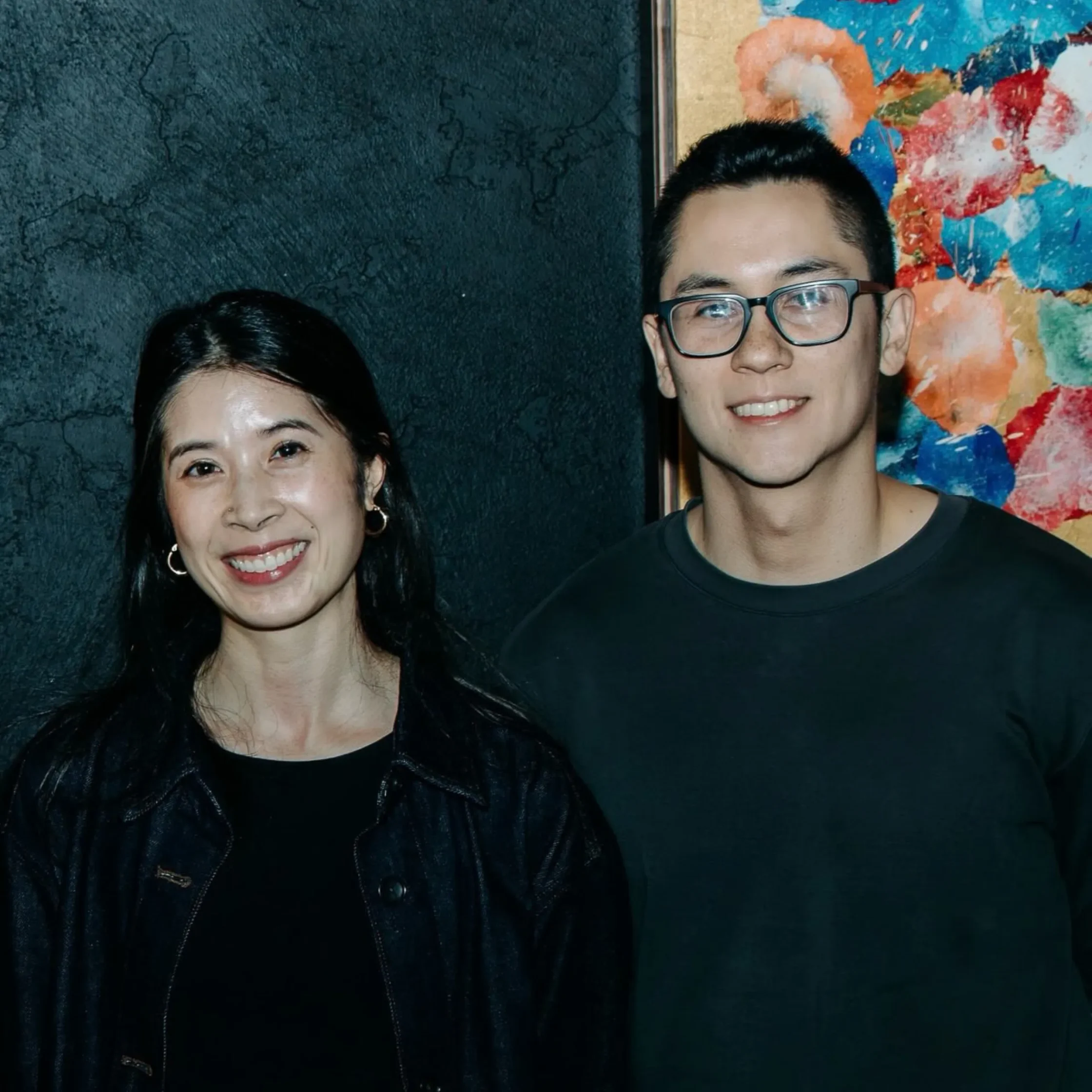
Behind Kaya Kusina are Jessica Hernandez and Val Anthony Alvero, two Filipino-Americans with quite different backgrounds—Jessica was a night shift nurse, Val was in enterprise software development—who were united by the love of food among other shared interests. Jessica had also delved into food writing with her Substack called Meryenda and spent a year in the Philippines from 2022 to 2023, working with Slow Food to document local ingredients.
It was at Madhu Duniya, a honey conference Jess attended in Ha Noi in 2023, that she first came across the concept of stingless bee honey. She encountered all sorts of honey from different parts of the continent—Vietnam, Thailand, Laos, India—and brought home a couple of varieties to bring back home to the U.S. (where she and Val were living at the time).
Of the honeys Jessica had brought home, the one that caught their attention the most was a stingless bee honey from Thailand. “I was really into food as a hobby. I tried a lot of expensive vinegars from Japan that I was really into at that time,” she explains. “And so, when I tried the [stingless bee] honey, I was like, oh, this has even more potential. Because it has the same level of complexity as Japanese vinegars… [but with] sweetness, so it could take more roles, potentially.”
This discovery, plus Jess’ experiences writing about and exploring Philippine ingredients and the pair’s backgrounds as Filipino-Americans, all came together and sparked an idea: to do sourcing in the in the Philippines, first focusing on stingless bee honey.
Why Philippine Stingless Bee Honey Is Finally Getting Its Moment
There hadn’t been much awareness previously about stingless bee honey in the culinary scene. It’s been around for a while, alright, but was more commonly used for medicinal purposes—not so much for its taste. And while it does obviously come from bees, stingless bee honey technically doesn’t fit the standard of honey per Codex Alimentarius, as it has a higher moisture content and different sugar content than what the definition calls for.
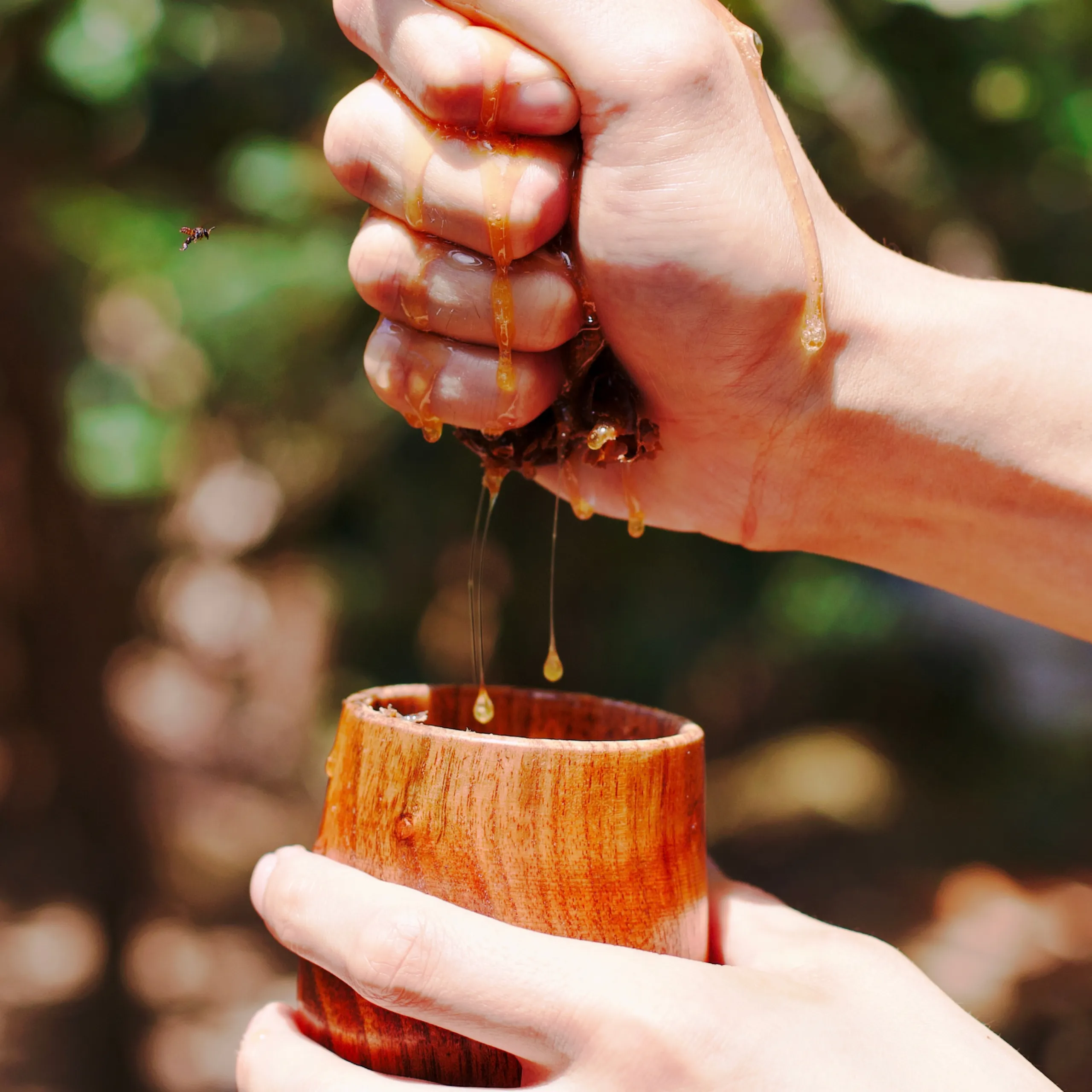
The low yield of the domesticated bees that produce stingless bee honey also made it more difficult to market. Traditionally, Val and Jess explain, beekeeping with these bees was mainly done for pollination and farming, rather than quantity. Ergo: farmers would have to sell them for higher—a risky move for less-experienced beekeepers. Plus, they continue, harvesting stingless bee honey is more of a “manual” process, one that yields less honey for similar levels of effort to other bee species. It certainly doesn’t help that the Kiwot honey isn’t considered a premium product, though that’s changing.
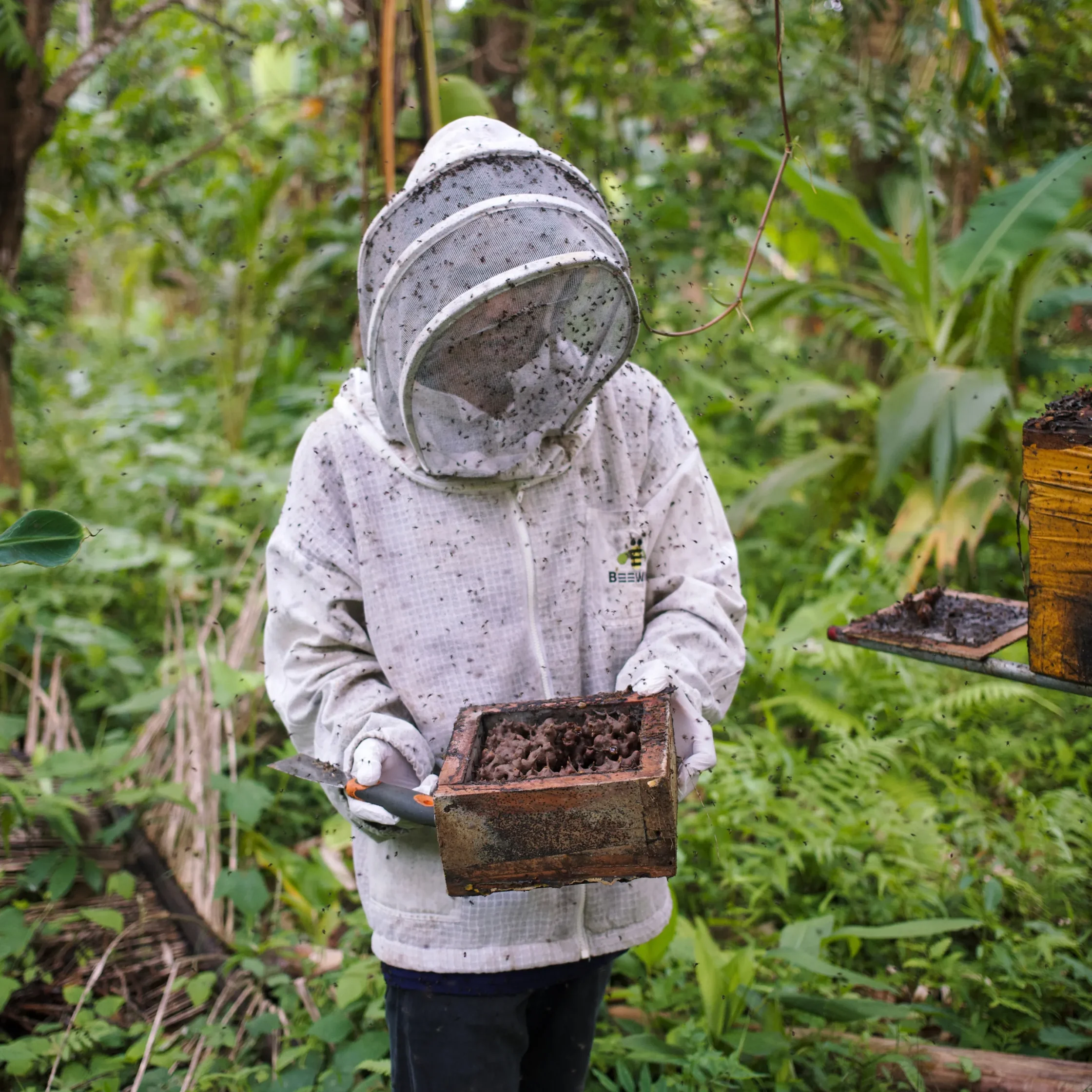
But the two knew Kiwot honey had huge potential, and so they embarked on doing research. In the early stages (from the U.S. where they were based back then), Jessica and Val were mostly sifting through online resources, which largely consisted of academic papers by Doctora Cleo Cervancia from UP Los Baños.
Actually getting in touch with people who work with stingless bee honey was another challenge, but through their networks, Jessica and Val were eventually able to get in touch with Annie’s Natural Farm in Nagcarlan, whose founder Annie Joy de Roxas also leads the Nagcarlan Stingless Beekeepers Association. They purchased a full harvest from Annie’s in July of 2025; Val has stayed in the Philippines since then, while Jessica made the full move in October that same year. Jessica also virtually attended a local bee conference in December 2025 and got to connect with bee keepers from Bicol; by January this year, they got to visit bee farms in the area and form partnerships.
Sharing the Love for Kiwot Honey
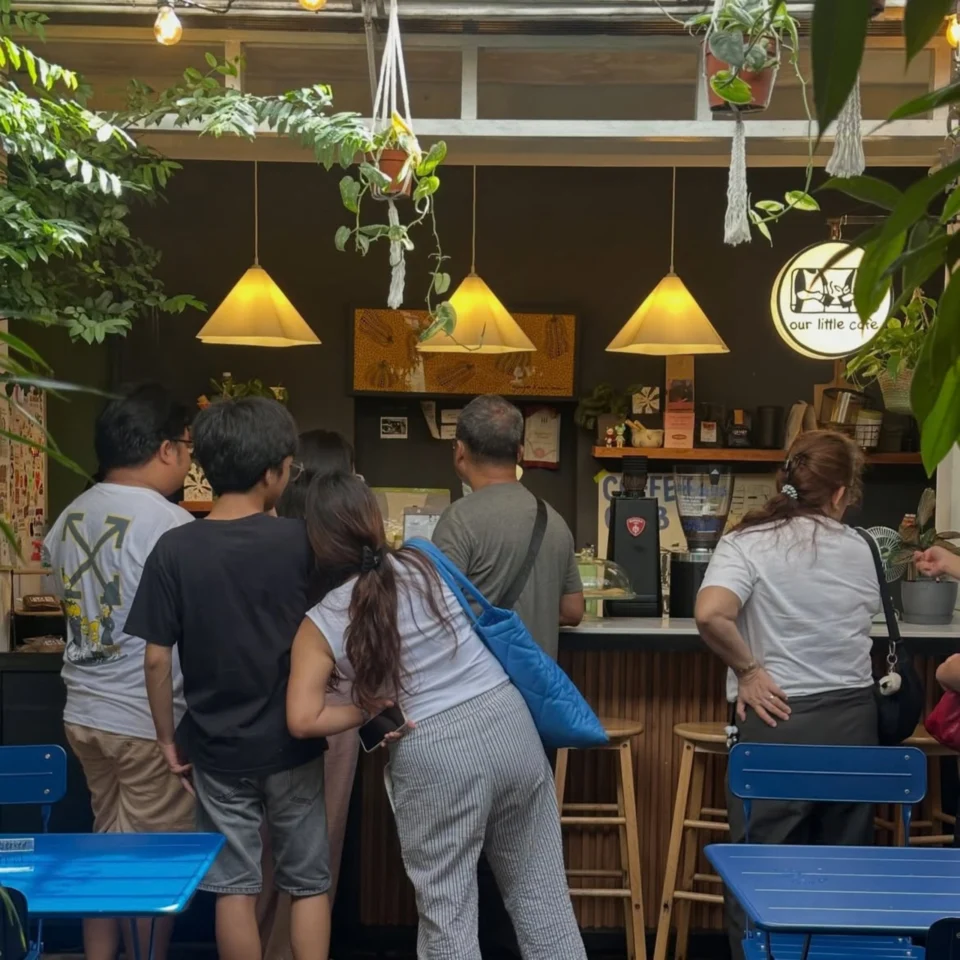
Today, Kaya Kusina features a lineup of stingless bee honeys from different parts of the Philippines: Alaminos, Calauan, and Nagcarlan in Laguna; Albay, Castillas, Camarines Norte, and Santa Magdalena in Bicol; and Tayabas, Quezon. Jessica and Val buy as much as the farmer is willing to harvest sustainably, with the goal of helping stabilize their supply; they also let the farmers name their price. Kaya Kusina supplies these honeys to a growing number of restaurants locally: Toma Toma, Ito Space, Lapita, Flow, and Hodge Podge in Makati; and Mrs. Saldo’s in Silang, Cavite.
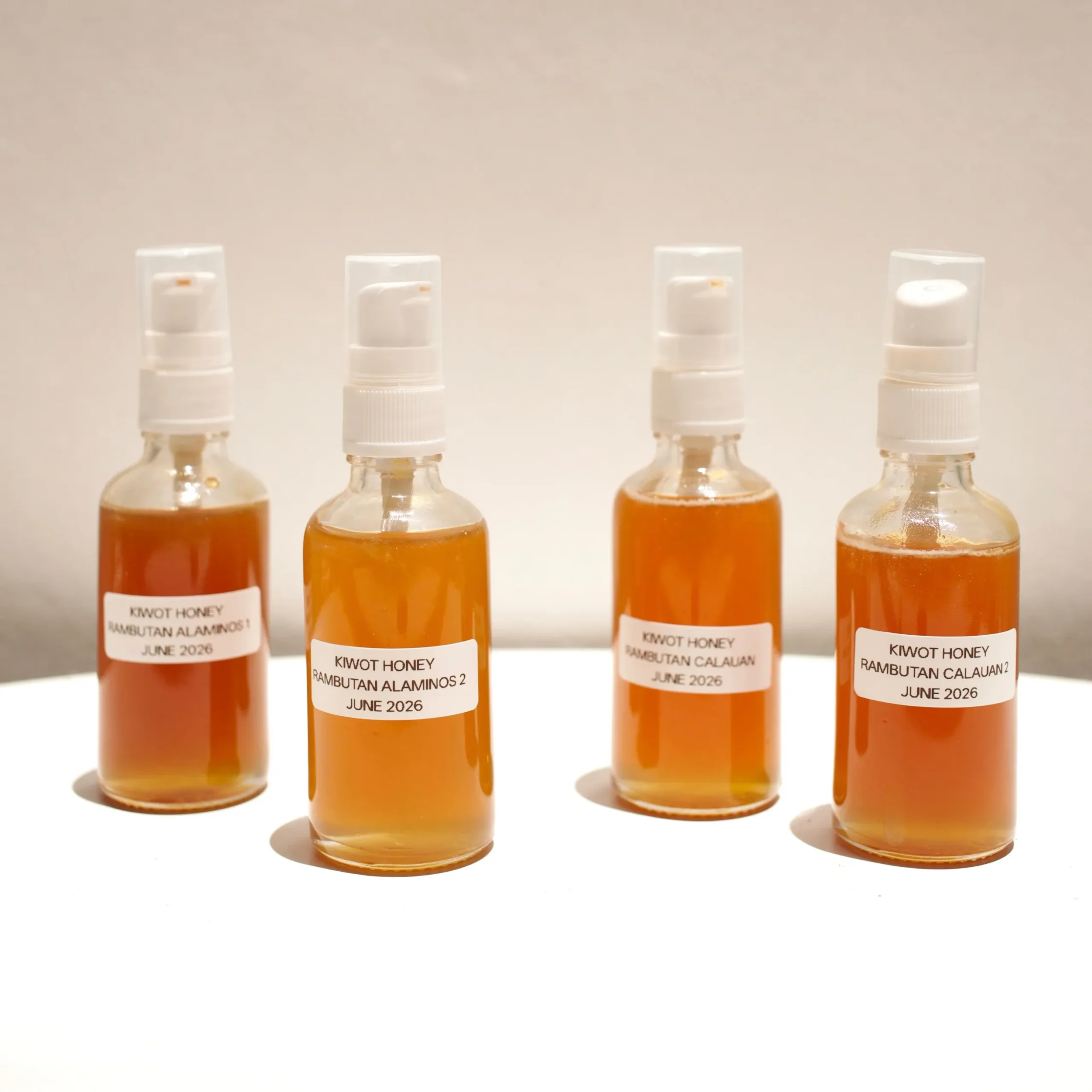
Through tasting sessions and other community events—some recent sessions were held at El Gato, The Fat Kid Inside Studios, Sabi Sounds, and Toma Toma—Kaya Kusina gets to live out their goal of highlighting Kiwot honey as a “blank canvas for regionality.”
Featured at these events are some of the regional varieties of Kiwot honey, with Jessica and Val discussing each variety’s areas of origin; the bees’ foraging sources; as well as the bee farms and the people behind them. “We visit all of our farms directly prior to onboarding and build that relationship, so we learn a lot about them and [their beekeeping practices]… and their local flora,” they share.
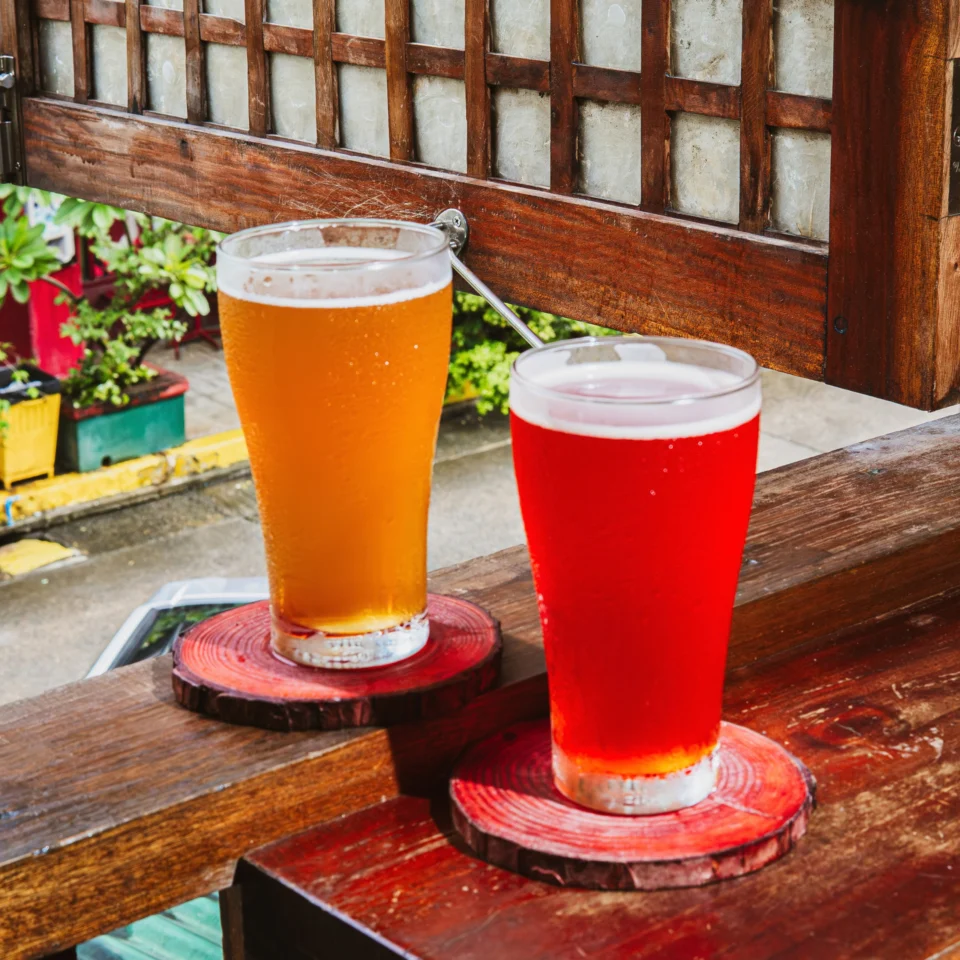
Kaya Kusina will also be holding more regular events soon at Toma Toma. “We think this will be a unique experience that makes it more experiential than traditional menus, since you will really get to experience the differences more deeply and practically while also getting to try a unique twist on food and drinks,” they share.
There’s a surprising range of flavor profiles one might encounter while tasting their way through Kaya Kusina’s Kiwot honey selection. One of their honeys from Tayabas, Quezon delivers notes of black tea and cardamom; the Daraga Tangy honey from Bicol gives a condensed milk-like richness before going vivid with pineapple and calamansi; and the Nagcarlan Citrus honey from Laguna brings an intriguing smokiness and native lemon note onto whatever it’s drizzled onto. This complexity in flavor is the result of factors like the the bee species, the foraging source, and the weather. Note, too, that the flavor of Kiwot honey can evolve over time as it continues to ferment even after harvesting.
Why Chefs Are Taking Notice of Philippine Kiwot Honey
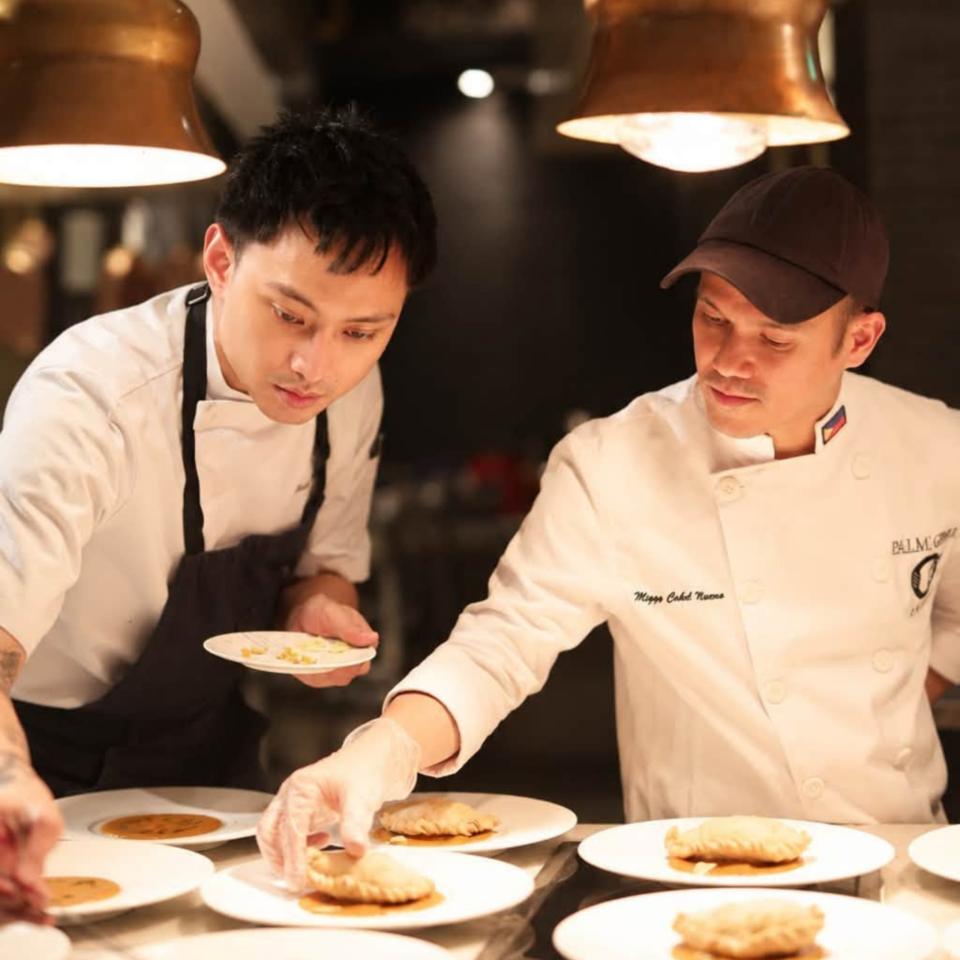
One of the milestones for Kaya Kusina was being part of Terra Madre Philippines in November 2025. They had a booth at the sustainable food gathering event held in Bacolod; Jessica was also helping out at the Slow Drinks initiative. It was here that Jess and Val got to meet folks from different segments of the food world—including esteemed chefs LG Han of Singapore’s Restaurant Labyrinth (which holds one Michelin Star as of writing), and Johanne Siy of Singapore’s Lolla (and Asia’s Best Female Chef in 2023). Han continues to get his honey from Kaya Kusina for use at his celebrated restaurant.
From their observations, having tasted stingless bee honeys from around Asia, Jessica and Val note that stingless bee honeys available in the Philippines seem to have more variance in flavor profiles, versus that of other Southeast Asian countries. Further studies are needed to pinpoint the exact science behind these differences, but there are some hypothetical reasons behind this as the two explain—for one, there are bees unique to the Philippines, including the Tetragonula Biroi species that Kaya Kusina highlights. It also likely helps that the Philippines has a large biodiverse flora that the bees tend to like and be excellent pollinators of.
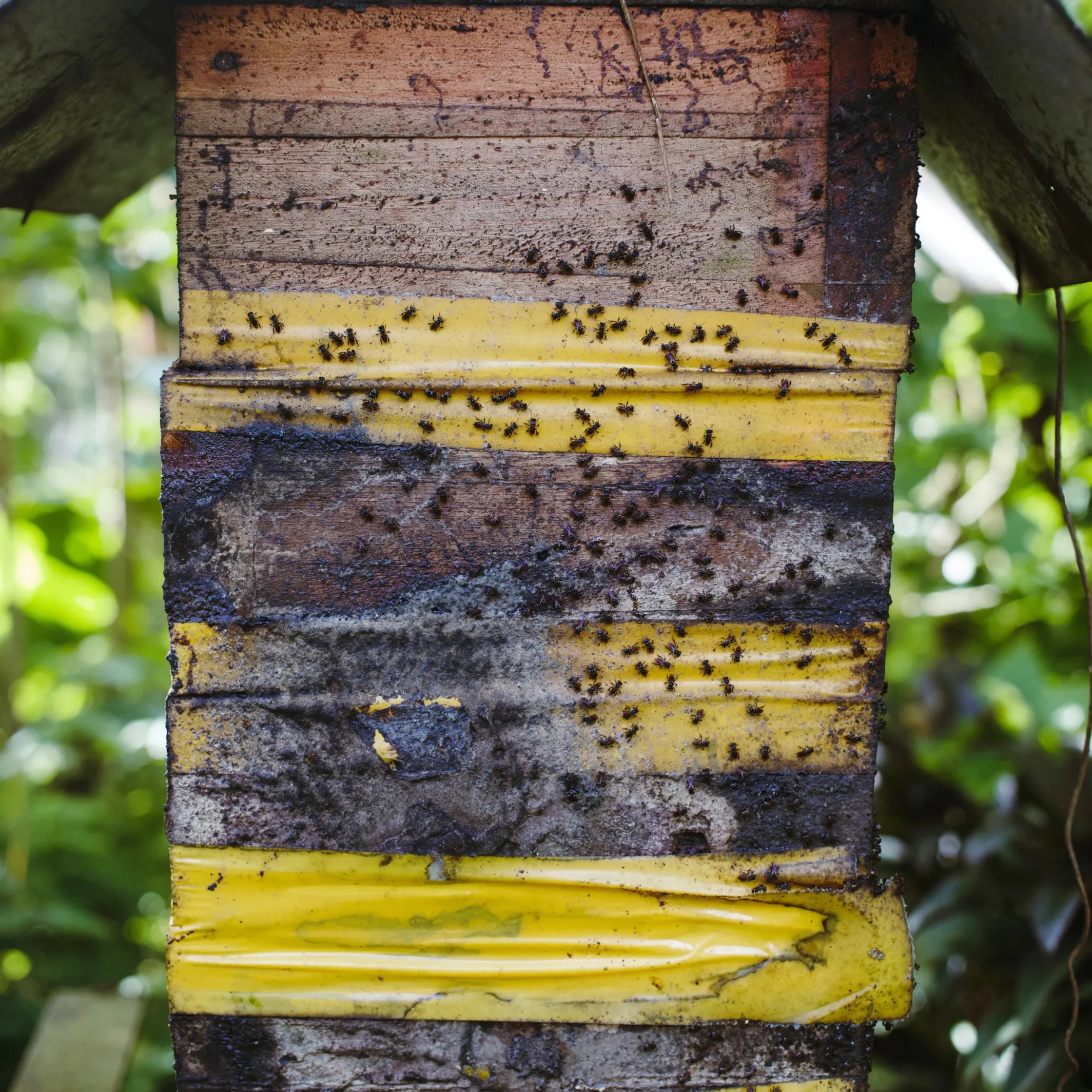
By putting Kiwot honey in the spotlight, they’re giving a prized local treasure the valuation it deserves from a flavor standpoint—in turn helping the hardworking bee farmers behind it, helping preserve an important part of Filipino culture, and unlocking a range of possibilities for the Philippine food system.

Frequently Asked Questions
Kiwot honey refers to the sweet-and-sour native honey produced by local stingless bees. It’s know for its medicinal properties and unique tangy flavor.
Kaya Kusina is a sustainable food distributer that is focused on garnering attention to locally produced goods and fostering a deeper appreciation and demand for the diverse flavors of Philippines-unique products.
Jessica Hernandez and Val Anthony Alvero are the co-founders of Kaya Kusina.
Kaya Kusina offers a lineup of stingless bee honeys from Alaminos, Calauan, and Nagcarlan in Laguna; Albay, Castillas, Camarines Norte, and Santa Magdalena in Bicol; and Tayabas, Quezon.
Yes! Kaya Kusina has been supplying their honeys for local restaurants like Toma Toma, Ito Space, Lapita, Flow, and Hodge Podge in Makati; and Mrs. Saldo’s in Silang, Cavite.
They have also had tasting sessions and other events held El Gato, The Fat Kid Inside Studios, and Sabi Sounds.
Their most recent successful venture was being part of Terra Madre Philippines last November 2025 where they met many acclaimed chefs, including chef LG Han of Singapore’s Restaurant Labyrinth, who still gets his honey from Kaya Kusina.
For Jessica and Val, honey from the stingless native to the Philippines seem to have more variance in flavor profiles compared to that of other Southeast Asian countries.